Closed-Loop Neuromodulation Algorithms
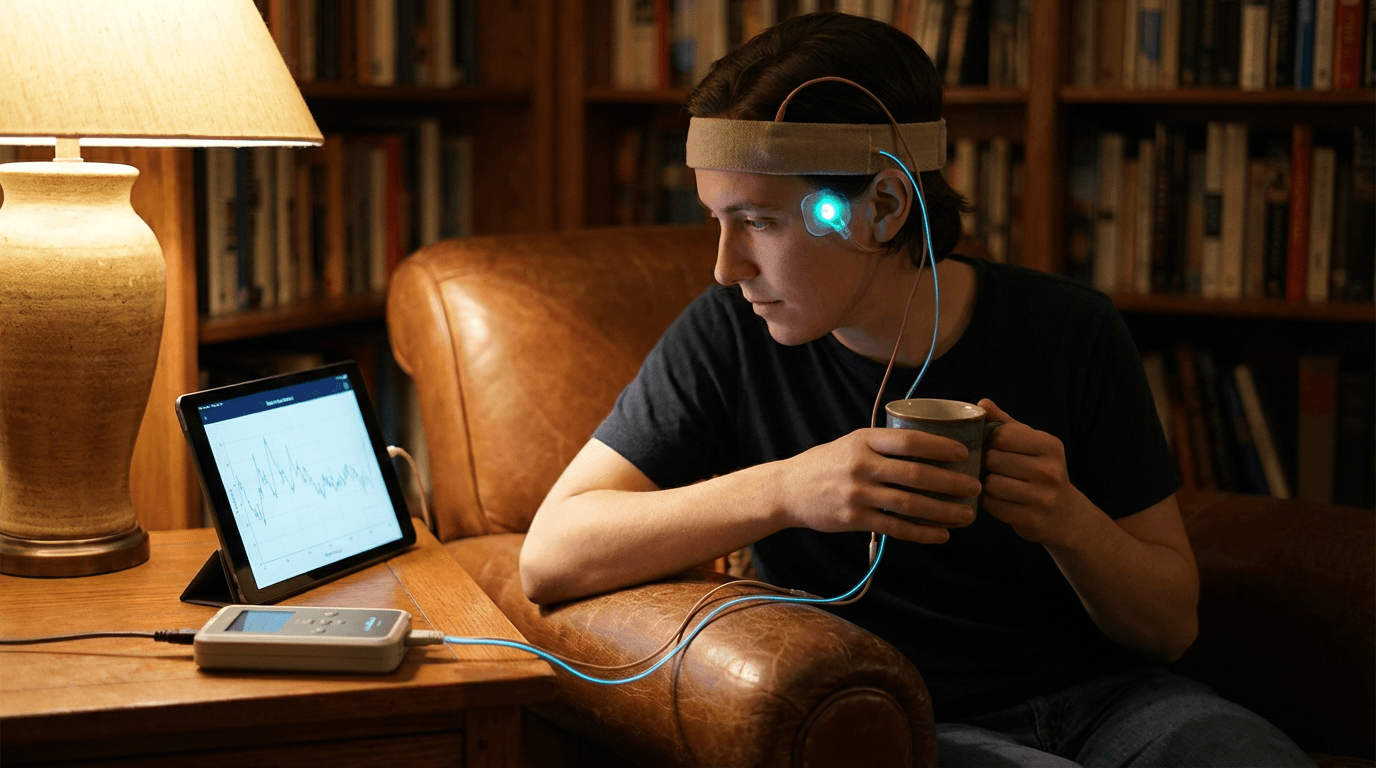
Closed-loop neuromodulation algorithms continuously monitor neural activity in real-time, detecting biomarkers of disease such as seizure onset patterns, tremor bursts, or other pathological neural signatures, and automatically trigger precise electrical stimulation to abort or regulate the abnormal activity before it causes symptoms. These adaptive systems create a feedback loop where the device senses the brain's state and responds automatically, unlike traditional open-loop systems that provide constant stimulation regardless of brain state, enabling more effective and efficient neuromodulation therapies that only stimulate when needed and can adapt to changing conditions.
This innovation addresses the limitation of traditional neuromodulation, where constant stimulation may be inefficient and doesn't adapt to the brain's changing state. By responding to real-time neural activity, closed-loop systems can be more effective. Companies like Medtronic, NeuroPace, and research institutions are developing these systems.
The technology is particularly significant for treating conditions like epilepsy and movement disorders, where adaptive stimulation could improve outcomes. As the technology improves, it could enable better treatments for various neurological conditions. However, ensuring reliable detection, managing false positives, and optimizing stimulation parameters remain challenges. The technology represents an important evolution in neuromodulation, but requires continued development to achieve the reliability and effectiveness needed for widespread use. Success could enable more effective neuromodulation therapies, but the technology must prove itself in clinical trials and long-term use.
Research this in Signals
Signals turns a topic into a sourced research record you can inspect and rerun. Your first scan is free, and this one starts with Closed-Loop Neuromodulation Algorithms already loaded, so edit it or scan as is.