Neuroprosthetic Calibration AI
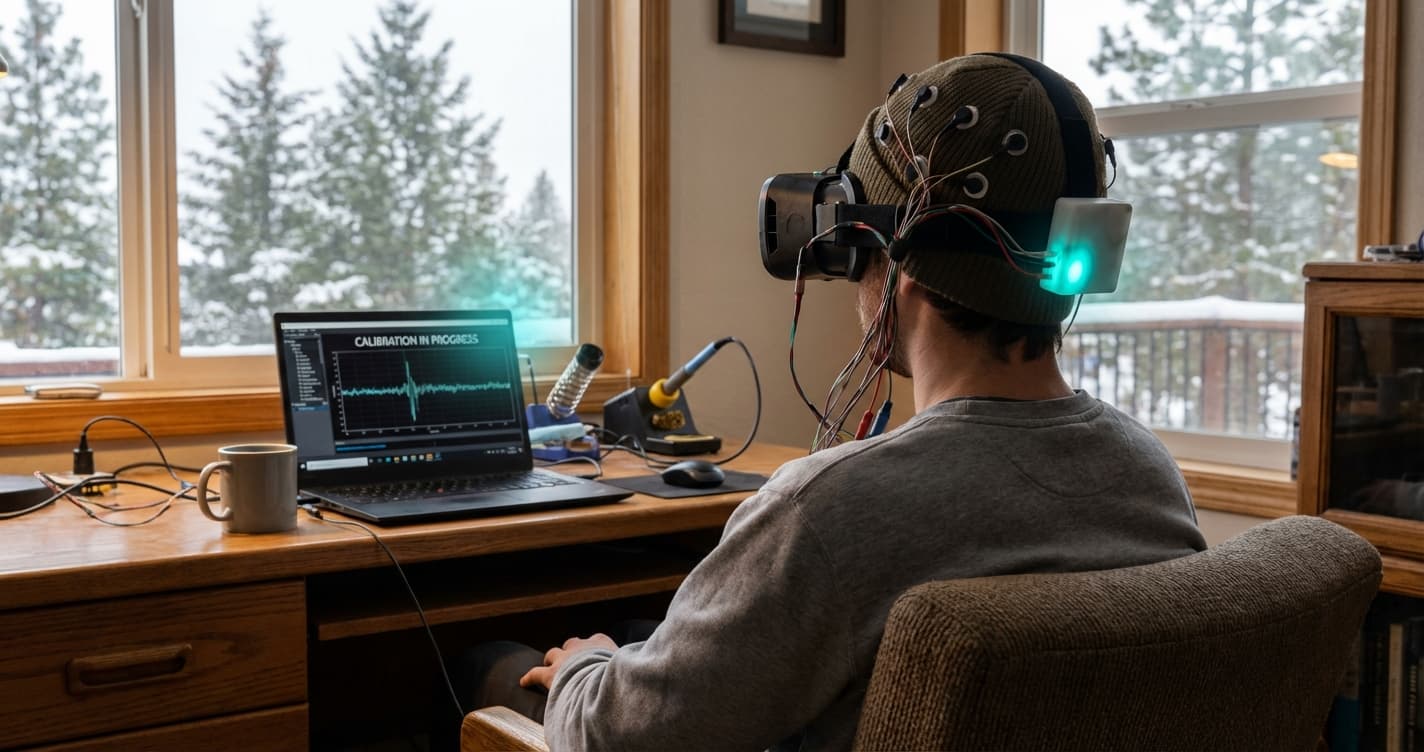
Neuroprosthetic calibration AI systems are automated calibration assistants that leverage continual learning algorithms to automatically adjust decoder weights (parameters that translate neural signals into commands), stimulation amplitudes (strength of electrical stimulation), and haptic feedback gains (intensity of touch feedback) based on daily usage patterns and user performance, reducing the burden on clinicians and maintaining high performance as neural signals naturally drift over time. These systems continuously adapt to changes in the user's neural signals and usage patterns, automatically optimizing the interface without requiring frequent clinic visits or manual recalibration, making neuroprosthetics more practical and user-friendly.
This innovation addresses the major limitation of current BCIs, where neural signals change over time (due to tissue response, learning, or other factors) requiring frequent recalibration that is time-consuming and requires clinical expertise. By automating calibration, these systems make BCIs more practical. Research institutions and companies are developing these technologies.
The technology is essential for making BCIs practical for long-term use, where automatic adaptation is necessary to maintain performance. As the technology improves, it could become standard for all BCIs. However, ensuring reliable adaptation, managing edge cases, and maintaining safety remain challenges. The technology represents an important evolution in BCI usability, but requires continued development to achieve the reliability needed for widespread use. Success could make BCIs much more practical and user-friendly, but the technology must prove it can reliably adapt without human oversight.
Research this in Signals
Signals turns a topic into a sourced research record you can inspect and rerun. Your first scan is free, and this one starts with Neuroprosthetic Calibration AI already loaded, so edit it or scan as is.