Seizure Prediction Models
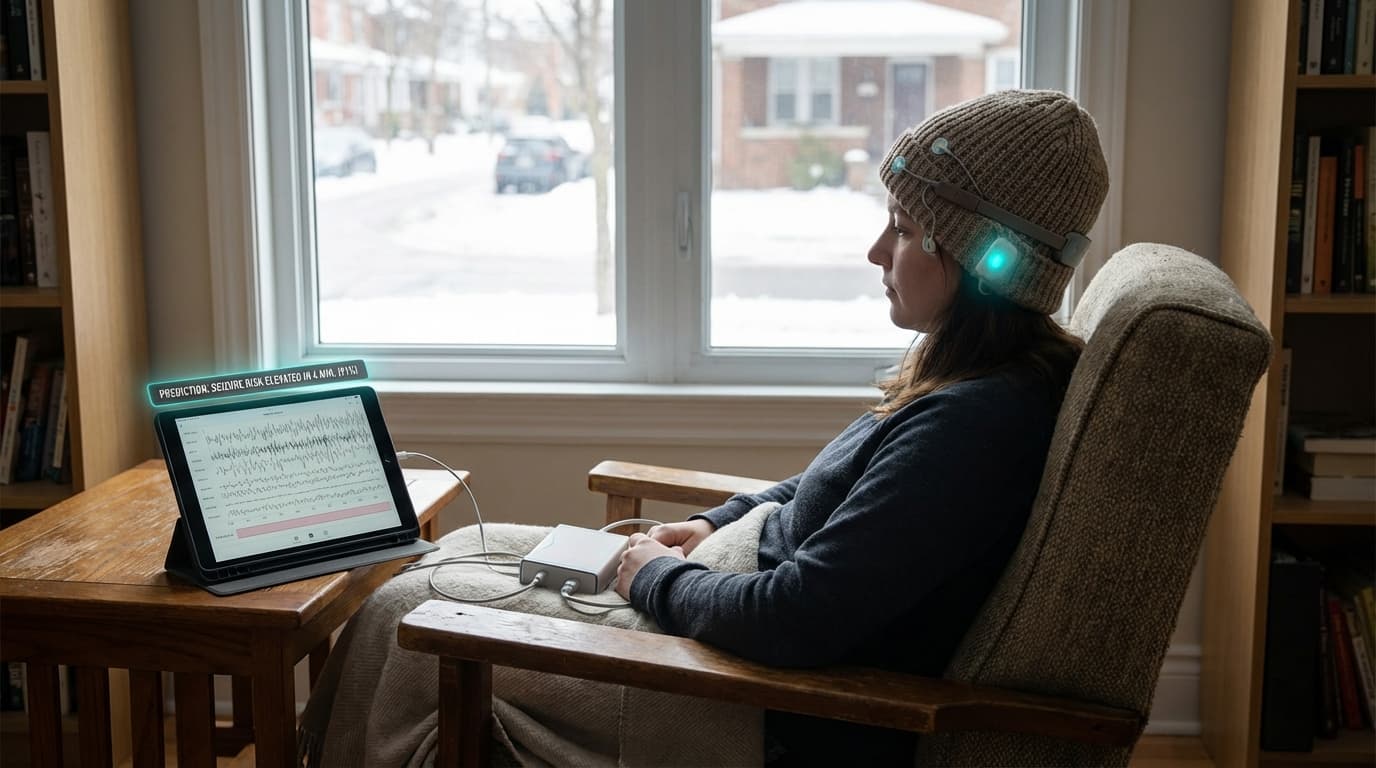
Seizure prediction models are deep learning systems trained on intracranial EEG (electroencephalography) recordings that can recognize preictal biomarkers (neural patterns that occur before seizures) and forecast epileptic events minutes or even hours in advance, enabling proactive intervention. These models can run on cloud servers or edge devices (implanted or wearable), delivering alerts to caregivers or automatically triggering responsive stimulation from implanted devices well before convulsions occur, giving patients and caregivers time to prepare and reducing injury risk for people with refractory epilepsy (seizures that don't respond to medication) by preventing or aborting seizures before they cause harm.
This innovation addresses the unpredictability of seizures, which is one of the most disabling aspects of epilepsy, where patients never know when a seizure will occur. By predicting seizures, these systems can enable proactive management. Companies like NeuroPace and research institutions are developing these technologies.
The technology is particularly significant for people with refractory epilepsy, where seizure prediction could dramatically improve quality of life and safety. As the technology improves, it could become standard for epilepsy management. However, ensuring prediction accuracy, managing false alarms, and integrating with treatment systems remain challenges. The technology represents an important advance in epilepsy care, but requires continued development to achieve the reliability needed for clinical use. Success could transform epilepsy management by making seizures predictable, but the technology must prove its accuracy and reliability in long-term use.
Research this in Signals
Signals turns a topic into a sourced research record you can inspect and rerun. Your first scan is free, and this one starts with Seizure Prediction Models already loaded, so edit it or scan as is.