












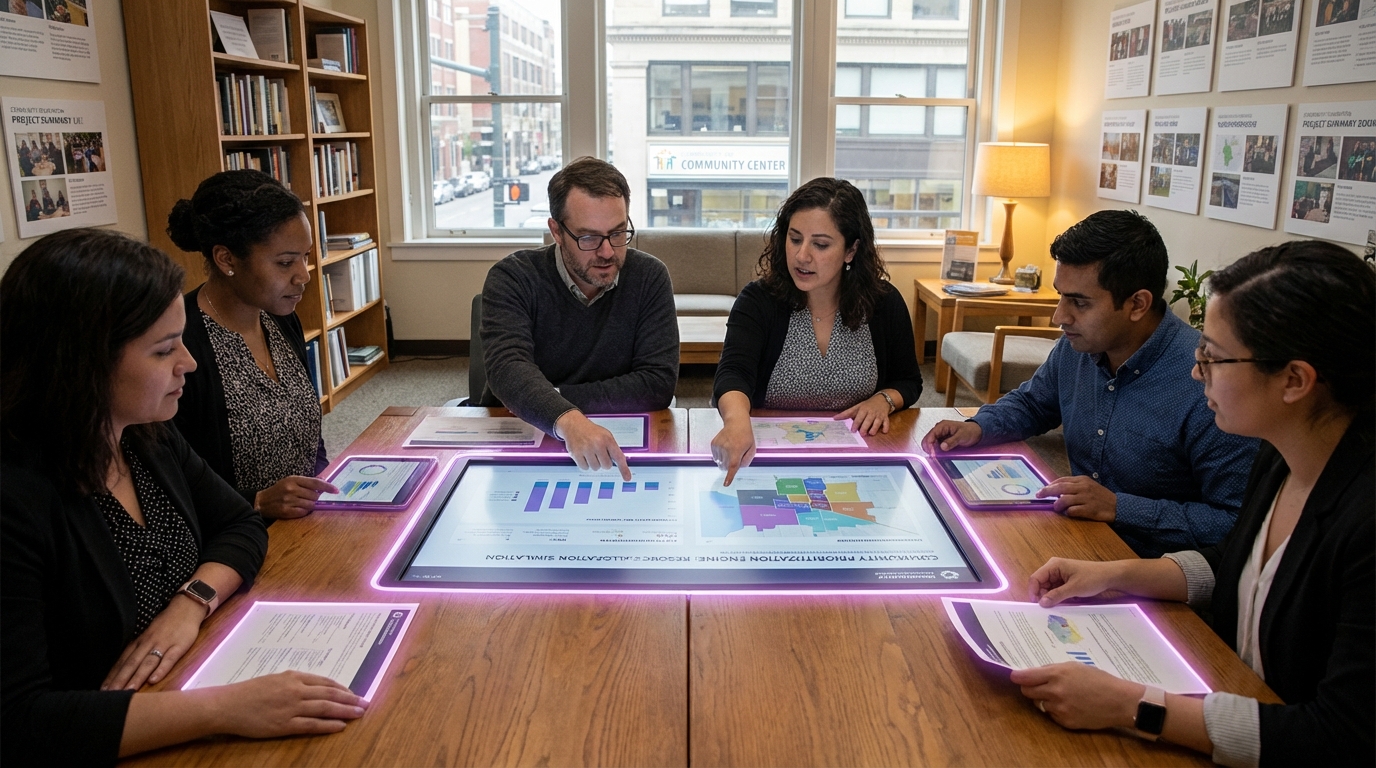


















































AI used for grant triage, pattern detection, and bias auditing, as technology
AI used for grant triage, pattern detection, bias auditing, and continuous
Proliferation of AI-generated grant applications creating new challenges
Proliferation of laws restricting NGO operations, foreign funding, and civil
End-to-end systems automating grant allocation from application to disbursement,
Automation reducing overhead but increasing opacity, as efficiency gains
Rise of beneficiary councils with veto or allocation power, creating new
Rapidly growing philanthropic attention to biodiversity collapse and nature-based
Blurring lines between grants, investment, and guarantees, as philanthropy
Growing influence of care ethics emphasizing relationships, interdependence,
Use of catalytic capital to unlock public/private co-investment, using philanthropy
Growth of citizen science and community-generated research that challenges
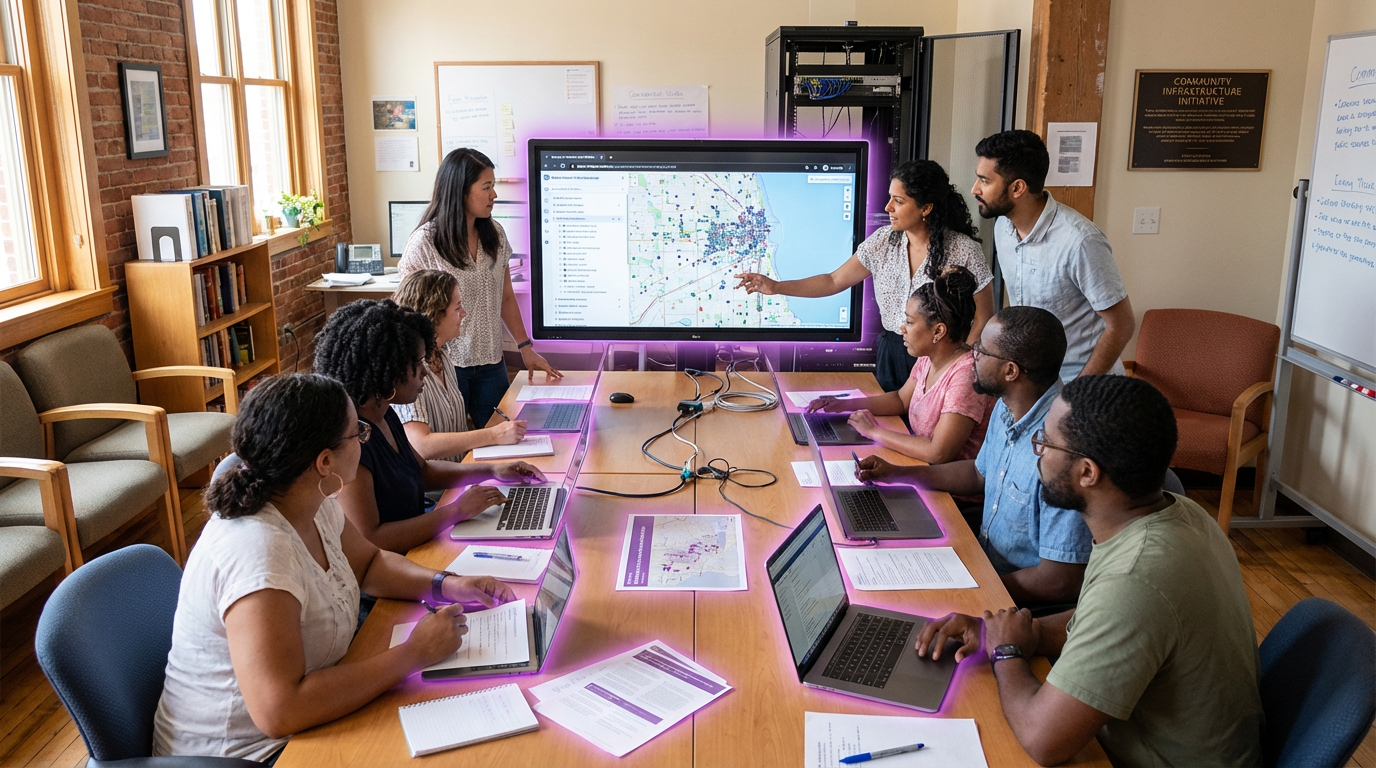
Public-facing transparency tools showing resource flows, enabling accountability
Climate adaptation funding surpassing mitigation, with disaster philanthropy
Collapse or consolidation of traditional intermediaries, as direct giving
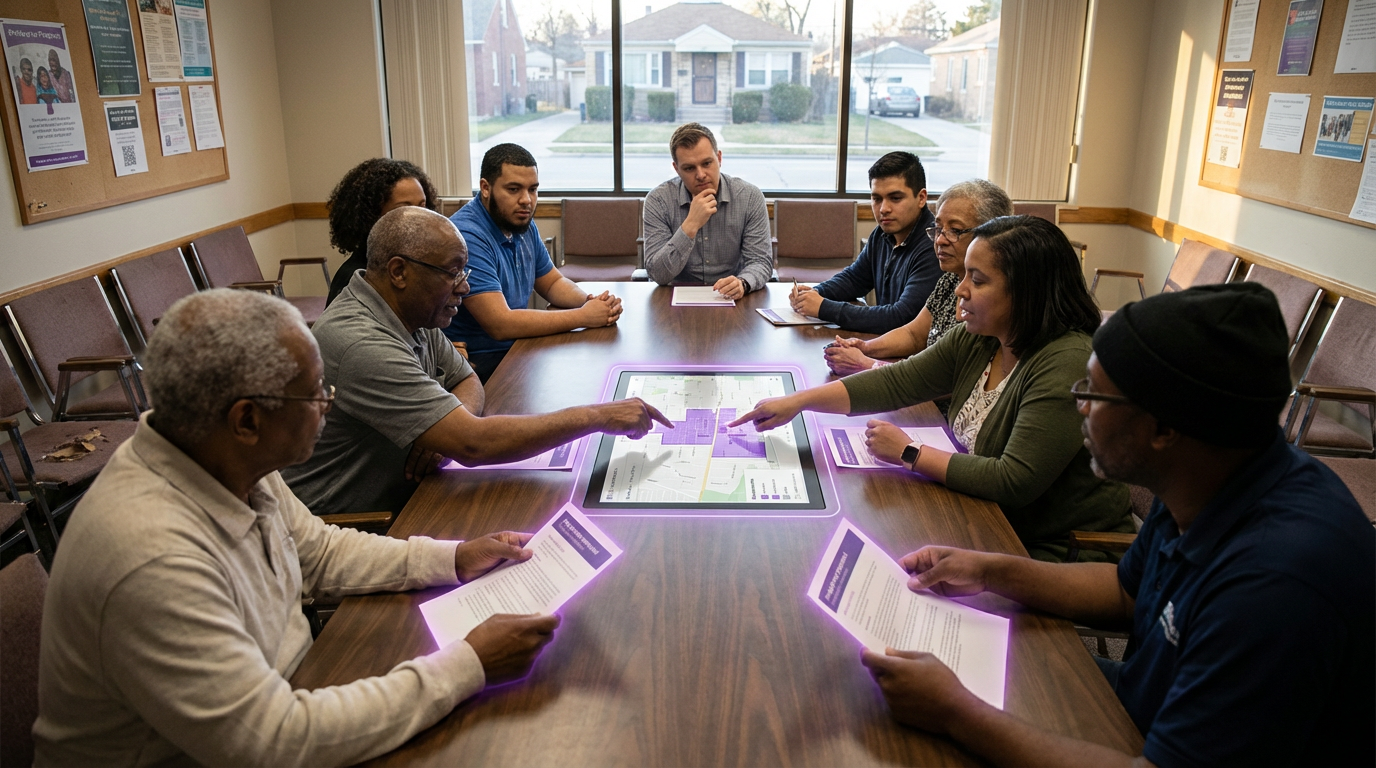
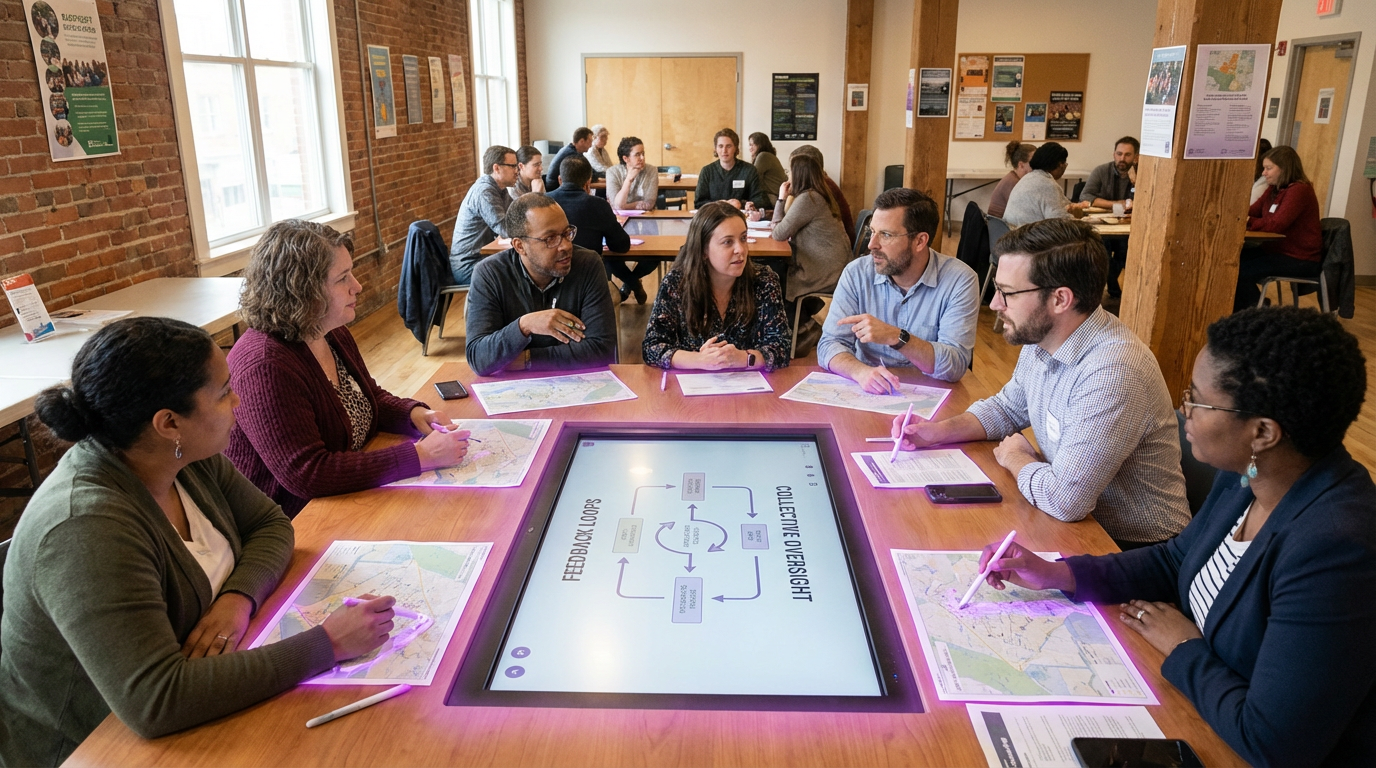
Systems that aggregate community preferences and priorities for funding decisions,
New accountability mechanisms driven by affected communities, reshaping how
Micro-donation platforms with recurring automated flows, enabling sustained
Critiques of philanthropy as reputational laundering, questioning whether
Cross-sector hybrids (NGO + DAO + public body), as new organizational forms
Emergence of crypto donations, smart contracts for giving, and blockchain-based
Rising cybersecurity threats targeting NGOs, activists, and civil society
Decentralized autonomous organizations enabling collective giving and governance
Decline of hero-donor narratives in favor of collective action, as individualistic
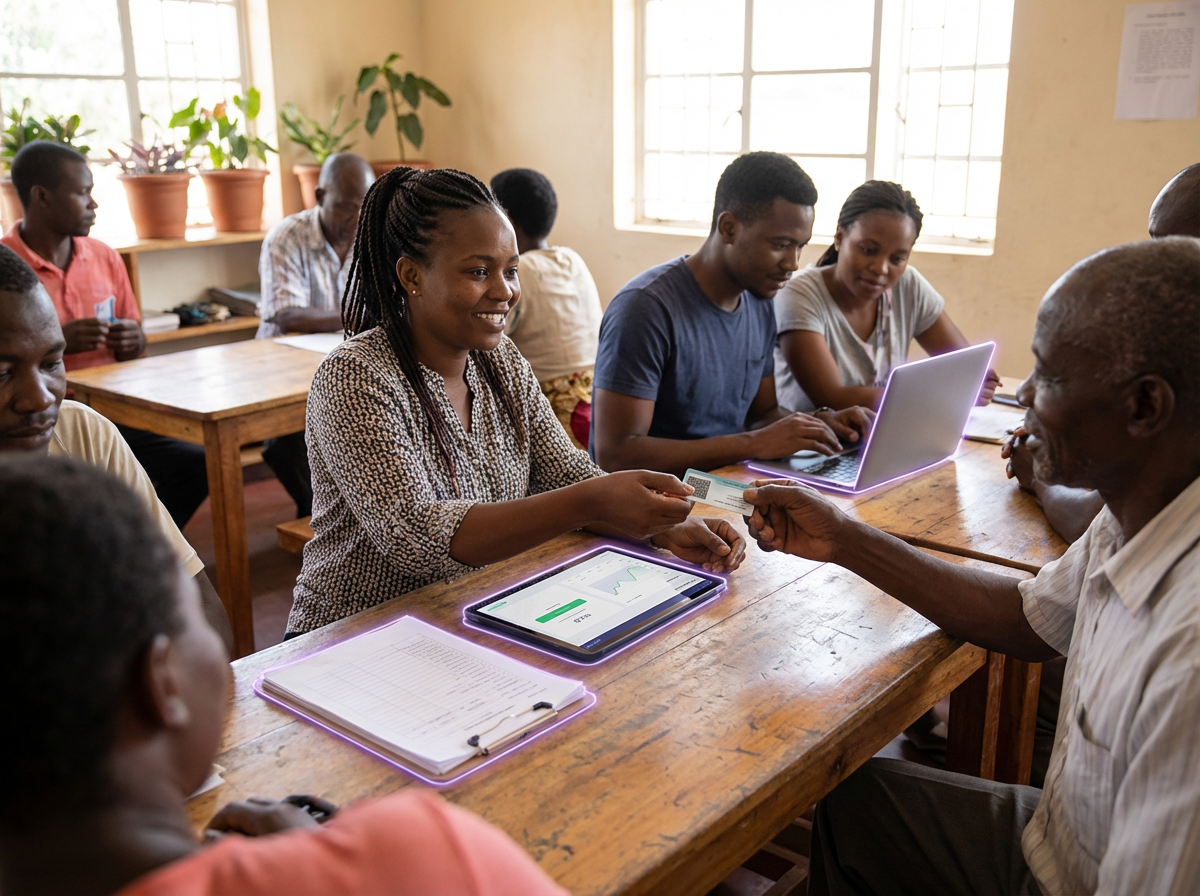
Technology solutions for digital identity and credentials for refugees, displaced
Digital public goods funded and stewarded by philanthropy, creating infrastructure
Growing movement toward unconditional direct cash transfers as the most efficient
Disaster philanthropy becoming permanent, not episodic, as crises become
Intelligent systems that route donations to optimal recipients based on need,
Growing regulatory scrutiny of donor-advised funds, questioning tax benefits
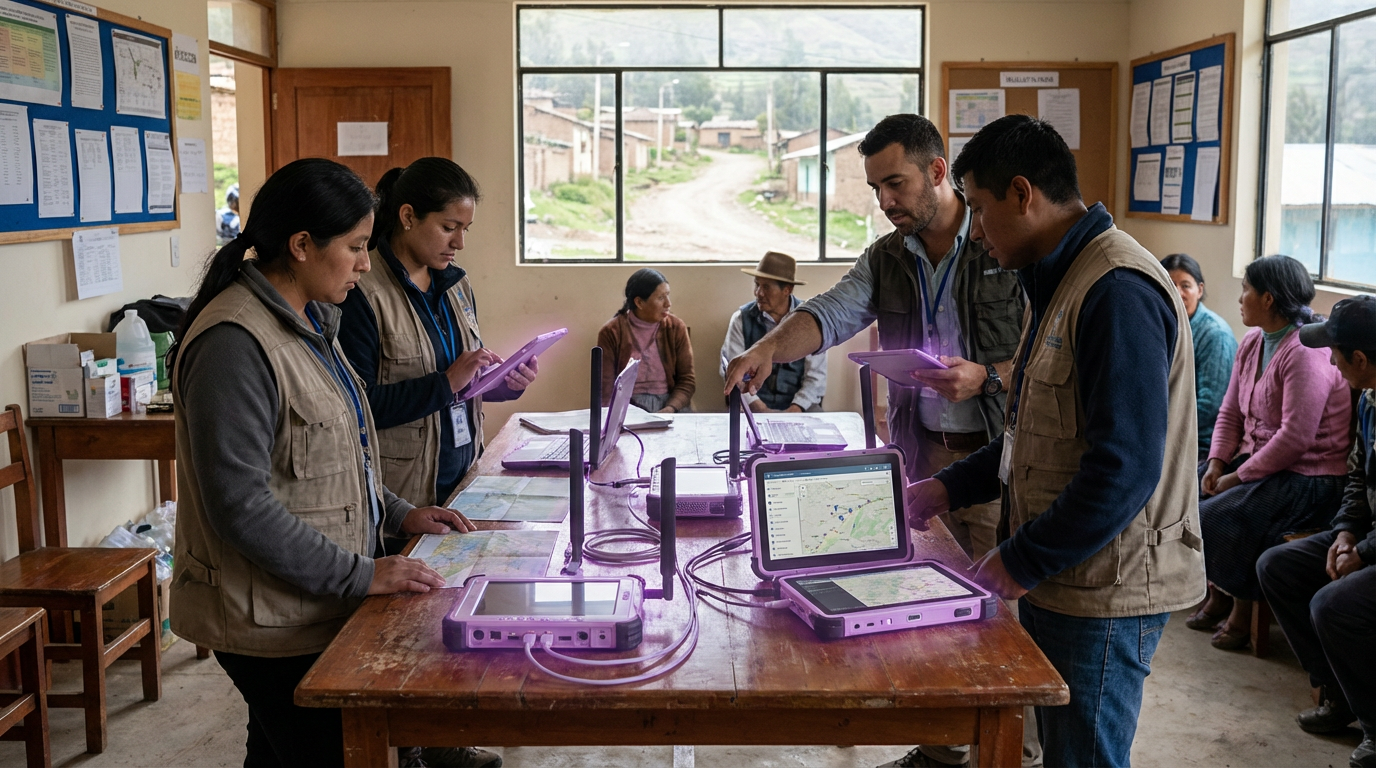
Distributed computing devices enabling offline and remote coordination of
Post-FTX reckoning with effective altruism, challenging its assumptions while
Real-time crisis coordination systems enabling rapid mobilization and coordination
Ethical dilemmas of funding in contested or authoritarian contexts, as philanthropy
Growing philanthropic attention to existential risks including AI safety,
Companies and organizations transitioning to community ownership or steward-ownership
New formal structures for government-philanthropy collaboration beyond traditional
Foundations acting as conveners rather than funders, focusing on coordination
Growing philanthropic investment in combating misinformation, supporting
Tensions between global foundations and local sovereignty, as international
Sovereign debt crises in the Global South constraining development and requiring
Formation of grantee associations and collective organizing to advocate for
Growing recognition that excessive impact measurement requirements burden
Computational systems for quantifying and tracking social outcomes, enabling
Declining public trust in institutions extending to foundations and large-scale
Intergenerational wealth transfer reshaping donor intent, as massive wealth
Legal challenges to perpetual foundations and endowments, questioning the
Philosophical and practical debates about prioritizing future generations
IoT sensors and devices tracking program outcomes in the field, enabling
Migration, displacement, and statelessness shaping priorities, as forced
Growth of mission-aligned endowments and debates around 100% deployment,
Narrative and lived-experience data valued alongside metrics, as philanthropy
Networked, temporary, or pop-up philanthropic entities, with foundations
Open data commons for philanthropic intelligence, creating shared knowledge
Experimentation with outcome-based or regenerative finance, exploring new
Post-COVID investment in pandemic preparedness, health security, and the
Mobile and web applications enabling community-driven funding decisions,
Shift from donor-led to community-led decision-making, with participatory
Philanthropy operating across fragmented geopolitical blocs, navigating an
Philanthropy acting as parallel governance where states fail, raising questions
Redefinition of philanthropy as repair, restitution, or reconciliation, challenging
Emergence of donor cooperatives and pooled funding mechanisms that aggregate
Philanthropy embedded inside movements rather than institutions, as giving
Philanthropy funding epistemic infrastructure (labs, observatories), investing
Philanthropy navigating sanctions, nationalism, and regulation, as geopolitical
Philanthropy underwriting public infrastructure and risk, as private capital
Platformization of giving and mutual aid, as technology enables new forms
AI and machine learning systems forecasting intervention effectiveness, enabling
Privacy-preserving data collaboration across NGOs, enabling shared intelligence
Pushback against financialization of social impact, as critiques question
Redefinition of altruism across cultures and generations, as diverse understandings
Proliferation of giving circles and collective giving models that democratize
Remote sensing and satellite imagery enabling crisis response, impact verification,
Shift from evaluation to continuous learning systems, moving beyond periodic
Programmable giving with automated conditions, enabling trustless, transparent,
Spiritual, indigenous, and non-Western models gaining visibility, as diverse
Talent flows between philanthropy, activism, and startups, as career paths
Tech backlash influencing funding choices and narratives, as critiques of
Tension between evidence-based and values-based action, as philanthropy navigates
Time-bound or spend-down foundations replacing perpetuity, as new donors
Growing movement toward unrestricted, multi-year funding with reduced reporting
Recognition of uncertainty as a first-class design constraint, as philanthropy
Growing water scarcity driving conflict, migration, and humanitarian crises
Follow us for weekly foresight in your inbox.