Grantee Associations & Collective Voice
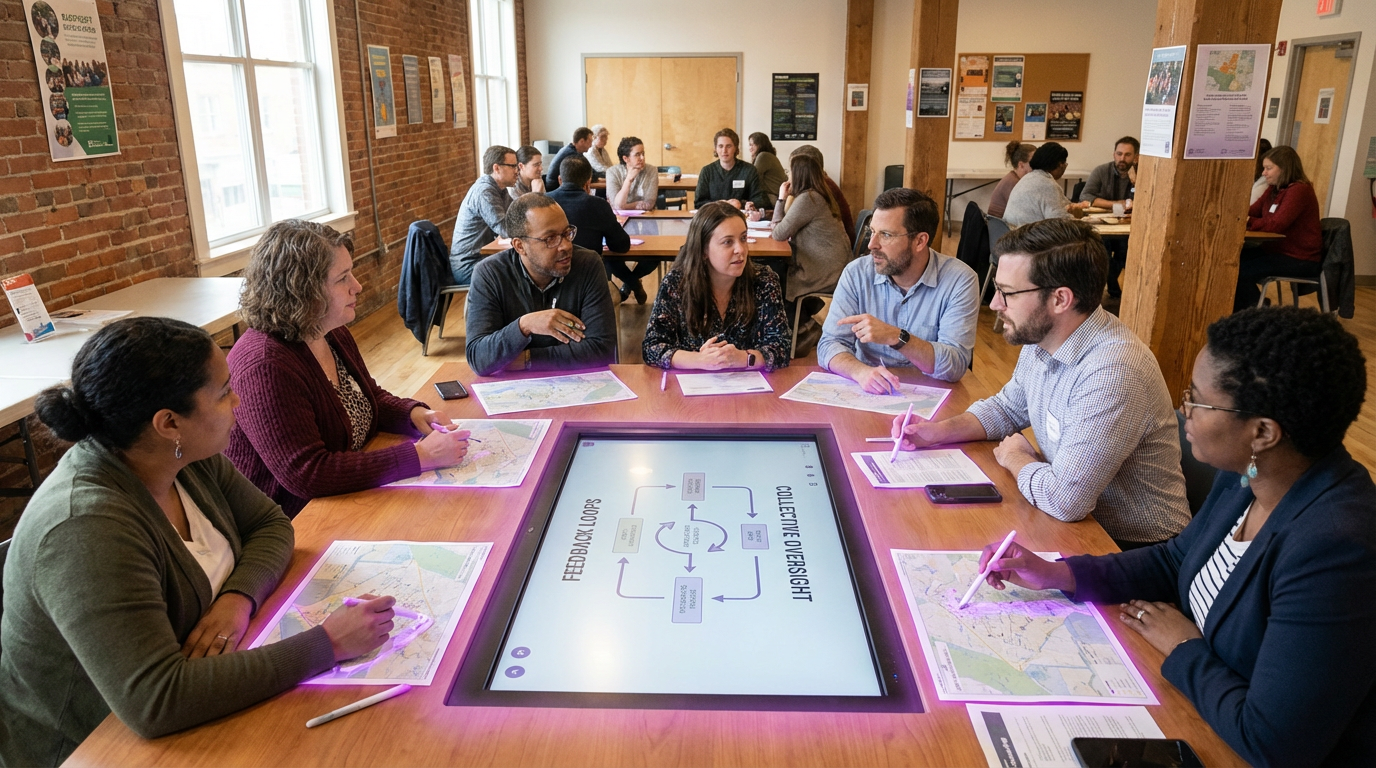
The traditional philanthropic model has long been characterized by a significant power asymmetry between funders and grantees, where nonprofit organizations receiving grants have had limited ability to influence the terms, conditions, and practices that govern their funding relationships. This imbalance has resulted in various challenges for grantees, including excessive reporting requirements that consume organizational resources, restricted funding that limits operational flexibility, short grant cycles that prevent long-term planning, and limited opportunities to provide feedback on funder practices without fear of jeopardizing future support. Grantee associations and collective voice initiatives represent an organizational response to these structural inequities, drawing on principles of collective organizing and labor movements to create platforms where nonprofit organizations can safely articulate shared concerns, advocate for improved practices, and negotiate more equitable relationships with philanthropic institutions. These associations typically operate through formal networks or coalitions that provide anonymized feedback mechanisms, develop shared advocacy agendas, and create spaces for peer learning and solidarity among organizations that might otherwise compete for the same funding sources.
The emergence of organized grantee voice addresses several persistent problems within the philanthropic sector that individual organizations have been reluctant or unable to challenge alone. Research suggests that many nonprofits avoid providing candid feedback to funders due to legitimate concerns about retaliation or funding loss, creating an information asymmetry that prevents foundations from understanding the real impact of their practices. Collective organizing helps overcome this dynamic by enabling grantees to share experiences, identify patterns of problematic practices across multiple funders, and present unified recommendations that carry greater weight than individual complaints. These associations have advocated for concrete changes such as reducing administrative burdens through simplified reporting processes, increasing the proportion of unrestricted or general operating support that allows organizations to respond flexibly to community needs, extending grant periods to enable sustainable planning, and creating more participatory grantmaking processes that involve beneficiary communities in funding decisions. Some grantee collectives have also pushed for transparency around foundation decision-making, challenged requirements that force nonprofits to compete rather than collaborate, and questioned practices that perpetuate inequitable power dynamics, particularly those affecting organizations led by and serving marginalized communities.
While grantee associations remain relatively nascent compared to other forms of collective organizing, early initiatives indicate growing momentum within the sector. Several regional and issue-specific grantee networks have formed in recent years, creating forums for shared learning and collective advocacy, though many operate with varying degrees of formality and public visibility. Some foundations have responded to organized grantee feedback by implementing practice changes, establishing grantee advisory committees, or creating formal mechanisms for ongoing dialogue, while others have been more resistant to challenges to traditional philanthropic norms. This development connects to broader trends in organizational governance and stakeholder capitalism, where beneficiaries and recipients of services are increasingly demanding voice and participation in institutions that affect them. The trajectory of grantee collective organizing will likely depend on several factors, including whether foundations embrace these efforts as opportunities for learning and improvement or view them as threats to institutional autonomy, how grantee associations navigate the inherent tension between advocacy and funding dependence, and whether the sector develops new governance models that institutionalize more balanced power relationships between funders and grantees as a standard practice rather than an exception.
Related Organizations

A platform allowing grantees to anonymously review foundations and share experiences.
A peer-to-peer funder initiative to address the inherent power imbalances between foundations and nonprofits.

A movement and community of fundraisers transforming fundraising practices to be grounded in racial equity and social justice, explicitly rejecting the 'hero donor' trope.
A watchdog organization advocating for philanthropy to serve the public good and marginalized communities.
Association of Black Foundation Executives (ABFE)
United States · Nonprofit
A membership-based philanthropic organization that advocates for responsive and transformative investments in Black communities.

Provides data and insight to enable philanthropic funders to define, assess, and improve their effectiveness.

A global alliance of civil society organizations and activists dedicated to strengthening citizen action.

A prominent blog and community hub led by Vu Le, critiquing philanthropic power dynamics.
A network of foundations committed to systemic change and addressing the root causes of injustice.

A member-led community of grants management professionals dedicated to advancing equitable, effective grantmaking practices.