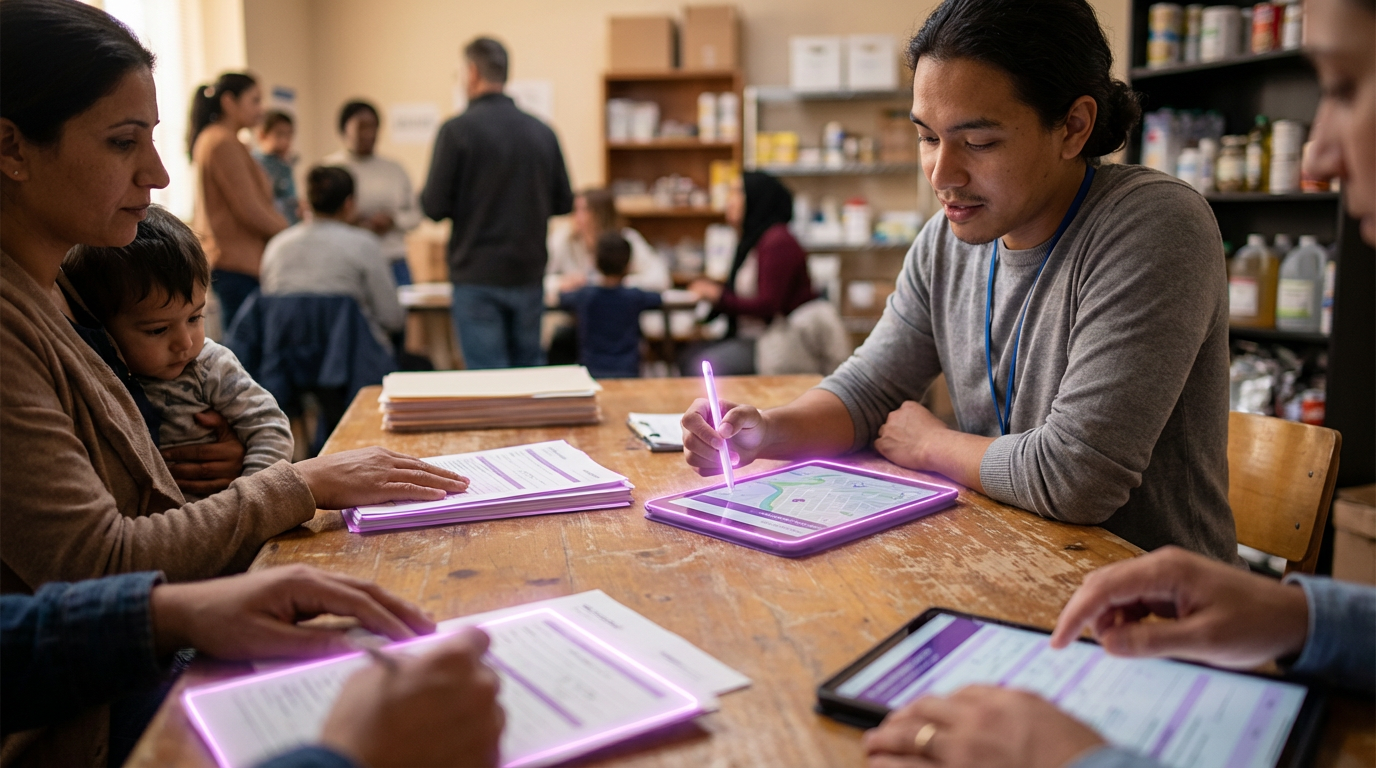
Digital Identity for Displaced & Stateless Populations
Digital identity systems for displaced and stateless populations represent a critical intersection of humanitarian technology and fundamental rights infrastructure. These solutions typically employ a combination of biometric authentication (fingerprints, iris scans, facial recognition), blockchain-based credential storage, and mobile-accessible platforms to create portable, verifiable identity records for individuals who lack traditional documentation. The technical architecture often involves distributed ledger systems that allow identity data to be stored securely across multiple nodes, reducing dependency on any single governmental authority while enabling cross-border verification. Some implementations use self-sovereign identity frameworks, where individuals maintain control over their own credentials through encrypted digital wallets, while others integrate with existing humanitarian databases managed by organizations like UNHCR. The challenge lies in creating systems robust enough to function across fragmented digital infrastructure, secure enough to protect vulnerable populations, and interoperable enough to be recognized by multiple jurisdictions and service providers.
The absence of official identity documentation creates cascading barriers for displaced populations, preventing access to banking services, formal employment, education credentials, healthcare records, and legal protections. Traditional paper-based documentation is easily lost, destroyed, or left behind during displacement, while obtaining replacement documents often requires access to government offices in countries of origin that may be inaccessible or hostile. Digital identity solutions aim to break this cycle by creating persistent, portable records that can survive physical displacement and be verified remotely. Early deployments suggest these systems can accelerate refugee registration processes, reduce fraud in aid distribution, enable remote verification of professional qualifications for employment, and facilitate family reunification by creating searchable databases. However, the technology also introduces new vulnerabilities: centralized biometric databases become attractive targets for surveillance states, data breaches could expose entire populations to persecution, and the permanence of blockchain records raises concerns about the "right to be forgotten" for individuals seeking to rebuild lives in new contexts.
Current implementations range from pilot programs in refugee camps to more established systems like the World Food Programme's Building Blocks project, which has used blockchain-based identity for cash assistance distribution. Some initiatives focus specifically on credential verification, allowing refugees to prove educational or professional qualifications through digitally-signed transcripts and certificates that can be verified by employers or universities worldwide. Yet significant questions remain about governance, consent, and power dynamics. Who controls these identity systems—humanitarian organizations, host governments, or the displaced individuals themselves? How can meaningful consent be obtained from populations in crisis situations with limited alternatives? The technology cannot resolve the underlying political reality that statelessness and displacement result from failures of international protection systems, not merely administrative gaps. As digital identity infrastructure becomes increasingly embedded in humanitarian response, the sector faces a critical tension between the genuine utility these systems provide in crisis contexts and the risk of normalizing technological surveillance as a condition for accessing basic rights. The trajectory of this technology will likely depend less on technical capabilities than on the governance frameworks, data protection standards, and power-sharing arrangements that determine who benefits from and controls these systems of recognition.
Related Organizations

UNHCR Innovation Service
Switzerland · Government Agency
The UN Refugee Agency deploys the Population Registration and Identity Management EcoSystem (PRIMES) and Biometric Identity Management System (BIMS) to register and manage identities of millions of refugees globally.

The world's largest humanitarian organization, focused on hunger and food security.

Provides end-to-end iris recognition financial payment platforms (EyePay) used extensively by UNHCR and WFP for refugee assistance.

Develops biometric fingerprint technology specifically designed for the 'last mile,' enabling accurate identification in low-resource settings for aid distribution.

The Identification for Development (ID4D) initiative helps countries realize the transformational potential of digital identification systems.

Humanitarian institution based in Geneva.

Uses blockchain and biometrics to provide digital identity to stateless people and refugees, notably working with the IRC and in Southeast Asia.

An independent humanitarian organization helping people forced to flee.

An e-payment solution in Afghanistan that provides digital financial identity to users, crucial for aid distribution in a sanction-heavy environment.

Provides a digital wallet that enables refugees to store and transport assets across borders using basic mobile phones, effectively acting as a financial identity.

A global organization coordinating the tech community to build solutions for refugee needs, including communication and identity.