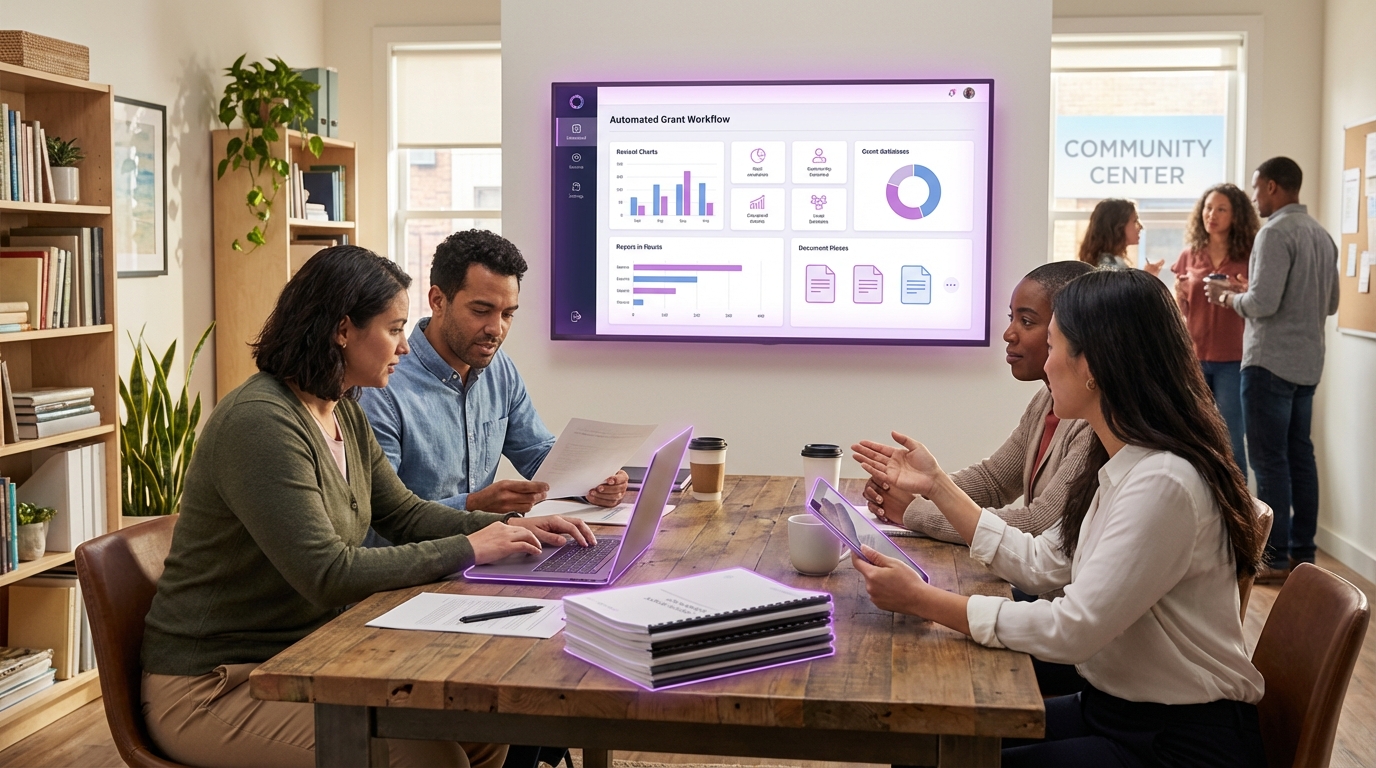
Continuous Donation Systems
Continuous donation systems represent a fundamental shift in philanthropic infrastructure, moving away from episodic, large-sum giving toward automated, recurring micro-contributions that flow seamlessly from donors to recipients. These platforms leverage digital payment infrastructure and behavioral economics principles to enable various forms of automated giving: round-up donations that direct spare change from everyday purchases to charitable causes, subscription-based giving models that mirror consumer services like streaming platforms, and percentage-of-income contributions that automatically adjust donation amounts based on a donor's financial situation. The technical architecture typically integrates with banking APIs, payment processors, and financial management applications to create frictionless donation flows that require minimal ongoing attention from donors. By reducing the transaction costs and cognitive burden associated with traditional giving, these systems aim to democratize philanthropy and create more predictable revenue streams for nonprofit organizations.
The philanthropic sector has long grappled with donor retention challenges, unpredictable funding cycles, and barriers to entry for small-scale givers who may feel their contributions are too modest to matter. Continuous donation systems address these pain points by transforming giving from a deliberate, periodic decision into an embedded financial habit. For nonprofit organizations, this model offers the promise of more stable, predictable funding that enables better long-term planning and reduces the resource-intensive work of constant fundraising campaigns. The systems also lower psychological barriers for new donors by making initial commitments feel manageable—a few dollars per month rather than a substantial one-time gift. However, this convenience introduces new tensions around donor engagement and intentionality. Research suggests that automated giving may reduce donors' emotional connection to causes and their awareness of where funds actually flow, potentially undermining the relational aspects of philanthropy that build lasting commitment and accountability.
Early implementations of continuous donation systems have emerged across various platforms, from standalone apps focused on round-up donations to features integrated into banking services and payment applications. Some platforms allow donors to allocate micro-donations across multiple causes simultaneously, creating diversified giving portfolios that mirror investment strategies. Others focus on specific sectors, such as mutual aid networks or community-based organizations, where small, steady contributions can have outsized impact. As these systems mature, critical questions remain about their long-term effects on the philanthropic ecosystem: whether they genuinely expand the donor base or simply redistribute existing giving into smaller increments, how to maintain transparency and accountability in automated flows that may escape donors' regular attention, and whether the predictability they offer nonprofits creates new forms of dependency or genuinely enables more strategic planning. The trajectory of continuous donation systems reflects broader trends toward subscription-based economic models and automated financial management, suggesting that the future of giving may increasingly resemble the infrastructure of consumer commerce—for better and worse.
Related Organizations

A platform enabling nonprofits to accept round-up donations from donors' credit card purchases.

A protocol for streaming money, allowing funds to flow continuously from one wallet to another by the second.

A modern Donor-Advised Fund (DAF) built around the concept of the 'Giving Goal' and automated recurring contributions.
A community focused on building the Future of Giving using blockchain technology.

An app by the World Food Programme that allows users to donate small amounts (as little as $0.80) with a single tap.

A global business giving movement that embeds micro-giving impacts into everyday business transactions.

A workplace giving platform designed for millennials, focusing on social, interactive, and smaller-dollar recurring giving.
Membership platform that connects creators directly with fans, avoiding algorithmic feed dependency.

An impact commerce platform that enables brands to donate a percentage of sales to causes seamlessly at checkout.

An app that lets users donate part of their purchase value to a nonprofit of their choice at partner brands.