Participatory Grantmaking
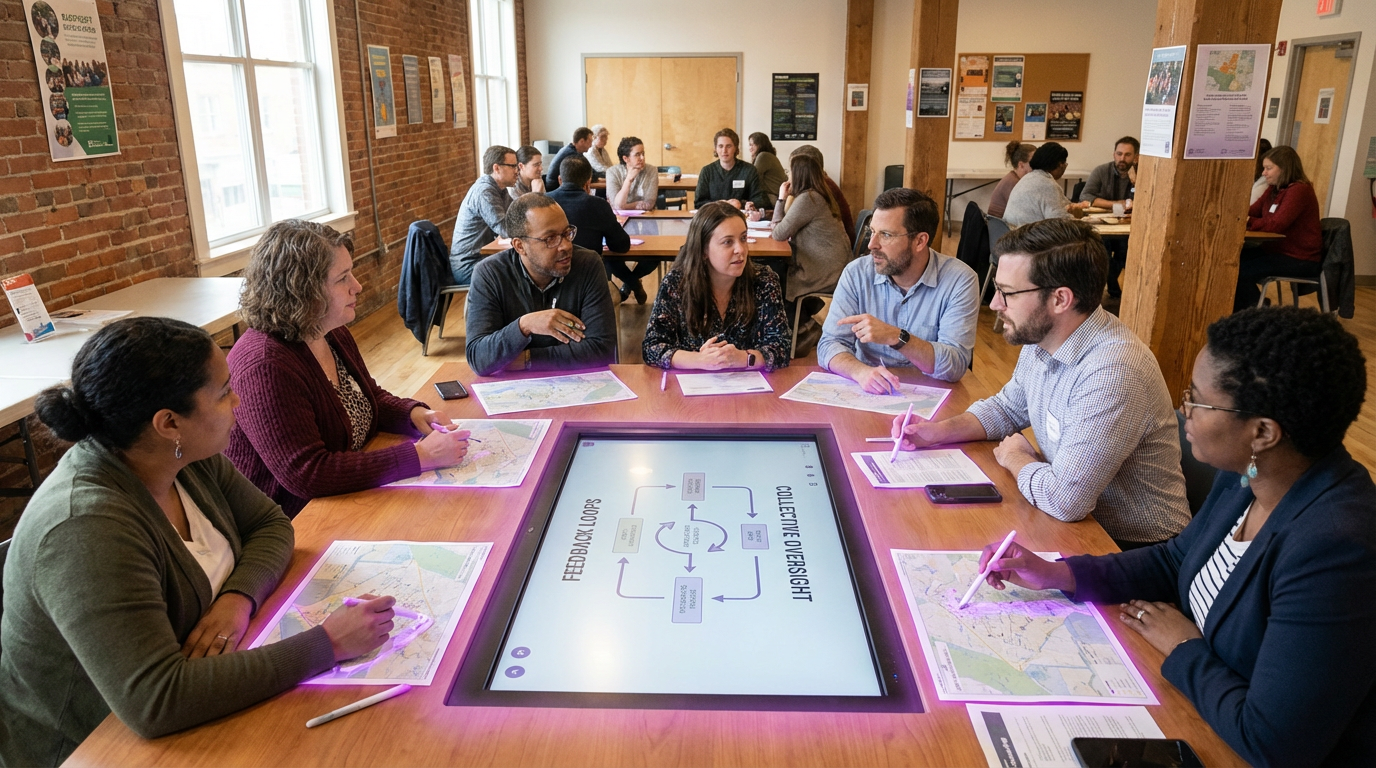
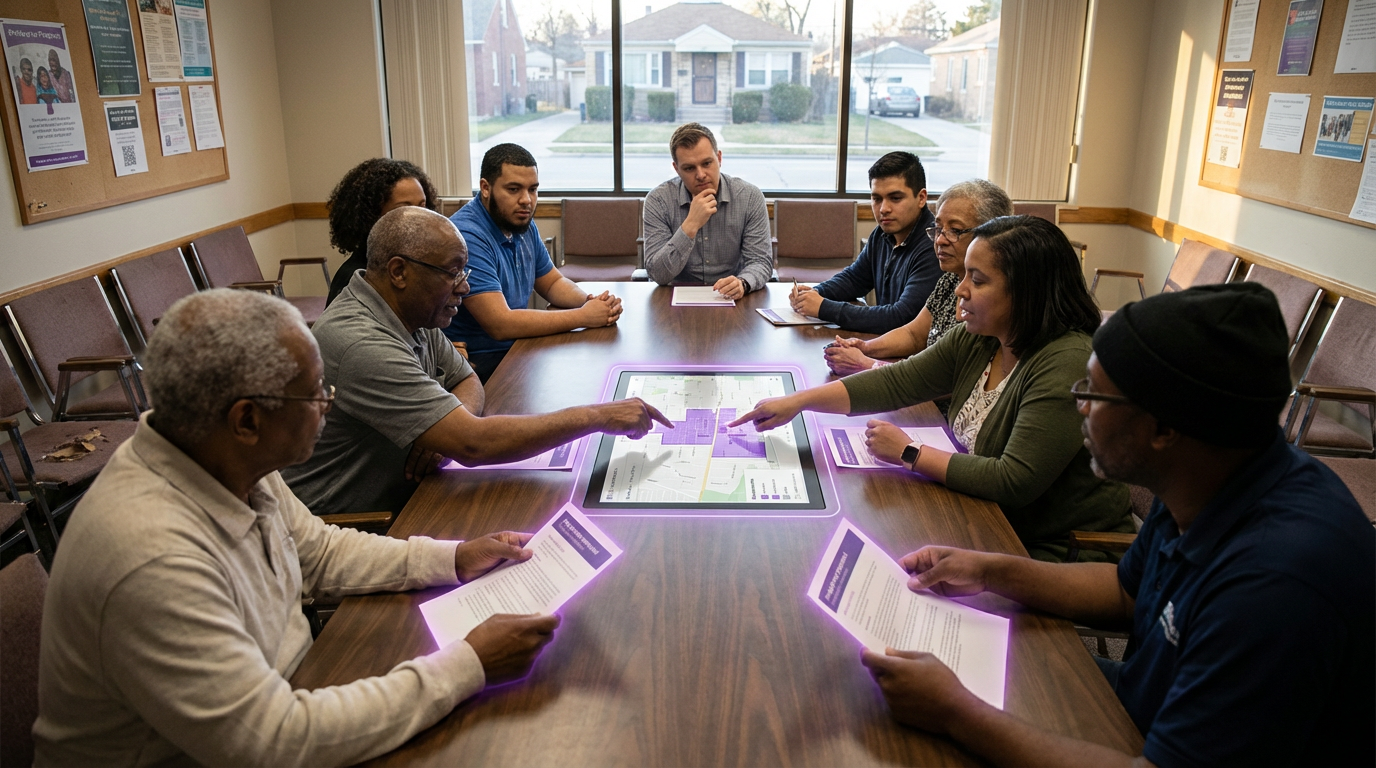
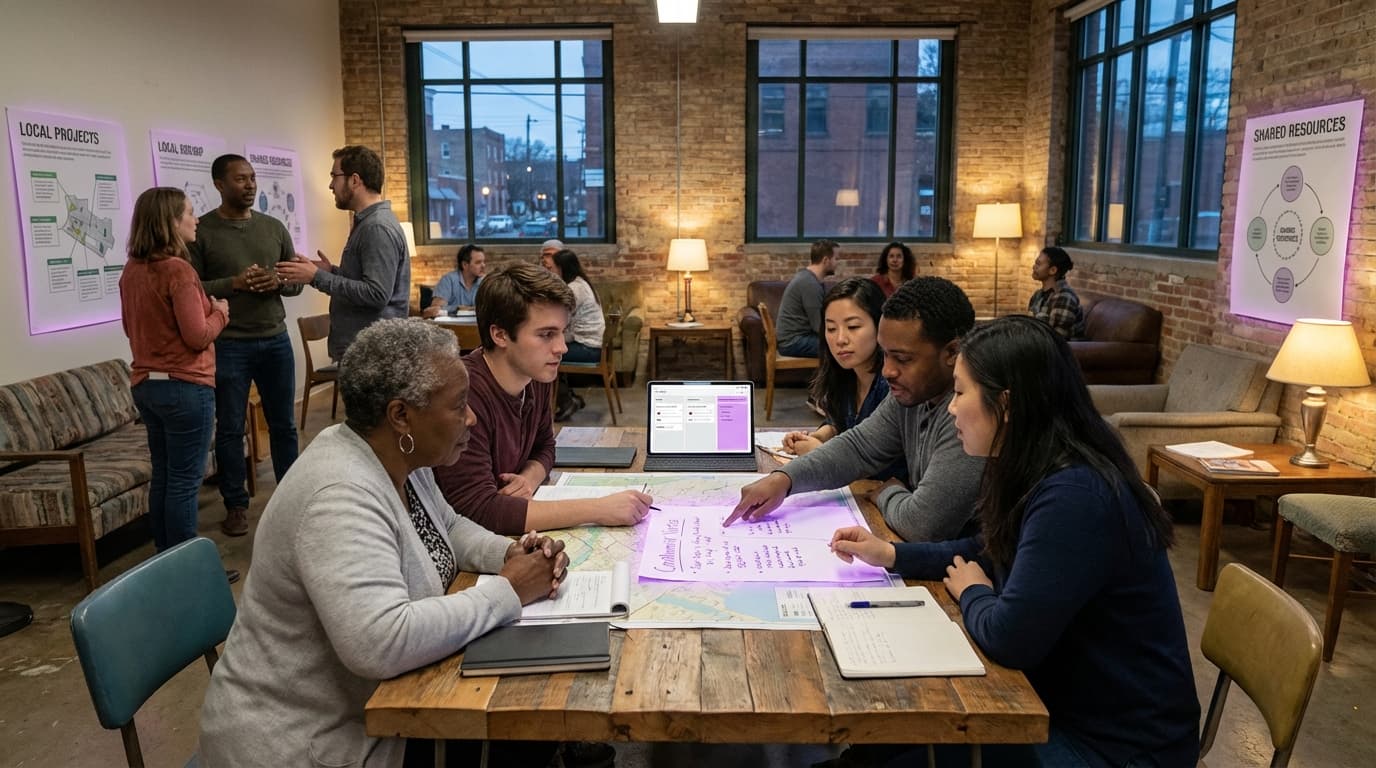
Participatory grantmaking fundamentally restructures the traditional philanthropic model by transferring decision-making authority from institutional donors and foundation boards to the communities and individuals most directly affected by social challenges. Unlike conventional grantmaking, where program officers and trustees determine funding priorities and select recipients based on institutional expertise, this approach embeds community members as active decision-makers throughout the allocation process. The mechanism typically involves recruiting diverse community panels or advisory committees who review applications, deliberate on funding priorities, and make final allocation decisions, often with minimal oversight from the funding institution. Some models go further, incorporating participatory budgeting techniques where community members collectively determine not only which organizations receive funding but also the strategic priorities and evaluation criteria themselves. This structural shift requires foundations to develop new operational frameworks, including training programs for community reviewers, transparent decision-making protocols, and modified accountability measures that honour community wisdom alongside traditional metrics.
The rise of participatory grantmaking addresses several persistent challenges within institutional philanthropy, particularly the disconnect between donor priorities and community needs. Traditional top-down funding models have long been criticized for perpetuating power imbalances, imposing external solutions on communities, and prioritizing donor preferences over lived experience. Research suggests that community-led funding decisions often support different types of organizations and interventions than those selected through conventional processes, particularly favouring grassroots groups, culturally specific approaches, and solutions that address root causes rather than symptoms. This approach also tackles the trust deficit between philanthropic institutions and marginalized communities, creating pathways for authentic partnership rather than transactional relationships. Early implementations indicate that participatory processes can surface innovative solutions that might be overlooked by traditional review panels, while simultaneously building community capacity and leadership. The model enables foundations to leverage community knowledge as a strategic asset, improving both the relevance and effectiveness of their investments while redistributing the social capital and networks that typically accrue to institutional decision-makers.
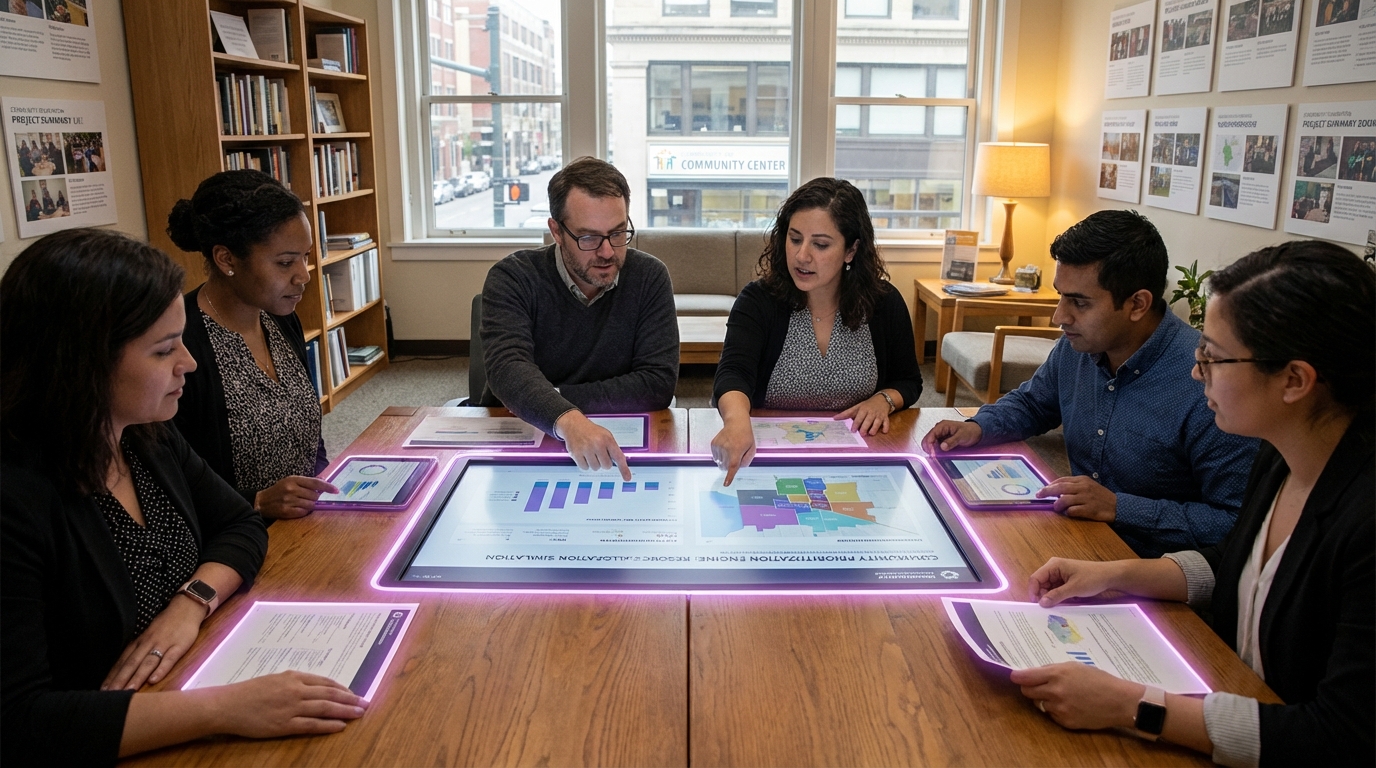
While participatory grantmaking remains relatively uncommon in mainstream philanthropy, adoption has accelerated notably in recent years, particularly among community foundations, social justice funders, and institutions focused on equity and systems change. Several foundations have moved beyond pilot programs to embed participatory approaches across their entire grantmaking portfolios, reporting that community-led decisions often yield stronger outcomes and deeper community trust than traditional methods. The approach has gained particular traction in youth philanthropy, where young people increasingly serve as decision-makers for funds addressing issues affecting their generation, and in movements for racial equity, where participatory models are seen as essential to dismantling white-dominant philanthropic norms. Technology platforms are emerging to support participatory processes at scale, enabling virtual deliberation, transparent application review, and community voting mechanisms that can accommodate larger and more geographically dispersed participant groups. As wealth inequality intensifies and questions about philanthropic legitimacy grow more urgent, participatory grantmaking represents a potential pathway toward more democratic and accountable forms of social investment. The trajectory suggests a future where community decision-making authority becomes an expected standard of philanthropic practice, fundamentally reshaping who holds power in the allocation of charitable resources and how accountability flows between donors, institutions, and communities.
Related Organizations

A grantmaking collaborative where persons with disabilities are involved in governance and grantmaking decisions.

A youth-led fund where young feminist activists from the Global South decide where the money goes through a participatory voting process.

The first global fund guided by and for sex workers; the majority of its International Steering Committee are sex workers who make grant decisions.

An organization facilitating the redistribution of wealth through the Liberated Capital fund.

A global network of activists and experts who decide on grant distribution to grassroots environmental groups.

The oldest international women's fund, which has transitioned to participatory grantmaking where community advisory networks advise on funding.

A community foundation that has implemented participatory grantmaking, involving residents in deciding where funds go in their neighborhoods.

Equips frontline activists with financial resources and strategic support.
A member-funded organization that fosters progressive social change in the Northwestern US.