Low-Cost Sensing Devices for Impact Measurement
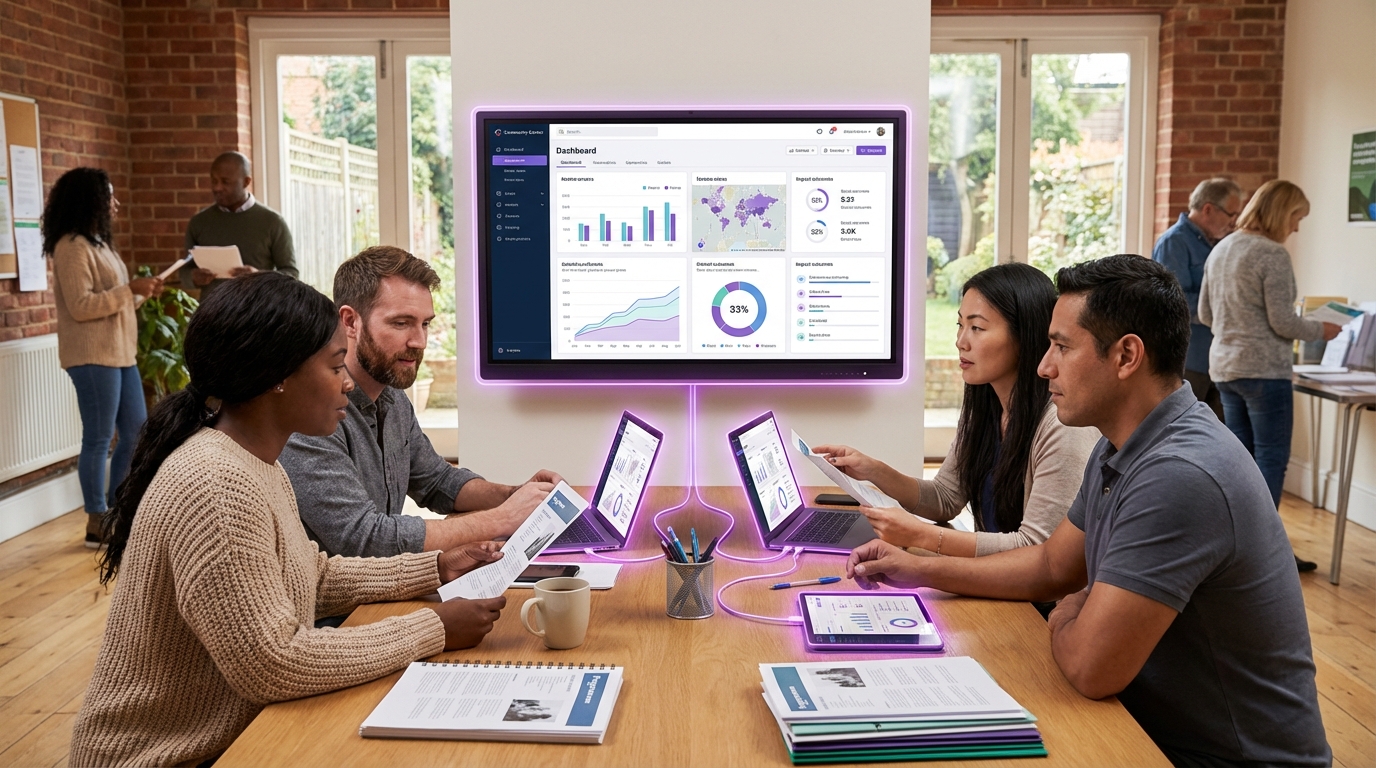
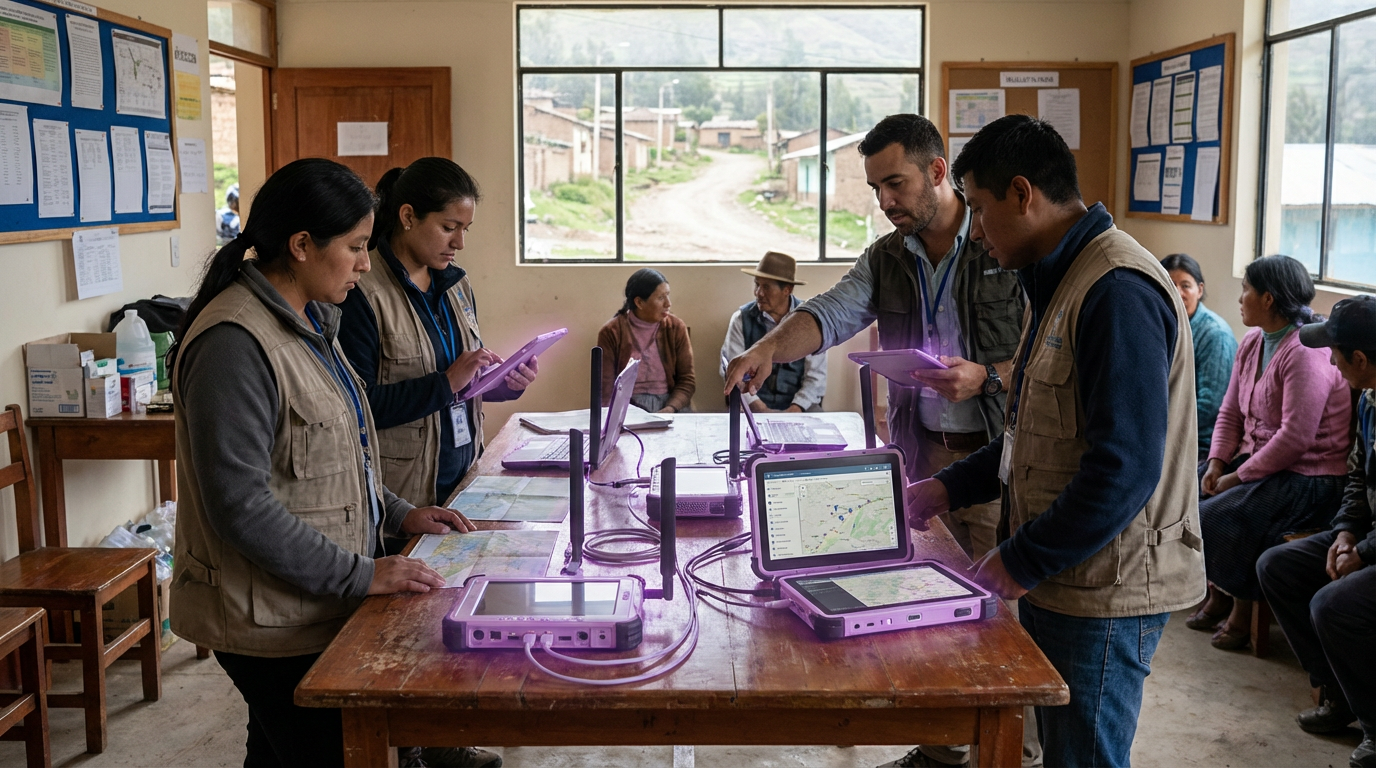
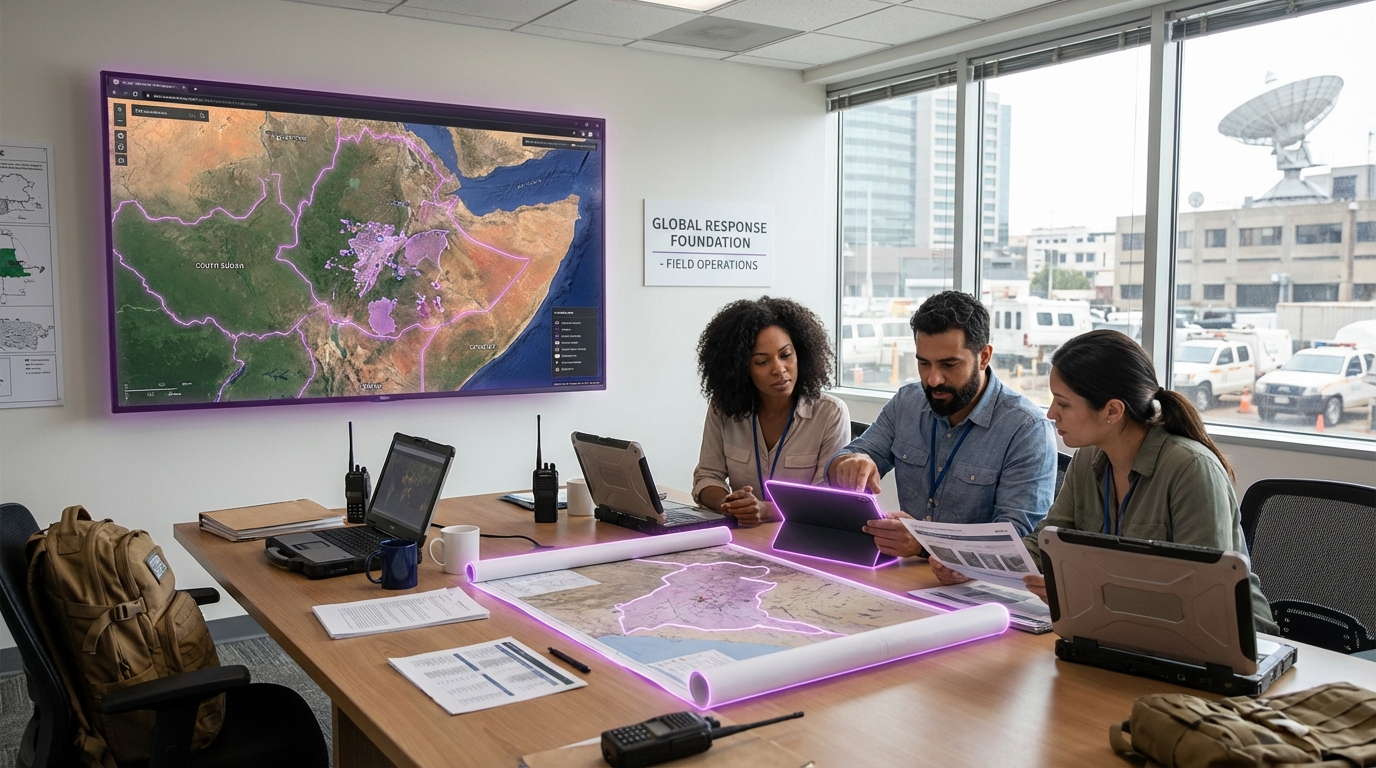
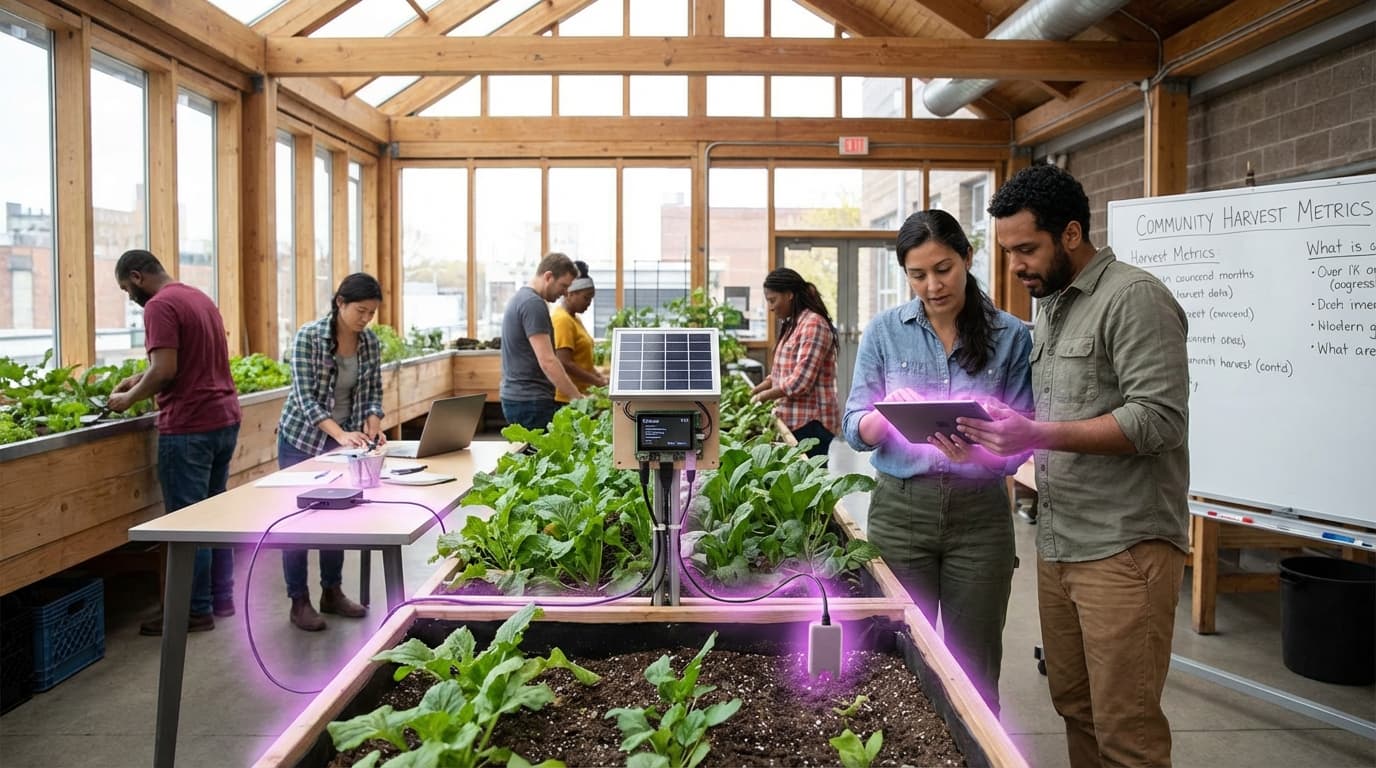
Low-cost sensing devices represent a fundamental shift in how social programs measure their impact, moving from periodic surveys and self-reported data to continuous, automated monitoring of real-world conditions. These devices encompass a wide range of technologies—air quality monitors that track pollution levels in urban neighborhoods, water sensors that measure contamination in rural communities, wearable activity trackers that monitor health behaviors, soil sensors that assess agricultural interventions, and environmental monitors that gauge temperature, humidity, and other conditions affecting vulnerable populations. Built on advances in microelectronics, wireless connectivity, and battery technology, these sensors can now be deployed at a fraction of their historical cost, often under $100 per unit. They typically operate by collecting data through physical or chemical sensors, transmitting information via cellular networks or low-power wide-area networks, and feeding into cloud-based platforms where algorithms process and visualize the data. This infrastructure enables philanthropic organizations, NGOs, and social enterprises to gather granular, objective evidence about whether their interventions are creating measurable changes in the communities they serve.
The appeal of these devices lies in their potential to address longstanding challenges in impact measurement within the social sector. Traditional evaluation methods often rely on self-reported surveys, which can be subject to recall bias, social desirability effects, and the burden of repeated data collection on program participants. Periodic evaluations may miss important temporal patterns or fail to detect problems until long after they emerge. Low-cost sensors promise to overcome these limitations by providing continuous, objective data streams that can reveal intervention effects in near real-time. For instance, cookstove programs can use air quality sensors to verify whether new stoves actually reduce indoor pollution, rather than assuming adoption based on distribution numbers. Water quality sensors can confirm whether well rehabilitation projects deliver sustained improvements rather than temporary fixes. This shift enables adaptive program management, where organizations can identify and address implementation problems quickly rather than waiting months or years for evaluation results. The technology also opens possibilities for new forms of accountability, allowing funders to track outcomes continuously and communities to access transparent data about programs affecting their lives.
Despite these promises, the deployment of low-cost sensing devices in social programs raises significant concerns that extend beyond technical performance. Privacy emerges as a central tension, particularly when sensors monitor individual behaviors or household conditions—the line between impact measurement and surveillance can blur quickly. Questions persist about whether sensor readings actually capture meaningful social outcomes or merely proxy indicators that may not reflect lived experience. A decrease in indoor air pollution, for instance, may not translate to improved health if other factors dominate, and activity tracker data may not reflect genuine wellbeing. Interpretation challenges abound, as sensor data requires contextual knowledge to understand—a spike in water contamination readings might indicate sensor malfunction, seasonal variation, or genuine program failure. Furthermore, the infrastructure required to maintain sensor networks, calibrate devices, manage data quality, and ensure long-term operation often proves more complex and costly than initial deployments suggest. As these technologies become more prevalent in the social sector, they exemplify broader debates about the role of quantification in philanthropy, the balance between accountability and autonomy, and whether continuous monitoring empowers communities or subjects them to new forms of technocratic control. The future trajectory will likely depend on developing governance frameworks that preserve the benefits of objective measurement while protecting participant agency and ensuring that data serves community needs rather than merely satisfying donor demands for metrics.
Related Organizations
Develops sensor technologies and data analytics to monitor vaccine cold chains and clean cooking solutions in low-resource settings.

Provides satellite-connected sensors for monitoring water supplies, sanitation, and energy infrastructure in remote environments.

Data-powered insurer for essential supply chains, utilizing IoT sensors for claims.

Creates acoustic monitoring systems using upcycled electronics to detect illegal logging and monitor biodiversity in real-time.

Creator of the Arable Mark, an in-field device that collects weather, plant health, and soil moisture data simultaneously.

A nonprofit that aggregates and harmonizes open air quality data from across the globe into a standard format.

A volunteer-driven organization created after Fukushima to collect and publish open environmental data (radiation and air quality).

Provides a platform and tools to turn sensors and field observations into actionable intelligence for wildlife protection.

Develops the 'Sentinel' smart camera and other hardware/software solutions that bring AI to the edge for conservation.
Smartfin
United States · Nonprofit
Integrates oceanographic sensors into surfboard fins to gather data on near-shore ocean health.