Foundations as Conveners Rather Than Funders
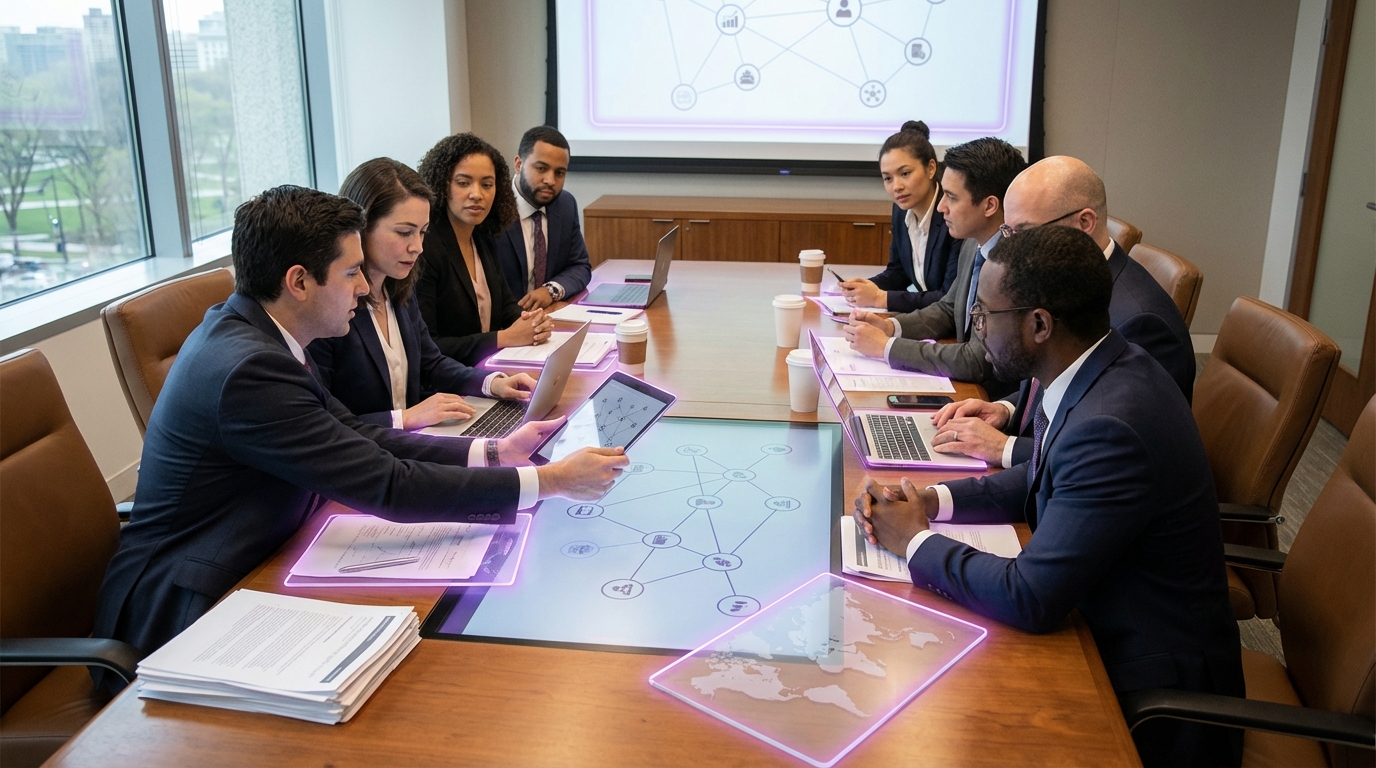
The traditional model of philanthropic foundations has long centered on grantmaking as the primary mechanism for social impact—identifying promising organizations or initiatives and providing financial support to advance their work. However, this approach increasingly faces limitations in addressing complex, systemic challenges that require coordination across multiple sectors, geographies, and stakeholder groups. Issues such as climate adaptation, economic inequality, and public health crises rarely yield to isolated interventions, no matter how well-funded. Recognizing these constraints, a growing number of foundations are reimagining their role in the social change ecosystem, shifting from being primarily capital allocators to becoming strategic conveners who leverage their unique position, networks, and credibility to catalyze collective action. This evolution represents a fundamental rethinking of how philanthropic institutions create value, moving beyond the assumption that their most important asset is their endowment.
In practice, foundations operating as conveners focus on creating and sustaining spaces where diverse actors—nonprofits, government agencies, private sector entities, community organizations, and affected populations—can build relationships, align strategies, and coordinate efforts around shared goals. This might involve hosting multi-stakeholder dialogues on contentious policy issues, facilitating learning communities among grantees working on related problems, or brokering partnerships between unlikely collaborators who would not otherwise connect. The foundation's value proposition in this model derives not from the size of its grants but from its ability to maintain trusted relationships across different sectors, its perceived neutrality in politically charged environments, and its capacity to take a long-term view unconstrained by electoral cycles or quarterly earnings reports. Some foundations combine this convening role with strategic grantmaking, using smaller catalytic grants to support the infrastructure of collaboration—funding backbone organizations, shared measurement systems, or neutral facilitation—rather than making large direct investments in programmatic work.
This shift reflects several converging trends in the philanthropic sector and broader social change landscape. Research on collective impact and systems change increasingly demonstrates that addressing root causes requires sustained coordination among multiple actors, not just funding individual organizations to work in parallel. Meanwhile, critiques of traditional philanthropy have highlighted how top-down grantmaking can reinforce power imbalances and fail to center the voices of affected communities. The convening model offers a potential response to these concerns by creating more participatory processes, though it also raises important questions about accountability, effectiveness, and the appropriate use of philanthropic resources. Critics note that convening requires different skills than grantmaking—facilitation, relationship-building, and process design rather than due diligence and program evaluation—and question whether foundation staff possess these competencies. There are also concerns about whether convening activities can be rigorously evaluated for impact, and whether foundations might use this role to exercise influence without the transparency and accountability that accompanies formal grantmaking. As more foundations experiment with this approach, the sector is grappling with how to define success, when convening is most appropriate, and how to ensure that these spaces genuinely serve collective goals rather than simply extending foundation influence through different means.
Related Organizations

A foundation that prioritizes the Skoll World Forum as its primary mechanism for impact, connecting social entrepreneurs with innovators and funders.

A major philanthropic organization that launched the Pandemic Prevention Institute.

A corporate foundation focused on the 'Responsible Leaders Network,' emphasizing leadership connection and dialogue over traditional project grants.
Clinton Global Initiative
United States · Nonprofit
An initiative of the Clinton Foundation that requires members to make 'Commitments to Action' rather than simply donating, functioning purely as a high-level convener.

Ashoka
United States · Nonprofit
A global network of social entrepreneurs where the primary value proposition is the fellowship network (convening peers) rather than the stipend alone.
A global philanthropic collaborative that pools resources from ultra-high-net-worth donors to fund systems change in health, education, and economic opportunity.

An Irish foundation that specifically funds and supports 'impact networks' and the infrastructure of convening in the African rural enterprise sector.

A global organization that builds 'Bridging Leadership' through networks of philanthropists and civil society leaders.

A foundation focused on social mobility that emphasizes collaboration with governments and other partners over isolated projects.

One of Europe's largest foundations, with a major strategic focus on migration, integration, and inclusion in society.