Formalized Government-Philanthropy Partnerships
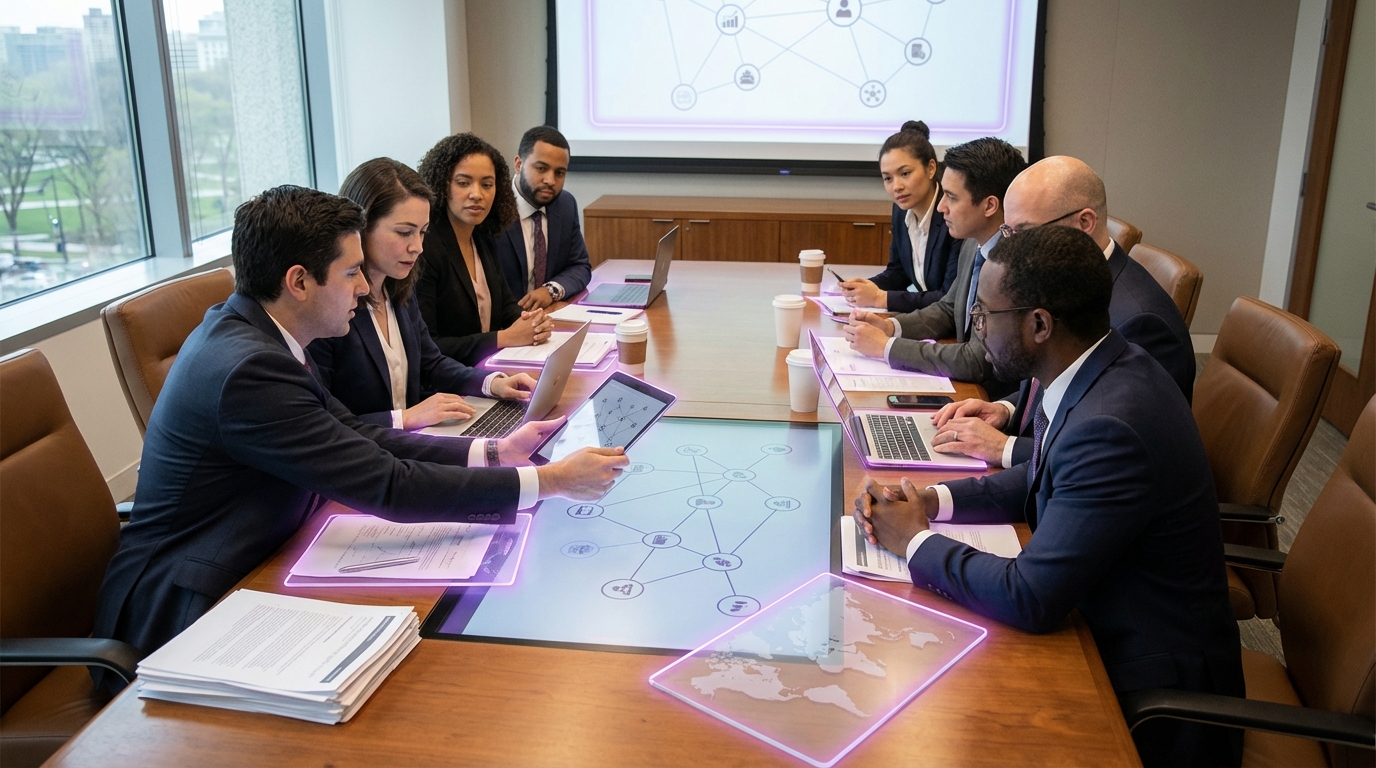
Formalized government-philanthropy partnerships represent an evolution in how public institutions and private charitable organizations collaborate to address complex social challenges. Unlike traditional arrangements where foundations simply write checks to fill gaps in government services, these new structures establish shared governance mechanisms, co-designed programs, and integrated accountability systems. The technical architecture of these partnerships often includes joint steering committees with representatives from both sectors, pooled funding vehicles that blend public and philanthropic capital, and unified data systems that track outcomes across organizational boundaries. Some partnerships establish dedicated legal entities—such as social impact bonds or pay-for-success contracts—that formalize the relationship through contractual obligations and shared risk. These mechanisms aim to leverage the distinct advantages of each sector: government's scale, democratic mandate, and regulatory authority combined with philanthropy's flexibility, risk tolerance, and capacity for innovation.
The emergence of these formalized structures addresses several persistent challenges in social service delivery and policy implementation. Governments often face budget constraints, political cycles that limit long-term planning, and procurement rules that slow innovation, while philanthropic organizations struggle with limited resources relative to social needs and questions about their democratic legitimacy to shape public priorities. By creating formal partnership frameworks, both sectors can potentially overcome these limitations—governments gain access to flexible capital and experimental approaches, while foundations gain the scale and sustainability that comes from public sector engagement. These partnerships enable more ambitious interventions than either sector could undertake alone, from multi-year workforce development initiatives to comprehensive housing programs that require coordination across multiple agencies and funding streams. However, they also raise critical questions about power dynamics, particularly whether wealthy donors gain disproportionate influence over public policy decisions, and whether such arrangements inadvertently weaken public institutions by normalizing their dependence on private resources.
Current implementations of formalized partnerships vary widely across jurisdictions and issue areas, from education reform collaboratives in several U.S. cities to health system strengthening initiatives in developing countries. Some governments have established dedicated offices to manage philanthropic partnerships, creating standardized processes for engagement and accountability. Research suggests these partnerships are most effective when they maintain clear boundaries around democratic decision-making while enabling operational collaboration, and when they include mechanisms for public transparency and community input. As public budgets face ongoing pressure and social challenges grow more complex, the trend toward formalized government-philanthropy collaboration appears likely to accelerate. The critical question for the future is not whether such partnerships will expand, but whether they can be structured to enhance rather than replace public capacity, ensuring that private resources complement democratic governance rather than substituting for it.
Related Organizations

The philanthropic organization of Michael Bloomberg, heavily involved in city governance, public health data, and climate policy.
Michigan Office of Foundation Liaison
United States · Government Agency
A unique office within the Michigan state government designed to broker partnerships between the state executive branch and foundations.

A national nonprofit that partners with governments and philanthropists to create Pay for Success models.

A philanthropic organization focused on economic mobility that explicitly partners with government agencies to scale proven interventions.

Global health partnership increasing access to immunization in poor countries.
A collaborative of the world's largest foundations and financial institutions investing in the infrastructure of US cities to close racial income gaps.
A massive international financing institution that pools government and philanthropic money to fight AIDS, TB, and Malaria.

A philanthropy LLC founded by John and Laura Arnold.

Code for America
United States · Nonprofit
Non-profit organization that builds open source technology and organizes a network of volunteers to improve government services.

A state agency that frequently acts as the hub for public-philanthropic partnerships in California, particularly regarding climate and equity.