Rise of Giving Circles & Collective Giving
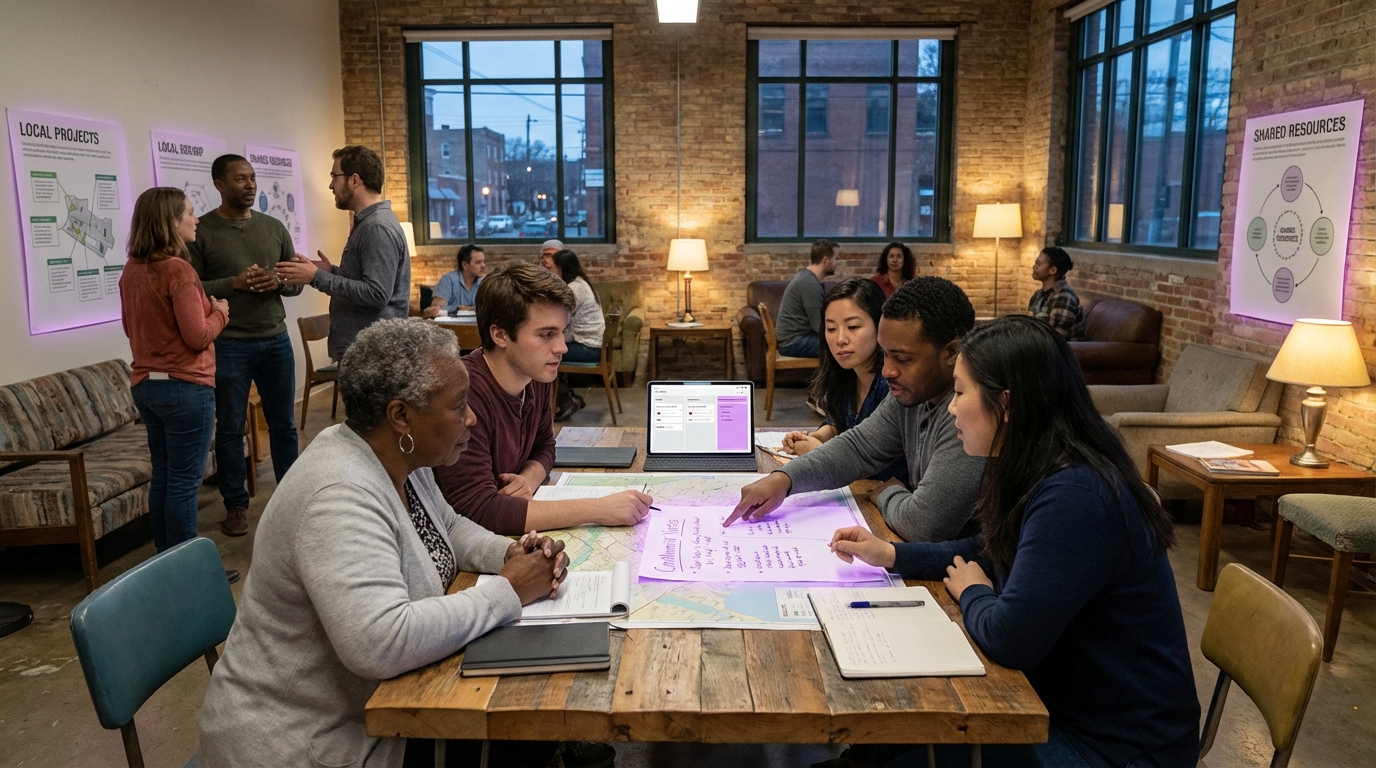
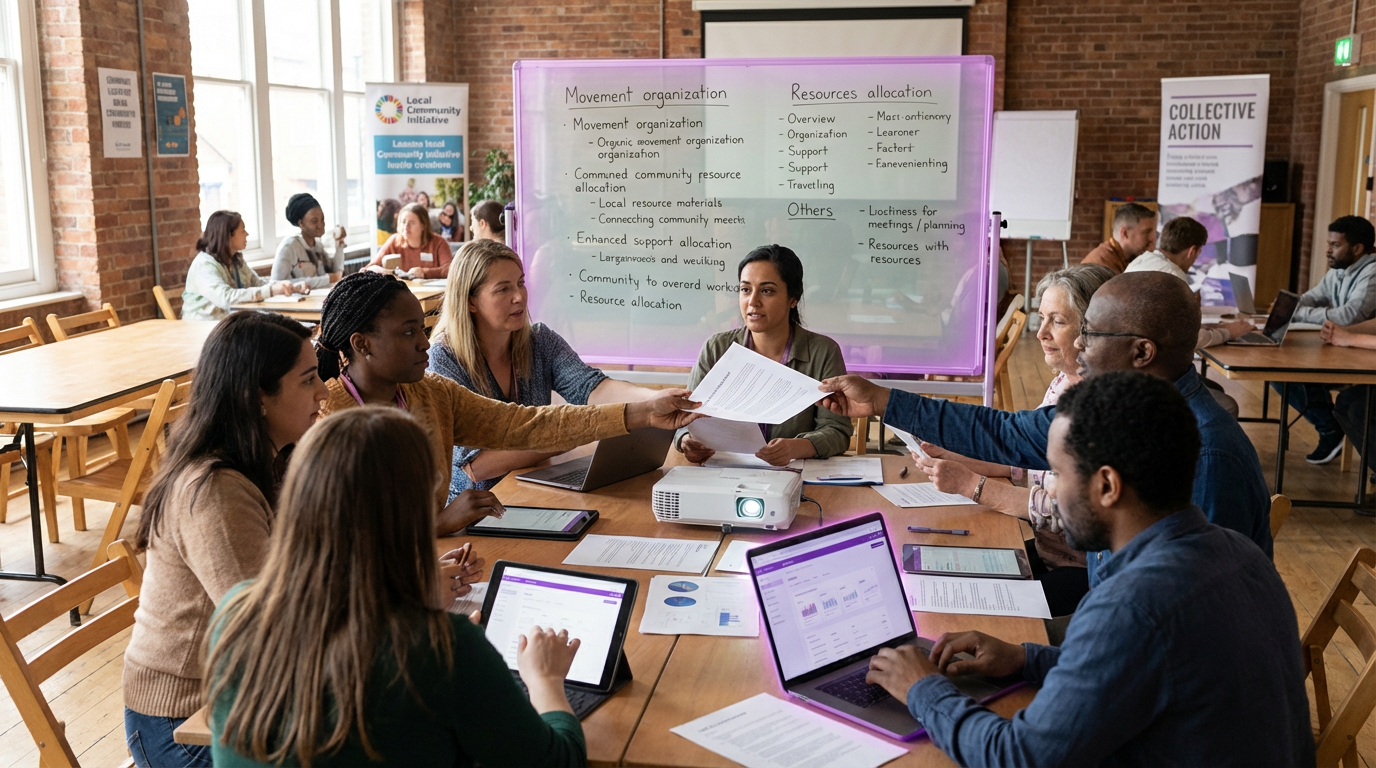
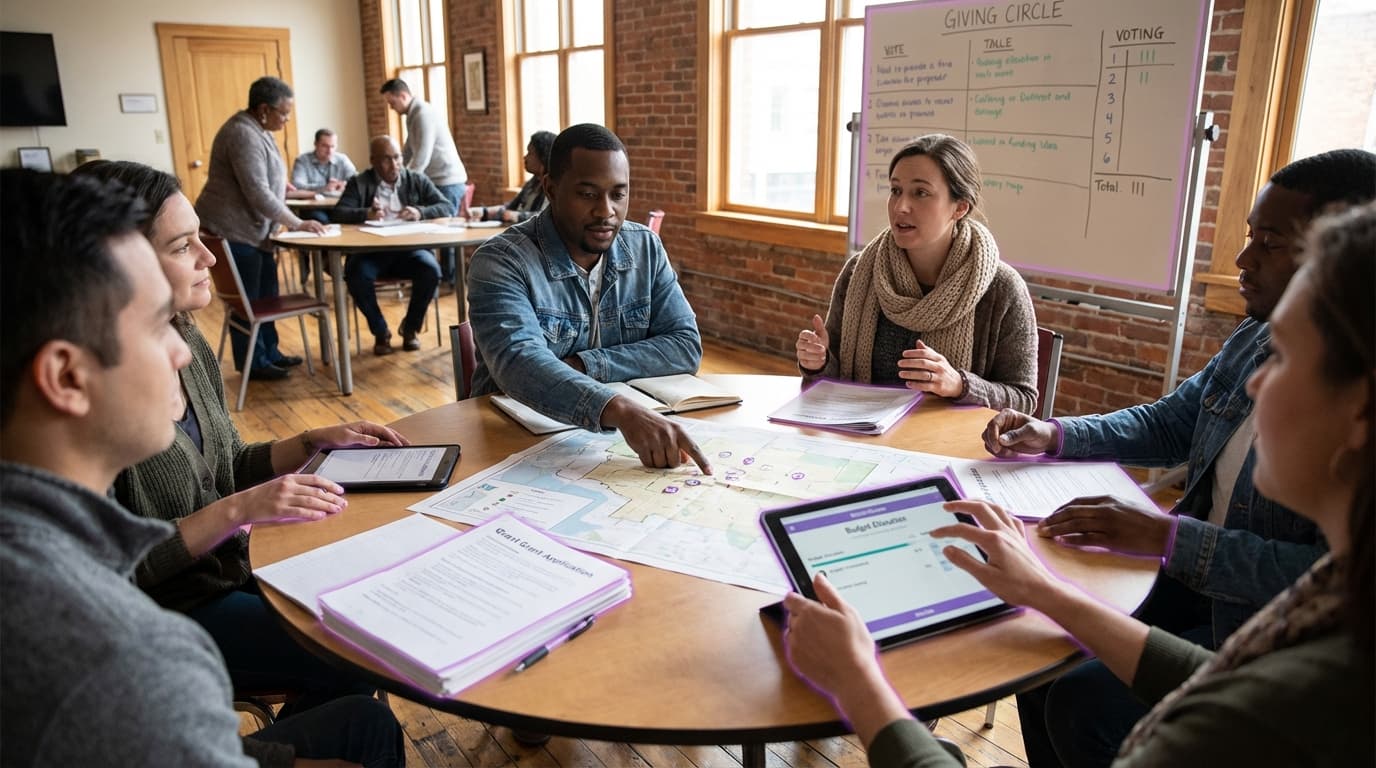
Giving circles represent a fundamental reimagining of philanthropic practice, moving away from the traditional model of individual donors making isolated decisions toward a collective, democratic approach to charitable giving. At their core, these are groups of individuals—ranging from as few as five to over a hundred members—who pool their financial resources and collectively decide which causes, organizations, or initiatives to support. The mechanism is straightforward: members contribute a set amount (often ranging from modest sums to significant donations), participate in learning sessions about community needs and potential grantees, deliberate together about funding priorities, and vote on how to allocate their pooled resources. This structure transforms philanthropy from a solitary act into a social and educational experience, where donors engage in dialogue, debate, and shared decision-making. Unlike traditional donor-advised funds or individual giving, giving circles emphasize the process of collective discernment as much as the outcome, creating spaces where diverse perspectives shape philanthropic strategy and where members develop deeper understanding of social issues through peer learning and direct engagement with nonprofit leaders.
The proliferation of giving circles addresses several persistent challenges in the philanthropic sector. Traditional philanthropy has long been criticized for concentrating decision-making power in the hands of wealthy individuals or institutional boards, often disconnected from the communities they aim to serve. Giving circles democratize this power by enabling people with varying levels of wealth to participate meaningfully in philanthropic decision-making, lowering barriers to entry that have historically excluded younger donors, women, and communities of color from organized giving. Research suggests that giving circle members tend to increase their overall charitable contributions, develop stronger connections to their communities, and gain financial literacy and civic engagement skills that extend beyond the circle itself. These groups also create accountability structures that individual giving lacks—members must articulate their values, defend their funding priorities to peers, and collectively assess impact. Furthermore, giving circles often support grassroots organizations and emerging nonprofits that struggle to access traditional foundation funding, channeling resources to community-led initiatives that might otherwise remain invisible to institutional philanthropy. This model also addresses donor isolation, building social capital and trust networks that can mobilize beyond charitable giving to broader civic action.
Giving circles have experienced remarkable growth over the past two decades, with networks like Philanthropy Together documenting thousands of active circles across North America, Europe, Asia, and Africa. These range from informal neighborhood groups pooling small monthly contributions to structured networks like Impact100, which brings together women donors contributing $1,000 annually to make transformative grants in their communities. The model has proven adaptable across cultural contexts and demographic groups, with identity-based circles emerging among Asian American communities, LGBTQ+ donors, young professionals, and faith communities, each bringing distinct values and priorities to their collective giving practice. Technology platforms are increasingly supporting this movement, providing tools for virtual meetings, transparent voting processes, and impact tracking that enable geographically dispersed members to participate. As giving circles mature, questions emerge about their long-term sustainability, the tension between maintaining grassroots authenticity and achieving greater impact through professionalization, and how these collective models might influence or integrate with traditional philanthropic institutions. The continued rise of giving circles signals a broader cultural shift toward participatory approaches to social change, where the act of giving becomes inseparable from community building, shared learning, and the redistribution of not just financial capital but also decision-making power itself.
Related Organizations

A technology platform designed specifically to host and manage giving circles, allowing groups to pool donations and vote on grants.

A global initiative to scale and strengthen the giving circle movement.
A network of giving circles composed primarily of African Americans.

Latino Community Foundation
United States · Nonprofit
A foundation building power in the Latino community in California.

Social Venture Partners (SVP) International
United States · Nonprofit
A global network of local partners who pool funds and expertise to support nonprofits.
100 Women Who Care
United States · Consortium
An alliance of independent giving circles based on a simple, high-impact model.
A network dedicated to growing and strengthening Jewish giving circles.

A global community advancing the interest of awesome in the universe, $1,000 at a time.

A UK-based organization that runs live crowdfunding events for social change.