Spiritual, Indigenous & Non-Western Models
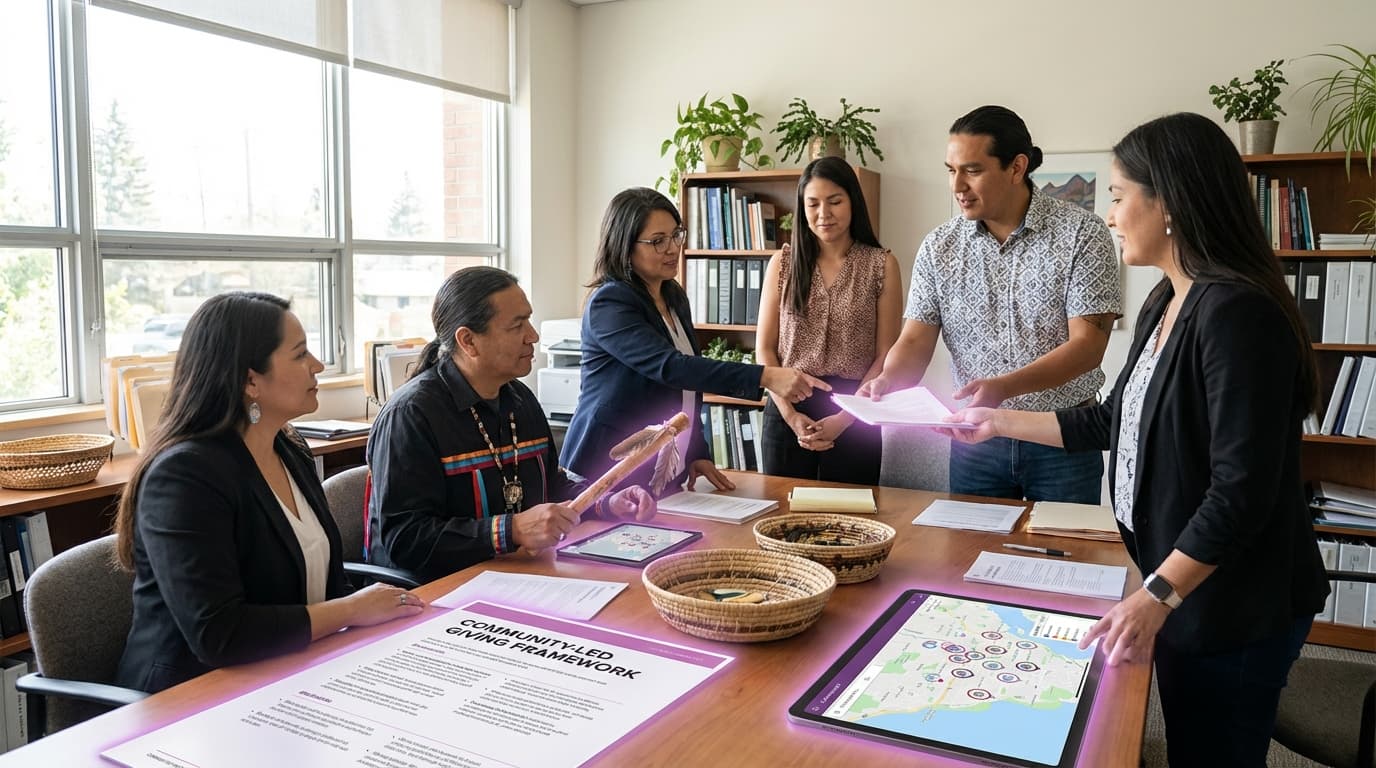
The landscape of global philanthropy has long been dominated by Western frameworks that emphasize individual donors, measurable outcomes, and institutional structures modeled on corporate governance. However, this paradigm is increasingly being challenged and enriched by spiritual, indigenous, and non-Western models of giving that offer fundamentally different approaches to collective responsibility and social investment. These alternative frameworks draw from deep cultural traditions—such as Ubuntu in Southern Africa, Islamic concepts of Zakat and Sadaqah, indigenous practices of potlatch and reciprocal exchange, Buddhist principles of dana (generosity), and Hindu notions of seva (selfless service). Rather than treating philanthropy as a discrete transaction between donor and recipient, these models often embed giving within broader spiritual practices, kinship obligations, and cosmological worldviews. They typically emphasize cyclical rather than linear notions of wealth, viewing resources as flowing through communities rather than being accumulated and then redistributed by individuals. Many of these traditions also reject the separation between material and spiritual wealth that characterizes much Western philanthropy, instead treating generosity as integral to personal development, community harmony, and right relationship with the natural world.
The growing visibility of these models addresses several critical limitations in contemporary philanthropy. Western-dominated approaches have been criticized for perpetuating power imbalances, imposing external values on recipient communities, and prioritizing measurable short-term outcomes over sustainable long-term transformation. Indigenous and non-Western frameworks offer alternative metrics of success that may emphasize relationship-building, cultural preservation, ecological stewardship, and intergenerational wellbeing rather than quantifiable impact metrics. These models also challenge the individualistic assumptions underlying much modern philanthropy, instead foregrounding collective decision-making, community ownership, and mutual accountability. For diaspora communities and global South organizations, these frameworks provide culturally resonant alternatives to Western philanthropic structures, enabling forms of giving that honor ancestral practices while addressing contemporary challenges. Furthermore, as awareness grows of the colonial origins of much accumulated wealth and the extractive nature of certain philanthropic practices, these alternative models offer pathways toward more equitable and decolonized approaches to resource sharing and social investment.
Early adoption of these frameworks is visible in several contexts, from indigenous-led foundations that incorporate traditional governance structures and decision-making protocols, to faith-based organizations that explicitly ground their work in spiritual teachings about wealth and obligation. Philanthropic intermediaries are increasingly creating vehicles that accommodate non-Western giving practices, such as Islamic finance-compliant charitable instruments or platforms that facilitate traditional forms of community-based mutual aid. Academic institutions and philanthropic networks are also beginning to document and legitimize these practices through research, convenings, and knowledge-sharing initiatives that center indigenous and non-Western voices. This shift reflects broader trends toward pluralism in global development, decolonization of knowledge systems, and recognition that effective approaches to social change must be culturally grounded and community-led. As computational tools and digital platforms make it easier to coordinate collective action across geographic boundaries, these traditional models may find new expressions that combine ancestral wisdom with contemporary infrastructure, potentially reshaping the fundamental assumptions underlying how societies organize care, redistribution, and collective responsibility in an increasingly interconnected world.
Related Organizations

An organization facilitating the redistribution of wealth through the Liberated Capital fund.
A global donor affinity group dedicated to cultivating a new paradigm of giving based on Indigenous reciprocity.

Foundation working to secure Indigenous guardianship of vital ecosystems through policy and technology support.

An Indigenous-led fund supporting Indigenous peoples' initiatives regarding traditional knowledge and climate change.
An organization that advocates for Indigenous Peoples' rights and supports Indigenous communities' self-determination.
An international NGO that provides humanitarian relief and development programs based on Islamic values.

A foundation that funds grassroots organizing led by women, youth, and Indigenous Peoples in the Global South.
A foundation led by Africans to promote equitable development and democracy.
A network of philanthropists and social investors committed to inclusive and sustainable development in Africa.

LaunchGood
United States · Company
A crowdfunding platform focused on the global Muslim community.