Disaster Philanthropy Becoming Permanent
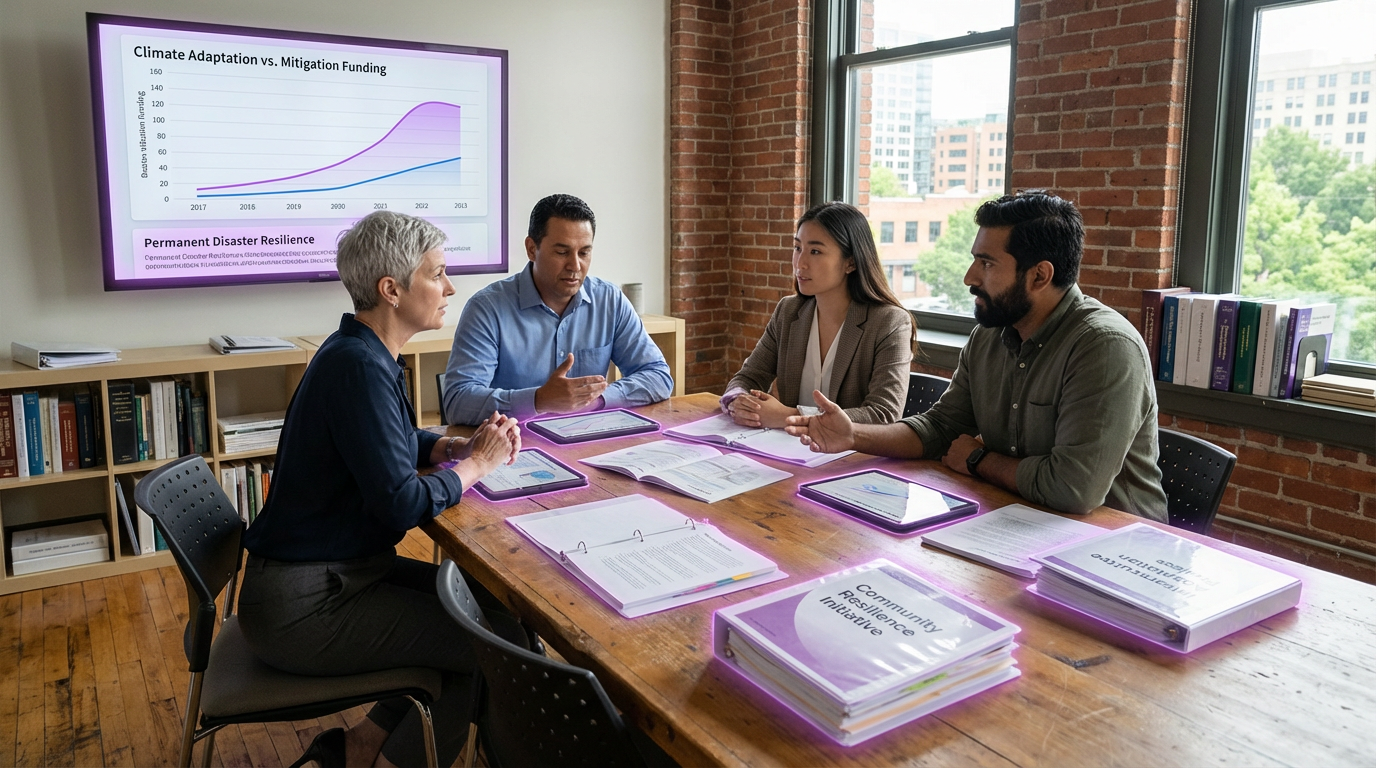
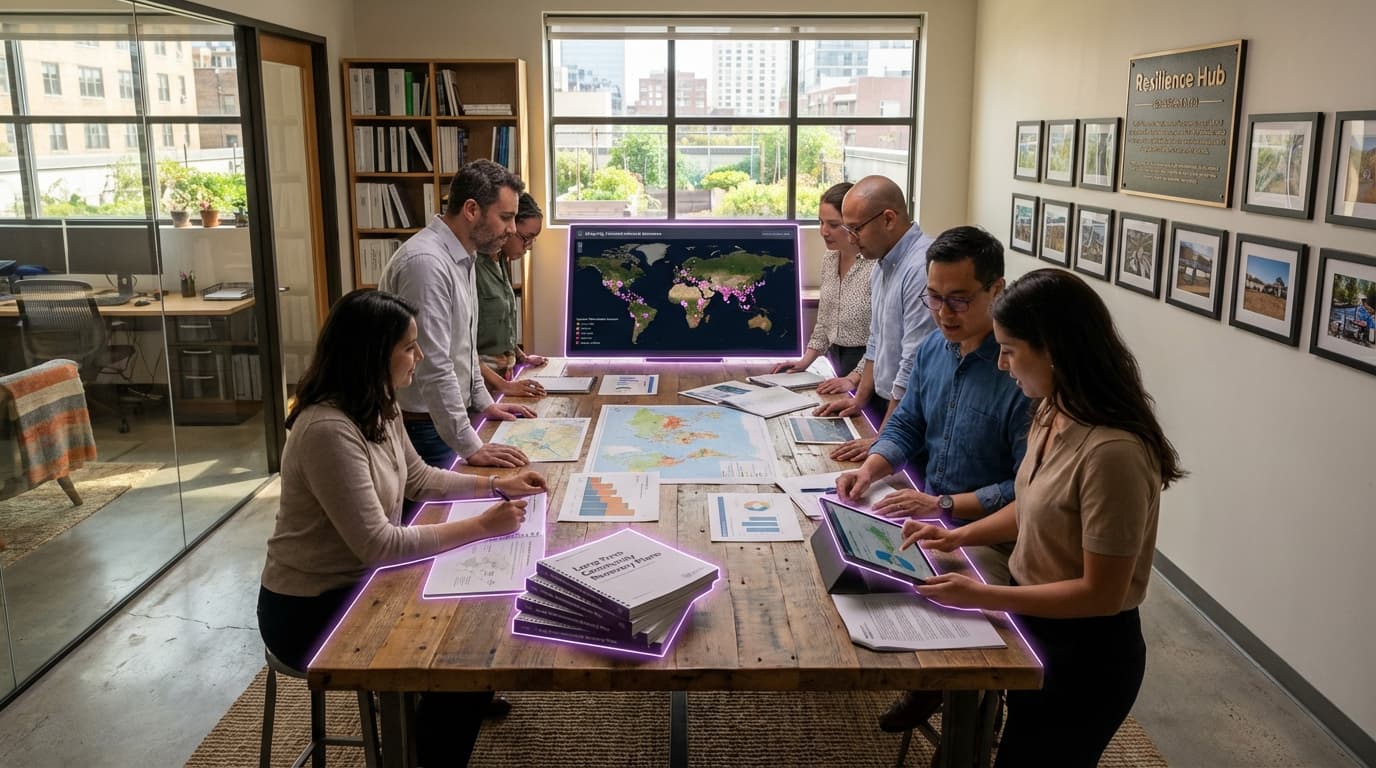
The traditional model of disaster philanthropy has long operated on an episodic framework, mobilizing resources in response to discrete catastrophic events such as hurricanes, earthquakes, or sudden conflicts. This approach assumed that disasters were exceptional interruptions to normal conditions, warranting temporary surges of charitable giving followed by a return to baseline operations. However, this paradigm is fundamentally shifting as the nature of crises themselves transforms. Climate-related disasters are increasing in frequency and intensity, conflicts are becoming protracted rather than resolved, and global health emergencies demonstrate pandemic potential. These overlapping and cascading crises are creating what researchers describe as a state of "permacrisis"—a condition where emergency has become the norm rather than the exception. This new reality demands a fundamental restructuring of how philanthropic organizations conceptualize, fund, and deploy disaster response capabilities, moving from reactive mobilization to sustained operational readiness.
The shift toward permanent disaster philanthropy addresses several critical limitations of the traditional episodic model. Time-limited responses often failed to address underlying vulnerabilities, leading to cycles of destruction and reconstruction without meaningful resilience-building. When disasters occur in rapid succession or overlap geographically, the episodic approach creates funding gaps and coordination challenges, as organizations struggle to close one response while opening another. The permanent model enables philanthropic institutions to maintain continuous presence in crisis-affected regions, develop deeper local partnerships, and invest in both immediate relief and long-term adaptive capacity simultaneously. This approach also allows for more sophisticated risk assessment and early warning systems, as organizations with ongoing operations can detect emerging threats more effectively than those mobilizing from outside. Furthermore, permanent disaster philanthropy supports the retention of specialized expertise and institutional knowledge that is often lost when organizations scale down between crises, creating more efficient and effective responses when acute needs arise.
This transformation is already visible in how major philanthropic foundations are restructuring their operations and funding strategies. Rather than establishing temporary disaster relief funds, organizations are creating permanent crisis response mechanisms with dedicated staff, pre-positioned resources, and flexible funding structures that can scale up or down based on need. Some foundations are adopting what they term "anticipatory action" frameworks, disbursing funds based on early warning indicators rather than waiting for disasters to fully materialize. Others are establishing multi-year commitments to regions facing chronic instability, recognizing that meaningful impact requires sustained engagement rather than intermittent intervention. This shift also reflects growing recognition that the boundaries between humanitarian aid, development assistance, and climate adaptation are increasingly blurred in contexts of permanent crisis. As the frequency and complexity of disasters continue to intensify, the permanent disaster philanthropy model represents not just an operational adjustment but a fundamental reimagining of the philanthropic sector's role in an era of compounding global challenges.
Related Organizations

The only full-time resource dedicated to helping donors maximize their impact through the full lifecycle of disasters.

A global network of aid agencies working to change the humanitarian system.
A platform for knowledge exchange and learning on anticipatory action.

The reference center on climate change of the Red Cross Red Crescent movement.
Climate Emergency Collaboration Group
United States · Consortium
A collaboration of major philanthropies coordinating funding for the climate emergency.

A partnership of public and private organizations joining forces towards a resilient future.
The corporate foundation of Zurich Insurance Group, focusing on climate change adaptation.

A humanitarian aid organization, active in all 50 states and more than 80 countries.

A nonprofit that sends money directly to people living in poverty, currently running the world's largest long-term UBI experiment in Kenya.
A major US foundation with a dedicated Disaster Relief & Recovery domain.