Intergenerational Wealth Transfer Reshaping Donor Intent
The largest intergenerational wealth transfer in history is currently underway, with estimates suggesting that tens of trillions of dollars will pass from Baby Boomers and the Silent Generation to Millennials and Gen X over the coming decades. This unprecedented movement of capital represents more than a simple transfer of assets—it marks a fundamental shift in the values, priorities, and operational approaches that shape philanthropic giving. The mechanics of this transfer involve complex estate planning, family foundations, donor-advised funds, and direct inheritance, each creating distinct pathways through which wealth moves between generations. What distinguishes this moment is not merely the scale of capital in motion, but the profound generational differences in worldview, risk tolerance, and expectations around social impact that accompany it. Younger wealth holders often bring different perspectives on issues like climate change, social justice, and systemic inequality, viewing philanthropy less as charitable giving and more as strategic investment in transformative change.
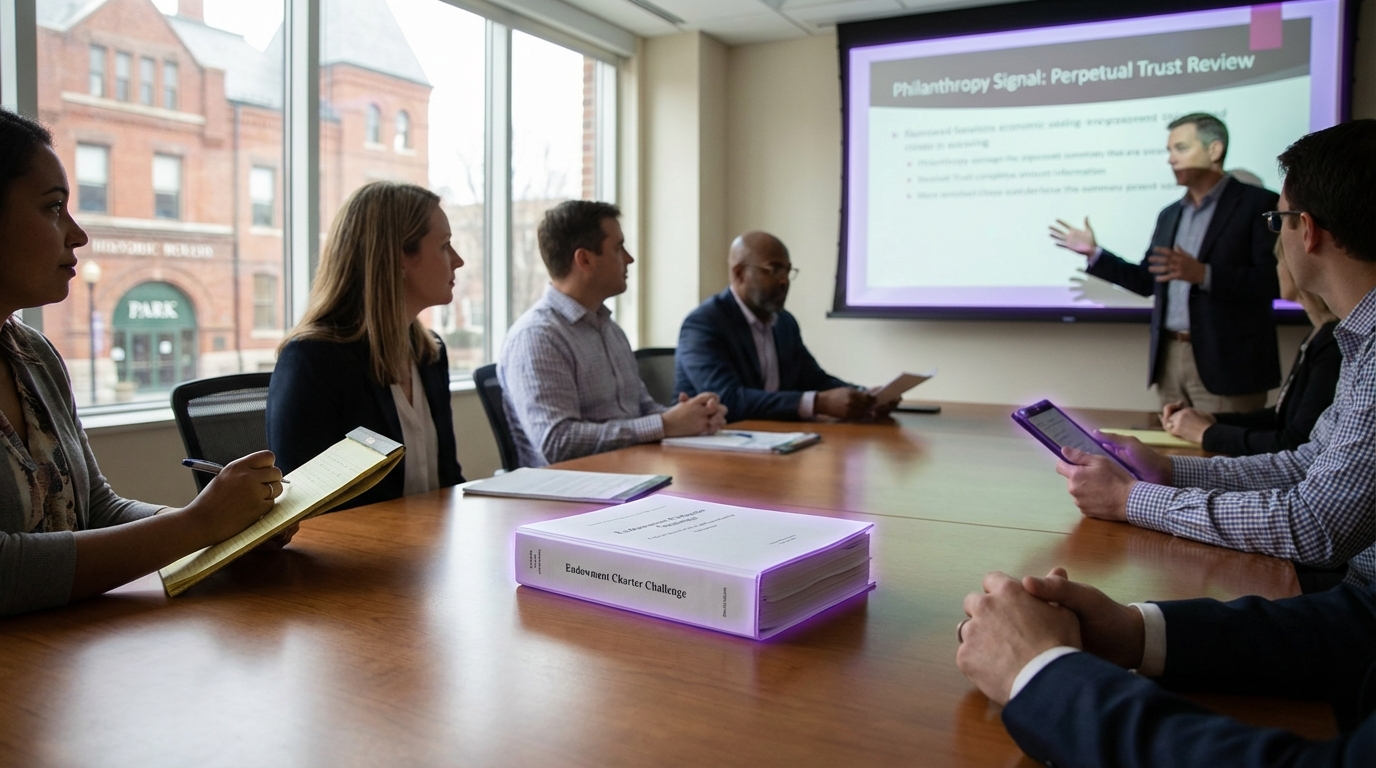
This generational shift addresses a critical tension within the philanthropic sector: the gap between traditional donor intent—often focused on preserving institutional legacies and supporting established organizations—and emerging demands for more responsive, equity-focused, and participatory approaches to giving. Older philanthropic models frequently emphasize endowment preservation, institutional stability, and incremental change, while younger donors increasingly question whether perpetual foundations serve society's best interests or simply perpetuate donor control beyond the grave. This divergence creates both friction and opportunity within family foundations, where multiple generations must negotiate competing visions of impact and legacy. The transfer also challenges traditional philanthropic intermediaries and advisors, who must adapt their services to meet the expectations of donors who may prioritize transparency, community voice, and measurable outcomes over conventional metrics of philanthropic success. Furthermore, younger wealth holders are more likely to embrace hybrid models that blur the lines between philanthropy, impact investing, and political advocacy, rejecting the siloed approaches that characterized earlier generations.
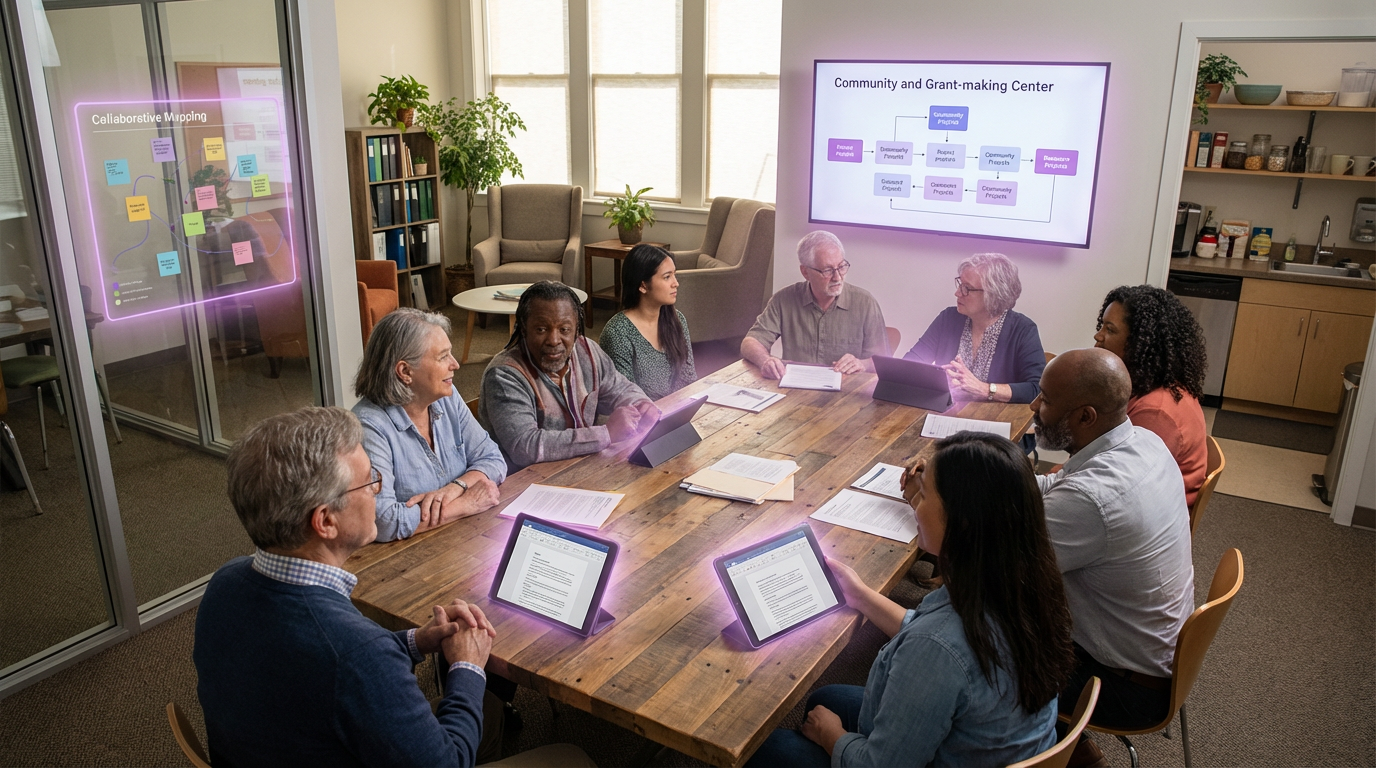
Early indicators suggest that this wealth transfer is already reshaping the philanthropic landscape in tangible ways. Younger donors are directing more resources toward grassroots organizations, movement-building, and general operating support rather than restricted project funding, reflecting a trust-based approach that contrasts with the detailed oversight models favored by many traditional funders. Research indicates that Millennial and Gen Z philanthropists show stronger preferences for participatory grantmaking, where funding decisions involve community members and beneficiaries, and for time-limited foundations that spend down assets rather than exist in perpetuity. This shift is also accelerating the adoption of digital platforms and tools that enable more direct giving, peer-to-peer fundraising, and real-time impact tracking, bypassing some of the gatekeeping functions historically performed by philanthropic institutions. As this transfer continues over the next two decades, it will likely intensify debates about donor intent, the appropriate lifespan of philanthropic vehicles, and the balance between individual donor vision and collective community needs, fundamentally reshaping how society conceptualizes the relationship between private wealth and public good.
Related Organizations
A multiracial membership community of young people (18-35) with wealth and/or class privilege committed to the equitable distribution of wealth.
Solidaire Network
United States · Nonprofit
A community of donors mobilizing critical resources to the frontlines of social justice movements.

A global network connecting next-gen philanthropists, impact investors, and social entrepreneurs.

A membership network of families committed to making impact investments more effectively.

The organization that nurtures the Effective Altruism movement, which advocates for using evidence and reason to figure out how to benefit others as much as possible.
A consulting practice specializing in serving next-generation philanthropists and family foundations.

A commitment by the world's wealthiest individuals and families to dedicate the majority of their wealth to giving back.

A five-generation family foundation (Andrus family) that has publicly navigated the shift to social justice and impact investing.
A network of philanthropy advisors working to move capital more effectively.
The largest grantmaker in the US, operating a massive Donor Advised Fund (DAF) platform.