DAO-Based Philanthropic Organizations
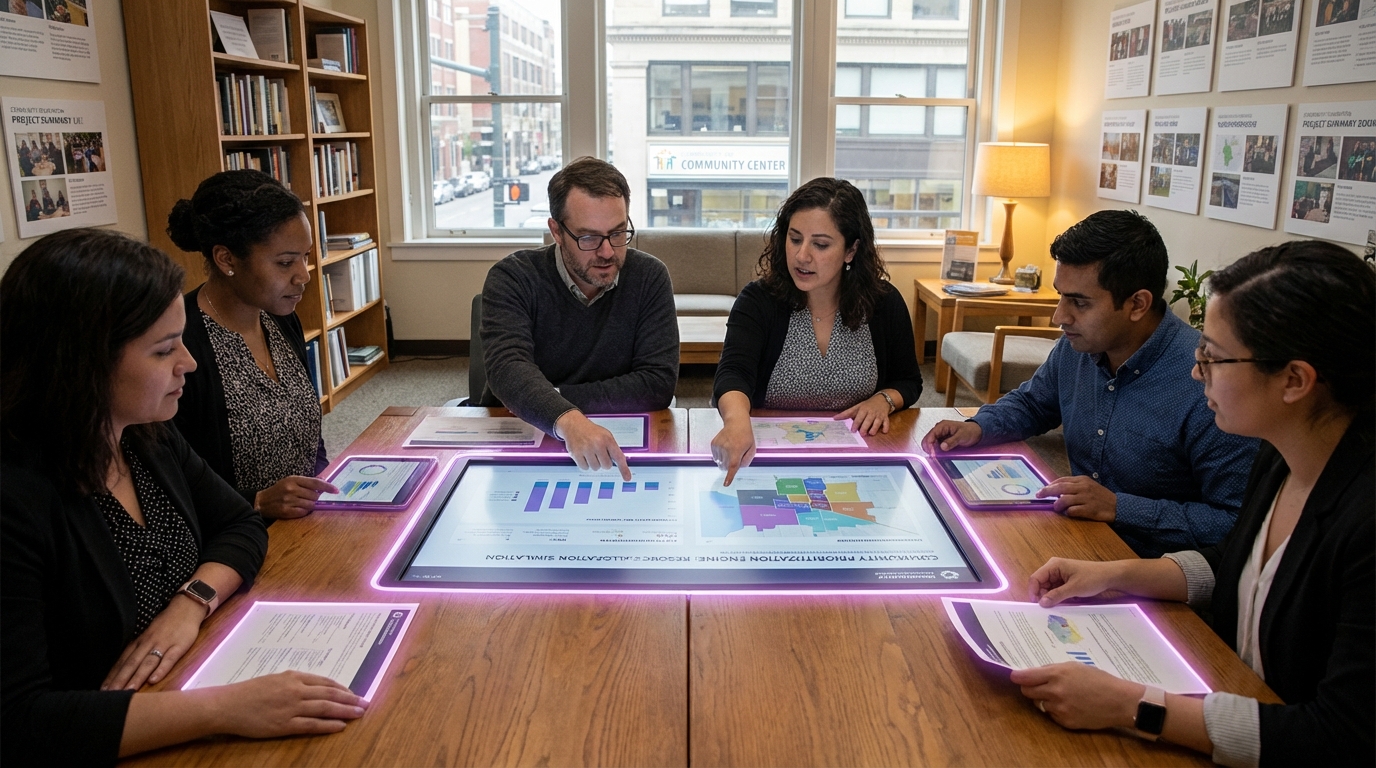
Decentralized Autonomous Organizations (DAOs) represent a fundamental reimagining of philanthropic governance, replacing traditional foundation hierarchies with blockchain-based coordination systems. At their technical core, these organizations operate through smart contracts—self-executing code deployed on blockchain networks like Ethereum—that automate decision-making processes and fund disbursement based on predetermined rules. Members typically hold governance tokens that grant voting rights proportional to their stake, allowing them to propose funding initiatives, debate priorities, and collectively determine how pooled resources are allocated. The blockchain infrastructure ensures transparency, as all transactions and votes are recorded on an immutable public ledger, theoretically eliminating the opacity that has historically characterized philanthropic institutions. This architecture enables global participation without geographic barriers, as anyone with internet access and cryptocurrency can potentially join, contribute funds, and participate in governance decisions.
The emergence of DAO-based philanthropy addresses several persistent challenges in traditional charitable giving. Conventional foundations often concentrate decision-making power among small boards of trustees, creating bottlenecks and limiting diverse perspectives in funding priorities. DAOs theoretically democratize this process, allowing broader communities to shape philanthropic agendas. They also reduce administrative overhead by automating many operational functions through smart contracts, potentially directing more resources toward actual impact rather than organizational maintenance. Furthermore, these structures enable novel funding mechanisms such as quadratic funding—where matching pools amplify donations to projects with broad community support—and retroactive public goods funding, which rewards initiatives after demonstrating results. However, significant tensions persist around participation barriers, as engaging with DAOs currently requires technical literacy in cryptocurrency wallets, blockchain transactions, and governance platforms. Questions also emerge about whether token-weighted voting genuinely promotes equitable decision-making or simply replaces traditional power structures with plutocratic ones where wealthy token holders dominate.
Early implementations suggest both promise and complexity in real-world deployment. Organizations like Gitcoin have pioneered DAO-based funding for digital public goods, distributing millions of dollars to open-source software projects through community-governed mechanisms. Climate-focused DAOs are emerging to fund environmental initiatives, while others concentrate on supporting mutual aid networks or specific cause areas. Yet these experiments also reveal practical challenges: legal ambiguity around DAO structures complicates tax-deductible donations and regulatory compliance, voter participation often remains concentrated among highly engaged members, and the technical barriers exclude many potential beneficiaries and contributors from meaningful participation. The tension between decentralization ideals and operational effectiveness remains unresolved—some DAOs struggle with decision paralysis from excessive deliberation, while others implement delegation mechanisms that reintroduce hierarchical elements. As blockchain infrastructure matures and regulatory frameworks evolve, DAO-based philanthropy may represent a significant shift toward community-controlled giving, though its ultimate impact will depend on addressing fundamental questions about accessibility, accountability, and whether technological decentralization can genuinely democratize philanthropic power or merely redistribute it among different elites.
Related Organizations

A platform for funding and coordinating open source development.
A DAO experiment by the nonprofit Big Green, giving grantees voting power over how funds are distributed.
The first on-chain 501(c)(3) public charity offering Donor-Advised Funds (DAFs) powered by DeFi.
A community focused on building the Future of Giving using blockchain technology.

ImpactMarket
Portugal · Nonprofit
A decentralized poverty alleviation protocol enabling Unconditional Basic Income (UBI) in vulnerable communities.

A decentralized autonomous organization that drives demand for carbon credits by accumulating them into its treasury.
MolochDAO
United States · Consortium
A DAO framework focused on grant-giving and solving coordination failures in funding Ethereum infrastructure.

A decentralized autonomous organization collectively funding and digitizing longevity research.

A stablecoin that automatically generates basic income for people in extreme poverty through its reserve yields.
Popcorn DAO
Consortium
A DeFi yield-optimizing protocol that simultaneously funds social impact organizations.