Open Data Commons for Philanthropic Intelligence
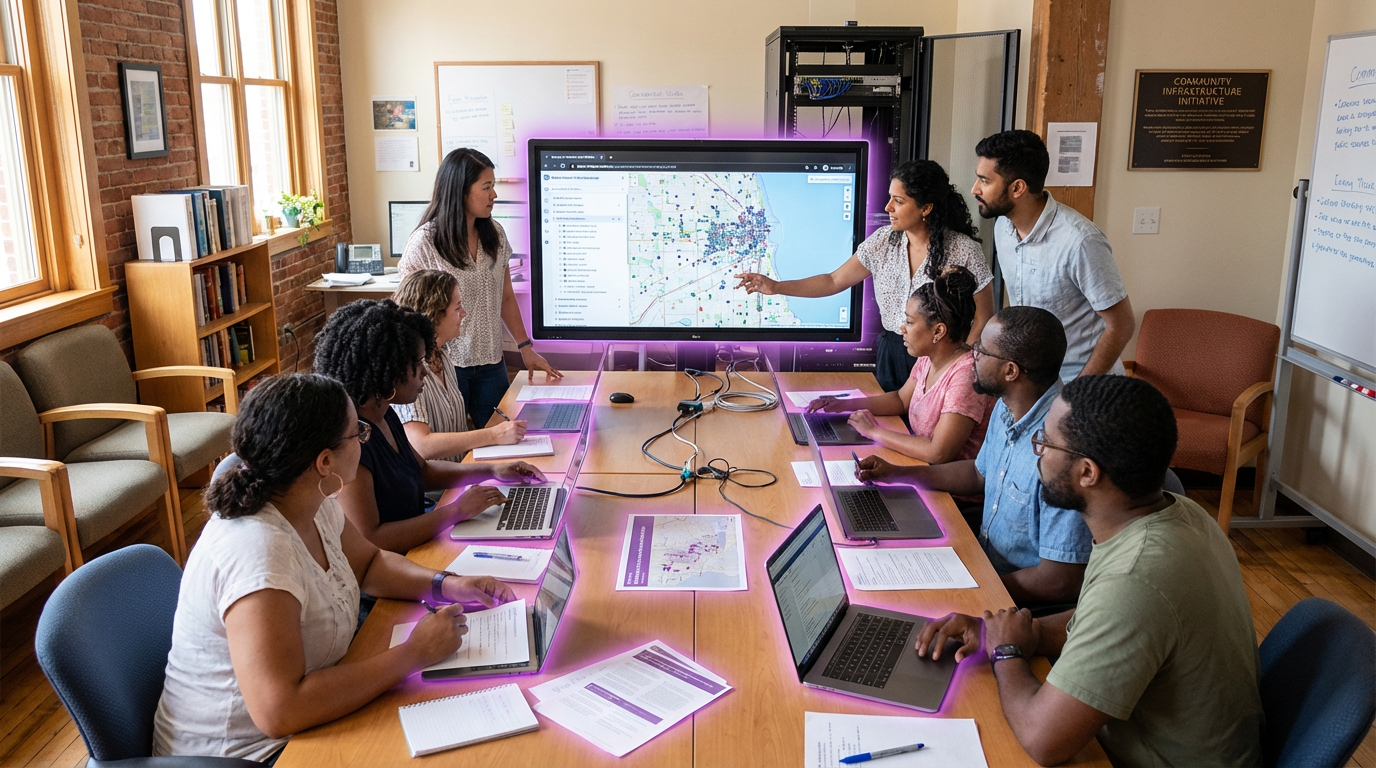
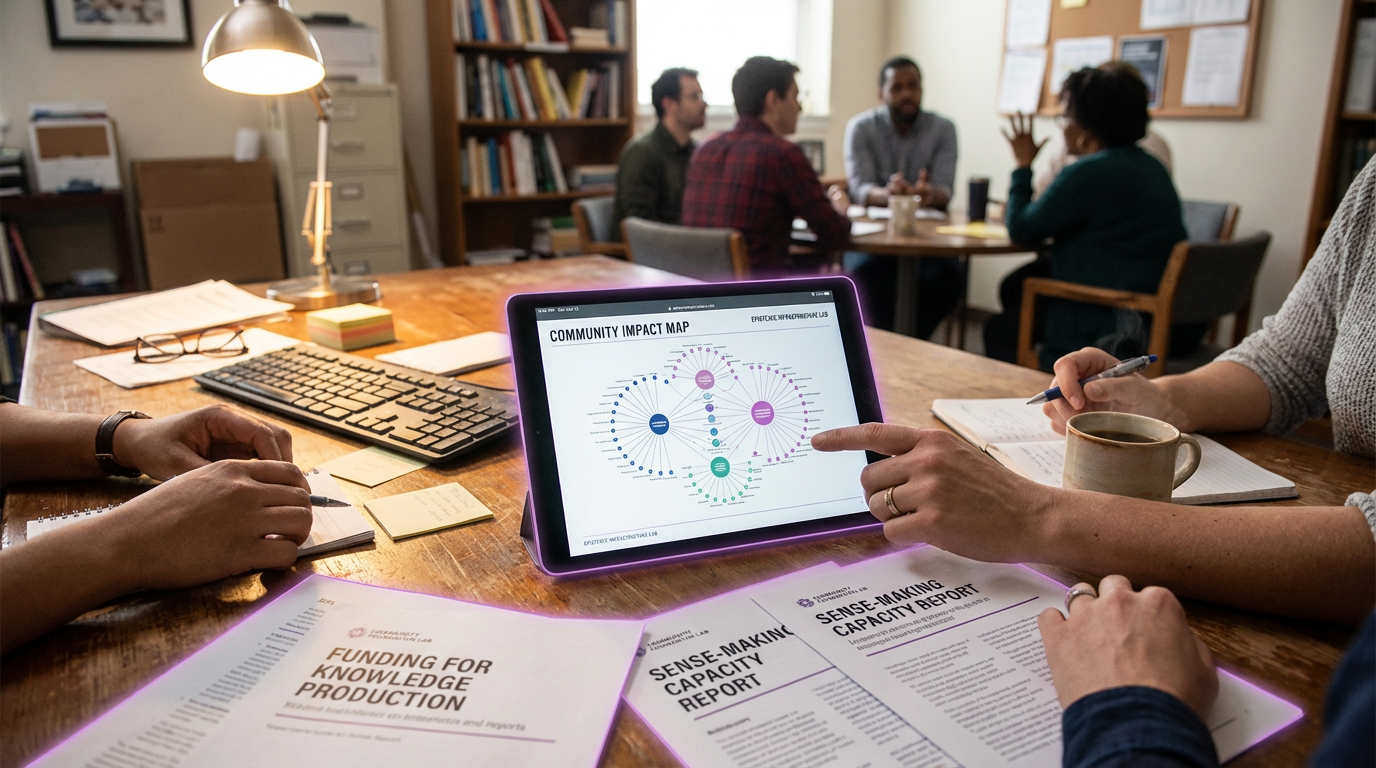
The philanthropic sector has long operated in relative informational isolation, with individual foundations, nonprofits, and donors making decisions based on fragmented data and limited visibility into what others are funding, learning, or achieving. This knowledge asymmetry creates inefficiencies: multiple organizations unknowingly fund duplicate efforts, promising interventions fail to scale because learnings remain siloed, and the field struggles to build cumulative evidence about what works. Open data commons for philanthropic intelligence represent a fundamental shift toward shared knowledge infrastructure, establishing collaborative platforms where grantmakers, researchers, and practitioners can pool data about funding flows, program outcomes, organizational capacity, and field-level trends. These systems typically combine standardised data schemas for describing grants and activities, secure repositories for storing information, and analytical tools for extracting insights. By creating common taxonomies and interoperable formats, these platforms enable previously incompatible datasets to be aggregated and analysed collectively, transforming scattered institutional knowledge into field-wide intelligence.
The emergence of these knowledge commons addresses several persistent challenges in the philanthropic ecosystem. Traditional approaches to grantmaking often rely on limited information about recipient organisations, past funding history, or intervention effectiveness, leading to suboptimal resource allocation and missed opportunities for collaboration. Open data platforms enable funders to identify funding gaps, avoid duplication, and discover potential partners working on complementary initiatives. For nonprofits, these systems reduce the administrative burden of repeatedly providing the same information to different funders while increasing their visibility to potential supporters. Research suggests that shared intelligence infrastructure also accelerates learning cycles, allowing the field to more rapidly identify effective practices and redirect resources accordingly. Beyond operational efficiency, these commons support broader accountability and transparency goals, enabling journalists, academics, and the public to scrutinise philanthropic activities and their societal impact. However, the development of these platforms raises complex governance questions about who controls access, how privacy is protected, and whether dominant institutions might extract disproportionate value from collectively contributed data.
Several collaborative initiatives demonstrate this approach in practice, though adoption remains uneven across the sector. Foundations and philanthropic networks have begun investing in shared databases tracking grant portfolios, standardised reporting frameworks for measuring social outcomes, and collaborative research platforms for synthesising evidence. Some platforms focus on specific issue areas or geographic regions, while others aim for comprehensive field coverage. The technology infrastructure typically combines cloud-based data warehousing, application programming interfaces for data exchange, and visualisation tools for exploring patterns. Early implementations indicate that successful knowledge commons require not just technical infrastructure but also governance frameworks that balance openness with legitimate privacy concerns, particularly regarding sensitive organisational or beneficiary information. As computational capabilities advance and data science methods become more sophisticated, these platforms are evolving beyond simple repositories toward predictive analytics and recommendation systems that could fundamentally reshape how philanthropic decisions are made. The trajectory suggests movement toward a future where philanthropic intelligence operates more like scientific research—building on shared evidence, subjecting claims to collective scrutiny, and accelerating progress through open collaboration rather than proprietary advantage.
Related Organizations
A UK charity that helps organizations publish open, standardized grants data and empowers people to use it.

The result of the merger between Foundation Center and GuideStar, providing data tools and using machine learning to map the nonprofit sector.

A global generosity movement unleashing the power of people and organizations to transform their communities and the world.
A global initiative to improve the transparency of development and humanitarian resources.

The largest charity evaluator in the US, providing data that powers many donation routing algorithms.
TechSoup
United States · Nonprofit
A global network facilitating technology distribution to nonprofits, now offering training and tools for AI adoption.

Based at NYU Tandon School of Engineering, it studies how to improve governance using data, including 'Data Collaboratives' for environmental insights.

A global network of philanthropy development and support organizations committed to strengthening philanthropy worldwide.

Cloud-based grant management software that connects givers and doers, using automation to streamline compliance, reporting, and data aggregation for foundations.
GlobalGiving
United States · Nonprofit
A crowdfunding platform connecting nonprofits, donors, and companies in nearly every country.