Beneficiary Councils with Veto Power
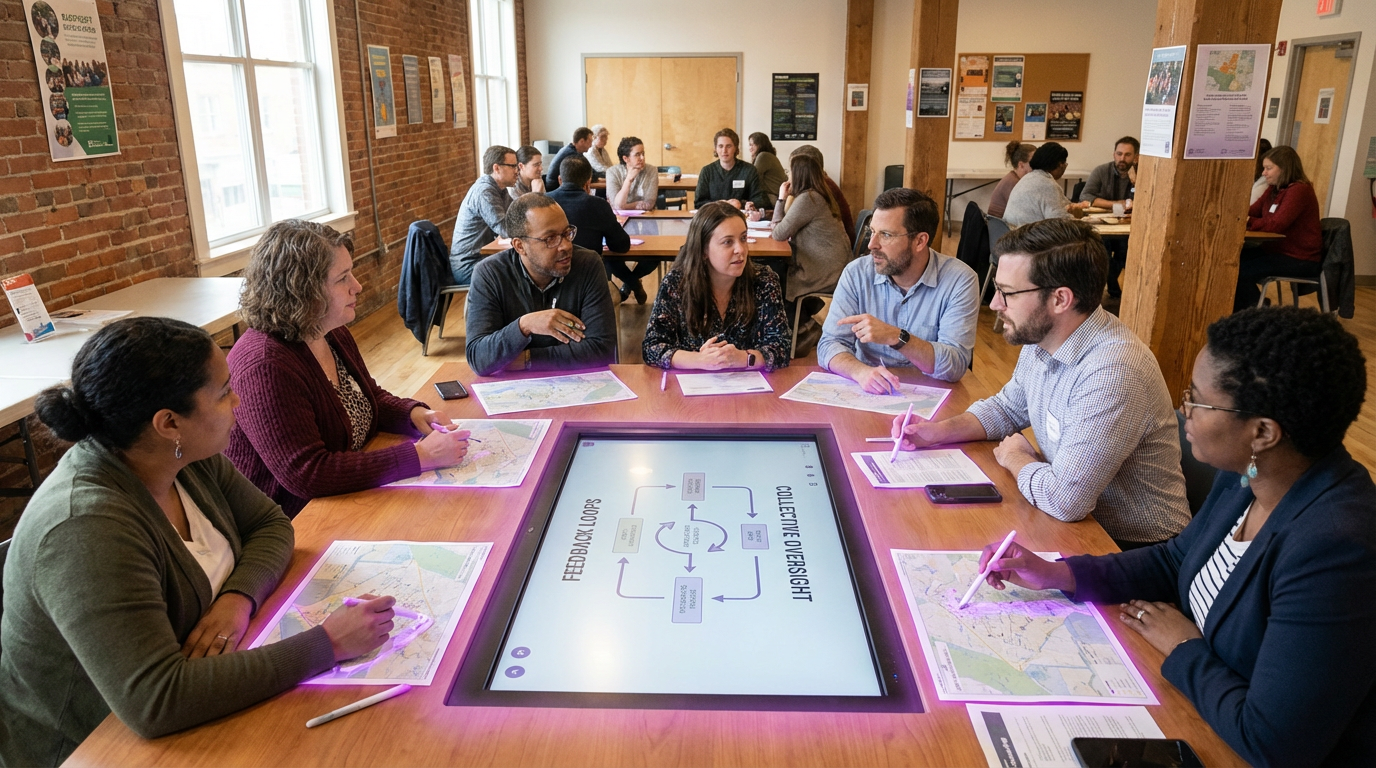
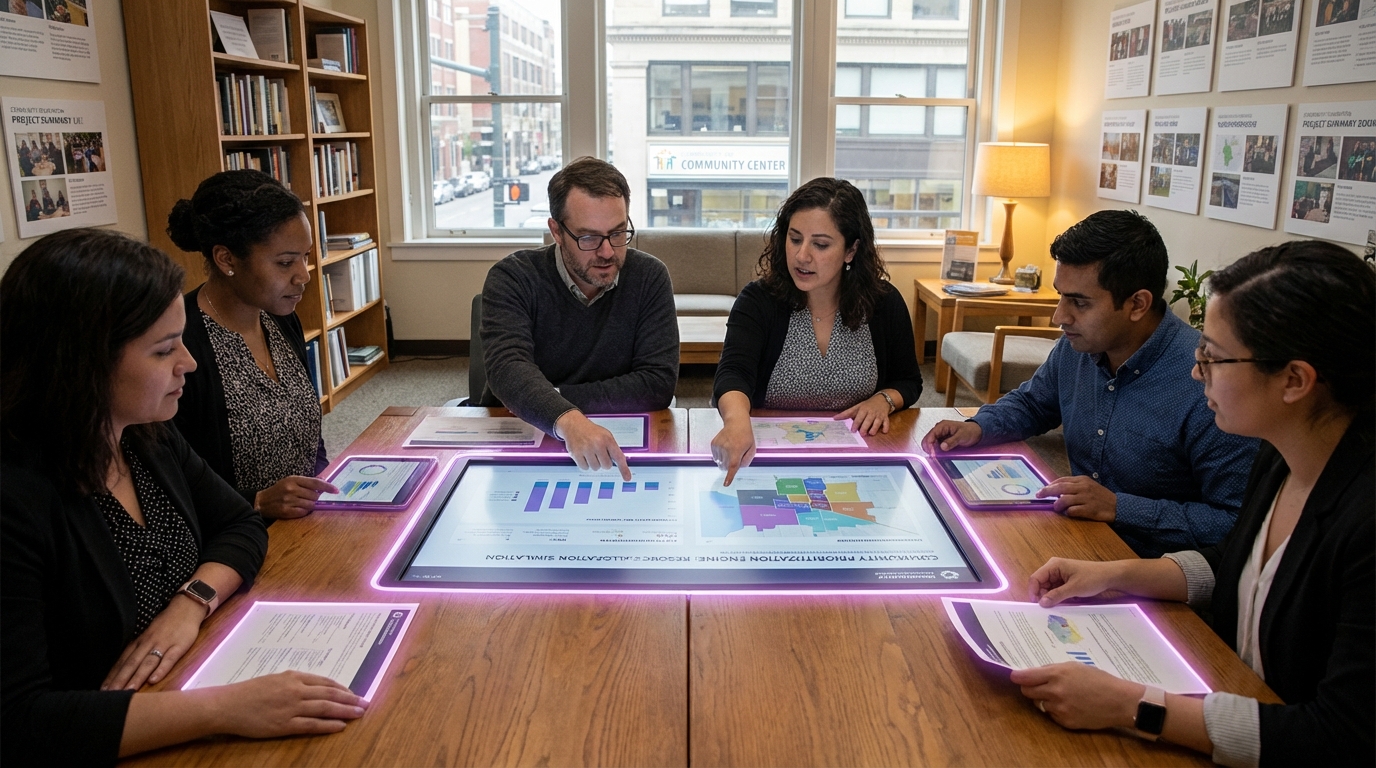
Beneficiary councils with veto power represent a fundamental restructuring of philanthropic governance, shifting decision-making authority from traditional donor-controlled models to structures where affected communities hold substantive power over resource allocation. Unlike conventional participatory mechanisms that offer consultation or advisory input, these councils possess binding authority—either through veto rights that can block proposed initiatives or through direct allocation power that determines how funds are distributed. The technical architecture typically involves formal governance structures with clearly defined voting procedures, quorum requirements, and decision-making protocols that ensure community representatives can exercise meaningful control. These councils may be embedded within foundation boards, operate as parallel governance bodies with co-equal authority, or function as independent entities with contractual rights to approve or reject funding decisions. The shift represents a move from extractive consultation models toward genuine power-sharing arrangements that recognize beneficiaries as legitimate stakeholders with decision-making capacity.
This governance innovation addresses longstanding critiques of traditional philanthropy, particularly concerns about accountability gaps and the disconnect between donor priorities and community needs. Conventional philanthropic models often suffer from what researchers describe as "accountability upward and power downward"—foundations answer primarily to boards and regulators while wielding significant influence over grantee organizations and communities. Beneficiary councils invert this dynamic, creating accountability mechanisms that flow from affected populations toward resource holders. This restructuring tackles the persistent challenge of ensuring that philanthropic interventions genuinely serve community-defined priorities rather than imposing external agendas. The veto power component is particularly significant, as it provides communities with defensive authority to prevent harmful or misaligned initiatives, while allocation power offers proactive capacity to direct resources toward locally-identified needs. These mechanisms can help address power imbalances inherent in traditional grant-making, where communities often must frame their needs in donor-preferred language or pursue funding for initiatives that align with funder theories of change rather than community priorities.
Early implementations of beneficiary council models have emerged across various philanthropic contexts, from community foundations experimenting with participatory grantmaking to international development organizations establishing community oversight bodies. Some foundations have created youth councils with binding authority over portions of their budgets, while others have established councils representing specific populations—such as formerly incarcerated individuals, immigrants, or low-income residents—with veto rights over relevant program areas. These experiments indicate growing recognition that meaningful accountability requires more than stakeholder engagement or beneficiary feedback loops. The trend connects to broader movements toward participatory democracy, community wealth building, and decolonizing philanthropy. As wealth inequality intensifies and scrutiny of philanthropic power grows, beneficiary councils represent a potential pathway toward more legitimate and effective resource distribution. The model faces implementation challenges, including questions about representation, the potential for elite capture within communities, and tensions with fiduciary duties of traditional boards. However, the fundamental principle—that those affected by philanthropic decisions should have substantive authority over those decisions—suggests these governance innovations will continue evolving as the sector grapples with questions of legitimacy, effectiveness, and democratic accountability in an era of concentrated private wealth deployed for public purposes.
Related Organizations
A youth-led fund where young feminist activists from the Global South decide where the money goes through a participatory voting process.

The first global fund guided by and for sex workers; the majority of its International Steering Committee are sex workers who make grant decisions.

A philanthropic intermediary that hosts multiple donor collaboratives focused on social justice, policing, and disability rights.

An organization facilitating the redistribution of wealth through the Liberated Capital fund.

A grantmaking collaborative where persons with disabilities are involved in governance and grantmaking decisions.

A global network of activists and experts who decide on grant distribution to grassroots environmental groups.

The oldest international women's fund, which has transitioned to participatory grantmaking where community advisory networks advise on funding.
Uses a participatory process where volunteer readers from the community review and score grant applications.

A community foundation that has implemented participatory grantmaking, involving residents in deciding where funds go in their neighborhoods.