Civic Redistribution Dashboards
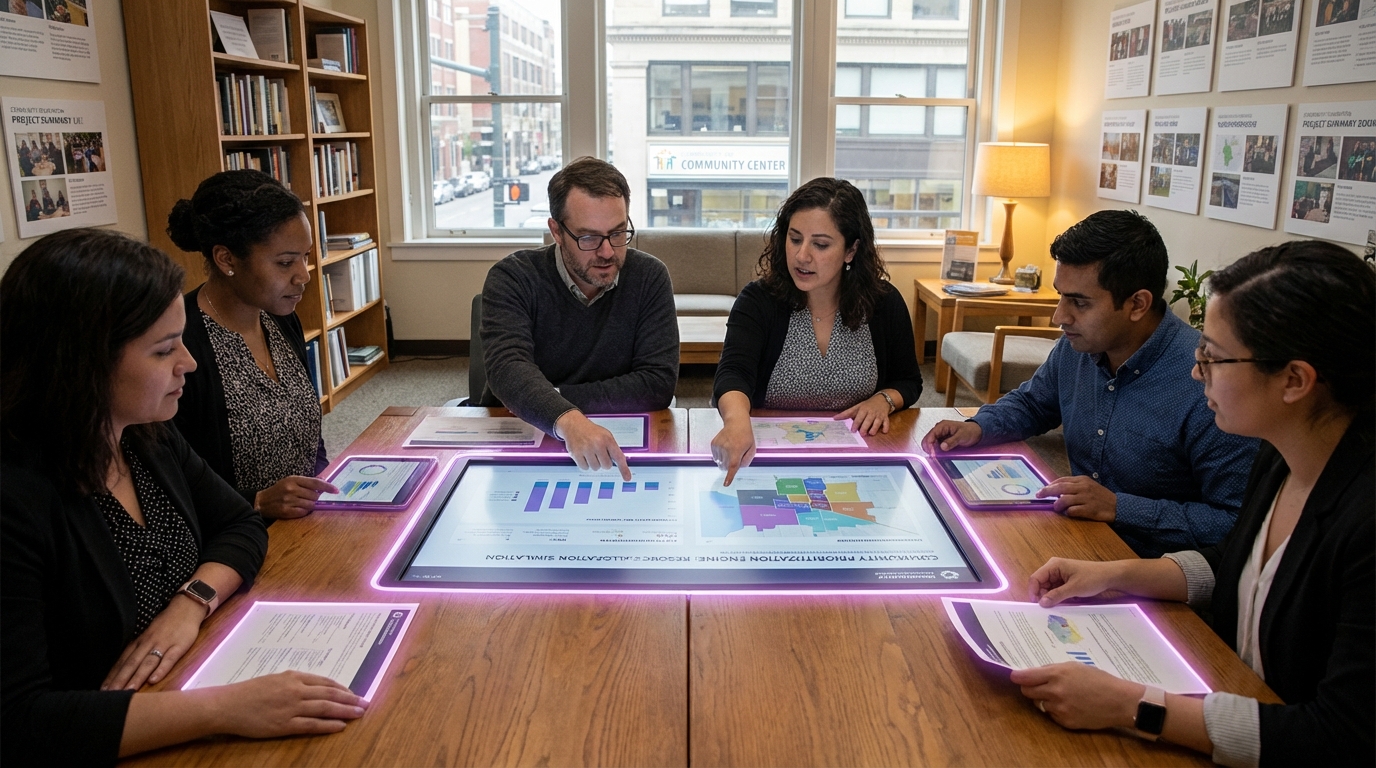
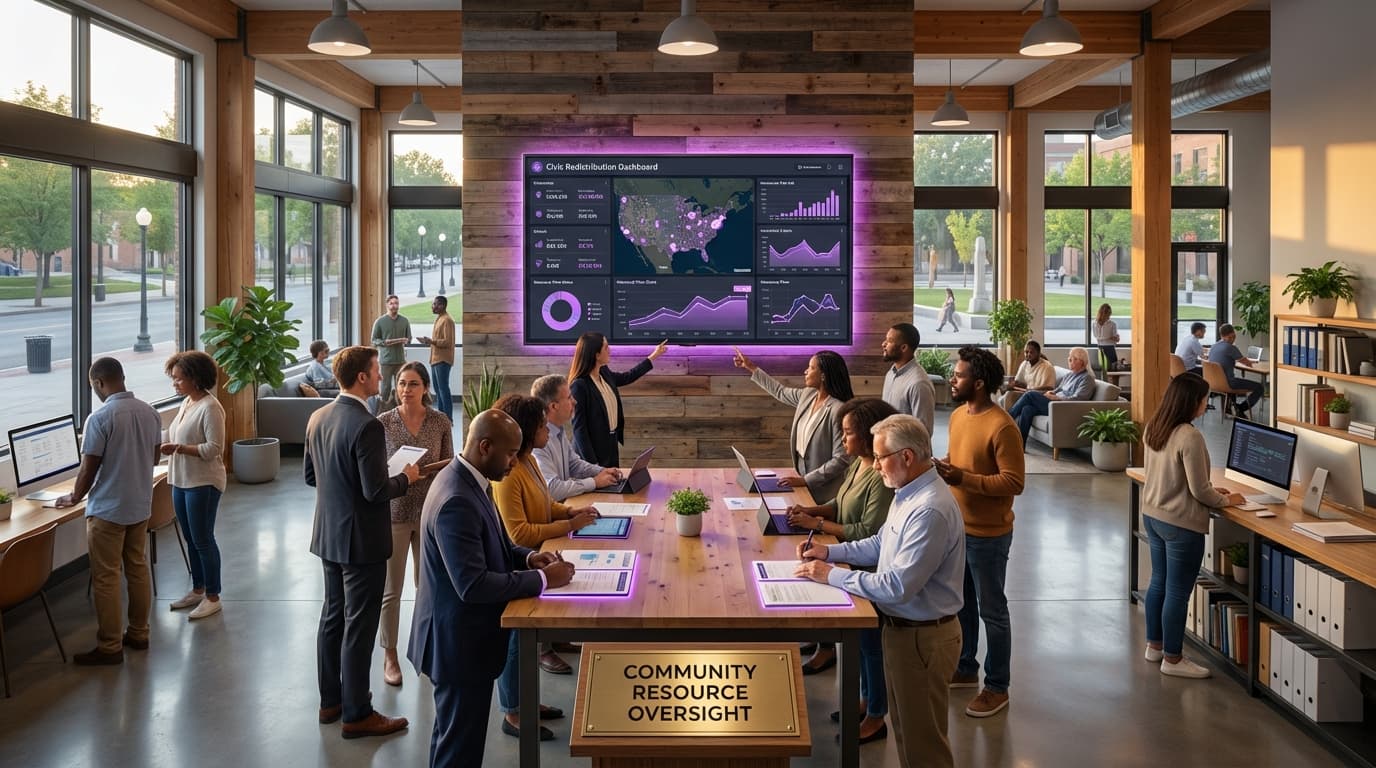
Civic redistribution dashboards are digital platforms designed to make the flow of philanthropic and public resources visible to the general public. These systems aggregate data from multiple sources—government budgets, foundation grants, corporate social responsibility programs, and public sector spending—and present them through interactive visualizations that track how money moves from funders to recipients and ultimately to beneficiaries. The technical architecture typically involves data integration pipelines that standardize information from disparate sources, often using common taxonomies for categorizing grants, expenditures, and outcomes. Advanced implementations incorporate geospatial mapping to show resource distribution across neighborhoods or regions, temporal analysis to reveal funding patterns over time, and network visualizations that illustrate relationships between funders, intermediaries, and community organizations. Some platforms employ natural language processing to extract structured data from grant descriptions and impact reports, while others integrate real-time feeds from government spending databases or foundation disclosure requirements.
The fundamental challenge these dashboards address is the historical opacity of resource allocation in both philanthropic and public sectors. Citizens have traditionally had limited visibility into how billions of dollars in charitable giving and government spending are distributed, making it difficult to assess whether resources align with community needs or stated priorities. This information asymmetry has enabled inefficiencies, inequities, and occasionally corruption to persist unchecked. Civic redistribution dashboards democratize access to this information, enabling journalists, community advocates, researchers, and ordinary citizens to identify funding gaps, track whether resources reach underserved populations, and hold institutions accountable for their commitments. They also facilitate coordination among funders by revealing where multiple organizations are supporting similar initiatives or where critical needs remain unaddressed. For philanthropic organizations and government agencies, these platforms can demonstrate impact and build public trust, though they also create pressure to justify spending decisions and show measurable results.
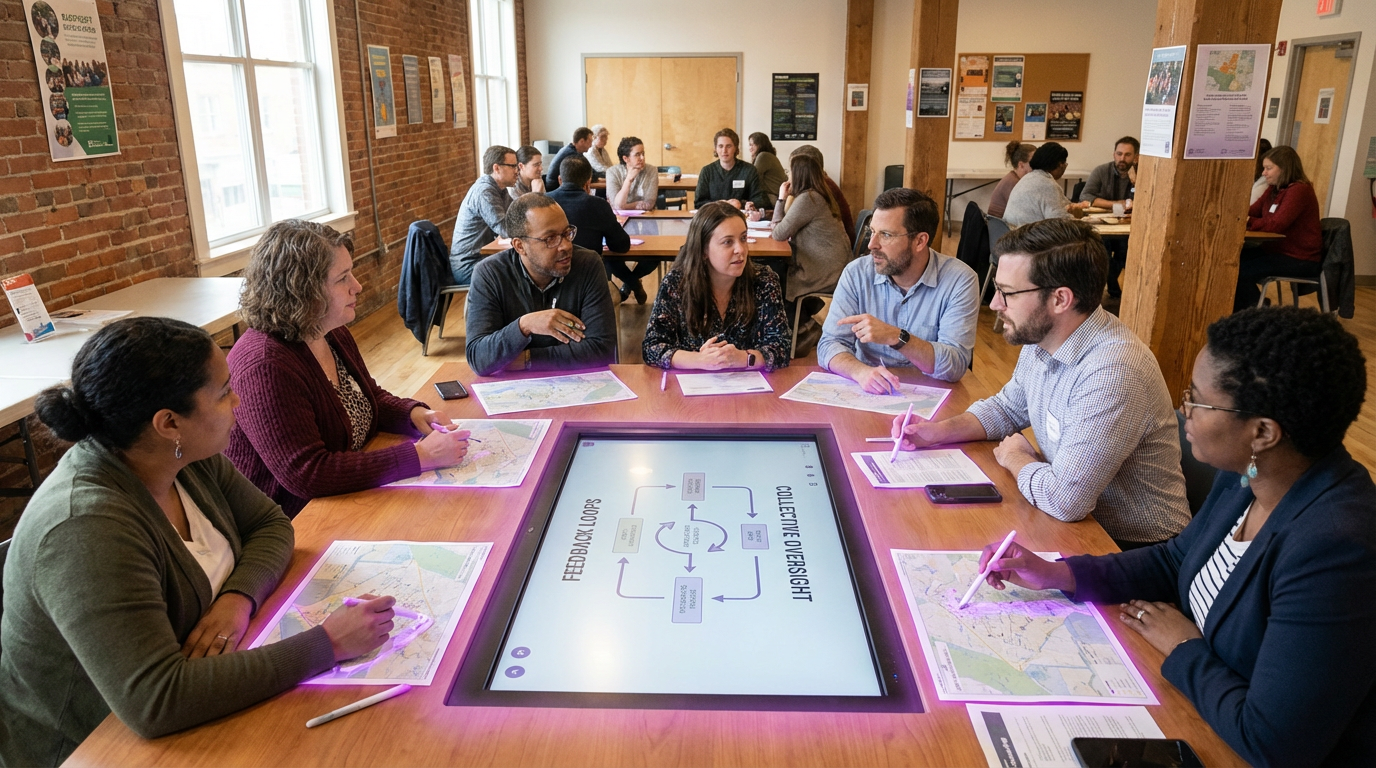
Several cities and regions have implemented early versions of these systems, with varying degrees of comprehensiveness and public engagement. Some focus narrowly on municipal budgets, while others attempt to map entire ecosystems of social investment including private philanthropy, impact investing, and public programs. The most sophisticated platforms allow users to filter by issue area, geographic location, funding source, or recipient type, and some incorporate community feedback mechanisms where residents can comment on priorities or report outcomes. However, significant challenges remain around data standardization, privacy protection for grant recipients, and the risk that transparency tools inadvertently incentivize short-term, easily quantifiable projects over long-term systemic change. As computational infrastructure for tracking resource flows becomes more sophisticated and demands for accountability intensify, these dashboards are likely to evolve from static reporting tools into dynamic platforms that enable participatory budgeting, real-time impact assessment, and more equitable resource allocation guided by community input rather than institutional discretion alone.
Related Organizations
A UK charity that helps organizations publish open, standardized grants data and empowers people to use it.

The result of the merger between Foundation Center and GuideStar, providing data tools and using machine learning to map the nonprofit sector.
A global initiative to improve the transparency of development and humanitarian resources.
A global organization that promotes the Open Contracting Data Standard (OCDS) to make public contracting, including PPPs, more transparent and accountable.
A global network that facilitates dialogue between governments, civil society organizations, and international financial institutions on fiscal transparency.

A global non-profit organization focused on realizing the value of open data to society.

Devex
United States · Company
A media platform and data provider for the global development community.
An open platform for sharing data across crises and organizations, managed by OCHA.

A global translocal network that makes governance work for people by supporting active citizens and responsible leaders.

The largest charity evaluator in the US, providing data that powers many donation routing algorithms.