Philanthropy Underwriting Public Infrastructure
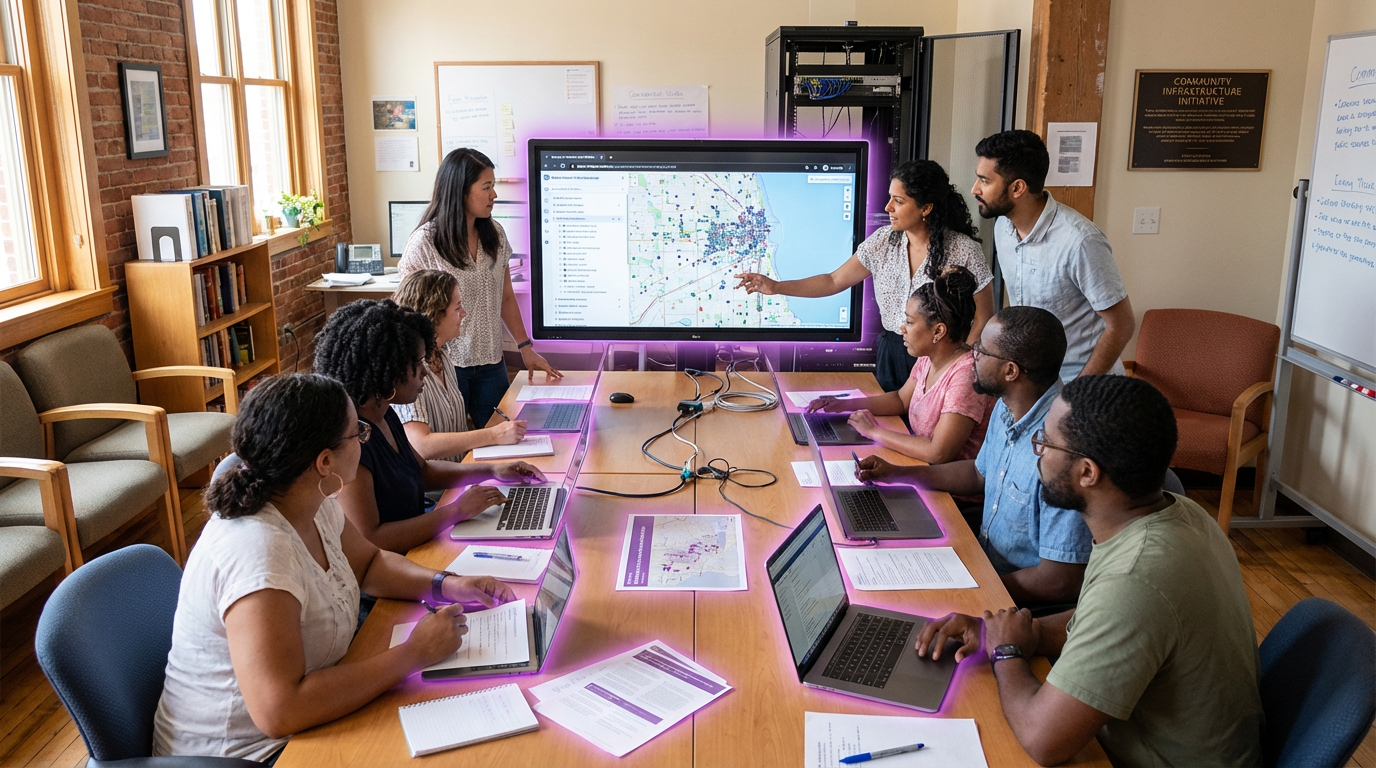
Philanthropy underwriting public infrastructure represents a fundamental shift in how essential civic projects are financed and delivered. Traditionally, governments have borne the primary responsibility for funding infrastructure through tax revenues and public bonds, accepting the inherent risks of long-term capital projects. However, as public budgets face increasing constraints and infrastructure needs continue to grow, philanthropic organizations and private foundations have begun deploying their capital in novel ways—not merely as donors, but as financial underwriters who absorb risk, provide guarantees, and catalyze larger pools of investment. This approach typically involves philanthropic entities offering first-loss capital, credit enhancements, or loan guarantees that make infrastructure projects more attractive to institutional investors and private developers. By assuming the riskiest portions of a project's capital structure, philanthropy can unlock multiples of additional investment from sources that would otherwise consider the venture too uncertain or the returns too modest.
This model addresses several critical challenges in contemporary infrastructure development. Public sector entities often struggle to finance ambitious projects due to budget limitations, political cycles that discourage long-term commitments, and risk-averse procurement processes. Meanwhile, many essential infrastructure needs—particularly in underserved communities—fail to attract private capital because they don't promise market-rate returns. Philanthropic underwriting bridges this gap by de-risking projects to the point where they become viable for public agencies or attractive to impact investors seeking modest but stable returns. This mechanism has been applied across diverse infrastructure domains: affordable housing developments where foundations guarantee construction loans, renewable energy installations on public buildings backed by philanthropic credit support, and digital connectivity projects in rural areas where grant funding covers initial deployment risks. The approach enables projects to move forward that might otherwise remain indefinitely stalled, while potentially demonstrating models that can eventually operate without philanthropic subsidy.
Early deployments of this financing structure have emerged across multiple sectors, though comprehensive data on scale and outcomes remains limited. Housing-focused foundations have provided loan guarantees for mixed-income developments, enabling projects that combine market-rate and affordable units. Environmental philanthropies have underwritten green infrastructure bonds for cities implementing climate adaptation measures. In the digital realm, foundations have absorbed the risk of extending broadband to economically marginal areas, proving demand that later attracts commercial providers. However, this trend raises profound questions about the appropriate role of private wealth in shaping public goods. Critics note that philanthropic priorities may not align with democratic decision-making processes, potentially directing infrastructure investment toward projects favored by wealthy donors rather than those identified through public deliberation. There are also concerns about long-term sustainability—whether philanthropic capital can maintain these commitments across decades, and what happens when foundation priorities shift. As infrastructure needs intensify globally and public resources remain constrained, this financing model appears likely to expand, making the governance questions it raises increasingly urgent for policymakers and civil society to address.
Related Organizations

A major philanthropic organization that launched the Pandemic Prevention Institute.

A major foundation known for its 'Catalytic Capital Consortium' (C3), which aims to increase the flow of capital to social and environmental infrastructure.

A foundation focused on expanding opportunities in America's cities.

The global network for blended finance, generating data, intelligence, and deal flow to increase private investment in developing countries.
A G20 initiative housed at the World Bank that facilitates private investment in complex infrastructure projects in developing countries.

One of the largest Community Development Financial Institutions (CDFIs) in the US, channeling capital into housing, health, and safety infrastructure.
A collaborative of the world's largest foundations and financial institutions investing in the infrastructure of US cities to close racial income gaps.

Omidyar Network
United States · Nonprofit
A philanthropic investment firm heavily focused on 'Digital Public Infrastructure' (DPI) and open protocols.
A global philanthropic collaborative that pools resources from ultra-high-net-worth donors to fund systems change in health, education, and economic opportunity.
A mission-driven financial institution that finances projects like schools, grocery stores, and clean energy systems in underserved communities.