Networked & Temporary Philanthropic Entities
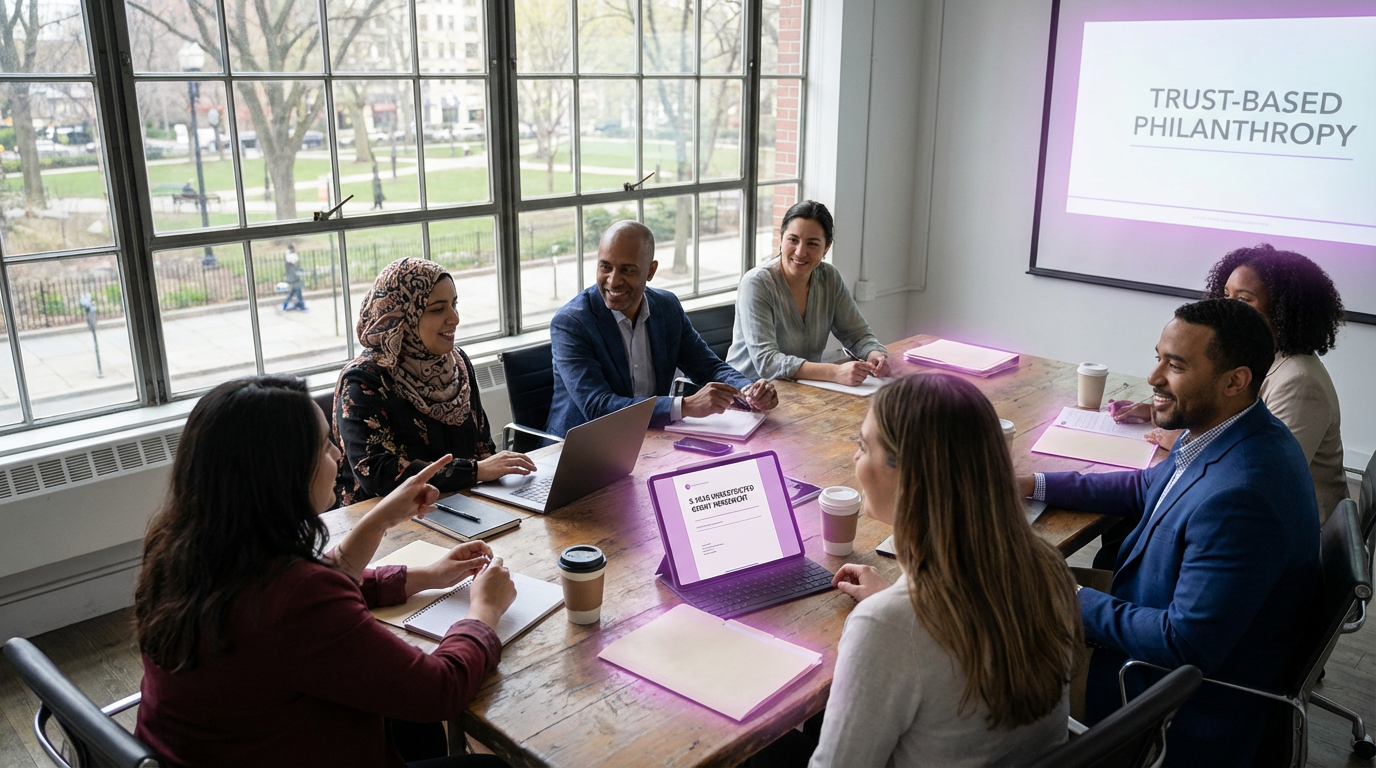
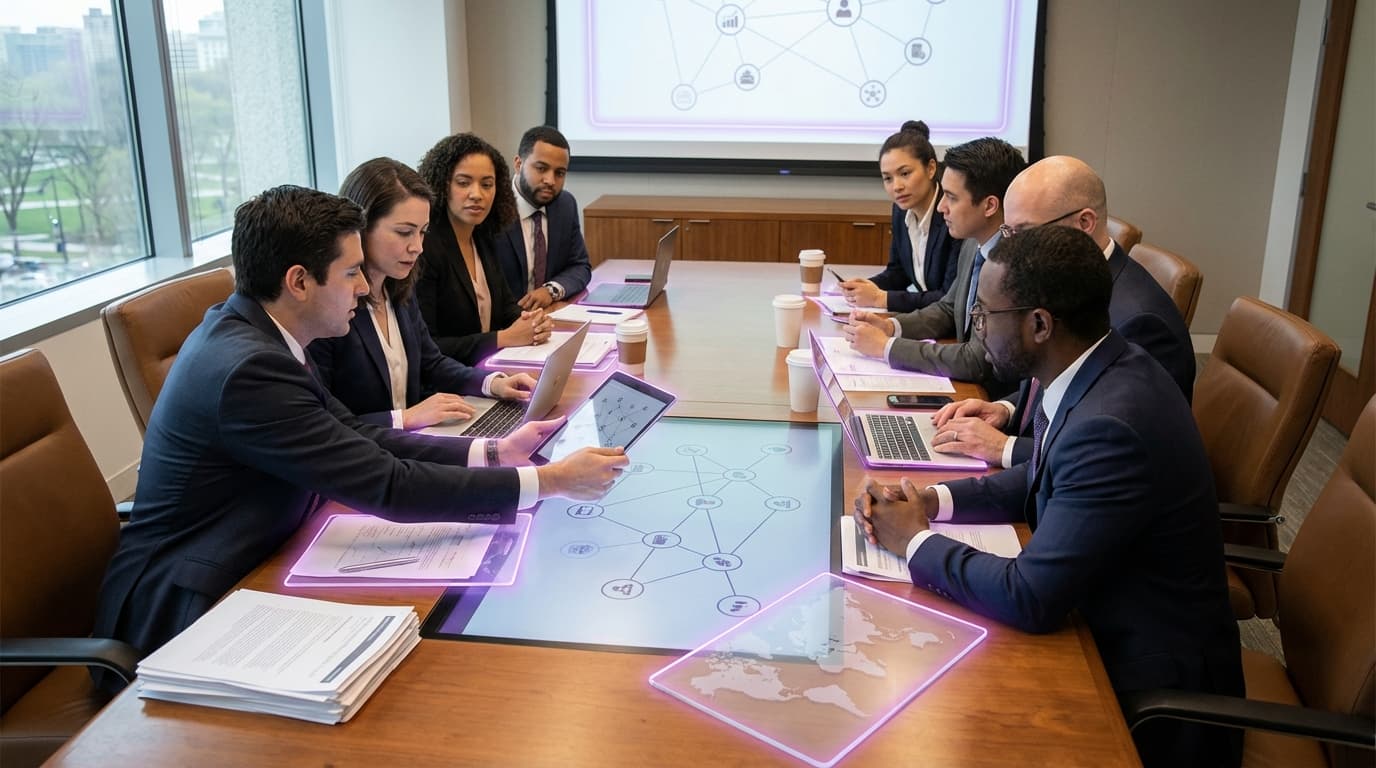
The traditional philanthropic model, characterized by permanent foundations with large endowments making top-down funding decisions, is being challenged by a new generation of organizational forms that prioritize agility, collaboration, and responsiveness over institutional permanence. Networked philanthropic entities operate as distributed systems where multiple organizations, funders, and community groups coordinate their efforts without a single controlling authority. These networks rely on shared governance structures, digital platforms for coordination, and trust-based relationships rather than hierarchical command chains. Temporary or pop-up philanthropic entities represent another departure from convention, forming rapidly around urgent issues—such as disaster response, policy windows, or social movements—and intentionally dissolving once their specific objectives are achieved. This approach contrasts sharply with the perpetual existence of traditional foundations, which often struggle to adapt their missions and structures to changing social needs. The technical infrastructure enabling these new forms includes collaborative funding platforms, shared data systems, and digital communication tools that allow geographically dispersed actors to coordinate resources and strategy in real time.
These emerging organizational forms address several persistent challenges in the philanthropic sector. Traditional foundations often face criticism for being slow to respond to urgent needs, disconnected from the communities they serve, and overly focused on institutional preservation rather than impact. The bureaucratic overhead and decision-making processes of permanent institutions can create significant delays between identifying a problem and deploying resources. Networked entities overcome these limitations by distributing decision-making authority closer to the ground, allowing for faster response times and more contextually appropriate interventions. Pop-up entities eliminate the mission drift and institutional inertia that plague many long-standing foundations, ensuring that resources flow directly to time-sensitive opportunities without the burden of maintaining permanent infrastructure. Meanwhile, foundations that reposition themselves as conveners rather than direct funders leverage their reputational capital and institutional knowledge to broker relationships, facilitate collaboration, and amplify the work of grassroots organizations without imposing their own agendas. This shift acknowledges that many foundations' greatest value lies not in their capital alone but in their ability to connect actors, share knowledge, and create spaces for collective action.
Early examples of these models are appearing across the philanthropic landscape, particularly in response to social movements and crisis situations. Research suggests that networked funding collaboratives have formed around issues such as climate justice, racial equity, and democratic participation, pooling resources from multiple sources while maintaining decentralized governance. Industry observers note that pop-up funds have emerged during natural disasters, political transitions, and pandemic responses, raising and deploying significant resources within compressed timeframes before dissolving. Some established foundations are experimenting with convening roles, hosting coalitions of community organizations, facilitating peer learning networks, and providing backbone support for collective impact initiatives without necessarily being the primary funder. These organizational innovations reflect broader trends toward participatory grantmaking, trust-based philanthropy, and movement-aligned funding strategies. As power dynamics in the social sector continue to shift, with growing demands for community leadership and funder accountability, these flexible and networked forms are likely to become increasingly prevalent, offering alternatives to the institutional models that have dominated organized giving for over a century.
Related Organizations

Arabella Advisors
United States · Company
A philanthropy consulting firm that manages several massive fiscal sponsors (like New Venture Fund), enabling pop-up philanthropic initiatives.

A partnership of philanthropists seeking to transform the lives of young people and families in poverty by pooling billions for scaling impact.
A global philanthropic collaborative that pools resources from ultra-high-net-worth donors to fund systems change in health, education, and economic opportunity.

A legal and financial toolbox for grassroots groups, enabling mutual aid networks to collect and spend money transparently.

Tides
United States · Nonprofit
A philanthropic partner and fiscal sponsor that hosts hundreds of pooled funds and collective action initiatives.

The first on-chain 501(c)(3) public charity offering Donor-Advised Funds (DAFs) powered by DeFi.

A platform for funding and coordinating open source development.

A collaborative funding initiative housed at TED that vets 'audacious' ideas and presents them to a group of donors for pooled investment.
A community focused on building the Future of Giving using blockchain technology.
A global nonprofit that manages philanthropy for donors, often creating time-bound or collaborative vehicles.