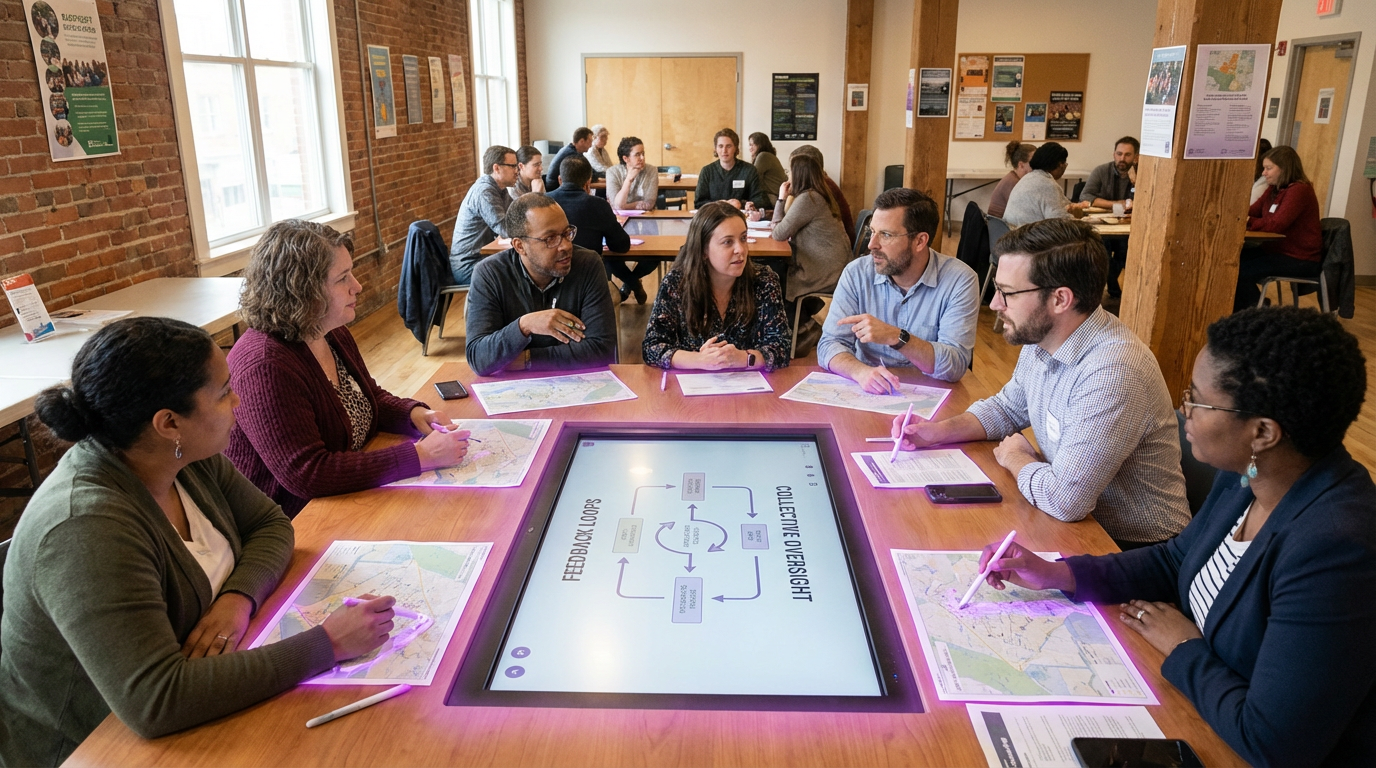
Impact Measurement Fatigue & Reporting Burden
The philanthropic sector has increasingly embraced rigorous impact measurement as a cornerstone of effective giving, driven by frameworks borrowed from business analytics and social science research. This approach typically requires grantees to collect extensive data, complete detailed reports, and demonstrate measurable outcomes aligned with funder-specified metrics. The technical apparatus involves logic models, theory of change frameworks, randomized controlled trials, and sophisticated data collection systems that track everything from participant demographics to long-term behavioral changes. While these tools can provide valuable insights, their implementation often demands specialized expertise in evaluation methodology, data management systems, and statistical analysis. Smaller organizations frequently lack dedicated staff for these functions, forcing program personnel to divert time from direct service delivery to satisfy reporting requirements. The cumulative effect across multiple funders—each with distinct reporting templates, timelines, and metric preferences—creates a complex compliance burden that can consume 20-30% of grant funding in administrative overhead.
This measurement infrastructure addresses legitimate concerns about philanthropic effectiveness and accountability, yet it has generated unintended consequences that undermine its stated goals. The reporting burden disproportionately affects grassroots organizations and community-based groups that possess deep local knowledge but limited administrative capacity, effectively creating a two-tier system that favors professionalized nonprofits with dedicated development and evaluation teams. Research suggests that extensive reporting requirements may actually impede organizational learning, as staff focus on demonstrating compliance rather than reflecting on program adaptation and improvement. The emphasis on quantifiable metrics can also distort program design, encouraging organizations to pursue easily measurable outcomes rather than addressing complex, systemic challenges that resist simple quantification. Furthermore, the power dynamics embedded in current measurement practices often reflect funder priorities rather than community needs, with grantees shaped by what gets measured rather than measuring what matters most to the populations they serve. This misalignment raises fundamental questions about whether impact measurement serves genuine learning and improvement or primarily functions as a risk management tool for funders seeking to justify their decisions to boards and donors.
Growing awareness of these limitations has sparked experimentation with alternative approaches that attempt to balance accountability with trust and flexibility. Trust-based philanthropy has emerged as a notable response, emphasizing multi-year unrestricted funding, streamlined applications, and reporting frameworks developed collaboratively with grantees rather than imposed unilaterally. Some foundations have adopted simplified reporting templates that focus on narrative reflection and qualitative learning rather than extensive quantitative data collection. Participatory evaluation methods that engage community members in defining success metrics and assessment processes represent another promising direction, shifting power dynamics and ensuring that measurement serves those closest to the work. Industry convenings and research initiatives are increasingly questioning whether the sector's measurement infrastructure actually improves outcomes or simply creates the appearance of rigor while consuming resources and perpetuating inequities. As philanthropy grapples with broader questions about power, equity, and effectiveness, the evolution of impact measurement practices will likely reflect fundamental tensions between accountability and autonomy, standardization and context-specificity, and the competing needs of funders, grantees, and the communities they aim to serve.
Related Organizations
A peer-to-peer funder initiative to address the inherent power imbalances between foundations and nonprofits.

The philanthropic vehicle of MacKenzie Scott, characterized by massive, unrestricted, upfront giving with high velocity.

A portal connecting funders and grassroots organizations that uses a common application to automate and streamline the grantseeking process.

A member-led community of grants management professionals dedicated to advancing equitable, effective grantmaking practices.
Provides data and insight to enable philanthropic funders to define, assess, and improve their effectiveness.

The result of the merger between Foundation Center and GuideStar, providing data tools and using machine learning to map the nonprofit sector.

A foundation focused on leadership development and systems change in New York City.

Provides fast, flexible funding to nonprofits facing unexpected roadblocks.

Cloud-based grant management software that connects givers and doers, using automation to streamline compliance, reporting, and data aggregation for foundations.

Provides a social impact platform used by thousands of foundations and CSR programs to automate grant application workflows, review processes, and funds distribution.