Direct Cash Transfers & Give Directly Movement
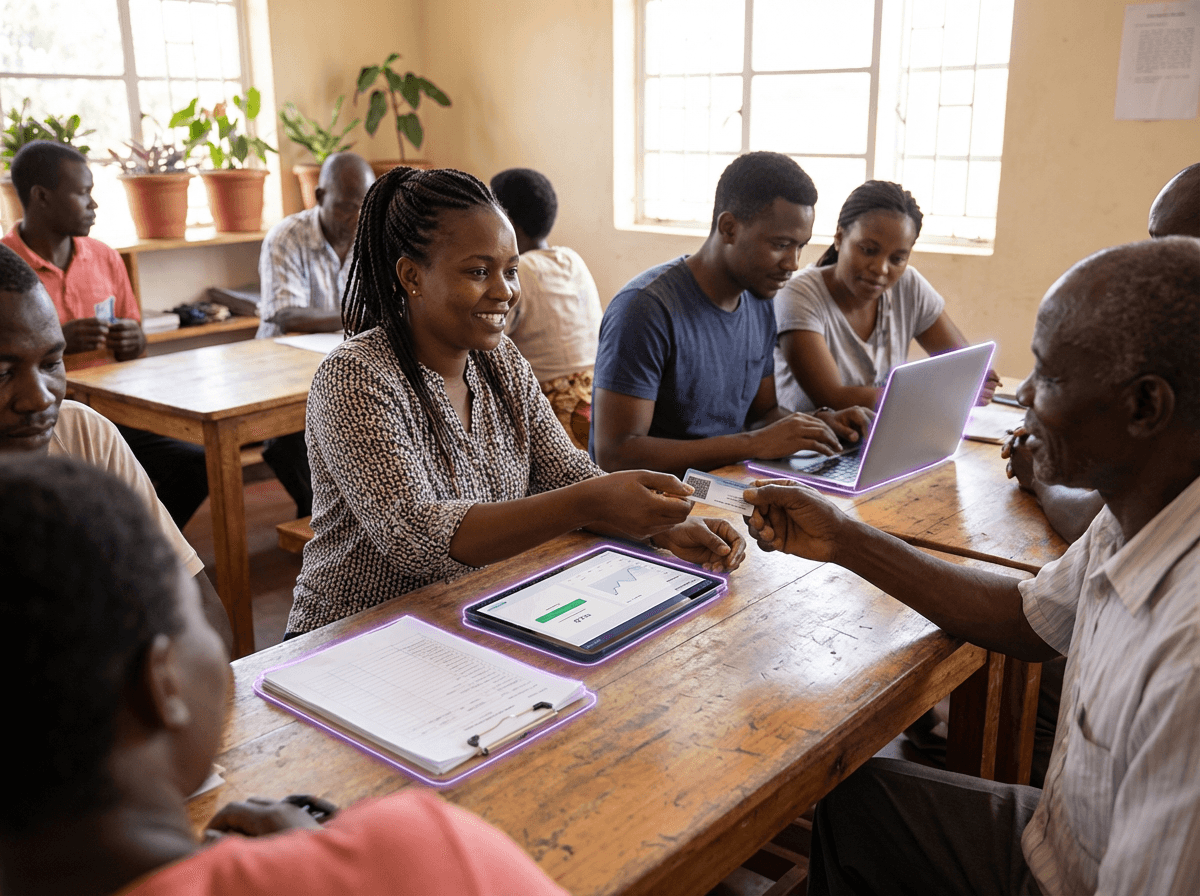
The direct cash transfer movement represents a fundamental reimagining of how aid and philanthropy operate, replacing traditional program-based interventions with unconditional monetary transfers to individuals and households in need. At its core, this approach leverages mobile money platforms and digital payment infrastructure to deliver funds directly to recipients, bypassing the complex administrative machinery that has historically characterised charitable giving. The mechanism is straightforward: organisations identify recipients through various targeting methods—geographic, demographic, or community-based—and transfer money directly to their mobile wallets or bank accounts with minimal or no conditions attached. This model relies on the premise that people living in poverty are best positioned to understand their own needs and make rational decisions about resource allocation. The technical infrastructure enabling this shift includes mobile banking systems, biometric identification for verification, and satellite imagery for targeting remote or underserved populations, creating an efficient delivery mechanism that dramatically reduces overhead costs compared to traditional aid programs.
This approach addresses several persistent challenges that have plagued the philanthropic and development sectors for decades. Traditional aid programs often suffer from high administrative costs, with significant portions of donated funds consumed by organisational overhead, program design, monitoring, and evaluation rather than reaching intended beneficiaries. Furthermore, conventional interventions frequently impose the donor's assumptions about what recipients need—whether agricultural training, health education, or specific goods—rather than allowing people to address their most pressing priorities. Direct cash transfers eliminate these inefficiencies while restoring agency and dignity to recipients, who are no longer positioned as passive beneficiaries of predetermined solutions but as autonomous decision-makers. Research evidence increasingly suggests that recipients use cash transfers productively, investing in education, healthcare, business development, and other long-term improvements rather than squandering funds on immediate consumption or harmful goods, challenging long-held paternalistic assumptions about poverty and decision-making capacity.
The movement has gained substantial momentum through organisations demonstrating the effectiveness of this model at scale, with programs now operating across multiple continents and reaching millions of recipients. Early implementations have shown promising results in reducing poverty, improving food security, increasing school enrollment, and supporting economic development, prompting traditional foundations and development agencies to reconsider their programmatic approaches. Some governments have begun integrating direct cash transfer principles into social safety nets, while the model has influenced broader discussions about universal basic income and social protection systems. However, this shift raises profound questions about the future architecture of philanthropy and international development: if unconditional cash proves superior to designed interventions, what justifies the existence of large NGOs, foundations, and the extensive professional apparatus built around program delivery? The movement thus represents not merely a technical innovation in aid delivery but a potential restructuring of power relationships within the philanthropic sector, challenging the expertise-driven model that has dominated for generations and suggesting a future where capital flows more directly from donors to recipients, mediated primarily by technology rather than institutional intermediaries.
Related Organizations

A nonprofit that sends money directly to people living in poverty, currently running the world's largest long-term UBI experiment in Kenya.

A global research center working to reduce poverty by ensuring that policy is informed by scientific evidence.
CALP Network
United Kingdom · Consortium
A global partnership of humanitarian actors dedicated to increasing the scale and quality of cash and voucher assistance.

A research and policy nonprofit that discovers and promotes effective solutions to global poverty problems.

Safaricom
Kenya · Company
Telecommunications provider operating M-Pesa, the world's most successful SMS/USSD-based mobile money system.

Segovia
United States · Company
Provides software to facilitate bulk payments to mobile wallets in emerging markets (Acquired by Crown Agents Bank).
The world's largest humanitarian organization, focused on hunger and food security.

An international network that serves as the central hub for academic research, definition, and advocacy of Basic Income globally.

A nonprofit organization dedicated to popularizing and implementing Universal Basic Income (UBI).
A global humanitarian organization empowering people to recover from crisis.