Care Ethics & Relational Philanthropy
Care ethics represents a fundamental shift in how we conceptualize moral obligation and philanthropic practice, moving away from abstract principles of utility maximization or universal rights toward an understanding grounded in relationships, interdependence, and the particularities of human connection. Emerging from feminist philosophy in the 1980s, care ethics challenges the dominant frameworks that have historically governed charitable giving—frameworks that often prioritize measurable outcomes, scalability, and emotional detachment as markers of rational decision-making. At its core, care ethics recognizes that human beings are fundamentally relational creatures whose wellbeing depends on networks of care and mutual support. This philosophical approach emphasizes attentiveness to the needs of particular others, responsibility arising from existing relationships, competence in meeting those needs, and responsiveness to the perspectives of care recipients. In the context of philanthropy, this translates into practices that value the quality and sustainability of relationships between funders and communities, acknowledge the often-invisible labor involved in caregiving and community support, and resist the tendency to treat beneficiaries as abstract categories rather than specific people embedded in particular contexts.
Traditional philanthropic models have long operated on assumptions of rational detachment, where effectiveness is measured primarily through quantifiable metrics and where emotional involvement is viewed as a potential source of bias or inefficiency. This approach has created significant challenges within the sector, including power imbalances between funders and recipients, short-term transactional relationships that fail to address systemic issues, and the marginalization of communities whose needs cannot be easily quantified or whose solutions require long-term relational investment. Care ethics addresses these limitations by reframing philanthropy as an ongoing practice of relationship-building rather than a series of discrete transactions. It challenges the assumption that distance and objectivity lead to better outcomes, instead suggesting that proximity, emotional engagement, and sustained commitment may be essential to meaningful social change. This perspective also brings attention to the gendered and racialized dimensions of care work, recognizing that those who perform essential caregiving labor—whether in families, communities, or social service organizations—have historically been undervalued and underfunded. By centering care as a fundamental social good rather than a private responsibility or market commodity, this approach opens new possibilities for how philanthropic resources might be allocated and how success might be defined.
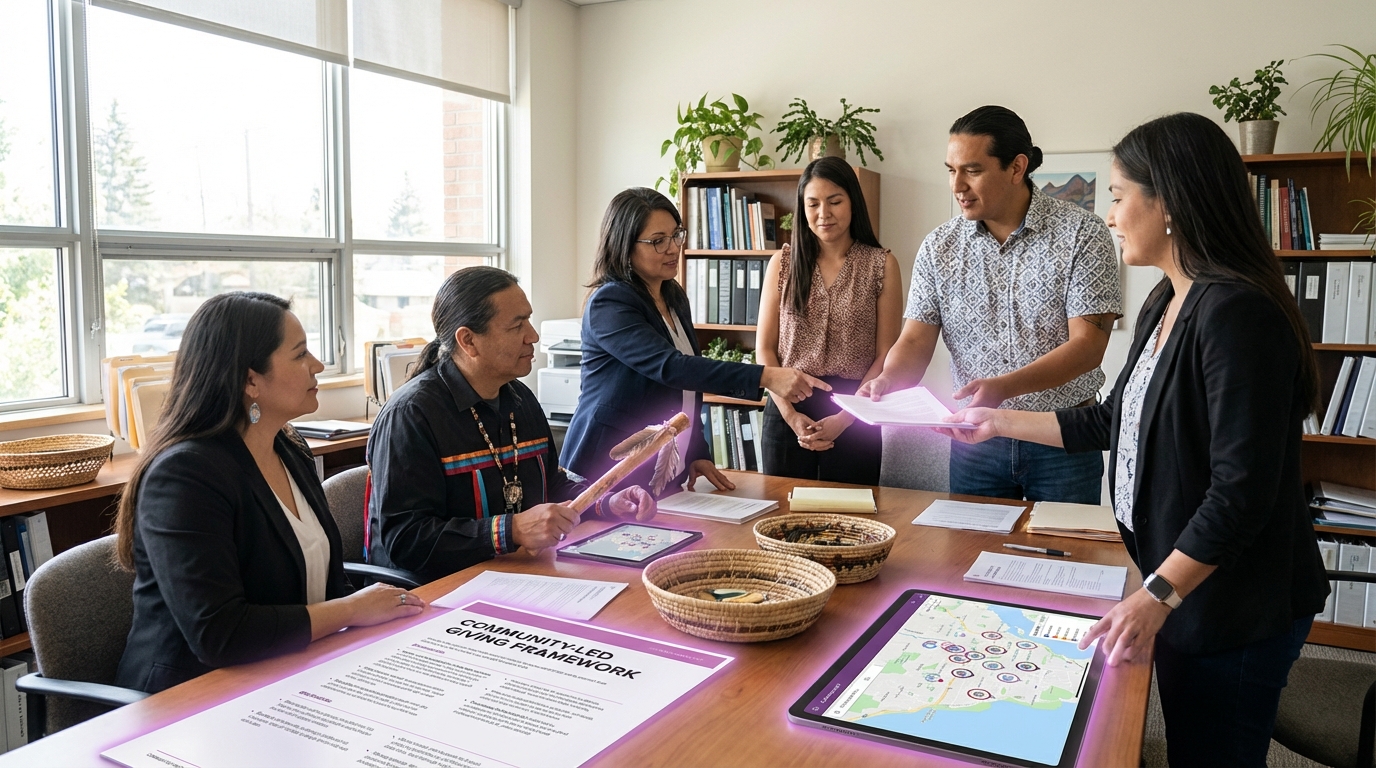
The influence of care ethics on philanthropic practice is increasingly visible in several emerging models and initiatives, though widespread adoption remains limited. Trust-based philanthropy, which emphasizes multi-year unrestricted funding, streamlined applications, and transparent communication, reflects care ethics principles by prioritizing relationship-building and recognizing the expertise of community organizations. Participatory grantmaking approaches that involve community members in funding decisions similarly embody care ethics by valuing the perspectives and knowledge of those most affected by philanthropic interventions. Some foundations are beginning to fund care infrastructure explicitly—supporting childcare, eldercare, and community care networks as essential components of social wellbeing rather than peripheral concerns. Looking forward, the integration of care ethics into philanthropy represents a crucial counterbalance to the increasing emphasis on data-driven decision-making and impact measurement that, while valuable, can obscure the relational and emotional dimensions of human flourishing. As wealth inequality deepens and traditional safety nets erode, the question of how we care for one another becomes increasingly urgent. Care-based philanthropy offers a framework for reimagining giving not as charity bestowed from above but as mutual responsibility enacted through sustained relationships, suggesting that the future of effective philanthropy may lie not in greater detachment but in more thoughtful, committed, and emotionally engaged forms of connection.
Related Organizations
A peer-to-peer funder initiative to address the inherent power imbalances between foundations and nonprofits.

The philanthropic vehicle of MacKenzie Scott, characterized by massive, unrestricted, upfront giving with high velocity.

A youth-led fund where young feminist activists from the Global South decide where the money goes through a participatory voting process.

A foundation that spent down its endowment to champion trust-based philanthropy and equity.

A foundation that funds grassroots organizing led by women, youth, and Indigenous Peoples in the Global South.

A partner to philanthropy that guides foundations in reimagining practices to advance a Just Transition.

A major American private foundation that has recently pivoted its strategy toward inequality and supporting local civil society.
Solidaire Network
United States · Nonprofit
A community of donors mobilizing critical resources to the frontlines of social justice movements.
A feminist fund that protects, strengthens, and sustains women and transgender human rights defenders at critical moments.

A global initiative to scale and strengthen the giving circle movement.