Donation Routing Engines
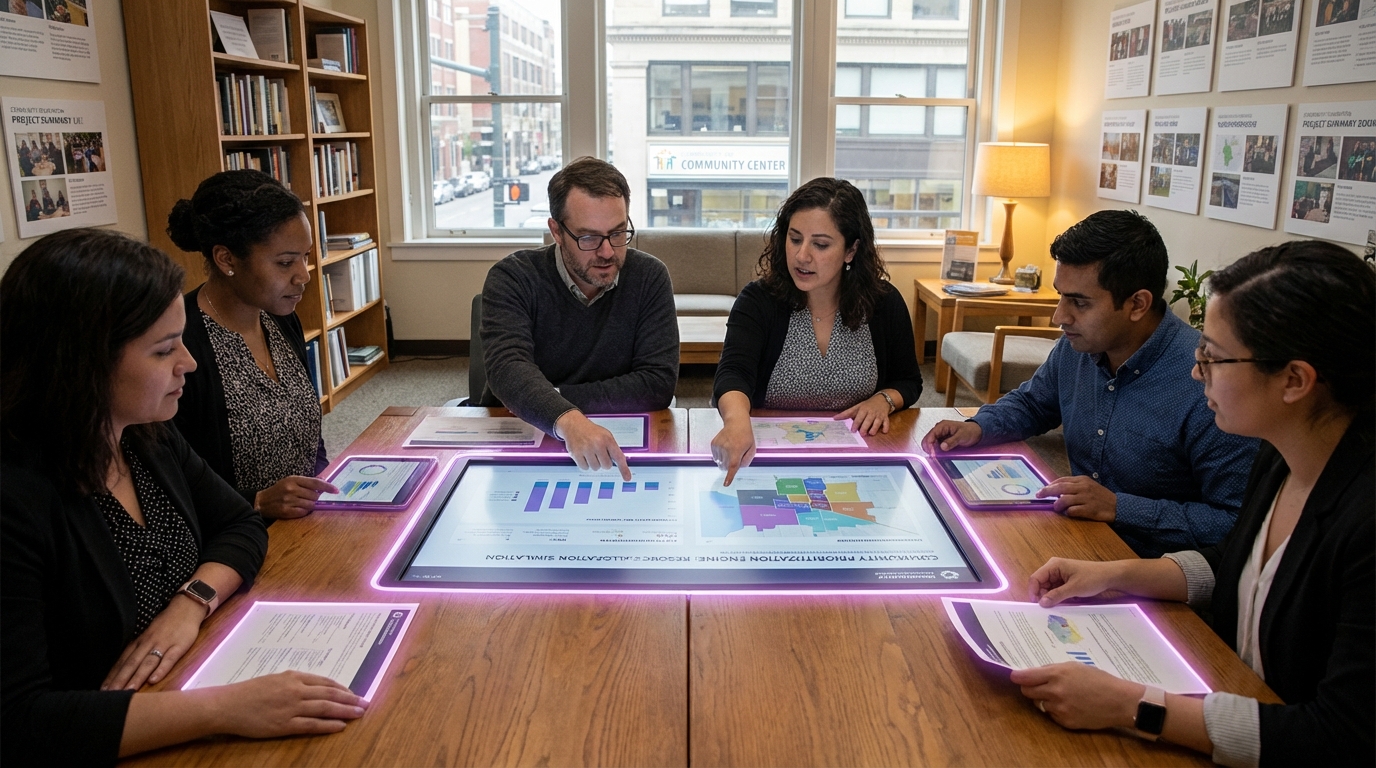
Donation routing engines represent a fundamental shift in how philanthropic resources flow through society, applying algorithmic decision-making to the age-old challenge of matching charitable intent with social need. These intelligent systems process multiple data streams—donor preferences, recipient needs assessments, organizational capacity metrics, geographic distribution patterns, and historical impact data—to determine optimal allocation pathways for charitable contributions. The technical architecture typically combines machine learning models that predict impact outcomes, constraint satisfaction algorithms that honor donor restrictions, and optimization frameworks that maximize various utility functions across a portfolio of potential recipients. Some systems incorporate real-time data feeds from partner organizations, enabling dynamic reallocation as conditions change, while others employ natural language processing to interpret unstructured needs assessments and donor intent statements. The underlying computational challenge involves balancing competing objectives: maximizing measurable impact, respecting donor autonomy, ensuring equitable distribution, and accounting for organizational readiness to effectively deploy resources.
The emergence of these engines addresses persistent inefficiencies in traditional philanthropy, where donation decisions often rely on limited information, personal networks, or marketing effectiveness rather than systematic needs assessment. Research suggests that information asymmetries between donors and recipients can lead to funding gaps where critical needs go unmet while other causes receive redundant support. Routing engines promise to solve coordination failures by creating a centralized intelligence layer that sees across the philanthropic ecosystem, identifying underfunded interventions and preventing duplication. They enable new models of collaborative giving, where multiple donors can pool resources and delegate allocation decisions to algorithmic systems that optimize across the entire portfolio. For foundations and giving platforms, these tools offer the potential to dramatically reduce administrative overhead while improving outcomes measurement. However, the technology also surfaces fundamental questions about power and epistemology in charitable giving: whose metrics define impact, how do algorithms account for hard-to-quantify community knowledge, and whether optimization frameworks inadvertently favor certain types of interventions or organizations that produce easily measurable outcomes over those addressing systemic or long-term challenges.
Early implementations of donation routing technology have appeared primarily within corporate giving platforms and donor-advised fund administrators, where they help individual donors navigate vast databases of verified nonprofits. Some community foundations have piloted systems that route unrestricted funds to local organizations based on real-time needs assessments, while international development platforms have experimented with algorithms that direct emergency relief based on satellite imagery and ground reports. The technology intersects with broader trends toward effective altruism, impact investing, and data-driven philanthropy, reflecting a cultural shift toward treating charitable giving as an optimization problem amenable to computational solutions. Yet the trajectory of these systems will likely depend on how well they navigate inherent tensions between efficiency and relationship-building, between standardized metrics and contextual understanding, and between algorithmic objectivity and the irreducibly subjective nature of defining social good. As these engines become more sophisticated, incorporating feedback loops and learning from deployment outcomes, they may fundamentally reshape the infrastructure of giving—potentially democratizing access to philanthropic intelligence while raising new questions about algorithmic accountability in the social sector.
Related Organizations

A provider of corporate purpose software for giving, volunteering, and grantmaking.

A nonprofit that sends money directly to people living in poverty, currently running the world's largest long-term UBI experiment in Kenya.
Every.org
United States · Nonprofit
A social network for giving that builds open infrastructure to route donations to any 501(c)(3).
GlobalGiving
United States · Nonprofit
A crowdfunding platform connecting nonprofits, donors, and companies in nearly every country.

A platform that makes it easy for nonprofits to accept cryptocurrency donations.

A workplace giving platform that allows employees to create funds and route donations to causes they care about.

The largest charity evaluator in the US, providing data that powers many donation routing algorithms.

A modern Donor-Advised Fund (DAF) built around the concept of the 'Giving Goal' and automated recurring contributions.

A workplace giving and volunteering platform with a focus on modern UI and social features.
Provides the philanthropic engine (software and administration) behind many financial institutions' DAF programs.