Edge Devices for Local Aid Coordination
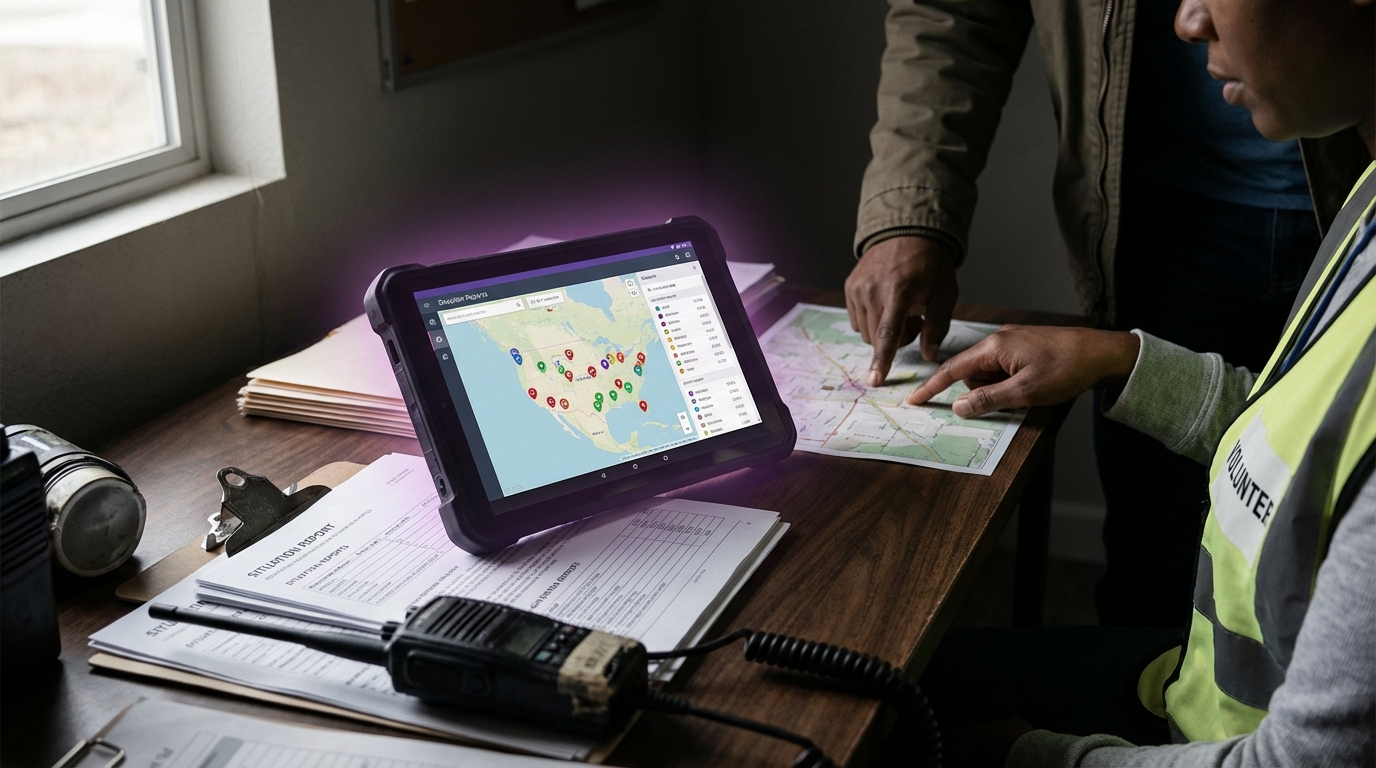
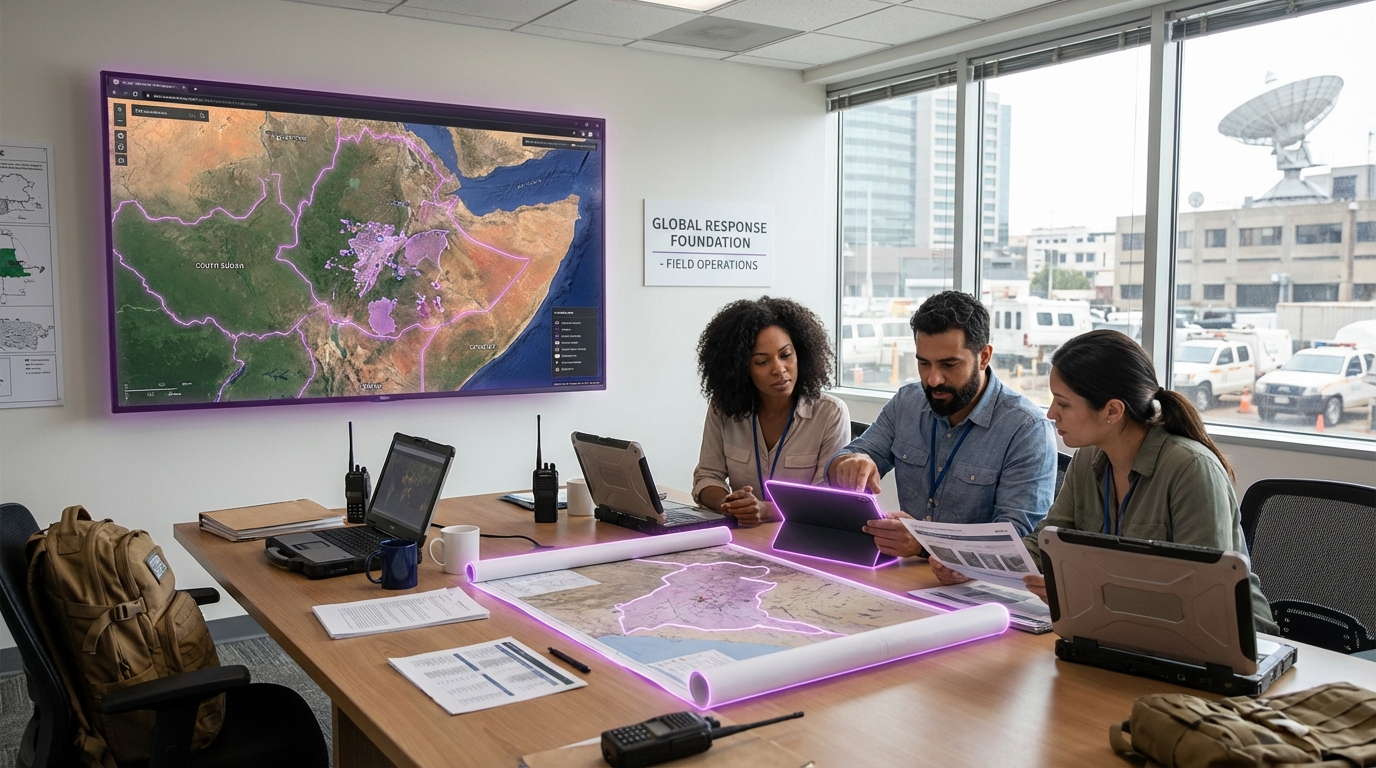
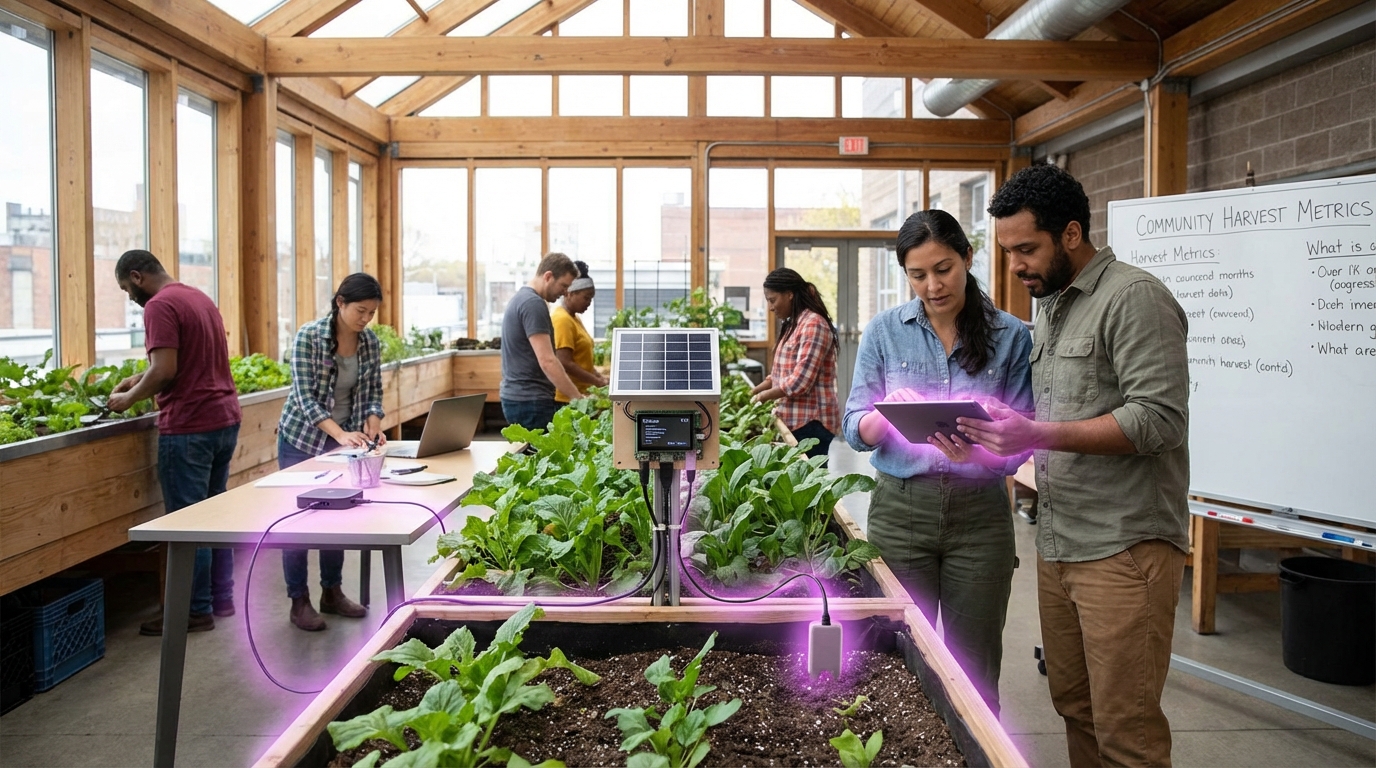
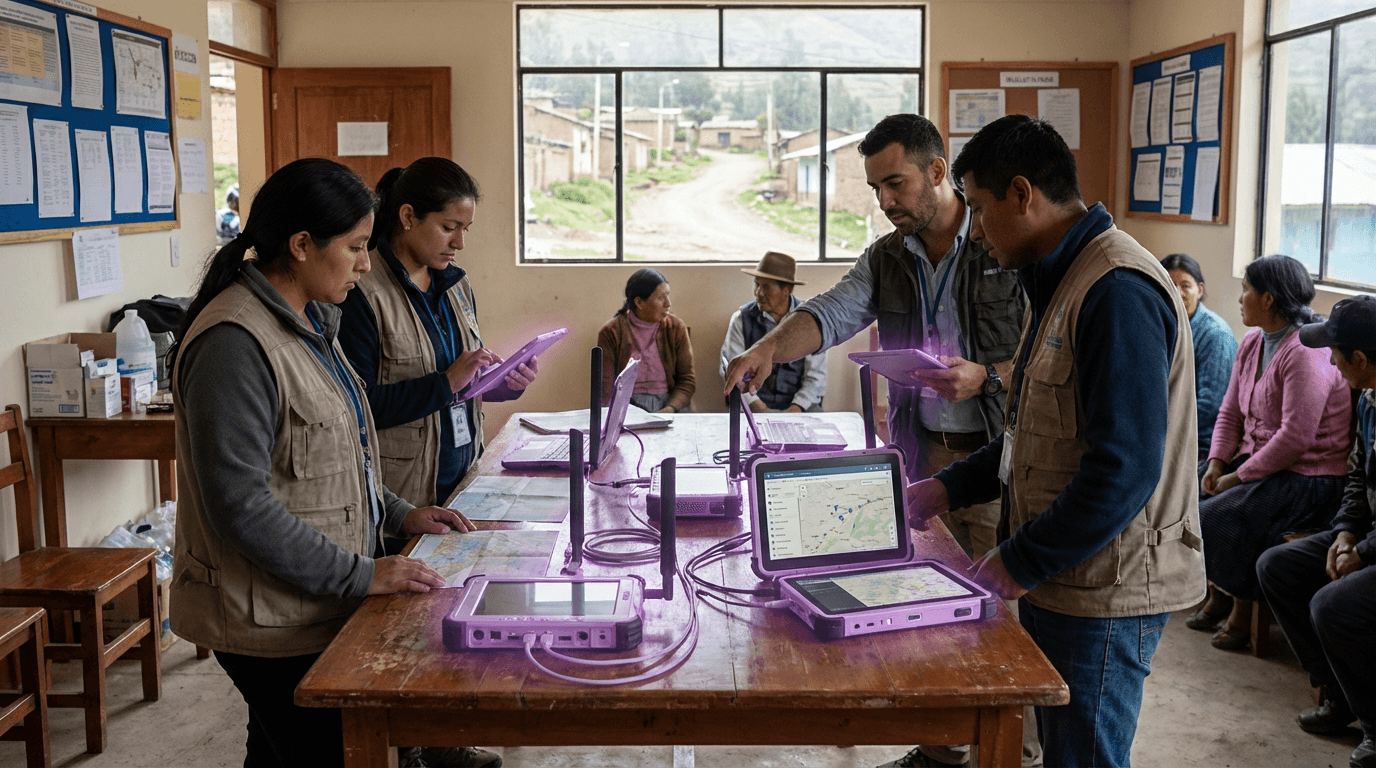
Edge devices for local aid coordination represent a fundamental shift in how humanitarian assistance can be delivered in challenging environments where traditional internet infrastructure is unreliable or nonexistent. These specialized computing systems operate at the "edge" of networks—meaning they function independently at the point of need rather than relying on distant cloud servers or centralized data centers. The technology typically combines ruggedized hardware capable of withstanding harsh conditions with software designed for intermittent connectivity, allowing aid workers to process critical information, track resource distribution, and coordinate relief efforts even when completely offline. These devices employ sophisticated data synchronization protocols that queue updates locally and reconcile information with central systems when connectivity becomes available, ensuring that no critical data is lost during network outages. The systems often integrate multiple communication technologies—from satellite links to mesh networks—creating resilient pathways for coordination even in disaster zones or remote regions.
The humanitarian sector has long struggled with the "last mile" problem, where aid delivery becomes exponentially more difficult in areas lacking reliable infrastructure. Traditional aid coordination systems depend heavily on constant internet connectivity to central databases, creating critical vulnerabilities when disasters damage communication networks or when operating in chronically underserved regions. Edge devices address this challenge by enabling field teams to maintain operational capacity regardless of connectivity status. They allow aid workers to register beneficiaries, track inventory, coordinate logistics, and share information with nearby teams through local networks, even when cut off from headquarters. This capability proves particularly valuable during natural disasters when communication infrastructure often fails precisely when coordination becomes most critical. Beyond emergency response, these systems enable more effective ongoing aid programs in remote areas where connectivity remains perpetually limited, allowing organizations to maintain consistent service delivery and data collection without requiring expensive satellite connections or frequent travel to connected areas.
Early deployments of edge computing in humanitarian contexts have demonstrated both the technology's potential and its inherent complexities. Organizations operating in refugee camps, remote health clinics, and disaster response scenarios have begun implementing these systems, finding that they significantly improve operational continuity and local decision-making capacity. However, the technology also introduces new challenges around data governance and coordination. When multiple edge devices operate independently, ensuring data consistency across the network becomes complex—different devices may contain conflicting information until synchronization occurs, potentially leading to duplicated aid delivery or gaps in coverage. This raises fundamental questions about the balance between local autonomy and centralized oversight in aid operations. Some practitioners argue that edge devices democratize aid delivery by empowering local teams with greater decision-making authority, while others worry about fragmentation and the difficulty of maintaining accountability across distributed systems. As climate change and geopolitical instability increase the frequency of humanitarian crises in areas with limited infrastructure, edge computing for aid coordination is likely to become increasingly essential, though the sector continues to grapple with establishing best practices for managing these distributed systems while maintaining the transparency and coordination that effective aid delivery requires.
Related Organizations

A Kenyan technology company that builds rugged modems and the 'Kio Kit', a digital classroom in a box.

Develops mobile mesh networking hardware and protocols that enable off-grid communication and transaction relaying.

An open-source suite of tools for data collection and analysis in humanitarian emergencies and challenging environments.

Non-profit that manufactures humanitarian supplies locally in disaster zones.
A consortium of global nonprofits that collaborates with tech companies to improve IT and connectivity in the humanitarian sector.

An open-source standard and set of tools for mobile data collection in resource-constrained environments.

The innovation arm of the WFP, funding and scaling high-tech solutions for hunger, including connectivity and edge computing projects.

Bridgefy
Mexico · Startup
Provides software SDKs and an app for offline messaging via Bluetooth mesh.

Software platform for real-time matching of humanitarian needs and resources.

Global non-profit that actively funds and trains community network operators.