Emergency Response Coordination Platforms
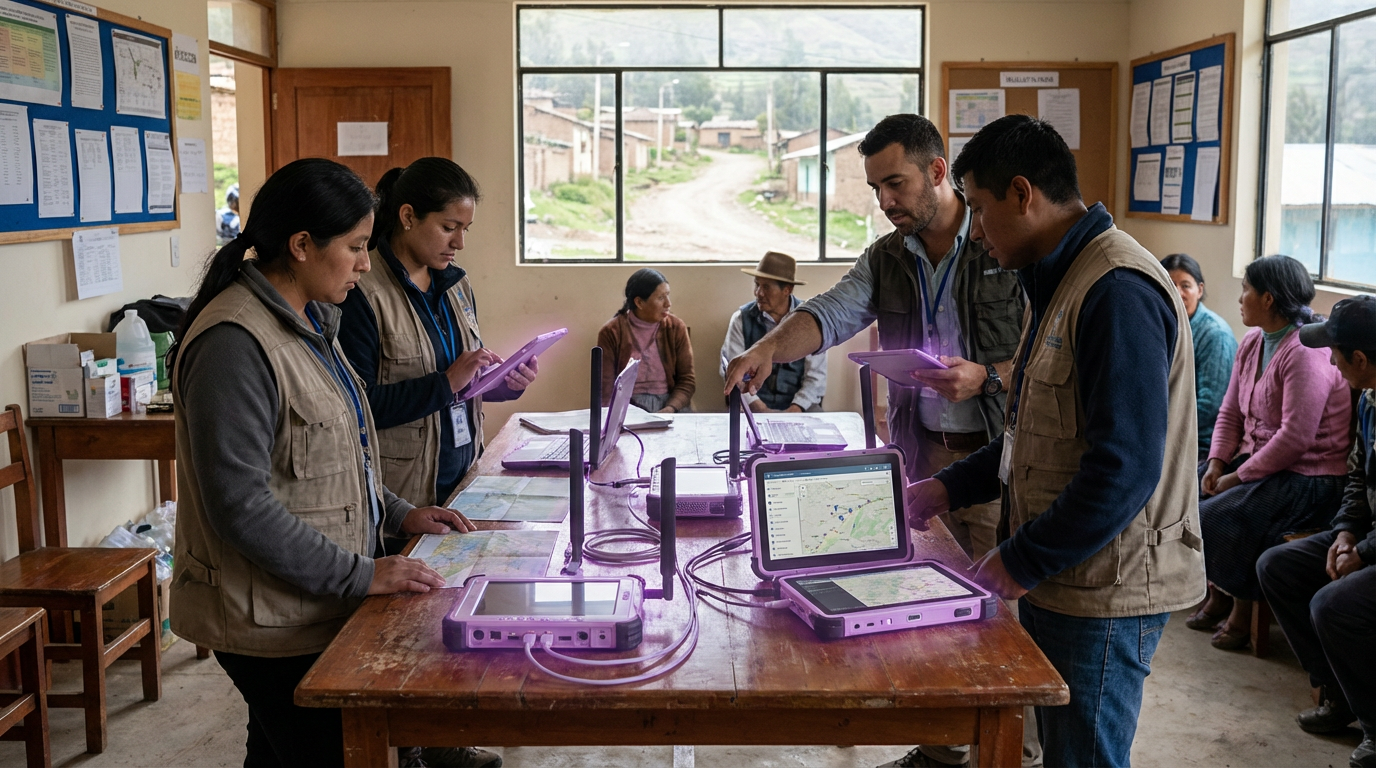
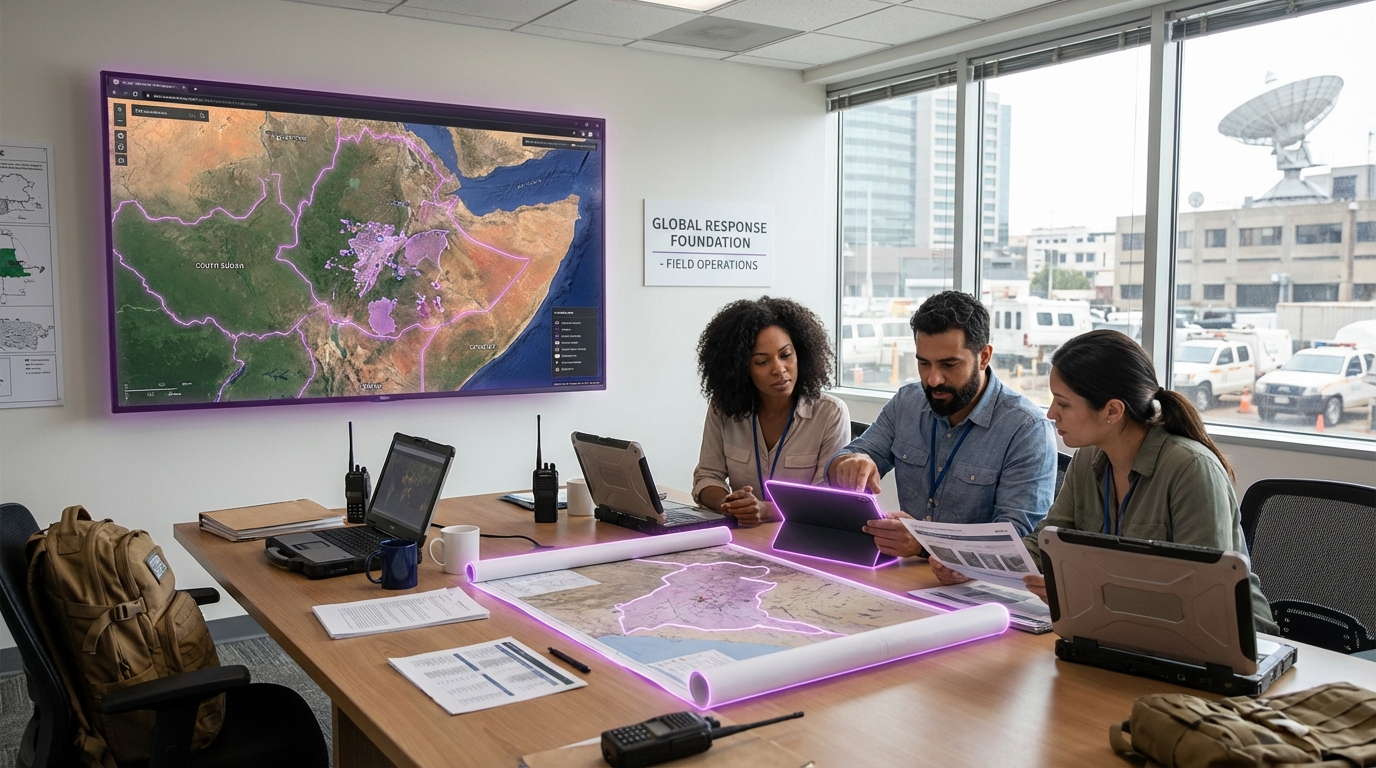
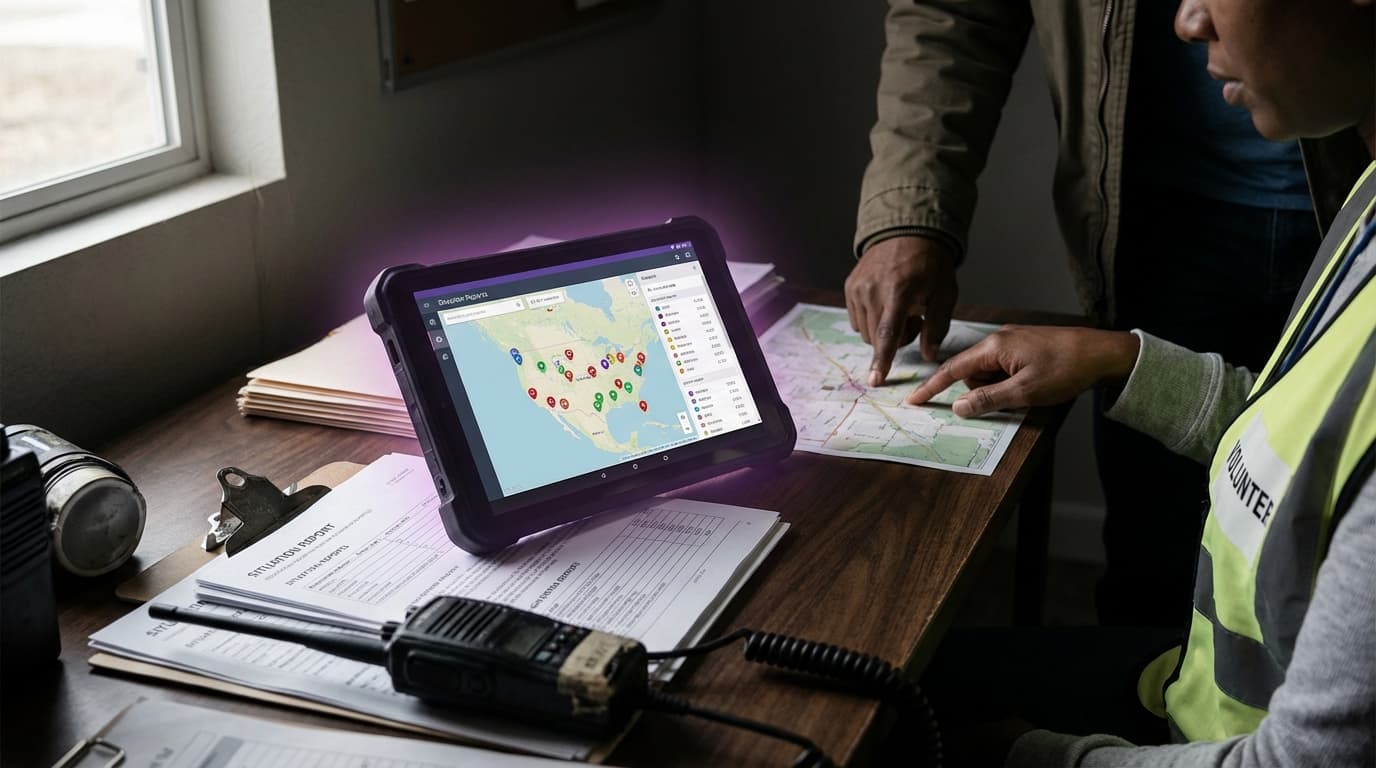
Emergency response coordination platforms represent a critical evolution in crisis management infrastructure, leveraging digital technologies to orchestrate complex humanitarian responses across multiple stakeholders and geographic areas. These systems function as centralized hubs that aggregate real-time data from diverse sources—including satellite imagery, mobile reports from field workers, social media feeds, sensor networks, and direct communications from affected populations. Through sophisticated mapping interfaces and data analytics, the platforms create dynamic situational awareness dashboards that track evolving conditions, resource availability, and urgent needs as they emerge. The technical architecture typically combines cloud-based databases, geographic information systems, mobile applications, and communication protocols that can operate even when traditional infrastructure is compromised. By digitizing what were previously fragmented coordination processes conducted through phone calls, radio communications, and physical coordination meetings, these platforms enable simultaneous visibility and collaboration among government agencies, international organizations, local nonprofits, volunteer networks, and community groups responding to the same crisis.
The fundamental challenge these systems address is the chaos and inefficiency that has historically plagued emergency response efforts, where critical resources might sit unused in one location while desperately needed elsewhere, or where multiple organizations unknowingly duplicate efforts while gaps in coverage persist. Research suggests that coordination failures during major disasters have contributed to preventable suffering and deaths, as information asymmetries prevent optimal resource allocation. Emergency response coordination platforms tackle this by creating shared operating pictures that reveal where help is most needed, what resources are available, and who is positioned to respond. They enable rapid matching of specific needs—such as medical supplies, temporary shelter, or search and rescue teams—with available assets, dramatically reducing response times. The platforms also facilitate volunteer mobilization at unprecedented scale, allowing individuals with relevant skills to be quickly identified and deployed. For aid organizations, this technology transforms logistics management, enabling more efficient routing of supplies, better tracking of inventory, and improved accountability for resource utilization.
Current implementations range from established systems deployed by international humanitarian organizations during natural disasters to emerging platforms being tested in urban emergency management contexts. Some platforms have been activated during major earthquakes, hurricanes, and refugee crises, demonstrating their capacity to coordinate thousands of responders and millions of dollars in aid. However, adoption patterns reveal important tensions around governance and equity. Questions persist about whether centralized platforms reinforce existing power dynamics by concentrating coordination authority with large international organizations rather than empowering local leadership. There are also concerns about digital divides potentially excluding vulnerable populations who lack connectivity or digital literacy from accessing assistance, and about whether the speed enabled by these platforms sometimes comes at the expense of meaningful community participation in decision-making. As climate change and other factors increase the frequency and severity of humanitarian crises, these platforms are likely to become standard infrastructure for disaster response, making it increasingly urgent to address questions about their governance, accessibility, and relationship to local autonomy and traditional community resilience mechanisms.
Related Organizations

Software platform for real-time matching of humanitarian needs and resources.

Provides open source information management systems for disaster and emergency management.

The part of the UN Secretariat responsible for bringing together humanitarian actors to ensure a coherent response to emergencies.

Technology leader in the development of open-source software for information collection, visualization, and interactive mapping.

International team dedicated to humanitarian action and community development through open mapping.
A consortium of global nonprofits that collaborates with tech companies to improve IT and connectivity in the humanitarian sector.
A humanitarian mapping charity that works through skilled volunteers.

A collaboration between Direct Relief and Harvard University providing data-driven insights for emergency response.

International non-government organization of volunteers, largely veterans, for disaster response.

The social impact arm of Twilio, providing communication infrastructure for nonprofits to send SMS and voice alerts during crises.