Participatory Funding Apps
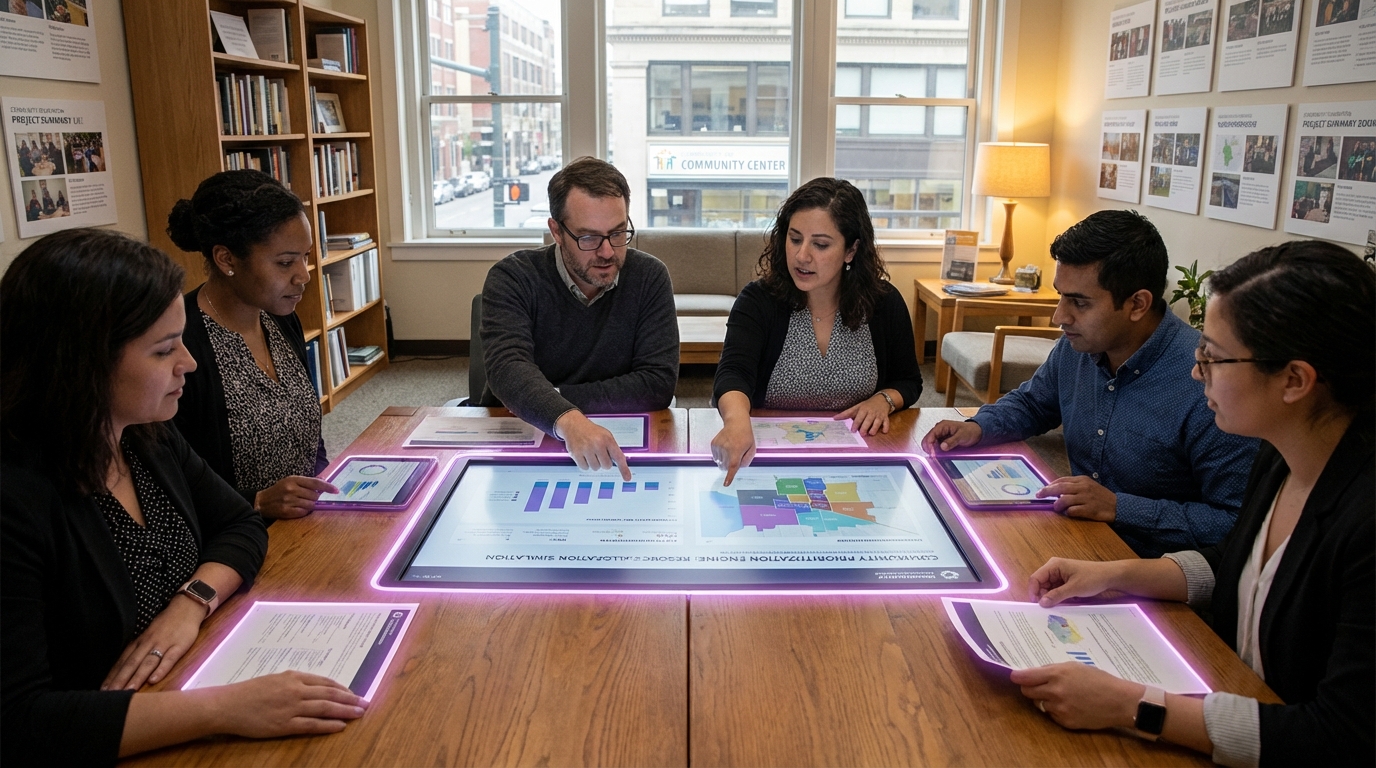
Participatory funding apps represent a fundamental shift in how philanthropic resources are allocated, moving decision-making power from traditional gatekeepers to the communities these resources are meant to serve. These digital platforms combine mobile and web interfaces with voting mechanisms, discussion forums, and proposal submission tools to enable community members to directly shape funding priorities. The technical architecture typically includes user authentication systems, proposal management workflows, deliberation spaces for community dialogue, and transparent voting mechanisms that can range from simple majority votes to more sophisticated methods like quadratic voting or ranked-choice selection. Many platforms integrate budget visualization tools, impact tracking dashboards, and communication features that allow proposers to refine ideas based on community feedback. By operating through widely accessible smartphones and web browsers, these applications dramatically lower the logistical barriers that have historically limited participatory grantmaking to small-scale, in-person convenings.
The rise of participatory funding apps addresses a persistent challenge in traditional philanthropy: the disconnect between funders' assumptions about community needs and the lived realities of those communities. Conventional grantmaking processes often concentrate decision-making authority among foundation staff, boards, or expert panels who may lack direct experience with the issues they fund. This creates inefficiencies where resources flow toward solutions that look promising on paper but fail to address root causes or align with community priorities. Participatory funding apps enable a more democratic approach, allowing beneficiaries themselves to identify urgent needs, evaluate proposed solutions, and allocate resources accordingly. This shift has proven particularly valuable in contexts ranging from neighborhood improvement projects to youth programming, where those closest to the issues often have the clearest understanding of what interventions will prove most effective. The technology also creates new possibilities for transparency and accountability, as funding decisions and their rationales become visible to entire communities rather than confined to closed-door deliberations.
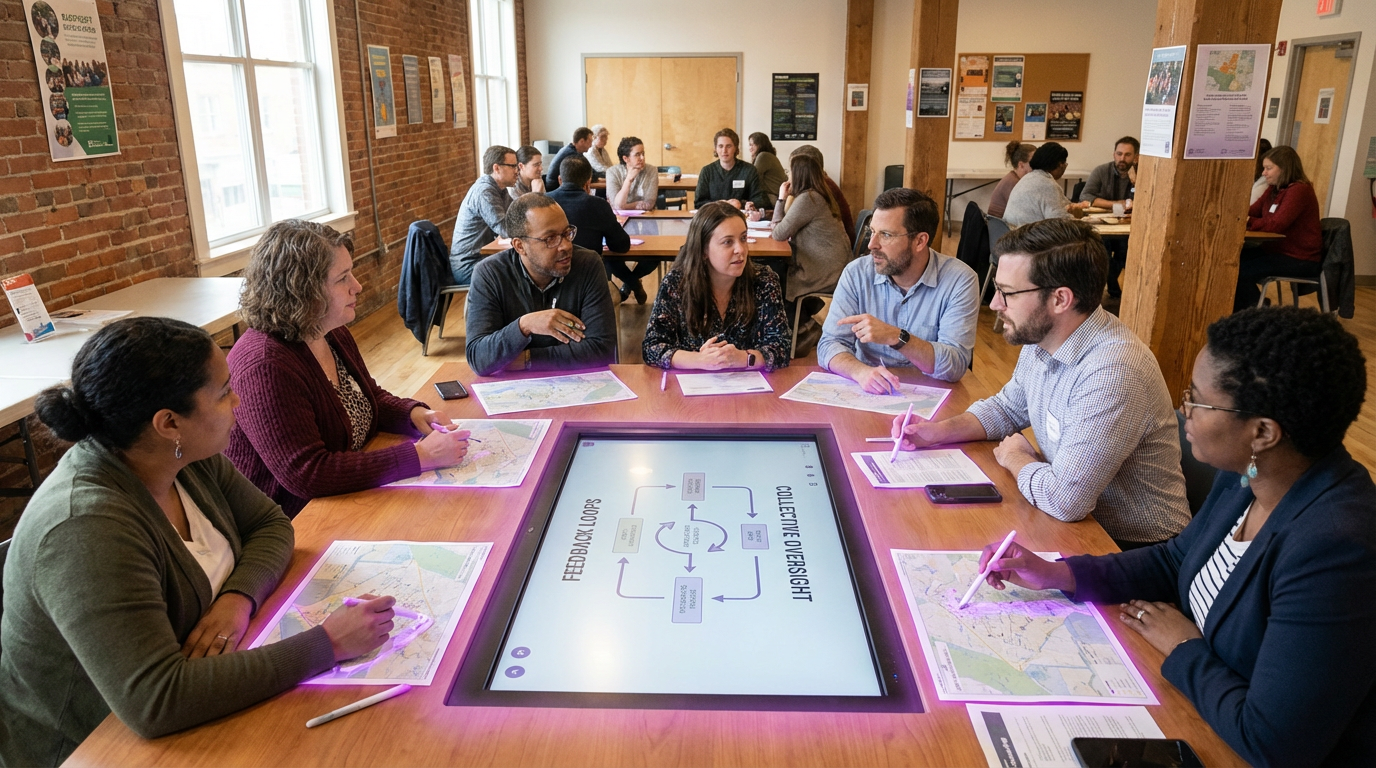
Early implementations of participatory funding apps have emerged across diverse contexts, from municipal participatory budgeting initiatives that allow residents to allocate portions of city budgets to foundation-led programs redistributing philanthropic capital. Research suggests these platforms can significantly increase engagement compared to traditional methods, with some programs reporting participation rates that exceed in-person alternatives by orders of magnitude. However, real-world deployments have also surfaced critical challenges around the digital divide, as communities with limited internet access or digital literacy may find themselves excluded from these ostensibly democratizing processes. Questions persist about whether app-based participation constitutes truly meaningful engagement or merely creates an illusion of democracy through superficial voting mechanisms. The most thoughtful implementations combine digital tools with in-person deliberation, using apps to broaden participation while preserving spaces for deeper dialogue. As these platforms mature, they are increasingly incorporating features designed to address power imbalances, such as weighted voting systems that amplify voices of those most affected by funding decisions, or deliberation protocols that ensure diverse perspectives inform proposals before they reach the voting stage. The trajectory of participatory funding apps suggests they will become standard infrastructure for philanthropic organizations seeking to operationalize values of equity and community self-determination, though their ultimate impact will depend on how thoughtfully they navigate tensions between technological efficiency and genuine participatory governance.
Related Organizations
Cobudget
New Zealand · Company
An open-source tool for collaborative funding and participatory budgeting, primarily for organizations and collectives.

A platform for funding and coordinating open source development.
A community focused on building the Future of Giving using blockchain technology.

A legal and financial toolbox for grassroots groups, enabling mutual aid networks to collect and spend money transparently.

The first on-chain 501(c)(3) public charity offering Donor-Advised Funds (DAFs) powered by DeFi.

Software platform for real-time matching of humanitarian needs and resources.

Open-source R&D lab building Filecoin and IPFS, the storage layer for decentralized science data.

A platform where teachers post classroom project requests and donors choose which ones to fund.

GlobalGiving
United States · Nonprofit
A crowdfunding platform connecting nonprofits, donors, and companies in nearly every country.

An international nonprofit that allows people to lend money via the Internet to low-income entrepreneurs and students.