Narrative & Lived-Experience Data
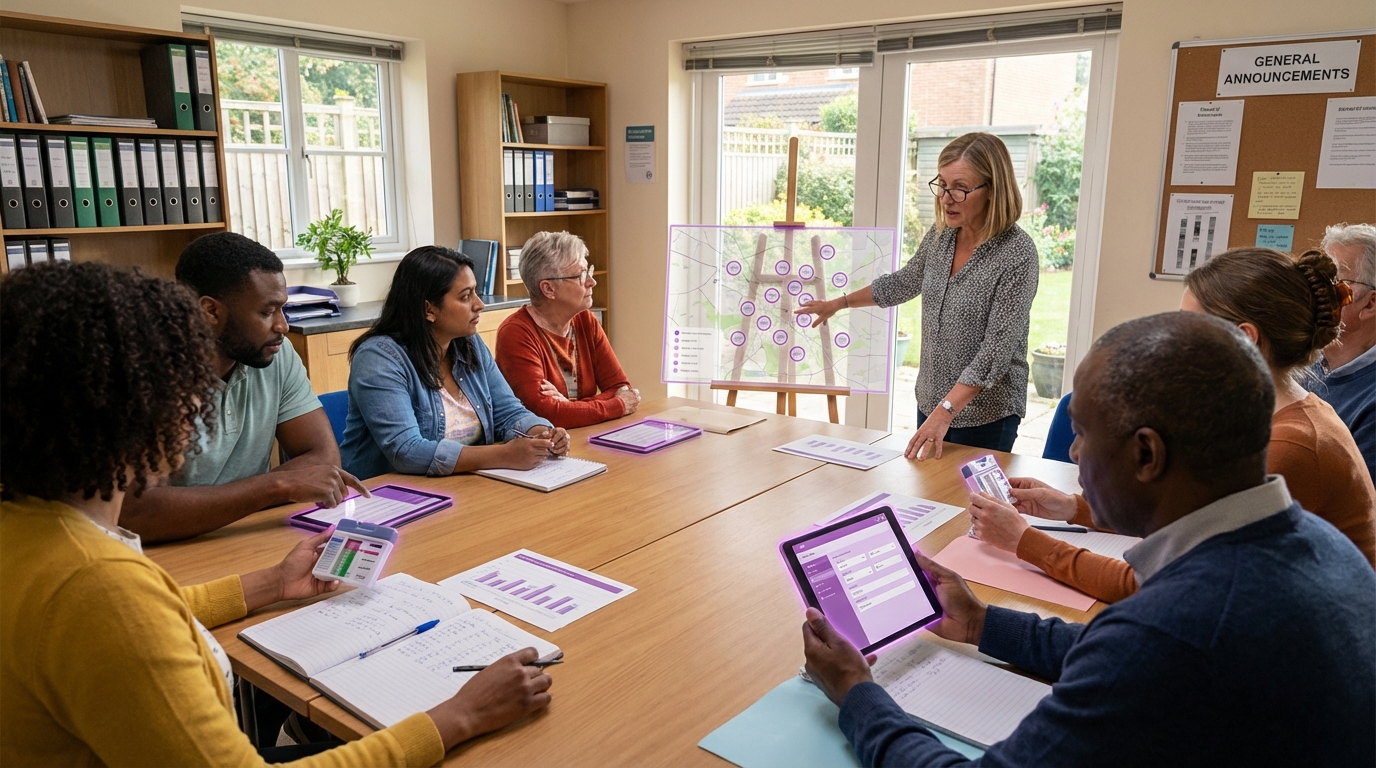
The philanthropic sector has long operated under the assumption that impact can be fully captured through quantitative metrics—dollars distributed, lives reached, percentage improvements in predetermined outcomes. However, this metrics-driven paradigm often fails to capture the nuanced, contextual, and deeply human dimensions of social change. Narrative and lived-experience data represents a fundamental shift in how evidence is conceived and valued within giving and social investment. Rather than relying solely on standardized indicators and statistical analysis, this approach treats stories, testimonies, qualitative observations, and first-person accounts as legitimate and essential forms of knowledge. The technical mechanisms involve structured methods for collecting, analyzing, and integrating narrative data—including participatory evaluation frameworks, most significant change methodology, outcome harvesting, and digital storytelling platforms. These approaches systematically document how individuals and communities experience interventions, capturing unexpected outcomes, unintended consequences, and the complex pathways through which change actually unfolds in people's lives.
The dominance of quantitative metrics in philanthropy has created several persistent challenges that narrative approaches help address. Traditional evaluation frameworks often impose external definitions of success that may not align with community priorities, reduce complex social phenomena to oversimplified indicators, and privilege what is easily measurable over what is truly meaningful. This creates perverse incentives where organizations optimize for metrics rather than genuine impact, and where the voices of those closest to the issues being addressed are systematically marginalized in favor of expert-designed measurement systems. Narrative and lived-experience data disrupts these patterns by centering the perspectives of grant recipients, community members, and beneficiaries themselves. This shift enables funders to understand not just whether an intervention worked, but how and why it worked, for whom, and under what conditions. It also surfaces critical insights that quantitative data alone cannot capture—such as shifts in power dynamics, changes in dignity and agency, or the restoration of cultural practices—outcomes that are profoundly important but resist numerical quantification.
Early adoption of narrative-centered evaluation is visible across various philanthropic contexts, from community foundations incorporating storytelling into their assessment processes to international development organizations using participatory methods that position local communities as knowledge creators rather than data subjects. Digital platforms are emerging that allow grantees to share multimedia narratives directly with funders, while some foundations are experimenting with "narrative budgets" that allocate resources specifically for qualitative documentation and reflection. This movement connects to broader trends challenging extractive research practices, advancing participatory grantmaking, and recognizing indigenous and community-based knowledge systems. As computational tools for qualitative analysis become more sophisticated—including natural language processing that can identify patterns across thousands of stories while preserving individual voices—the integration of narrative data into philanthropic decision-making is likely to deepen. The trajectory points toward hybrid evidence ecosystems where numbers and narratives inform each other, creating richer, more accountable, and more responsive systems of giving that honor both the measurable and the meaningful dimensions of social change.
Related Organizations

A tech-enabled impact measurement company that gathers data directly from beneficiaries to quantify social outcomes.
A consortium of organizations working to make feedback from constituents the norm in aid and philanthropy.
Develops 'SenseMaker', a software tool that combines micronarratives with self-signification to capture complex, qualitative data patterns.

Spun out of Cambridge University, they combine radio broadcasts with SMS channels to gather citizen feedback and data.

A think tank that conducts research on how communications frame social issues, using data to understand how narratives shape public policy.
Provides training and infrastructure to help social justice movements build narrative power and track narrative change.

Connects unheard communities with decision-makers using simple mobile technology and community reporter networks.

GlobalGiving
United States · Nonprofit
A crowdfunding platform connecting nonprofits, donors, and companies in nearly every country.

A joint initiative of the UN and Indonesian government that combines big data with thick data (qualitative insights) for policy.

An organization dedicated to recording, preserving, and sharing the stories of Americans from all backgrounds.