Philanthropy as Repair, Restitution & Reconciliation
The traditional model of philanthropy has long been built on a narrative of benevolence, where wealthy donors are celebrated as heroes for their generosity. However, this framing obscures a fundamental question: how was that wealth accumulated in the first place? A growing movement is challenging this paradigm by redefining philanthropy not as charity, but as repair, restitution, or reconciliation. This approach recognizes that many fortunes have been built on systems of extraction, exploitation, or exclusion—whether through labor practices, environmental degradation, colonial legacies, or structural inequalities. Rather than celebrating the act of giving as inherently virtuous, this framework asks donors to examine the origins of their wealth and to understand their giving as a form of redress. The shift moves philanthropy from a voluntary act of kindness to a moral obligation to repair harm, restore what was taken, or reconcile with communities that have been marginalized or damaged by the very systems that generated the resources now being redistributed.
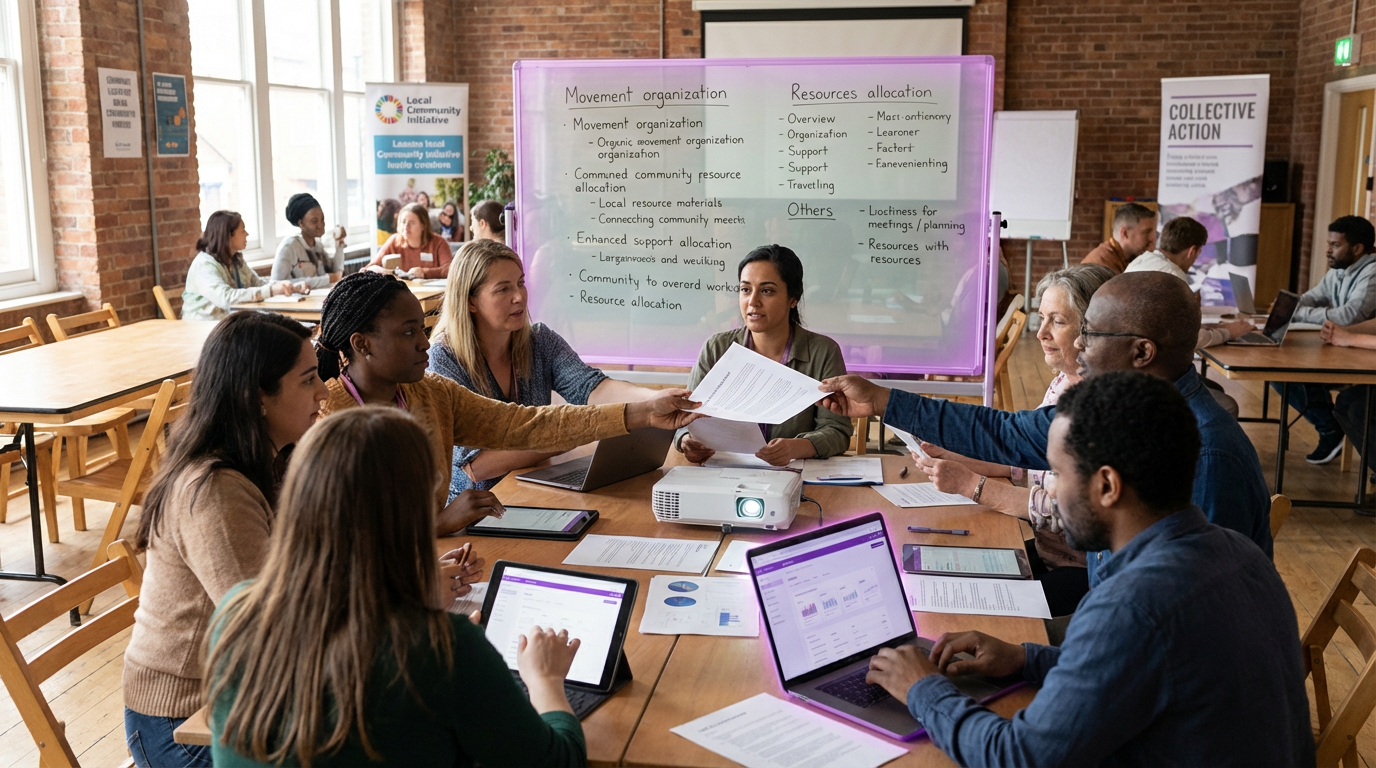
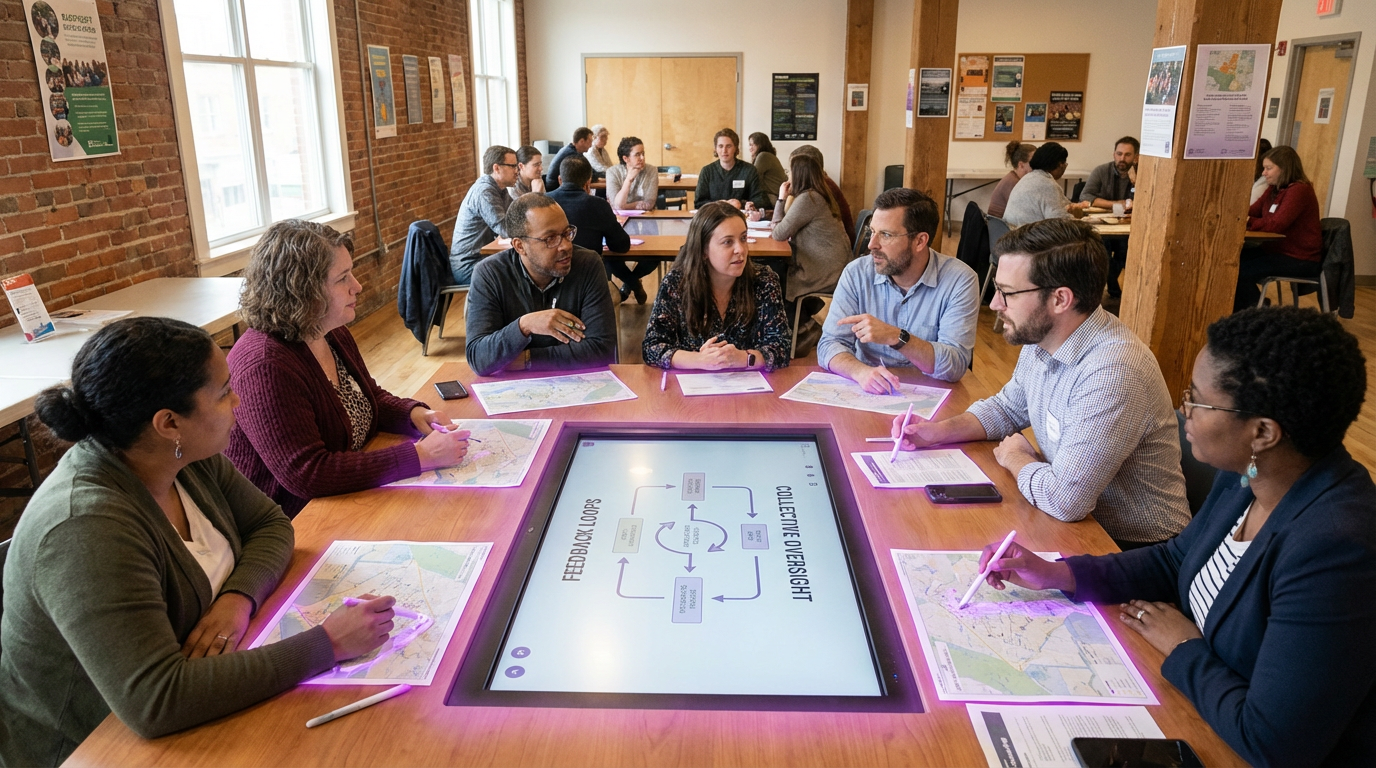
This redefinition addresses several critical problems within the philanthropic sector. The hero-donor narrative has historically concentrated power in the hands of wealthy individuals, allowing them to shape social agendas without accountability to the communities they claim to serve. This dynamic often perpetuates paternalistic relationships and can reinforce the very inequalities that philanthropy purports to address. By framing giving as repair or restitution, this movement centers the voices and agency of those who have been harmed, positioning them not as passive recipients but as rightful claimants and decision-makers. It also raises fundamental questions about whether philanthropy should exist at all in its current form, suggesting that more equitable economic systems might eliminate the need for large-scale charitable giving altogether. This approach emphasizes collective action over individual heroism, encouraging participatory grantmaking, community-led initiatives, and governance structures that distribute power more equitably.
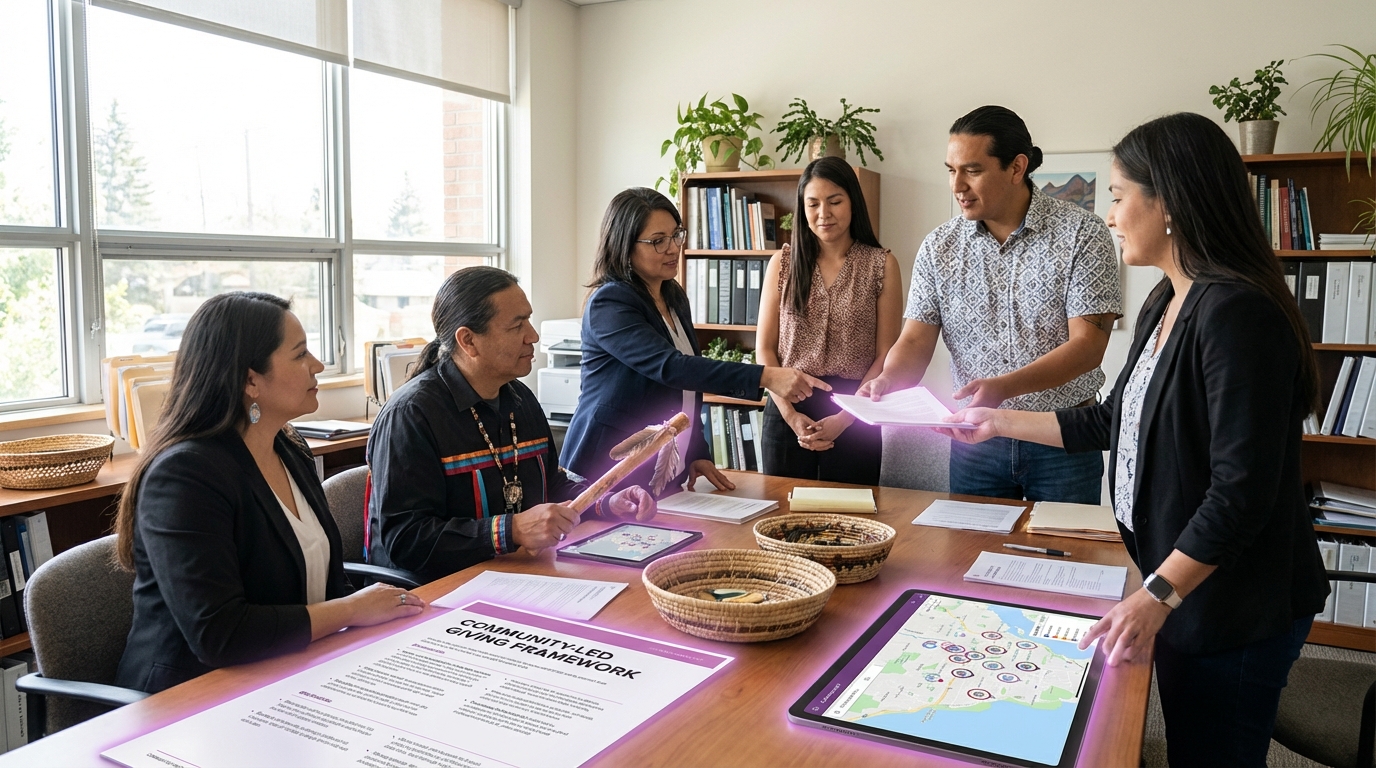
Early adopters of this framework include foundations and donor networks that have begun implementing practices such as trust-based philanthropy, participatory grantmaking, and unrestricted funding that gives recipients greater autonomy. Some organizations are exploring reparative giving specifically designed to address historical injustices, such as funding directed toward Indigenous communities, descendants of enslaved people, or populations affected by environmental racism. Research suggests that this shift is gaining traction particularly among younger donors and those who have inherited wealth, who are increasingly uncomfortable with traditional philanthropic models. This movement aligns with broader trends toward stakeholder capitalism, restorative justice, and decolonization efforts across various sectors. As wealth inequality continues to widen and public scrutiny of billionaire philanthropy intensifies, this reframing of giving as repair rather than charity represents a potentially transformative shift in how societies understand collective responsibility, resource distribution, and the relationship between wealth accumulation and social harm.
Related Organizations

An organization facilitating the redistribution of wealth through the Liberated Capital fund.
Lankelly Chase
United Kingdom · Nonprofit
A UK charitable foundation that announced in 2023 it would abolish itself and redistribute its entire endowment and assets within five years.

A field-building intermediary dedicated to accelerating the Black-led movement for racial repair and reparations in the US.
An Indigenous-led organization dedicated to building Indigenous power through organizing, activism, philanthropy, and narrative change.

A partner to philanthropy that guides foundations in reimagining practices to advance a Just Transition.

A global fund dedicated to significantly increasing the resources available to Black feminist movements.
Solidaire Network
United States · Nonprofit
A community of donors mobilizing critical resources to the frontlines of social justice movements.
A peer-to-peer funder initiative to address the inherent power imbalances between foundations and nonprofits.

A foundation that funds grassroots organizing led by women, youth, and Indigenous Peoples in the Global South.

A family foundation focused on human rights that has shifted its entire strategy to trust-based, unrestricted funding for BIPOC organizations.