Community-Driven Accountability Mechanisms
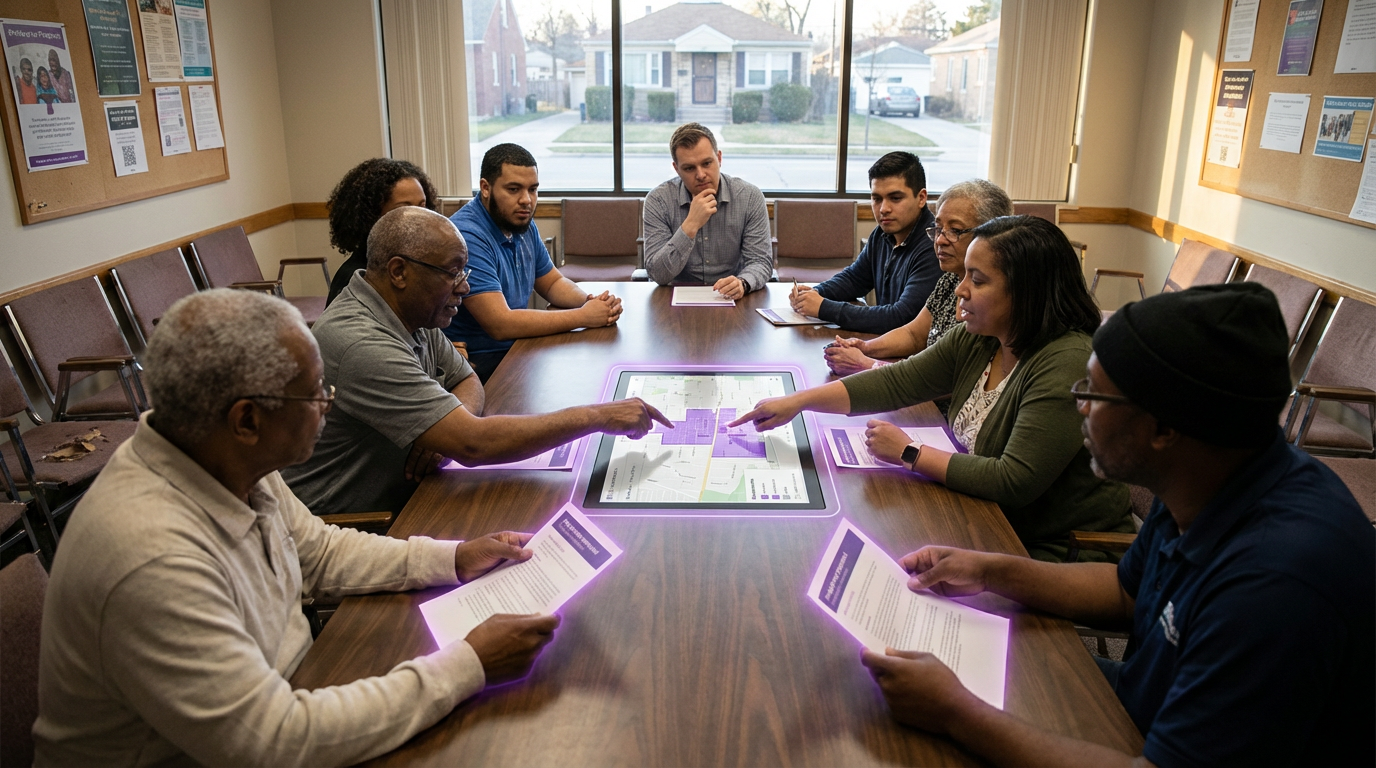
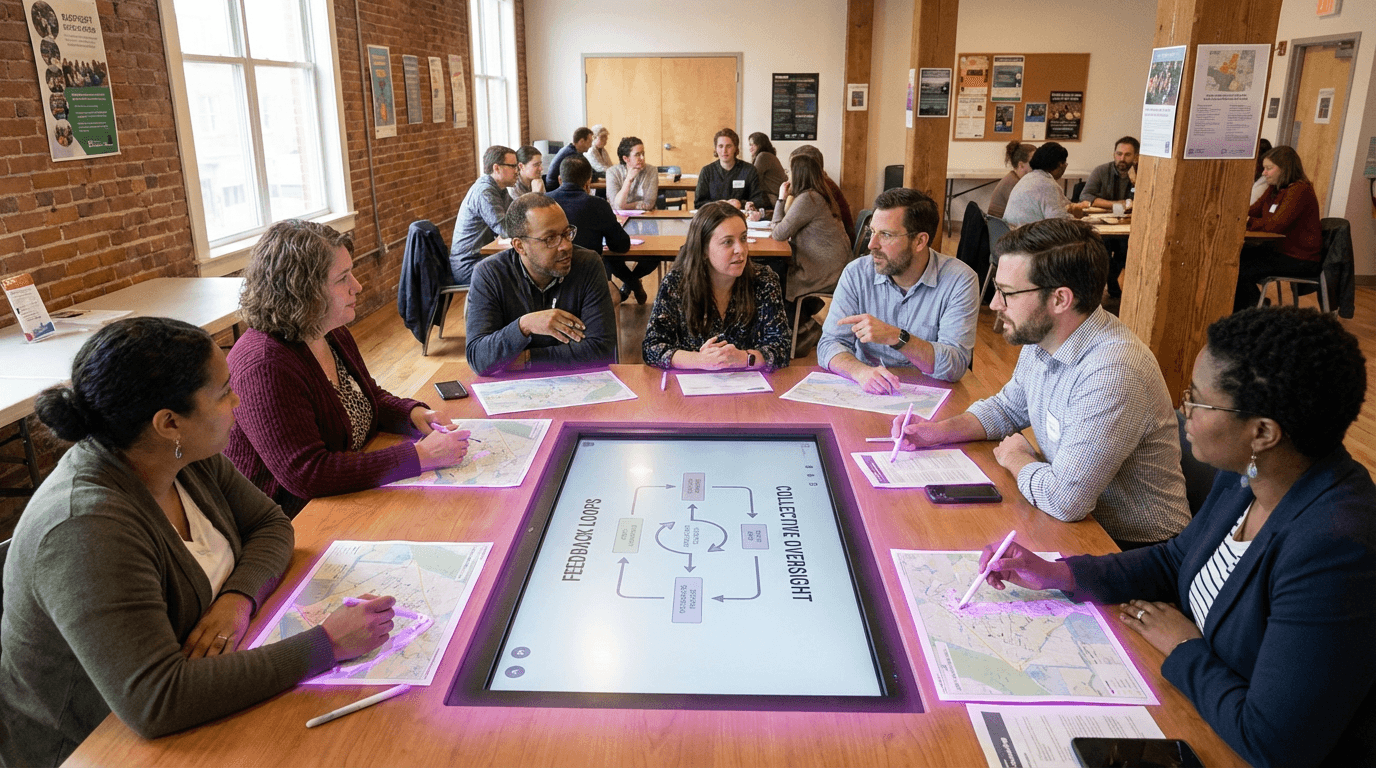
Community-driven accountability mechanisms represent a fundamental shift in how philanthropic organizations measure success and demonstrate responsibility. Unlike traditional accountability structures that primarily answer to institutional boards, major donors, or regulatory bodies, these emerging frameworks center the voices and experiences of the communities that philanthropic interventions are meant to serve. The technical architecture of these mechanisms varies widely but typically includes structured feedback loops, participatory evaluation frameworks, community review panels, and transparent reporting systems designed to capture ground-level impacts. Some implementations involve digital platforms that enable real-time community input, while others rely on in-person deliberative processes where community members assess program effectiveness against locally-defined criteria. The core principle remains consistent: those most affected by philanthropic decisions should have meaningful power to evaluate, critique, and redirect those efforts.
This approach addresses a persistent challenge in the philanthropic sector—the disconnect between institutional intentions and community realities. Traditional accountability models often create perverse incentives, where organizations optimize for metrics that satisfy funders rather than addressing actual community needs. This misalignment can result in programs that look successful on paper while failing to create meaningful change or, worse, causing unintended harm. Community-driven mechanisms work by establishing formal channels through which affected populations can voice concerns, share experiences, and influence strategic direction. Research suggests these approaches can surface critical insights that traditional evaluation methods miss, such as cultural appropriateness of interventions, unintended negative consequences, or opportunities for adaptation. By making accountability flow downward rather than upward, these mechanisms fundamentally alter power dynamics within philanthropic relationships, transforming beneficiaries into stakeholders with genuine influence.
Early implementations of community-driven accountability are emerging across various philanthropic contexts, from international development organizations establishing community advisory boards with veto power over project decisions to local foundations creating participatory grantmaking processes where community members directly allocate funding. Some foundations now publish community-authored assessments alongside their annual reports, while others have embedded community representatives into governance structures with voting authority. These experiments reflect growing recognition that effective philanthropy requires ongoing dialogue with those it aims to serve. Industry analysts note that younger donors and social investors increasingly demand evidence of community accountability, viewing it as essential to both ethical practice and program effectiveness. As philanthropy grapples with critiques around power concentration and limited impact, community-driven accountability mechanisms offer a pathway toward more responsive, legitimate, and ultimately more effective giving. This trend aligns with broader movements toward participatory governance and stakeholder capitalism, suggesting that the future of philanthropy may depend on its willingness to share power with the communities it seeks to support.
Related Organizations

A consortium of organizations working to make feedback from constituents the norm in aid and philanthropy.

A tech-enabled impact measurement company that gathers data directly from beneficiaries to quantify social outcomes.

A funder collaborative working to improve philanthropy by elevating the voices of those least heard.
Keystone Accountability
United Kingdom · Nonprofit
Develops methods like 'Constituent Voice' to help organizations manage performance by listening to those they serve.

A global translocal network that makes governance work for people by supporting active citizens and responsible leaders.
Manages the Core Humanitarian Standard (CHS) on Quality and Accountability.

An international non-governmental organization that helps people affected by crises influence the design and implementation of humanitarian aid.
A digital platform for people to share their experiences of humanitarian aid and development services safely and openly.

A youth-led fund where young feminist activists from the Global South decide where the money goes through a participatory voting process.

A foundation that funds grassroots organizing led by women, youth, and Indigenous Peoples in the Global South.