Redefinition of Altruism Across Cultures & Generations
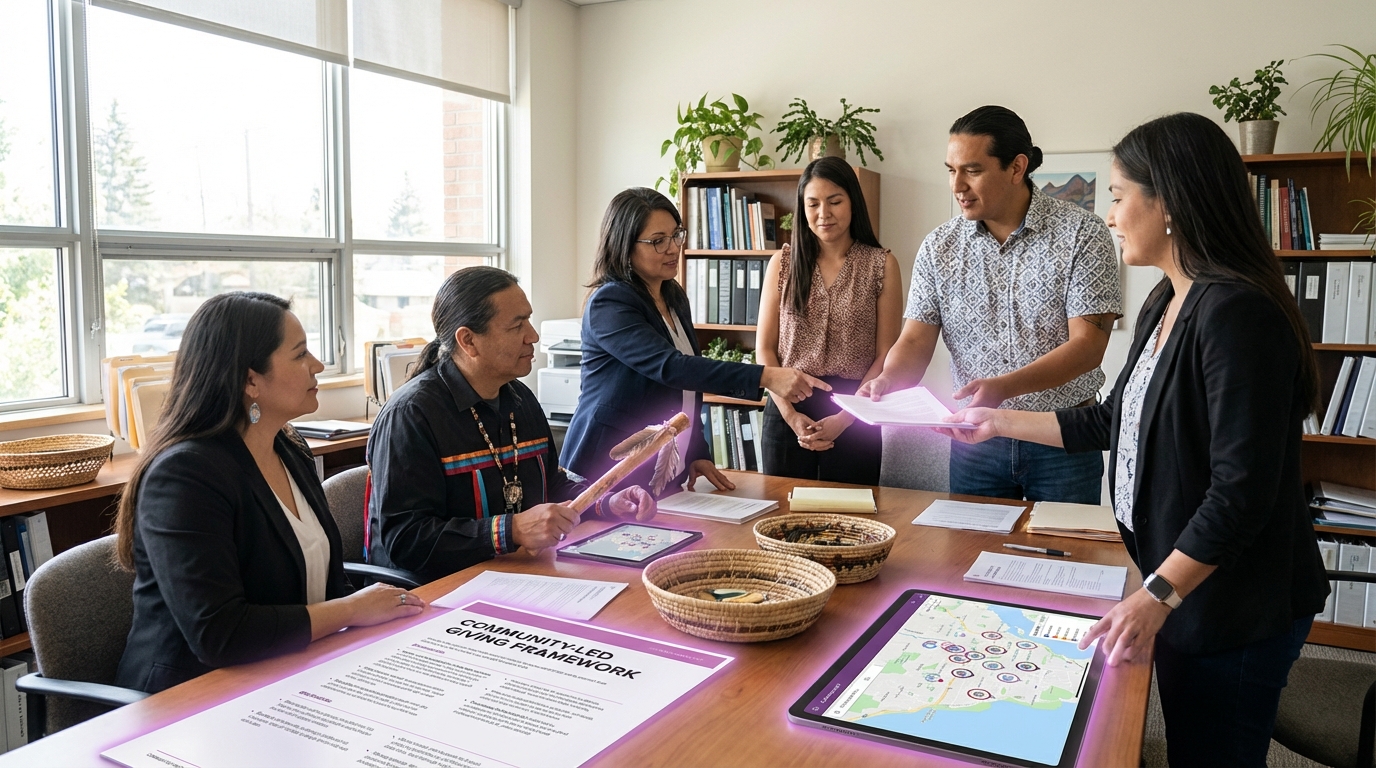
The concept of altruism has long been framed through Western philosophical and religious traditions, emphasising individual choice, voluntary action, and the separation between giver and receiver. However, this framework is increasingly recognised as culturally specific rather than universal. Different societies have developed distinct understandings of generosity, reciprocity, and social obligation that don't necessarily align with Western philanthropic models. Indigenous cultures often conceptualise giving through frameworks of relationality and reciprocity, where the act of giving maintains balance within communities and ecosystems rather than flowing unidirectionally from benefactor to beneficiary. Similarly, many Asian traditions embed giving within concepts of filial duty, community harmony, and cyclical obligation that resist the Western distinction between altruism and self-interest. African philosophies like Ubuntu emphasise collective responsibility and mutual aid as fundamental to human existence, challenging the notion that giving is an exceptional or voluntary act. These diverse frameworks are not merely alternative expressions of the same underlying impulse but represent fundamentally different ontologies of care, responsibility, and social connection.
This redefinition addresses critical limitations in contemporary philanthropy, particularly the power imbalances inherent in traditional donor-recipient relationships and the cultural imperialism embedded in universalist approaches to social good. Younger generations across cultures are increasingly questioning whether wealthy individuals and foundations should hold disproportionate influence over social priorities, and whether the tax benefits and reputational gains associated with philanthropy truly constitute altruism. Marginalised communities are asserting their own definitions of mutual aid, solidarity, and resource sharing that challenge the professionalisation and institutionalisation of giving. These challenges extend to fundamental questions about who has the authority to define social problems and solutions, with communities that have been traditional recipients of charity demanding recognition as knowledge holders and decision-makers. The redefinition also encompasses expanding notions of what constitutes giving beyond financial donations to include time, skills, emotional labour, cultural knowledge, and political solidarity.
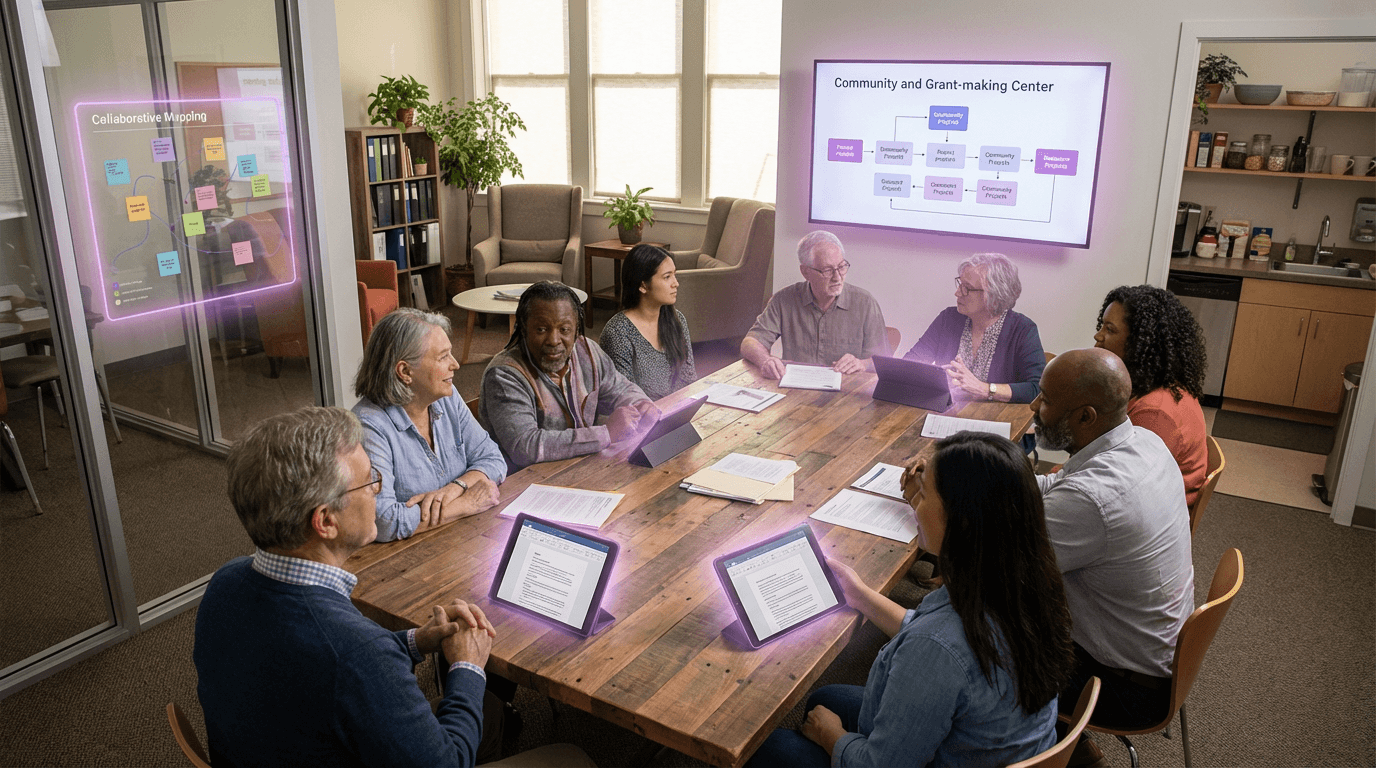
Research in anthropology, sociology, and development studies increasingly documents how diverse cultural frameworks are reshaping philanthropic practice and theory. Diaspora communities are creating transnational giving networks that blend traditional practices with contemporary tools, while social movements are articulating visions of care and redistribution that reject charity in favour of justice and reparation. Intergenerational tensions are emerging as younger donors prioritise systemic change, participatory grantmaking, and the dismantling of wealth accumulation itself over traditional charitable models. These shifts suggest a future where philanthropy becomes more pluralistic, with multiple coexisting frameworks for understanding and practicing generosity rather than a single dominant model. This evolution has profound implications for how resources flow globally, how social change is conceptualised and funded, and ultimately how societies understand their obligations to one another across lines of difference and inequality.
Related Organizations

Muslim Philanthropy Initiative
United States · University
A research initiative at Indiana University focused on understanding and promoting Muslim philanthropy and Zakat.

A network of philanthropists and social investors committed to inclusive and sustainable development in Africa.

A network tracking and supporting mutual aid groups across the US.
An organization advocating for stronger inclusion of Native people in philanthropy and promoting Indigenous values of reciprocity.

A global network of philanthropy development and support organizations committed to strengthening philanthropy worldwide.

A unique funders' network based in Singapore committed to building a vibrant and high impact social investment community across Asia.

An academic center at Grand Valley State University known for research on 'Next Gen' donors.

A global generosity movement unleashing the power of people and organizations to transform their communities and the world.

LaunchGood
United States · Company
A crowdfunding platform focused on the global Muslim community.

A technology platform designed specifically to host and manage giving circles, allowing groups to pool donations and vote on grants.