Tracking signals shaping the future of human experience, behavior, and culture — affective systems, identity technologies, generative culture engines, and social-interaction interfaces.
Technologies
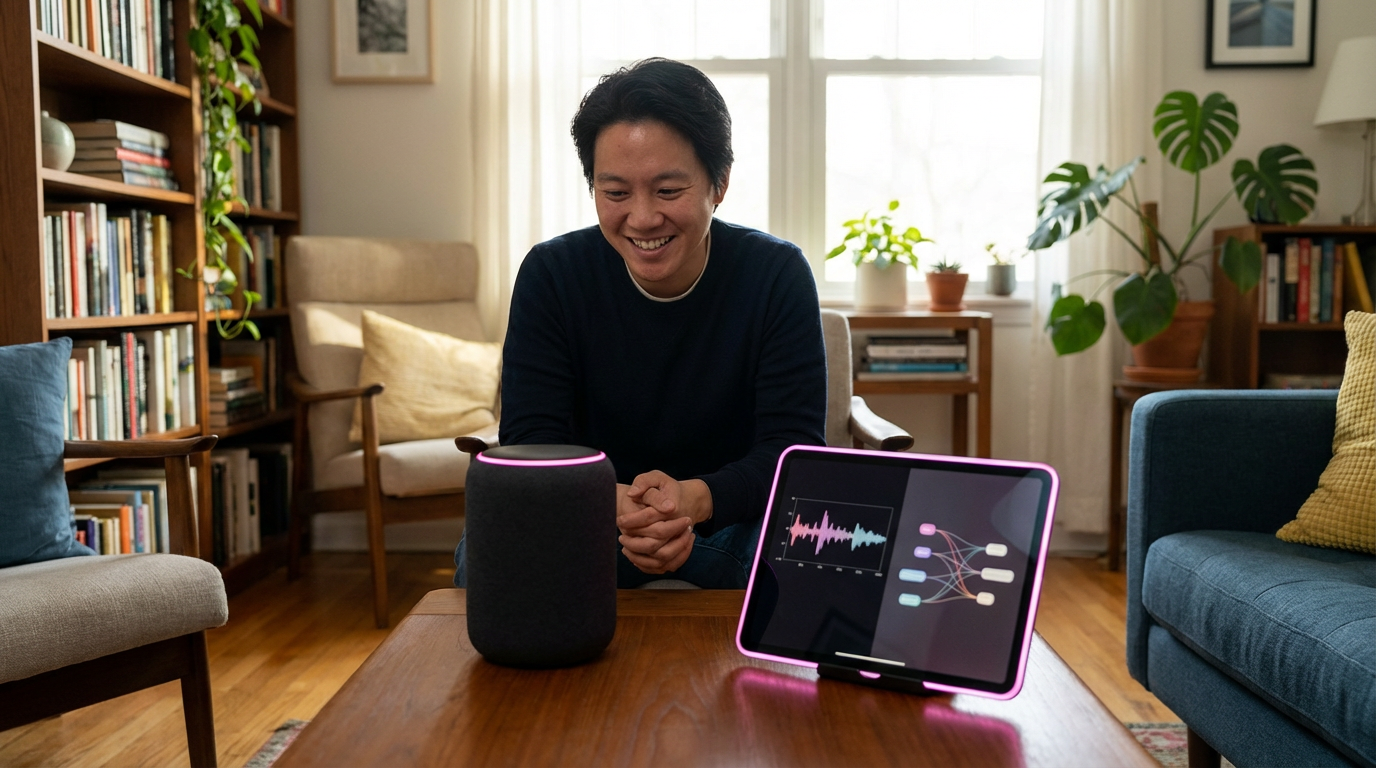
Conversational AI that tracks emotional patterns across sessions to personalize responses

Frameworks for managing how emotional and behavioral data is collected, used, and protected

Technical controls and policies that detect and prevent emotional exploitation in AI systems
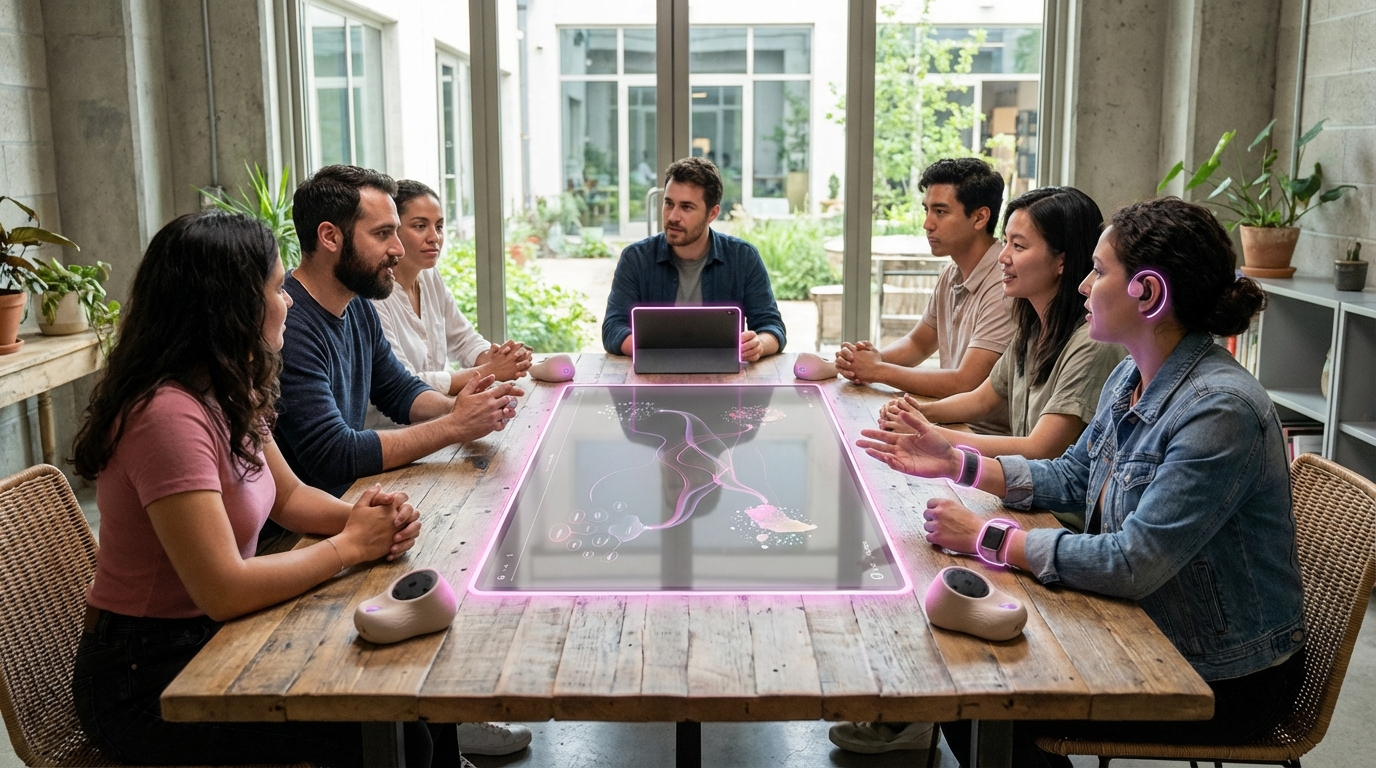
AI agents that guide group discussions, resolve conflicts, and balance participation in real time

Automated rule enforcement and decision-making systems for online communities using smart contracts and AI
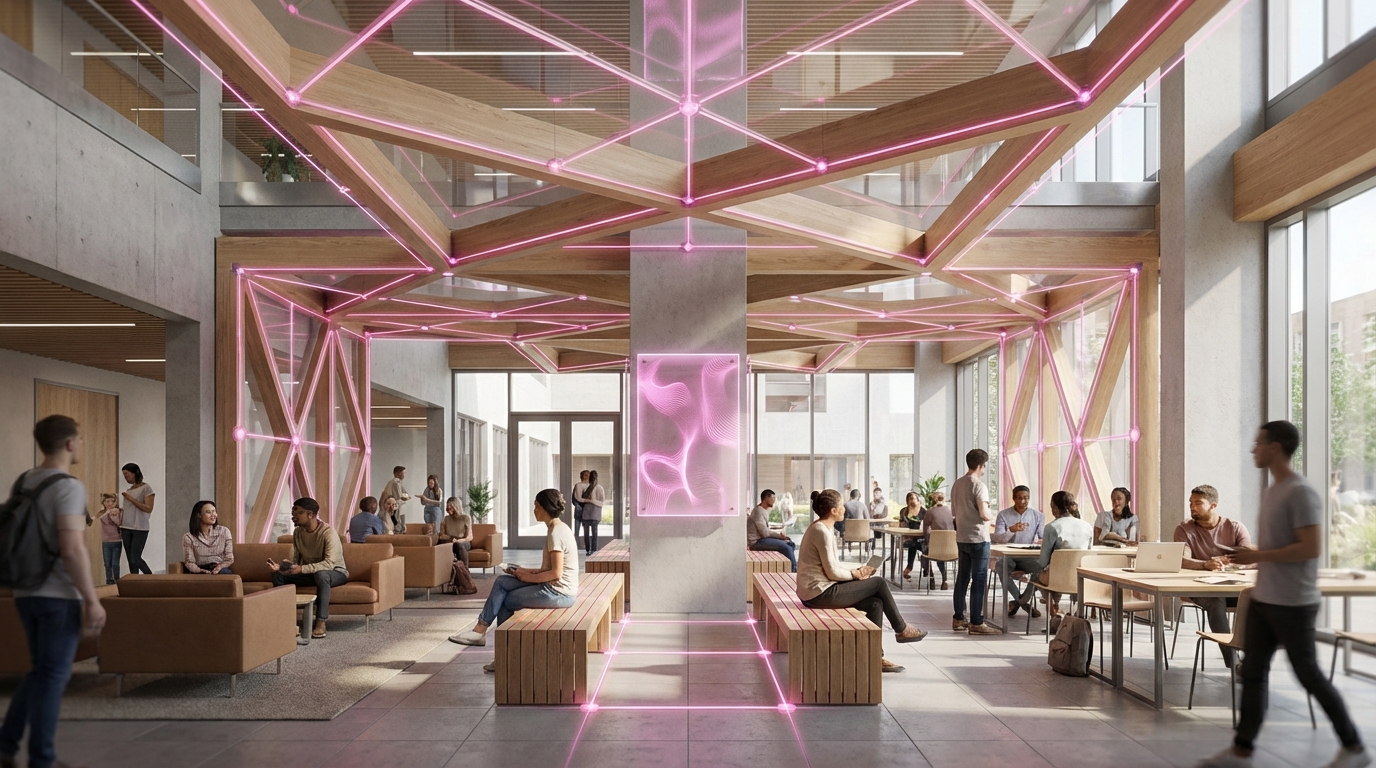
Distributed sensors that detect collective mood and social dynamics in physical spaces
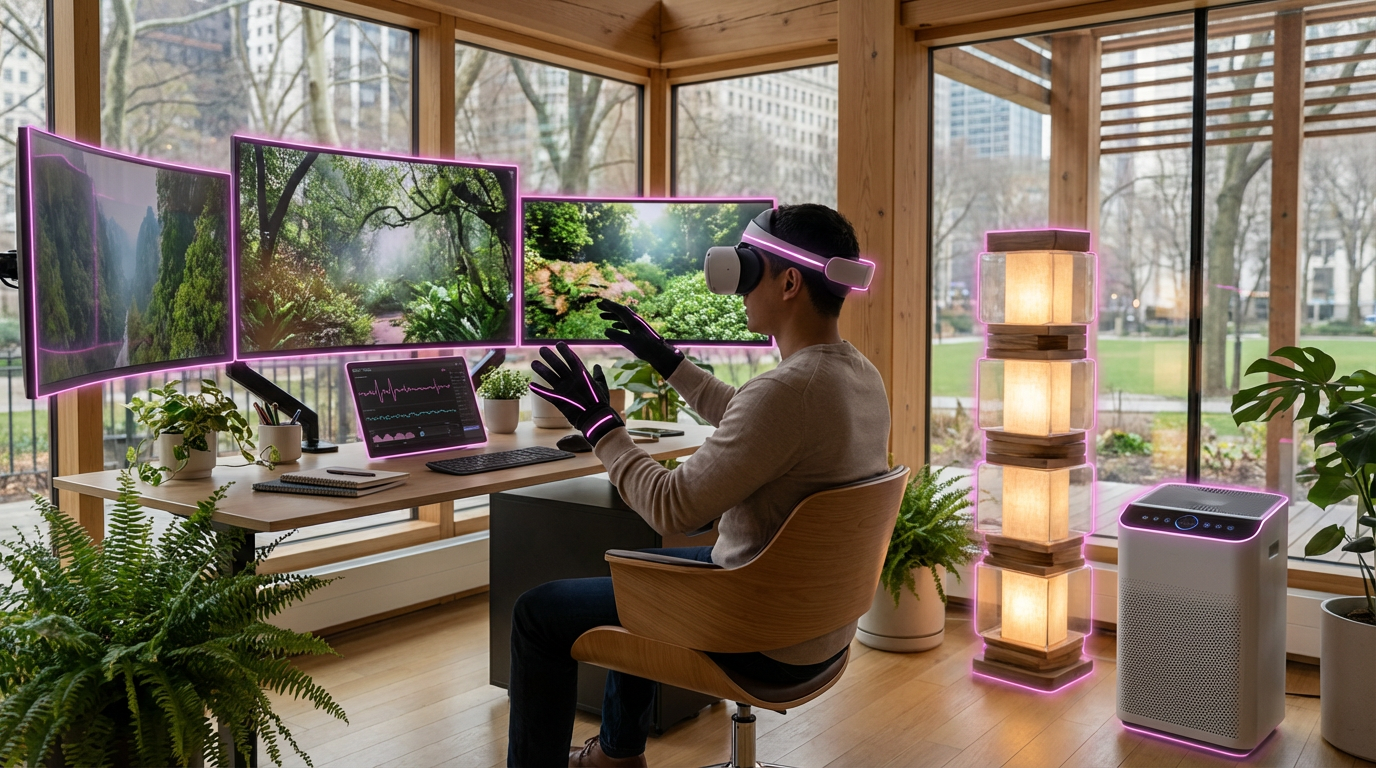
Nature-based XR and ambient systems designed to reduce mental fatigue and restore focus
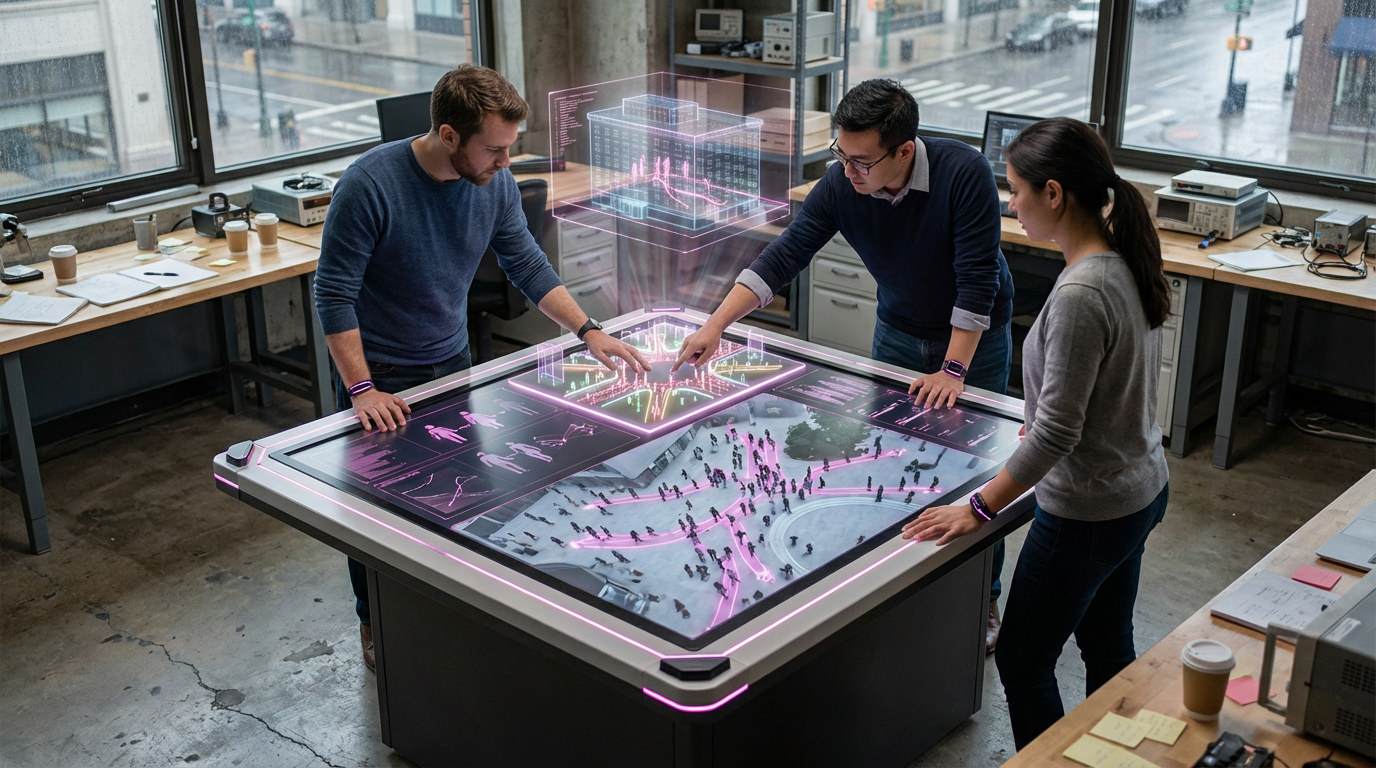
Dynamic models that simulate individual or group behavior patterns using real-time data streams
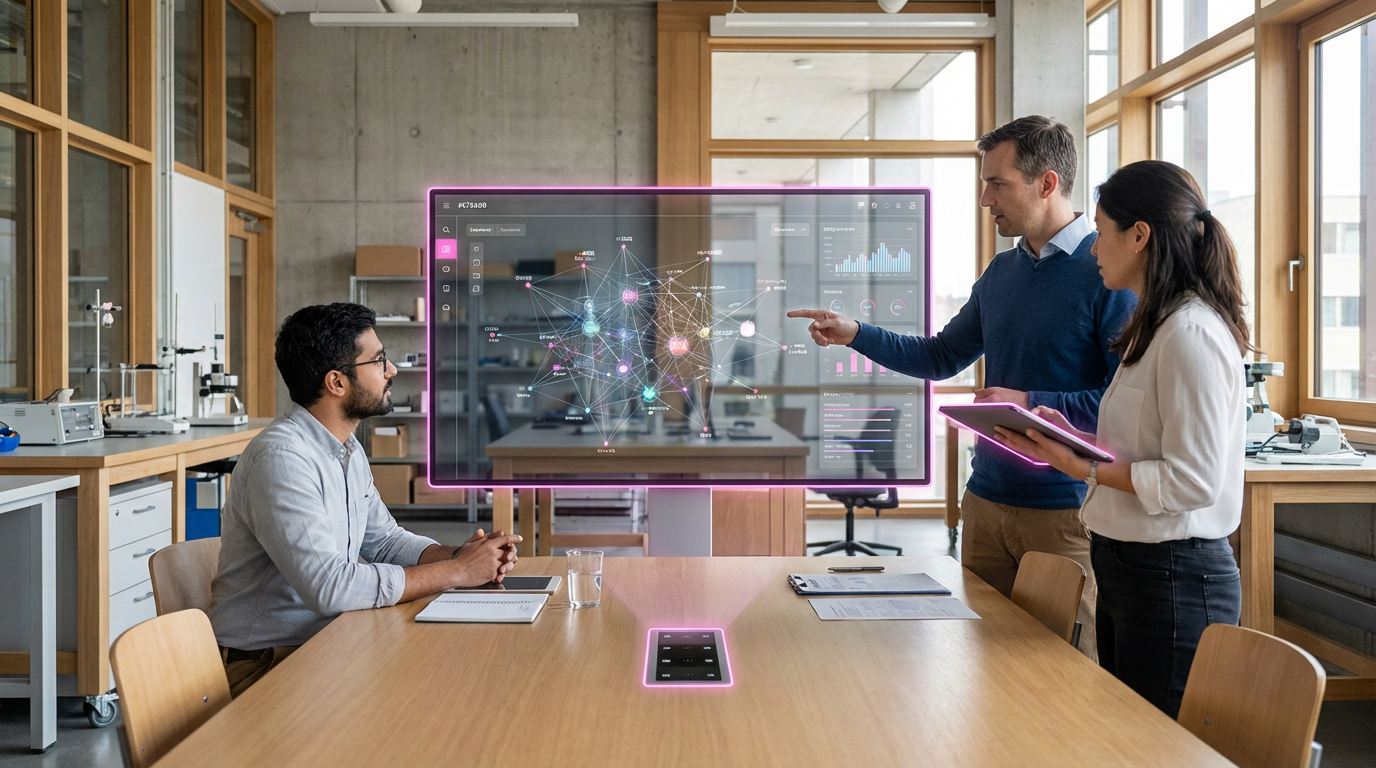
Software that examines AI systems for unfair treatment and discriminatory patterns across demographics
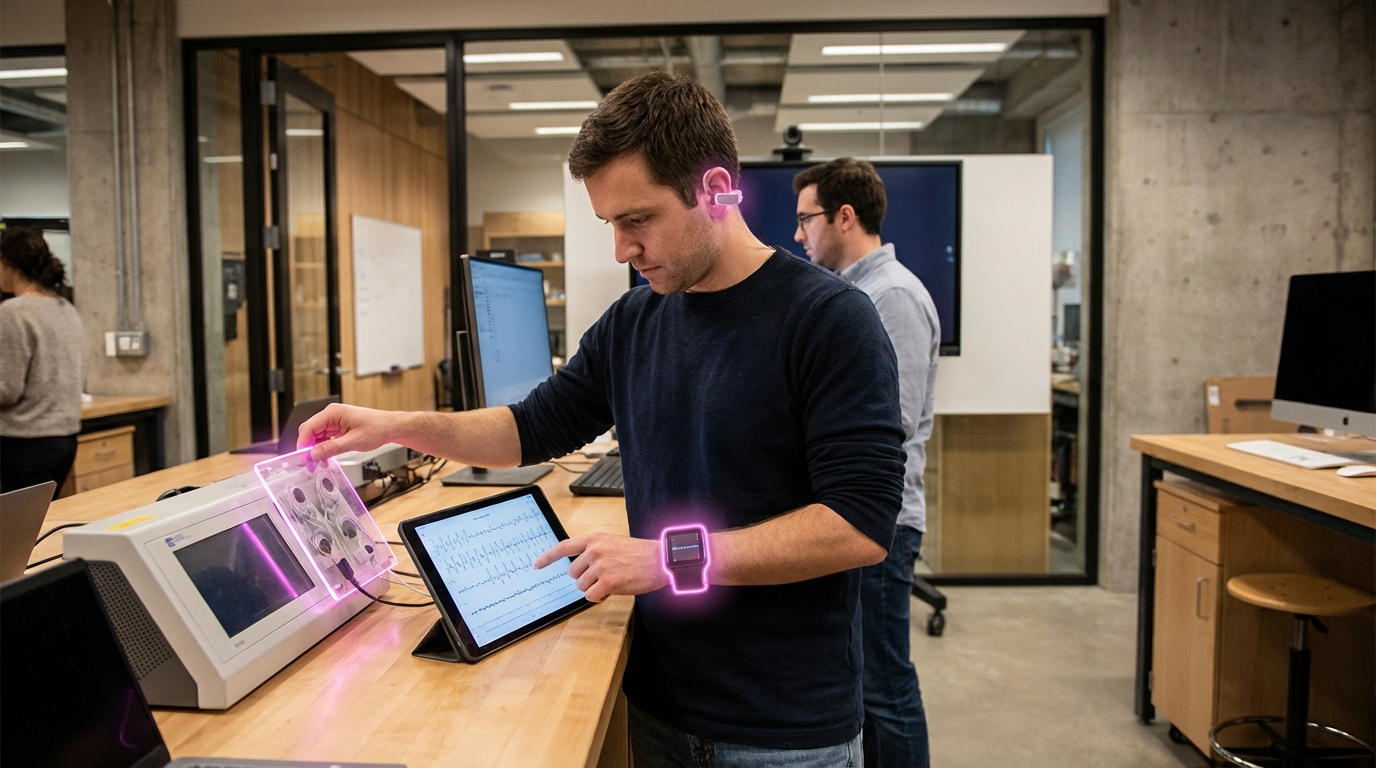
Identity verification through continuous monitoring of cardiac rhythms, gait, and stress responses
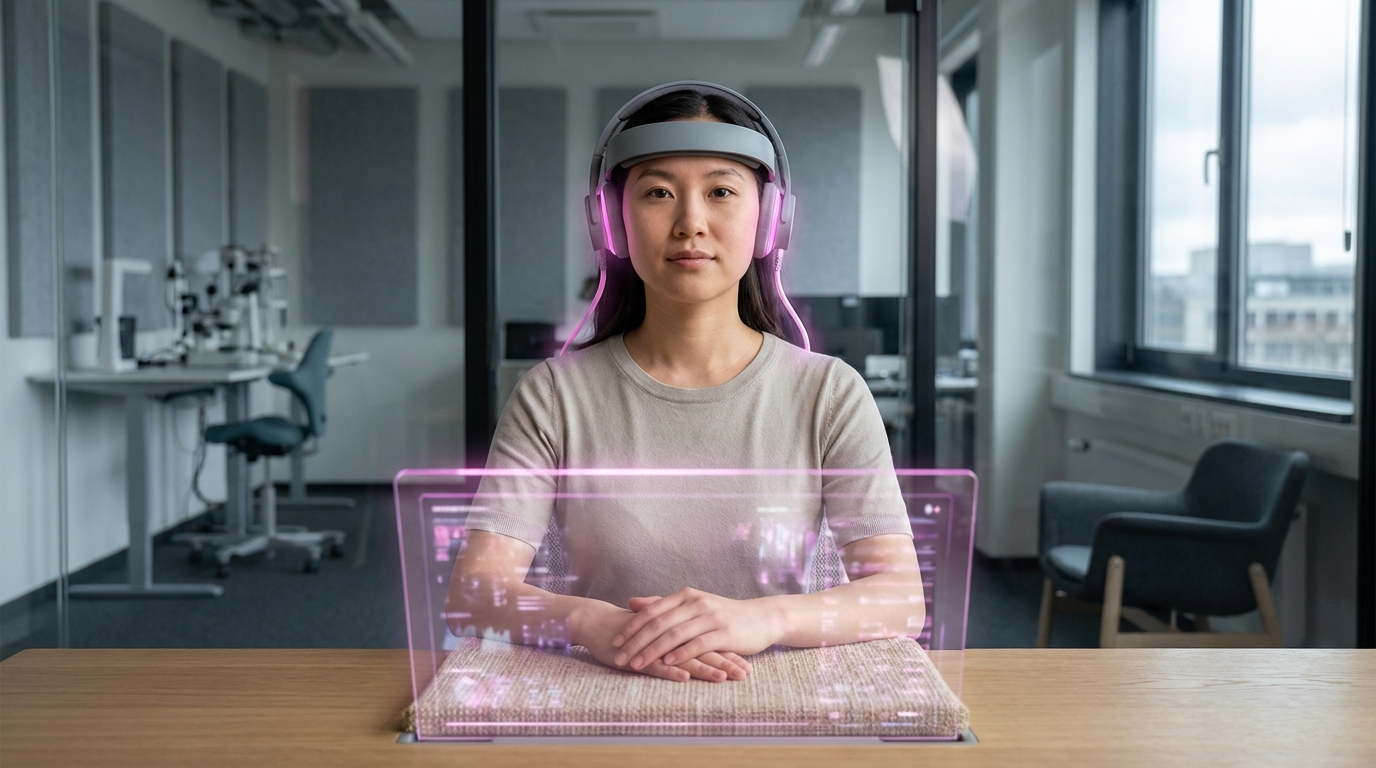
Legal and technical standards protecting mental privacy and freedom of thought from neural technologies

Governance models that grant communities shared ownership and control over their collective data
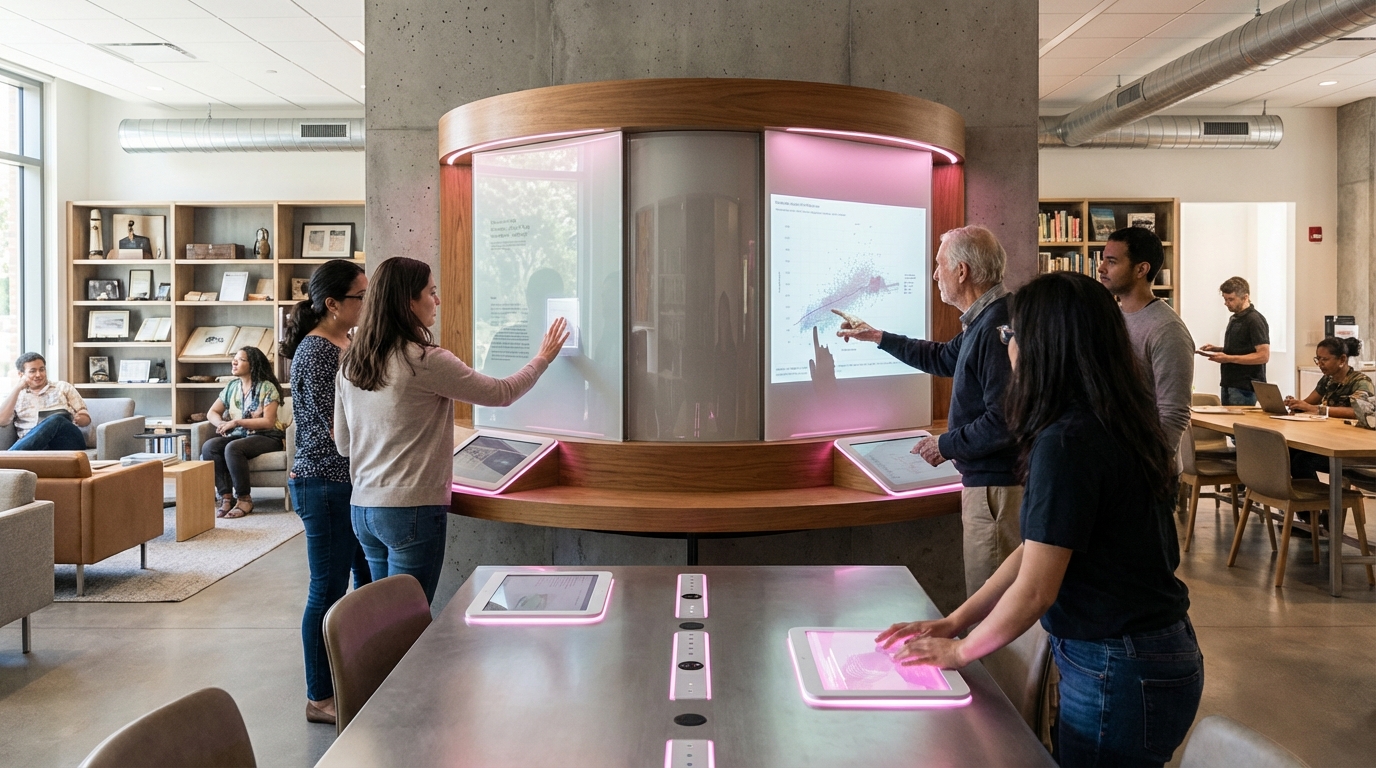
Distributed platforms enabling communities to archive, share, and preserve cultural knowledge across generations
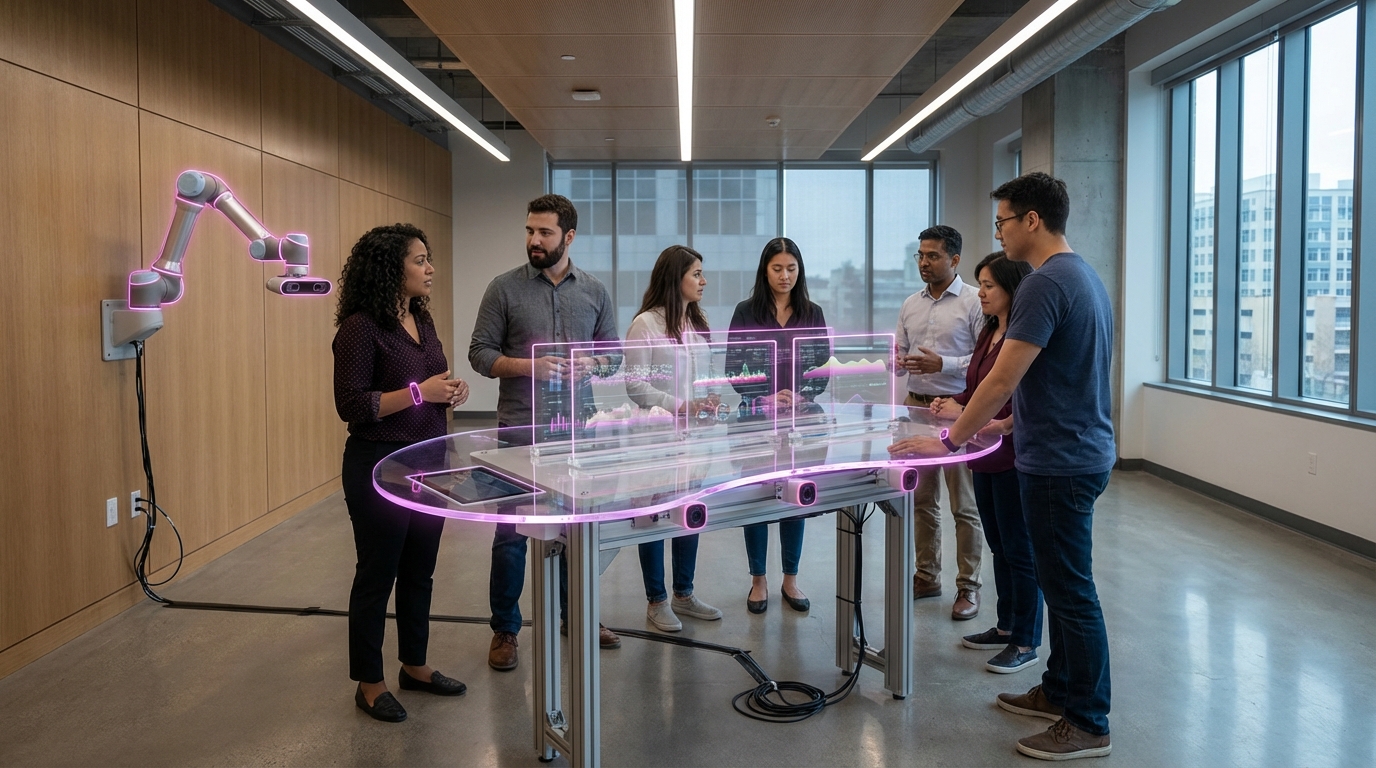
Emotion-recognition systems that account for cultural differences in expression and interpretation

Immersive VR/AR scenarios that let users experience life from different cultural and social perspectives

Standards that track and credit cultural sources used in AI-generated content

User-controlled digital identity protocols that work across platforms without central authorities
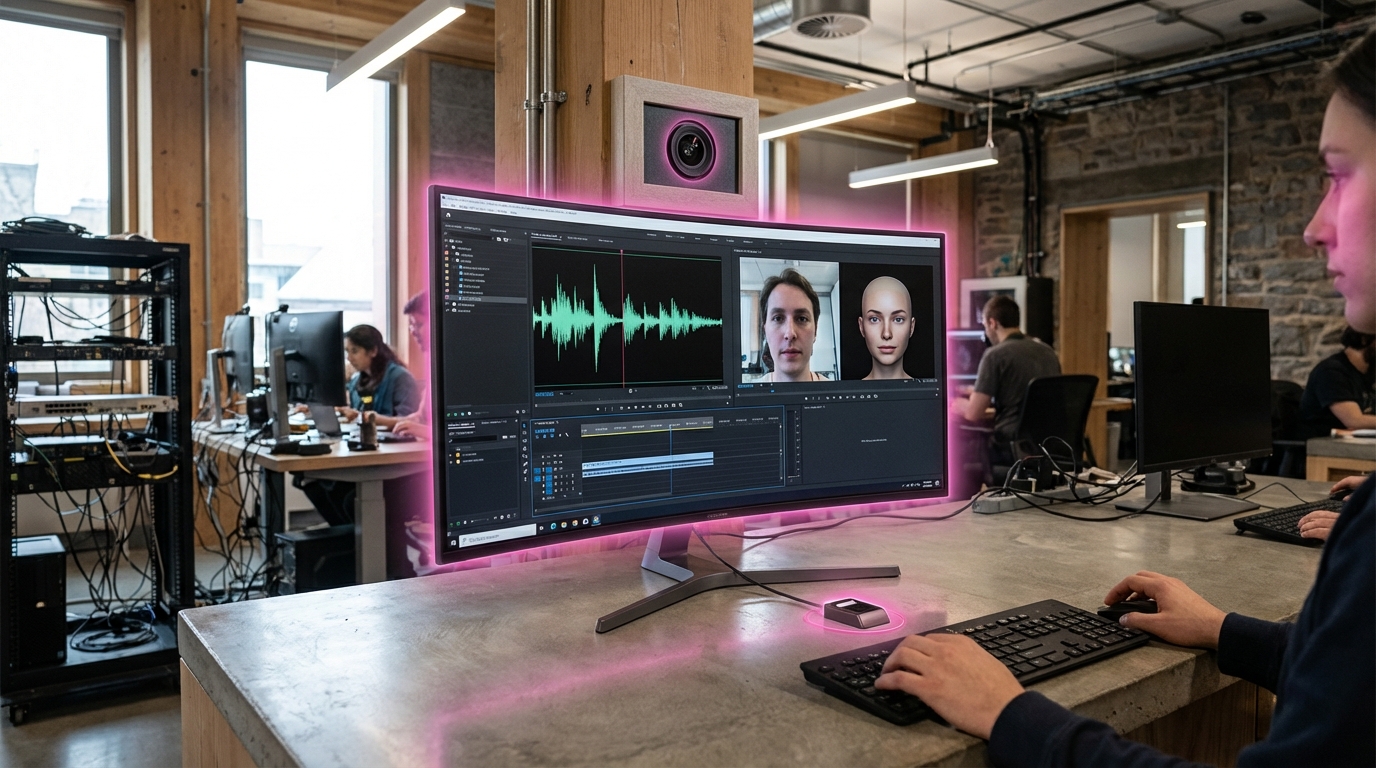
Verification systems that trace the origin and authenticity of digital media and synthetic avatars
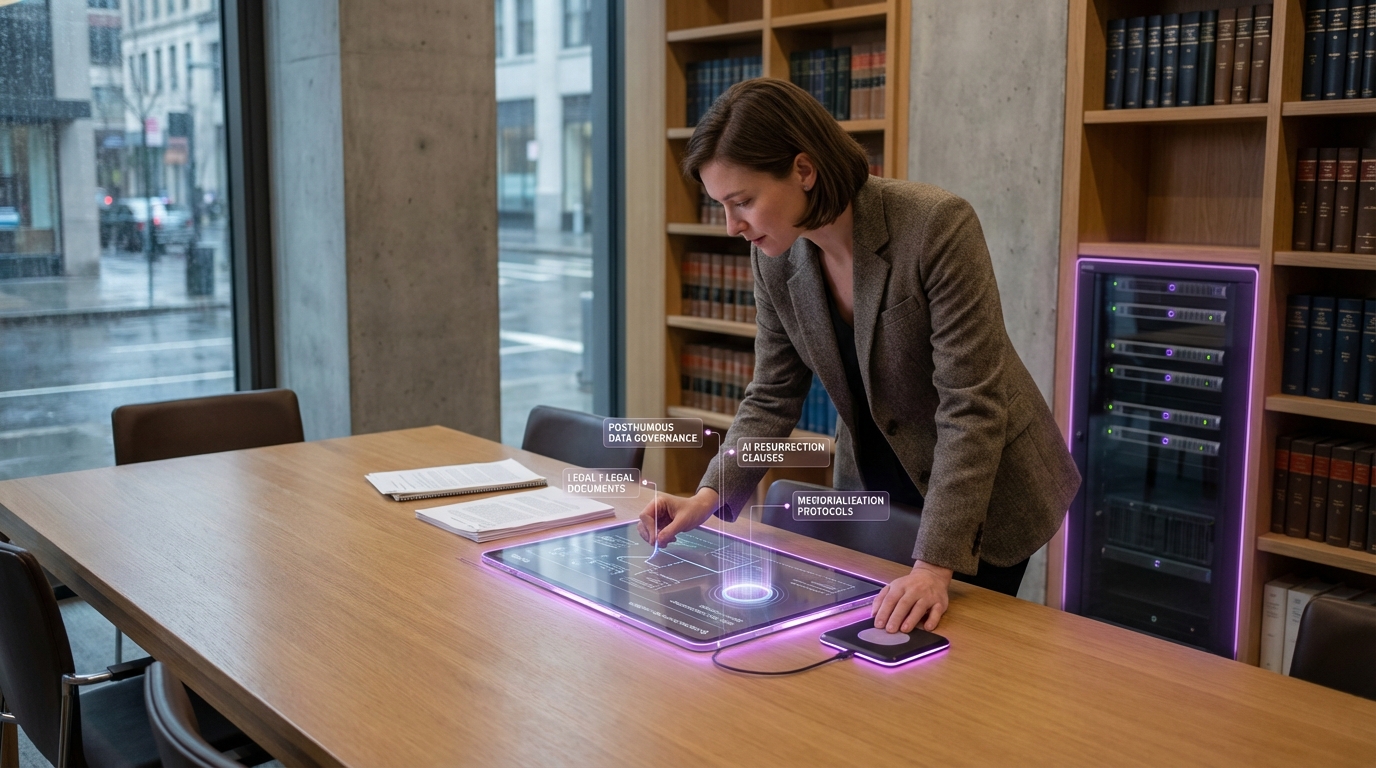
Legal frameworks governing posthumous data usage, AI representations, and digital legacies
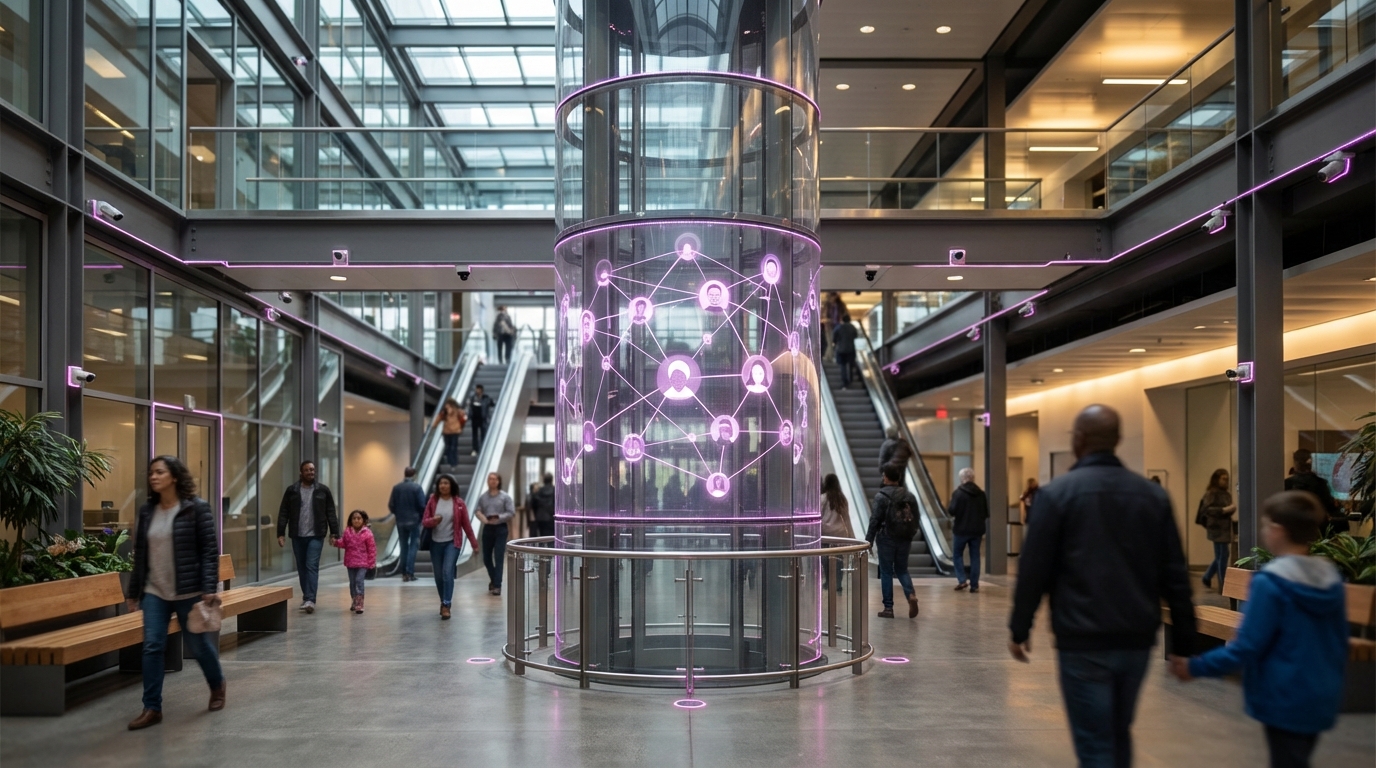
Simulations of how emotions spread through social networks using computational models
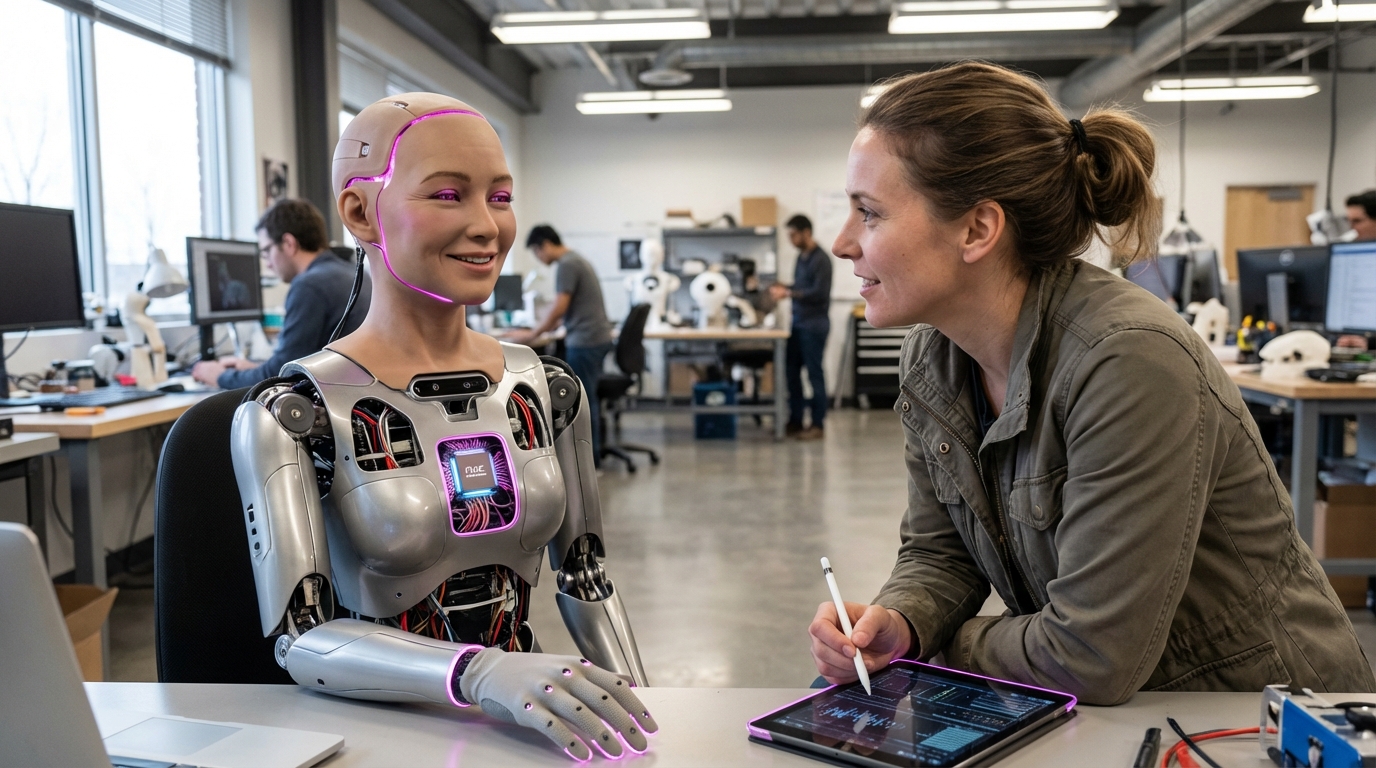
Humanoid robots with lifelike facial expressions and body language for natural human interaction

Biometric systems that detect and sustain peak performance states through real-time monitoring

Displays that adjust visual content in real-time based on where and how you look
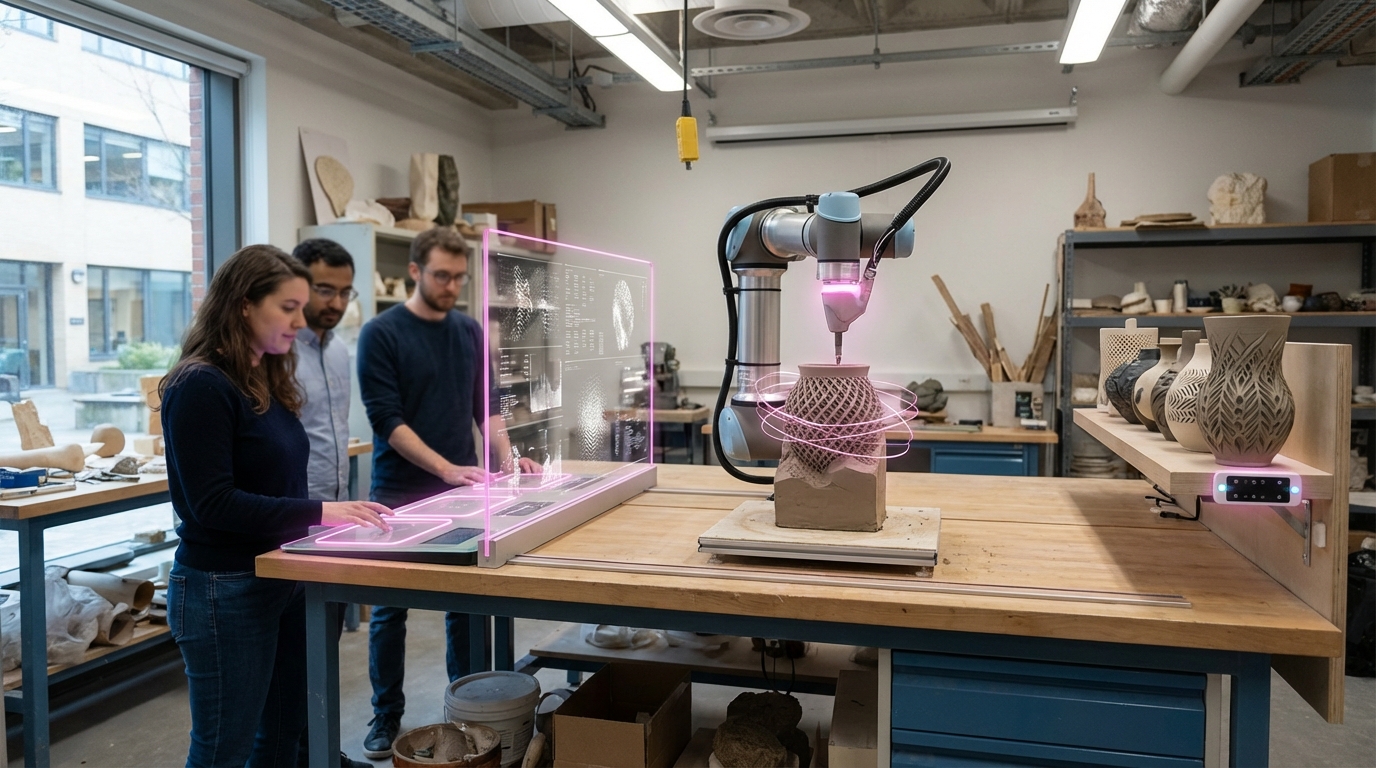
AI systems that autonomously create art, music, stories, and social patterns from cultural data

Platforms combining bereavement support with digital memorialization and posthumous data management
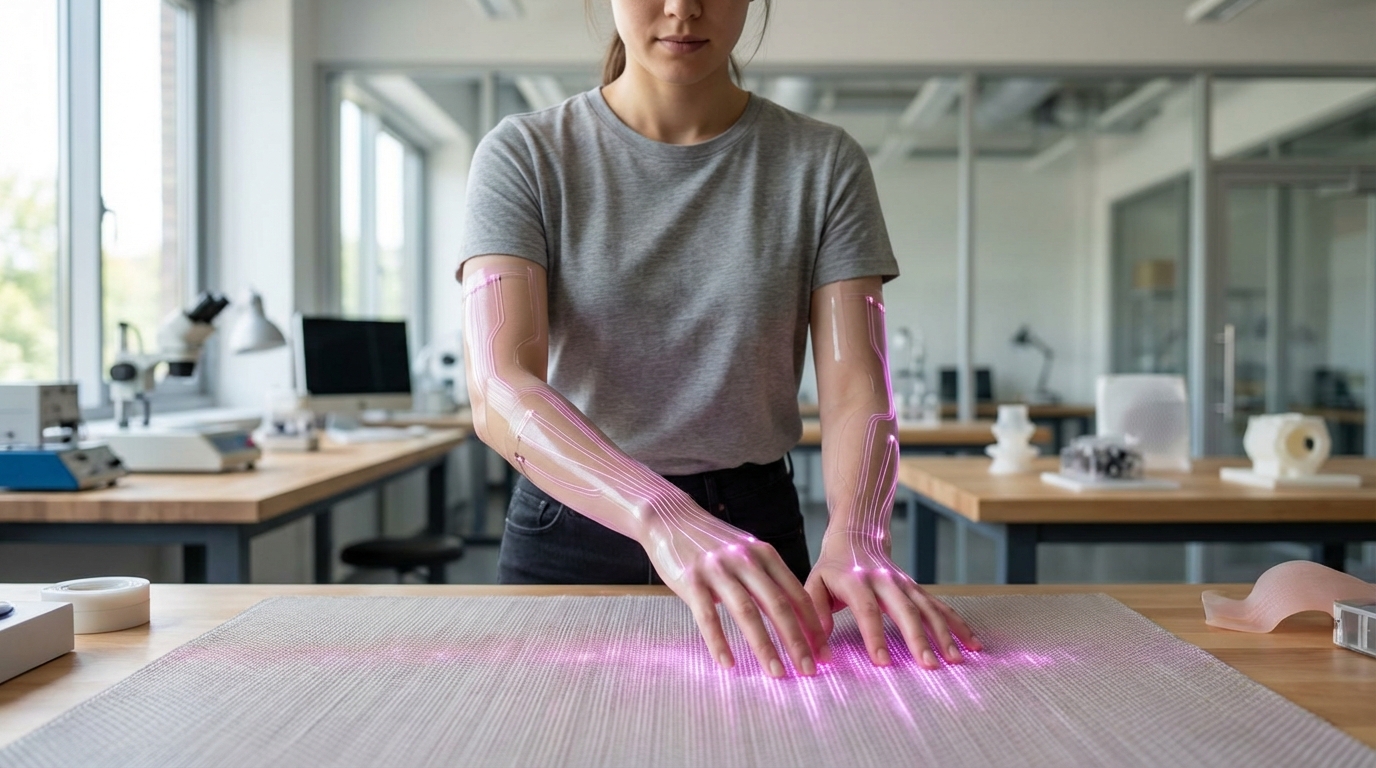
Skin-adhered sensors and actuators that deliver touch, pressure, and thermal feedback
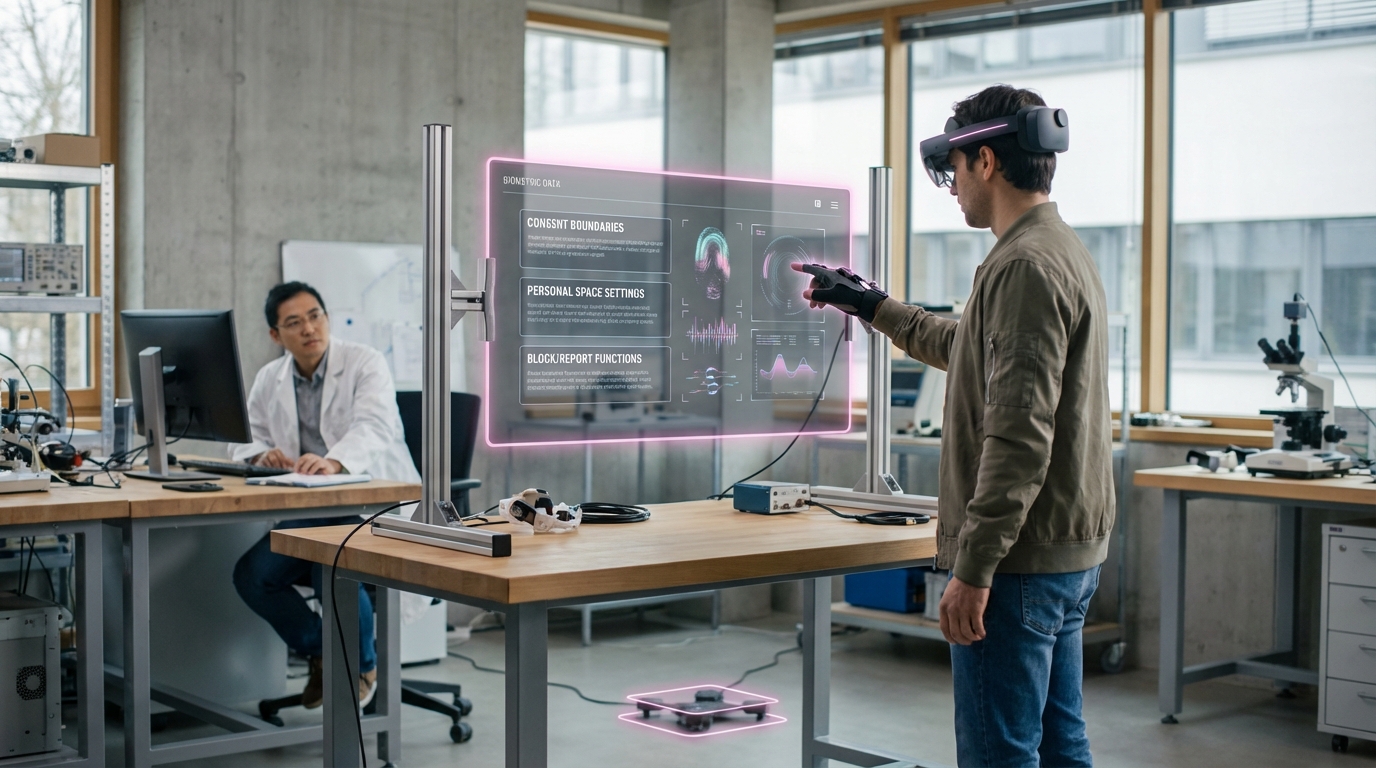
Real-time consent and boundary enforcement systems designed for XR social environments
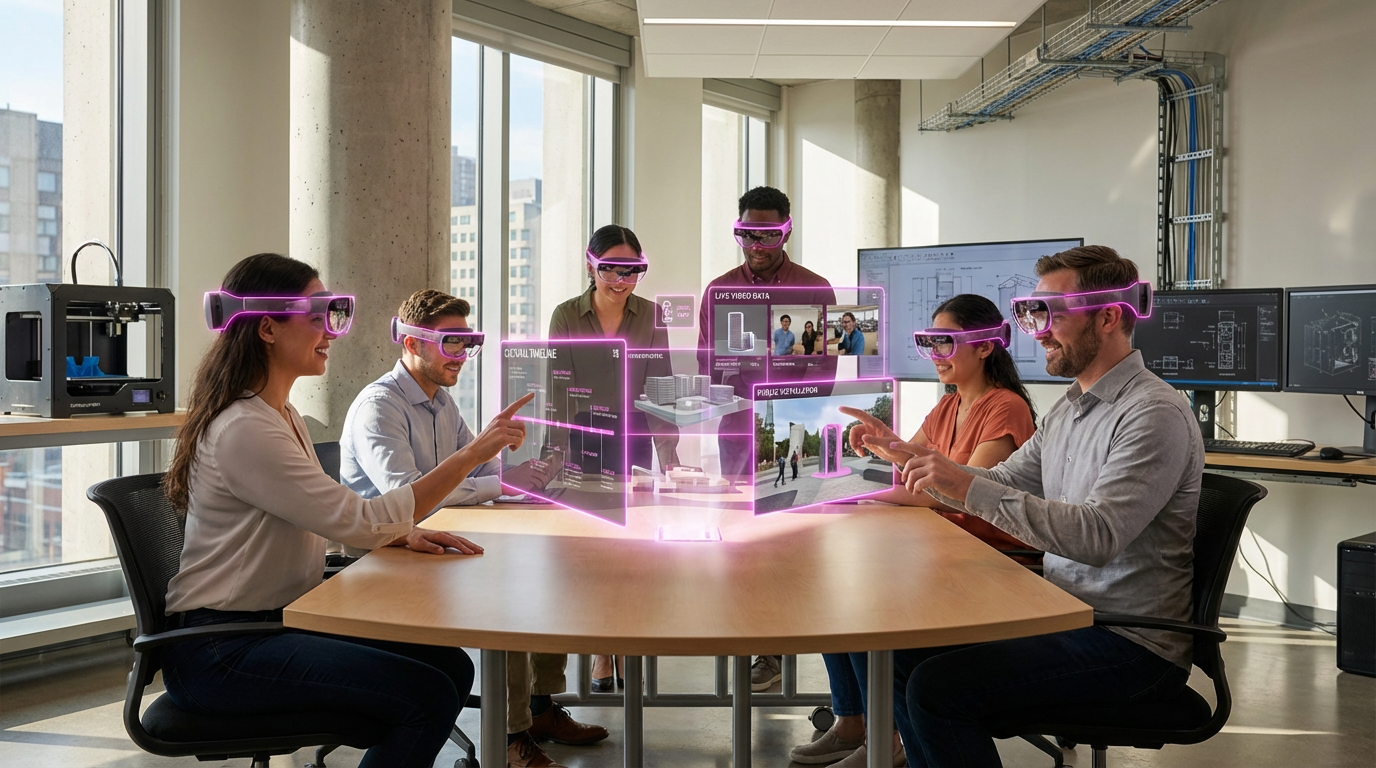
Persistent XR environments blending physical and digital spaces for collaborative work and learning

Digital platforms designed to preserve oral traditions, languages, and ecological knowledge on Indigenous terms

Design frameworks that bridge age gaps through shared digital and physical experiences
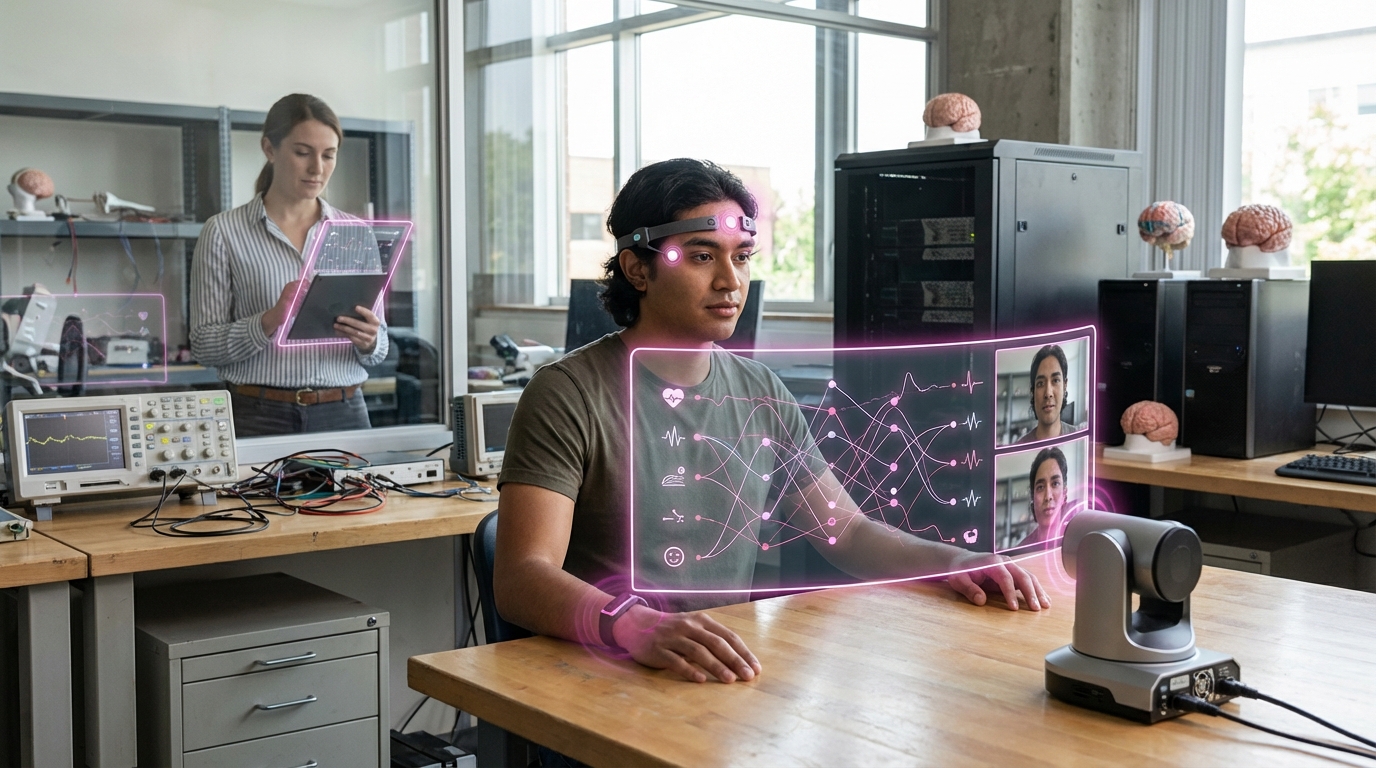
Algorithms that interpret emotions by analyzing facial expressions, voice, body language, and biosignals together
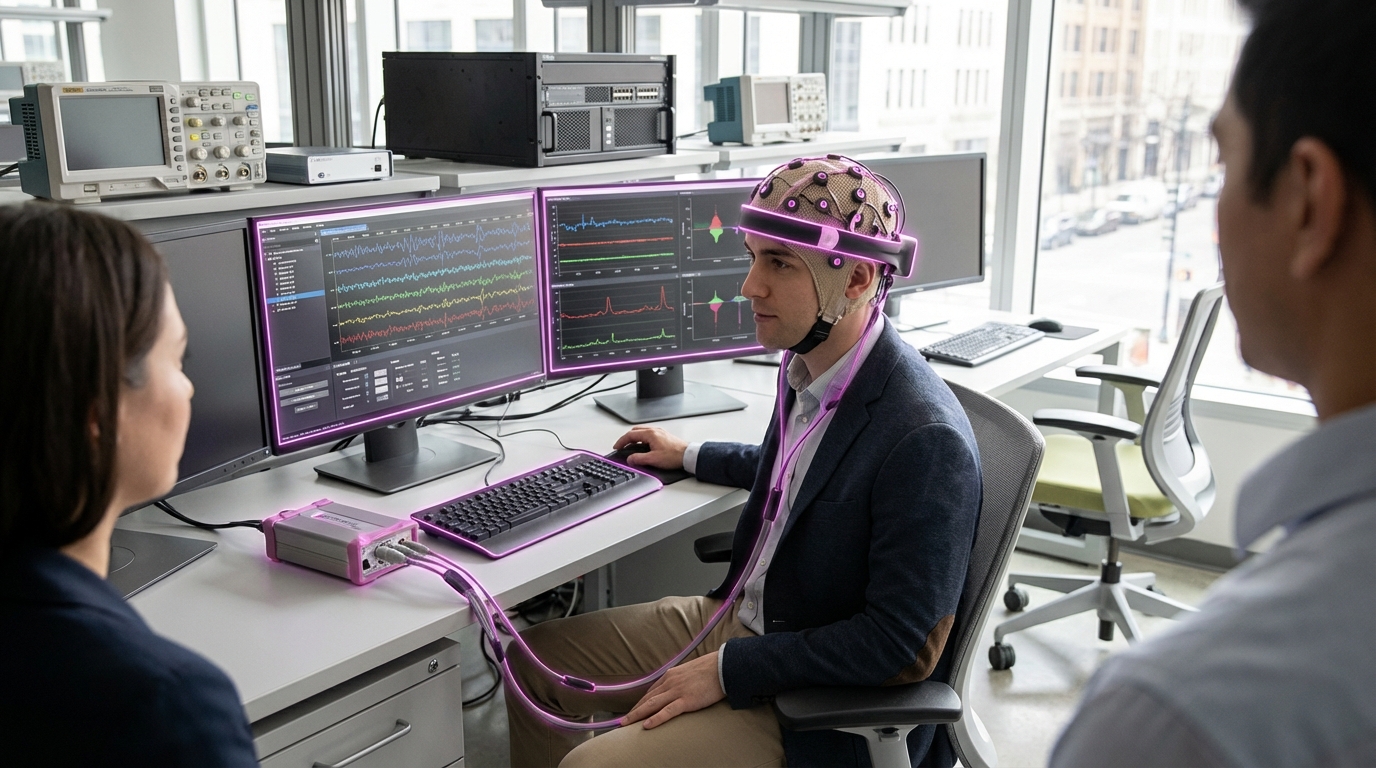
Wearable brain sensors that detect emotional states like stress, engagement, and frustration

Design guidelines that accommodate autism, ADHD, dyslexia, and other cognitive differences
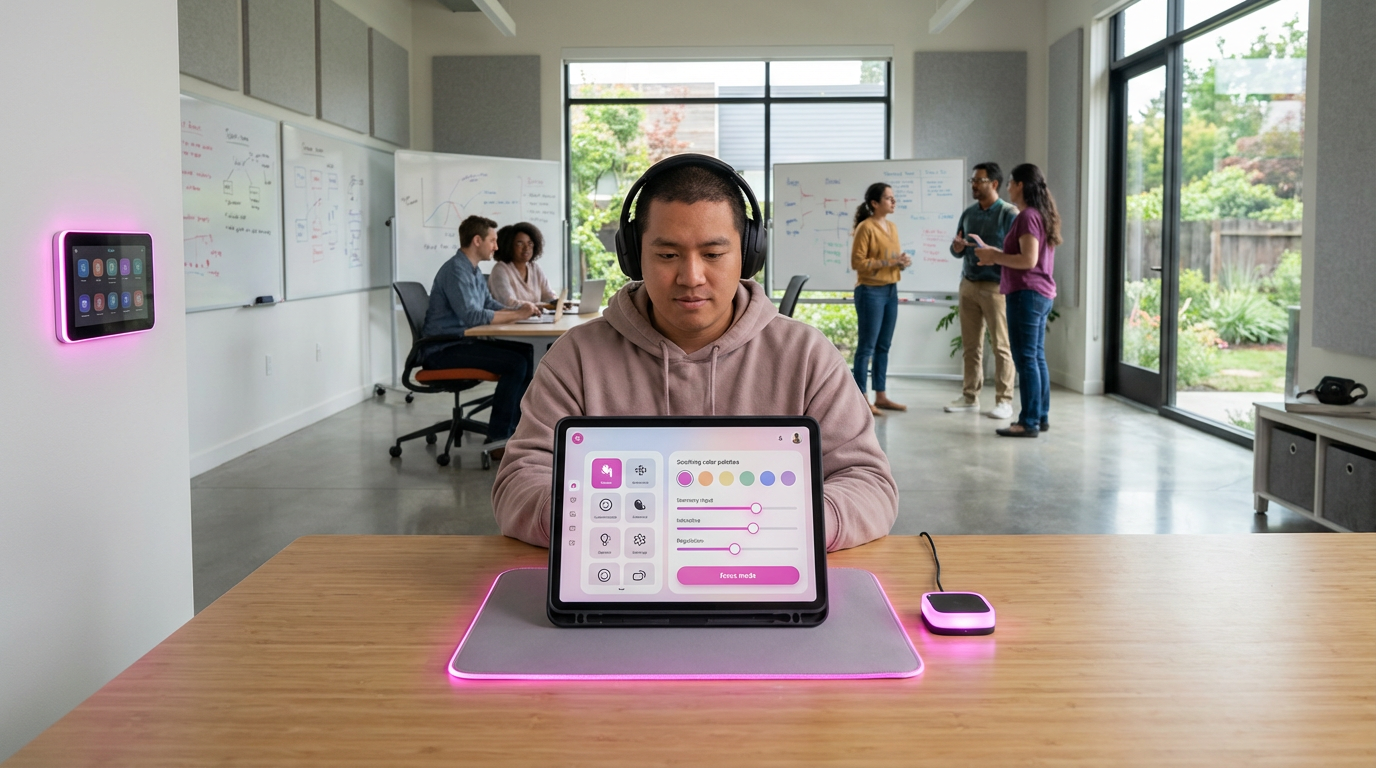
Adaptive interfaces designed for autistic, ADHD, dyslexic, and sensory-processing differences
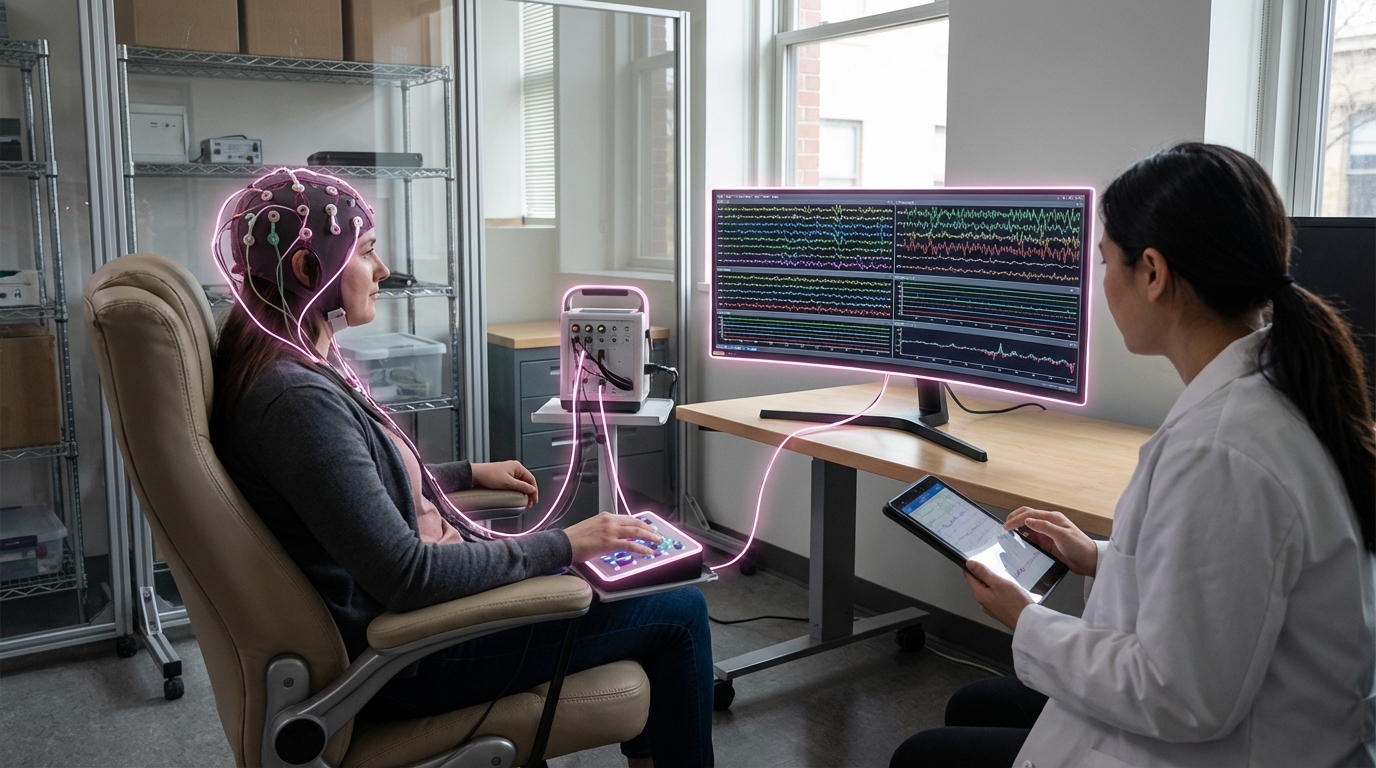
Real-time brain activity monitoring that trains users to self-regulate neural patterns
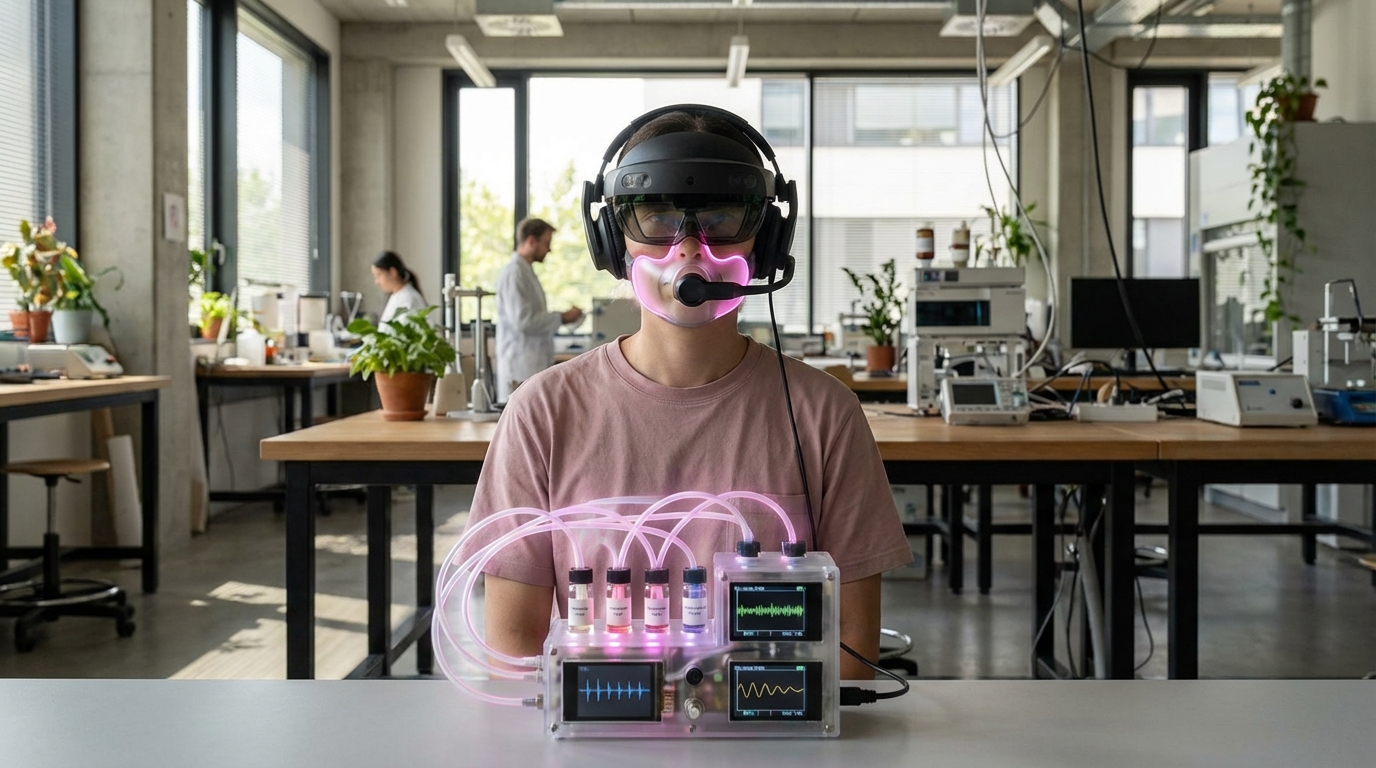
Devices that synthesize smell and taste sensations for immersive digital experiences
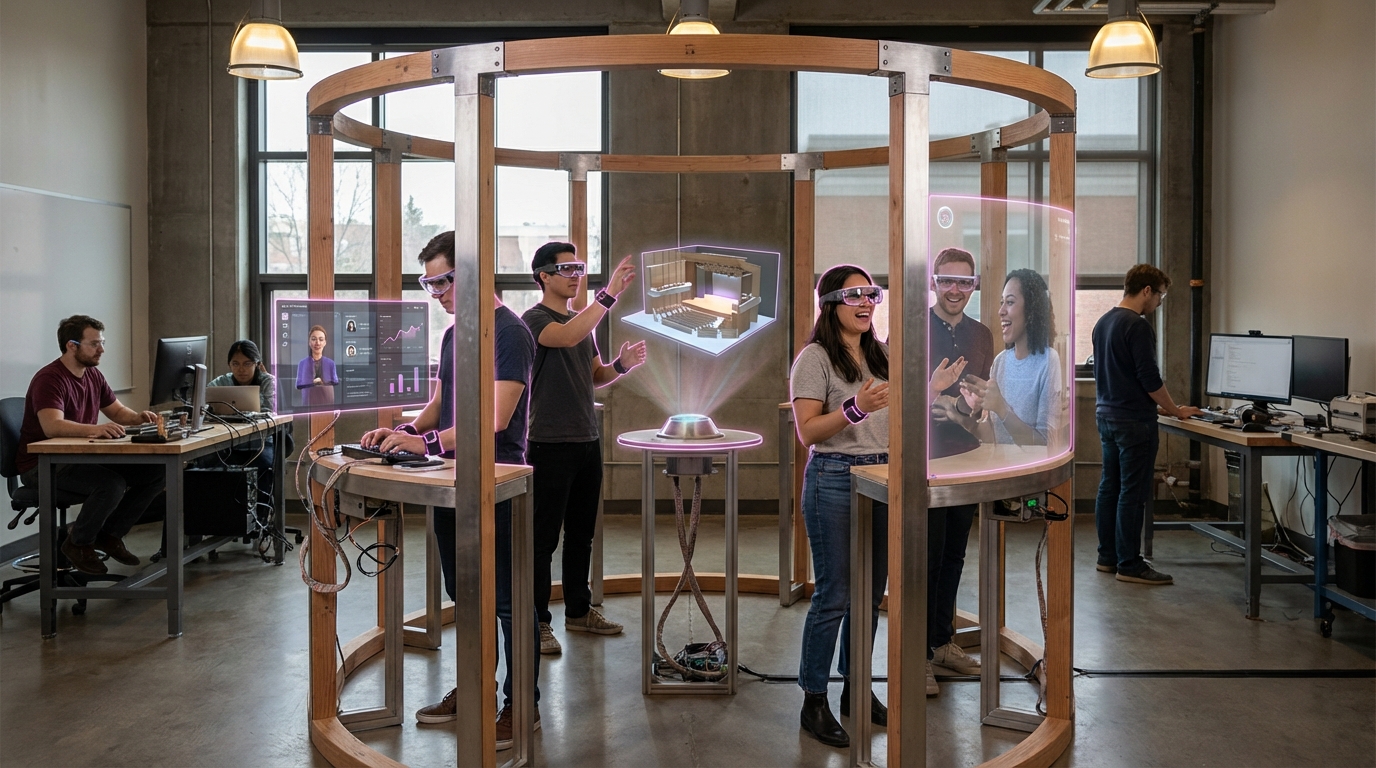
Always-on XR spaces that preserve social memory, cultural artifacts, and community across sessions
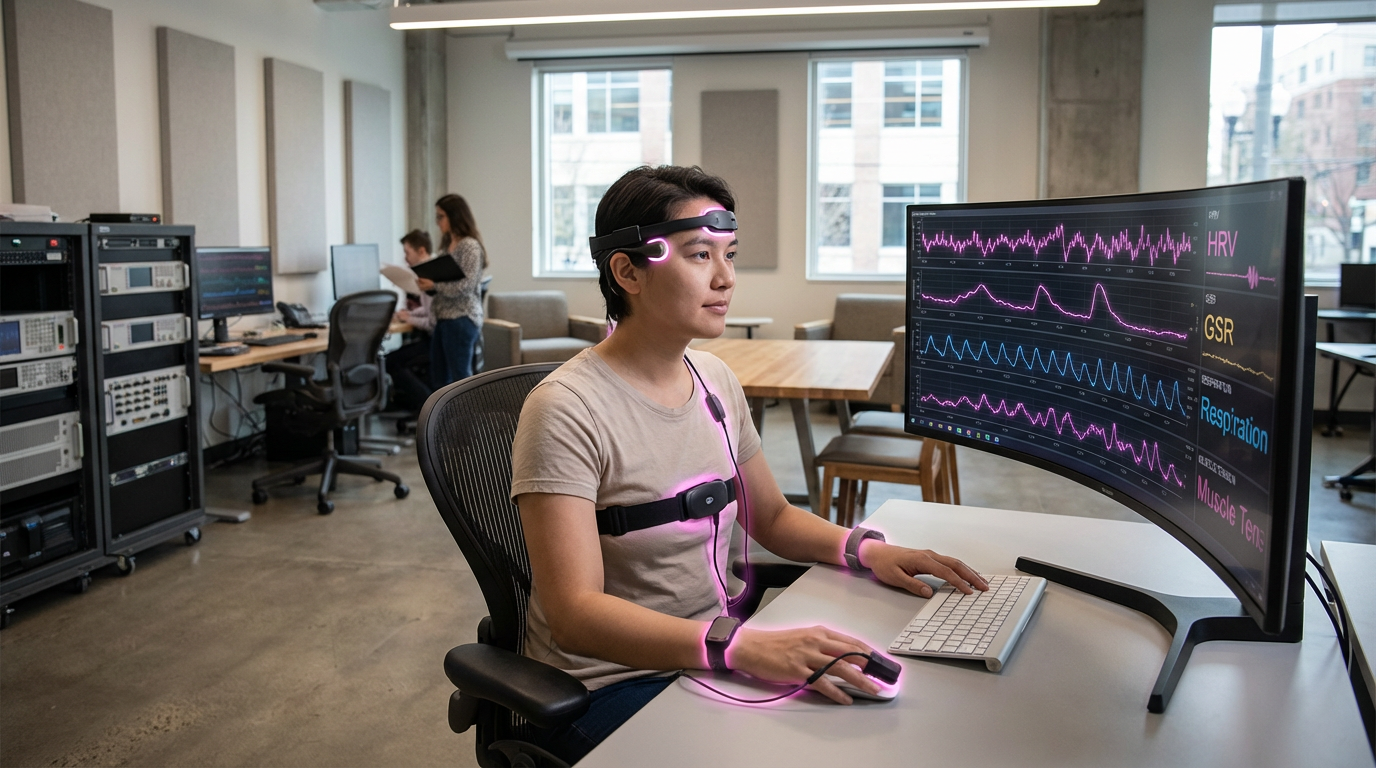
Sensors that measure heart rate, skin conductance, breathing, and muscle tension to infer emotional and cognitive states
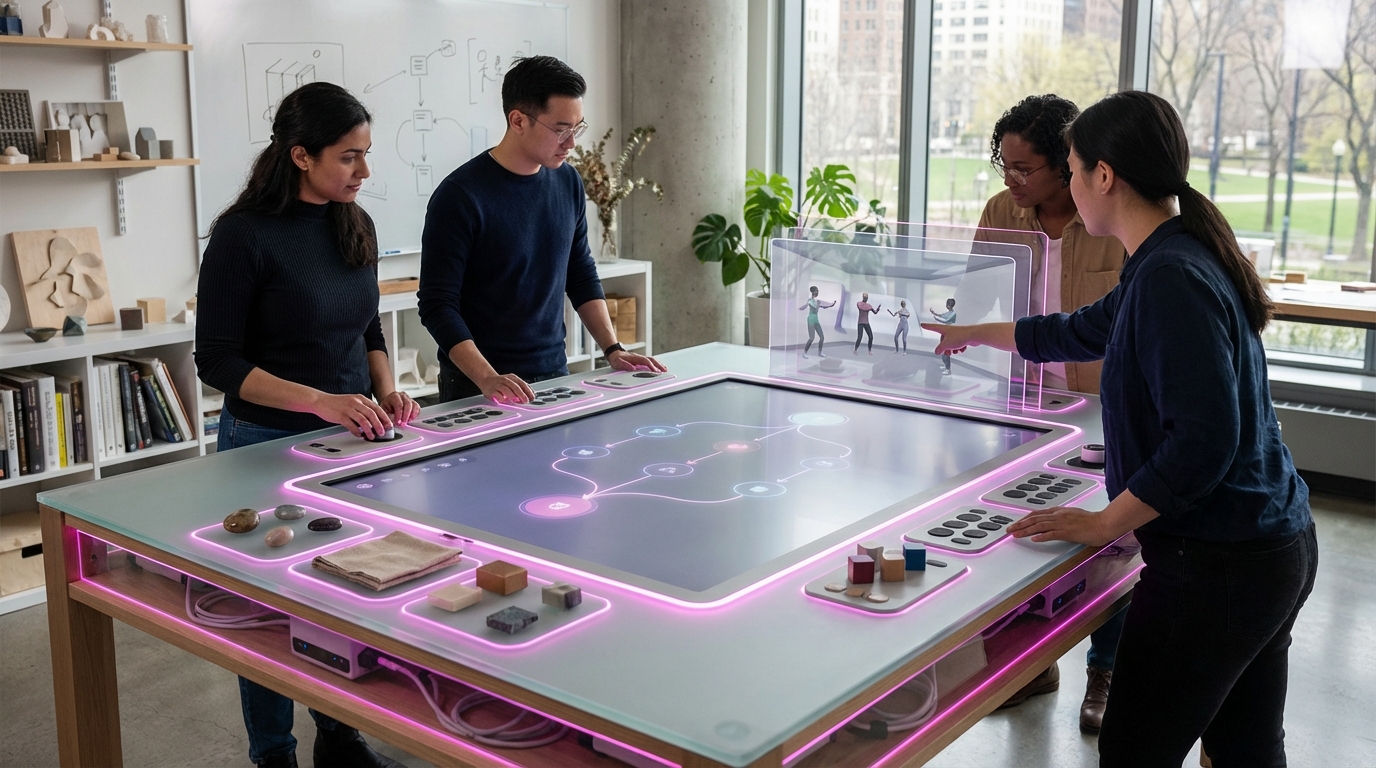
Platforms for designing meaningful ceremonial experiences in virtual and hybrid spaces
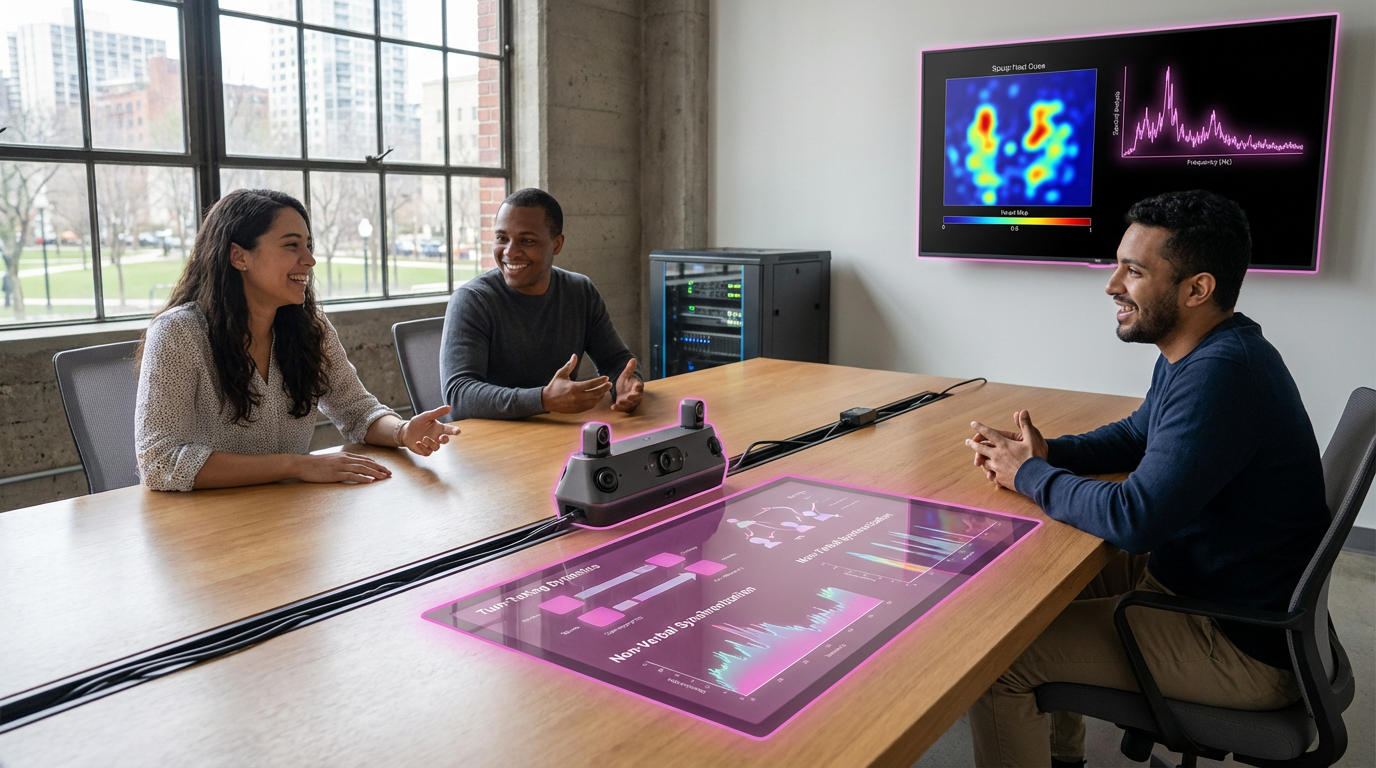
Computational analysis of non-verbal cues like gestures, tone, and proximity in social interactions
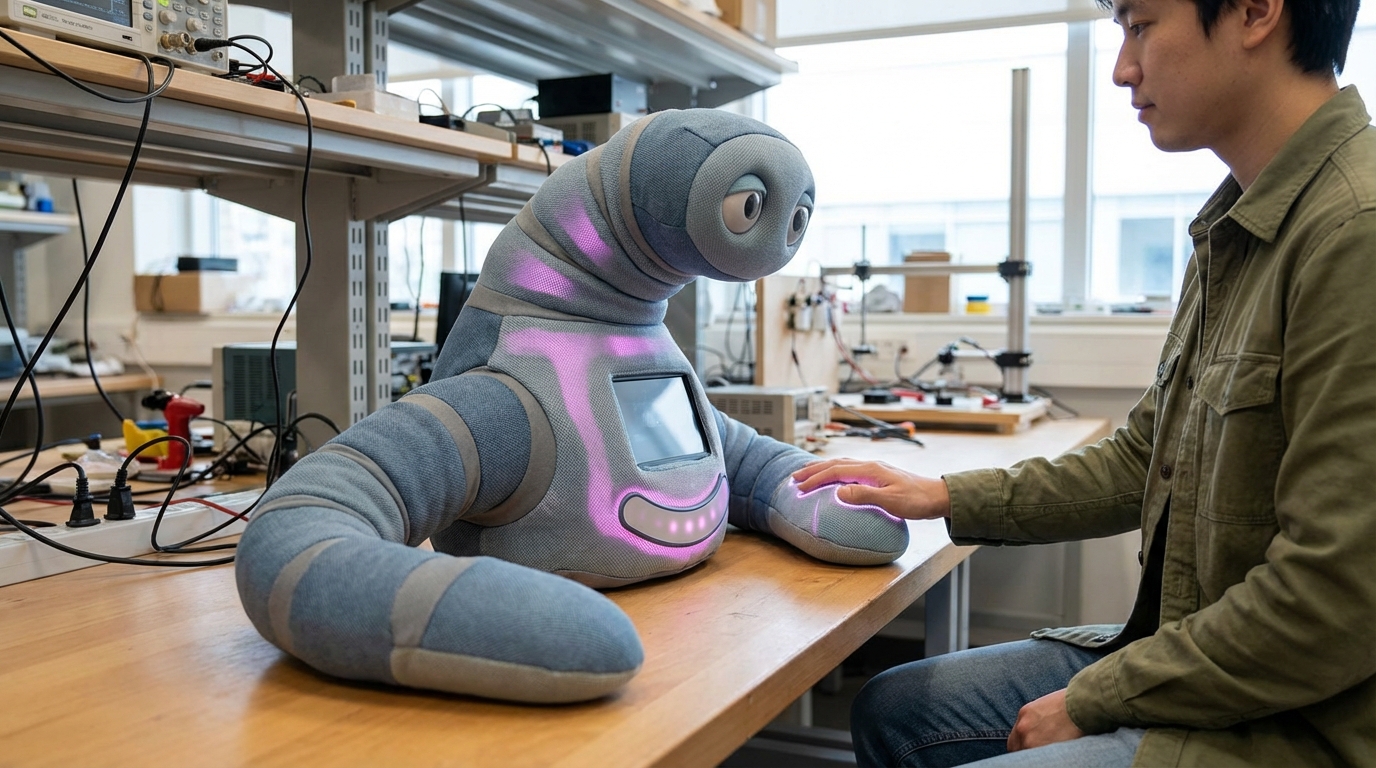
Robots built from flexible materials for safer, more natural human interaction
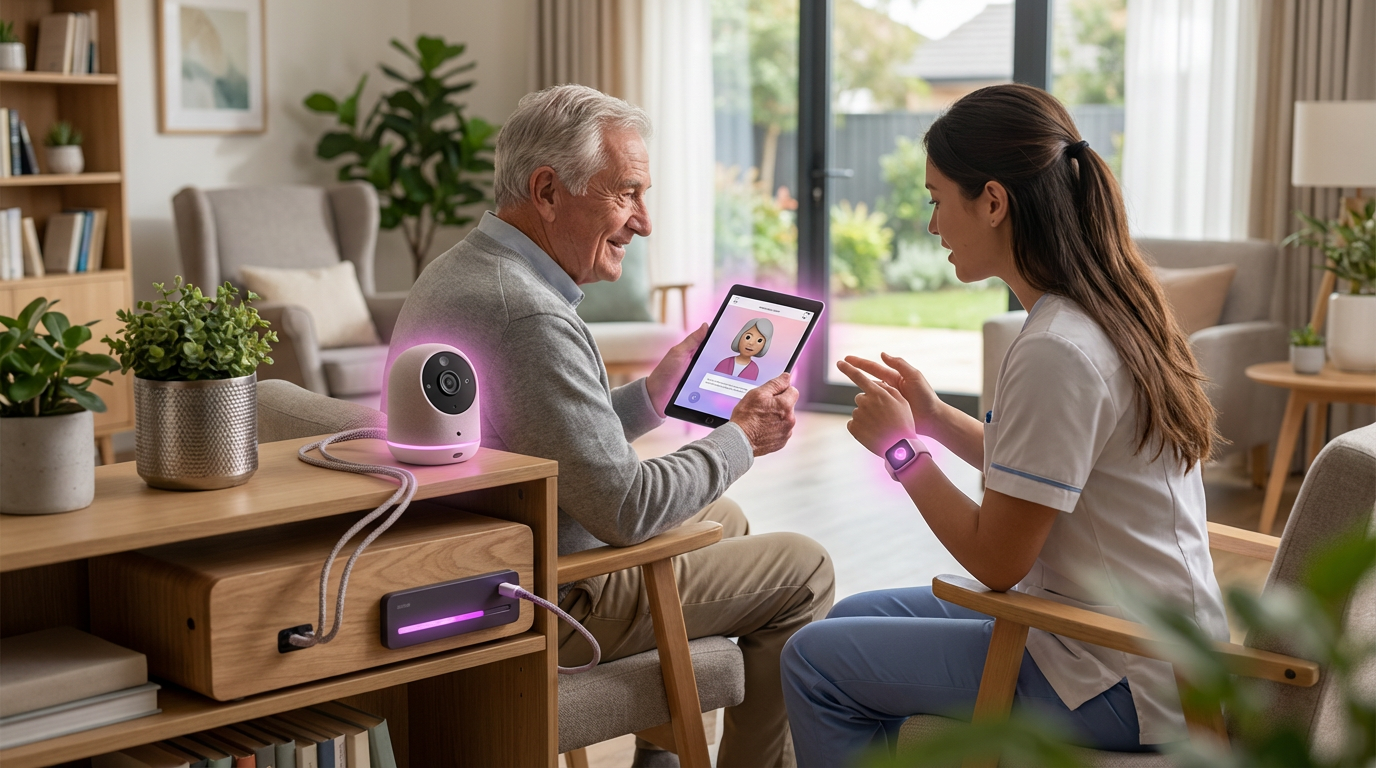
AI agents designed to provide emotional connection and combat social isolation
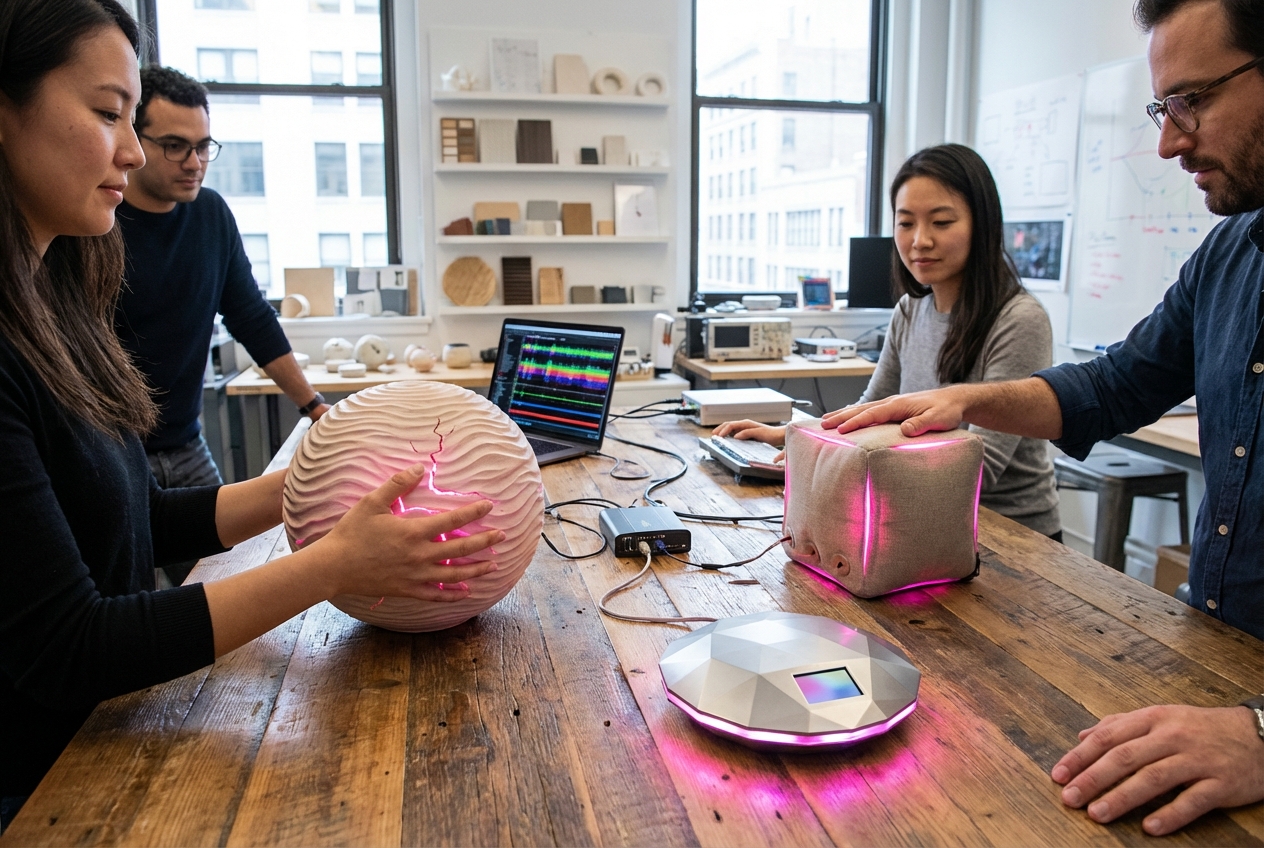
Physical objects that change shape, texture, or temperature to sense and express emotion
Turn this hub into a team session
Interested in our work?
Newsletter
Follow us for weekly foresight in your inbox.