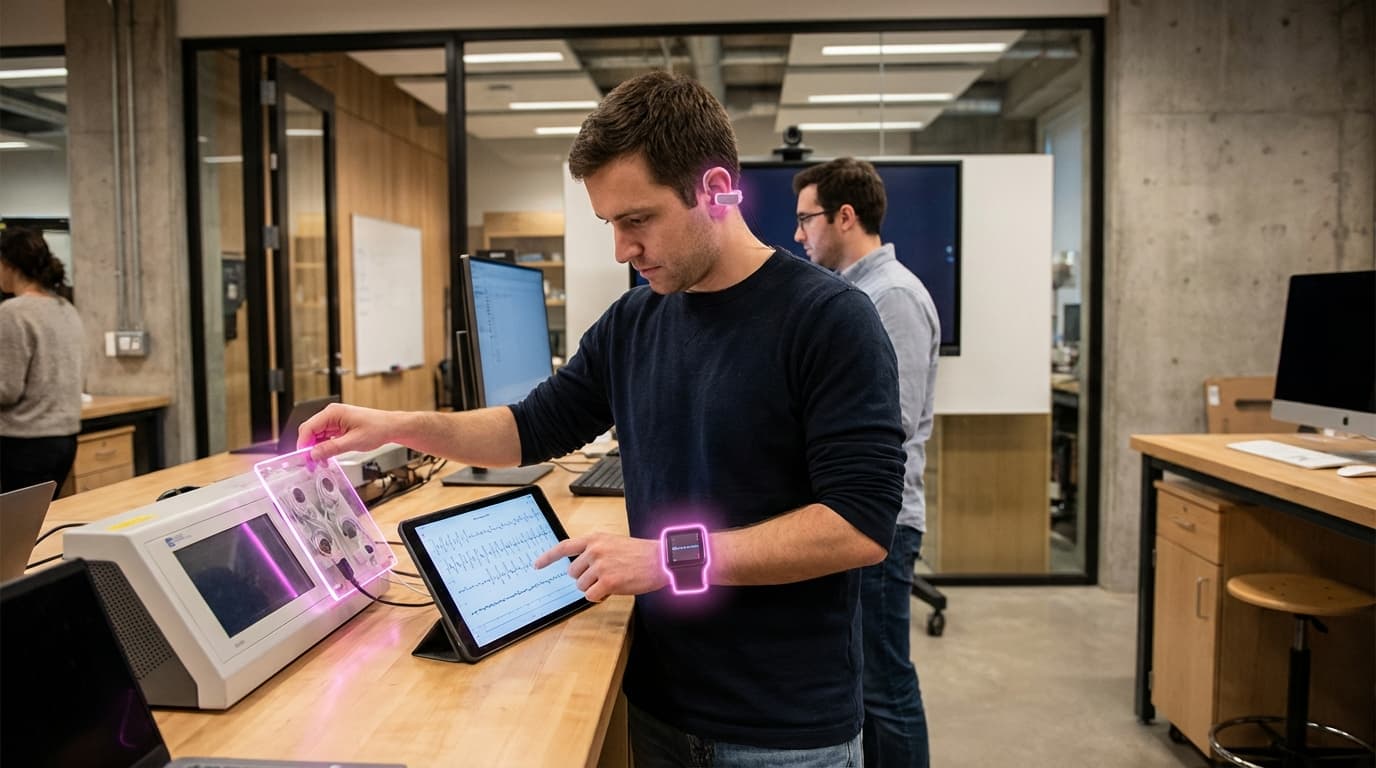
Biosignal Authentication
Biosignal authentication represents a paradigm shift in identity verification, moving beyond traditional passwords and even biometric scans to leverage the unique physiological and affective patterns inherent to each individual. Unlike conventional biometric systems that capture static features like fingerprints or facial geometry, this technology continuously monitors dynamic biological signals—including cardiac rhythms, gait patterns, electrodermal activity, and stress response profiles—to verify identity. These signals are captured through various sensors, from wearable devices equipped with photoplethysmography (PPG) sensors that detect subtle variations in blood flow, to pressure-sensitive floors that analyse walking patterns, to electrocardiogram (ECG) electrodes that map the distinctive electrical activity of the heart. Machine learning algorithms then process these complex datasets to create unique biometric signatures that are extraordinarily difficult to replicate, as they reflect not just physical structure but the intricate interplay of an individual's nervous system, cardiovascular function, and even emotional state.
The primary challenge this technology addresses is the vulnerability of existing authentication methods to theft, replication, and social engineering attacks. Passwords can be stolen or guessed, fingerprints can be lifted and reproduced, and even facial recognition systems can be fooled by sophisticated deepfakes or high-quality photographs. Biosignal authentication overcomes these limitations by requiring the presence of a living, functioning body with its characteristic physiological patterns. The continuous nature of many biosignal monitoring approaches also enables persistent authentication rather than single-point verification, meaning the system can detect if an authorised user steps away and an unauthorised person attempts to take over their session. This capability is particularly valuable in high-security environments such as financial institutions, healthcare facilities, and government agencies where maintaining continuous verification of identity is critical. Furthermore, because these signals are internal and dynamic, they cannot be easily observed or copied by malicious actors, significantly raising the bar for authentication fraud.
Early deployments of biosignal authentication are emerging across multiple sectors, with research institutions and technology companies exploring applications ranging from secure facility access to continuous computer login verification. Some organisations are piloting systems that use cardiac rhythm patterns captured through wearable devices or embedded sensors in keyboards and mice to verify users throughout their work sessions. In healthcare settings, trials are underway to use gait analysis for patient identification, reducing medication errors and preventing identity fraud in medical records. The automotive industry is investigating stress response and heart rate variability patterns as part of driver monitoring systems that could both verify identity and assess fitness to drive. However, the technology also raises profound questions about embodied privacy and the implications of making our most intimate physiological processes legible to authentication systems. As biosignal authentication matures, it will likely become a key component of multi-factor authentication frameworks, offering a layer of security that is both more robust and more seamlessly integrated into daily life than current approaches, while necessitating careful consideration of consent, data protection, and the boundaries between security and surveillance.
Related Organizations

Creates the Nymi Band, a workplace wearable for persistent biometric authentication.

Develops HeartKey, a suite of ECG algorithms for user identification and health monitoring.

Aerendir
United States · Startup
A company developing physiological authentication using proprioception.

A leader in behavioral biometrics, analyzing how users interact with devices to prevent fraud.

Develops continuous authentication software using behavioral biometrics to secure enterprise workflows.

Provides passive facial and voice liveness detection that can be deployed on-device/edge.

Manufacturer of biosensor chips (ThinkGear) and the MindWave headset, enabling low-cost consumer EEG.

Provides an API for typing biometrics (keystroke dynamics) to authenticate users based on how they type.
Valencell
United States · Company
Innovator in biometric sensor technology for wearables.
Zwipe
Norway · Company
Pioneers biometric payment and access cards with integrated fingerprint sensors.
Supporting Evidence
Research this in Signals
Signals turns a topic into a sourced research record you can inspect and rerun. Your first scan is free, and this one starts with Biosignal Authentication already loaded, so edit it or scan as is.