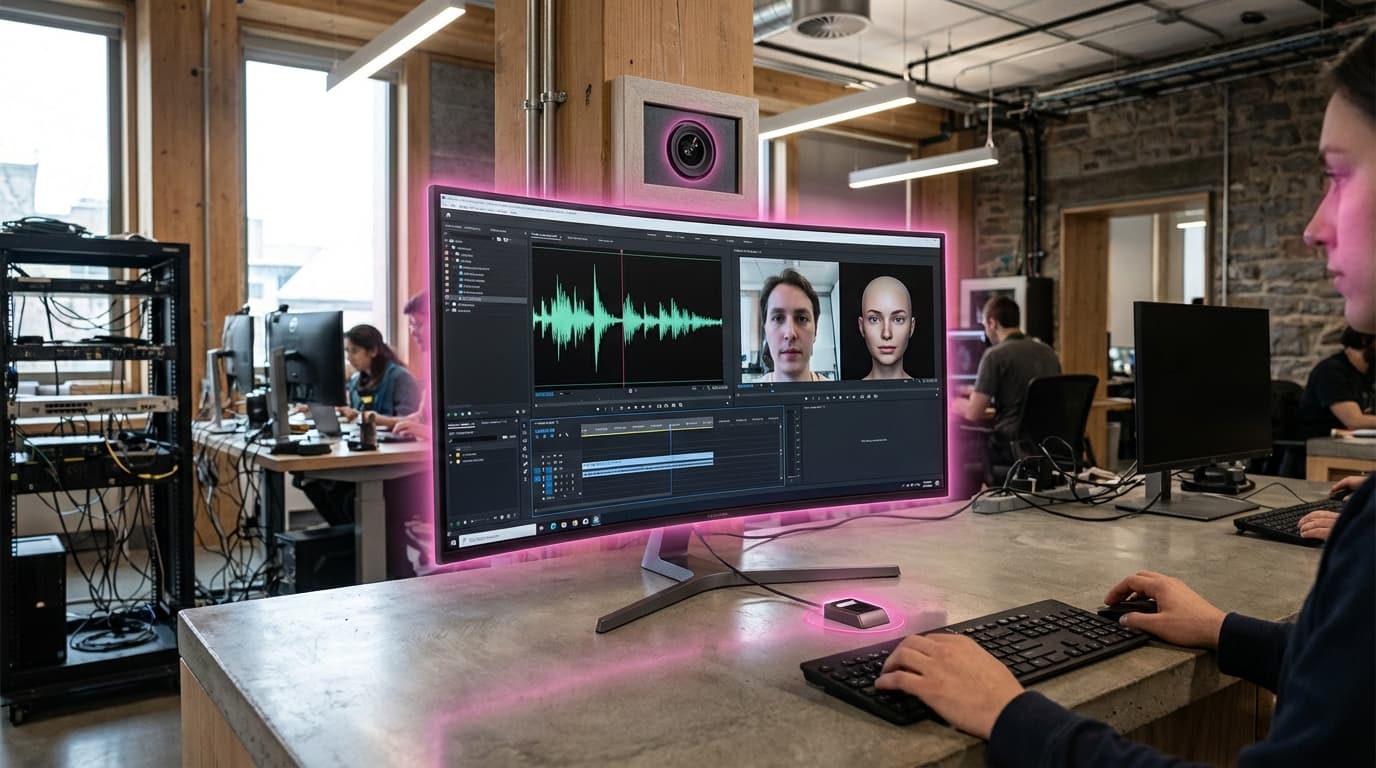
Deepfake Provenance
The proliferation of deepfake technology has created an unprecedented challenge in digital communication and social interaction. As artificial intelligence systems become increasingly sophisticated at generating hyper-realistic synthetic media—from fabricated videos of public figures to entirely artificial personas—the ability to distinguish authentic content from manipulated material has become critical. Traditional methods of verifying digital media authenticity, such as visual inspection or metadata analysis, have proven inadequate against advanced generative models that can seamlessly alter faces, voices, and entire identities. This erosion of trust in digital media threatens everything from personal reputation to democratic processes, creating an urgent need for robust verification systems that can establish and maintain the provenance of digital content throughout its lifecycle.
Deepfake provenance systems address this challenge through a combination of cryptographic techniques and distributed ledger technologies that create immutable records of media creation and modification. At the moment of capture or creation, these systems embed cryptographic signatures directly into digital assets—whether photographs, videos, or avatar representations—establishing a verifiable chain of custody. Some implementations utilise blockchain networks to timestamp and record each stage of a media asset's journey, from initial creation through subsequent edits or distributions, making any unauthorised alterations immediately detectable. Advanced versions incorporate hardware-level signing, where cameras or recording devices themselves generate cryptographic proofs at the point of capture, creating a root of trust that extends from the physical world into the digital realm. This technical infrastructure enables platforms and users to verify not only that content is authentic but also to trace its complete history, identifying when and where modifications occurred.
Early deployments of provenance systems are emerging across social media platforms, news organisations, and enterprise communication tools, driven by growing concerns about misinformation and identity fraud. Research initiatives from technology companies and academic institutions are exploring standards for media authentication that could enable interoperability across different platforms and devices. In professional contexts, these systems are being piloted for corporate communications and legal proceedings, where establishing the authenticity of digital evidence is paramount. The technology also shows promise for protecting individual identity in virtual environments and metaverse platforms, where avatar impersonation and synthetic identity theft pose emerging risks. As regulatory frameworks around digital media authenticity continue to develop, and as public awareness of deepfake threats grows, provenance systems are positioned to become fundamental infrastructure for trusted digital communication, potentially evolving into standard features embedded in cameras, social platforms, and communication tools that help preserve the integrity of human interaction in increasingly digital social spaces.
Related Organizations

An open technical standard body addressing the prevalence of misleading information online through content provenance.

Software giant and founder of the Content Authenticity Initiative (CAI).

Focuses on image provenance and authentication, helping verify that media has not been altered (the inverse of detection).

Provider of digital watermarking and identification technologies.

Provides an enterprise platform for deepfake detection across audio, video, and image formats using multi-model analysis.

Specializes in visual threat intelligence and deepfake detection, monitoring the web for malicious synthetic media.

Public service broadcaster and co-founder of Project Origin.

Develops both generative dubbing tools and deepfake detection algorithms for government use.
Taiwan · Startup
A blockchain-based network for tracing digital media provenance and copyright.

Develops silicon spin qubits using advanced 300mm wafer manufacturing processes.
Supporting Evidence
Research this in Signals
Signals turns a topic into a sourced research record you can inspect and rerun. Your first scan is free, and this one starts with Deepfake Provenance already loaded, so edit it or scan as is.