Neurodiversity-Inclusive Interfaces
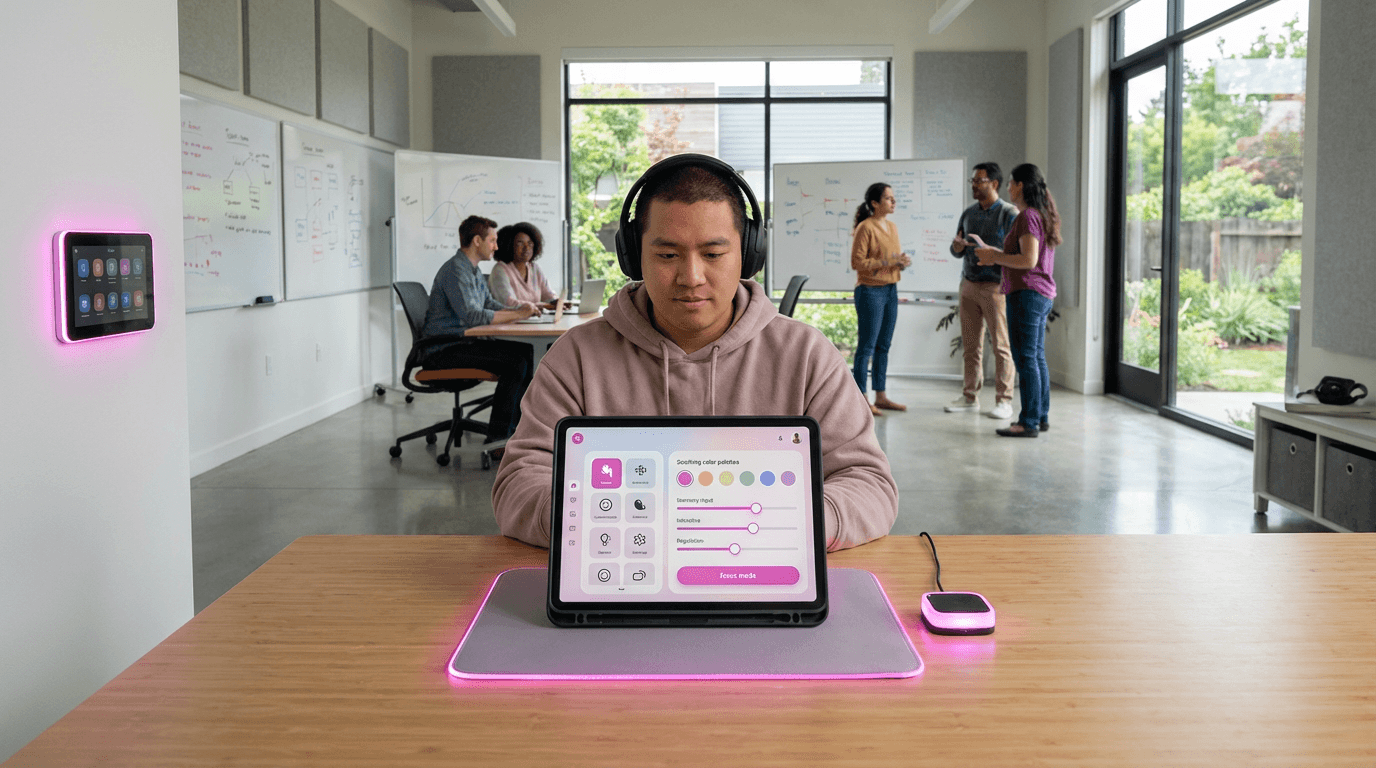
Traditional digital interfaces have long operated on assumptions about how users process information, communicate, and navigate sensory input—assumptions that often exclude or actively harm neurodivergent individuals. People with autism, ADHD, dyslexia, and other neurological variations frequently encounter interfaces that overwhelm with unpredictable animations, ambiguous social cues, or inflexible interaction patterns. These design choices create unnecessary barriers to accessing education, employment, healthcare, and social connection. Neurodiversity-inclusive interfaces address this systemic exclusion by fundamentally rethinking how digital systems accommodate different cognitive processing styles. Rather than forcing users to adapt to a single "neurotypical" interaction model, these systems provide granular control over sensory elements like motion, color intensity, and sound; offer explicit communication scaffolding that makes implicit social expectations visible; and allow users to customize how information is presented and how they respond. The technical foundation includes adaptive algorithms that learn individual preferences, modular design systems that support extensive personalization, and co-design methodologies that center neurodivergent voices throughout development.
The business case for neurodiversity-inclusive design extends far beyond compliance or niche accommodation. Research suggests that neurodivergent individuals represent a significant portion of the population—estimates range from 15-20%—yet most digital products fail to serve this demographic effectively. For organizations, this represents both a massive untapped market and a critical talent accessibility issue, as neurodivergent professionals often possess exceptional skills in pattern recognition, systematic thinking, and creative problem-solving. Companies implementing these interfaces report improved user retention, reduced support costs, and enhanced innovation outcomes. In education technology, neurodiversity-inclusive features enable students to engage with material in ways that match their learning profiles rather than fighting against them. In workplace collaboration tools, these adaptations reduce the cognitive overhead of navigating social ambiguity, allowing neurodivergent employees to focus energy on substantive contributions. The approach also benefits neurotypical users who appreciate reduced clutter, clearer communication, and greater control over their digital environments—a phenomenon known as the "curb-cut effect" where accessibility improvements enhance usability for everyone.
Early implementations have emerged across various sectors, from communication platforms offering structured conversation templates and emotion indicators to virtual reality environments with adjustable sensory intensity controls. Gaming companies have pioneered customizable difficulty settings that separate mechanical skill from cognitive processing speed, while educational software increasingly provides multiple representation modes for the same content. The most successful deployments share a common characteristic: meaningful collaboration with neurodivergent communities throughout the design process, ensuring that solutions address actual needs rather than neurotypical assumptions about those needs. As awareness of neurodiversity grows and digital environments become increasingly central to daily life, these inclusive design principles are shifting from specialized accommodations to mainstream best practices. The convergence of this movement with advances in artificial intelligence and adaptive systems suggests a future where interfaces automatically configure themselves to individual cognitive profiles, creating truly personalized digital experiences that support rather than hinder human diversity.
Related Organizations
Visual planning app designed for neurodiversity, specifically supporting executive function for ADHD and autism.

The international standards organization for the Web, responsible for the Decentralized Identifiers (DID) and Verifiable Credentials (VC) recommendations.

Provides a digital self-management system for people with autism and mental health difficulties, featuring personalized coping strategies.

Through Copilot and the 'Recall' feature in Windows, Microsoft is integrating persistent memory and agentic capabilities directly into the operating system.

Leverages Virtual Reality to teach social and life skills to individuals with Autism Spectrum Disorder (ASD).

Develops literacy and accessibility software like Read&Write and Equatio designed to assist individuals with dyslexia and other learning difficulties.
Ultranauts
United States · Company
A quality engineering firm where 75% of employees are neurodivergent.

An IT consulting business that exclusively employs autistic IT consultants, developing best practices for neuro-inclusive work environments.

A job network for neurodivergent talent that uses a specialized interface to match candidates.

A text-to-speech app founded to help with dyslexia, allowing users to consume written content via audio.
Supporting Evidence
Research this in Signals
Signals turns a topic into a sourced research record you can inspect and rerun. Your first scan is free, and this one starts with Neurodiversity-Inclusive Interfaces already loaded, so edit it or scan as is.