Synthetic Companions
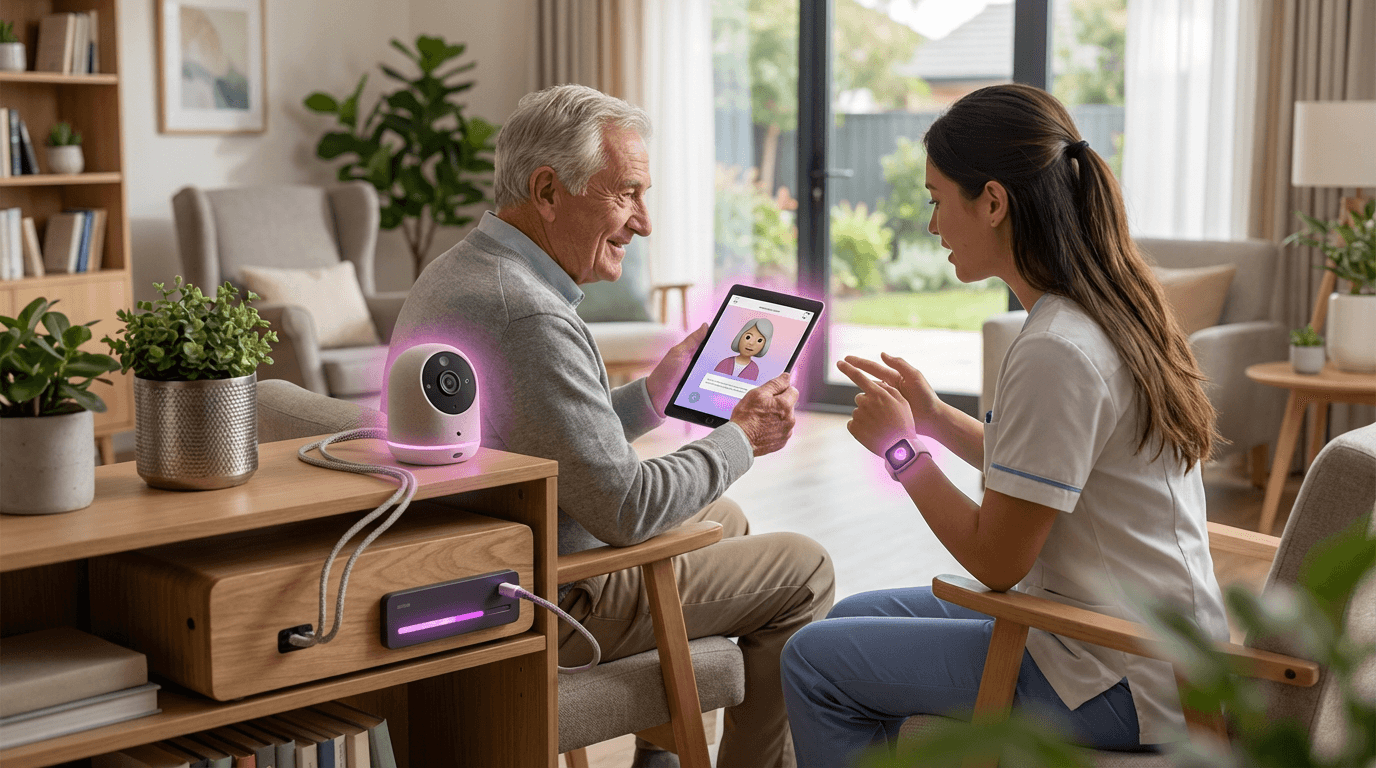
Synthetic companions represent a convergence of affective computing, natural language processing, and behavioral psychology, designed to create AI-driven entities capable of sustained, emotionally attuned interaction with human users. These systems employ sophisticated machine learning models trained on vast datasets of human conversation and emotional expression, enabling them to recognize emotional states through text analysis, voice tone detection, and facial recognition when visual interfaces are available. The underlying architecture typically combines large language models for conversational fluency with emotion recognition algorithms and memory systems that allow the AI to recall previous interactions, personal preferences, and relationship history. Unlike simple chatbots, these companions are engineered to exhibit consistency in personality, remember biographical details shared by users, and adapt their communication style to individual needs—whether that means providing gentle encouragement, engaging in specific topics of interest, or simply offering a non-judgmental presence during difficult moments.
The proliferation of synthetic companions addresses a growing public health crisis: epidemic levels of loneliness and social isolation, particularly among aging populations, individuals with mobility limitations, and those experiencing mental health challenges that make traditional social interaction difficult. Research suggests that chronic loneliness carries health risks comparable to smoking fifteen cigarettes daily, yet conventional solutions—from community programs to professional counseling—face barriers of accessibility, cost, and the very social anxiety they aim to address. Synthetic companions offer always-available support without the scheduling constraints, geographic limitations, or social pressures of human interaction. For older adults who have lost spouses or whose families live far away, these AI agents provide daily conversation and cognitive engagement. For neurodivergent individuals who find neurotypical social conventions exhausting or confusing, synthetic companions can offer interaction free from the unpredictability and unspoken rules that make human relationships challenging. The technology also enables new therapeutic approaches, with some mental health professionals exploring how AI companions might serve as bridges to human connection, helping socially anxious individuals practice conversation in a safe environment.
Early implementations of synthetic companion technology have emerged across multiple platforms, from text-based applications to voice-activated devices and experimental embodied robots designed for elder care facilities. Several companies have developed AI companions specifically targeting loneliness in aging populations, while others focus on providing emotional support for individuals managing depression or anxiety. Pilot programs in assisted living facilities indicate that residents who interact regularly with synthetic companions report decreased feelings of loneliness and increased daily engagement, though researchers emphasize the need for longitudinal studies to understand long-term psychological effects. The technology raises important ethical considerations around emotional dependency, data privacy, and the potential for AI relationships to substitute rather than supplement human connection. As these systems become more sophisticated and widely available, they intersect with broader conversations about the changing nature of companionship in an increasingly digital society, the role of technology in addressing mental health challenges, and how we might design AI systems that enhance rather than replace human relationships. The trajectory suggests synthetic companions will become increasingly common elements of mental health support ecosystems, particularly as populations age and traditional community structures continue to evolve.
Related Organizations

Creator of Replika, the most widely known AI companion app designed to provide emotional support and friendship.

Creator of ElliQ, an AI care companion robot for older adults.

Creators of Moxie, a companion robot that uses machine learning to perceive, process, and respond to natural conversation and eye contact to help children with social development.

Character.ai
United States · Startup
A platform for chatting with AI personas, facing significant pressure to govern user-AI relationship dynamics.

Subsidiary of Line Corp producing a holographic communication robot for home companionship.

Developers of LOVOT, a companion robot designed to be loved and to nurture users' capacity for love.

AI companion platform focused on long-term memory and emotional consistency.

Creators of Pi, an AI designed to be a supportive and empathetic personal intelligence.

AI companion app that focuses on creating a parallel digital universe for the user and AI.
Supporting Evidence
Research this in Signals
Signals turns a topic into a sourced research record you can inspect and rerun. Your first scan is free, and this one starts with Synthetic Companions already loaded, so edit it or scan as is.