Affect-Adaptive Dialogue Models
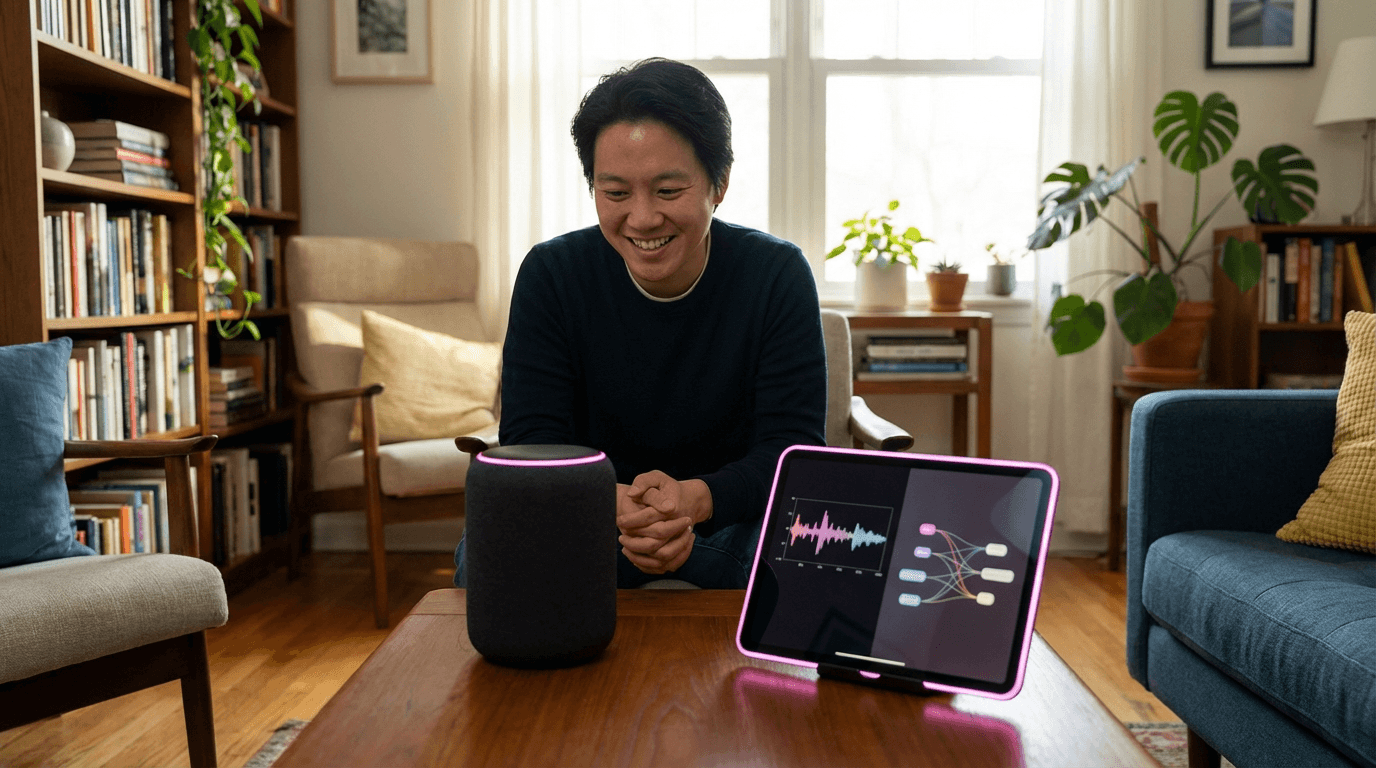
Affect-adaptive dialogue models represent a significant evolution in conversational AI, moving beyond simple sentiment detection to maintain sophisticated, longitudinal understanding of user emotional states. Unlike traditional chatbots that respond to isolated utterances, these systems employ specialized architectures that track affective patterns across multiple interactions, sometimes spanning days or weeks. The technical foundation combines large language models with emotion recognition modules that process vocal prosody, facial expressions, and linguistic markers to build a persistent emotional profile of each user. This profile is stored in what researchers call "affective memory," allowing the system to recognize patterns such as recurring stress triggers, gradual mood deterioration, or positive behavioral trends. The models then dynamically adjust their conversational strategies—modulating response length, vocabulary complexity, empathetic language, and even conversation pacing—based on both immediate emotional cues and historical context.
The development of these systems addresses a critical limitation in human-computer interaction: the inability of most AI interfaces to provide emotionally intelligent, contextually appropriate support over extended periods. In healthcare settings, this technology enables virtual mental health companions that can detect early warning signs of depression or anxiety by comparing current affect against baseline patterns, potentially alerting human clinicians when intervention may be needed. Corporate wellness programs are exploring these models for employee support systems that recognize burnout trajectories and proactively suggest resources or schedule check-ins. Educational technology companies are integrating affect-adaptive dialogue into tutoring systems that can identify student frustration or disengagement and adjust teaching strategies accordingly. The technology also shows promise in eldercare, where social robots equipped with these models can provide companionship while monitoring emotional well-being and cognitive changes over time.
Early deployments in therapeutic chatbot applications and customer service contexts suggest that users develop stronger rapport with systems that demonstrate emotional continuity across conversations. Research indicates that affect-adaptive models can improve user retention in mental health apps and increase the effectiveness of digital coaching interventions by personalizing support based on individual emotional patterns rather than generic protocols. As these systems mature, they are likely to become standard features in any AI application involving repeated human interaction, from virtual assistants to educational platforms. The convergence of this technology with advances in multimodal sensing—including wearable devices that track physiological stress markers—points toward increasingly sophisticated emotional intelligence in artificial systems. However, the trajectory also raises important questions about emotional privacy, the appropriate boundaries of machine empathy, and the potential for these systems to complement rather than replace human connection in contexts where genuine interpersonal support remains irreplaceable.
Related Organizations

Developing an Empathic Voice Interface (EVI) that detects and responds to human emotion.

Pioneering research group led by Rosalind Picard that develops systems to recognize, interpret, and simulate human affects, including adaptive interfaces.

Creates autonomously animated 'Digital People' with simulated nervous systems.

The pioneer in Emotion AI, spun out of MIT Media Lab, now part of Smart Eye.

A spin-off from TU Munich specializing in audio analysis and speech emotion recognition.

Develops voice biomarker technology for mental health.

A mental health company offering an AI-powered chatbot based on Cognitive Behavioral Therapy (CBT).

Develops vocal emotion AI that can identify emotions from voice in real-time regardless of language.

An enterprise AI company specializing in conversational service automation, using tonal analysis to detect customer sentiment and emotion.
Supporting Evidence
Research this in Signals
Signals turns a topic into a sourced research record you can inspect and rerun. Your first scan is free, and this one starts with Affect-Adaptive Dialogue Models already loaded, so edit it or scan as is.