Generative Cultural Agents
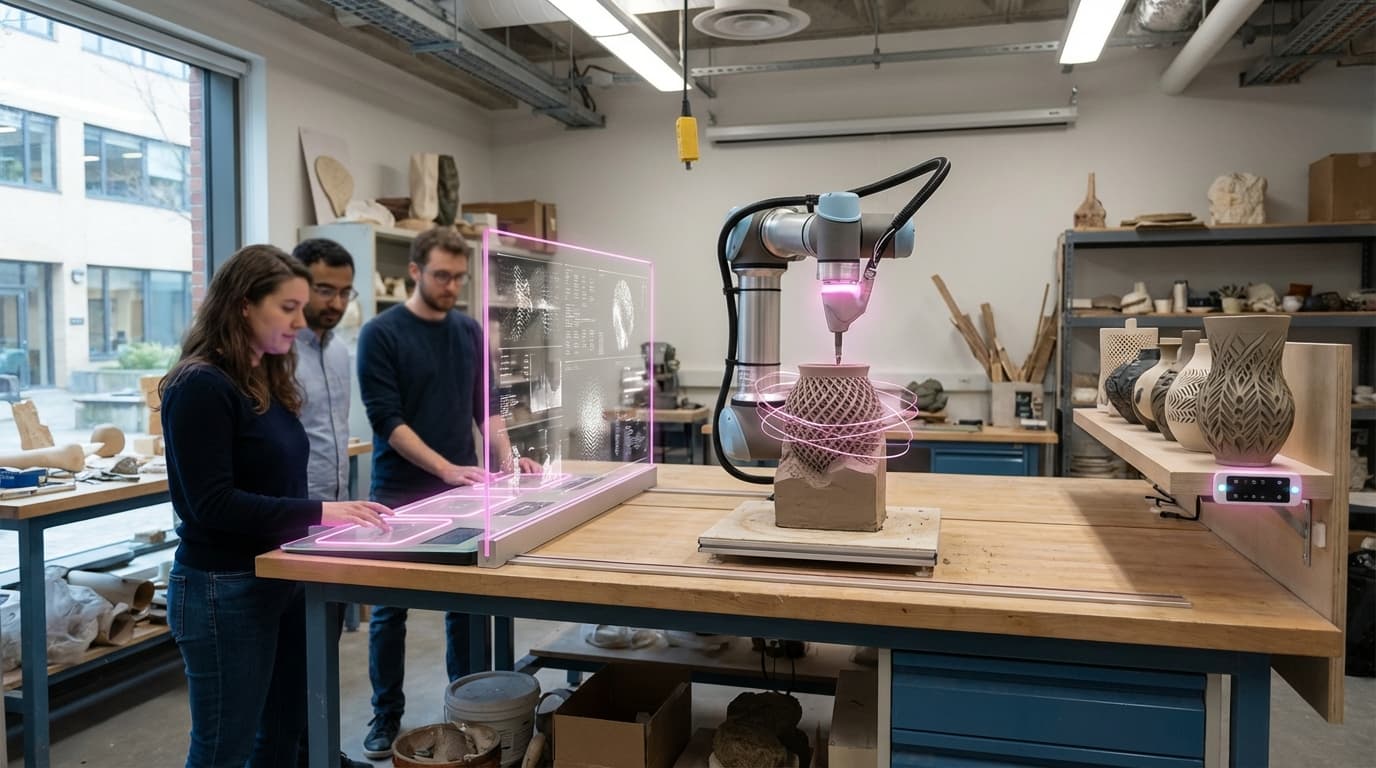
Generative Cultural Agents represent a class of artificial intelligence systems designed to analyze, learn from, and synthesize cultural expressions by processing vast datasets of human creative output. Unlike traditional AI tools that merely assist in creative processes, these agents autonomously generate cultural artifacts—including visual art, musical compositions, literary narratives, and even social interaction patterns—by identifying underlying structures, aesthetic principles, and cultural conventions within their training data. The technology typically employs deep learning architectures, particularly transformer models and generative adversarial networks, which can discern complex patterns in everything from Renaissance paintings to contemporary social media discourse. These systems don't simply remix existing content; they develop latent representations of cultural knowledge that enable them to produce novel outputs that feel authentically human while potentially introducing entirely new aesthetic vocabularies.
The emergence of these agents addresses a fundamental challenge in the digital age: the growing demand for personalized, culturally relevant content that exceeds human production capacity. Traditional content creation struggles to keep pace with the appetite of global digital platforms, while also failing to adequately represent the diversity of cultural perspectives across different communities. Generative Cultural Agents offer a solution by enabling the rapid production of culturally nuanced content that can adapt to specific audiences, contexts, and interaction patterns. Research suggests these systems can help preserve endangered cultural traditions by learning from limited historical records and generating new expressions within those frameworks. They also enable new forms of participatory culture, where users can collaborate with AI to co-create artifacts that blend human intention with machine-generated possibilities, potentially democratizing creative expression for those without traditional artistic training.
Early deployments of generative cultural agents have appeared in experimental art installations, music production tools, and interactive storytelling platforms, though widespread commercial adoption remains in nascent stages. Museums and cultural institutions have begun commissioning AI-generated exhibitions that explore the boundaries between human and machine creativity, while entertainment companies experiment with AI systems that can generate culturally specific content for diverse global audiences. The technology's trajectory suggests a future where digital culture becomes increasingly hybrid, with human and artificial agents co-evolving new forms of expression that neither could produce independently. This raises profound questions about authorship, cultural authenticity, and the nature of creativity itself, as these systems begin to influence not just what we create but how we understand and transmit cultural values across generations. As these agents become more sophisticated, they may serve as both mirrors reflecting our cultural patterns back to us and engines generating entirely novel cultural forms that expand the boundaries of human expression.
Related Organizations

A decentralized autonomous artist governed by a DAO, where an AI generates art and the community votes on its 'taste' and evolution.

A platform for creating AI characters with distinct personalities, memories, and contextual awareness for games and virtual worlds.
A generative AI audio company building models that generate realistic music and speech.

Character.ai
United States · Startup
A platform for chatting with AI personas, facing significant pressure to govern user-AI relationship dynamics.

Midjourney
United States · Company
An independent research lab exploring new mediums of thought and expanding the imaginative powers of the human species through generative image AI.

Developers of the Gemini family of models, which are trained from the start to be multimodal across text, images, video, and audio.

Creators of AI Dungeon, the first commercially successful text adventure game driven entirely by AI narrative engines.

Open source generative AI company, creators of Stable Audio.

The global hub for open-source AI models and datasets. Founded by French entrepreneurs with a major office in Paris.
Supporting Evidence
Research this in Signals
Signals turns a topic into a sourced research record you can inspect and rerun. Your first scan is free, and this one starts with Generative Cultural Agents already loaded, so edit it or scan as is.