Neurodivergent Design Standards
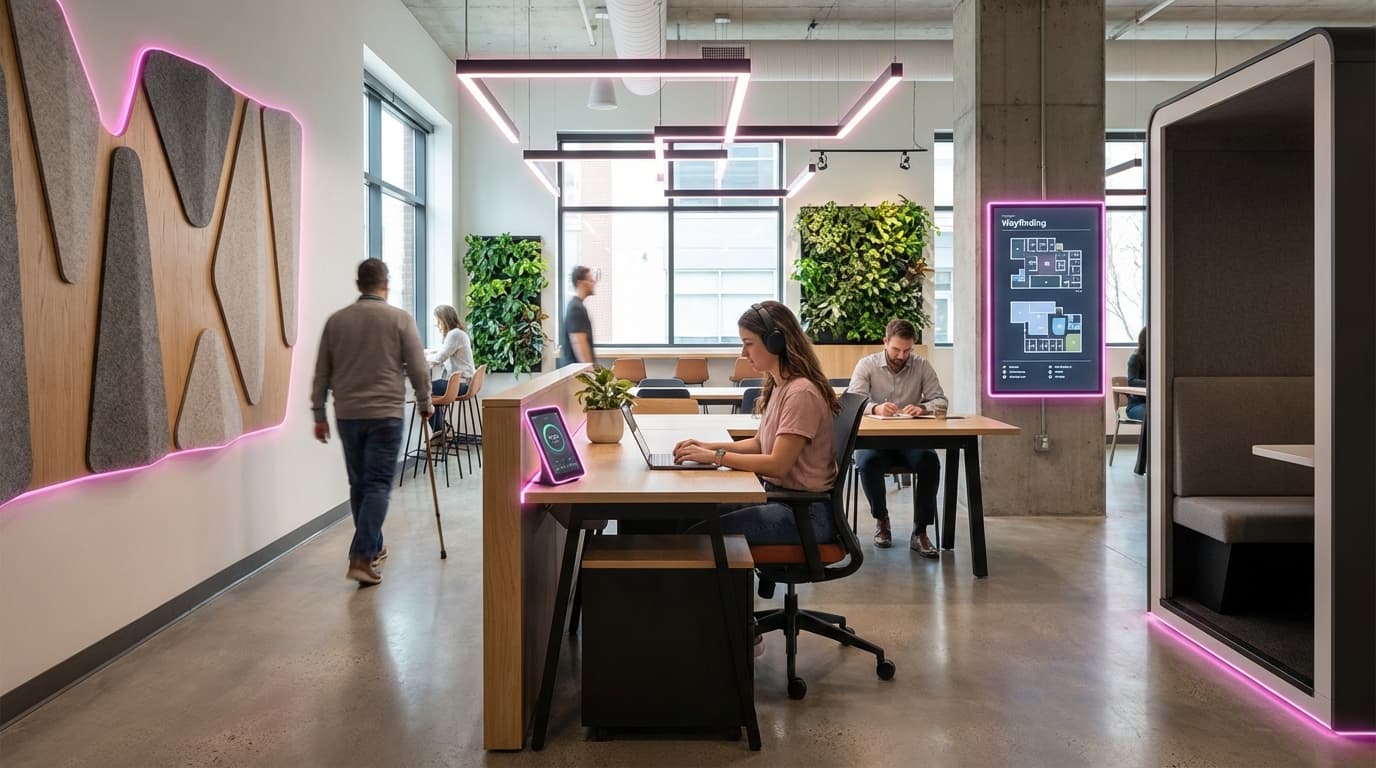
Neurodivergent design standards represent a fundamental shift in how digital interfaces and affective technologies accommodate cognitive and sensory differences. Unlike traditional accessibility guidelines that often treat neurological variation as a deficit to be corrected, these standards recognize neurodivergence—including autism, ADHD, dyslexia, and other cognitive differences—as natural human variation requiring thoughtful design consideration. The technical framework encompasses specific parameters for sensory input control, cognitive load management, and interaction flexibility. This includes adjustable sensory thresholds for visual, auditory, and haptic feedback; customizable interface complexity levels; and alternative navigation pathways that don't assume neurotypical processing patterns. Critically, these standards mandate transparent opt-out mechanisms for social-emotional inference systems, allowing users to disable features like emotion detection, gaze tracking, or behavioral prediction algorithms that may misinterpret neurodivergent expressions and responses.
The development of these standards addresses a significant gap in current human-computer interaction design, where affective computing systems frequently pathologize behaviors that are normal for neurodivergent individuals. Traditional emotion recognition algorithms, for instance, often fail to account for differences in facial expression, vocal tone, or body language common among autistic individuals, leading to misclassification and potentially harmful interventions. Neurodivergent design standards solve this by requiring systems to support stimming behaviors—repetitive movements or sounds that aid self-regulation—rather than flagging them as problematic. They also facilitate masking reduction by creating environments where neurodivergent users don't feel compelled to suppress natural behaviors to appear neurotypical. This approach enables new possibilities for workplace accommodations, educational platforms, and social technologies that genuinely support diverse cognitive styles rather than forcing conformity to narrow behavioral norms.
Research communities and advocacy organizations have begun collaborating on these frameworks, with early implementations appearing in specialized communication platforms and workplace productivity tools designed with neurodivergent input from inception. These applications demonstrate how sensory regulation features—such as customizable notification systems, adjustable environmental simulations, and predictable interaction patterns—can significantly improve user experience and reduce cognitive fatigue. The standards also inform the development of educational technologies that recognize different learning patterns and processing speeds without framing them as deficiencies. As affective computing becomes increasingly embedded in everyday technologies, from virtual reality environments to smart home systems, the adoption of neurodivergent design standards becomes essential to preventing the digital world from replicating and amplifying existing biases. This movement aligns with broader trends toward inclusive design and disability justice, recognizing that technologies shaped by diverse perspectives ultimately create more flexible, humane systems that benefit all users, regardless of neurological makeup.
Related Organizations

The international standards organization for the Web, responsible for the Decentralized Identifiers (DID) and Verifiable Credentials (VC) recommendations.

A nonprofit run by and for autistic people, advocating for policy and inclusive design.

Visual planning app designed for neurodiversity, specifically supporting executive function for ADHD and autism.
Ultranauts
United States · Company
A quality engineering firm where 75% of employees are neurodivergent.

Provides a digital self-management system for people with autism and mental health difficulties, featuring personalized coping strategies.

Develops literacy and accessibility software like Read&Write and Equatio designed to assist individuals with dyslexia and other learning difficulties.

A friendship and dating app specifically designed for the Autistic community.

A resource hub dedicated to shaping the world for difference, focusing on learning and thinking differences.

A foundation working to enable one million jobs for people with autism and similar challenges.

Through Copilot and the 'Recall' feature in Windows, Microsoft is integrating persistent memory and agentic capabilities directly into the operating system.
Supporting Evidence
Research this in Signals
Signals turns a topic into a sourced research record you can inspect and rerun. Your first scan is free, and this one starts with Neurodivergent Design Standards already loaded, so edit it or scan as is.