Tracking signals shaping the future of reality-shaping technologies — spatial computing, immersive systems, sensory overlays, and hybrid presence platforms.
Technologies
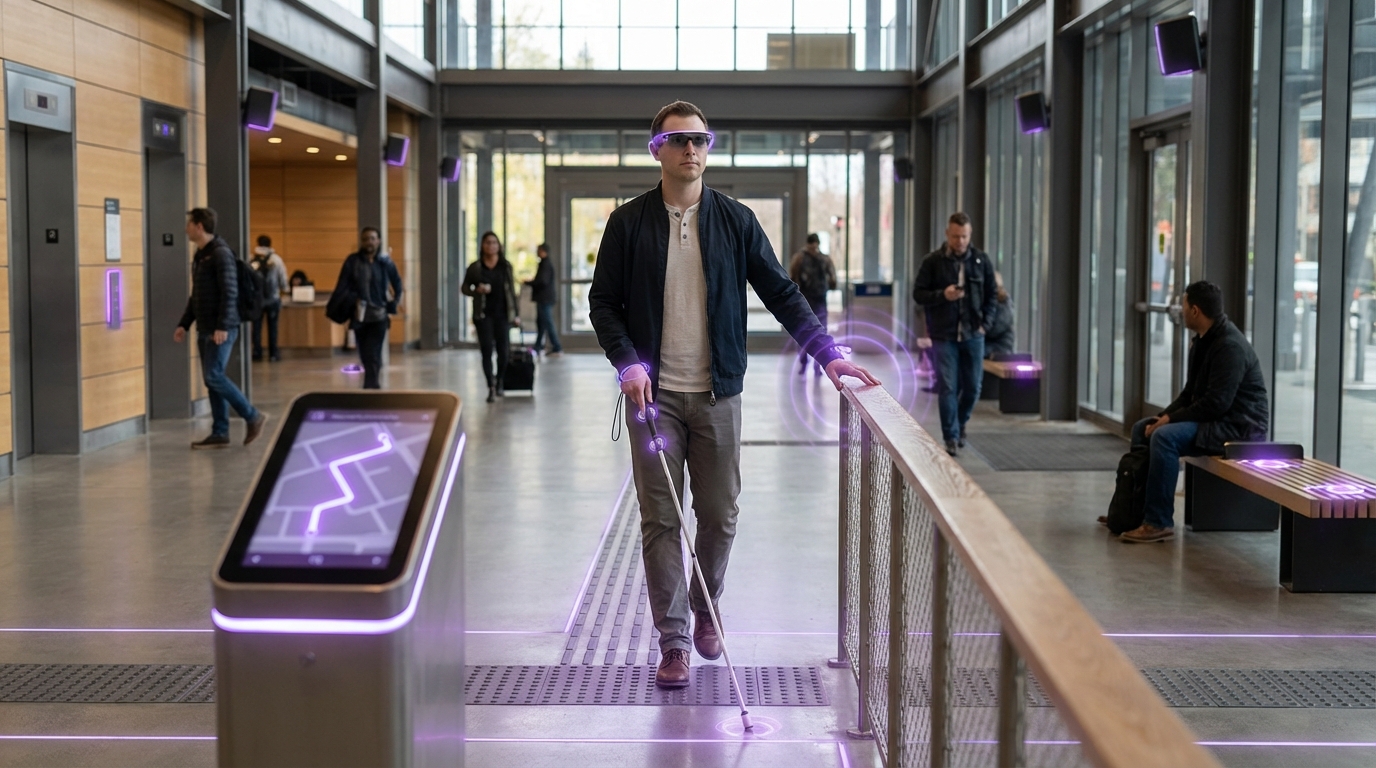
XR systems that guide blind, low-vision, and mobility-impaired users through physical spaces
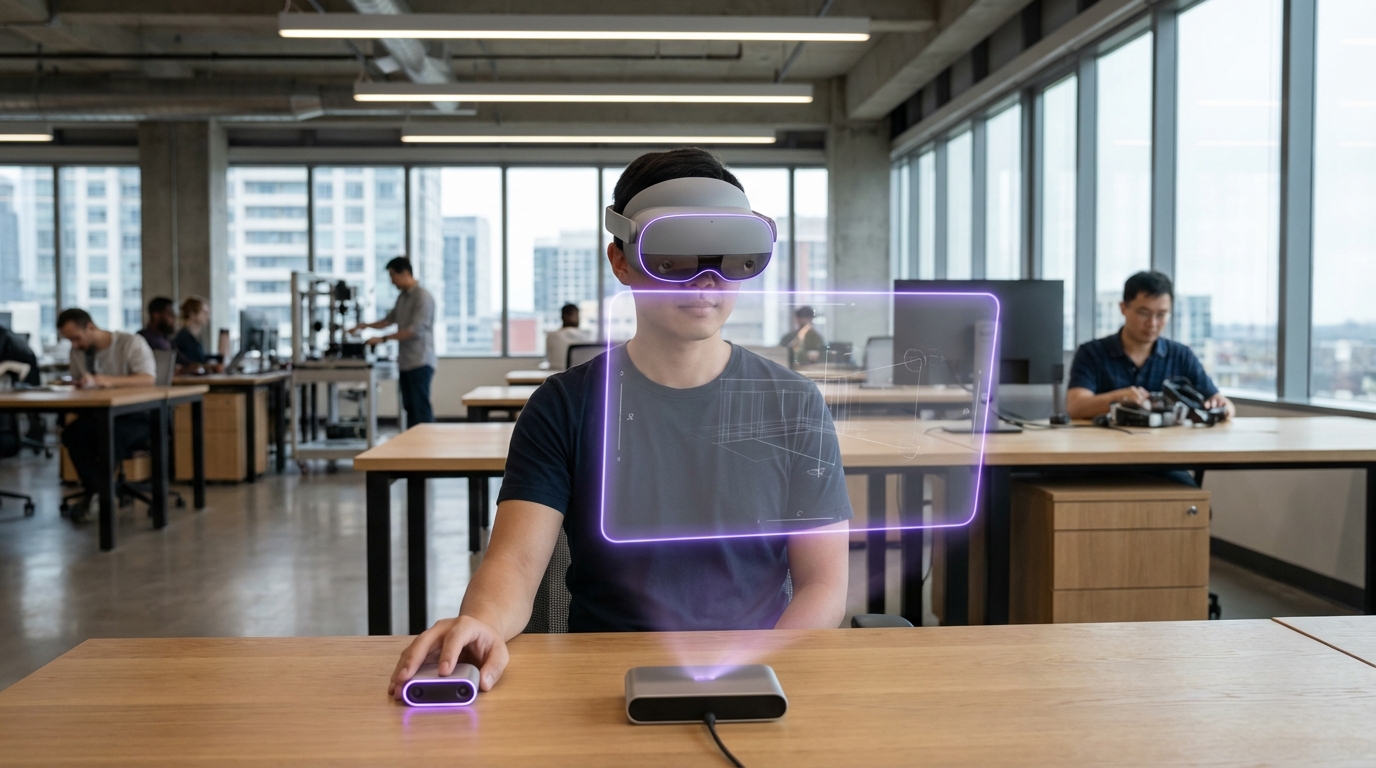
Technical and regulatory constraints preventing exploitative persuasive design in XR environments
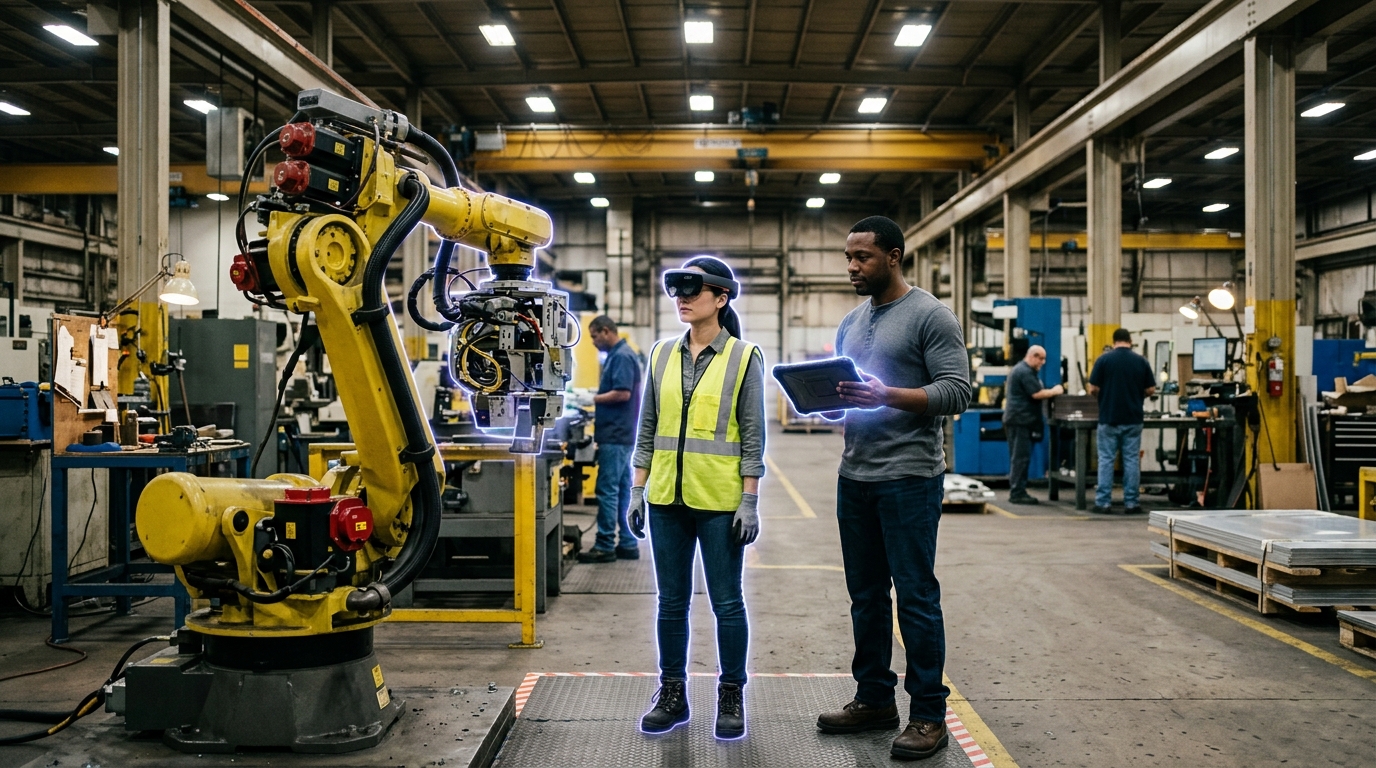
Overlays digital graphics, text, and 3D objects onto real-world views through phones or headsets
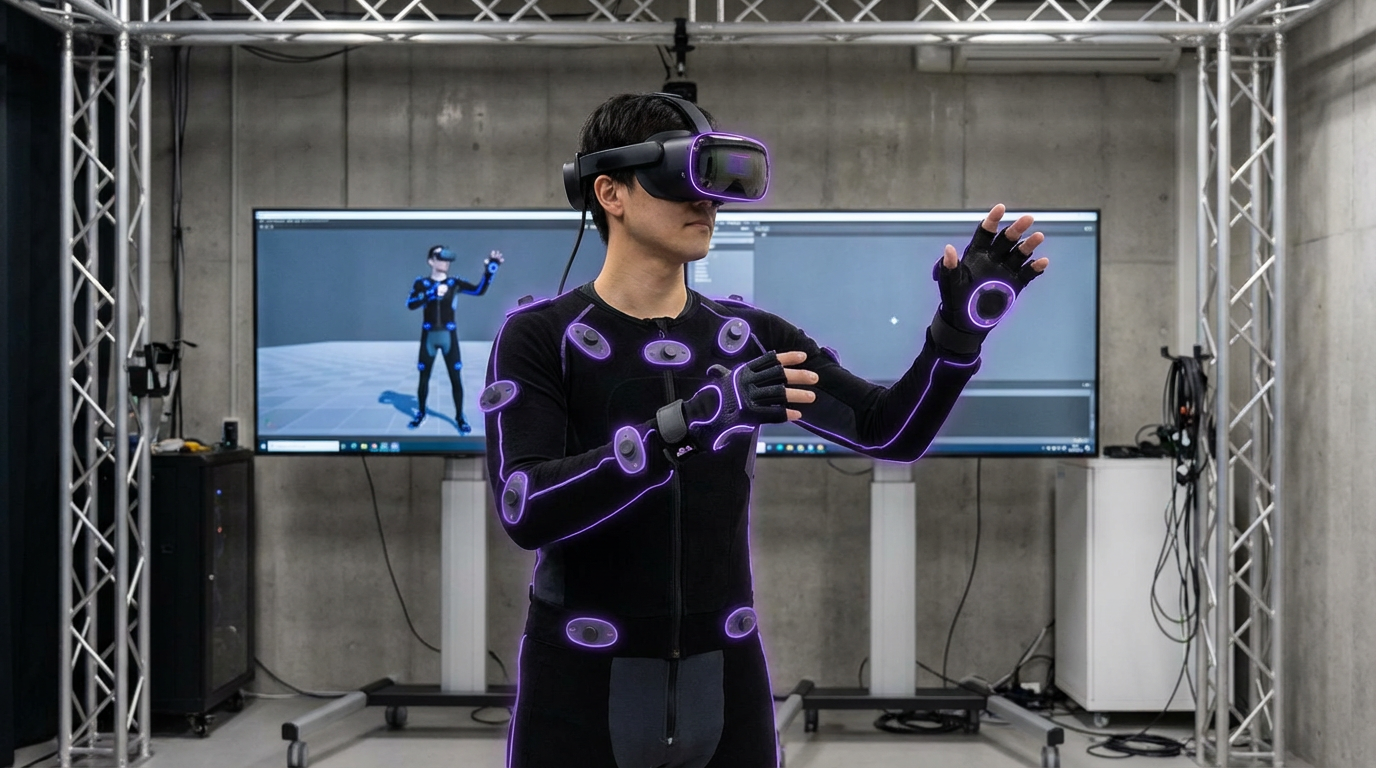
Real-time systems translating human motion and expression into digital avatars
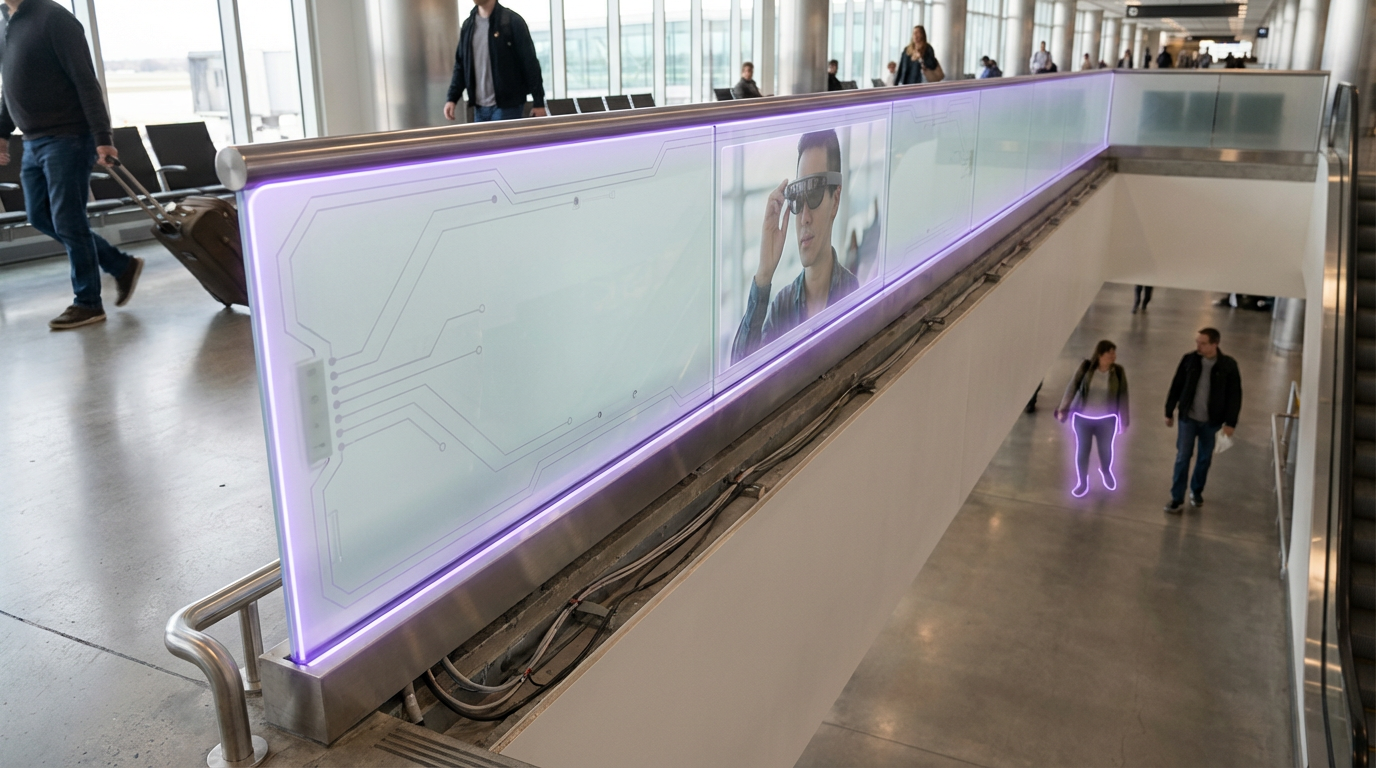
Privacy frameworks for people captured by spatial computing devices without their participation

Augmented reality overlays that render climate data and environmental futures onto physical landscapes
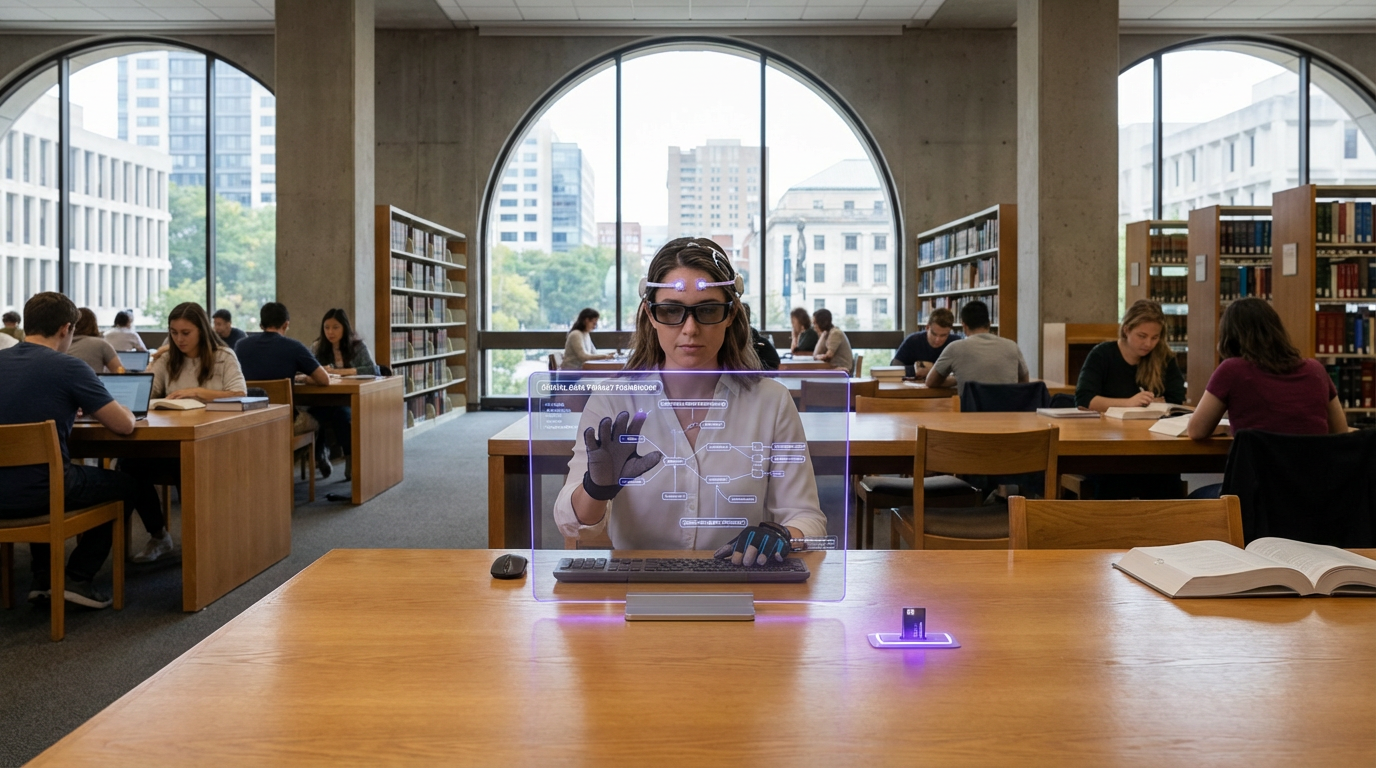
Legal frameworks protecting neural data, mental privacy, and freedom of thought from neurotechnology
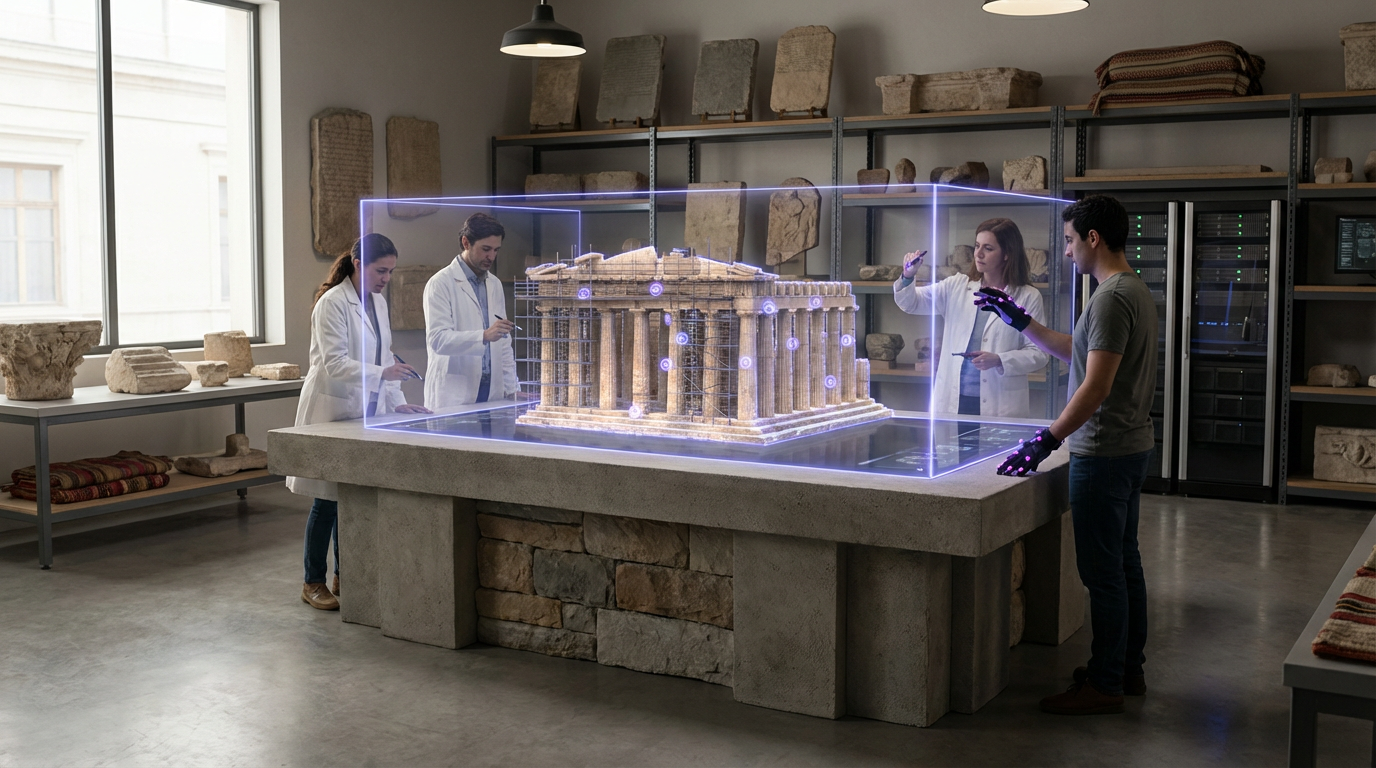
Digital replicas of endangered sites, artifacts, and cultural practices using 3D scanning and spatial data
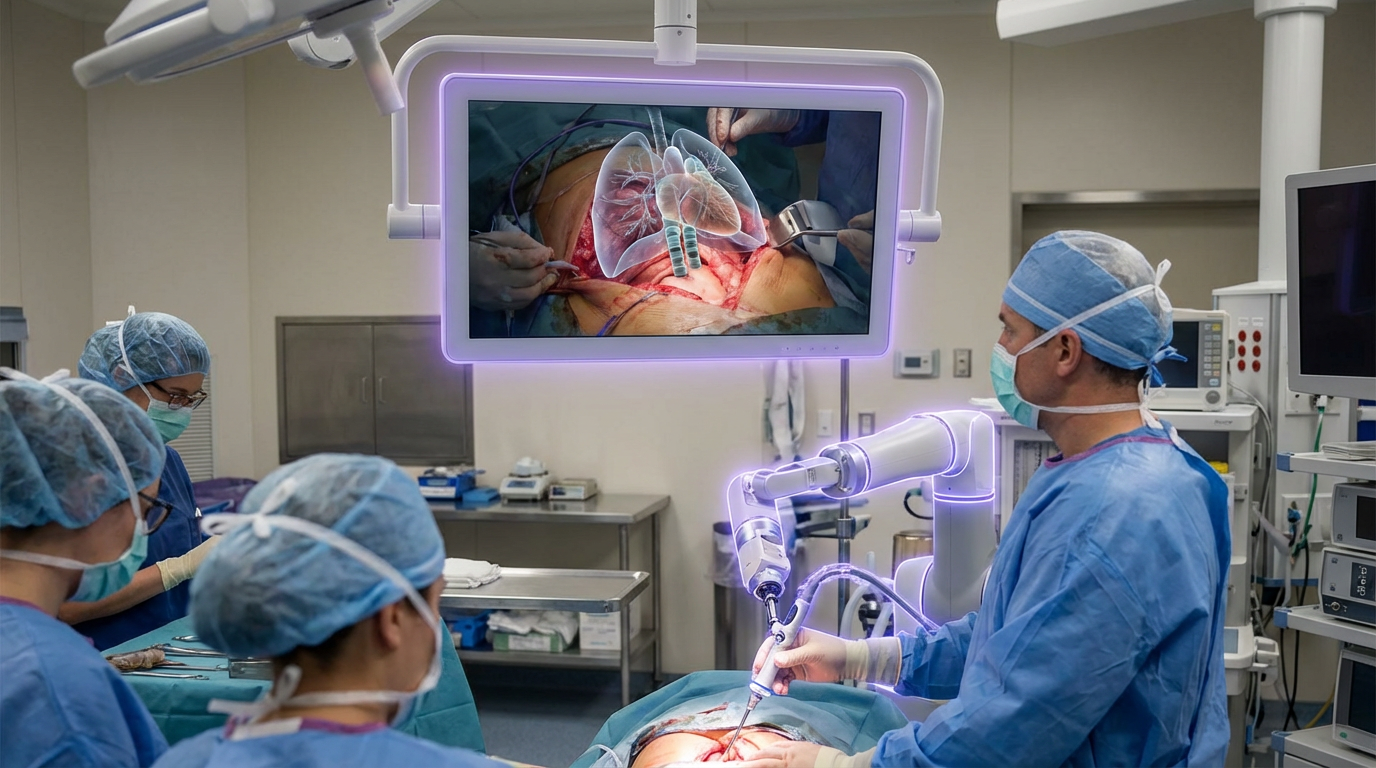
Real-time AR overlay of patient anatomy during surgical procedures

Real-time spatial mapping and coordination tools for multi-agency emergency response teams
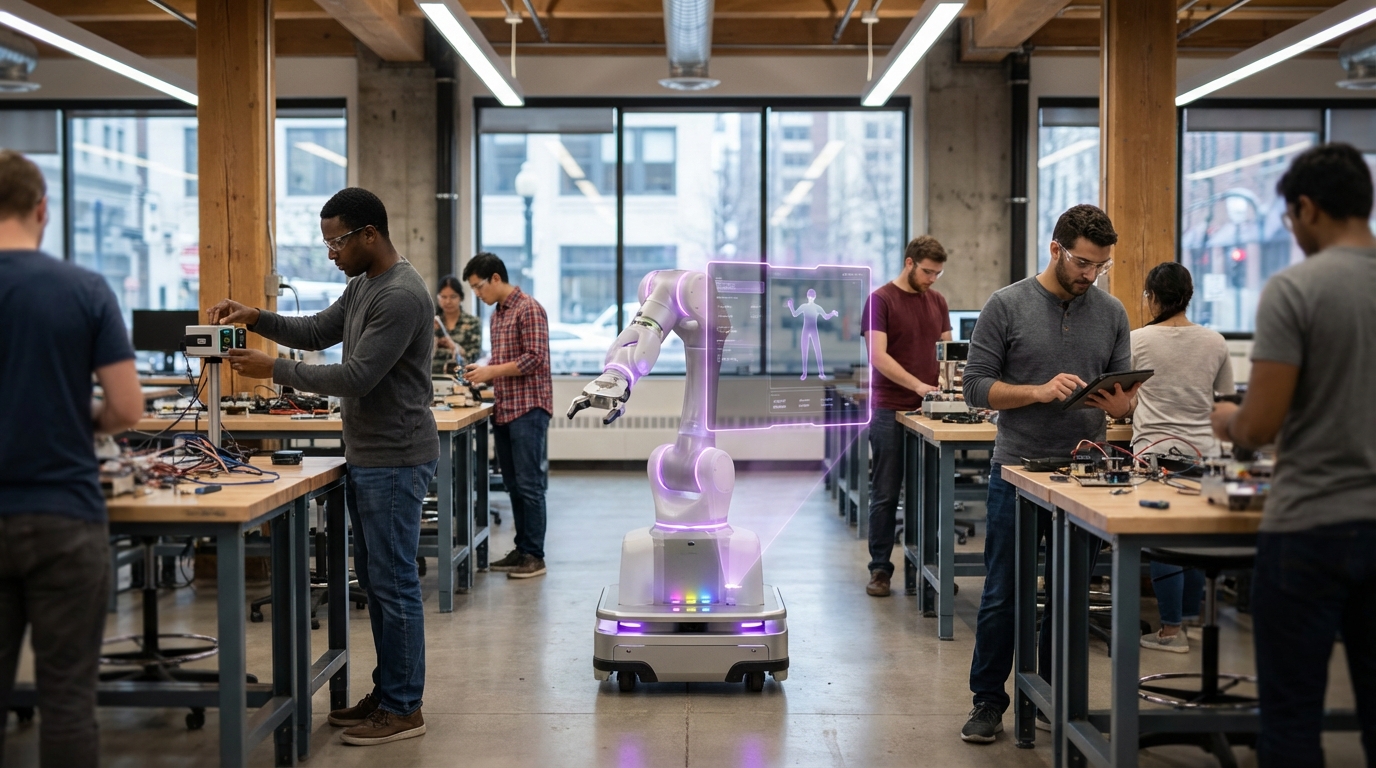
AI systems that perceive and navigate 3D spaces like physical or virtual worlds

Measuring the ecological footprint of immersive tech from production to disposal
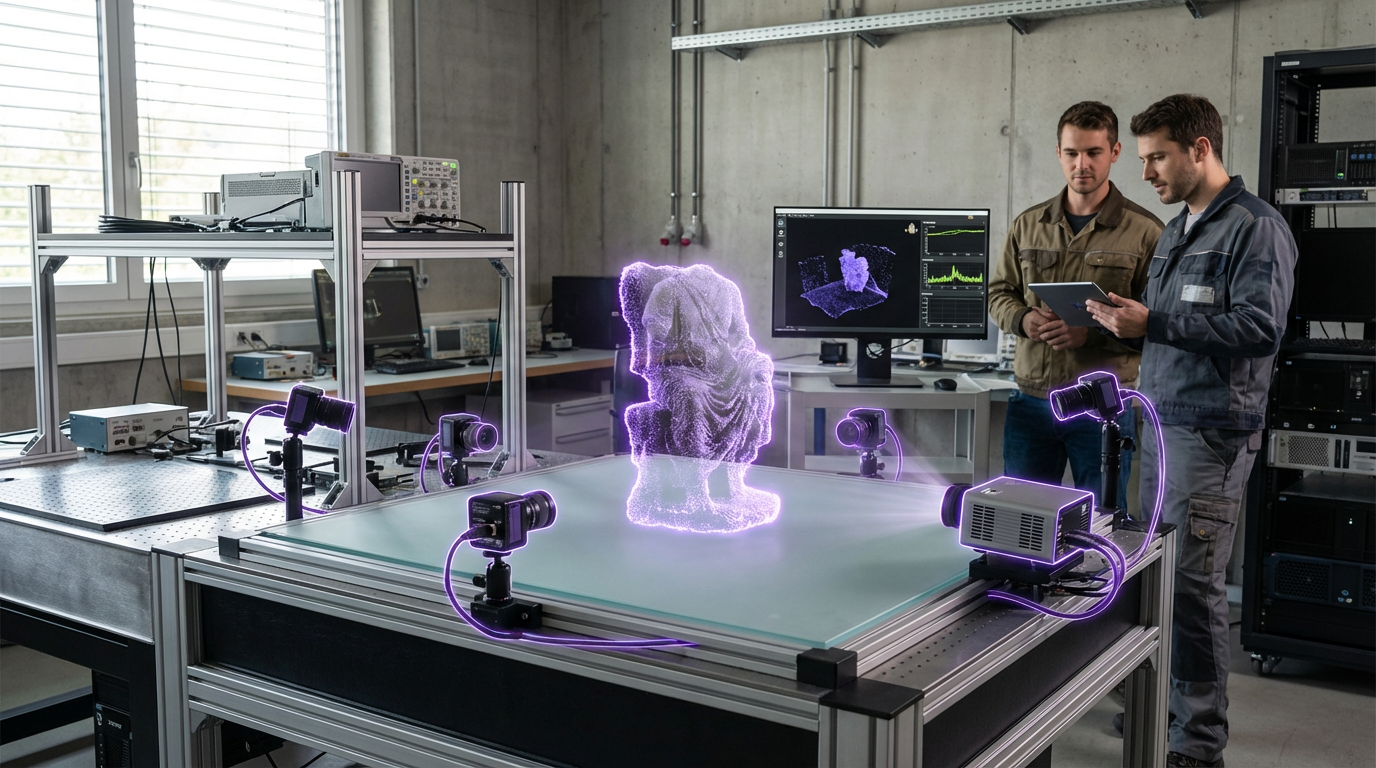
Fast photorealistic 3D rendering using millions of soft point primitives instead of polygons
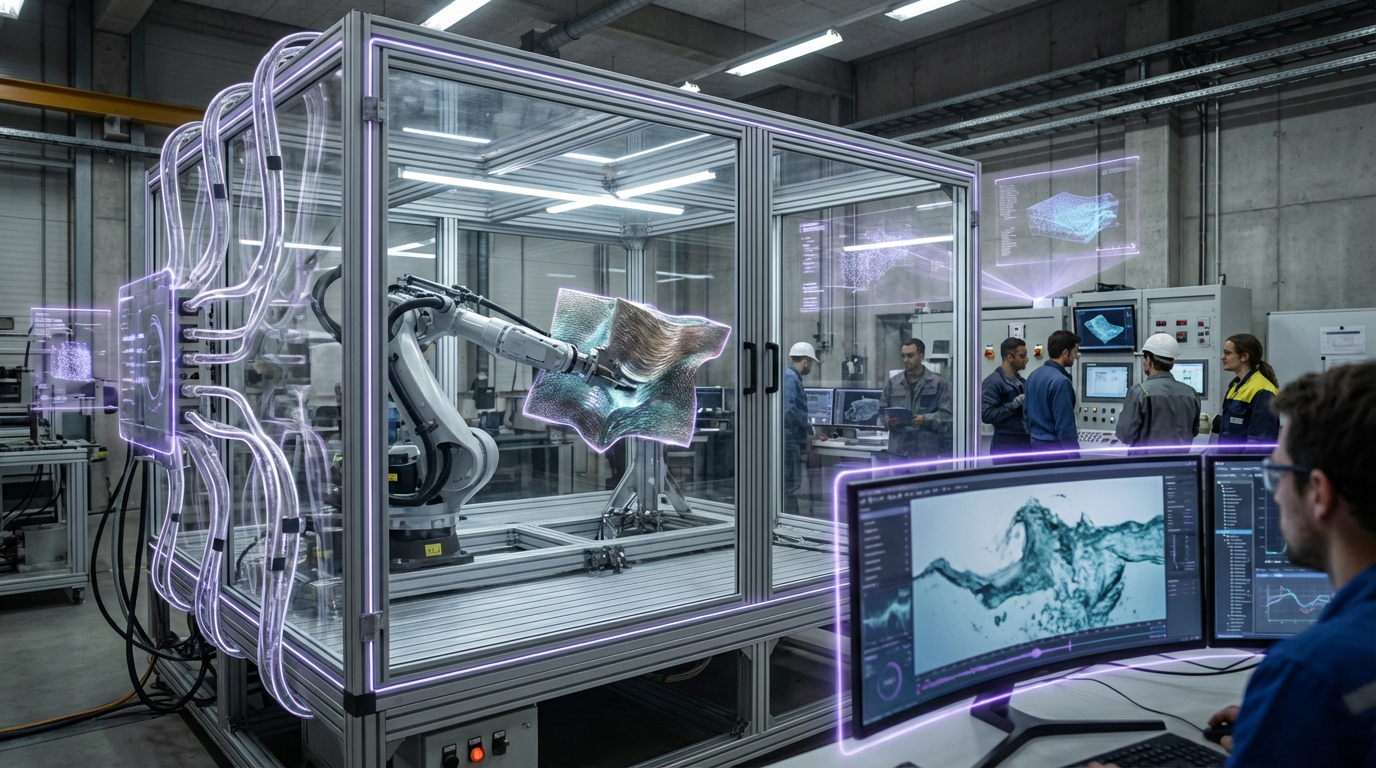
Machine learning models that infer and adapt physical behaviors in virtual environments in real-time
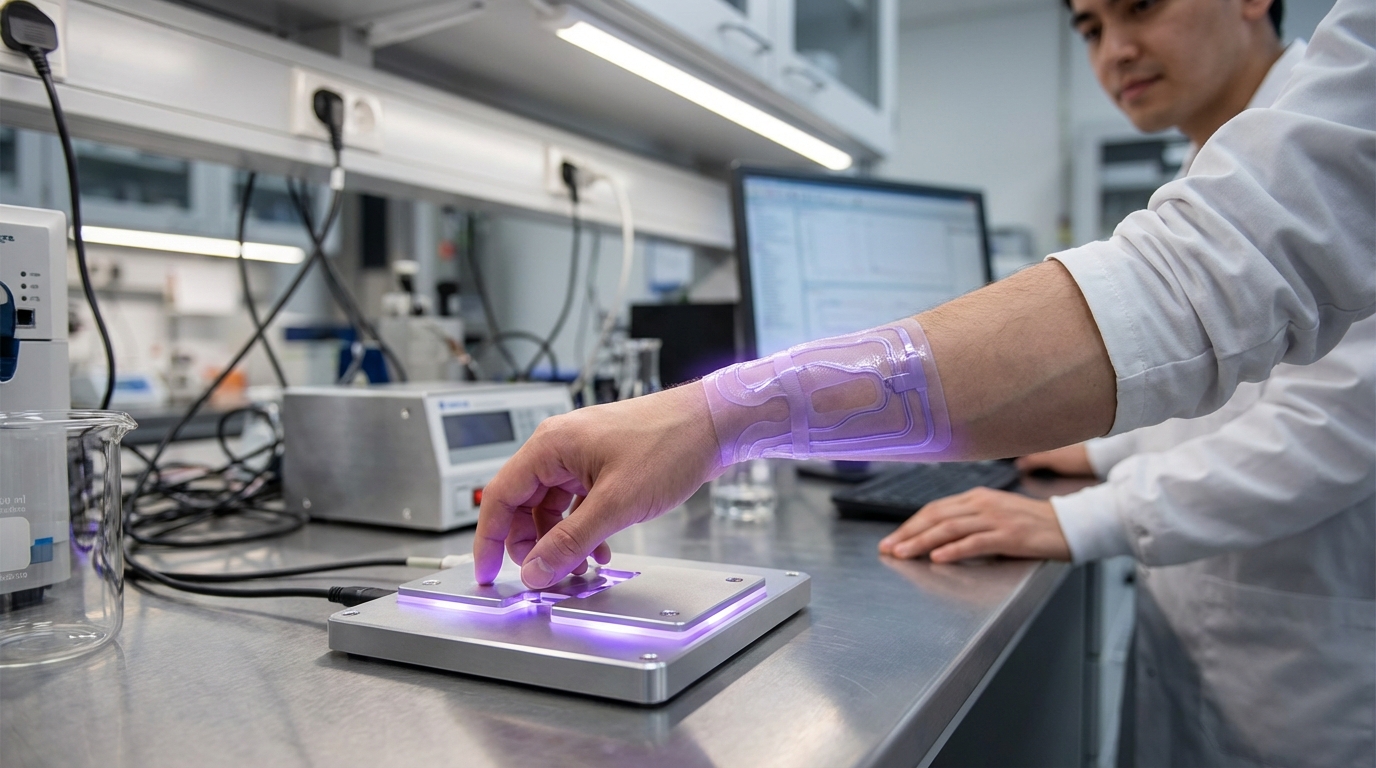
Skin-thin electronic membranes that generate touch, pressure, and temperature sensations on the body
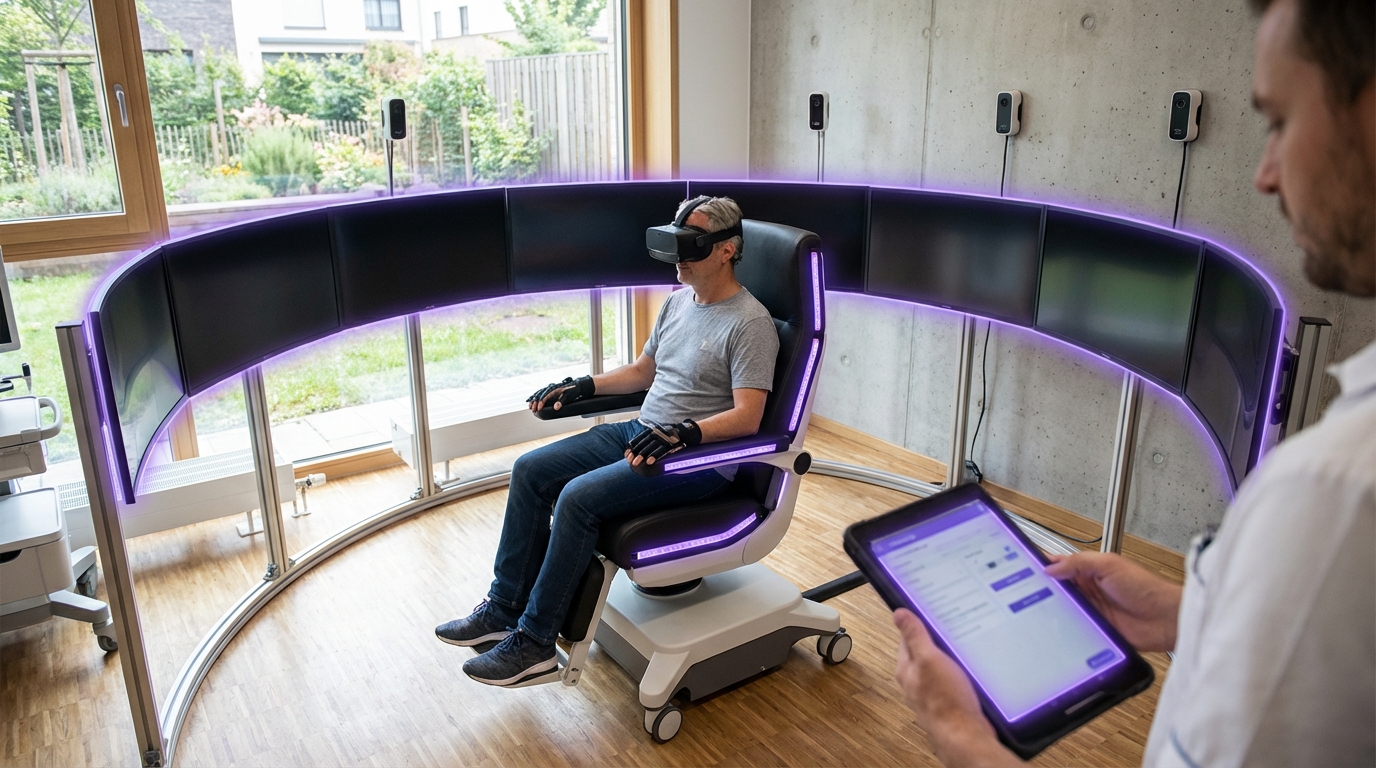
XR platforms for exposure therapy, physical rehabilitation, and mental health treatment
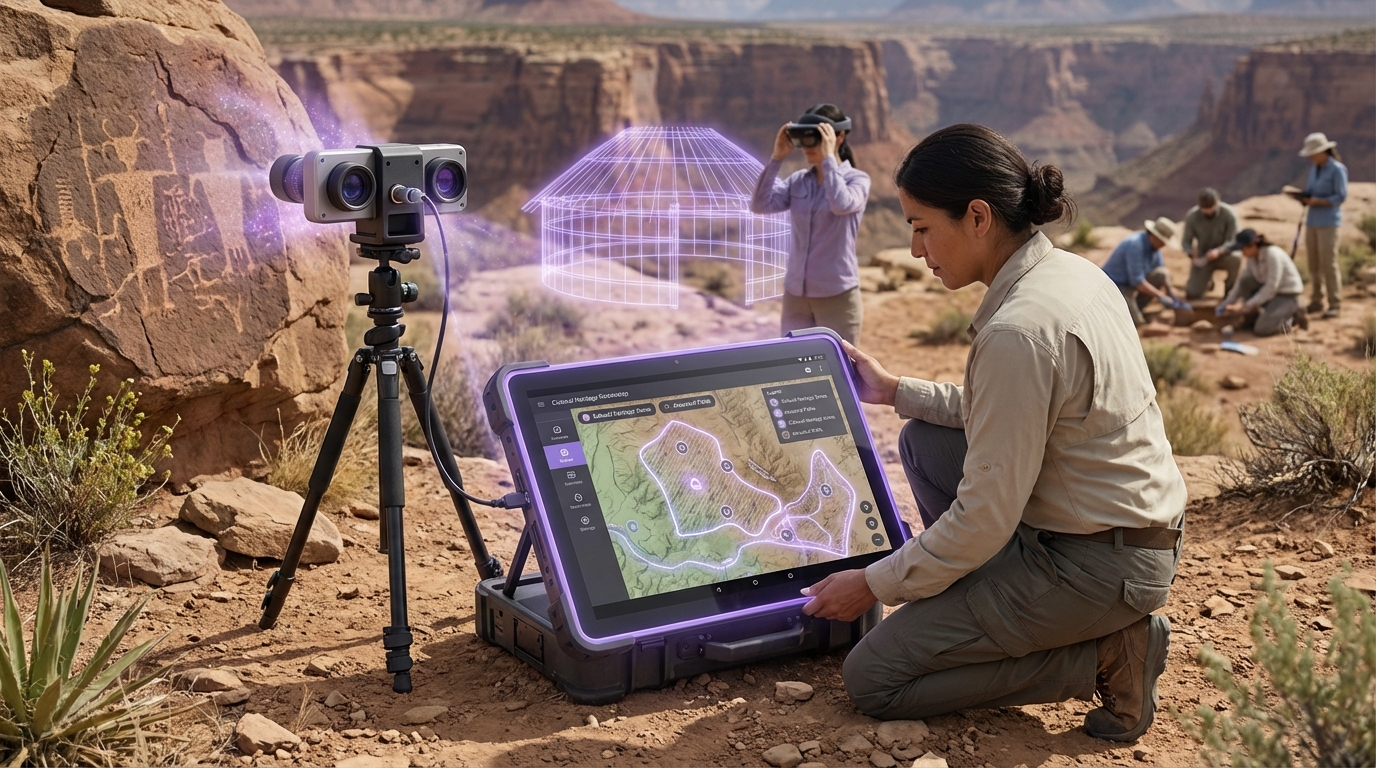
Frameworks ensuring spatial computing respects indigenous sovereignty over cultural heritage and sacred sites
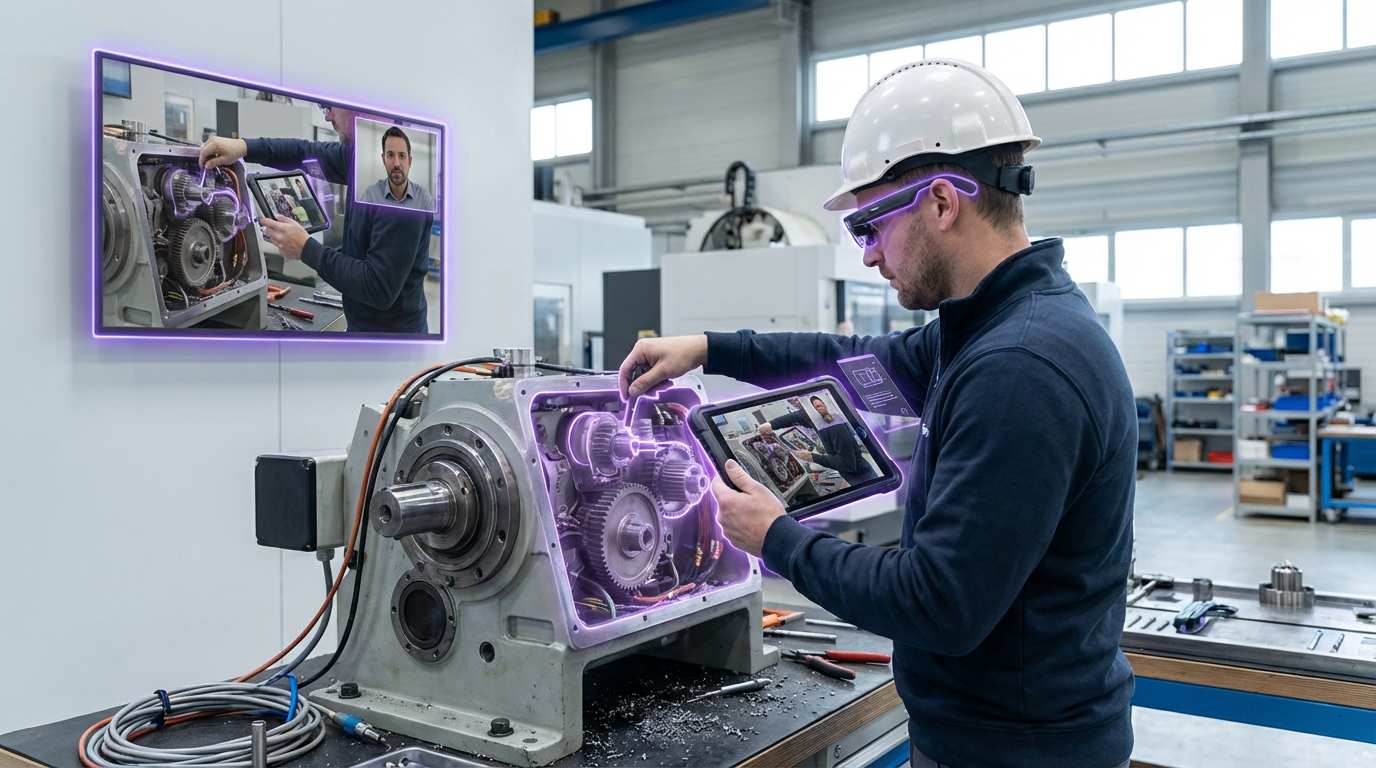
Real-time AR overlays connecting field technicians with remote experts for guided repairs
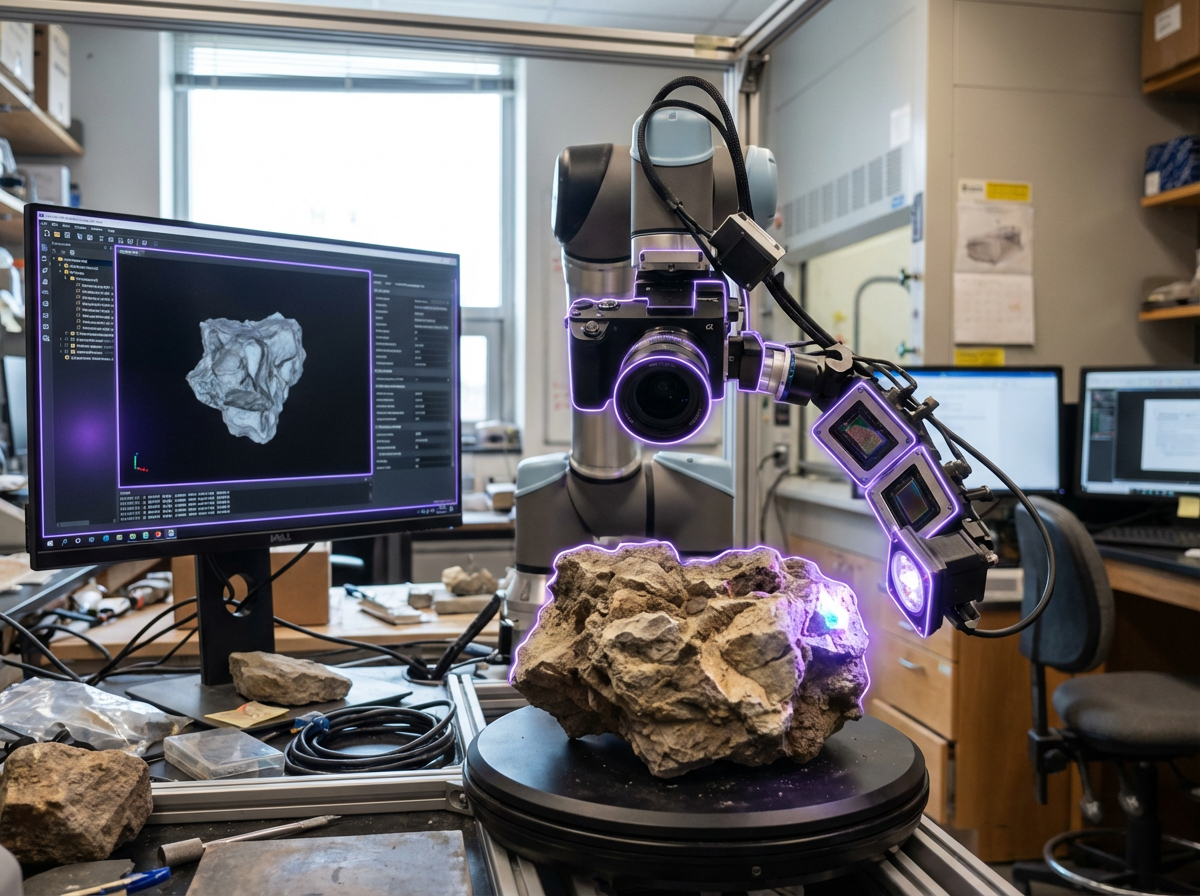
Extracts 3D geometry, materials, and lighting from photographs and video
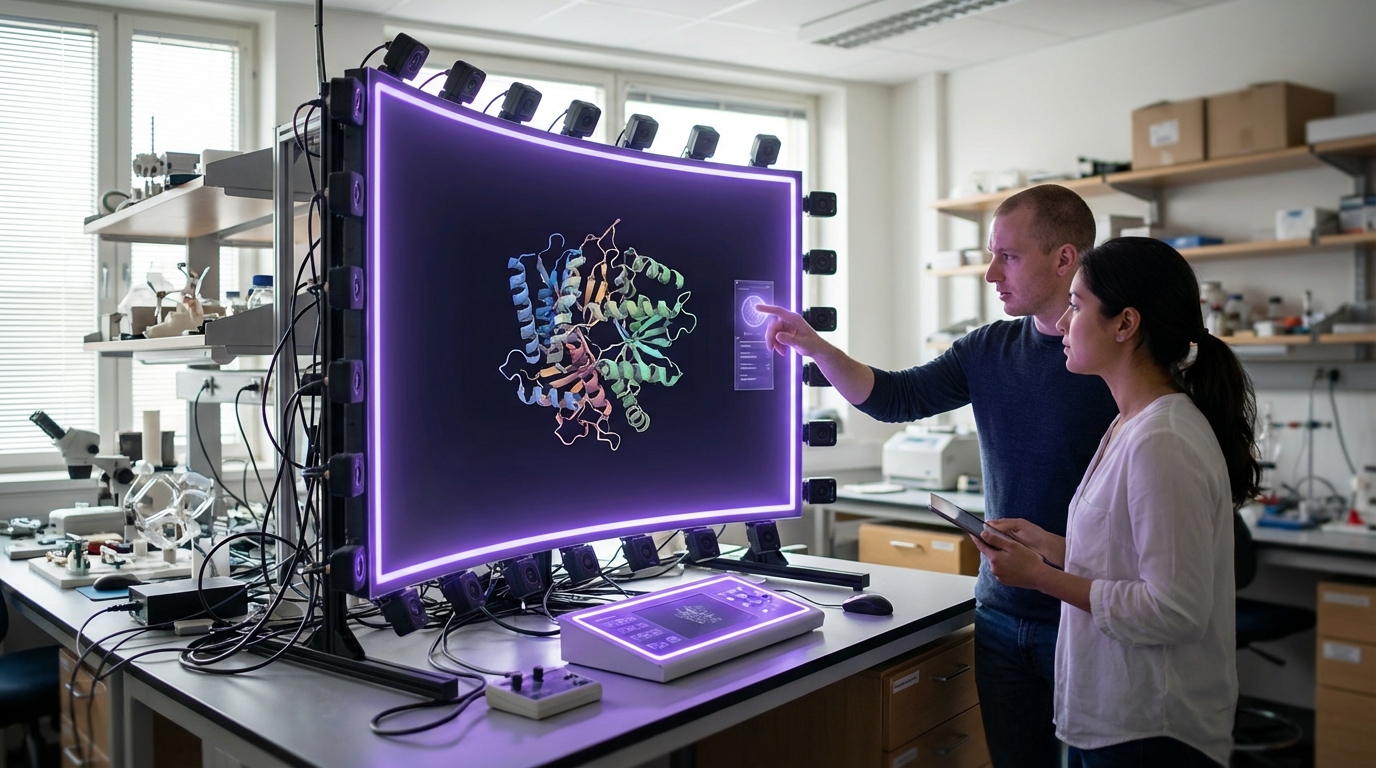
Displays that recreate 3D scenes by controlling individual light rays for natural depth perception
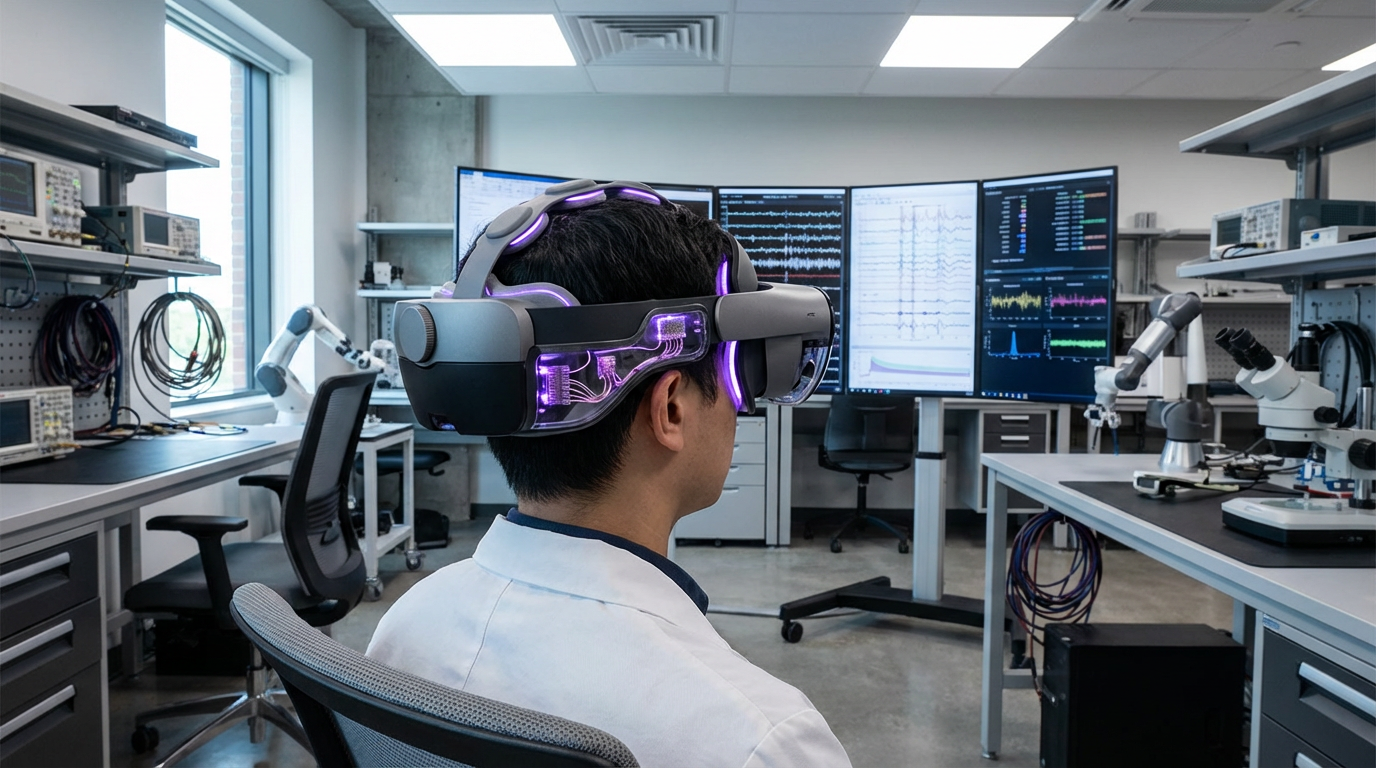
XR headsets with built-in brain-computer interfaces for thought-based control of virtual environments
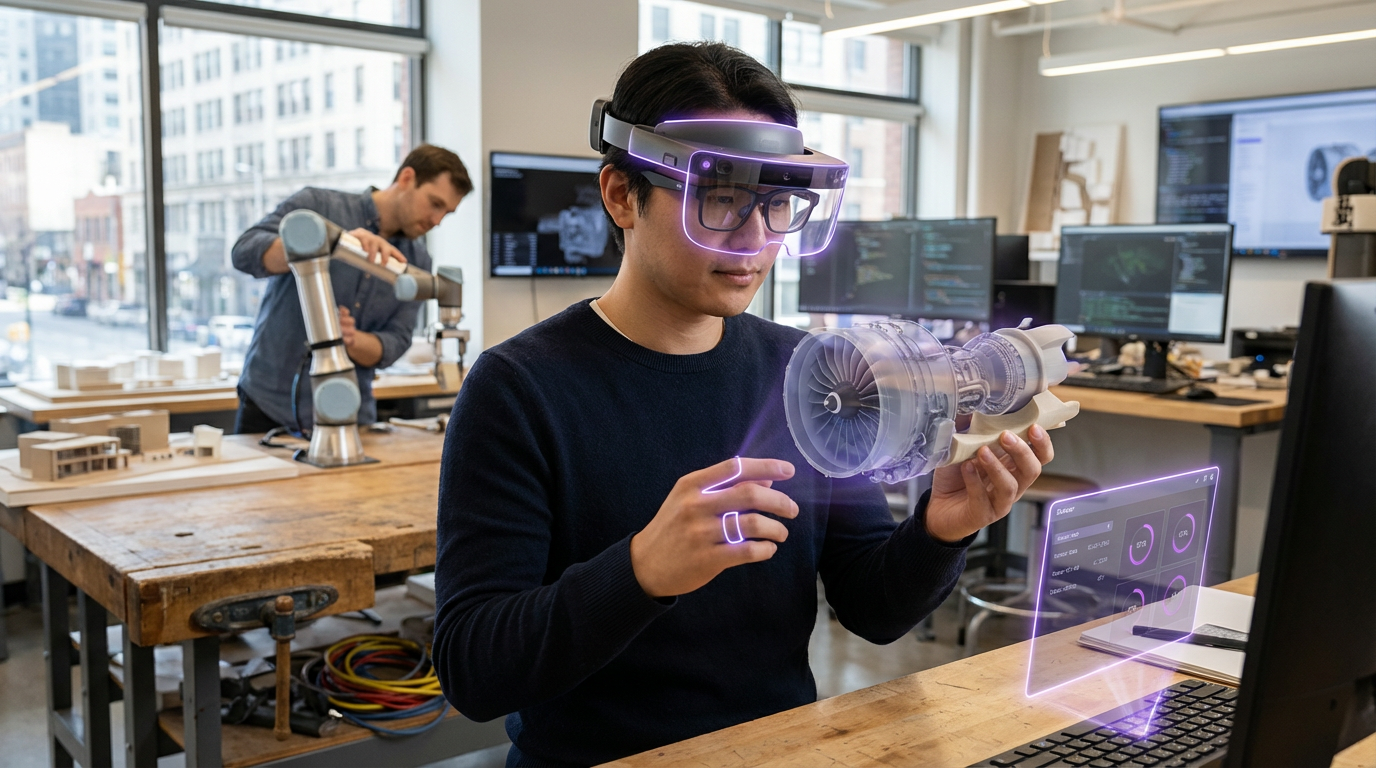
Camera-based AR eyewear that reconstructs your surroundings and layers digital content into the view
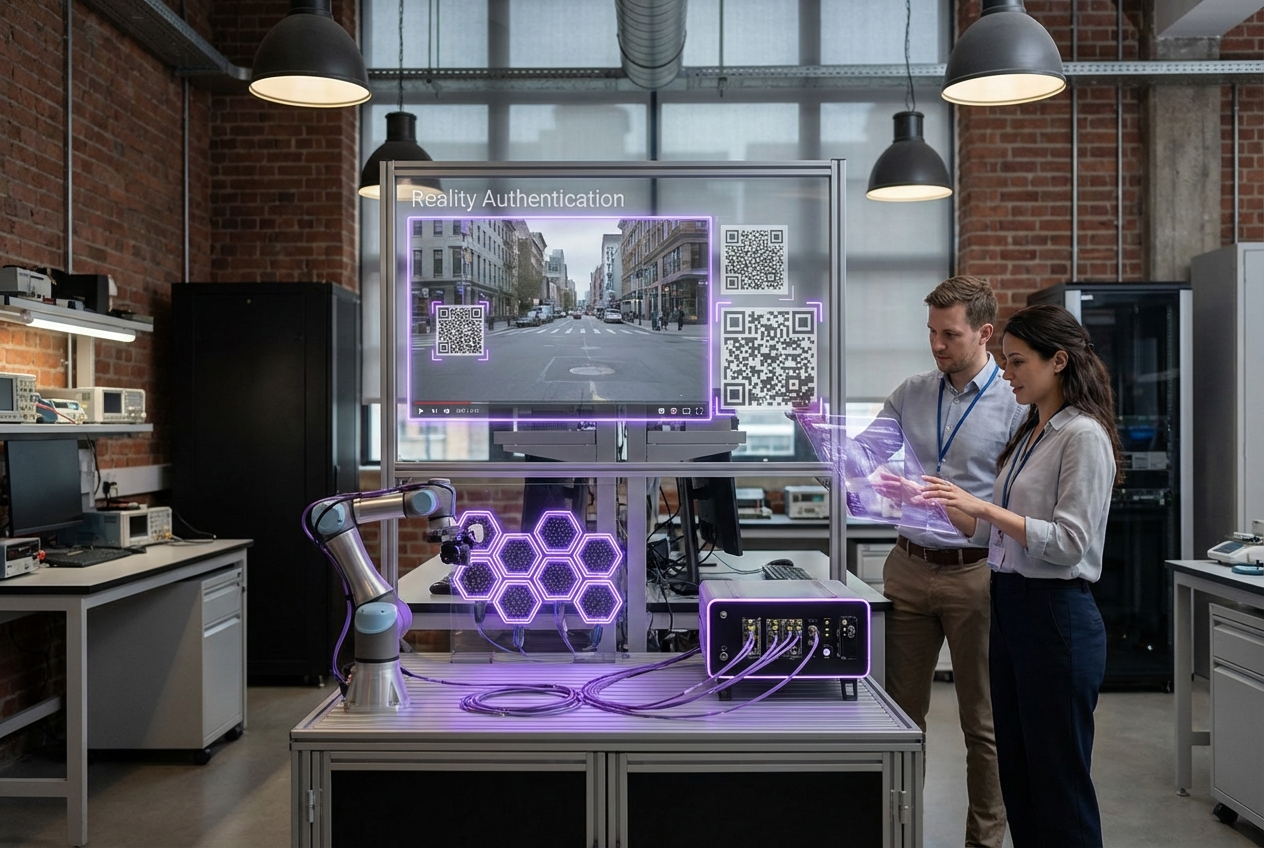
Cryptographic verification of AR overlays to prevent malicious content injection
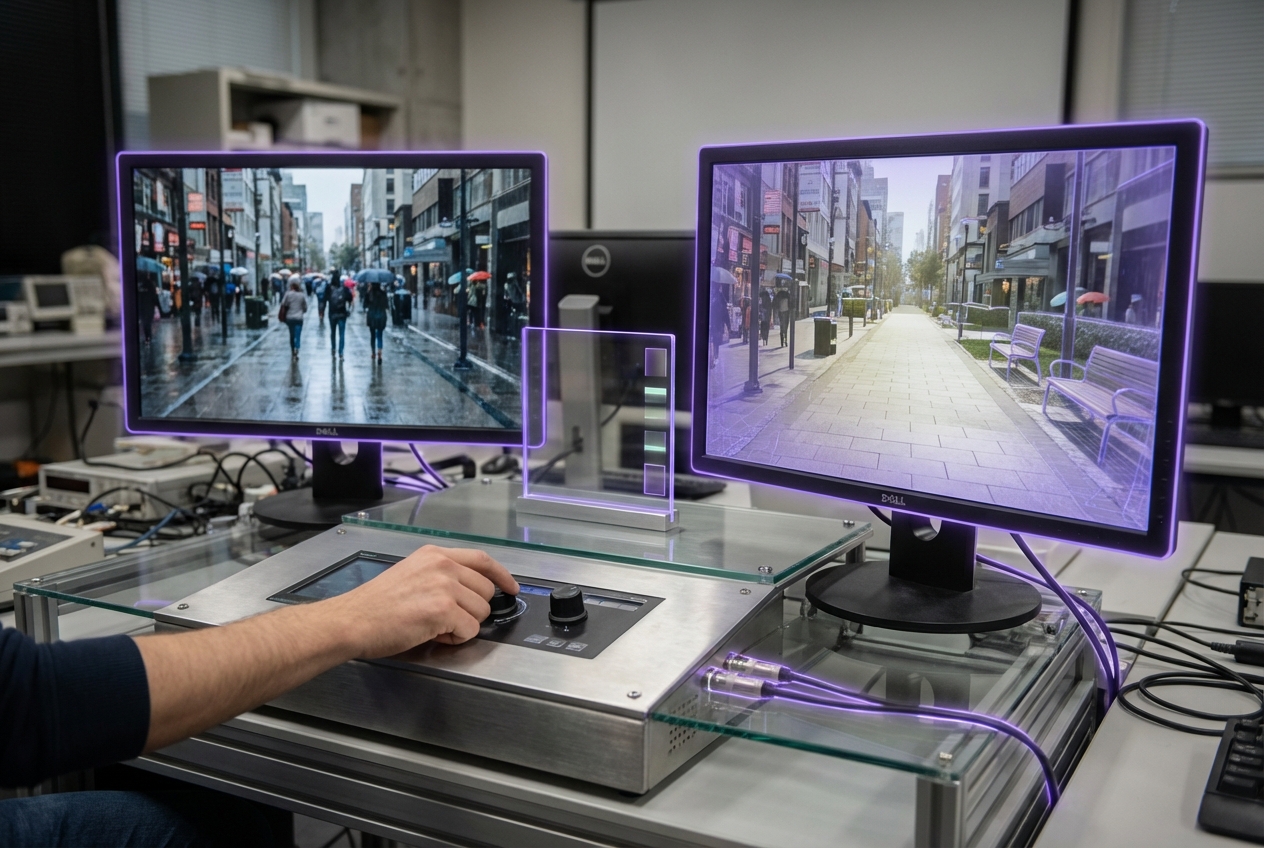
Logs and discloses every digital overlay modifying a user's augmented visual field

Laser-based displays that beam images directly onto the retina, bypassing external screens
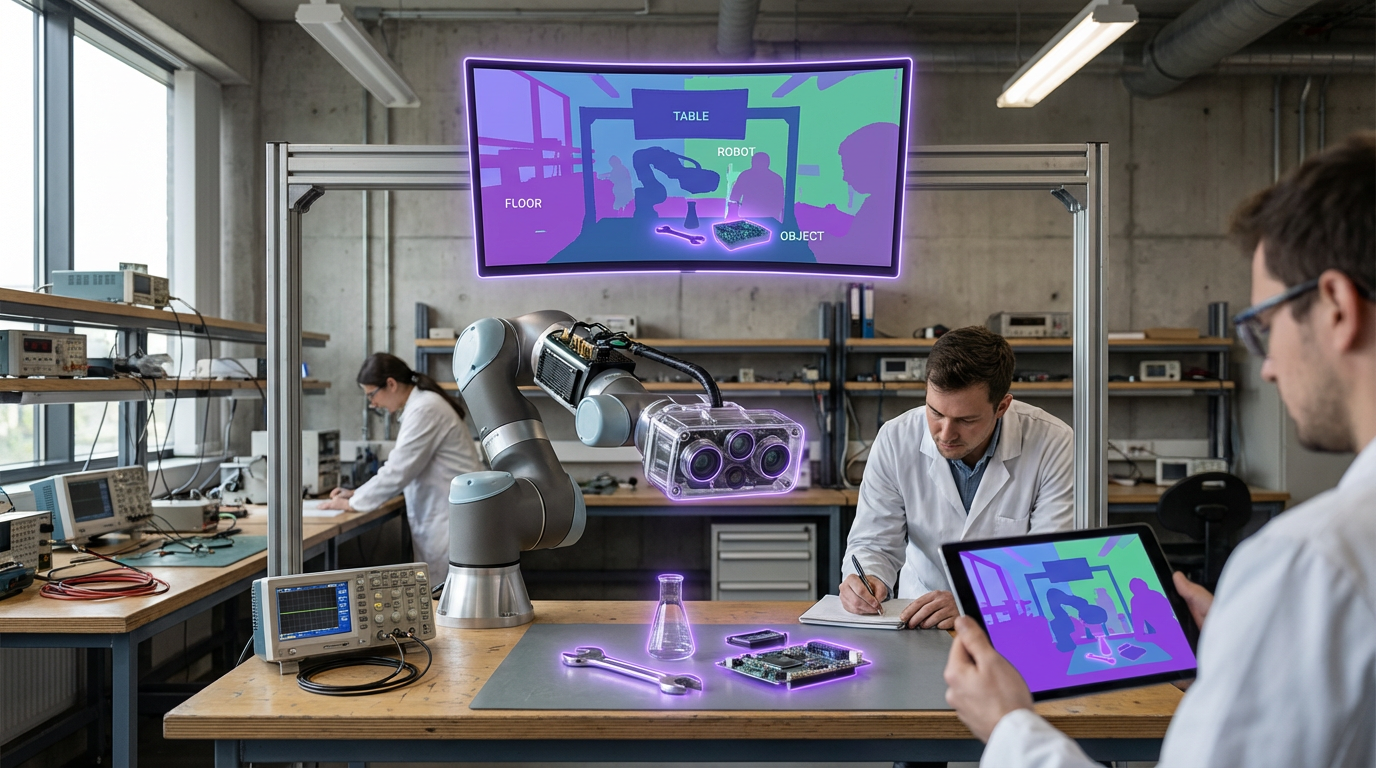
Real-time spatial comprehension of rooms, objects, and their functional relationships
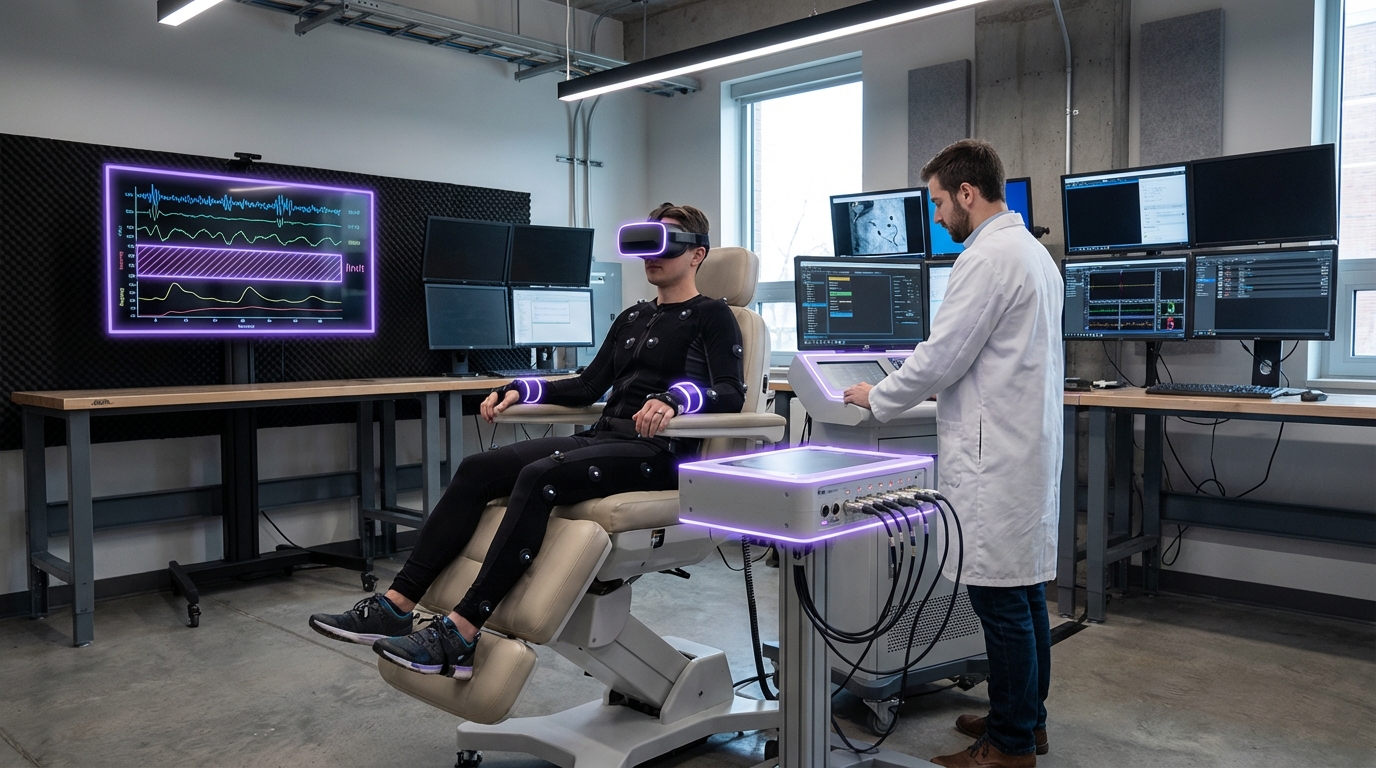
Intelligent systems that monitor and limit XR stimulus intensity to prevent user harm
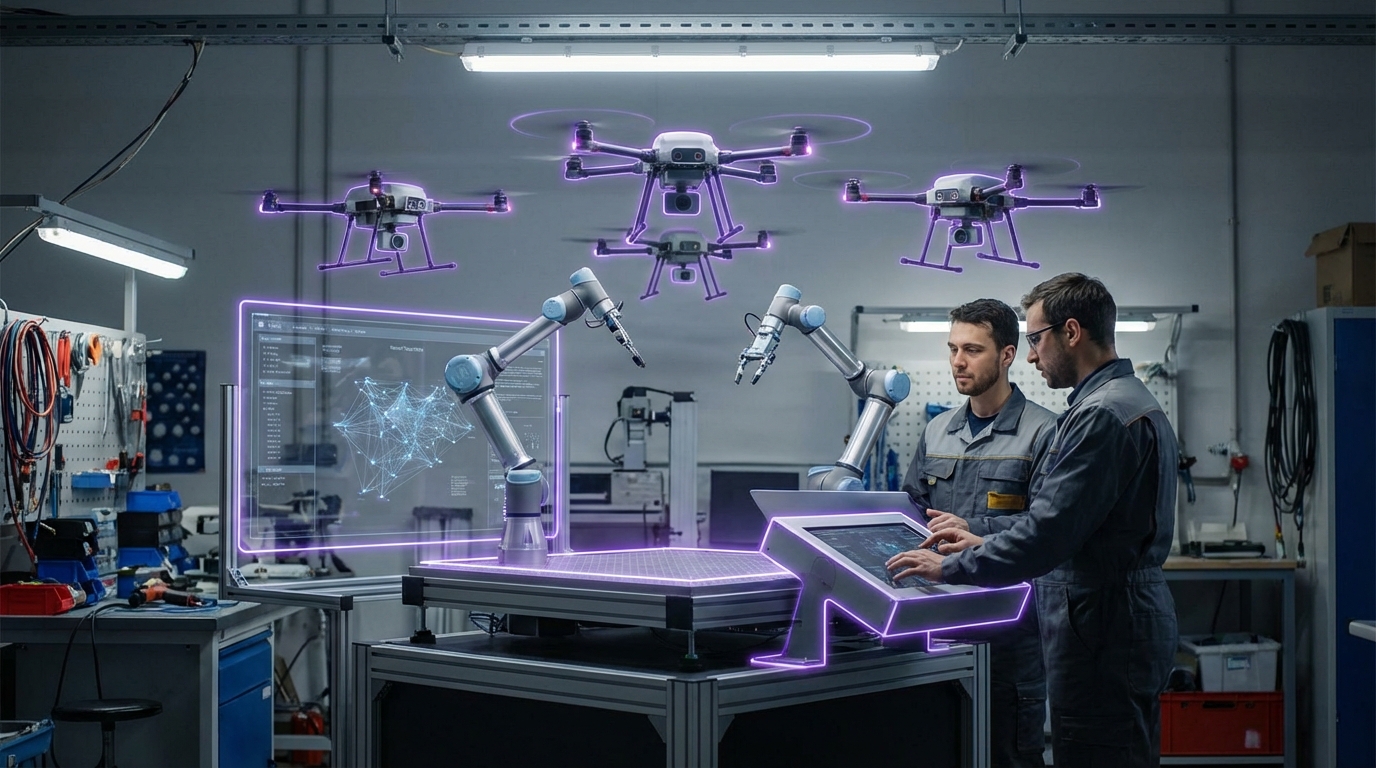
Networking engines that align virtual content across multiple users in the same physical space
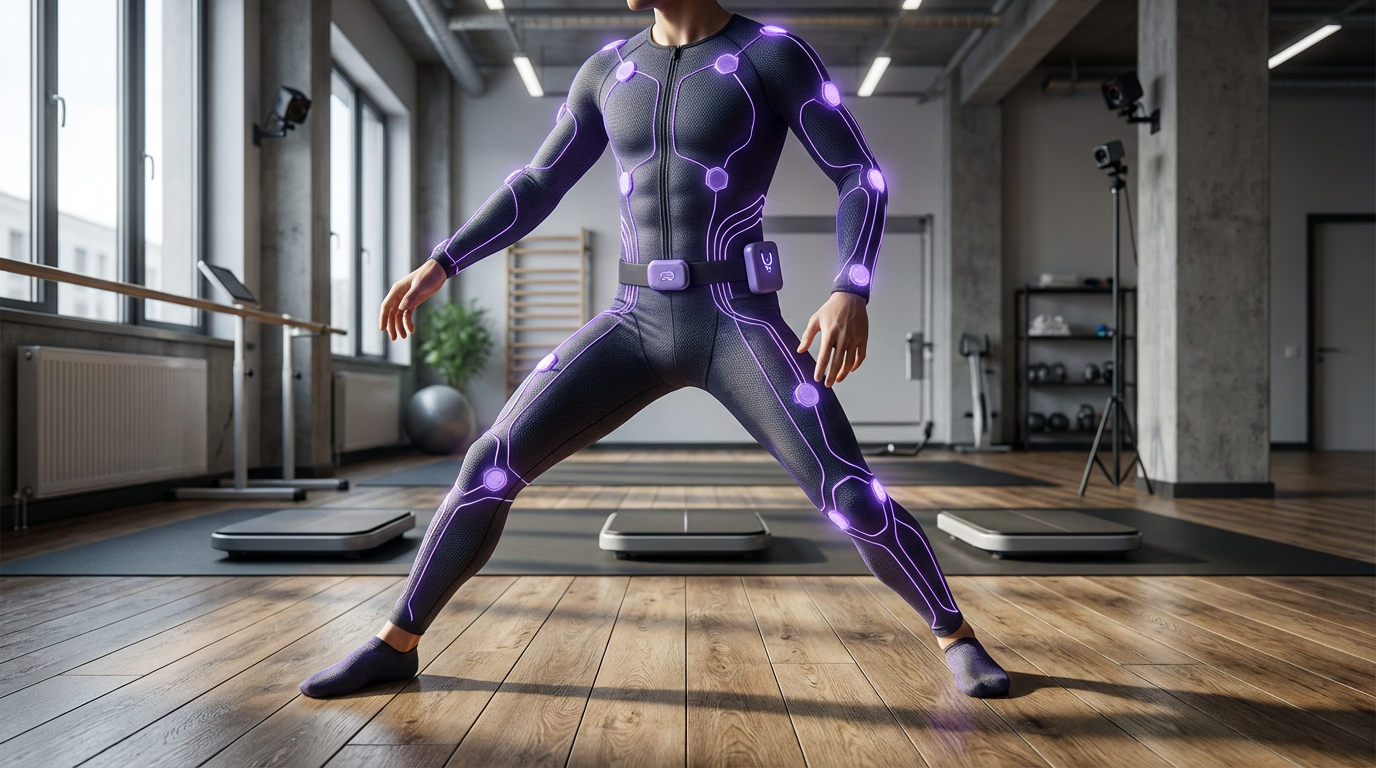
Fabric-embedded sensors that track body movement, posture, and gestures in real time
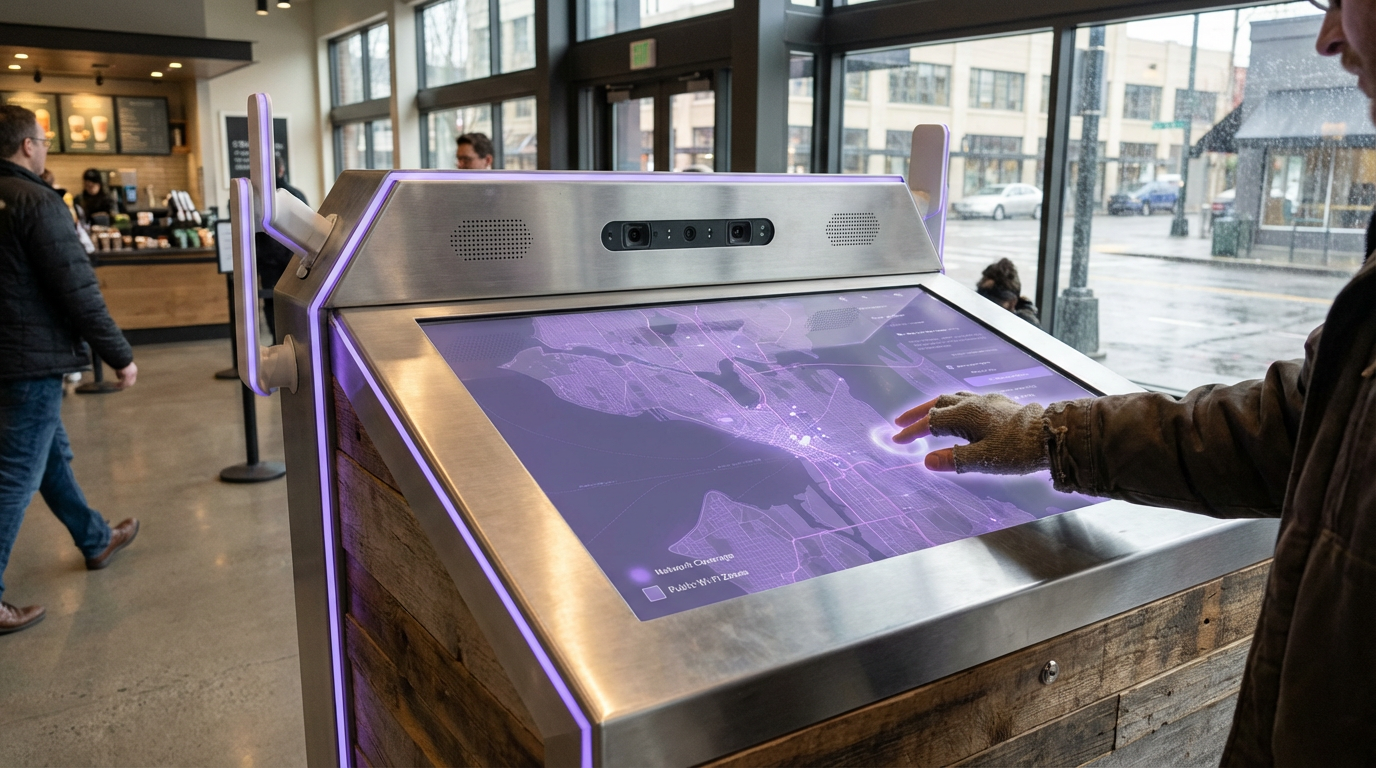
Infrastructure and programs ensuring equitable access to AR, VR, and mixed reality technologies
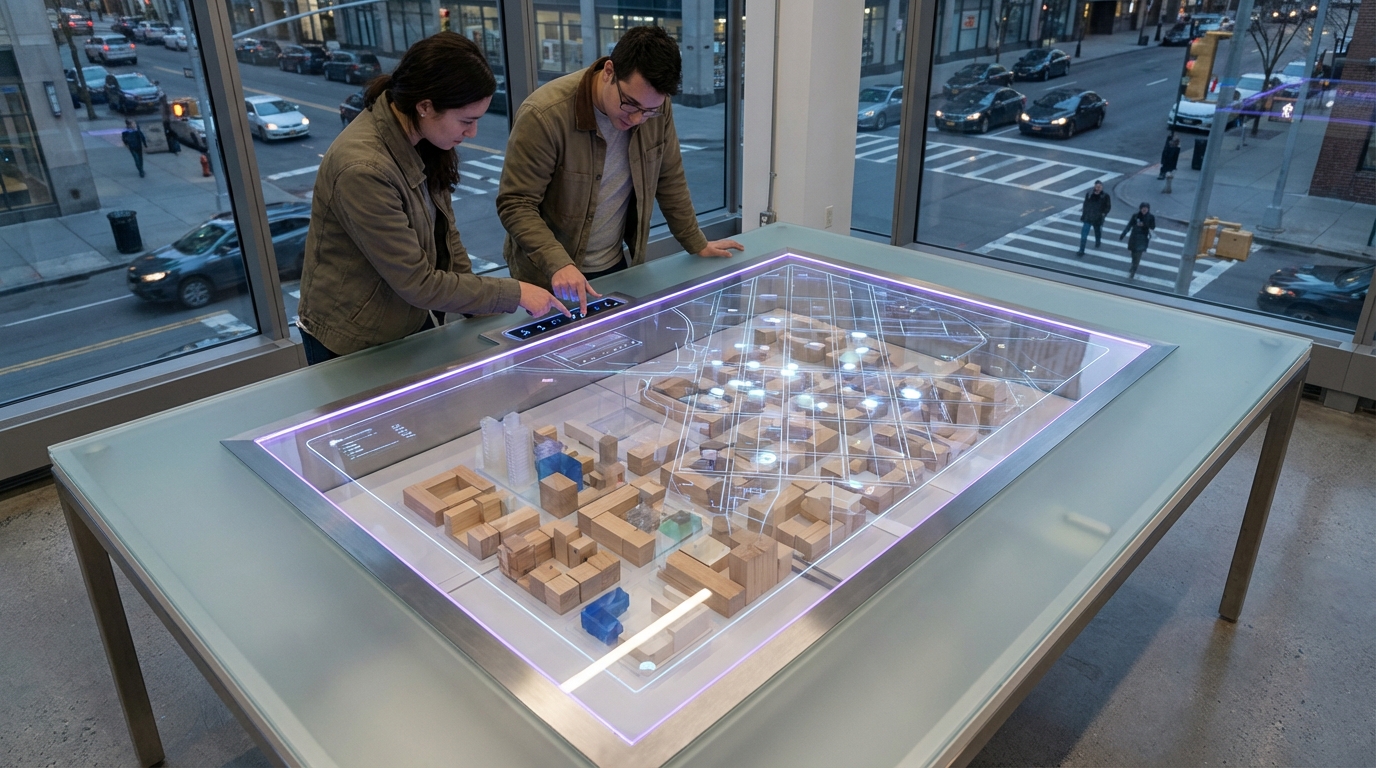
Frameworks for controlling ownership and access to spatial computing data streams
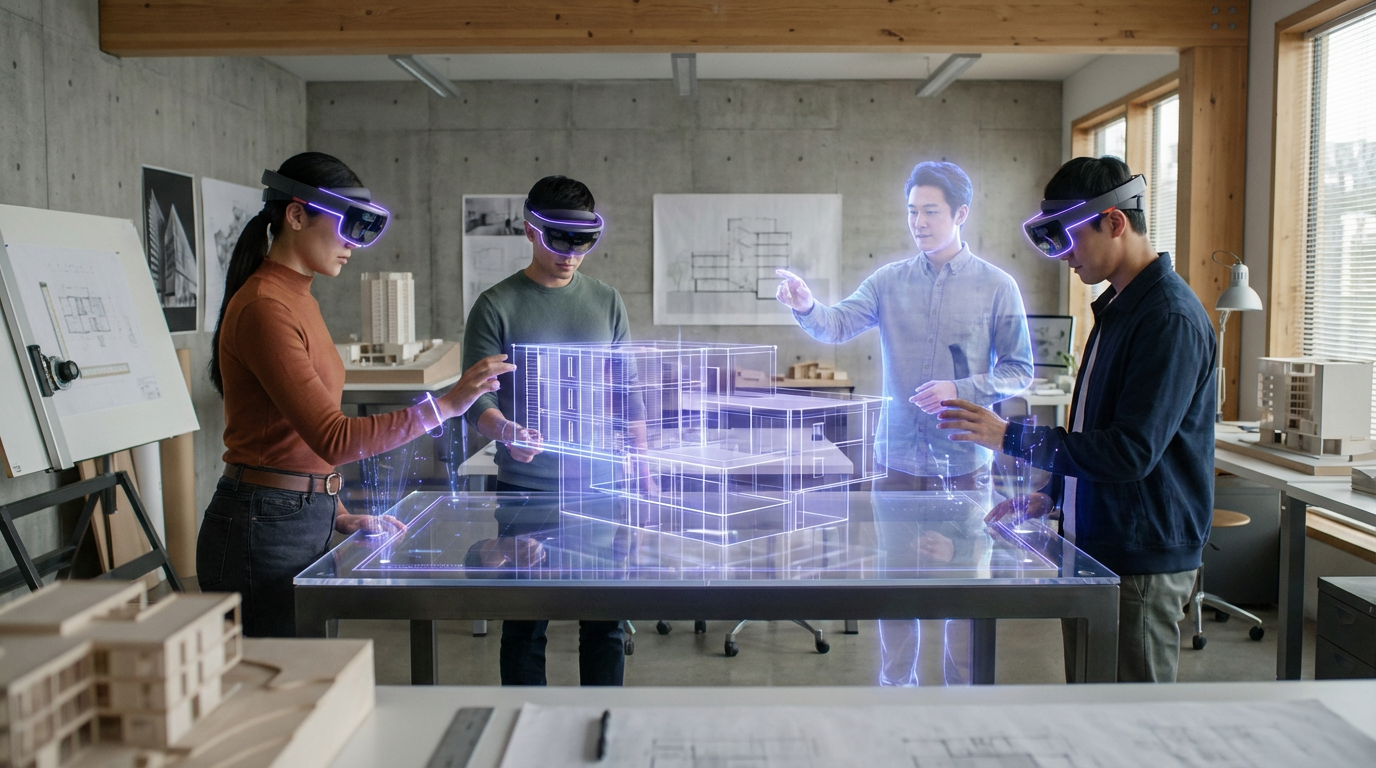
Real-time co-creation of 3D environments using mixed reality workspaces
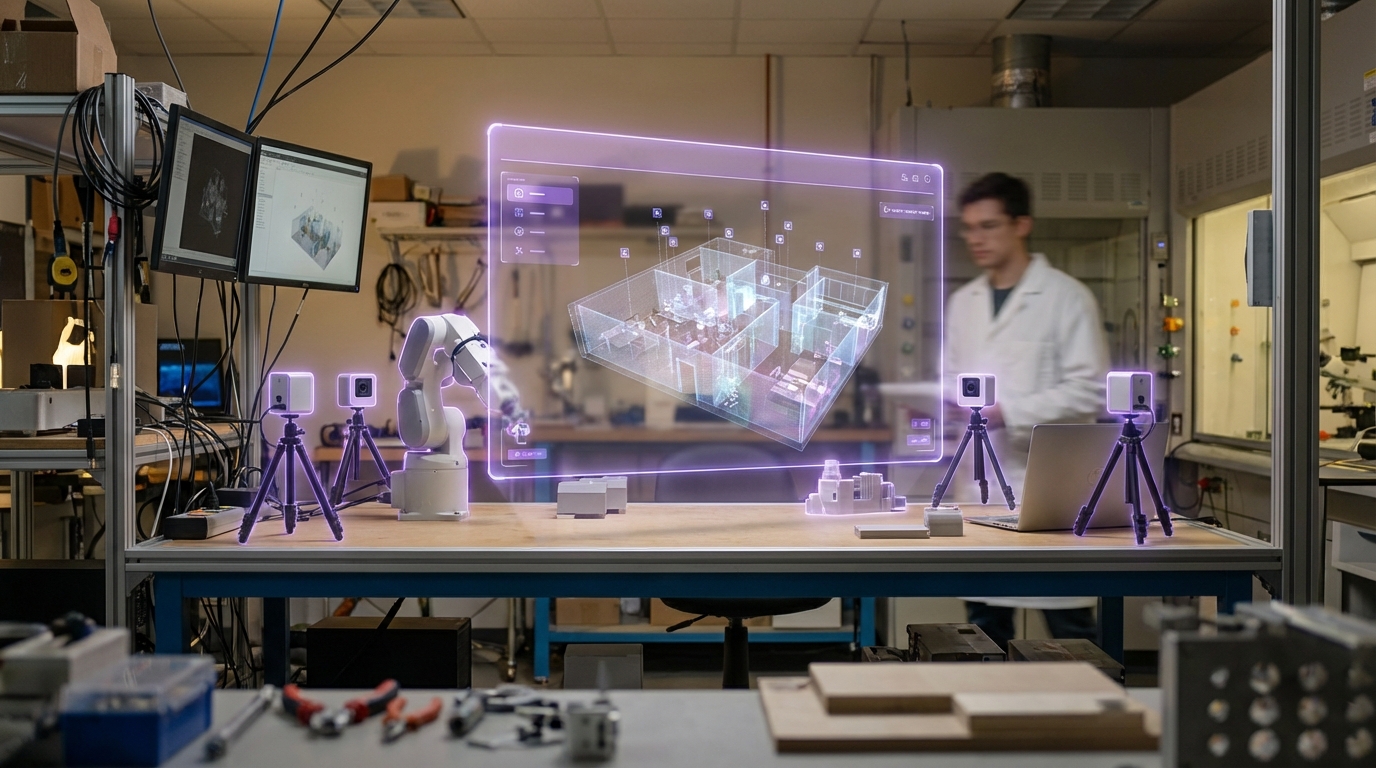
AI models trained on 3D environments to understand spatial relationships and physical interactions
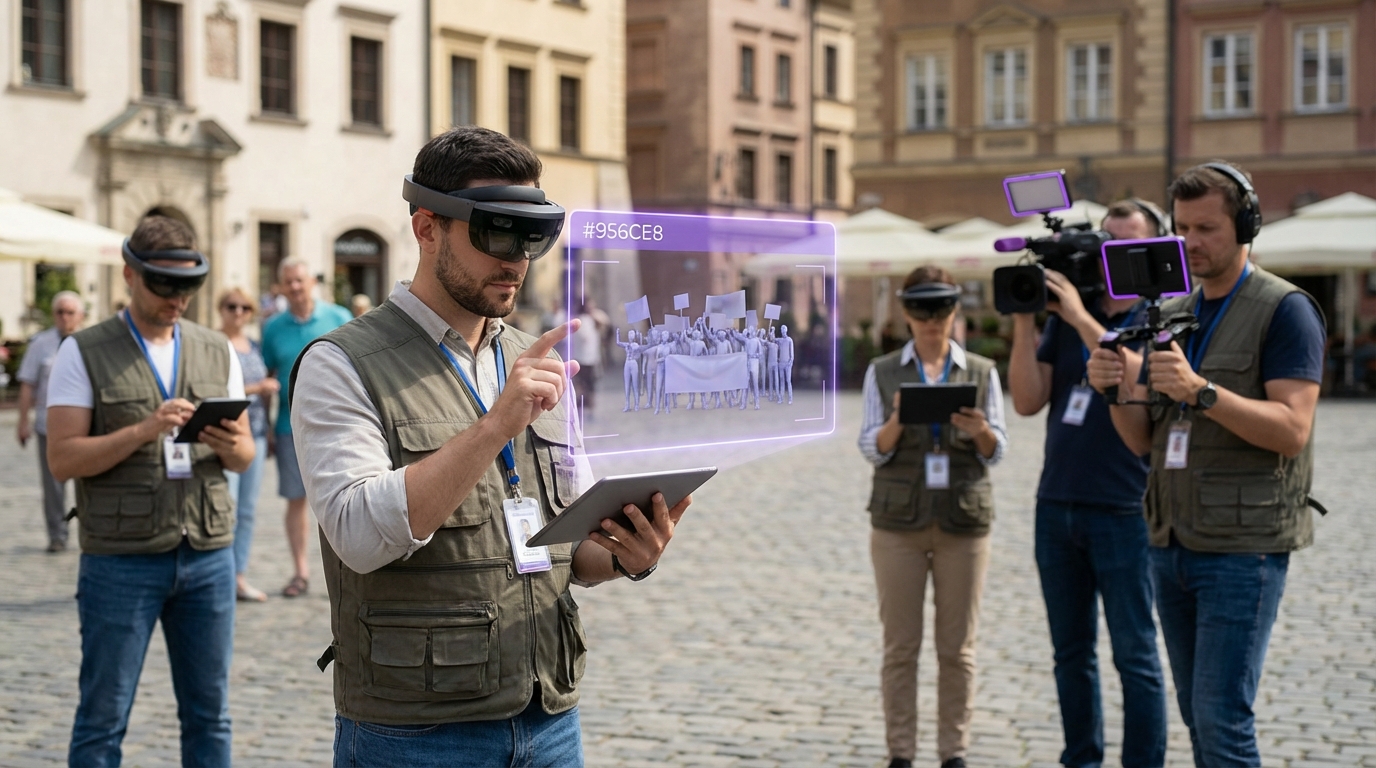
Immersive news experiences using volumetric video and spatial audio to place viewers inside events
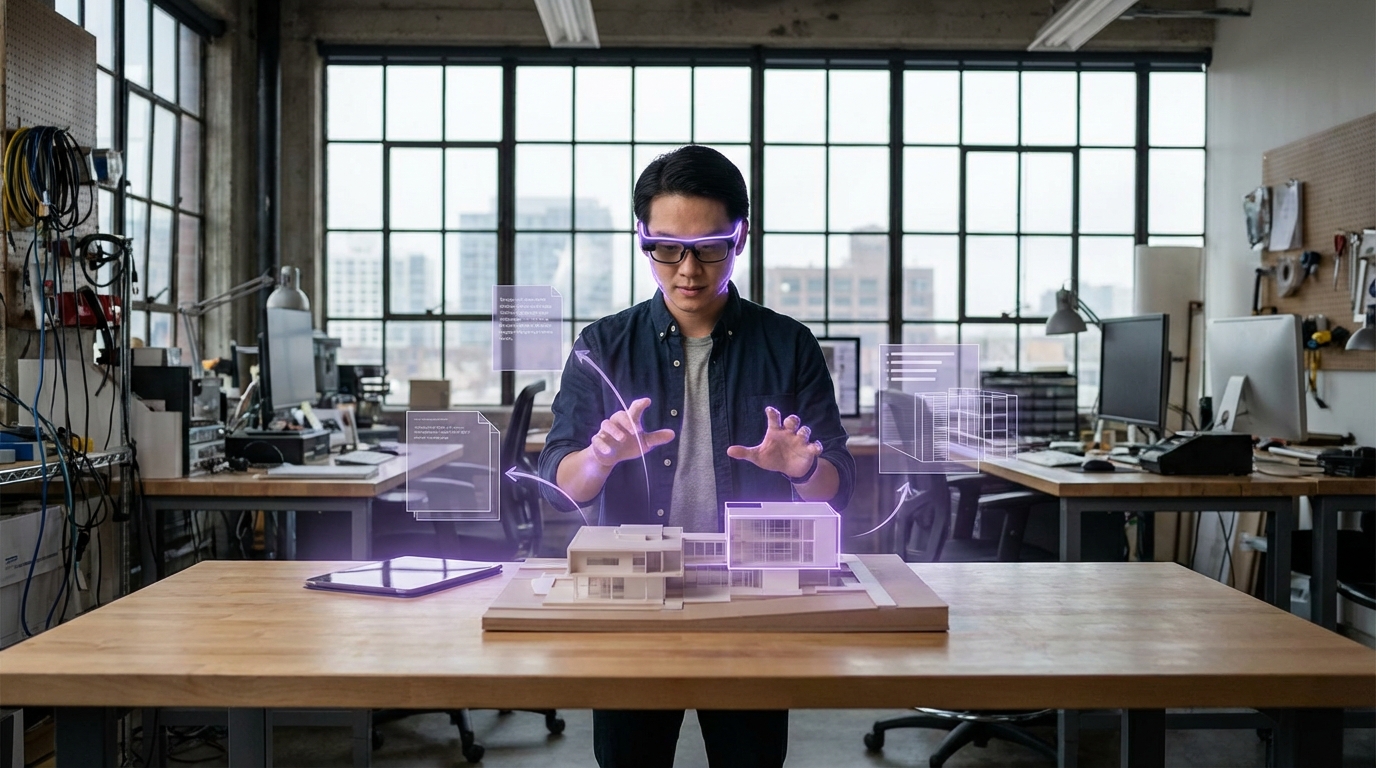
Anchoring digital information to physical locations using AR to enhance memory and recall
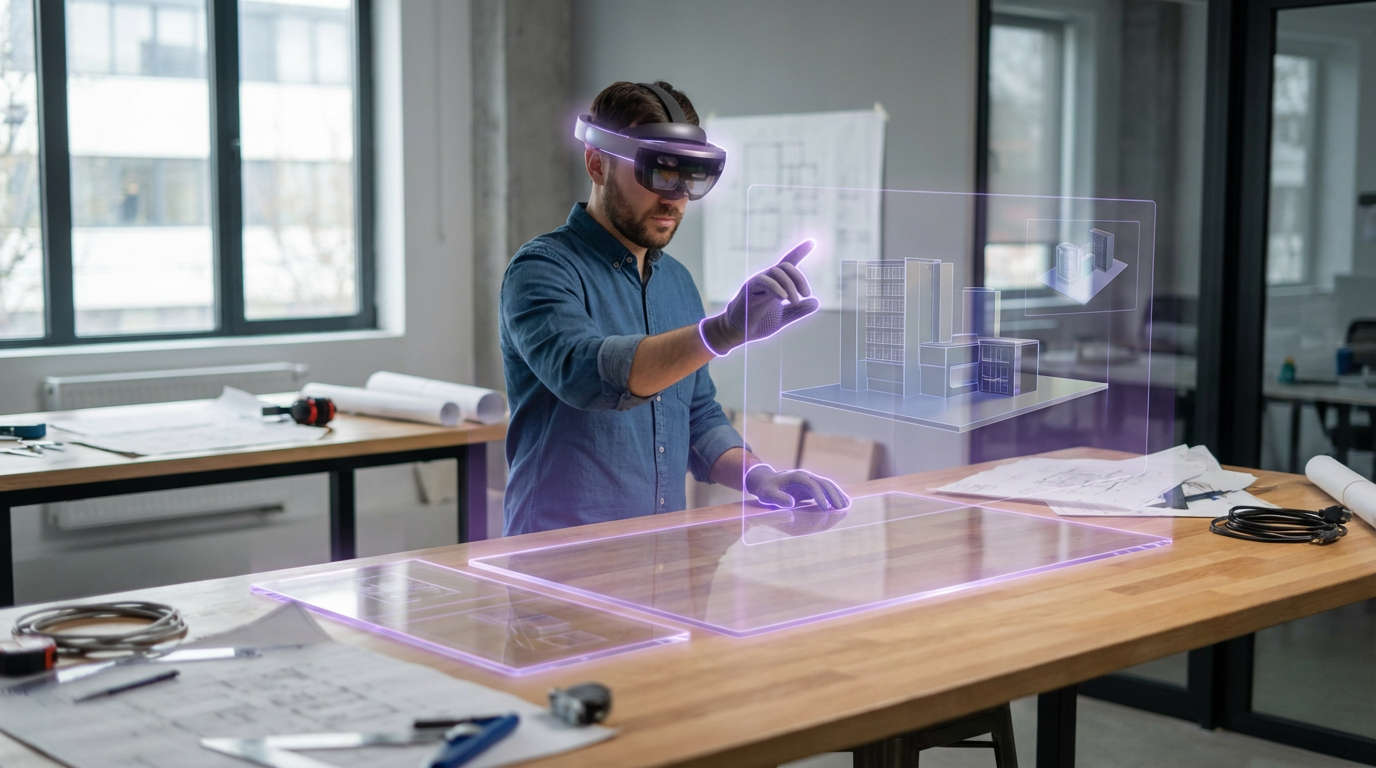
Operating systems that organize apps and data in 3D space instead of flat screens
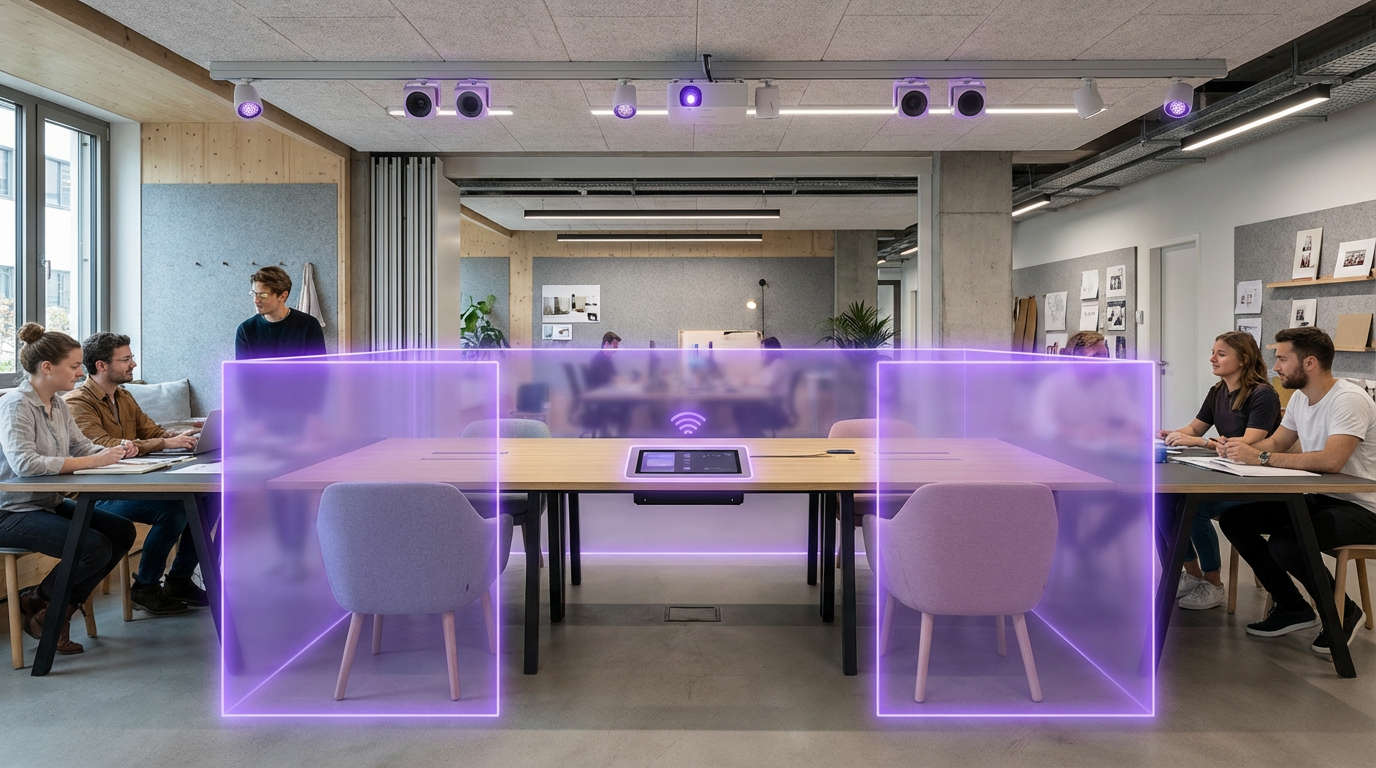
Machine-readable geofences that tell devices where recording and sensing are restricted
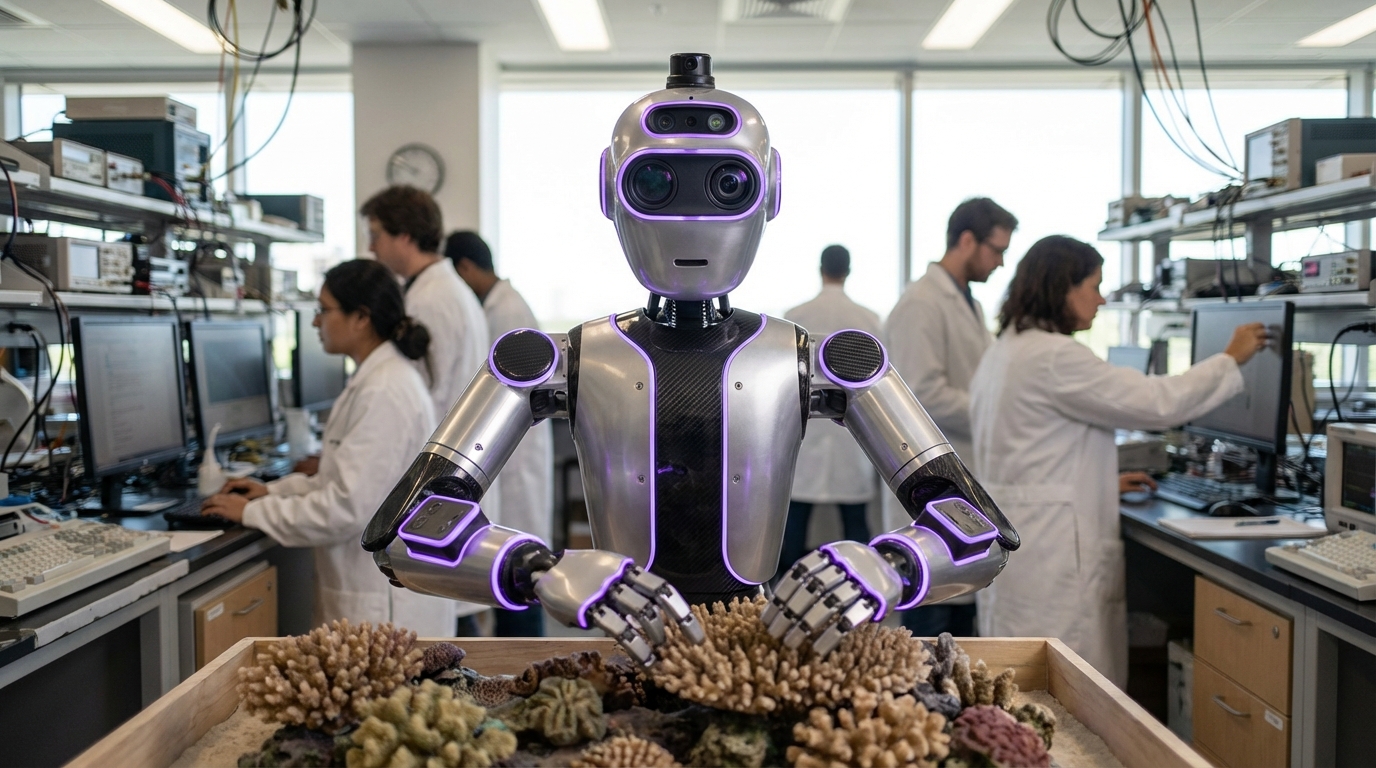
Explore distant places through remotely controlled robotic avatars with sensory feedback
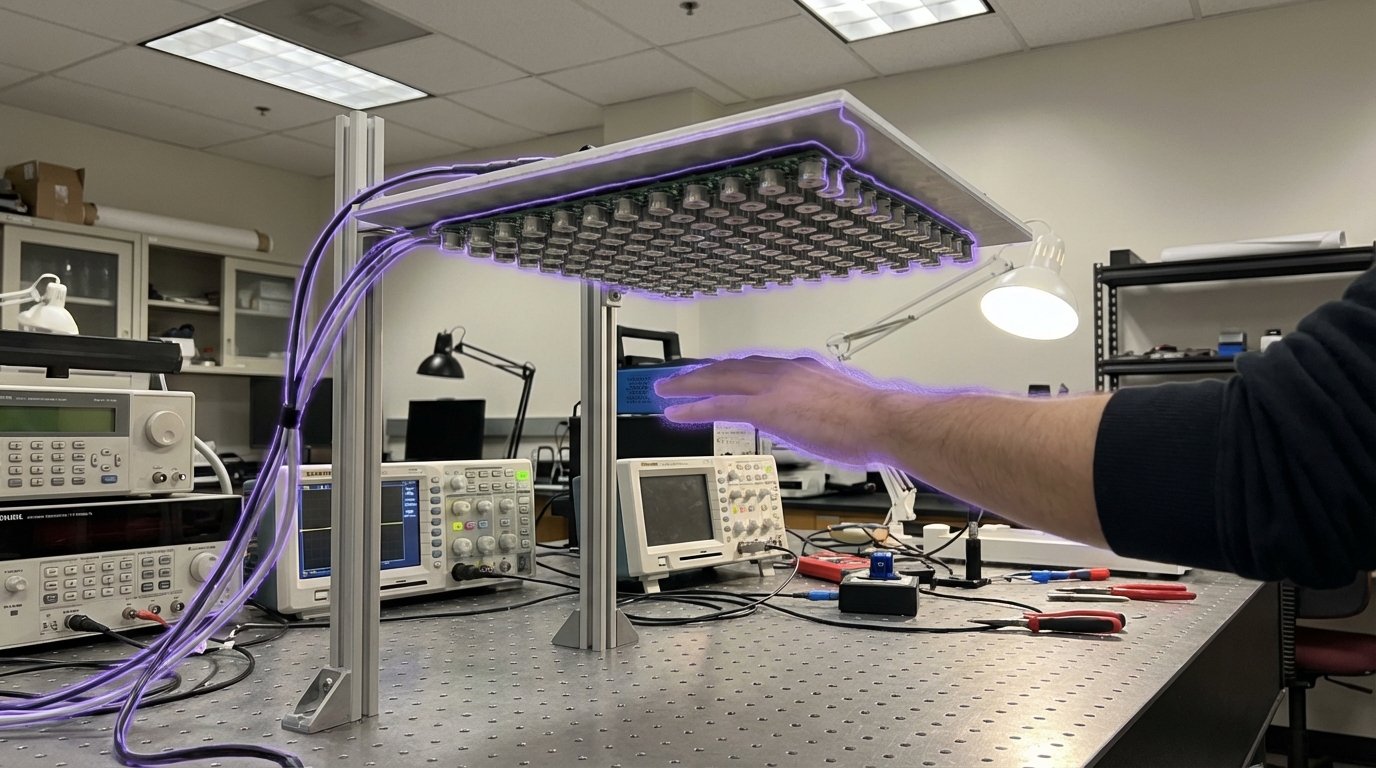
Mid-air tactile feedback using focused ultrasonic waves to simulate touch without physical contact
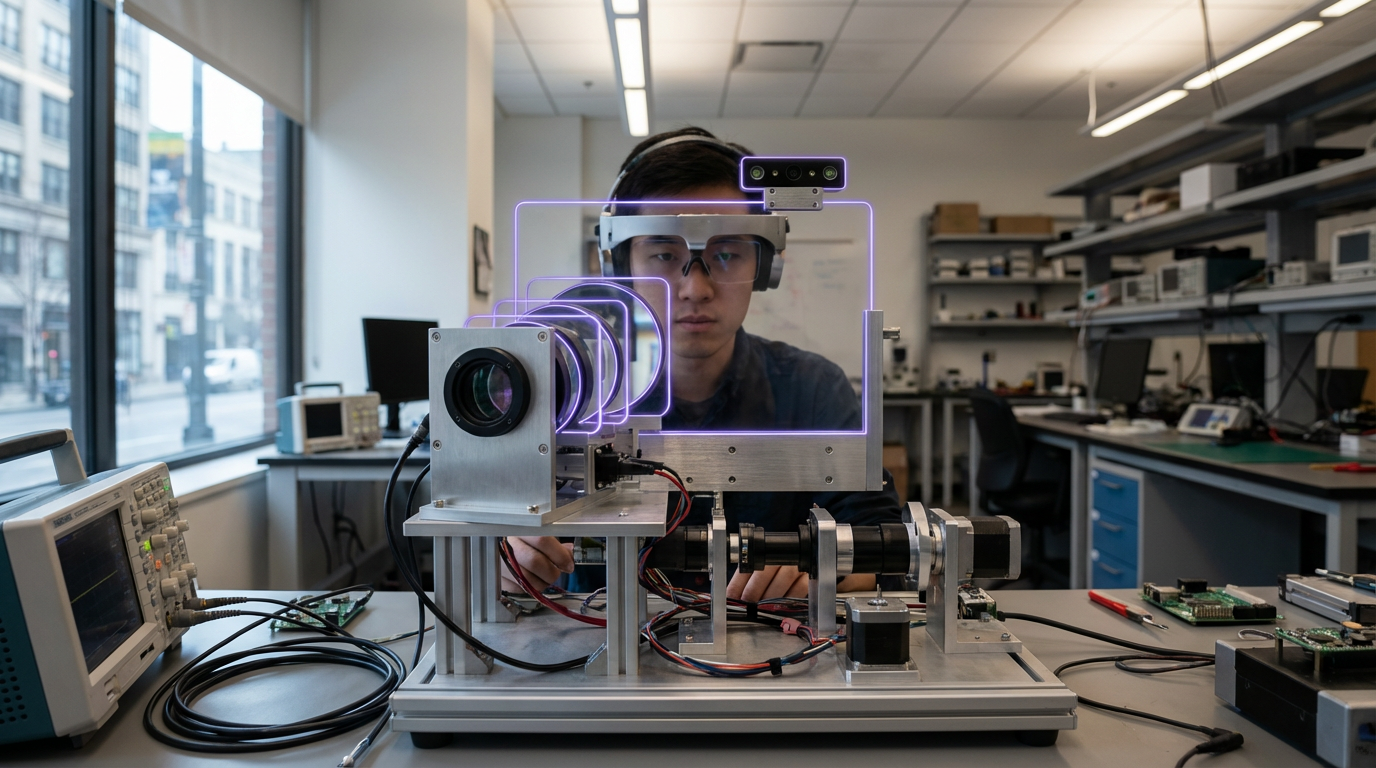
Displays that adjust focal depth in real-time to match where users look in XR environments
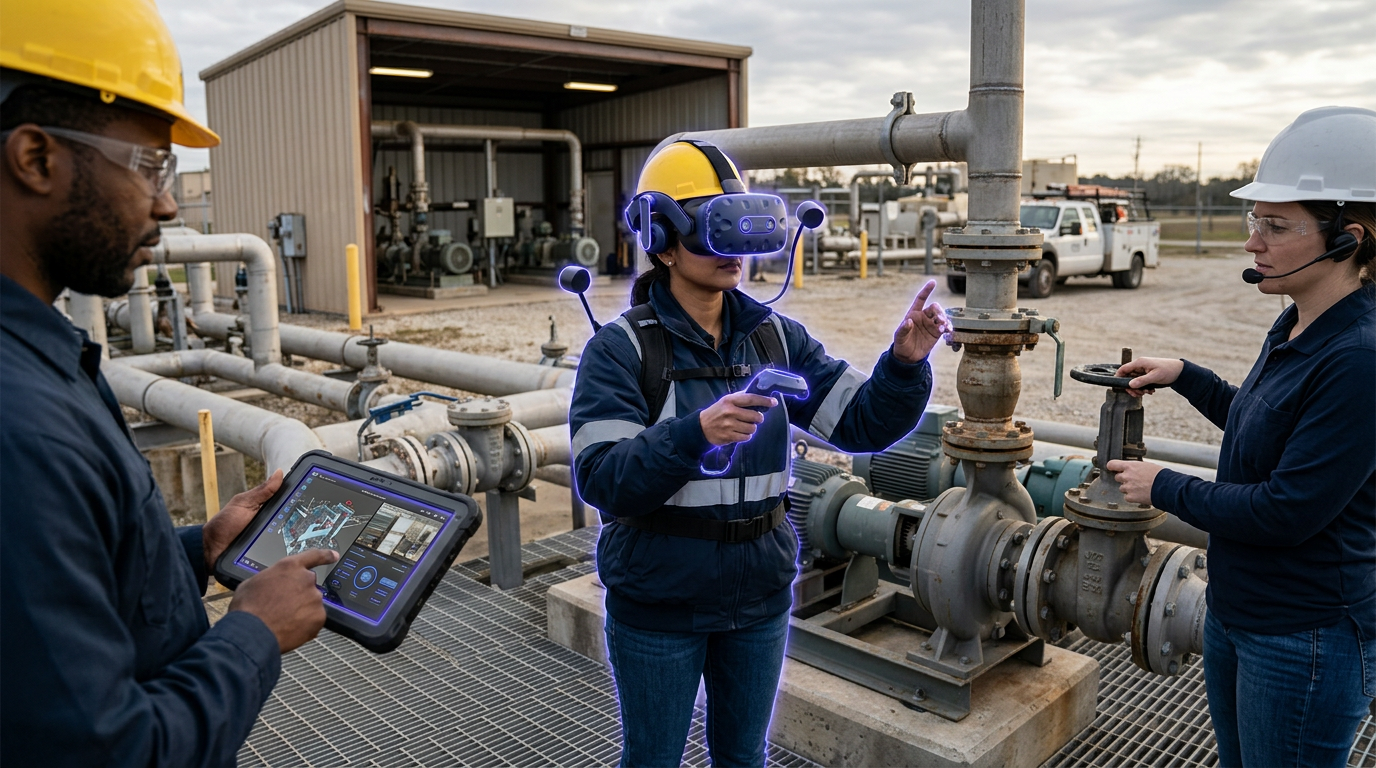
Computer-generated environments experienced through head-mounted displays that track movement and create presence
Turn this hub into a team session
Interested in our work?
Newsletter
Follow us for weekly foresight in your inbox.