Sensory Overload Protection
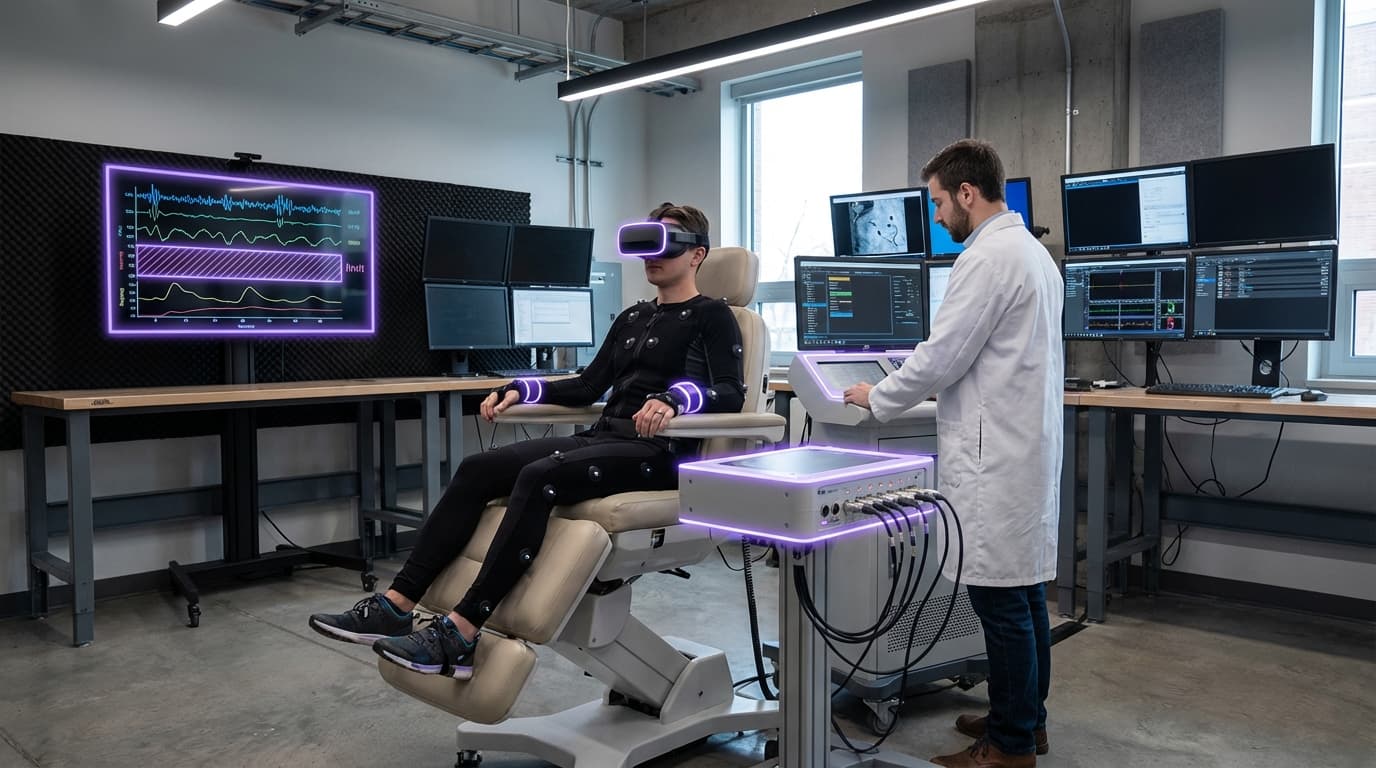
Extended reality (XR) technologies—encompassing virtual reality (VR), augmented reality (AR), and mixed reality (MR)—have introduced unprecedented levels of sensory immersion, but this intensity comes with significant physiological and psychological risks. The human sensory system evolved to process stimuli within certain natural boundaries, and when digital experiences exceed these thresholds, users can experience adverse effects ranging from mild discomfort to serious medical events. Sensory overload protection addresses this challenge through intelligent monitoring and modulation systems embedded within XR hardware and software. These systems continuously track multiple sensory channels simultaneously: visual stimuli including brightness levels, contrast ratios, flicker frequencies, and color saturation; auditory inputs measuring volume, frequency ranges, and sudden sound spikes; and haptic feedback intensity from controllers, gloves, or full-body suits. Advanced implementations employ biometric sensors that monitor user responses in real-time, detecting elevated heart rates, pupil dilation, skin conductance changes, or head movement patterns that indicate distress. When predetermined safety thresholds are approached or exceeded, the system automatically adjusts output parameters, gradually reducing intensity rather than abruptly cutting feedback, which itself could be disorienting.
The commercial imperative for sensory overload protection extends beyond user welfare to encompass liability mitigation, regulatory compliance, and market accessibility. As XR technologies move from niche applications into mainstream consumer and enterprise markets, manufacturers face increasing scrutiny from health authorities and standards organizations developing frameworks for safe immersive experiences. Without robust protection mechanisms, companies risk product recalls, litigation from users experiencing adverse effects, and exclusion from markets with strict safety requirements. Furthermore, certain user populations—including individuals with photosensitive epilepsy, vestibular disorders, anxiety conditions, or sensory processing differences—would be entirely excluded from XR experiences without adaptive safety systems. This technology enables inclusive design, allowing experiences to automatically calibrate to individual tolerance levels and medical profiles. For enterprise applications in training, simulation, and remote collaboration, sensory overload protection ensures that extended XR sessions remain productive rather than debilitating, preventing the fatigue, nausea, and cognitive impairment that can result from prolonged high-intensity immersion.
Current implementations of sensory overload protection vary widely across platforms, with leading XR manufacturers incorporating basic safeguards such as mandatory break reminders, brightness limiters, and motion smoothing algorithms, while more sophisticated systems are emerging in medical and military training applications where safety is paramount. Industry research suggests that future developments will integrate machine learning models capable of predicting individual user thresholds based on historical response patterns, creating personalized safety profiles that evolve with usage. The technology aligns with broader trends toward responsible innovation in immersive media, as content creators, hardware manufacturers, and platform operators recognize that sustainable growth of the XR industry depends on user trust and demonstrated commitment to wellbeing. As haptic technologies become more sophisticated—enabling sensations of temperature, texture, and even simulated pain for medical training—the complexity and importance of sensory overload protection will only increase, making it a foundational requirement rather than an optional feature in the next generation of reality-shaping technologies.
Related Organizations

A global non-profit dedicated to providing privacy and safety standards for the immersive ecosystem (VR/AR).

Developed UL 8400, the first dedicated safety standard for AR/VR/MR equipment.

The global leader in eye-tracking technology, providing the sensor stack required for dynamic foveated rendering.

The international standards organization for the Web, responsible for the Decentralized Identifiers (DID) and Verifiable Credentials (VC) recommendations.

Produces precision visual stimulus tools and the HardingFPA for photosensitive epilepsy testing.

Epilepsy Foundation
United States · Nonprofit
Advocates for safety standards regarding flashing lights and patterns in digital media.

Professional society dedicated to the science of human-system interaction.

HP
United States · Company
Partnering with Google to commercialize Project Starline hardware for enterprise meeting rooms.

Creator of SteamVR and its Motion Smoothing technology.
Supporting Evidence
Research this in Signals
Signals turns a topic into a sourced research record you can inspect and rerun. Your first scan is free, and this one starts with Sensory Overload Protection already loaded, so edit it or scan as is.