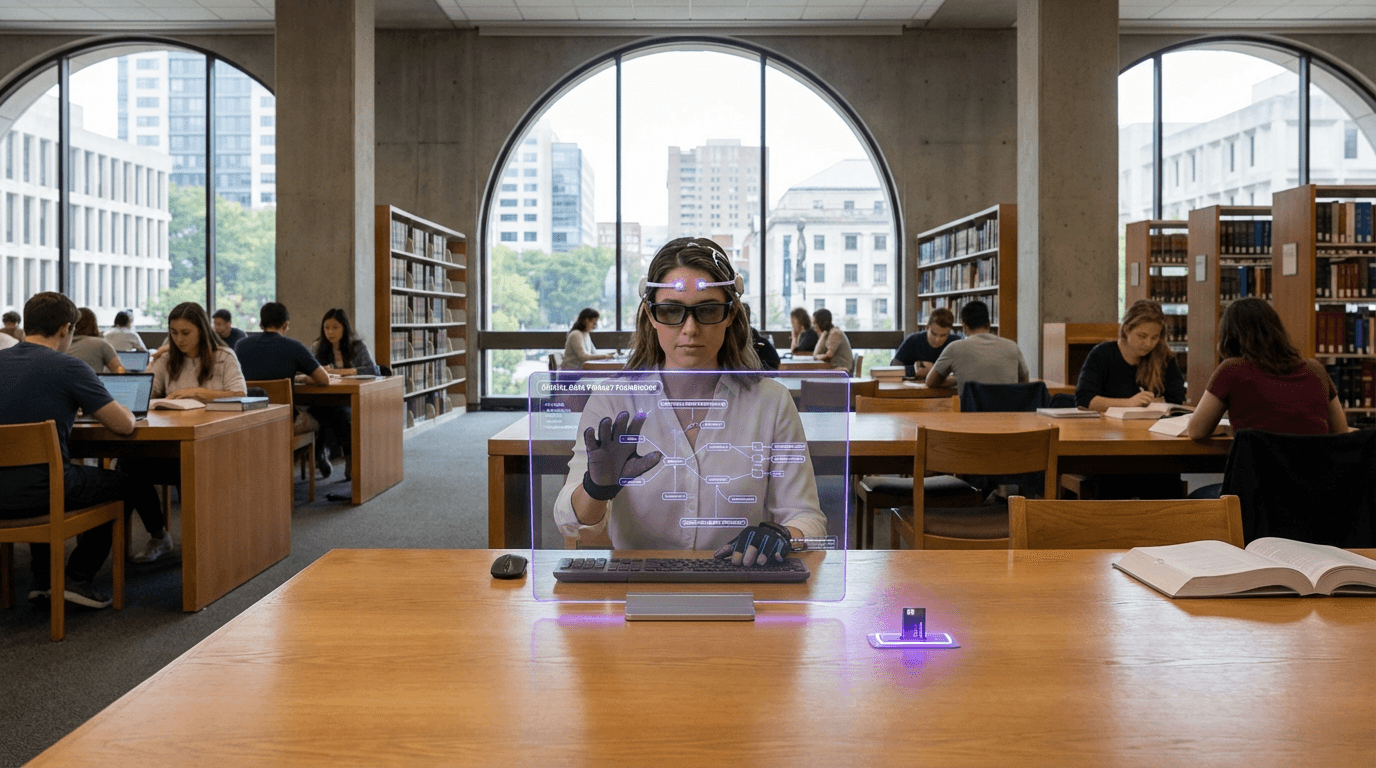
Cognitive Liberty Rights
As brain-computer interfaces (BCIs) and neurotechnology advance from research laboratories into commercial applications, a fundamental challenge has emerged: the absence of legal protections for the most intimate form of personal data—our thoughts, emotions, and cognitive processes. Traditional privacy frameworks were designed for an era when mental activity remained inherently private, accessible only through voluntary expression. However, modern neurotechnology can now decode neural signals to infer intentions, emotional states, attention patterns, and even reconstruct visual imagery from brain activity. This technological capability creates unprecedented vulnerabilities, as neural data could potentially be accessed by employers monitoring worker focus, advertisers tracking subconscious responses, or governments surveilling dissent before it manifests as action. Cognitive liberty rights represent an emerging legal and ethical framework specifically designed to address this gap, establishing that individuals possess an inalienable right to mental self-determination—the freedom to control access to their neural data and to think without external interference or surveillance.
The core mechanisms of cognitive liberty protections operate on multiple levels, combining constitutional interpretation, statutory law, and technical standards. Legal scholars and human rights advocates argue that cognitive liberty should be recognized as a fundamental right, potentially derived from existing constitutional protections around privacy, freedom of thought, and bodily autonomy. This framework would establish that neural data constitutes a uniquely sensitive category requiring heightened protection beyond conventional personal information. Proposed regulations would mandate explicit, granular consent for any collection or processing of brain data, prohibit coercive neurotechnology deployment in workplaces or educational settings, and restrict the commodification of neural information by technology platforms. Technical standards complement these legal protections by establishing protocols for secure neural data storage, encryption requirements for BCI communications, and audit mechanisms to ensure compliance. Some jurisdictions have begun exploring "neurorights" amendments that would explicitly protect mental privacy, while industry groups are developing voluntary codes of conduct that recognize the special status of brain-derived information.
Early legislative efforts have emerged in several regions, with Chile becoming the first nation to enshrine neurorights in its constitution, establishing explicit protections for mental privacy and cognitive integrity. Research institutions developing BCI technologies are increasingly incorporating privacy-by-design principles, building encryption and access controls directly into neural interface architectures. However, widespread adoption faces significant challenges, including the difficulty of defining precisely what constitutes "neural data" as opposed to other biometric information, the tension between medical applications that require data sharing and privacy protections, and the global nature of technology platforms that may operate across jurisdictions with varying standards. As neurotechnology transitions from medical devices for paralysis patients to consumer products for cognitive enhancement and immersive experiences, the urgency of establishing robust cognitive liberty protections intensifies. These frameworks represent not merely privacy regulations but a fundamental redefinition of human rights for an era when the boundary between mind and machine becomes increasingly permeable, ensuring that our inner mental lives remain a domain of personal sovereignty even as technology gains unprecedented access to neural processes.
Related Organizations
Advocacy group led by Rafael Yuste promoting the five ethical neurorights in international law.
Government of Chile
Chile · Government Agency
The executive branch of the Chilean state.

Scholarly society promoting the development of neuroethics.
OECD
France · Government Agency
Adopted the 'Recommendation on Responsible Innovation in Neurotechnology' to guide governments and companies.

The UN agency responsible for the 'Recommendation on the Ethics of Artificial Intelligence'.

NSF Engineering Research Center at the University of Washington.

The UK's independent regulator for data rights, providing specific guidance on AI and data protection.

Neurotechnology company developing implantable brain-machine interfaces.

Digital rights group advocating for privacy in emerging technologies, including BCI and mental privacy.

Neuroscience company developing non-invasive brain recording technology (Flow and Flux).
Supporting Evidence
Research this in Signals
Signals turns a topic into a sourced research record you can inspect and rerun. Your first scan is free, and this one starts with Cognitive Liberty Rights already loaded, so edit it or scan as is.