Where technologies cluster around the world
Regions
79 technologies in Southeast Asia

Vietnam hosts Intel's largest global assembly/test facility and is transitioning from back-end packaging to upstream manufacturing partner under the US chip strategy.

Thailand produces 35% of global natural rubber, developing specialty grades for EV tires (low rolling resistance), medical devices, and performance composites to move beyond commodity exports.
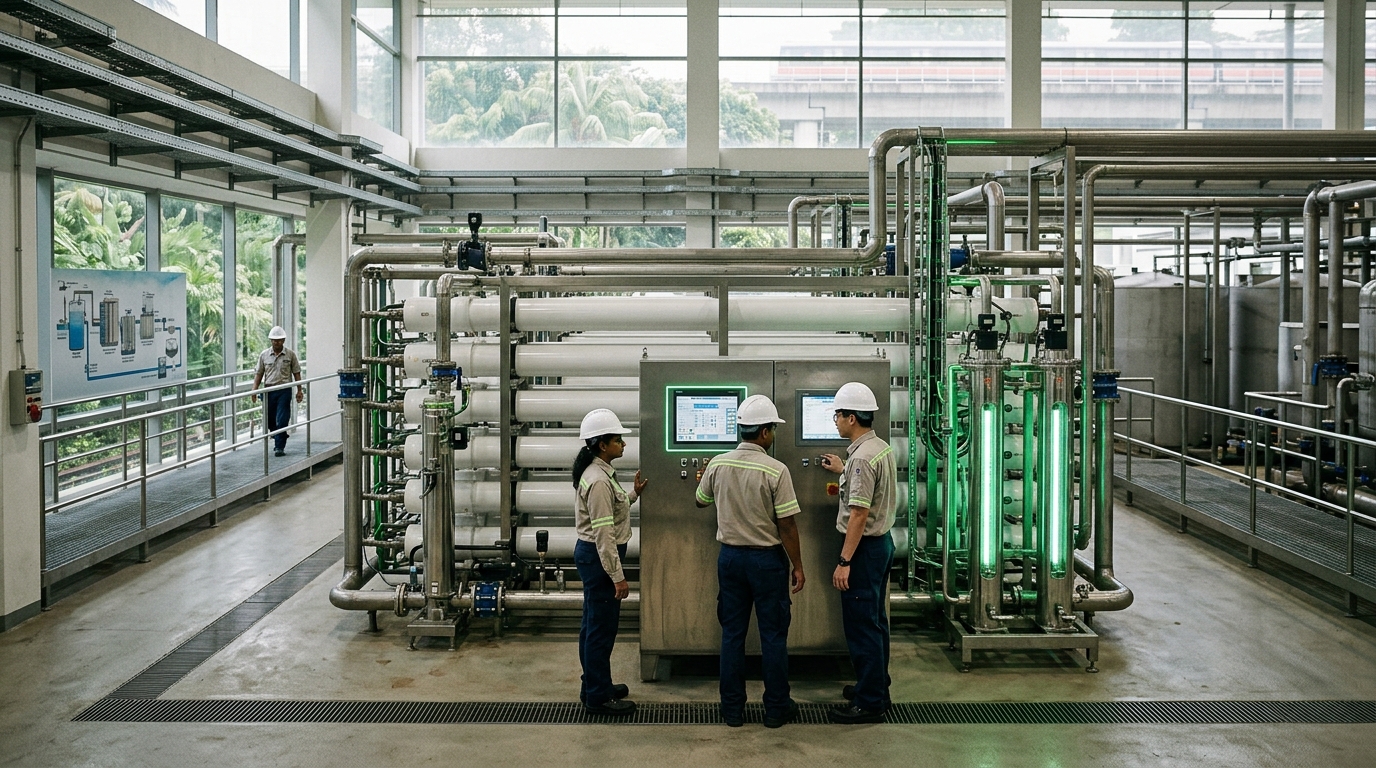
Singapore's NEWater uses microfiltration, reverse osmosis, and UV treatment to recycle wastewater into ultra-pure water, supplying 40% of national demand across 5 plants.

Singapore's IMDA developed Asia's first comprehensive AI governance framework, with AI Verify — an open-source testing toolkit — adopted by companies and regulators across ASEAN.
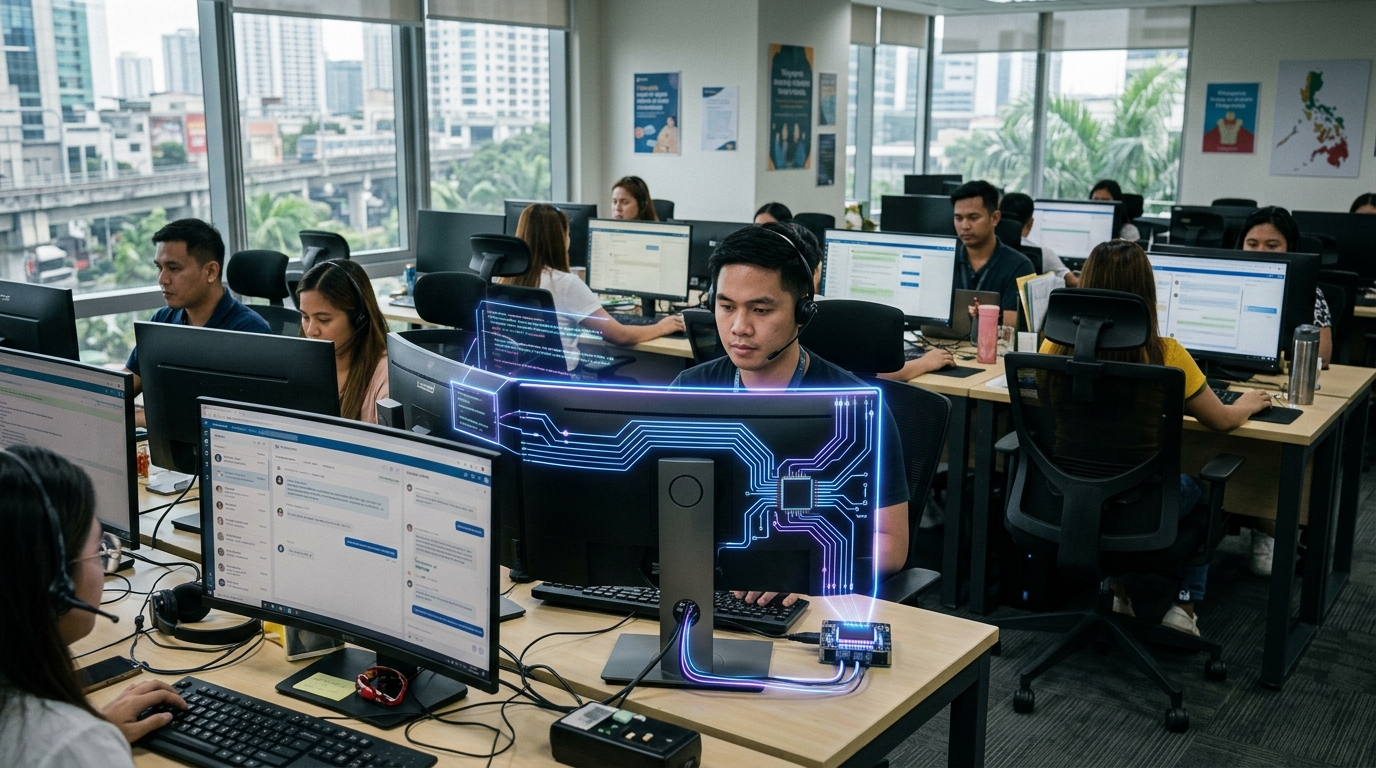
The Philippines' $38B BPO industry employs 1.7M workers and is deploying AI co-pilot tools for customer service, medical transcription, and financial processing to maintain competitiveness.
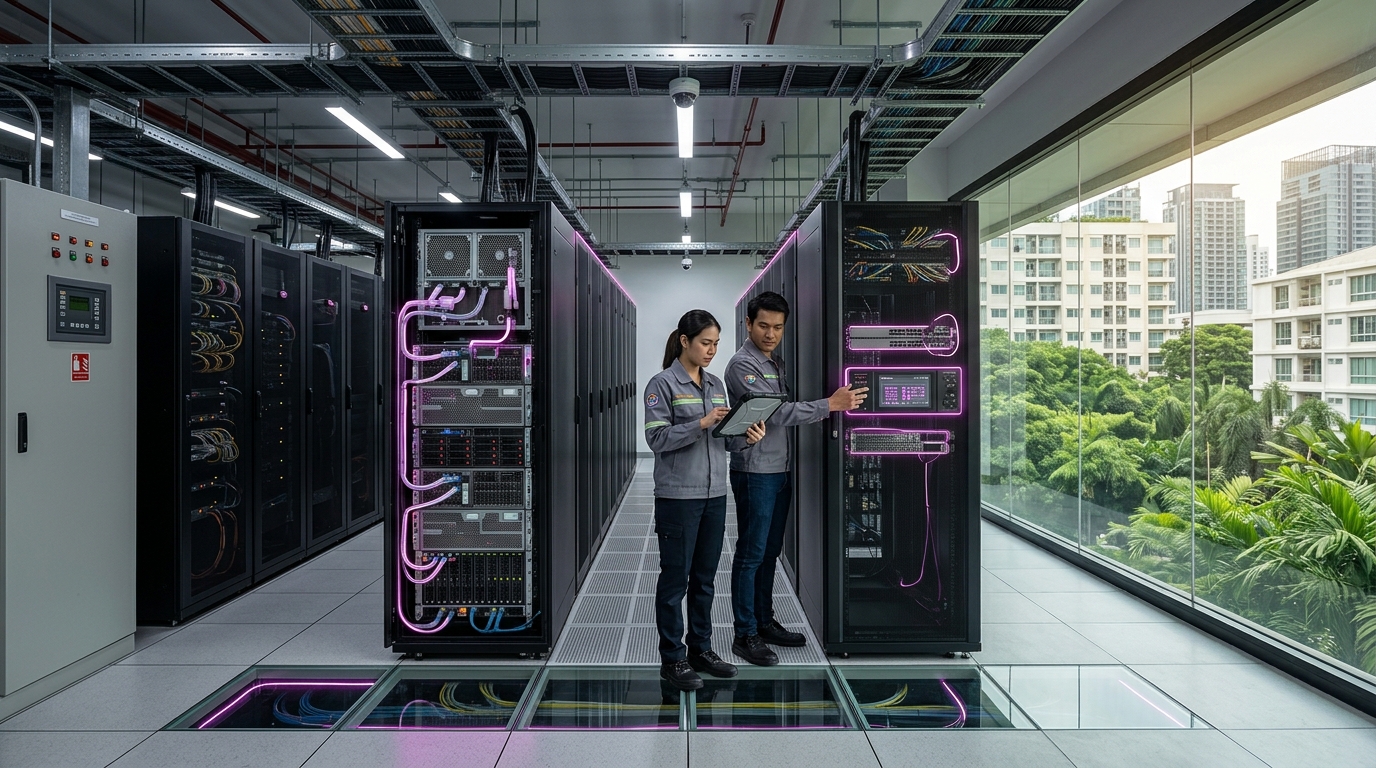
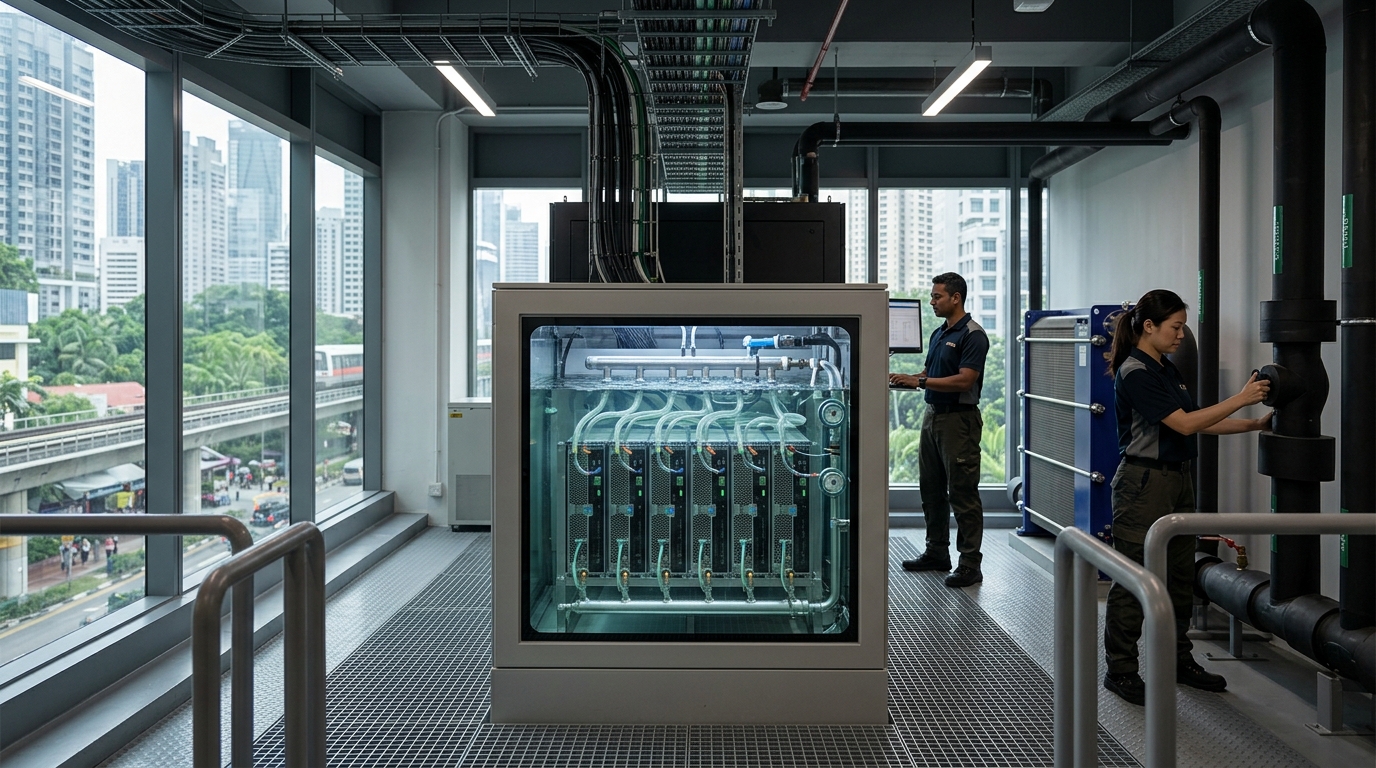
Thailand approved $23B in data center projects across 36 facilities in 2025, including Microsoft's cloud region, positioning as ASEAN's #2 compute hub.
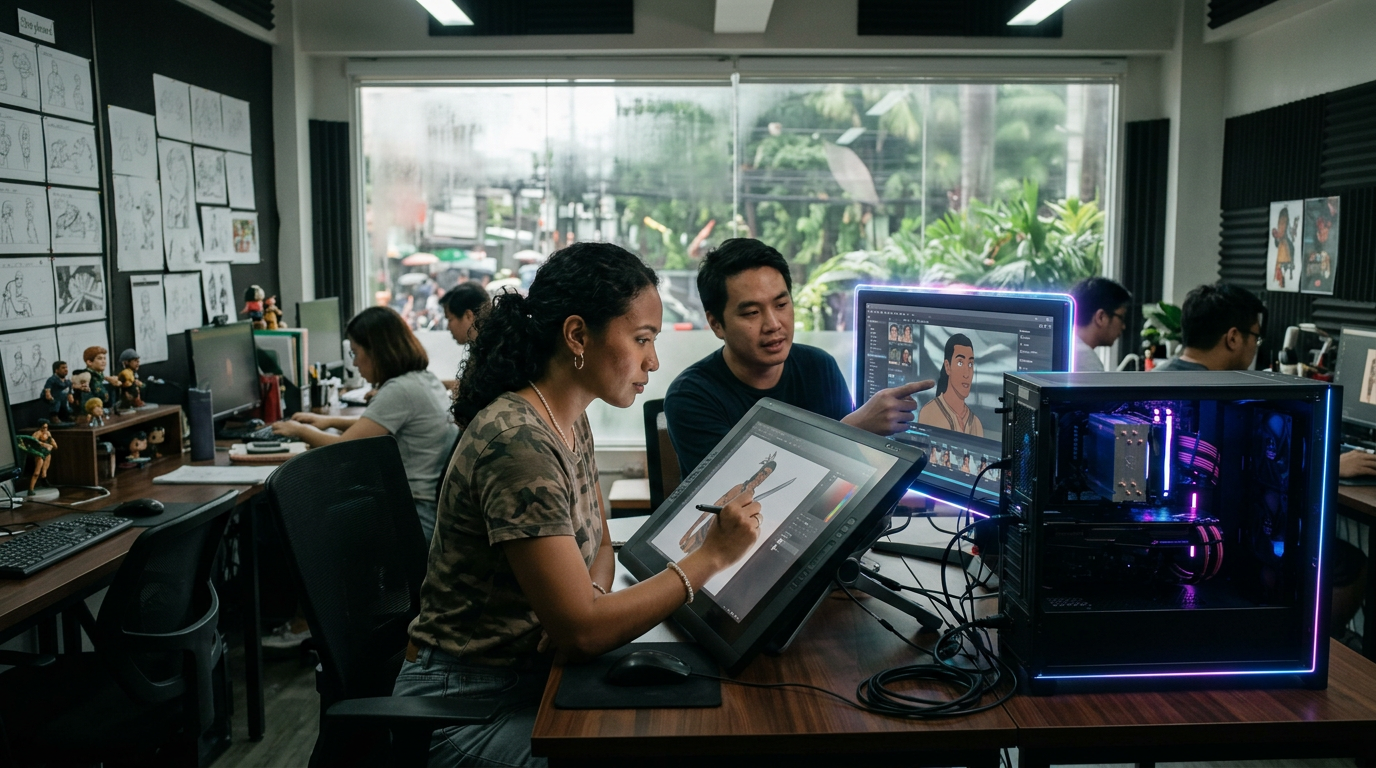
The Philippines is Asia's largest animation outsourcing hub with 20+ studios serving Disney, Warner Bros, and Nickelodeon — now integrating AI workflows for indigenous IP.
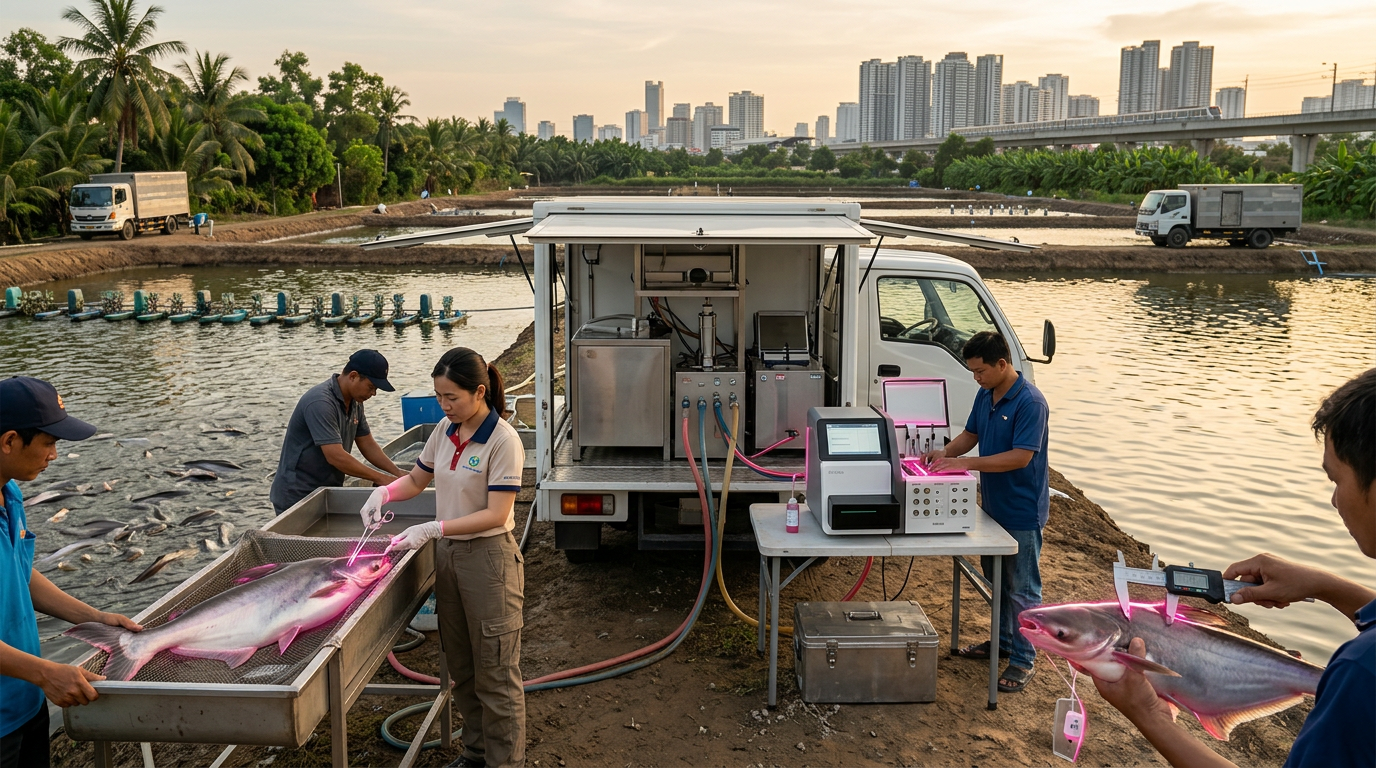
Vietnam's national aquaculture genetics programs develop disease-resistant, fast-growing strains of pangasius and shrimp using selective breeding and genomic selection technology.
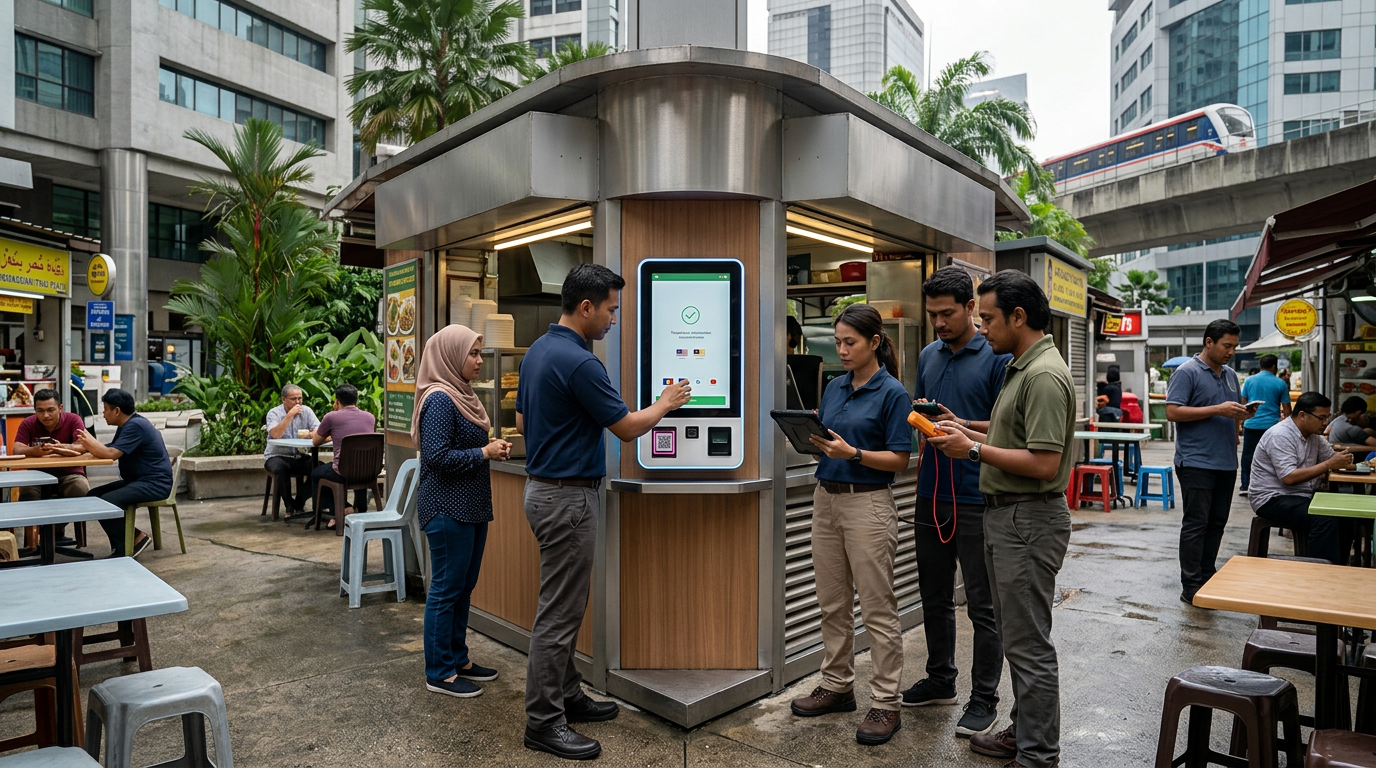
Five ASEAN national payment systems (PromptPay, PayNow, QRIS, DuitNow, KHQR) are interlinked for real-time cross-border transfers, reducing settlement from days to seconds.
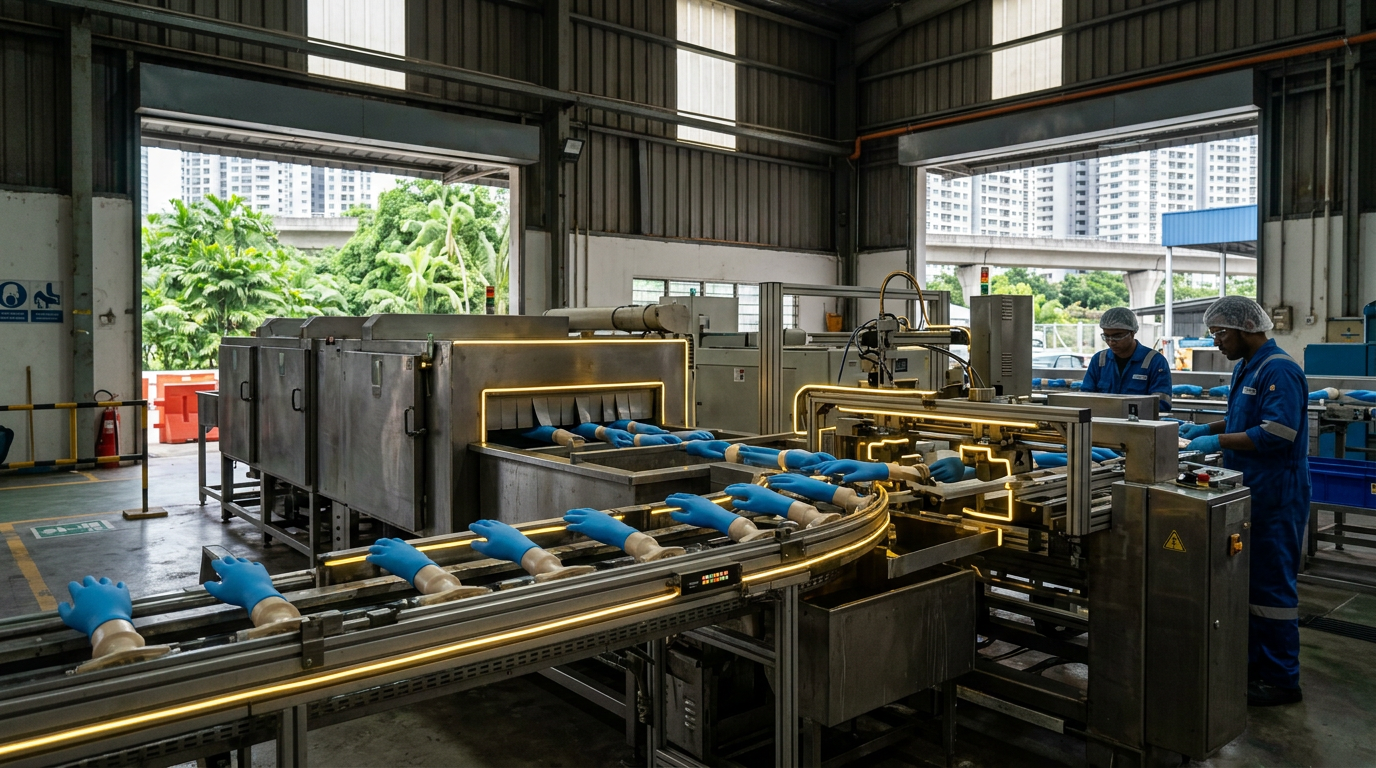
Malaysia produces 65% of the world's rubber gloves, with post-COVID automation reducing labor dependence by 30% while maintaining capacity at 200+ billion pieces annually.
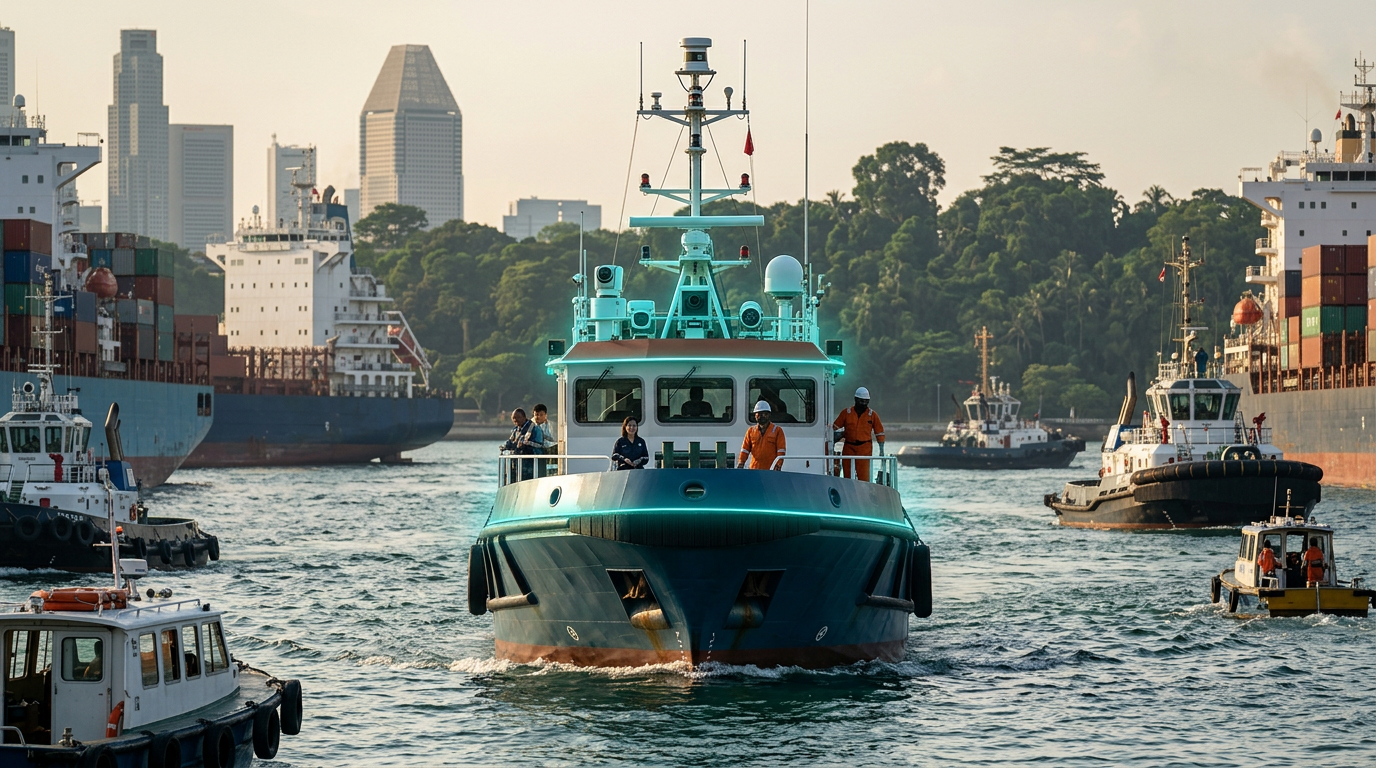
MPA Singapore is testing autonomous vessel navigation in the world's busiest shipping lanes, developing standards for unmanned cargo ships that could reshape Indo-Pacific maritime logistics.
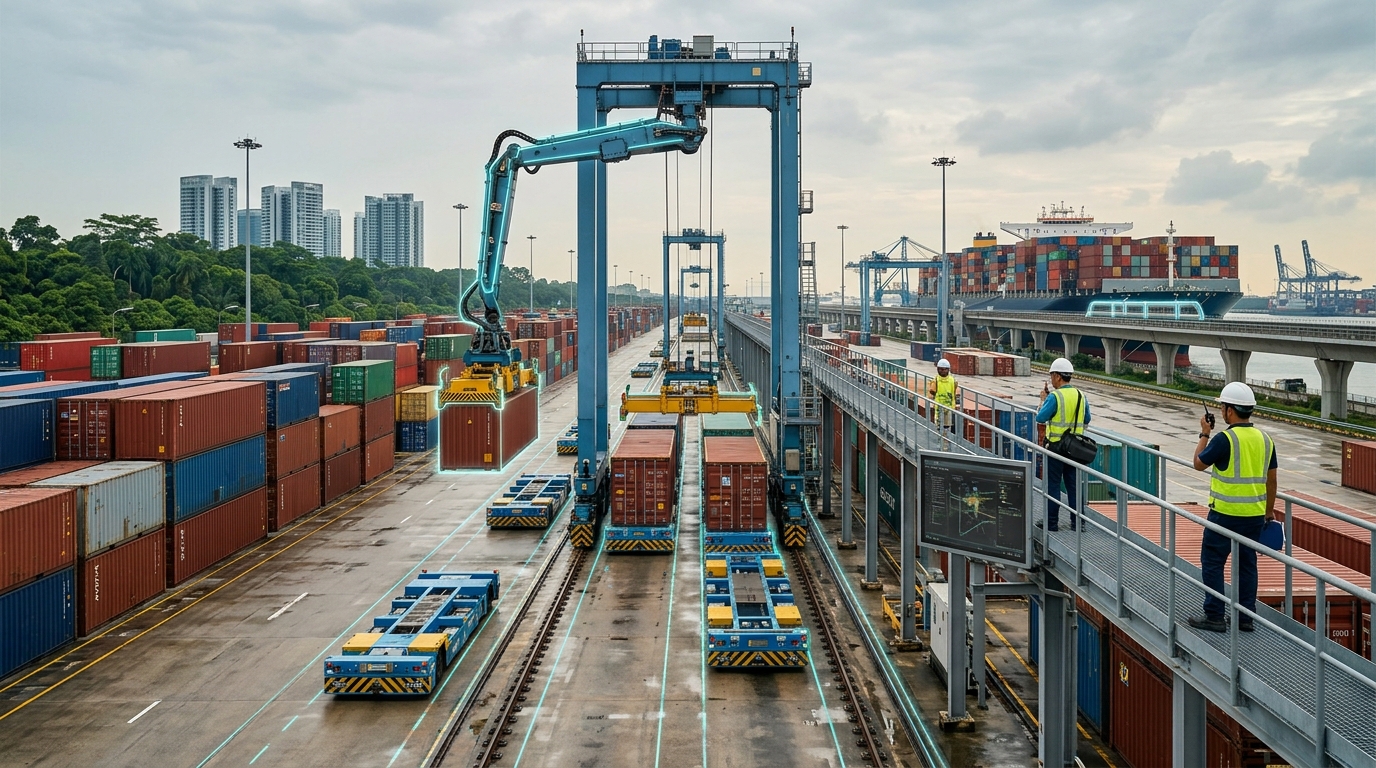
Singapore's Tuas Mega Port deploys AI-orchestrated autonomous cranes, AGVs, and digital twin systems to handle 65M TEUs — the world's largest fully automated container terminal.

Singapore's Tuas Mega Port, opening in phases through 2040, deploys autonomous cranes, AI-optimized vessel scheduling, and digital twin systems to handle 65M TEUs — the world's largest capacity.
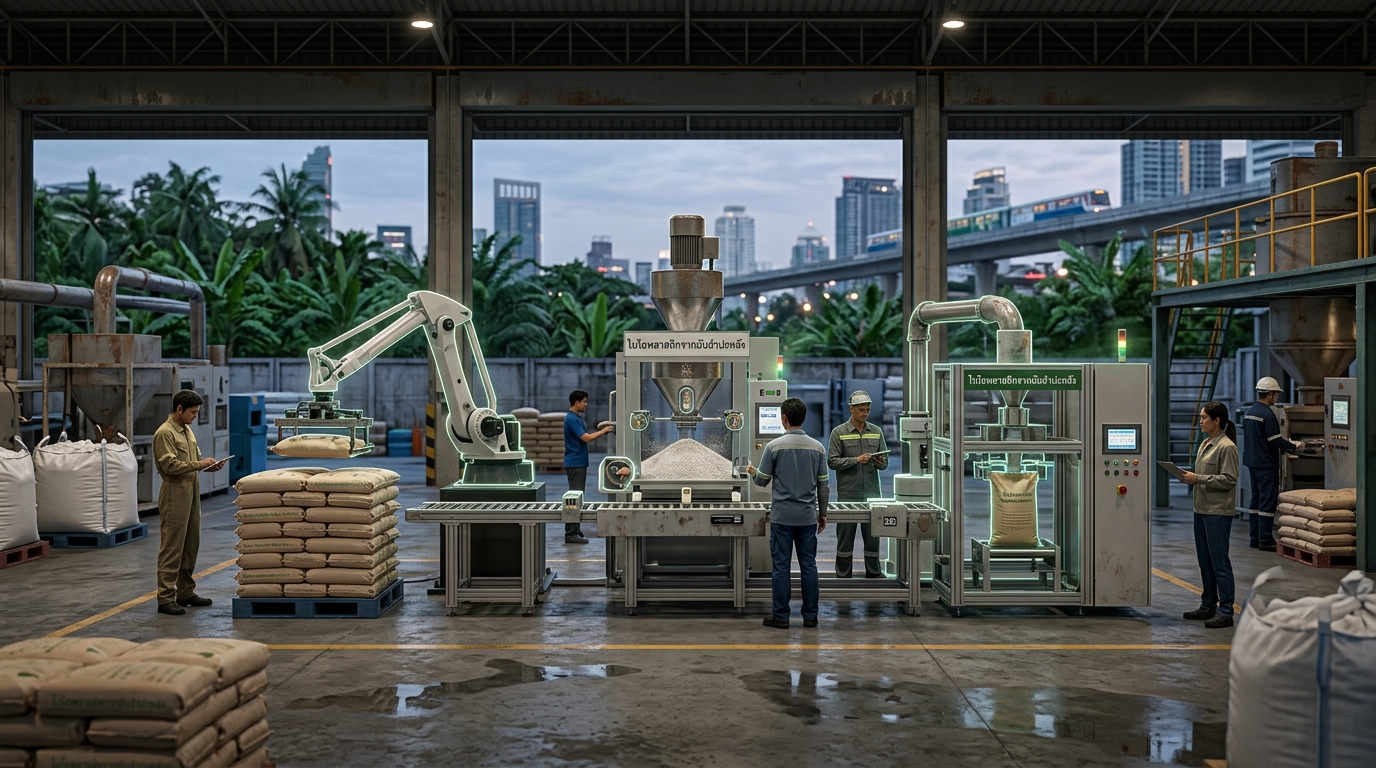
Thailand is Asia's largest producer of bio-based plastics using cassava and sugarcane feedstocks, with NatureWorks and PTT MCC producing PLA and bio-PBS at industrial scale.
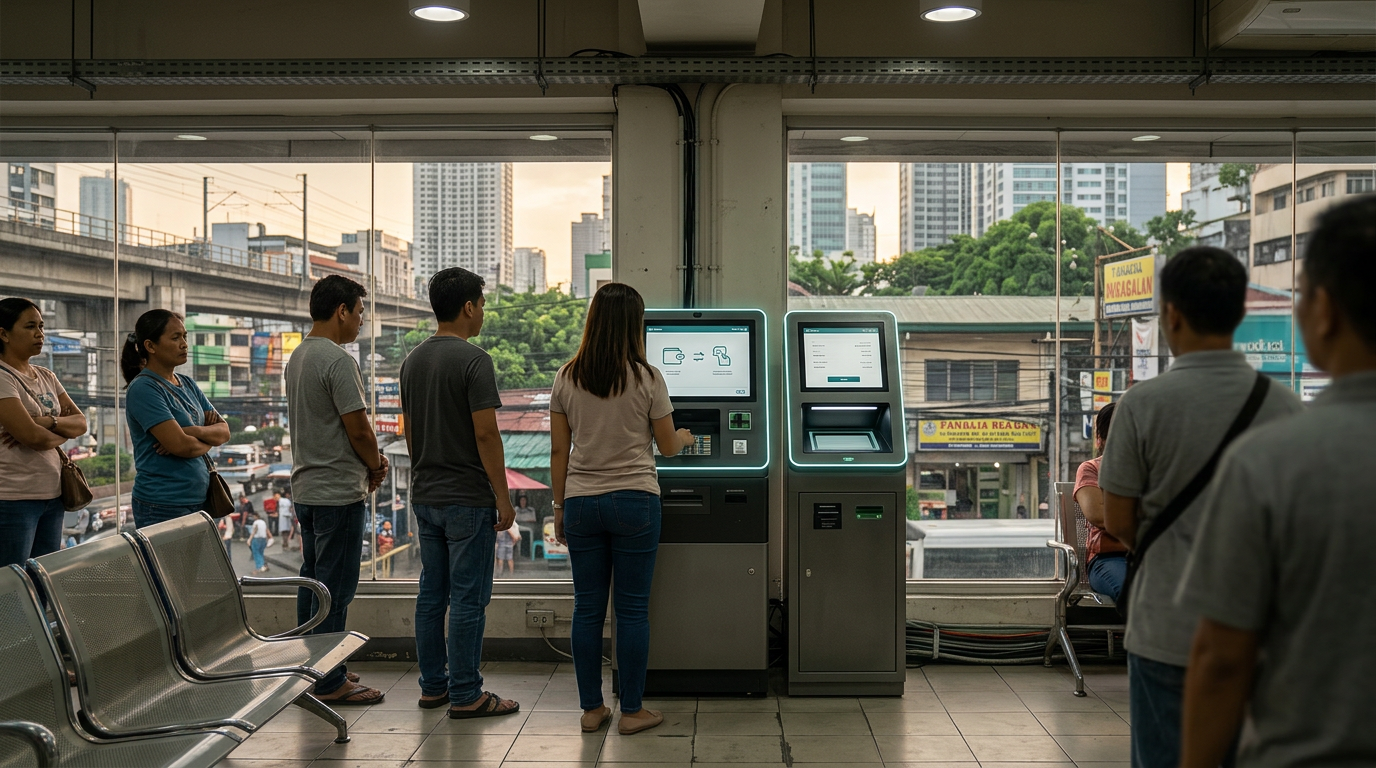
The Philippines receives $38B+ in annual remittances (10% of GDP), with blockchain/stablecoin rails reducing transfer costs from 5-7% to under 1% for overseas Filipino workers.

Malaysia's central bank launched a 3-year tokenized sukuk pilot with CIMB, using smart contracts to automate Shariah-compliant bond payments on blockchain.
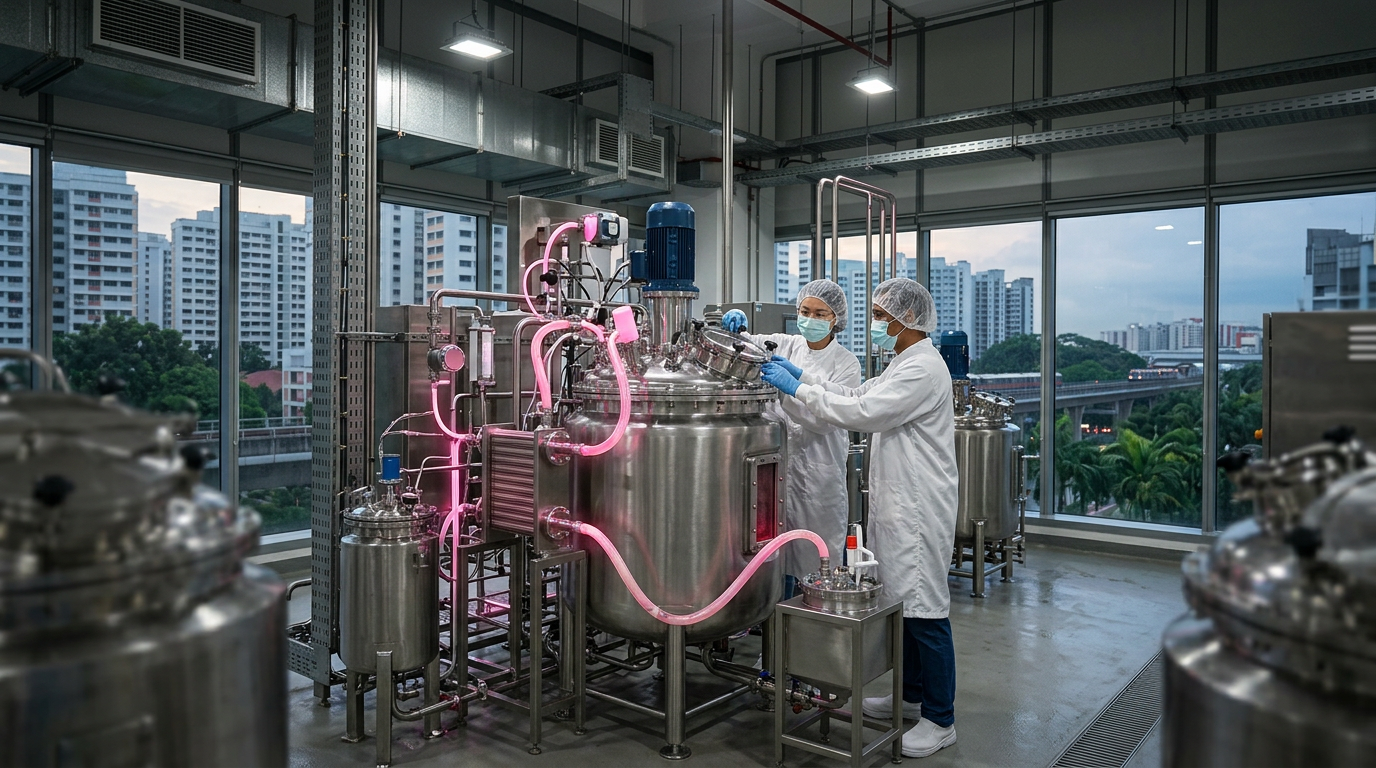
Singapore was the first country to approve lab-grown meat (2020), with Esco Aster's 80,000 sq ft Changi plant producing 400-500 tonnes of cultured chicken annually.
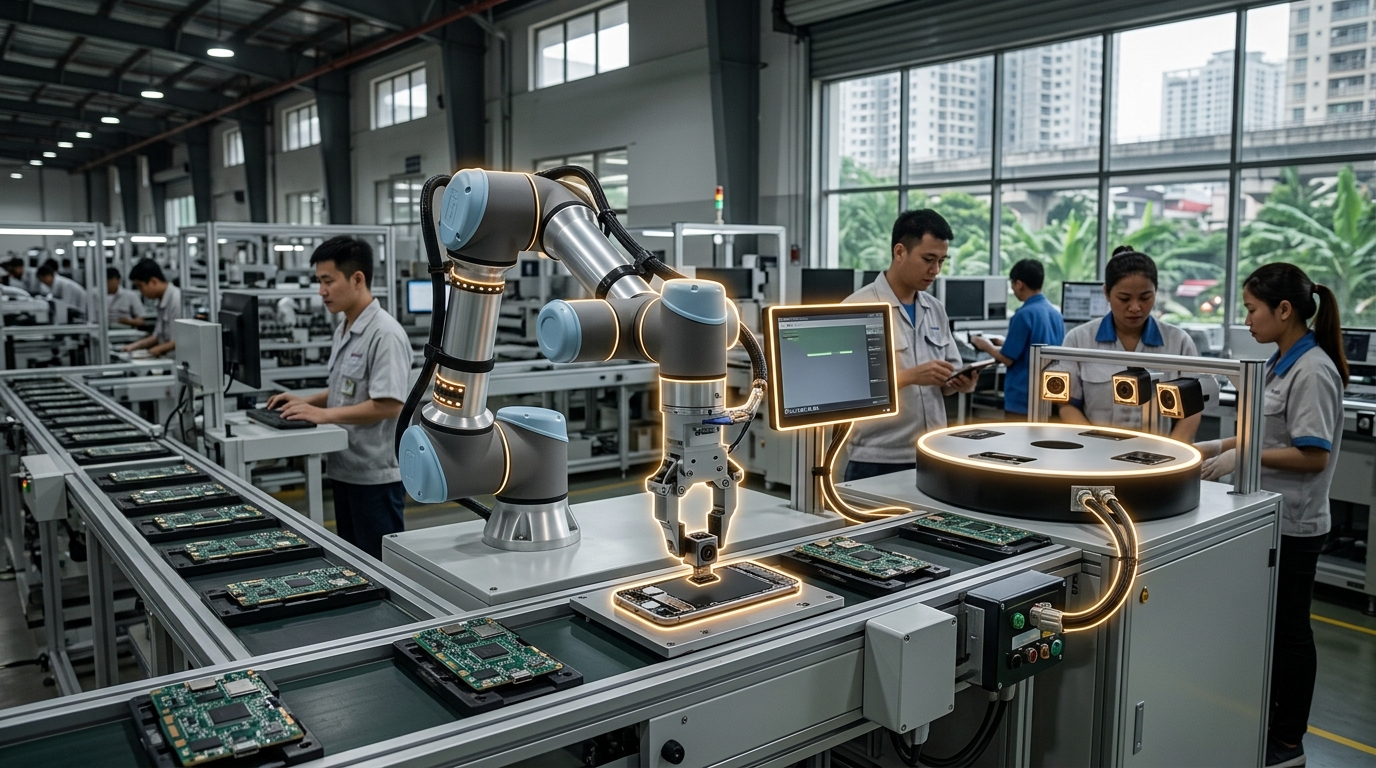
Vietnam is Samsung's largest global smartphone production base (50%+ of output) and Apple's fastest-growing assembly location, producing AirPods, iPads, and MacBooks.
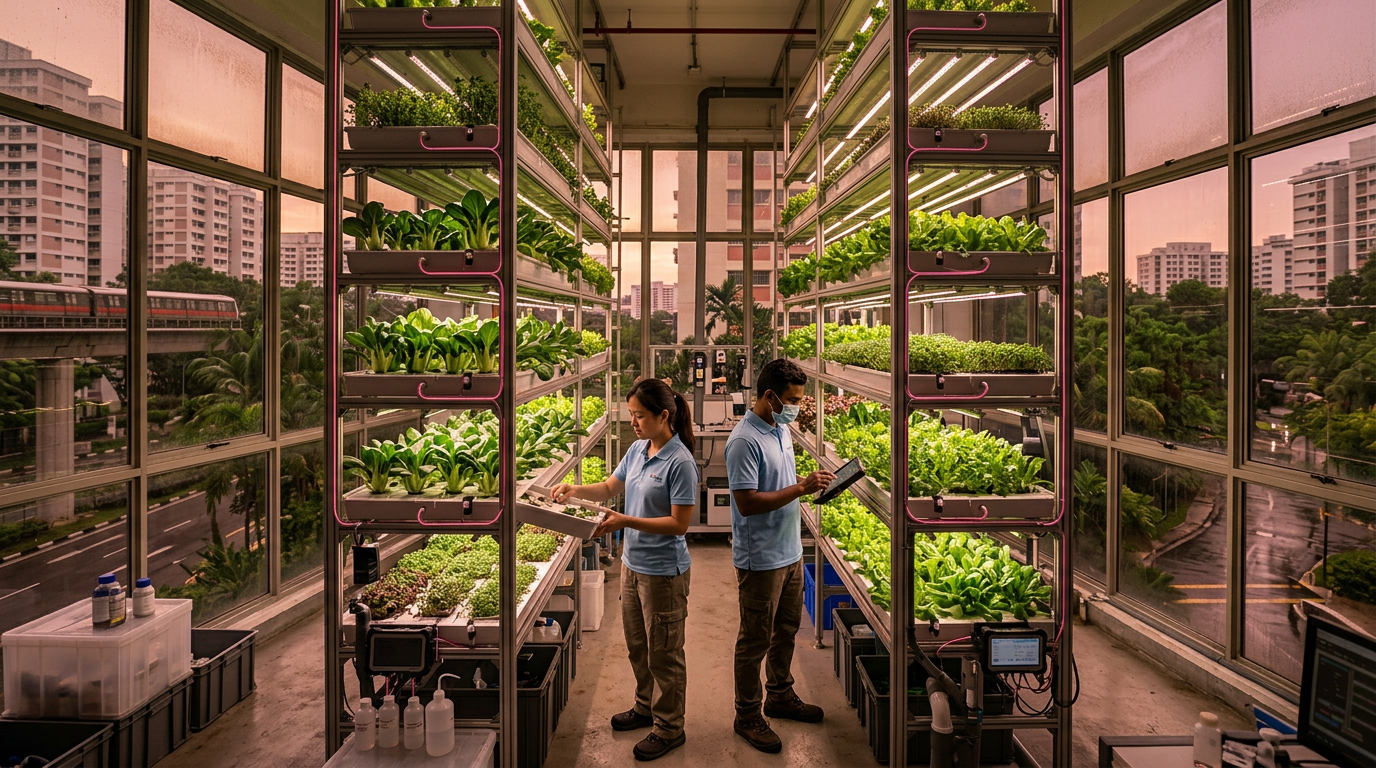
Singapore's '30 by 30' food security vision drives vertical farming innovation, with companies like Sustenir, Archisen, and ComCrop using AI-optimized indoor systems to grow vegetables locally.
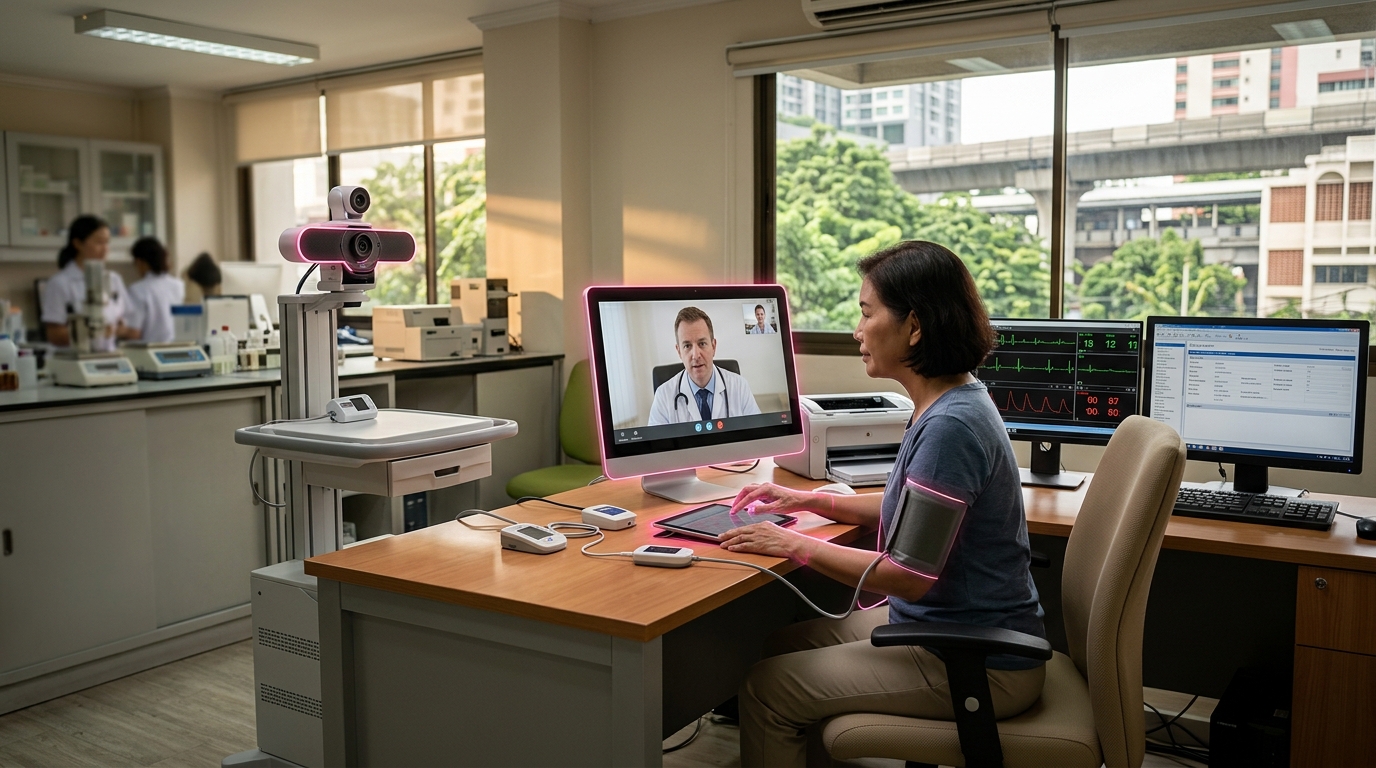
Thailand's $4.7B medical tourism industry is deploying digital health platforms, AI-assisted diagnostics, and telemedicine integration serving 3.5M+ international patients annually.

Bank Indonesia's Project Garuda is building a CBDC backed by government bonds with stablecoin mechanics, making it one of the world's first sovereign digital currencies with tokenized securities.
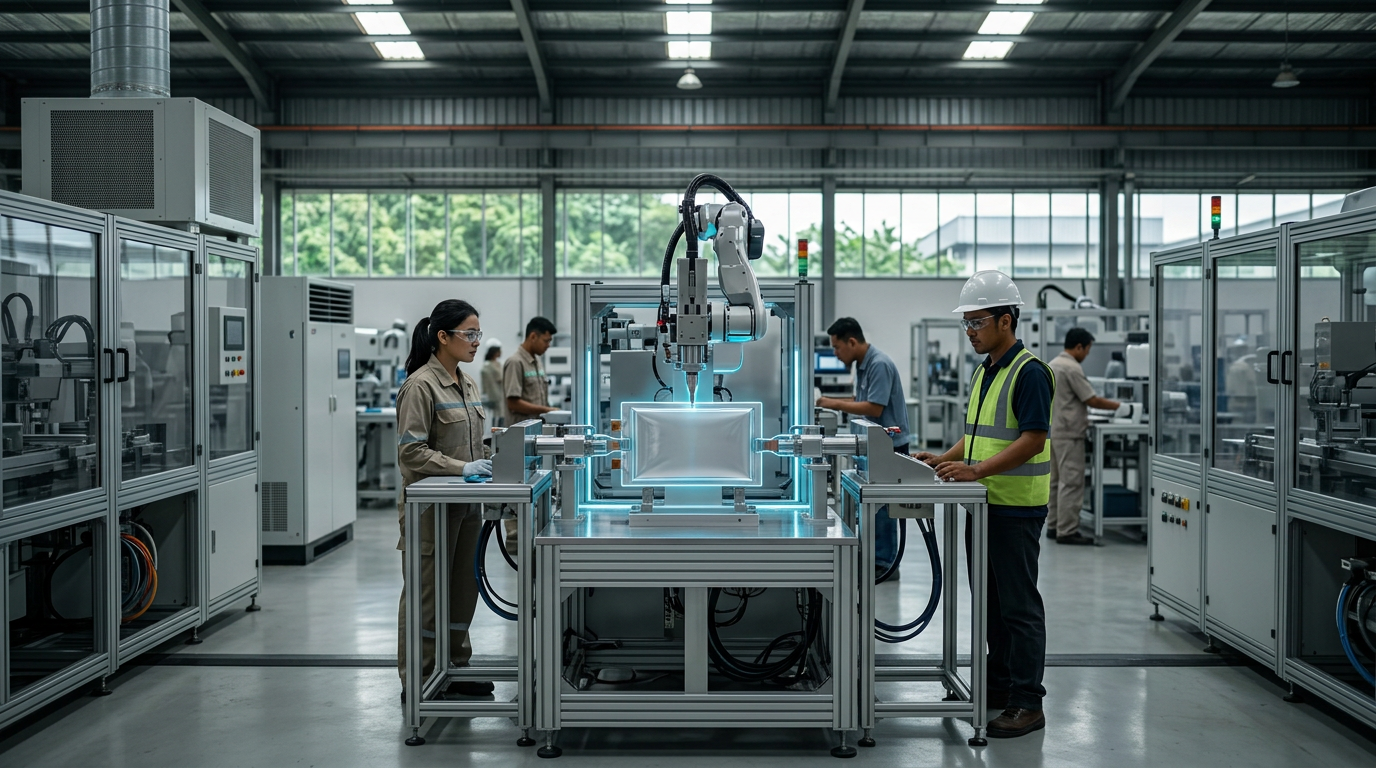
Indonesia leverages its nickel reserves to attract LG, CATL, and Hyundai battery cell manufacturing, targeting full cathode-to-cell production in Sulawesi and Java industrial zones.
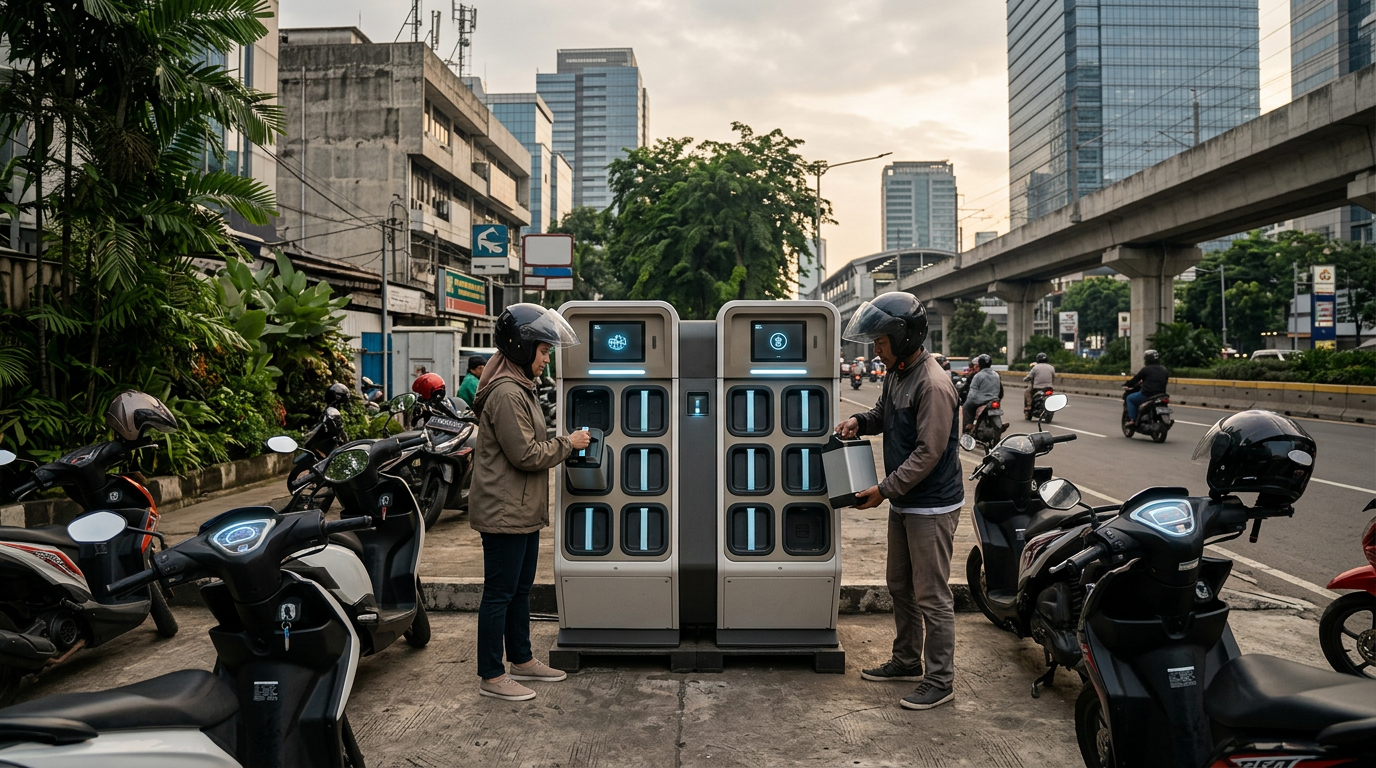
Indonesia is deploying interoperable battery swap networks for its 90M-motorbike market, with Gogoro, Swap, and local players building station infrastructure across Java.

Indonesia's 90M motorbike market is transitioning to electric, with local startup Alva, plus Gogoro and VinFast building production capacity targeting affordable urban transport.
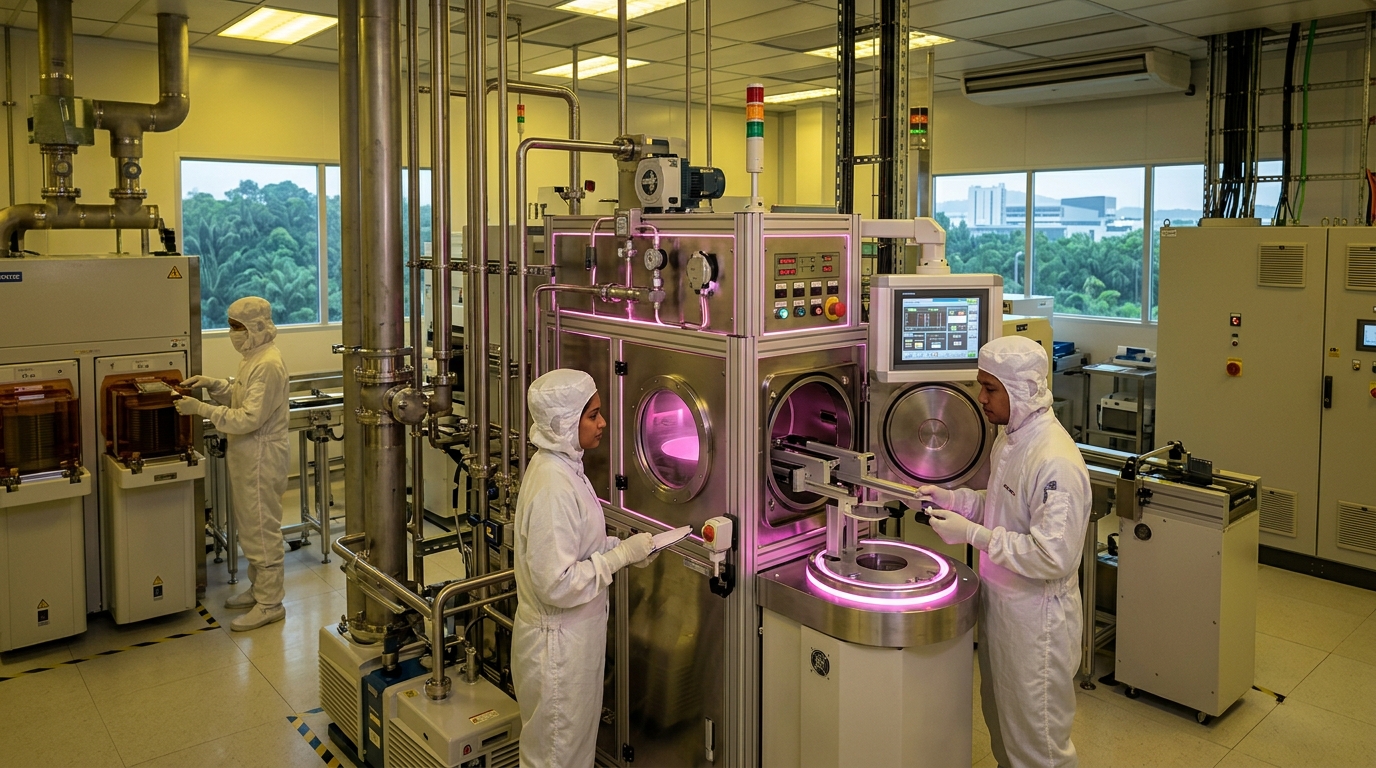
Malaysia's SilTerra operates Southeast Asia's only indigenous wafer fab (200mm, 90nm), with AMRO arguing Malaysia should leverage its packaging ecosystem to move into IC design and advanced fab.

Thailand's EV transition is driving battery cell production investments, with Chinese manufacturers (BYD, CATL) and local players building gigawatt-hour capacity in the Eastern Economic Corridor.
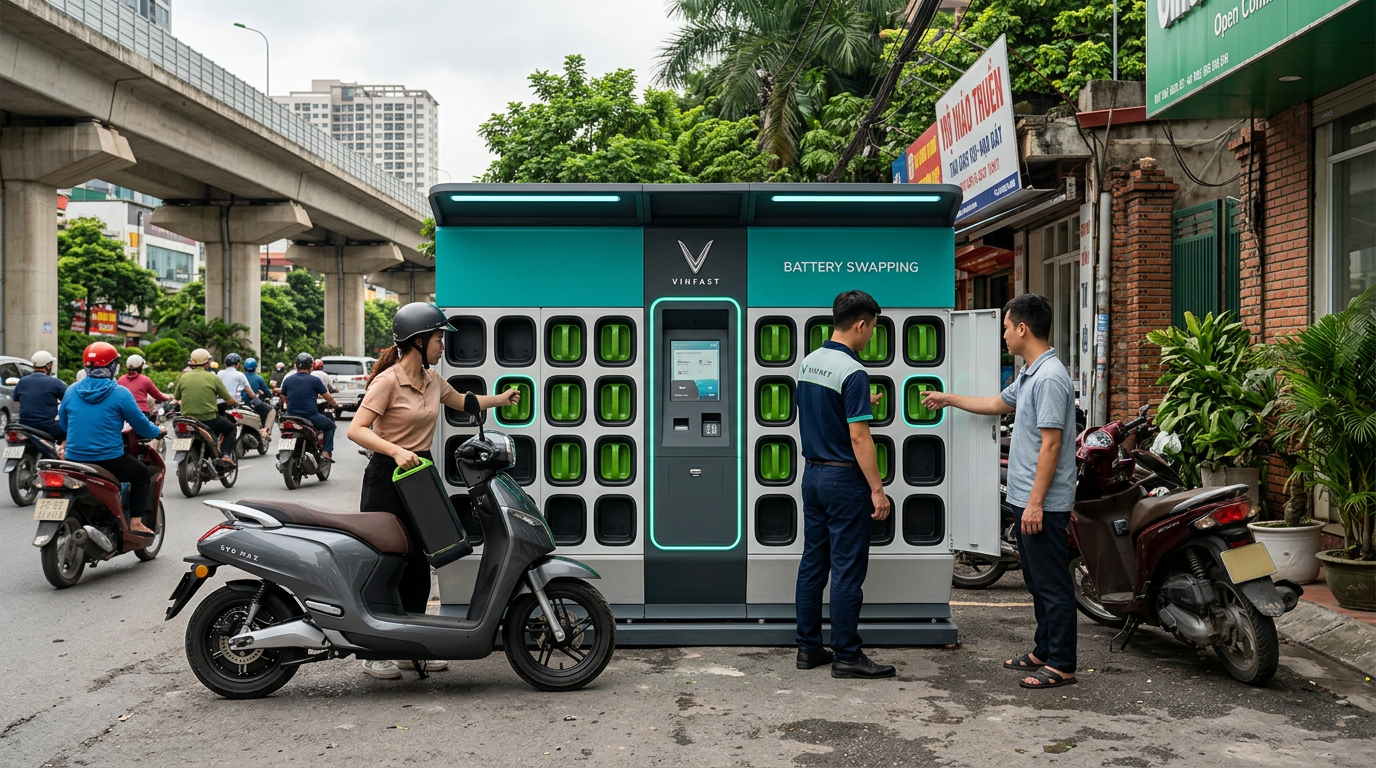
VinFast is deploying a nationwide battery-swapping network for electric scooters in Vietnam, starting with the Evo Max, targeting the 45M motorbike market.
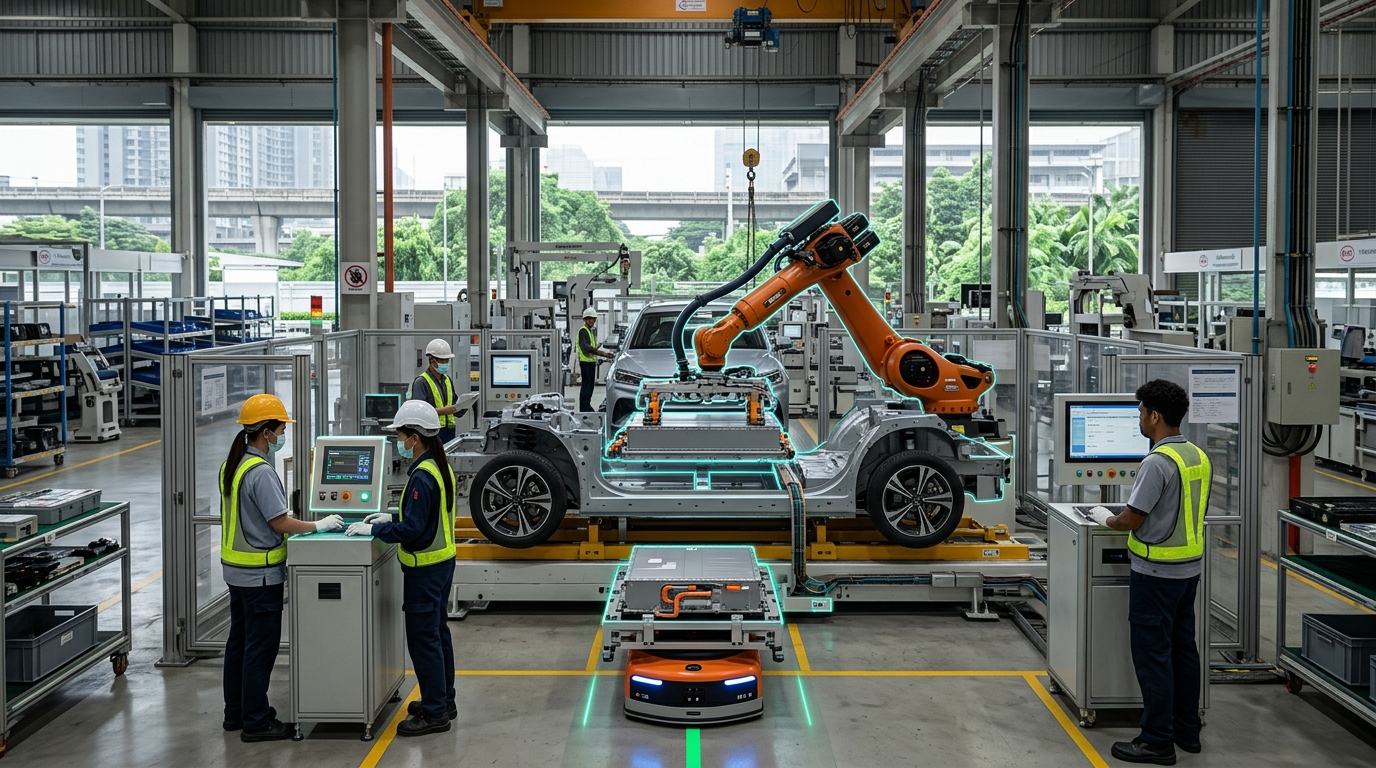
Thailand's EV manufacturing pivot hosts BYD's first overseas factory (150K units/year), already exporting to Europe, with projections to reach 52,000 exports by 2026.
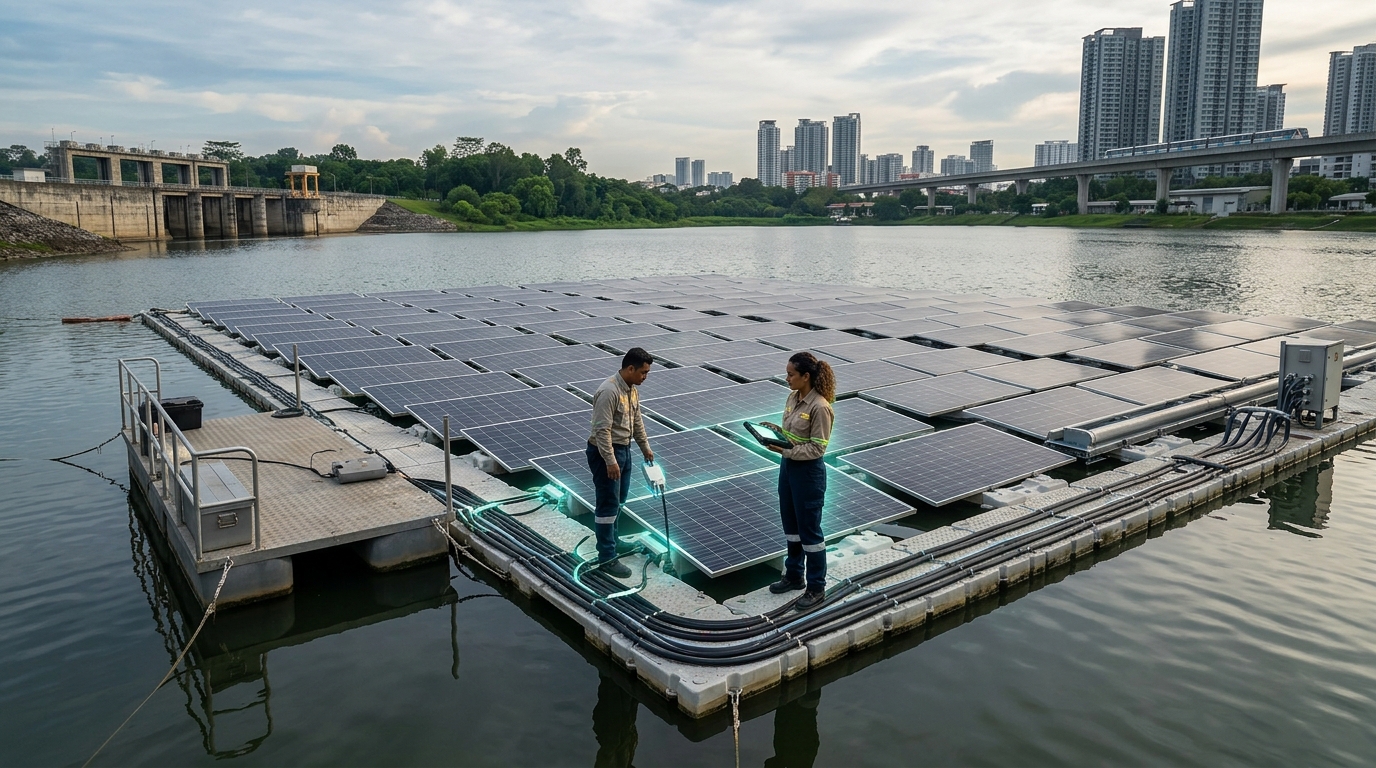
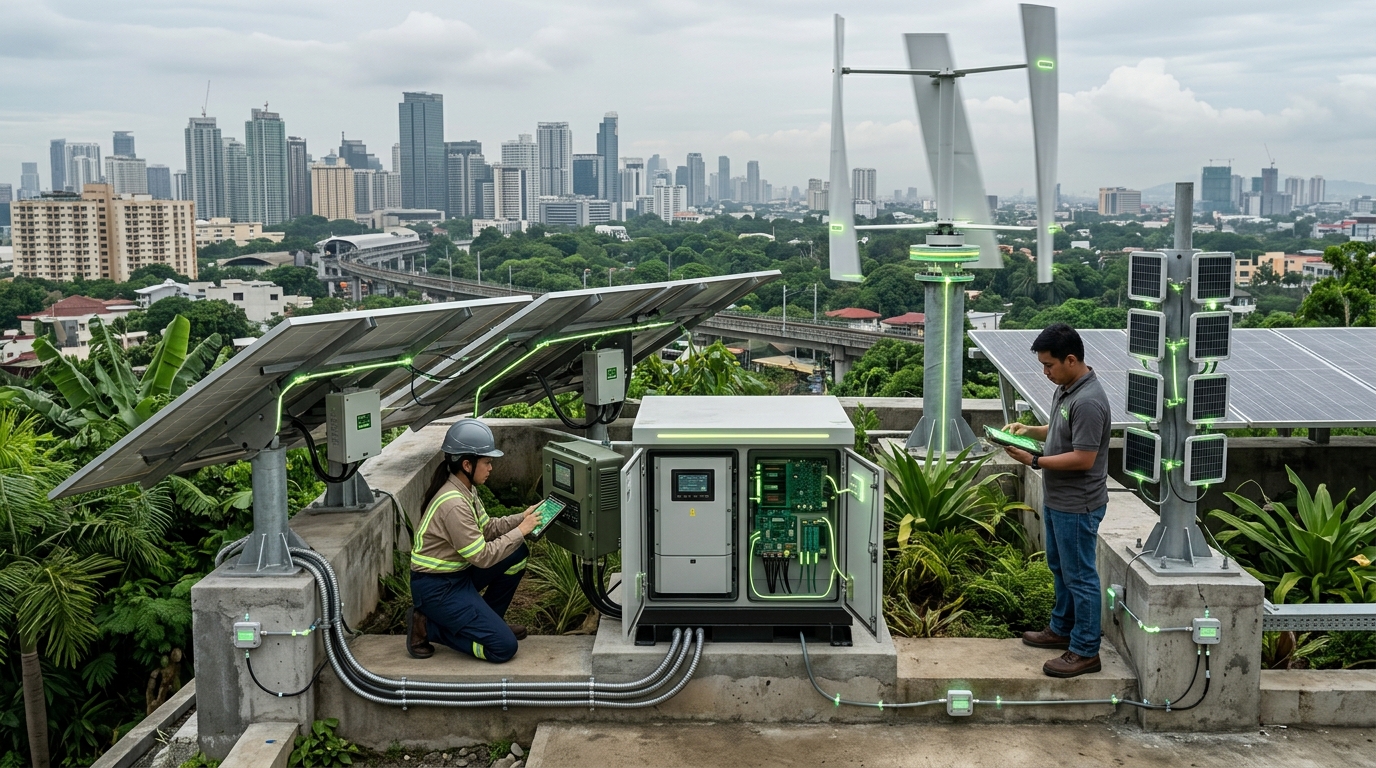
Thailand and Indonesia are deploying large-scale floating solar arrays on hydropower reservoirs, combining solar generation with existing grid connections while reducing water evaporation.
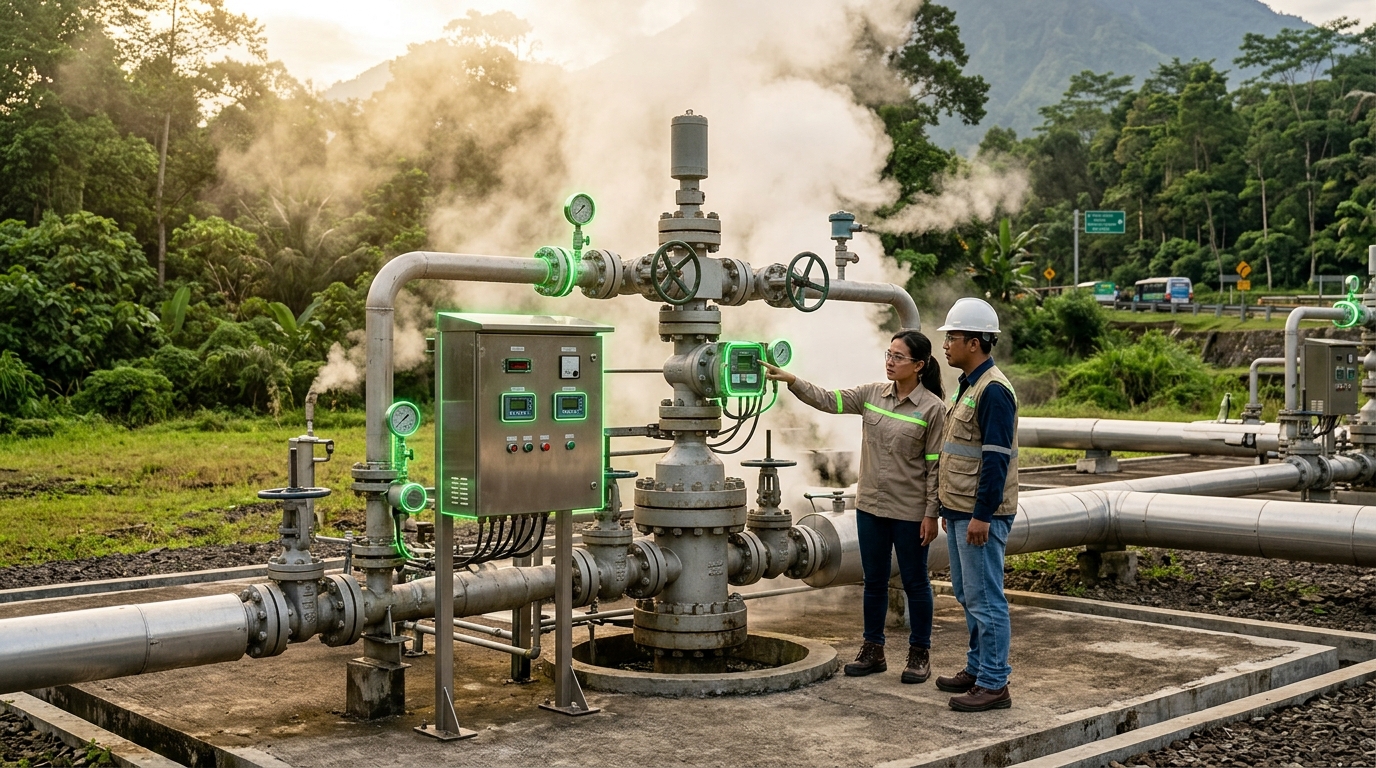
Indonesia holds 29 GW of geothermal reserves (world's largest) with only 5% utilized, while the Philippines maintains 1.9 GW capacity as the #3 global producer.
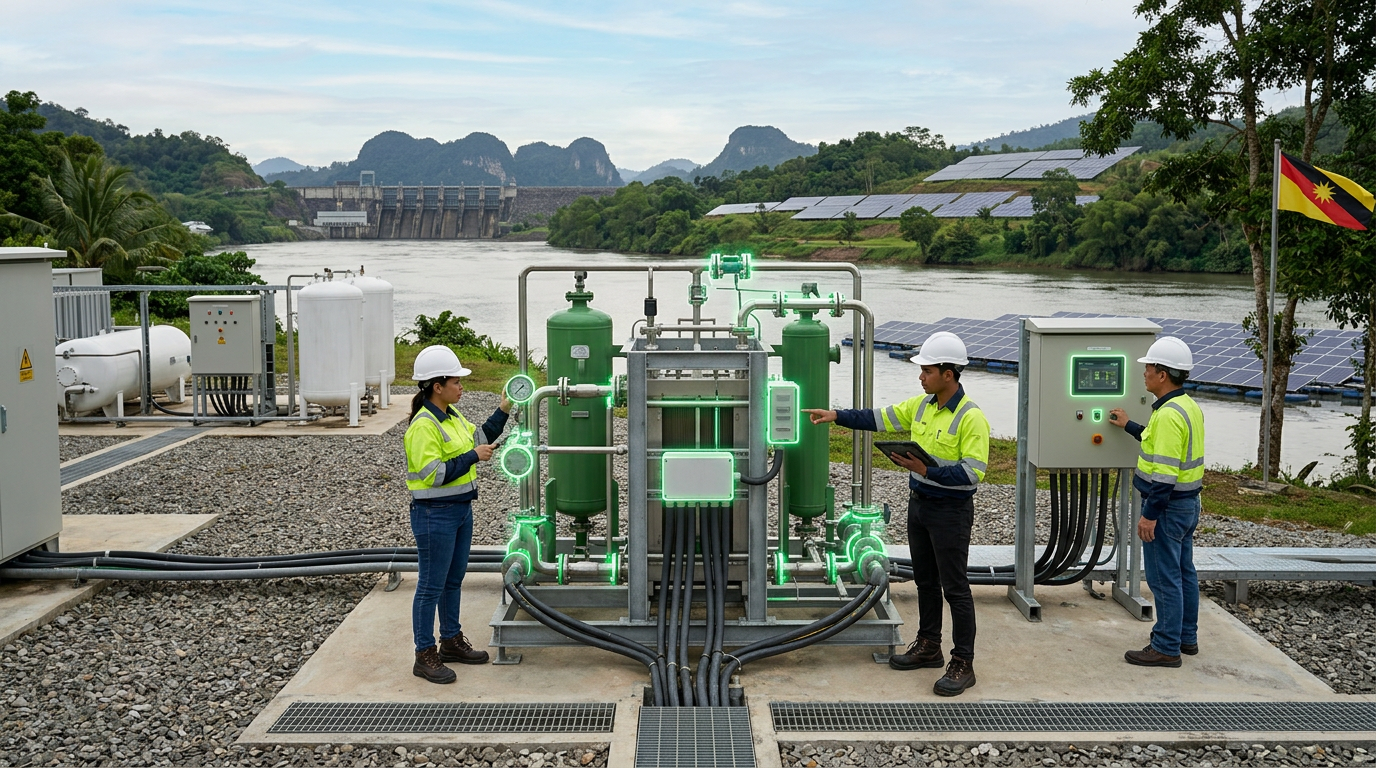
Malaysia's Sarawak state is piloting green hydrogen production using its abundant hydropower, targeting export to Japan and South Korea as a clean fuel carrier.
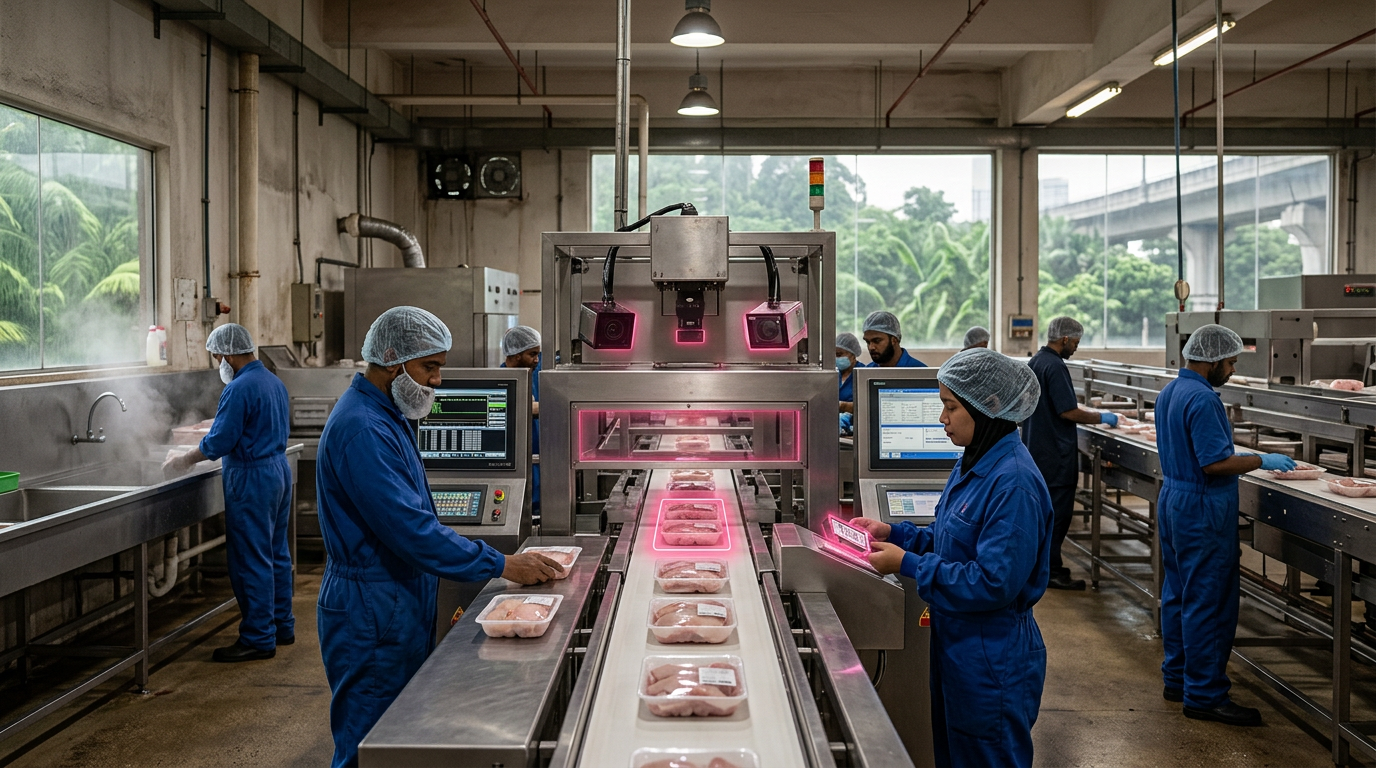
Malaysia's JAKIM halal certification is the global gold standard, with emerging blockchain-based supply chain traceability and AI-powered ingredient screening for the $2.3T global halal market.
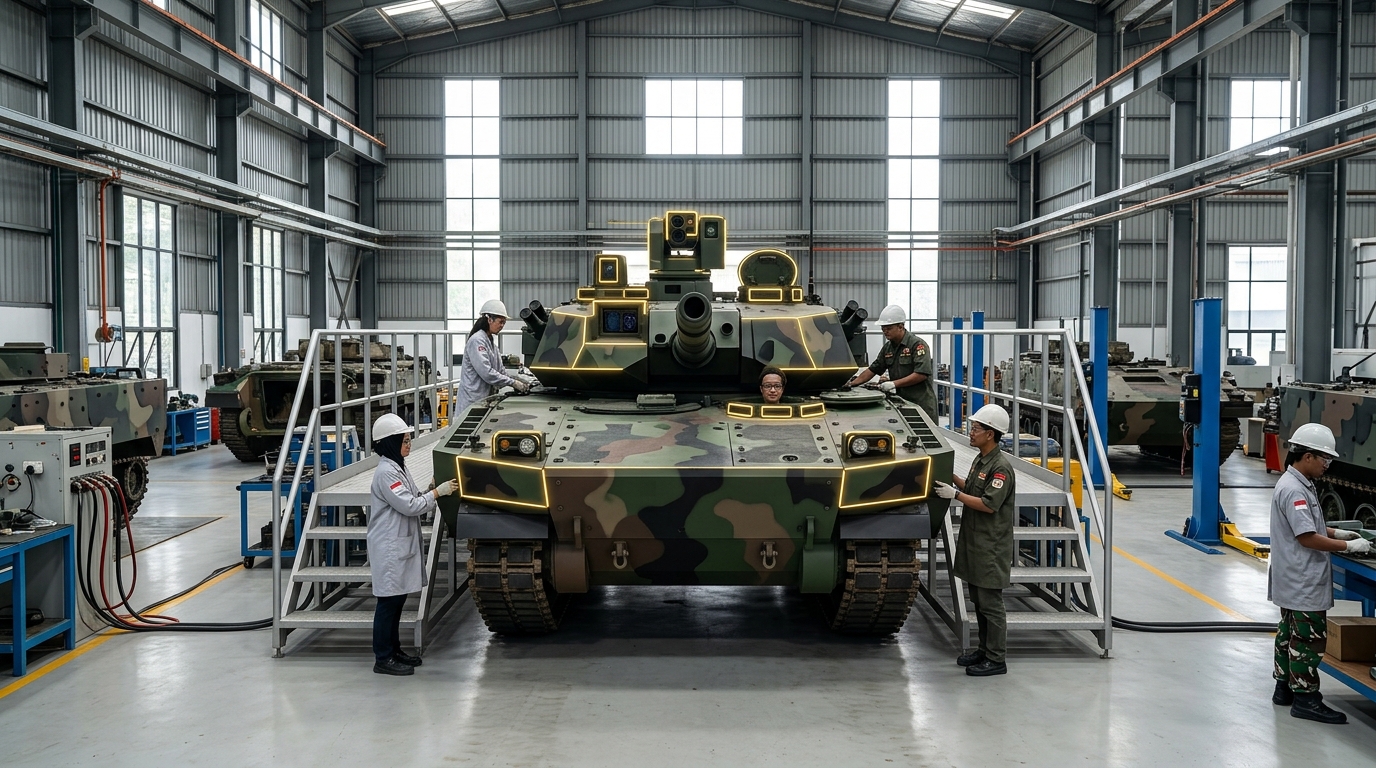
Indonesia's PT Pindad co-produces the Kaplan/Harimau medium tank with Turkey's FNSS — a 30-ton armored vehicle with indigenous assembly and a new APC variant entering production in 2025.
Indonesia mandates B35 biodiesel blending (35% palm oil methyl ester) as the world's highest mandatory blend, with B40 trials underway to reduce fossil fuel dependence.
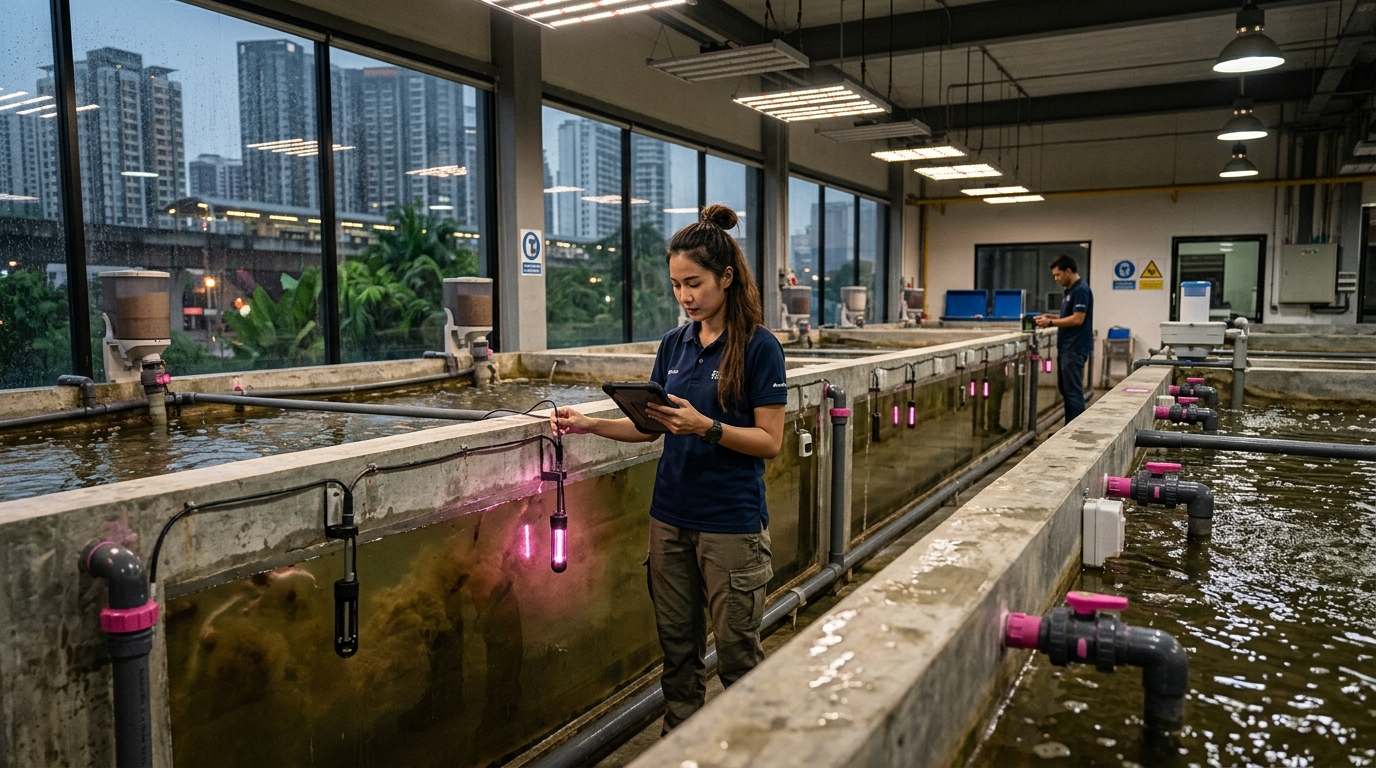
Vietnam is the world's #3 shrimp exporter ($4B+/year), deploying IoT water quality monitoring, AI-powered disease detection, and biofloc recirculating systems to intensify production.
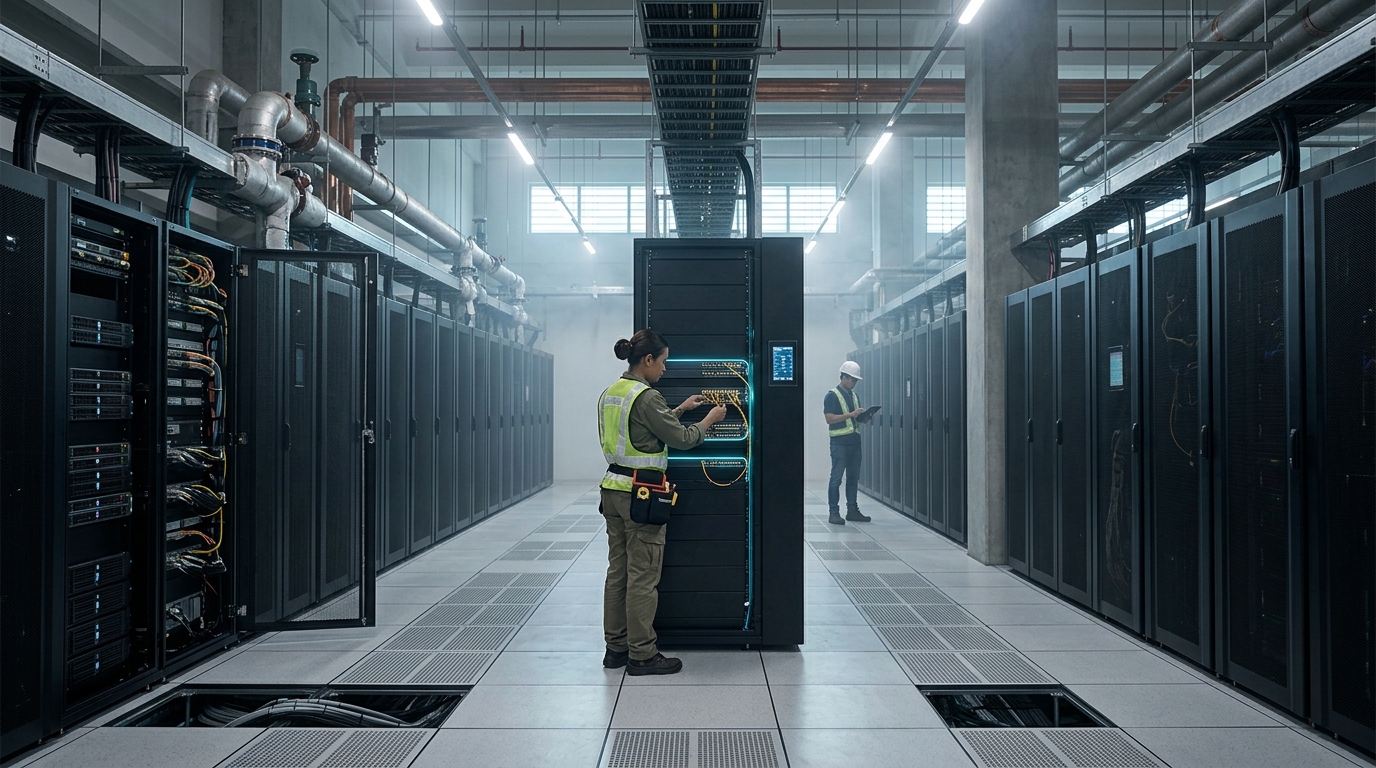
Malaysia's Johor state is scaling to 5,800MW of data center capacity with $15B+ in investments from Microsoft, Google, and AWS driven by AI compute demand.

Malaysian IC design firms (Silterra, Oppstar, Pentamaster) are developing automotive and IoT chips, leveraging Penang's packaging ecosystem to offer integrated design-to-package services.
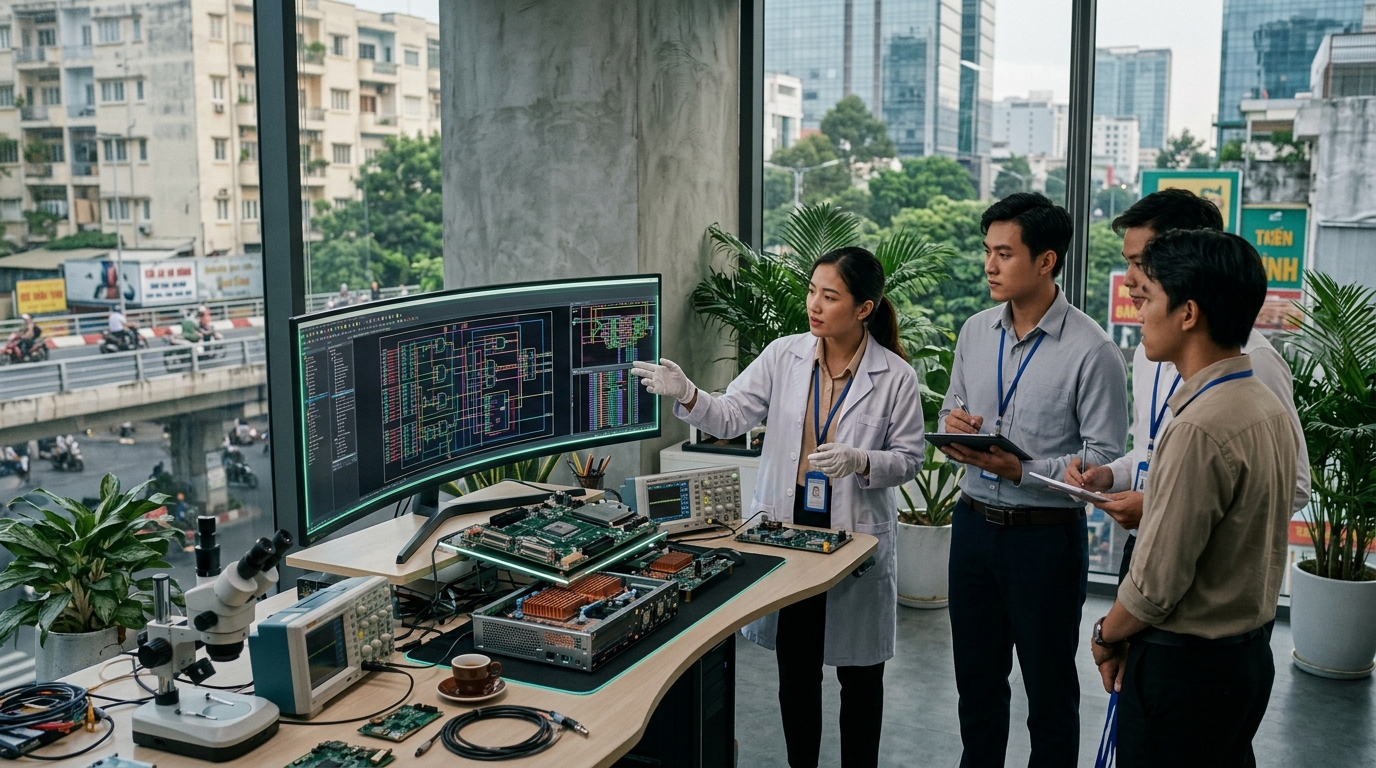
Vietnam's National Semiconductor Strategy targets training 50,000 chip design engineers by 2030, with FPT, Synopsys, and Cadence establishing design centers and university programs.
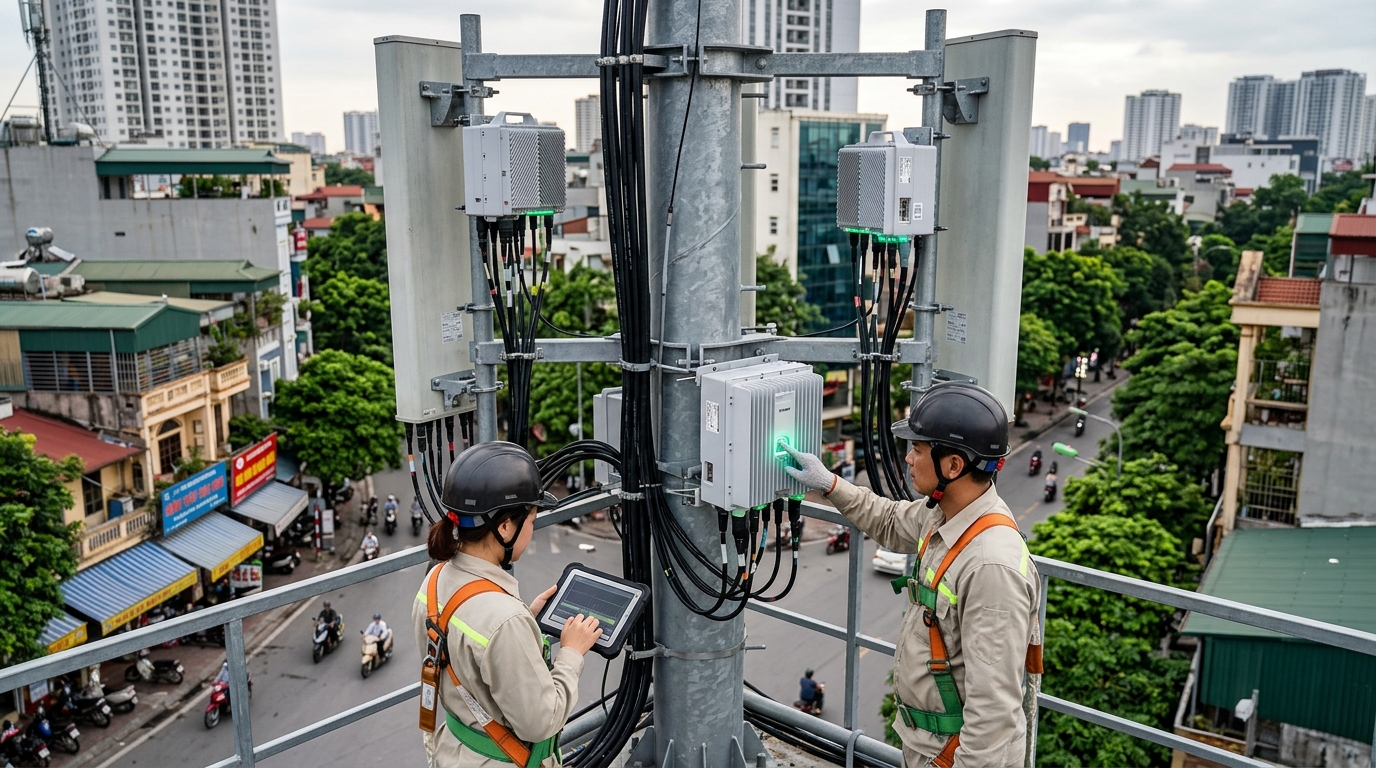
Viettel developed its own 5G base stations and core network equipment, making Vietnam one of the few countries with indigenous 5G infrastructure — avoiding Huawei/Ericsson/Nokia dependency.
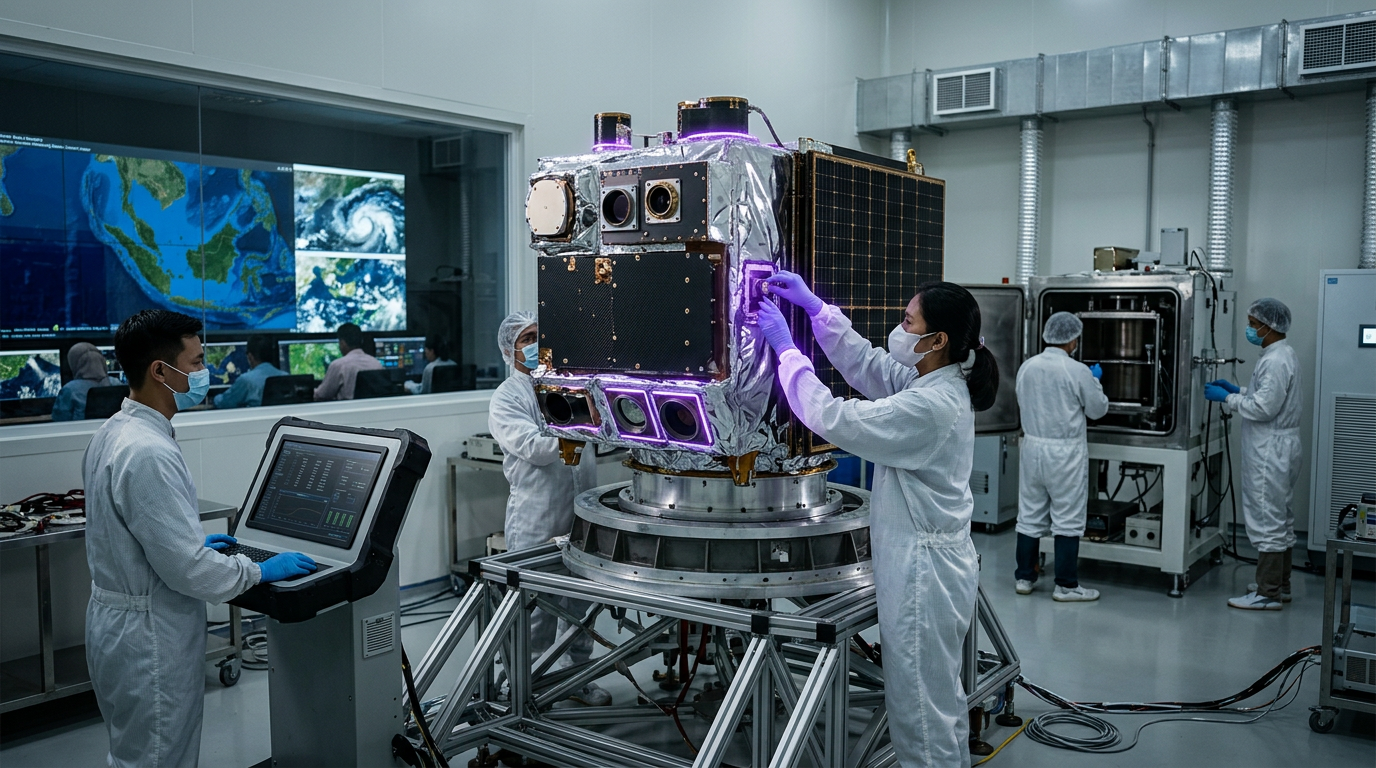
ASEAN nations are building indigenous satellite programs for agriculture, disaster monitoring, and maritime surveillance, with Indonesia, Vietnam, and the Philippines investing in domestic capabilities.
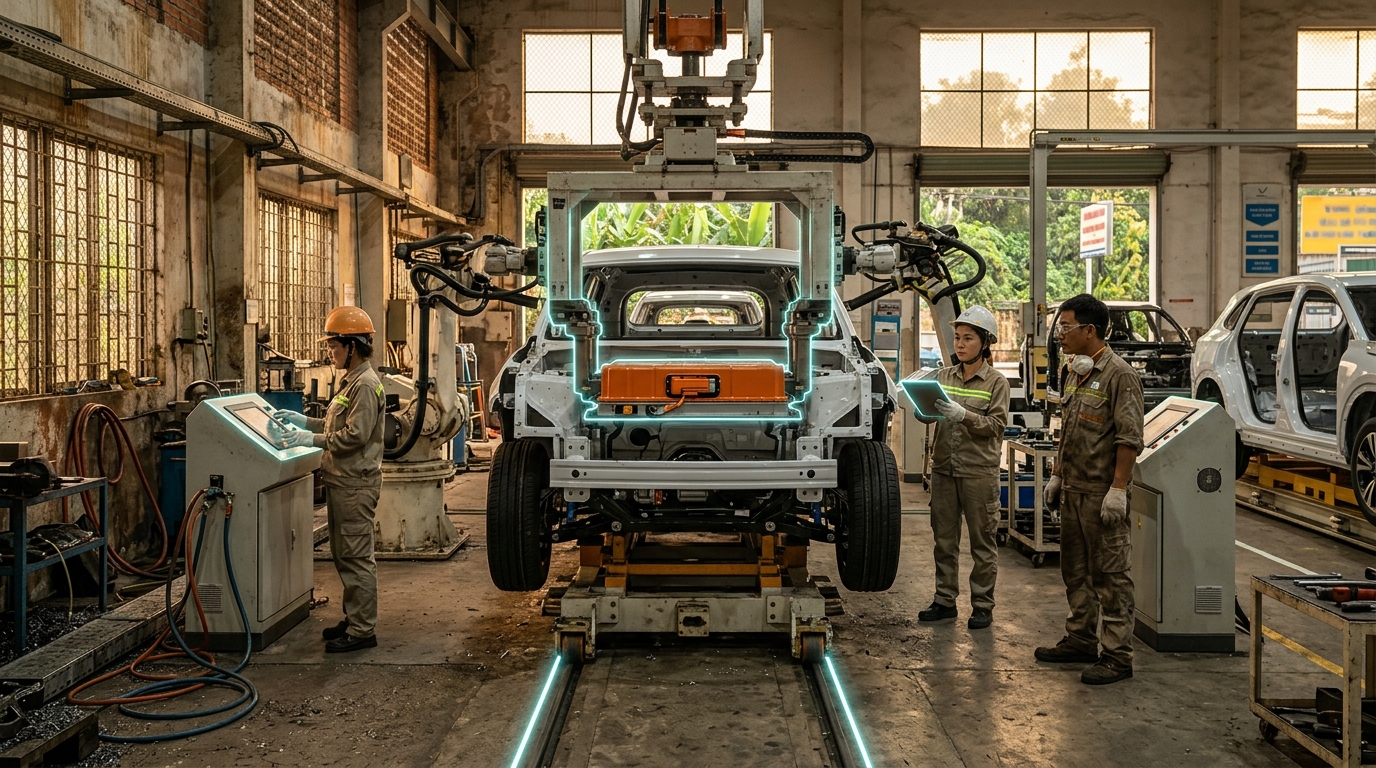
VinFast operates two Vietnamese factories producing 500K EVs/year with plans for range-extended electric vehicles, making Vietnam a rare emerging-market indigenous EV maker.
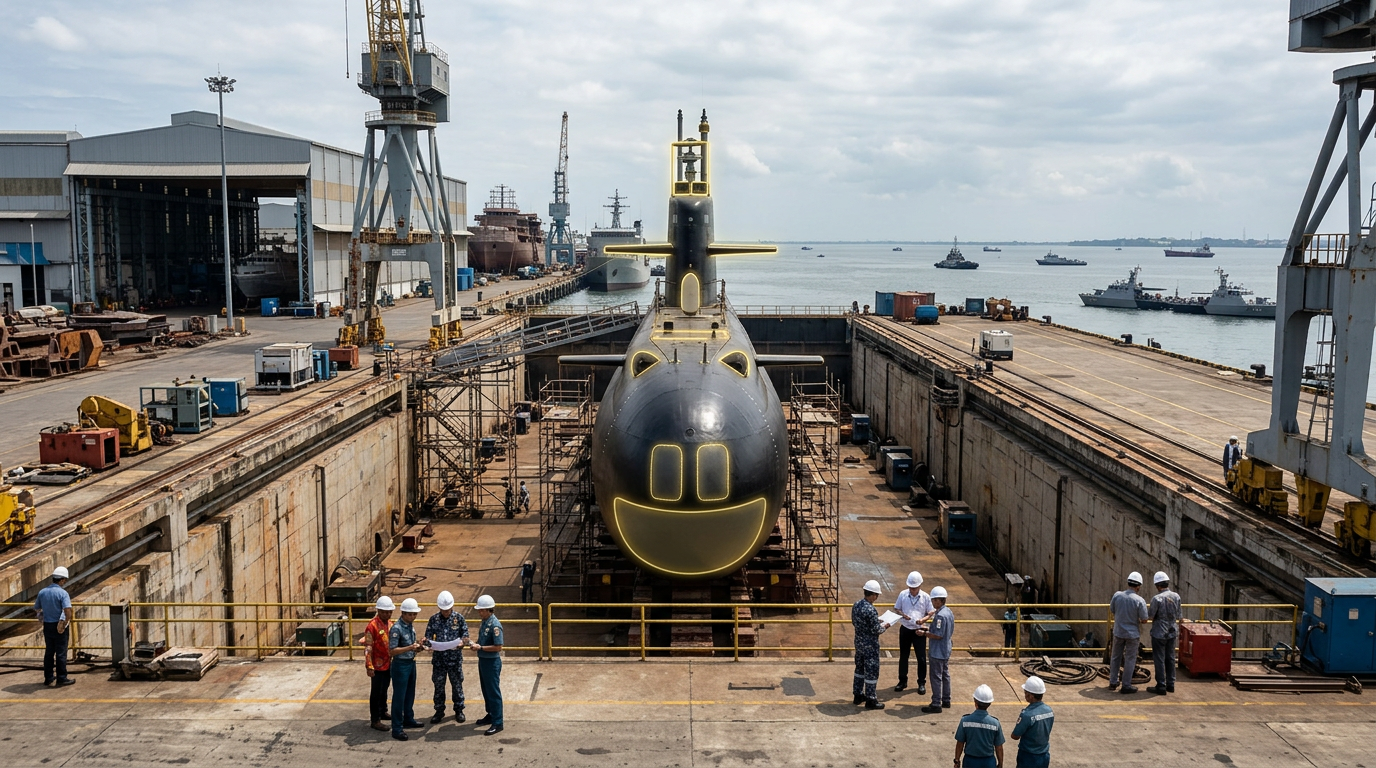
Indonesia's PT PAL assembled the KRI Alugoro domestically via Korean tech transfer, with next-gen submarines planned for 2025-2033 production runs.
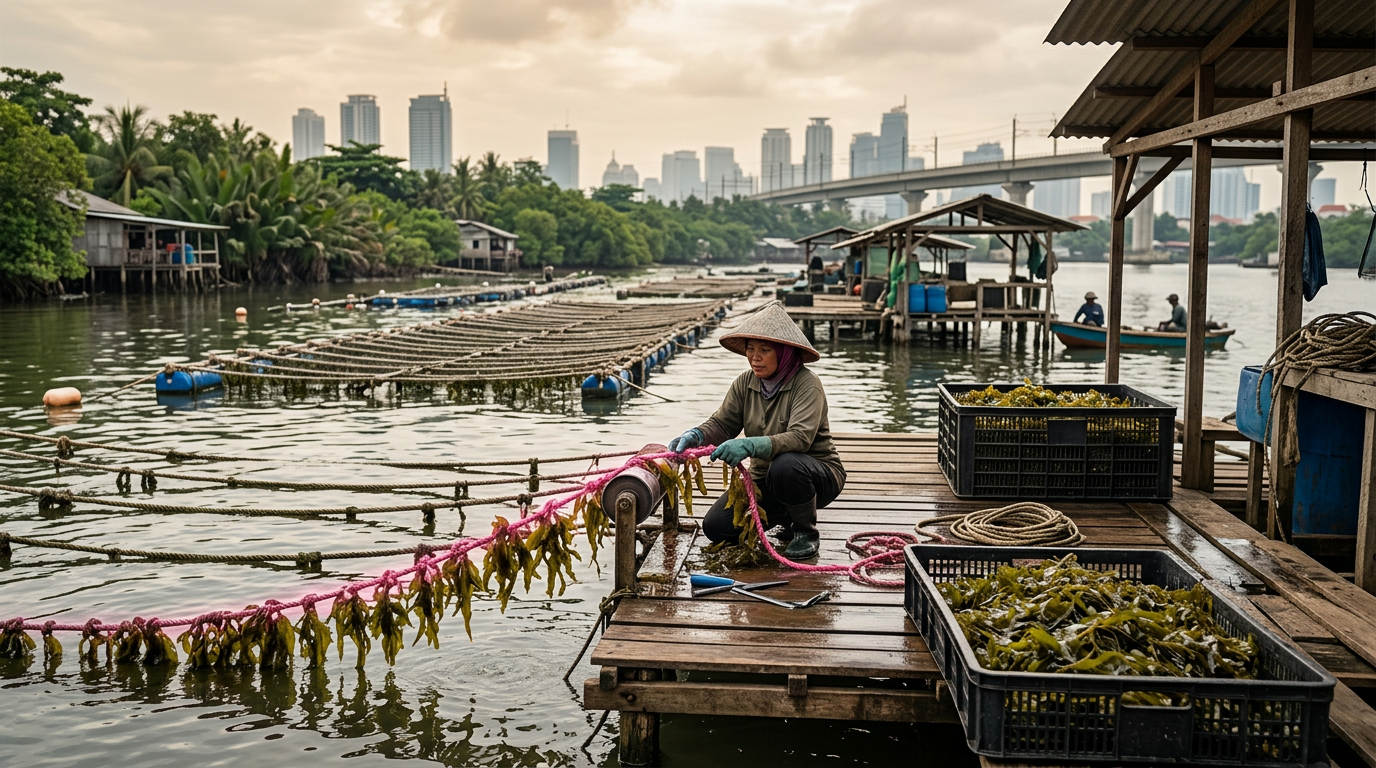
Indonesia produces 35% of the world's seaweed (10M+ tonnes annually), with emerging applications in bioplastics, carbon sequestration, and alternative protein beyond traditional carrageenan extraction.
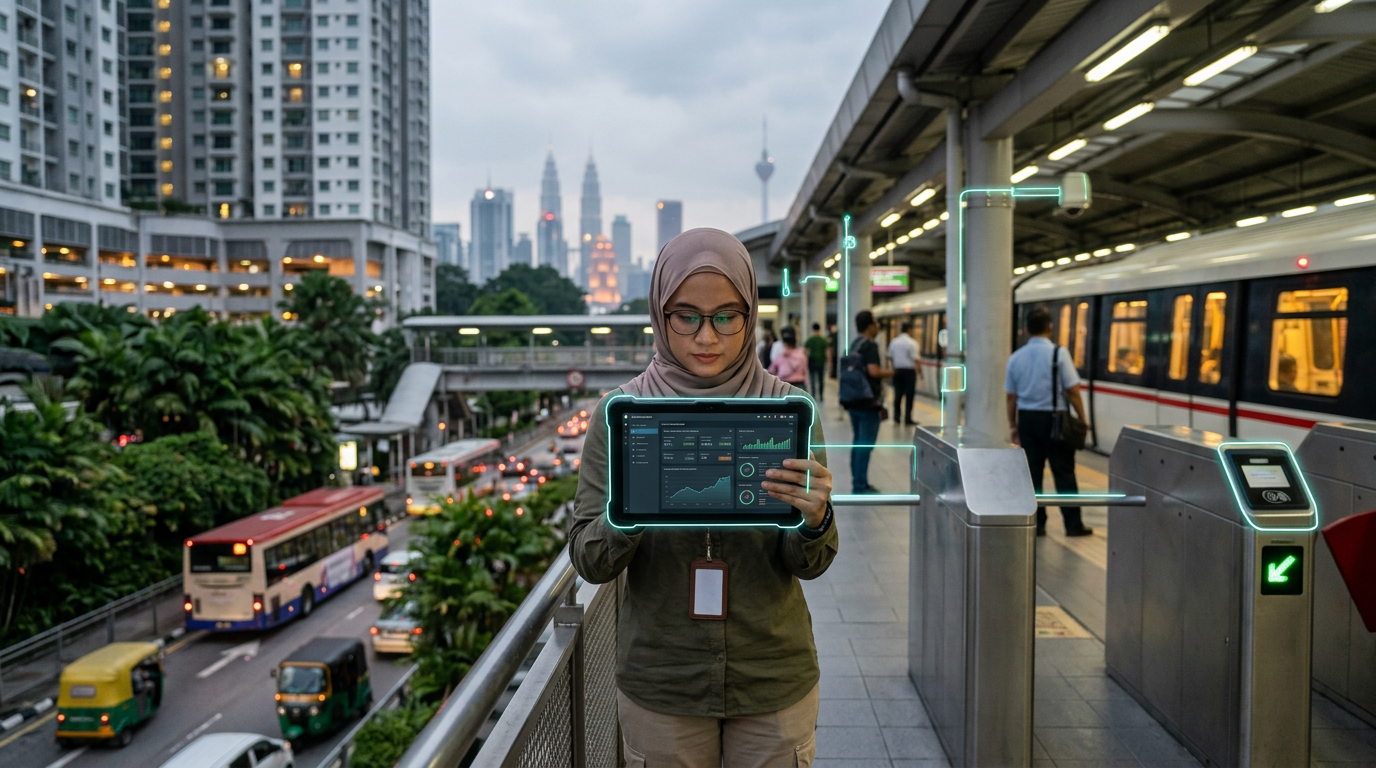
Malaysia leads global Islamic fintech with over 30 licensed players offering Shariah-compliant digital payments, crowdfunding, and robo-advisory targeting the $3.7T Islamic finance market.
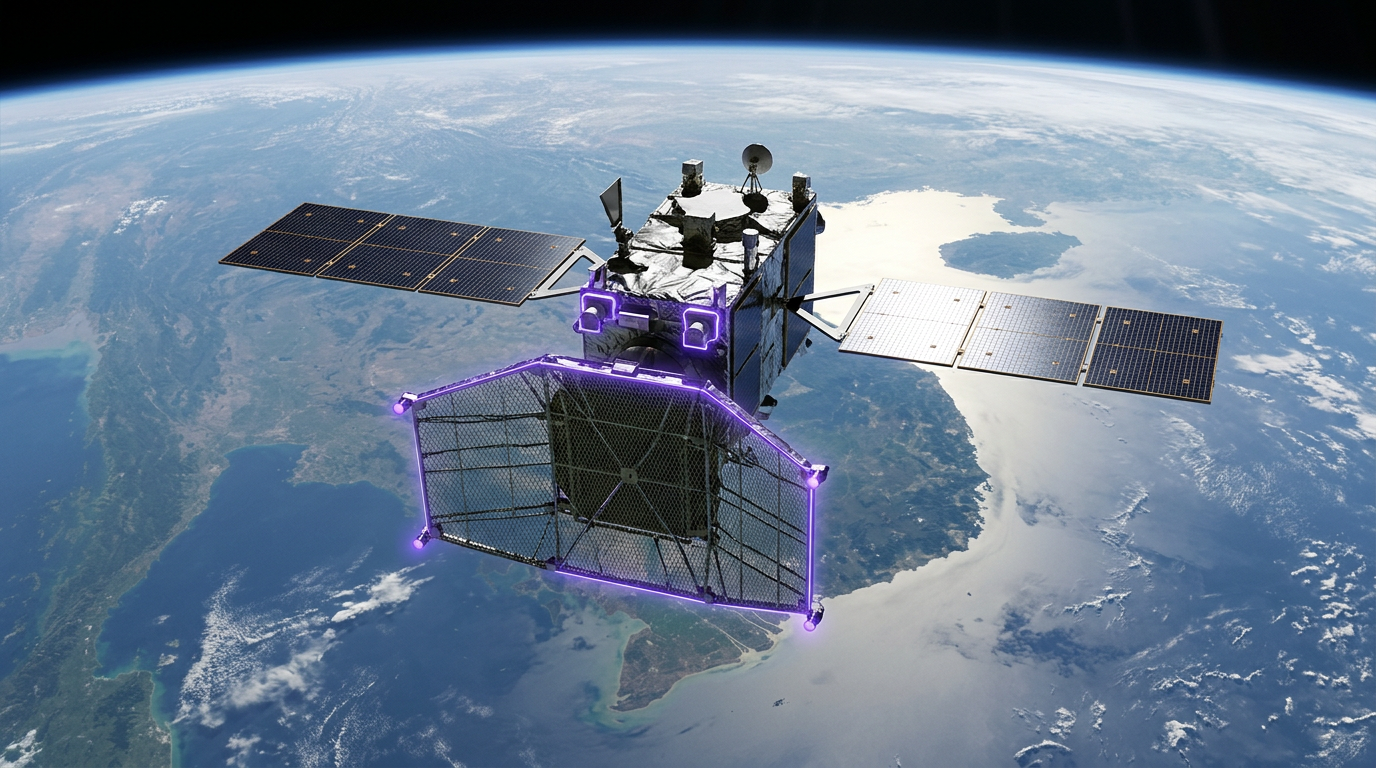
Vietnam's LOTUSat-1 is a Japanese-built SAR satellite providing all-weather radar imaging for disaster monitoring — the country's first indigenous radar space capability.
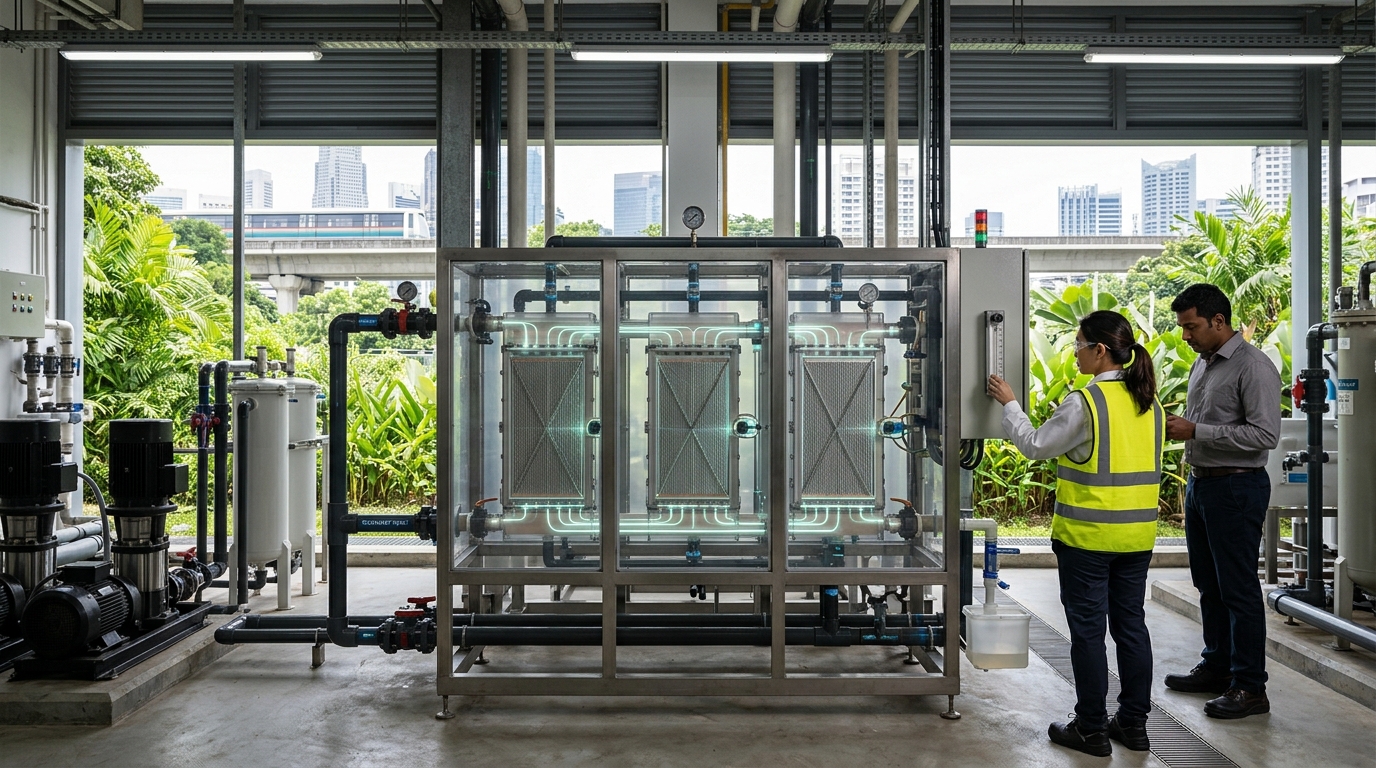
Singapore's PUB and NUS are developing next-generation biomimetic and electrochemical membranes that could reduce desalination energy costs by 30-50% versus conventional reverse osmosis.
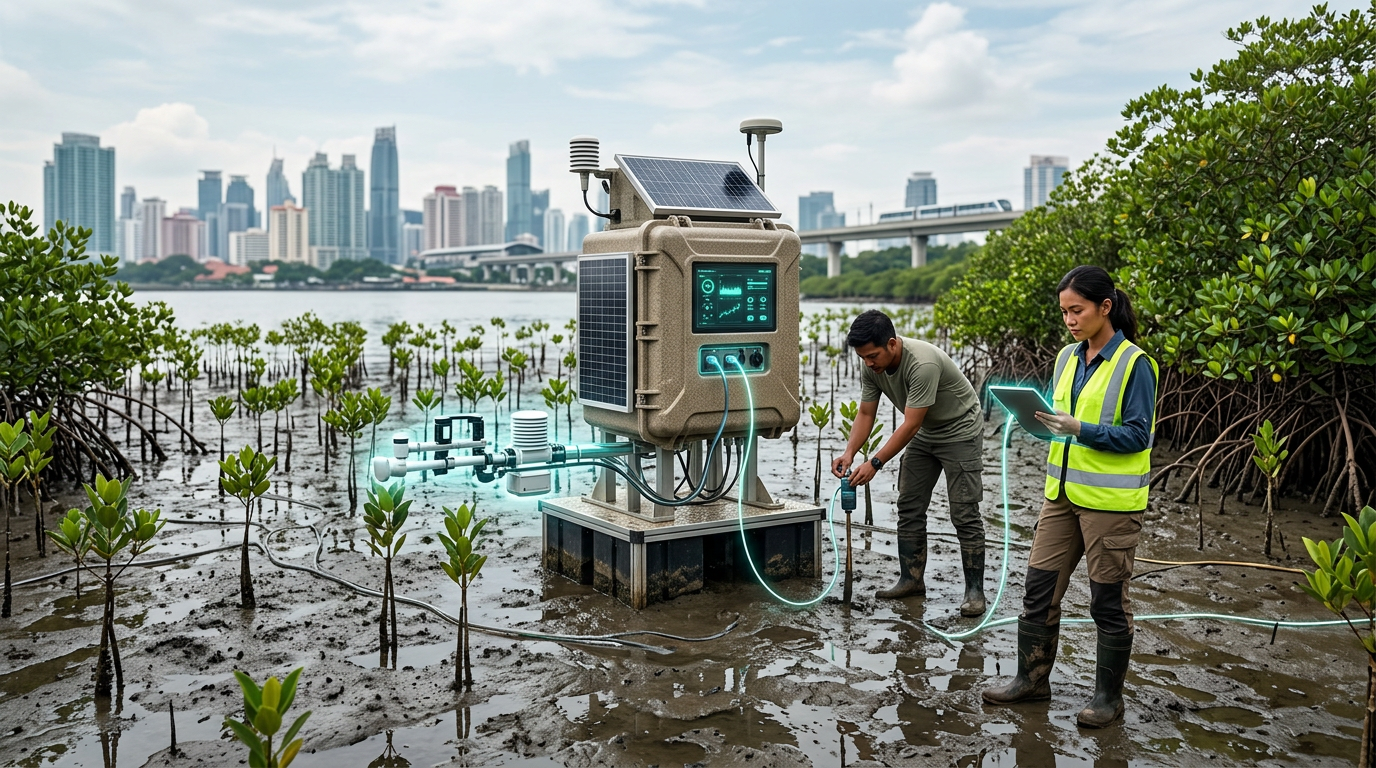
Indonesia hosts 23% of the world's mangroves and is deploying satellite-monitored restoration programs that generate verified blue carbon credits — the highest per-hectare carbon storage on Earth.
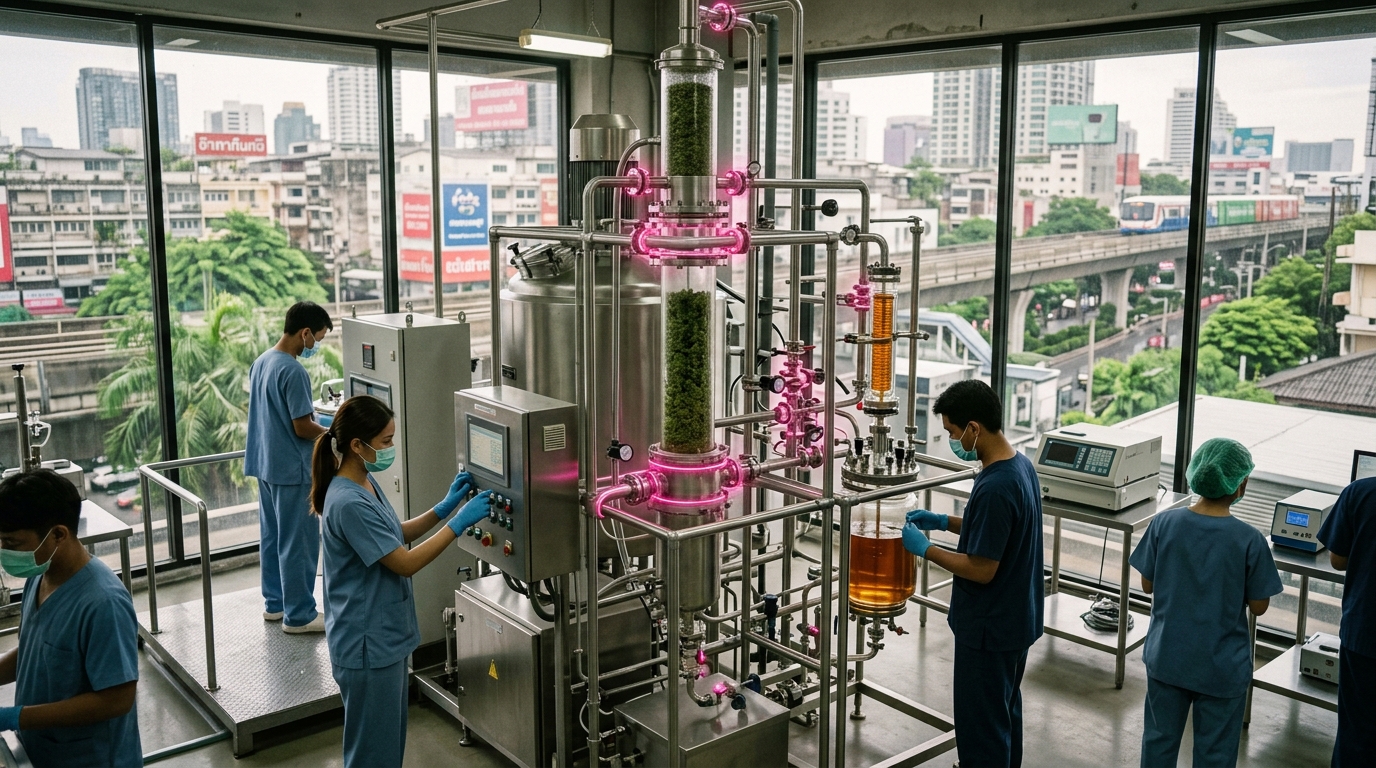
Thailand formalized Asia's first regulated medical cannabis framework in 2025, with licensed extraction and research under Ministry of Public Health oversight.
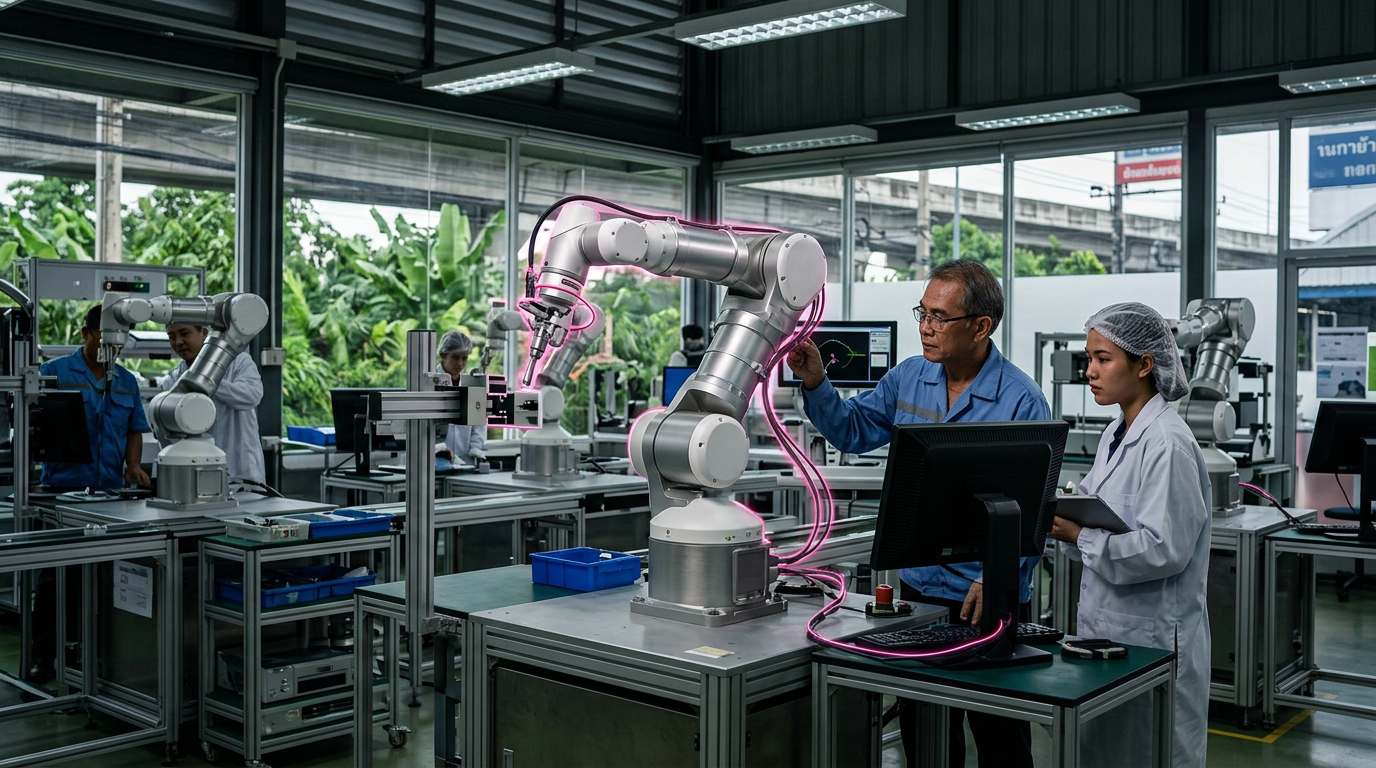
Thailand's medical device industry has grown to $6B+ annually, leveraging the medical tourism ecosystem to develop and export devices from surgical robots to diagnostic equipment.
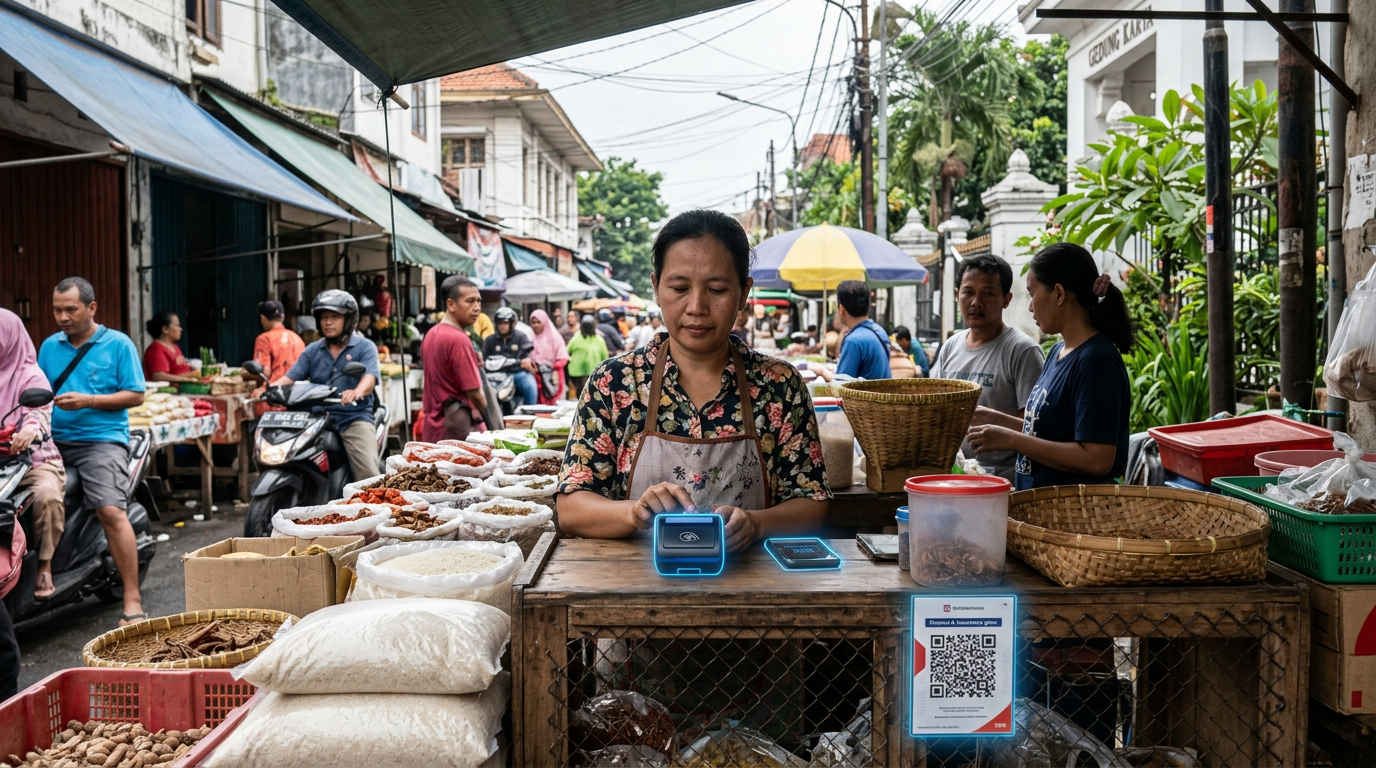
GCash reaches 94M users in the Philippines (63% adoption), while GoTo's merchant super-app bundles payments, inventory, and analytics for Indonesian SMEs.
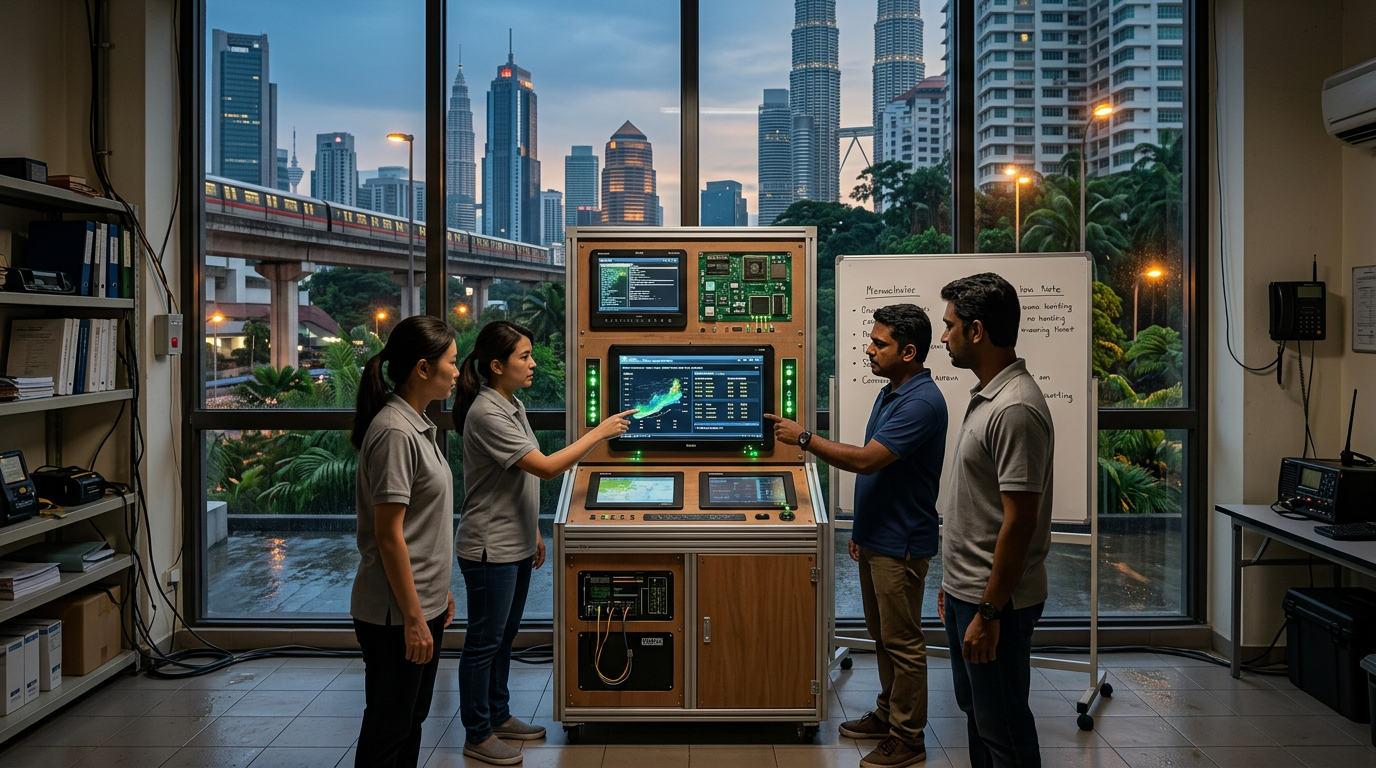
The Philippines' PAGASA and DOST deploy AI-enhanced weather prediction, SMS-based mass alerting, and community-level hazard mapping reaching 18M households for typhoon and flood preparedness.
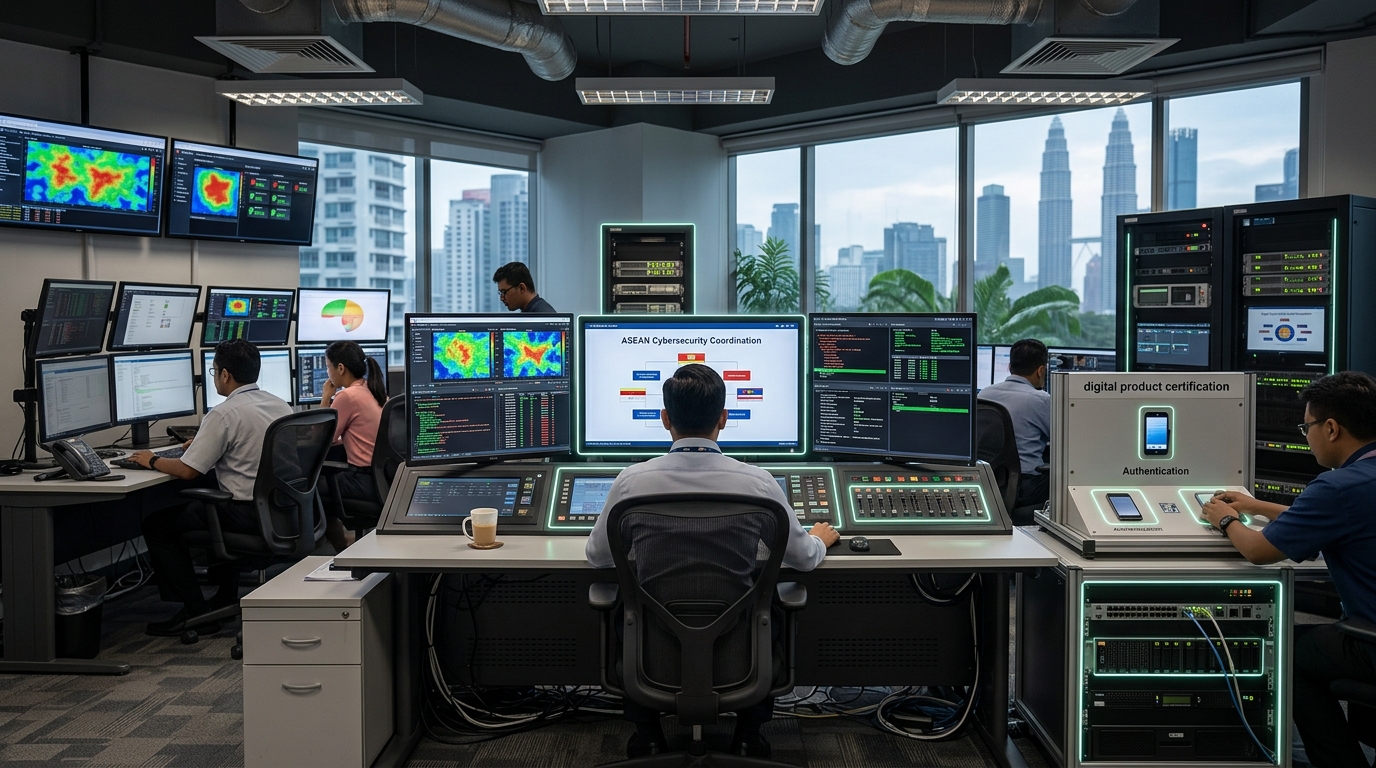
Malaysia's CyberSecurity Malaysia (an agency under MOSTI) develops ASEAN-referenced cybersecurity standards, operates a national CERT, and certifies digital products for the regional market.

Indonesia is developing indigenous satellite communication capabilities through LAPAN/BRIN, targeting broadband coverage across its 17,000-island archipelago to reduce Starlink dependence.
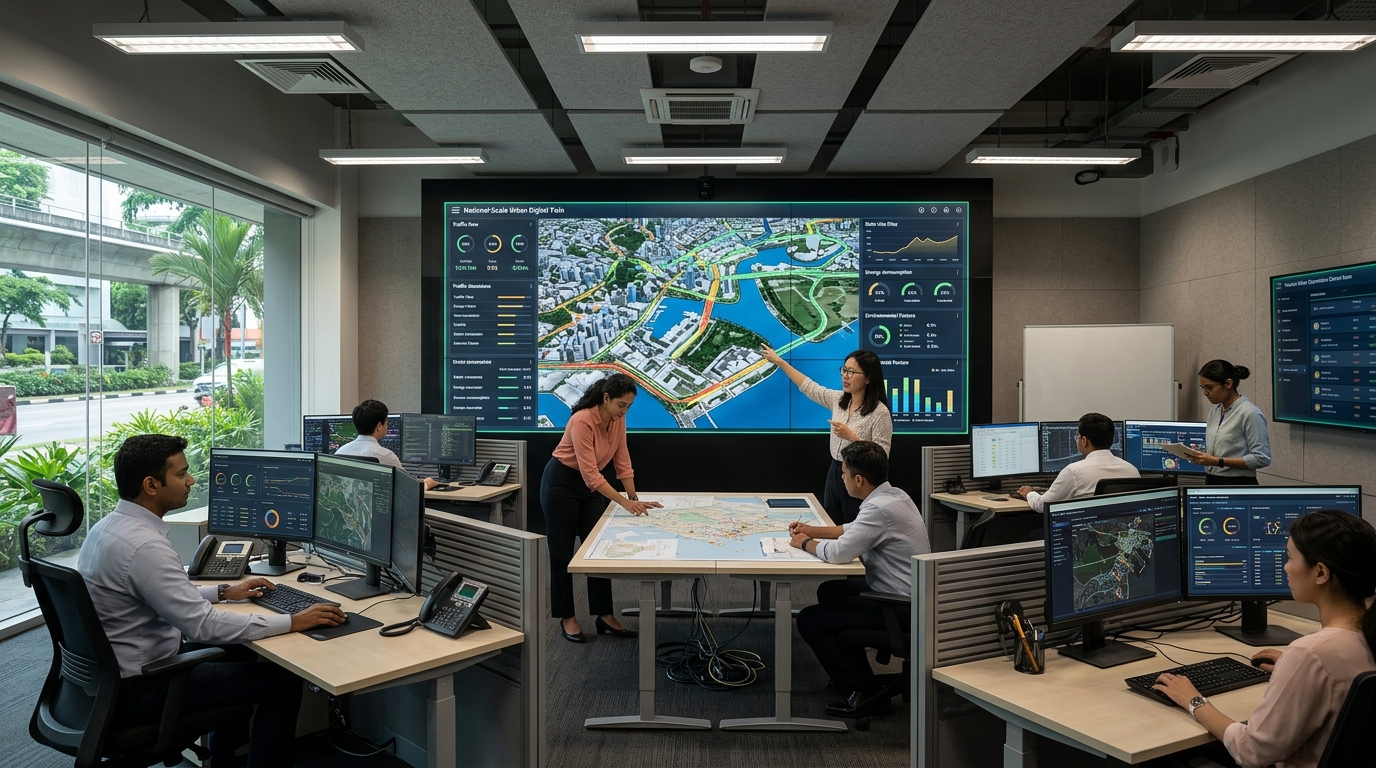
Singapore's Virtual Singapore platform is a 3D digital twin of the entire city-state, used for urban planning, disaster simulation, climate modeling, and autonomous vehicle testing.
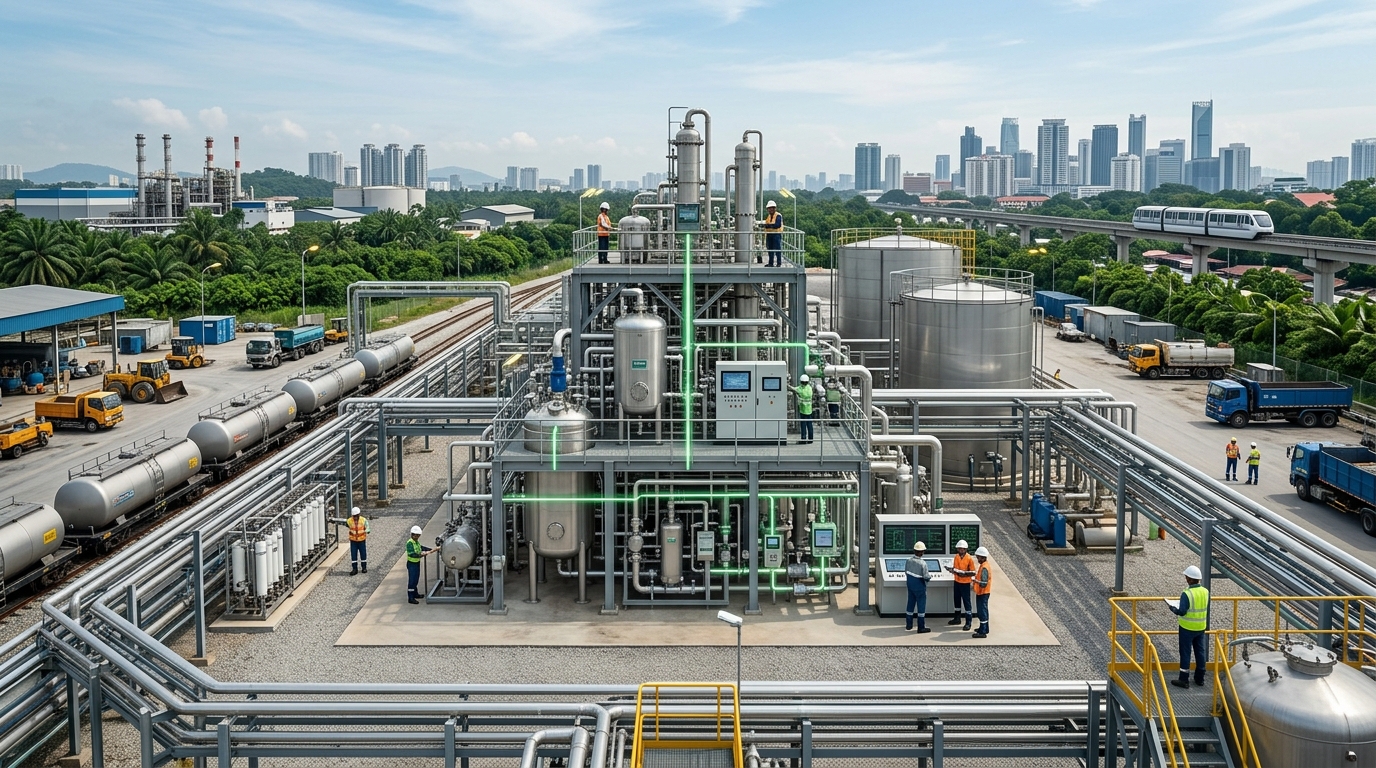
Indonesia operates 5 HPAL plants processing nickel into battery-grade chemicals, forced by the 2020 ore export ban that reshaped global battery supply chains.

Vietnam's IT outsourcing industry ($698M in 2025) is pivoting from generic coding to AI/ML development, with developers costing 60-80% less than Silicon Valley equivalents.
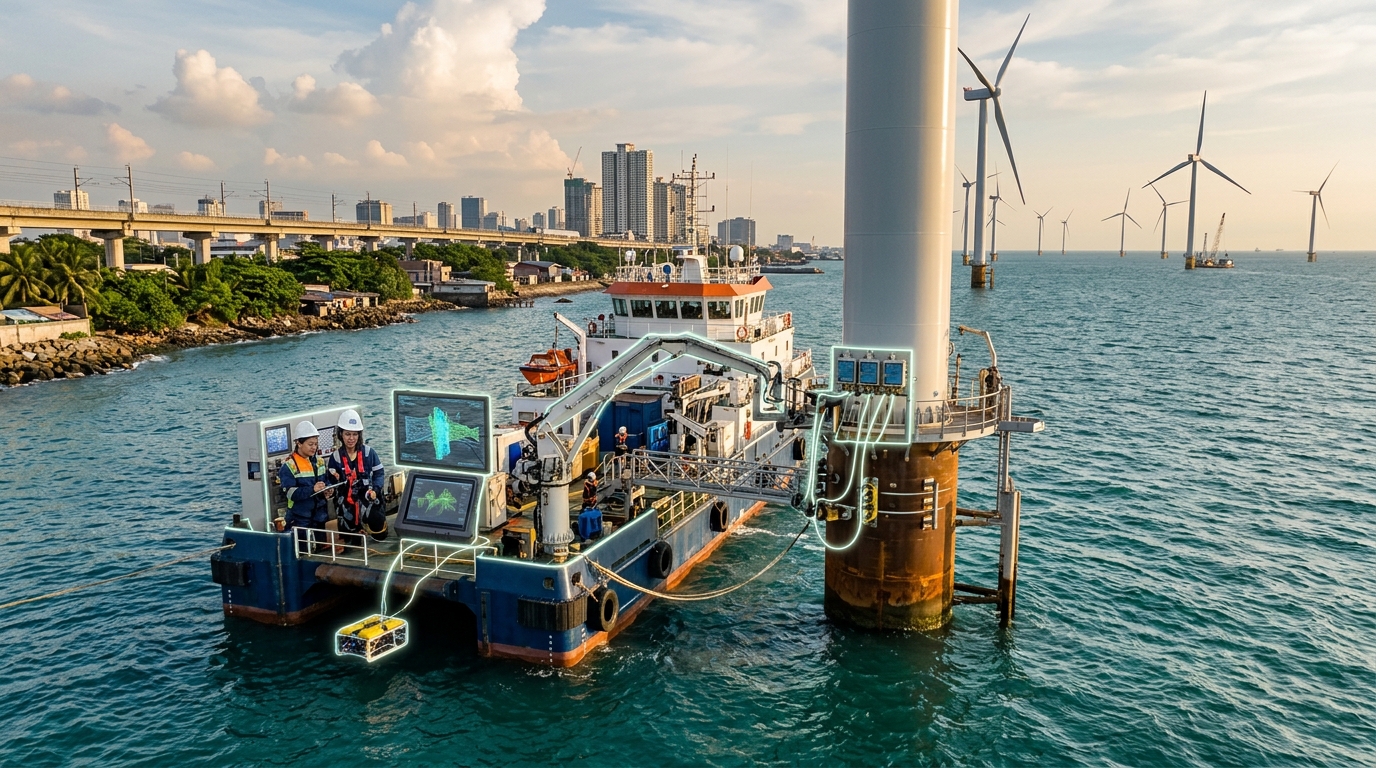
The Philippines has 178 GW of assessed offshore wind potential — ASEAN's largest — with 55+ projects in development targeting first commercial operations by 2028-2030.
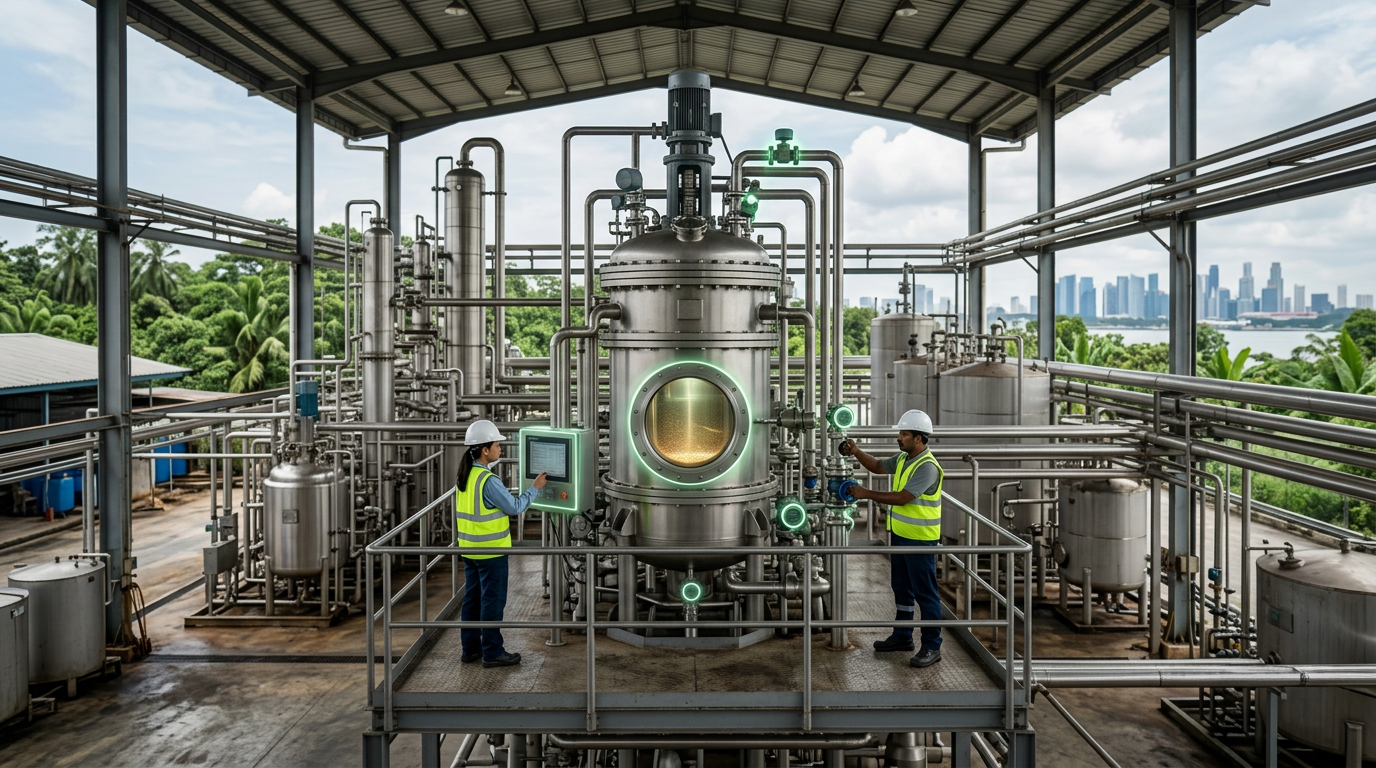
Malaysia's Petronas and palm oil producers are manufacturing SAF from palm oil waste, with EcoCeres' 350K-tonne Johor biorefinery already shipping to Europe.
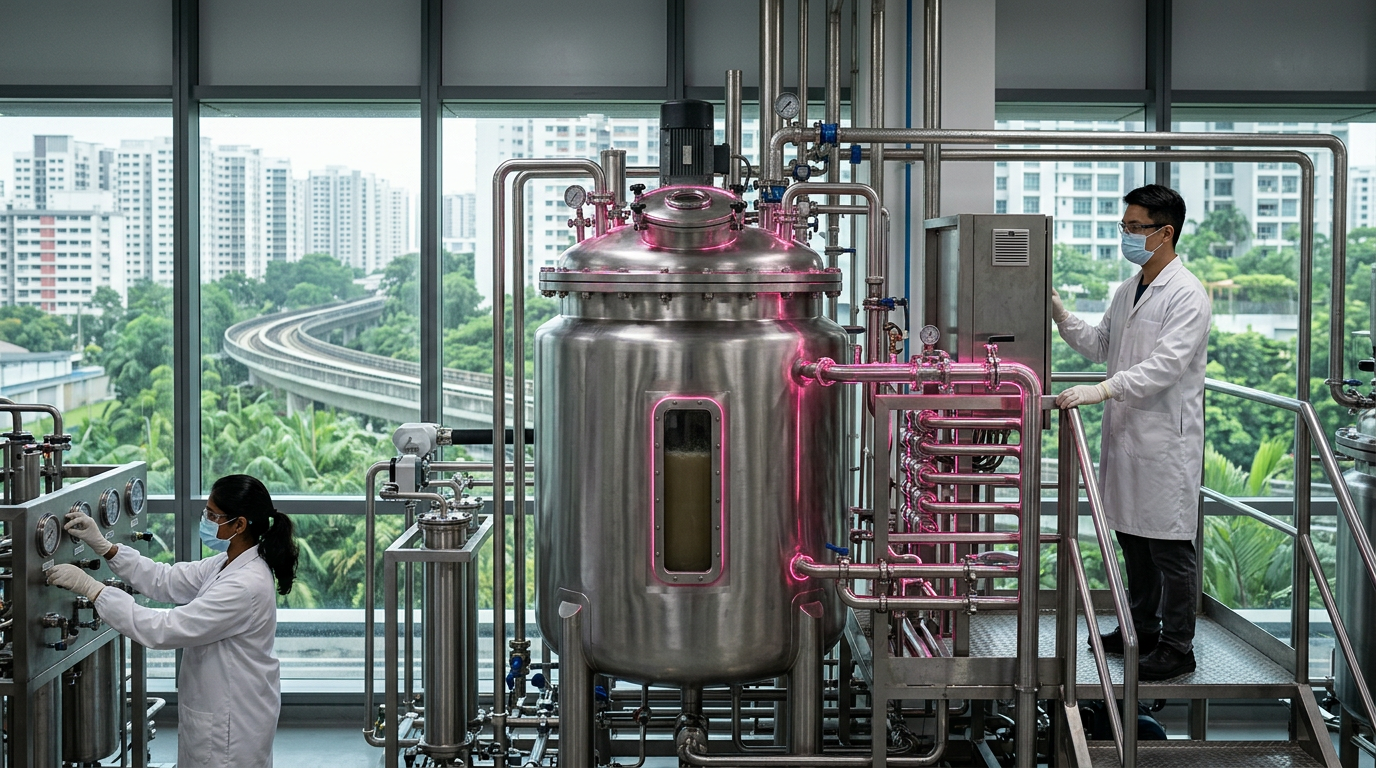
Singapore leads global precision fermentation regulation — TurtleTree's cow-free lactoferrin received FDA GRAS approval in 2025, the world's first for this bioactive protein.
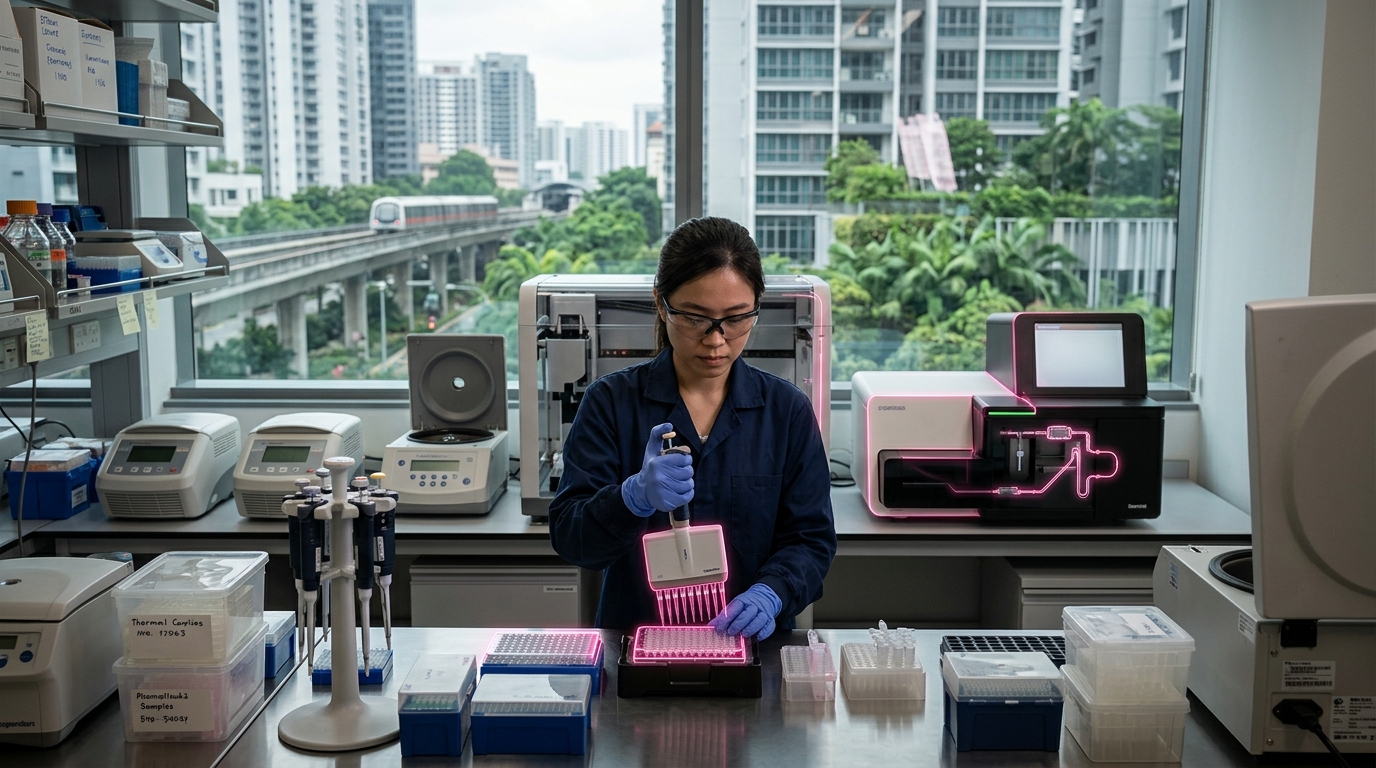
Singapore's National Precision Medicine program sequences Asian genomes to build population-specific drug response databases, filling a critical gap in global genomics research.
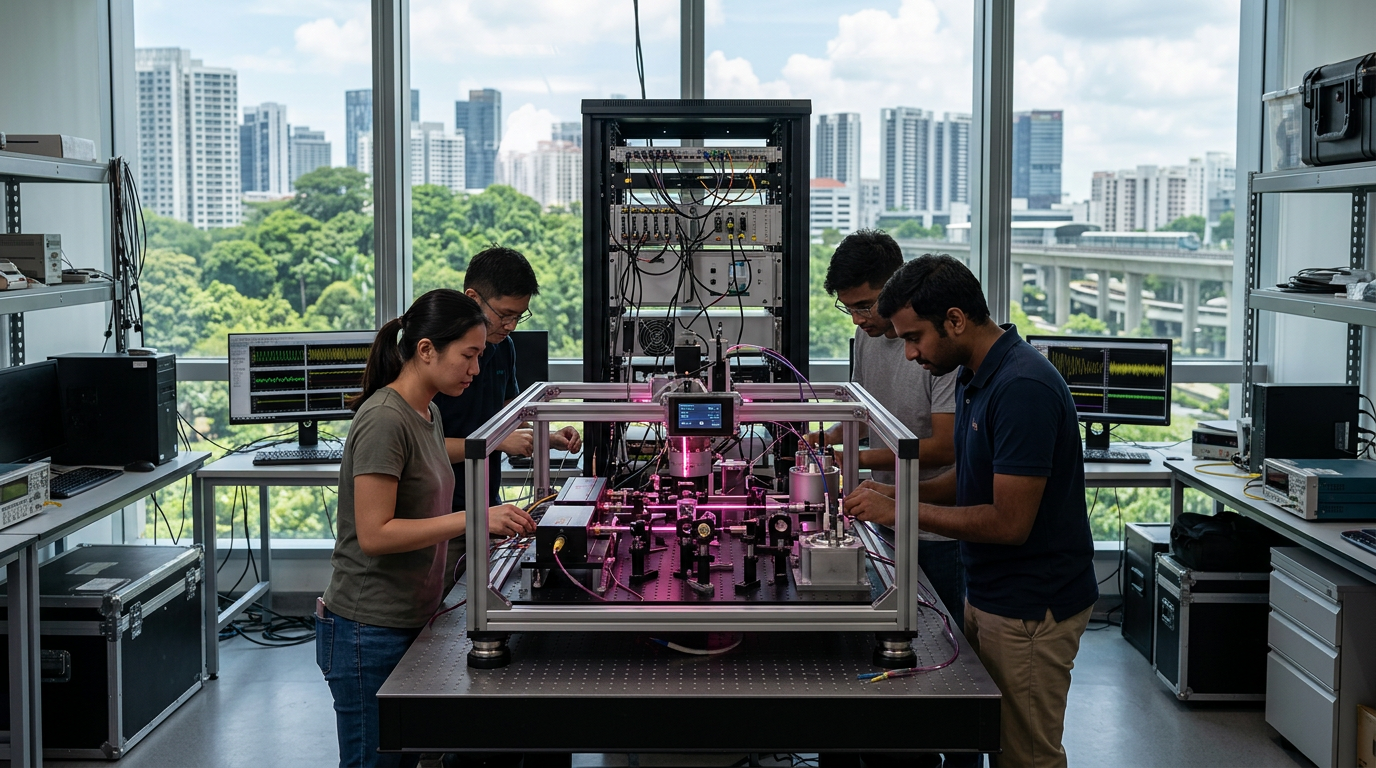
Singapore's Centre for Quantum Technologies at NUS, backed by S$300M national investment, contributed to JPMorganChase's quantum random number generation breakthrough.
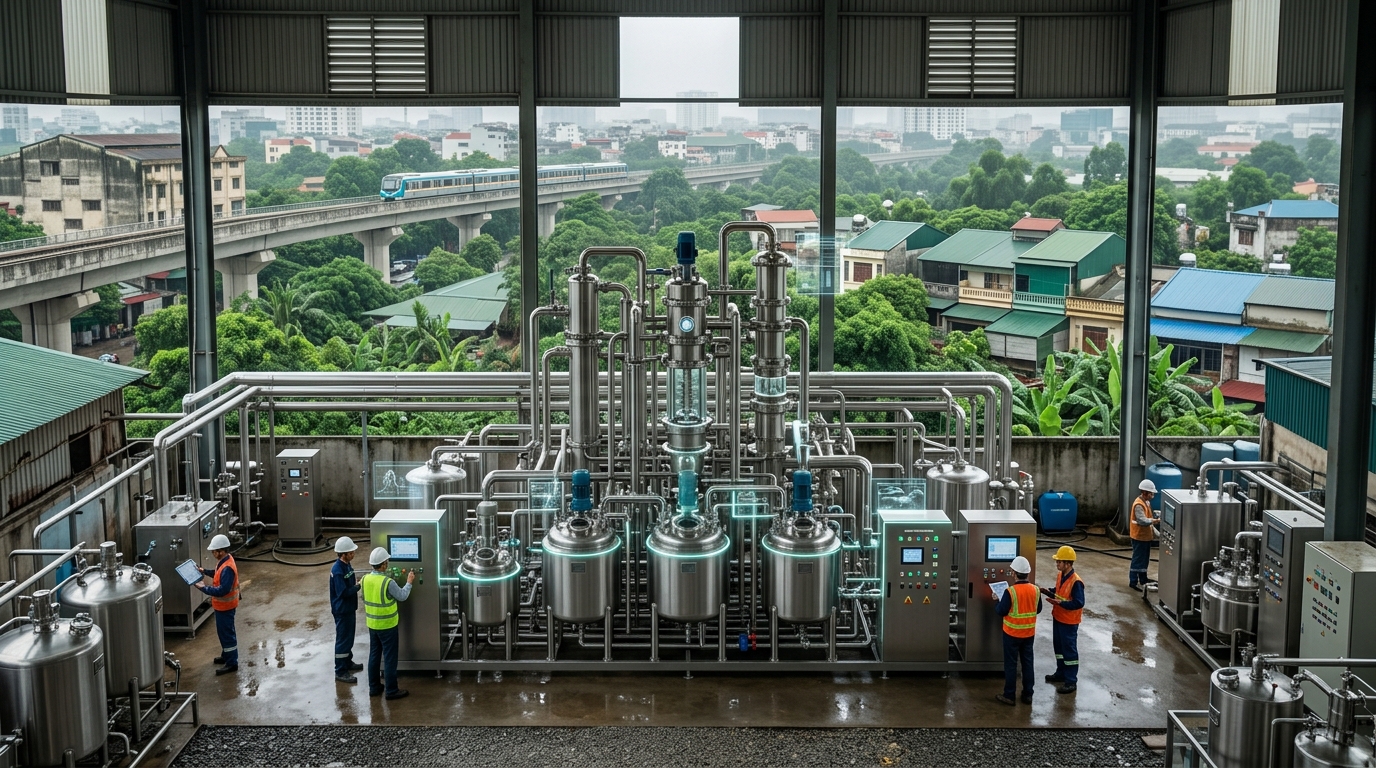
Vietnam holds significant rare earth reserves in Lai Chau and Lao Cai, targeting 20,000-60,000 tonnes annual processing by 2030 with technology transfer requirements.
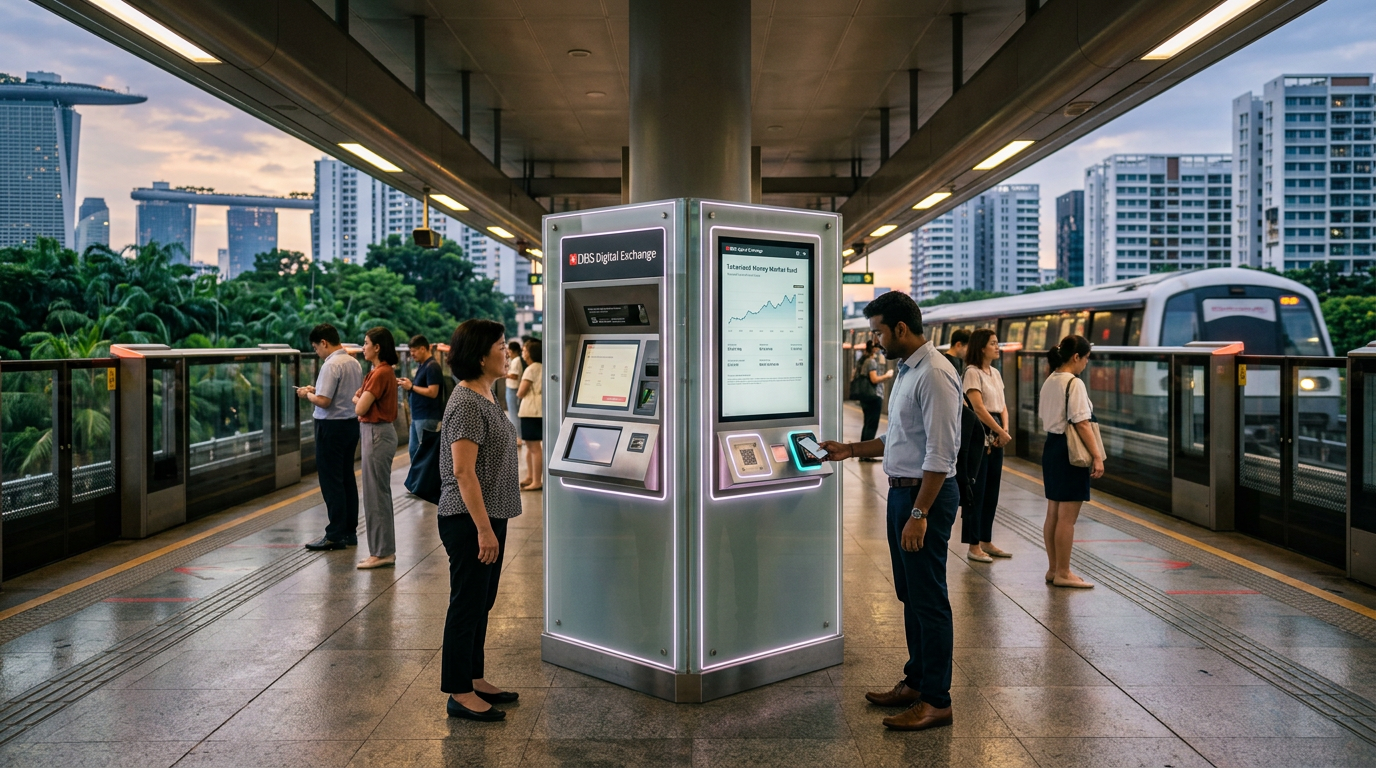
Singapore's DBS launched the world's first bank-backed digital exchange, tokenizing structured notes on Ethereum and enabling retail access to tokenized money market funds.
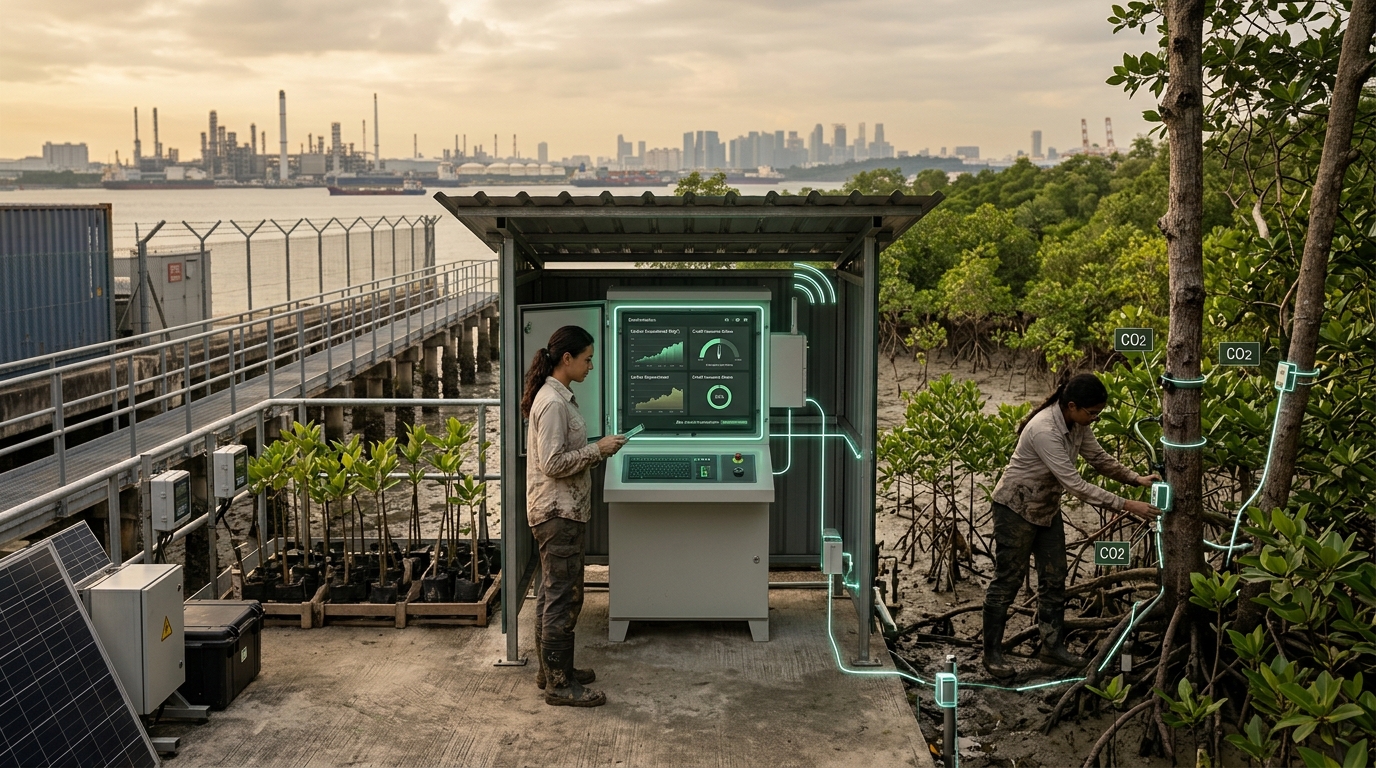
Singapore's carbon tax ($25/tonne, rising to $50-80 by 2030) and Climate Impact X exchange create ASEAN's first regulated carbon market infrastructure for nature-based and technology-based credits.
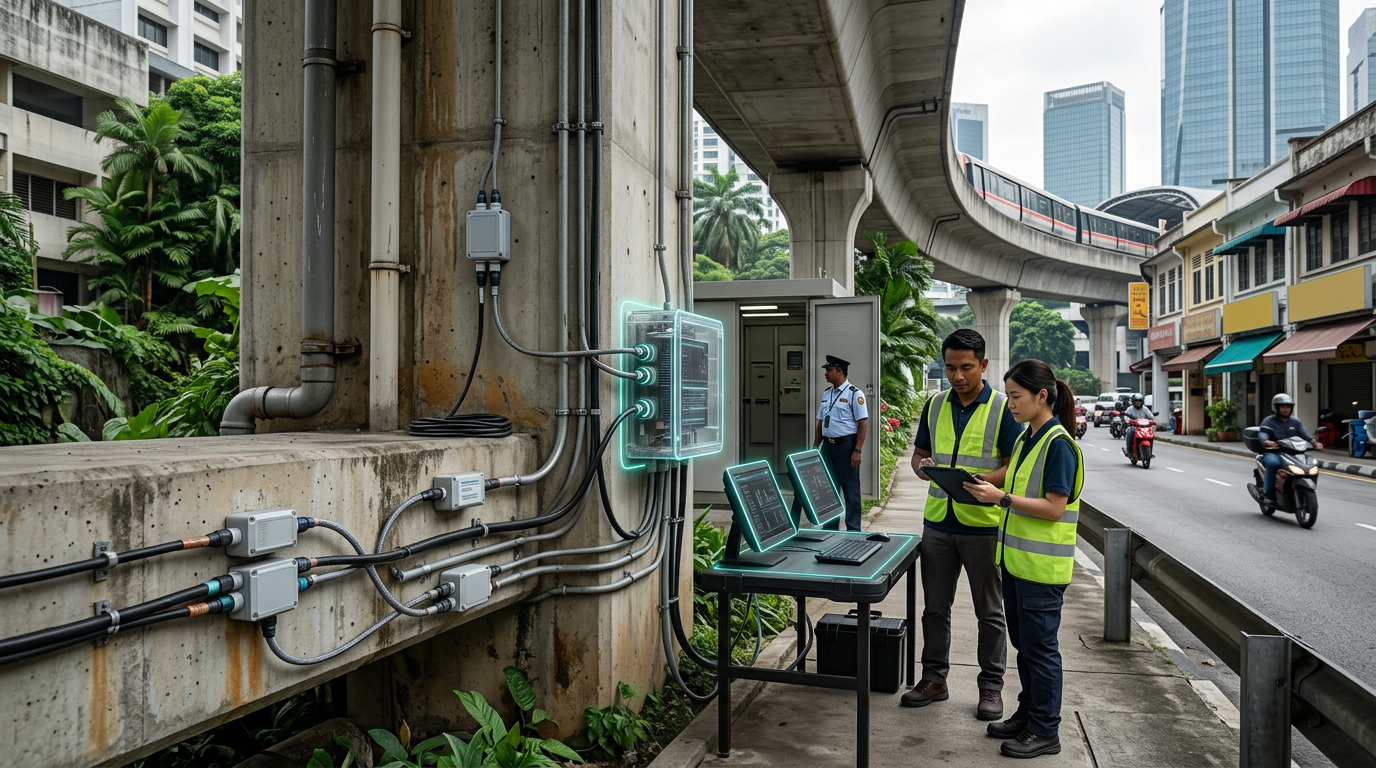
MAS operates the world's most emulated fintech regulatory sandbox, processing 250+ experiments that have shaped global approaches to regulating digital assets, DeFi, and AI in finance.
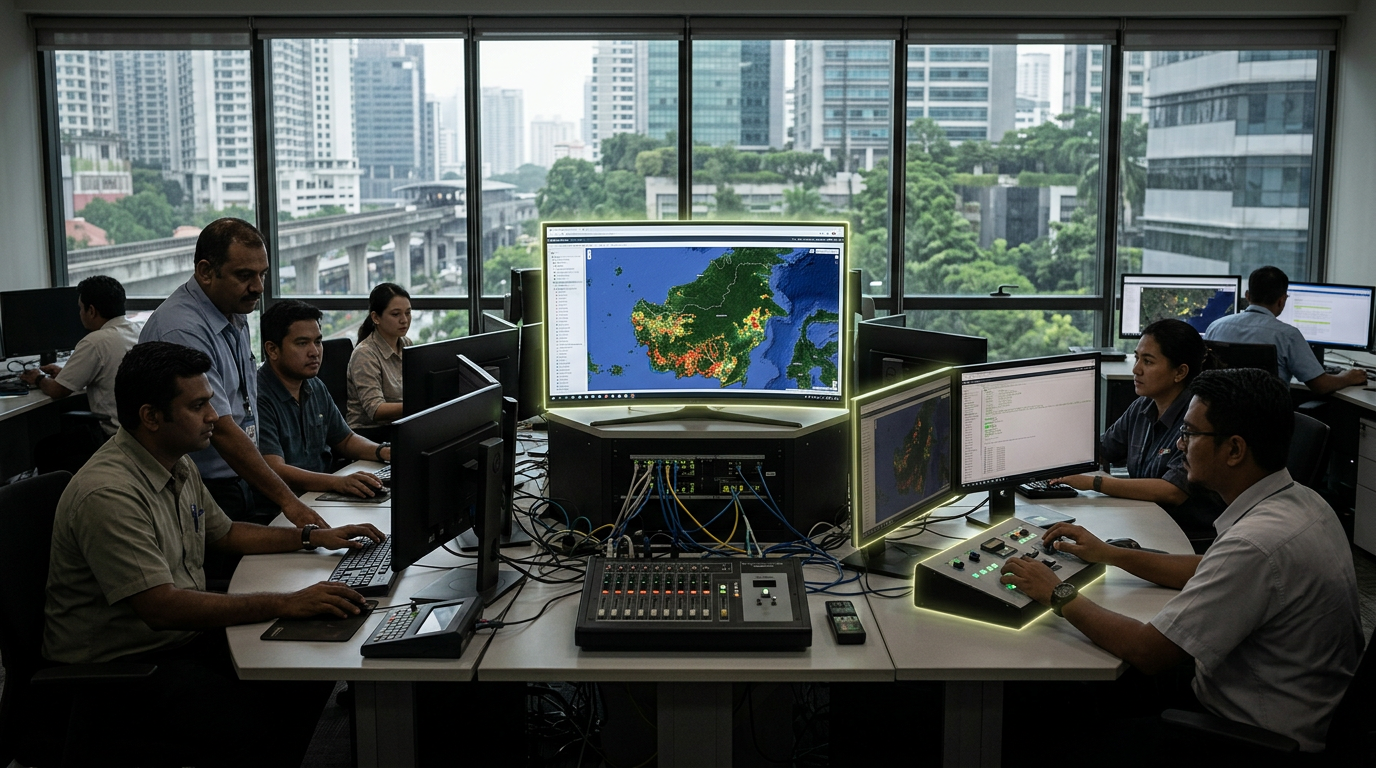
Indonesia deploys satellite radar (PALSAR-2) and AI hotspot detection to monitor 15M hectares of peatlands — preventing the catastrophic haze events that cost ASEAN $16B+ in 2015.

Malaysia holds 13% of global chip packaging market share via Penang, with ASE acquiring ADI's plant and Intel's $3B facility 99% complete for 2026 launch.
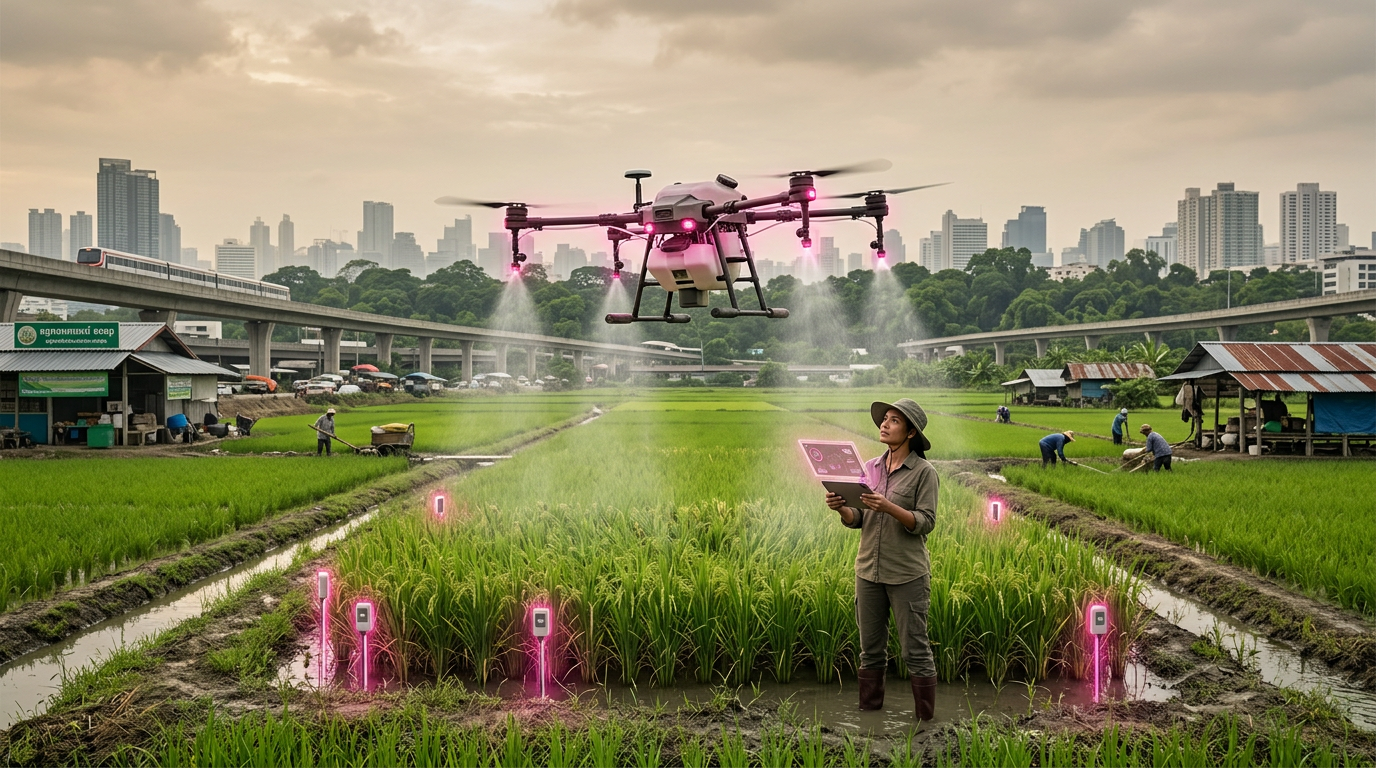
Thailand deploys drone-based crop monitoring, IoT soil sensors, and AI yield prediction across rice paddies and sugarcane plantations, targeting 15% productivity improvement.
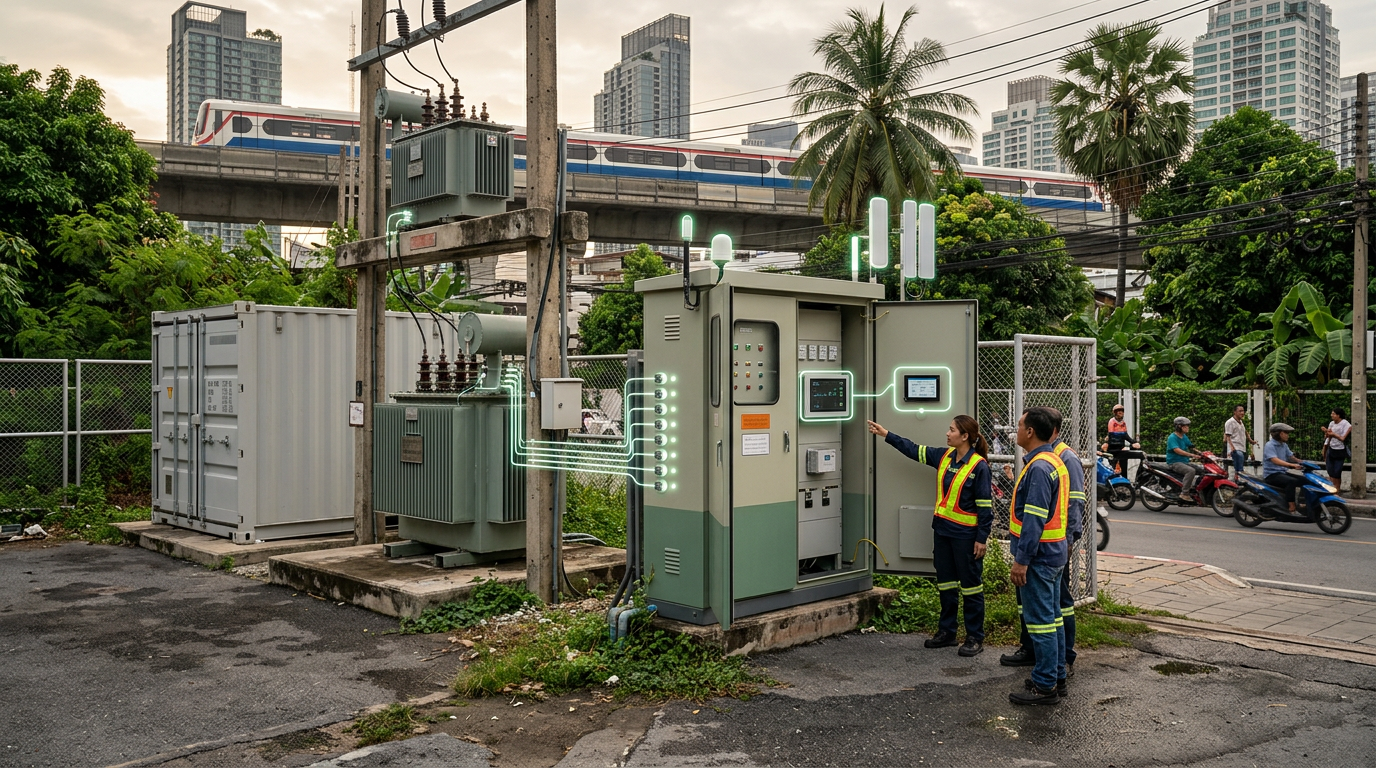
Thailand's EGAT is deploying smart grid technology with advanced metering infrastructure, demand response, and battery storage to integrate 30% renewable energy by 2037.
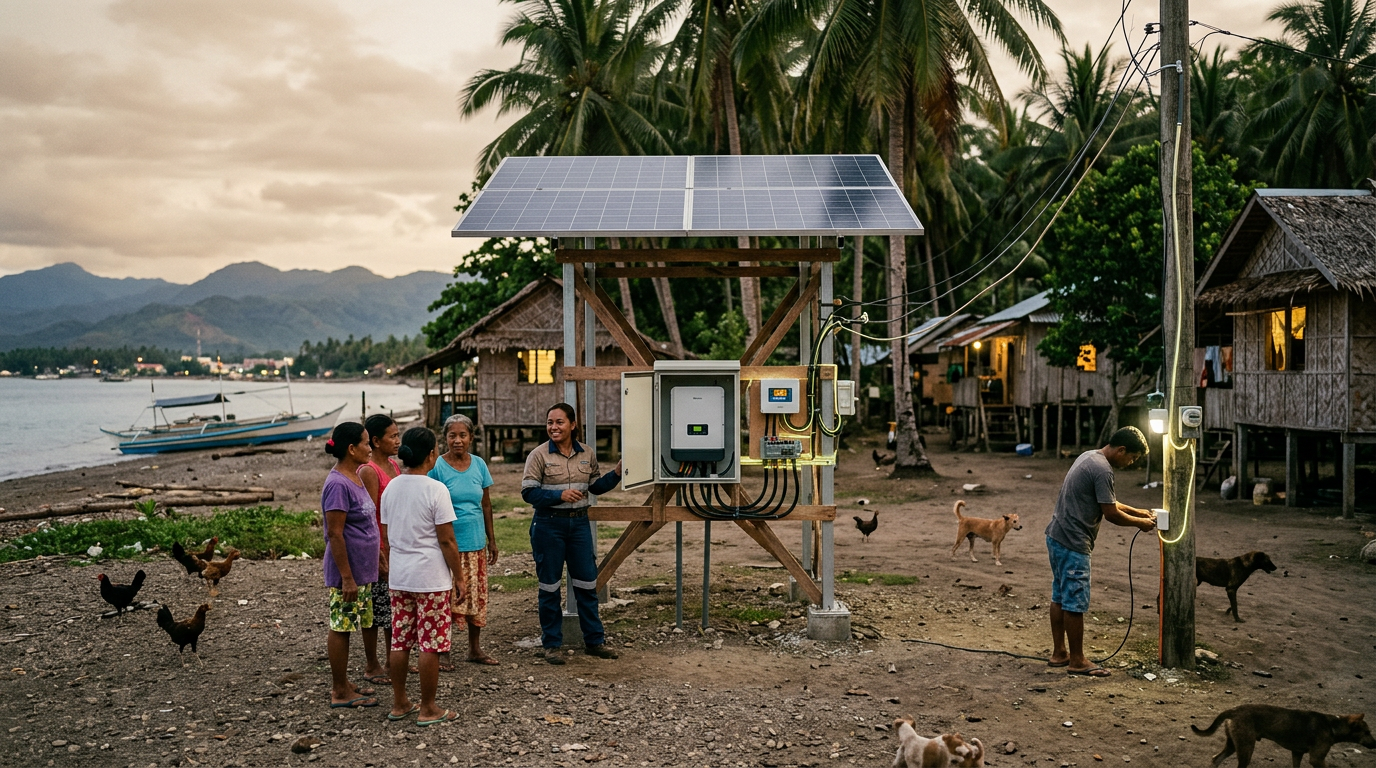
The Philippines deploys solar-battery mini-grids across its 7,641 islands, providing first-time electricity access to remote communities without extending the national grid.
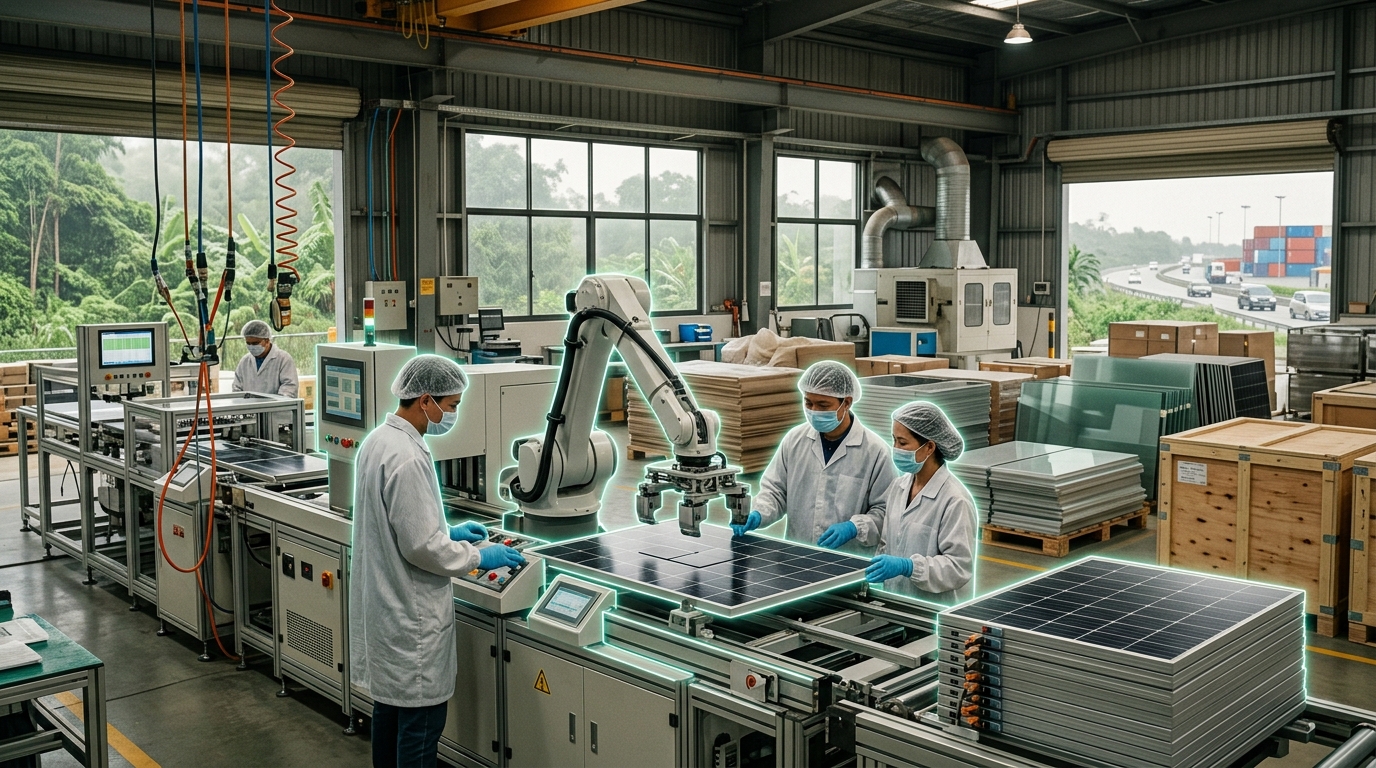
Vietnam has become a major solar module assembly hub as Chinese manufacturers relocate production to avoid US tariffs, creating a $5B+ solar export industry.
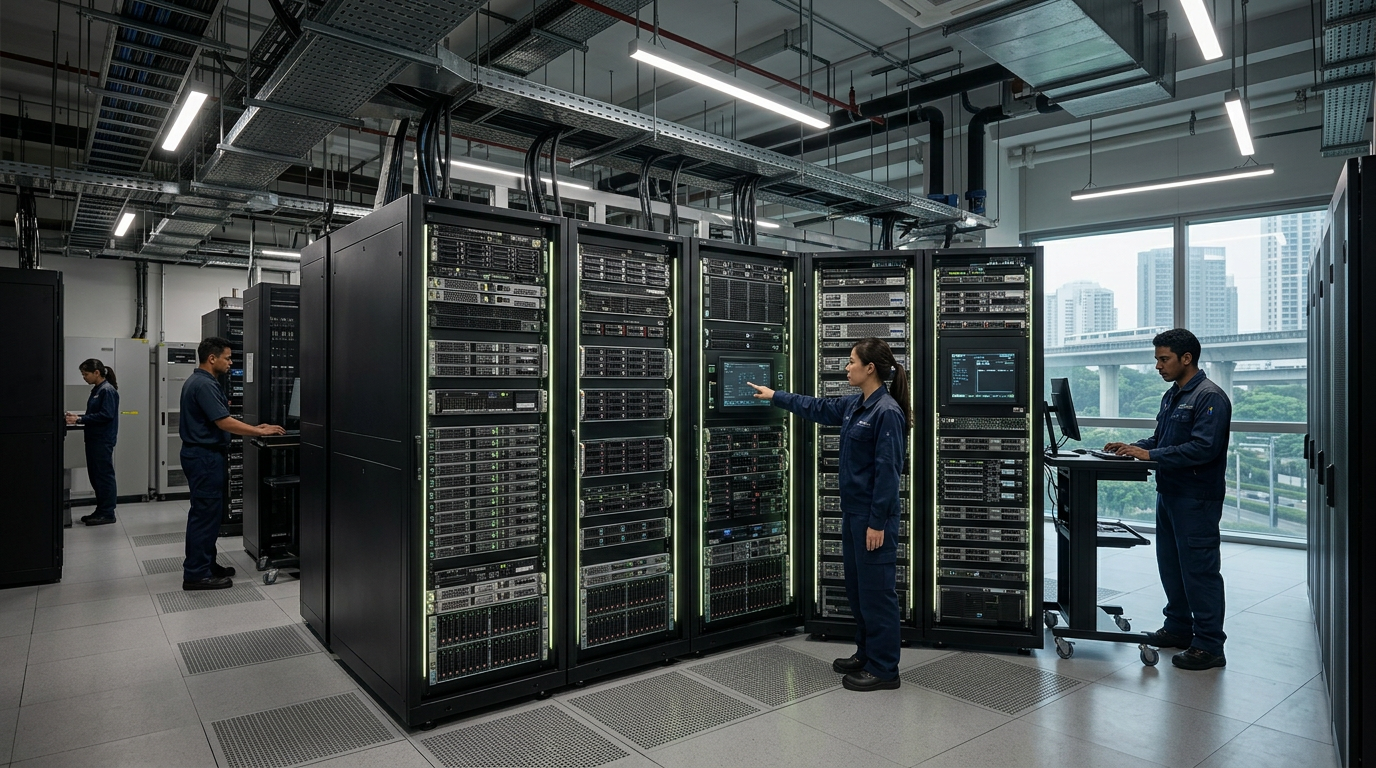
Singapore invested S$270M in NSCC supercomputing with a new national supercomputer launching in late 2025, plus S$300M for quantum computing integration.
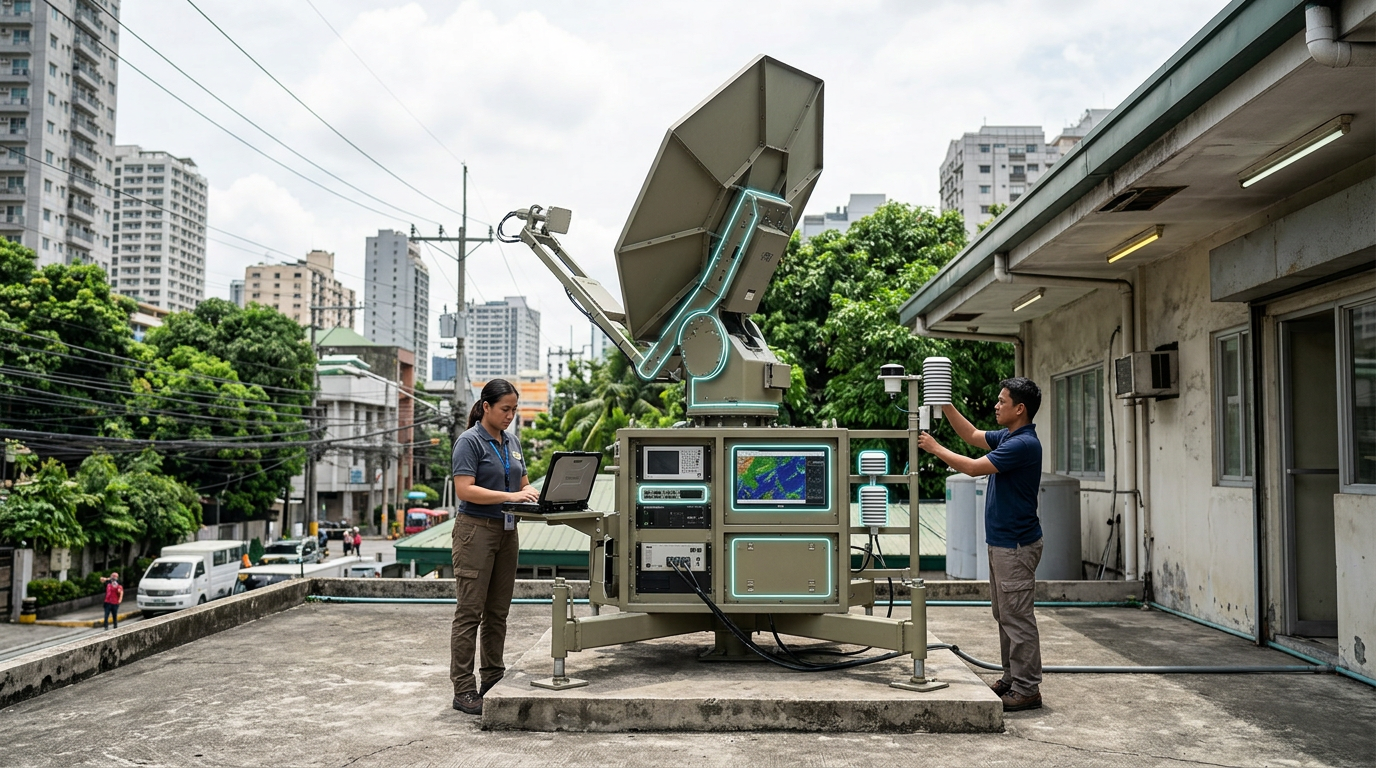
The Philippines is deploying satellite-based solutions for typhoon tracking, flood prediction, and crop insurance verification to manage $5.6B annual climate damage.
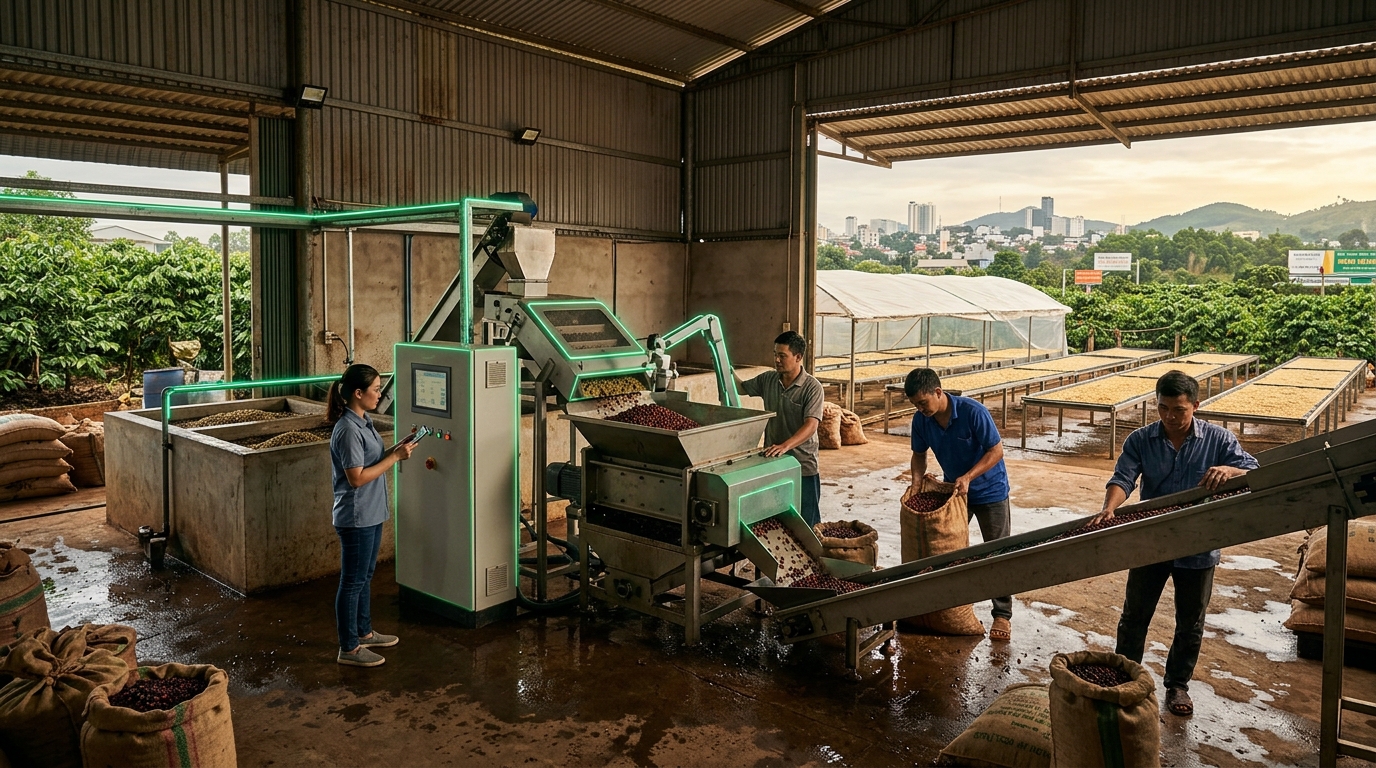
Vietnam — the world's largest Robusta producer (40% of global output) — is pioneering honey and wet-processing methods that elevate Robusta to specialty-grade quality.
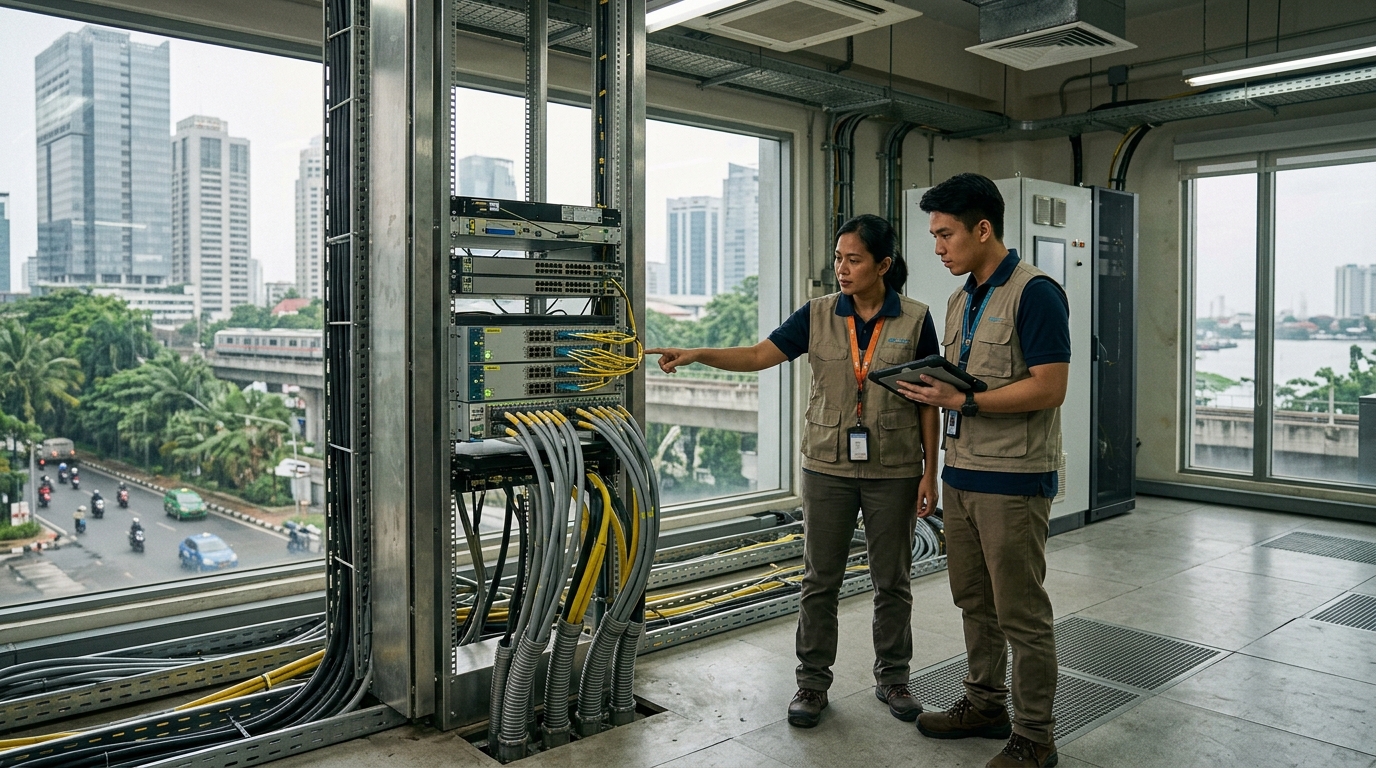
Indonesia sits at the crossroads of major Indo-Pacific submarine cable routes, with new systems (Apricot, Echo, Bifrost) connecting Southeast Asia to US, Australia, and India.
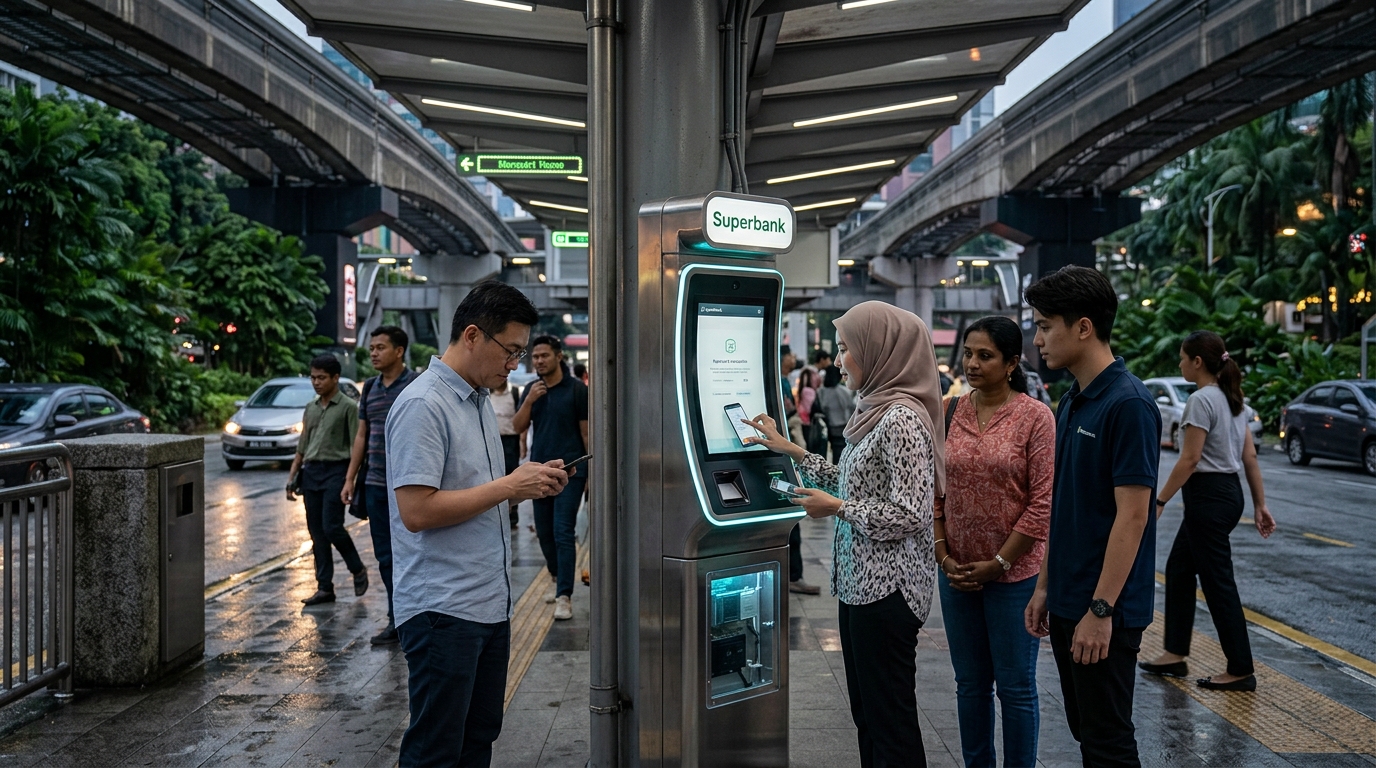
Grab and GoTo integrate ride-hailing, payments, lending, and insurance into single platforms serving 700M+ ASEAN consumers, with digital bank Superbank preparing Indonesia's largest digital bank IPO.
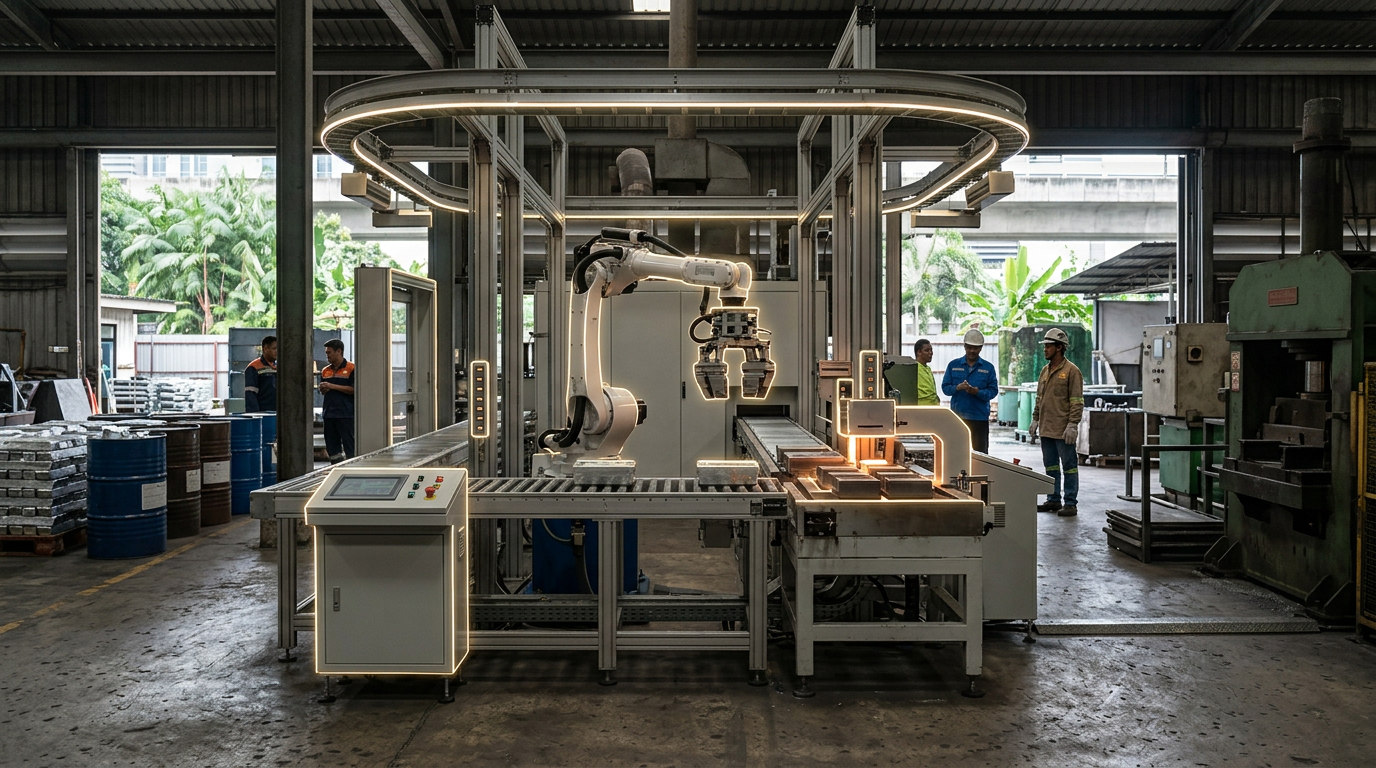
Indonesia produces ~25% of global tin from Bangka-Belitung islands, with the downstream smelting industry converting raw ore into solder, tin plate, and specialty chemicals.