Nickel Downstream Processing for EV Batteries
Geography: Asia Pacific · Southeast Asia · Southeast Asia
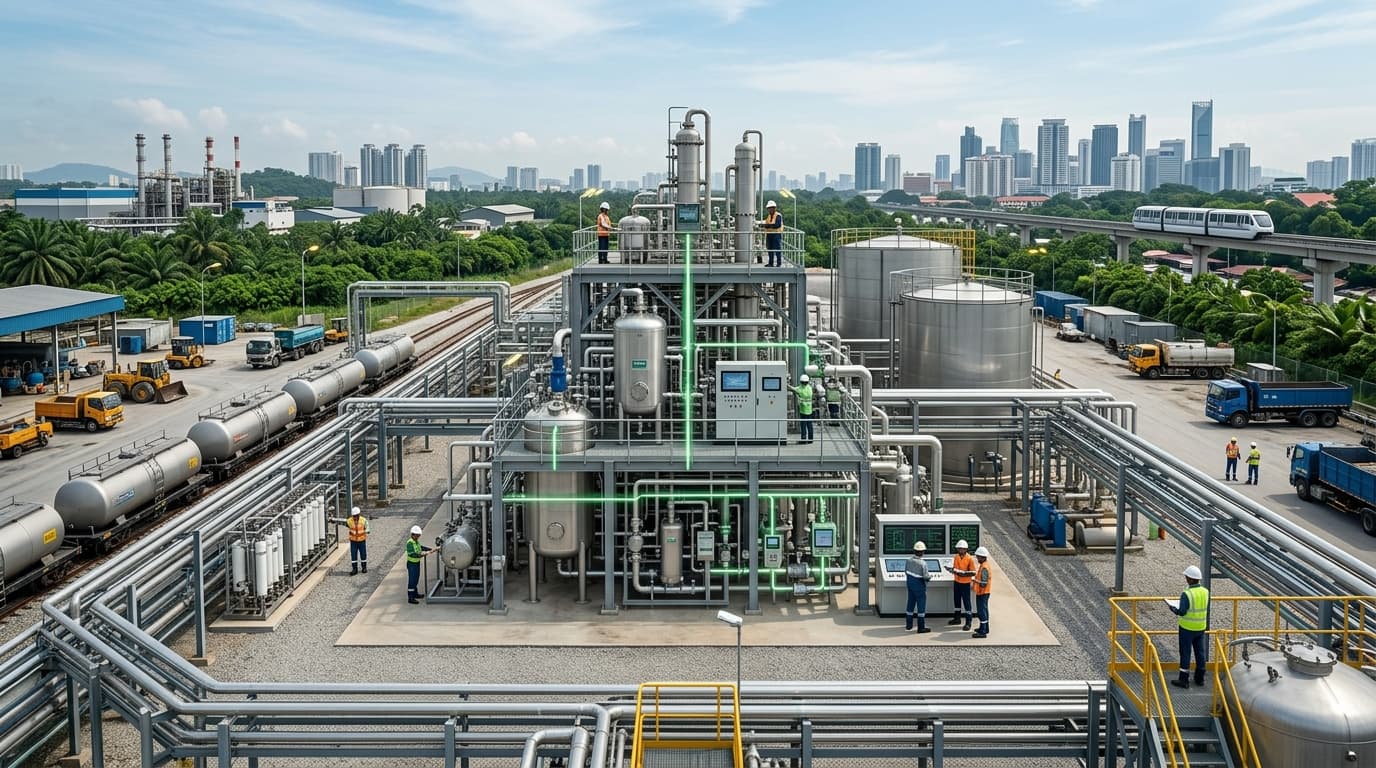
Indonesia — Indonesia's 2020 raw nickel ore export ban is the most consequential resource nationalism policy in the battery era. By 2025, five High Pressure Acid Leaching (HPAL) plants are operational, converting low-grade limonite ore into mixed hydroxide precipitate (MHP) and nickel sulfate — the precursors for EV battery cathodes. This forced Chinese, Korean, and Japanese companies to build processing facilities in Indonesia rather than extracting raw materials.
The results are mixed: stainless steel downstream development succeeded spectacularly (Indonesia became the world's largest producer), but battery-grade processing faces environmental challenges. HPAL plants generate toxic tailings, and the energy-intensive process often relies on coal power, undermining the green credentials of the final EV batteries.
Strategically, Indonesia controls approximately 50% of global nickel reserves. The downstream processing mandate is an attempt to capture more value from this resource advantage before battery chemistry shifts (sodium-ion, LFP) reduce nickel demand. If Indonesia can solve the environmental challenges and move further downstream into cathode manufacturing, it becomes indispensable in the EV battery supply chain.
Research this in Signals
Signals turns a topic into a sourced research record you can inspect and rerun. Your first scan is free, and this one starts with Nickel Downstream Processing for EV Batteries already loaded, so edit it or scan as is.