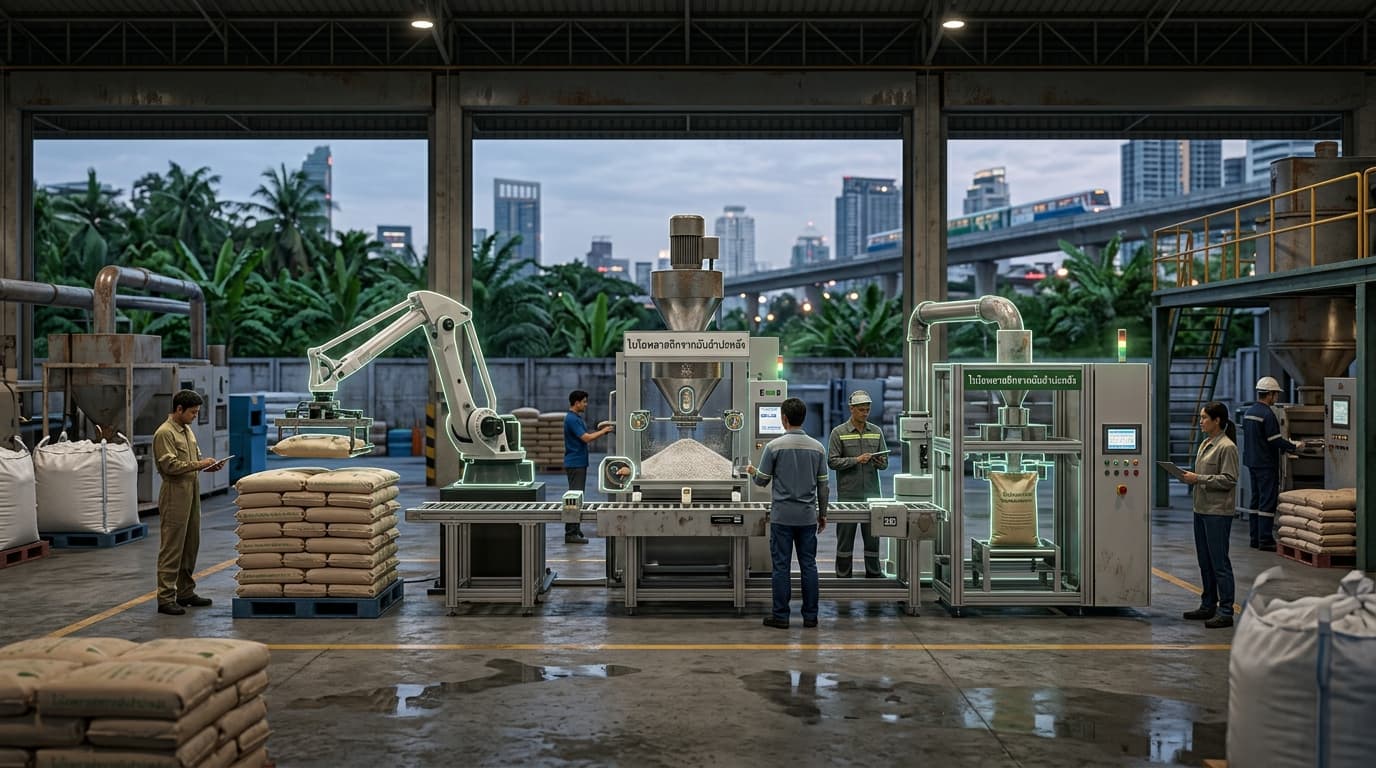
Bio-Based & Biodegradable Plastics
Geography: Asia Pacific · Southeast Asia · Southeast Asia
Thailand — Thailand leverages its agricultural base (world's largest cassava exporter, major sugarcane producer) to lead Asia's bio-based plastics industry. NatureWorks (Cargill/PTT Global Chemical joint venture) operates one of the world's largest PLA (polylactic acid) production facilities. PTT MCC Biochem produces bio-based PBS (polybutylene succinate) for biodegradable packaging.
The feedstock advantage is decisive: cassava starch is cheaper in Thailand than anywhere else, making PLA production cost-competitive with petroleum-based plastics at scale. The Thai government's Bio-Circular-Green (BCG) economic model explicitly targets bioplastics as a strategic industry, offering tax incentives and R&D grants for bioplastic manufacturers.
Globally, as single-use plastic bans expand (the EU, China, India), demand for biodegradable alternatives grows faster than supply. Thailand's combination of cheap agricultural feedstock, existing petrochemical engineering talent (from PTT and SCG), and government industrial policy creates a potential monopoly position in Asian bioplastics — similar to its existing dominance in natural rubber products.
Research this in Signals
Signals turns a topic into a sourced research record you can inspect and rerun. Your first scan is free, and this one starts with Bio-Based & Biodegradable Plastics already loaded, so edit it or scan as is.