Regulated Carbon Trading & Credit Infrastructure
Geography: Asia Pacific · Southeast Asia · Southeast Asia
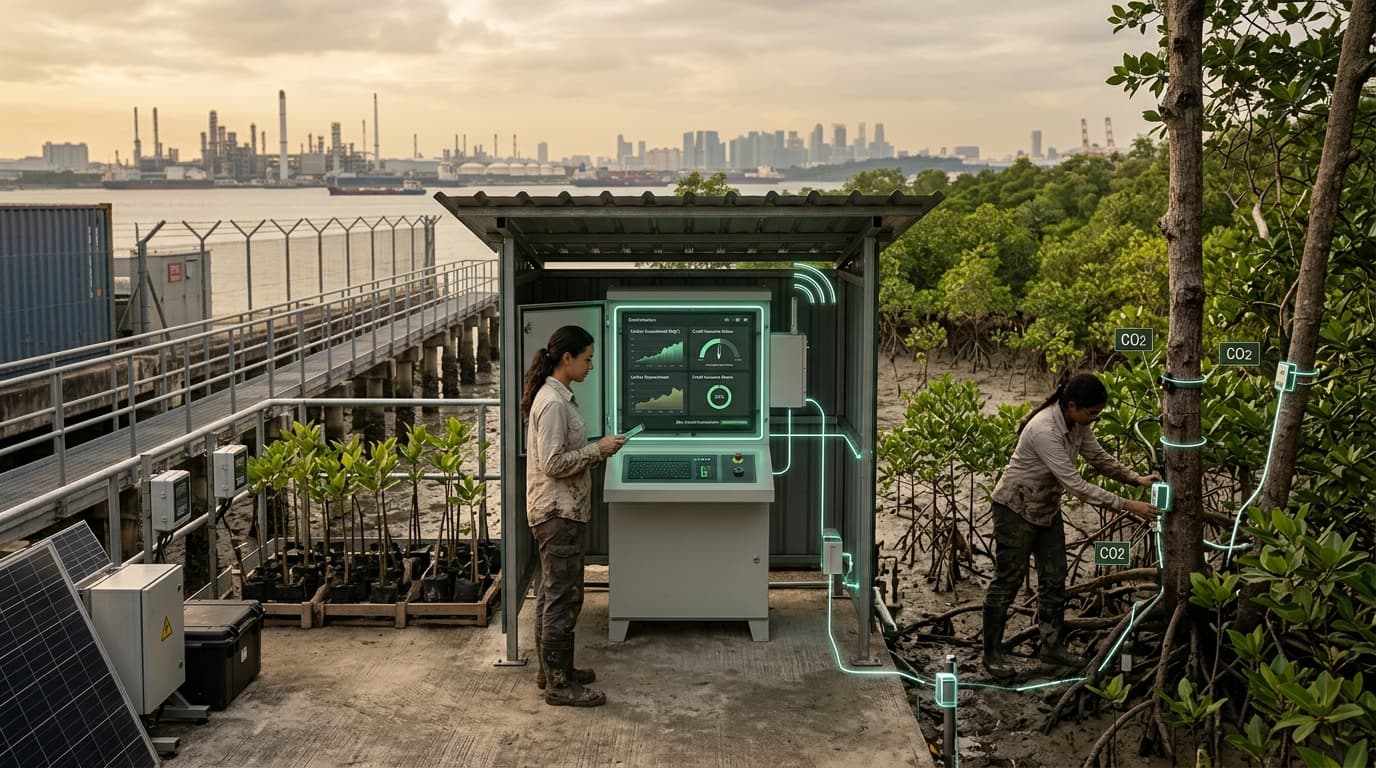
Singapore — Singapore implemented Southeast Asia's first carbon tax in 2019 ($5/tonne), rising to $25 in 2024 with a trajectory to $50-80 by 2030. Climate Impact X (CIX), a joint venture between DBS, SGX, Standard Chartered, and Temasek, operates a regulated carbon credit exchange specifically designed for high-quality nature-based and technology-based carbon credits.
The regulatory architecture combines carbon taxation (creating demand) with exchange infrastructure (creating supply liquidity) and quality standards (ensuring credit integrity). Singapore positions itself as the carbon trading hub for ASEAN, where Indonesia's peatlands, Malaysia's rainforests, and Thailand's mangroves represent enormous carbon credit potential.
The strategic play is becoming ASEAN's carbon finance capital — similar to how London became Europe's emissions trading center. As international carbon markets mature and the EU's Carbon Border Adjustment Mechanism forces ASEAN exporters to account for emissions, Singapore's early investment in carbon market infrastructure positions it as the essential intermediary for regional carbon compliance.
Research this in Signals
Signals turns a topic into a sourced research record you can inspect and rerun. Your first scan is free, and this one starts with Regulated Carbon Trading & Credit Infrastructure already loaded, so edit it or scan as is.