Geothermal Power Generation
Geography: Asia Pacific · Southeast Asia · Southeast Asia
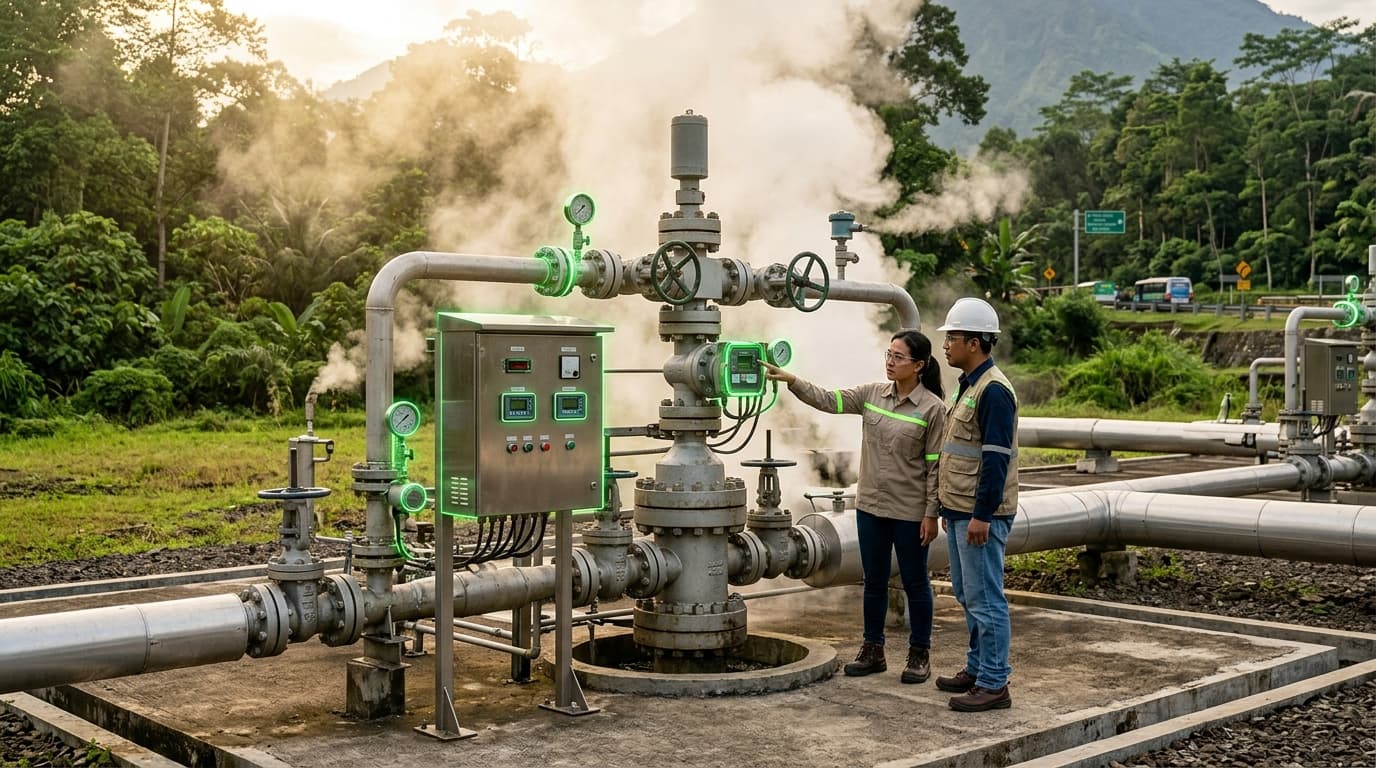
Indonesia & Philippines — The two ASEAN countries sit atop the world's most concentrated geothermal resources. Indonesia's 29 GW of reserves represent the planet's largest endowment, with only ~2.4 GW currently developed. The Philippines' 1.9 GW installed capacity makes it the world's third-largest producer after the US and Indonesia, with the Makban plant expansion adding 100 MW by 2025.
Geothermal is the unsexy workhorse of ASEAN's energy transition. Unlike solar and wind, it provides 24/7 baseload power with near-zero emissions. The Philippines generates roughly 11% of its electricity from geothermal — one of the highest shares globally. Indonesia targets 5,000 MW by 2025 as part of its 23% renewable energy mix goal.
The challenge is cost and risk: drilling geothermal wells is expensive ($5-7M per well) with no guarantee of hitting productive reservoirs. New policy frameworks in the Philippines aim to de-risk exploration through government-backed geological surveys and risk-sharing mechanisms. If enhanced geothermal systems (EGS) technology matures, it could unlock Indonesia's vast reserves in areas without natural hydrothermal activity.
Research this in Signals
Signals turns a topic into a sourced research record you can inspect and rerun. Your first scan is free, and this one starts with Geothermal Power Generation already loaded, so edit it or scan as is.