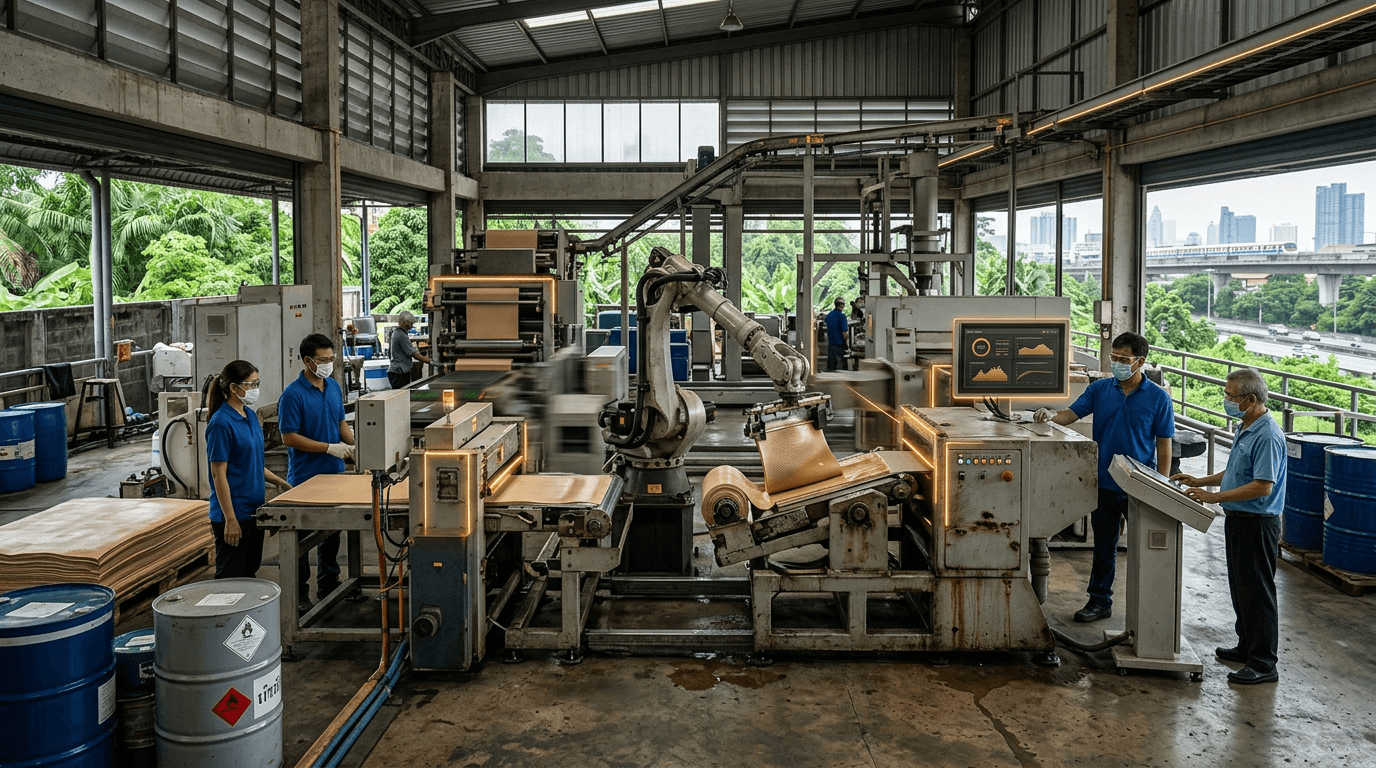
Advanced Natural Rubber Processing
Geography: Asia Pacific · Southeast Asia · Southeast Asia
Thailand — As the world's largest natural rubber producer (35% of global supply), Thailand is investing in moving up the value chain from commodity rubber sheets to specialty products. Key innovations include: low rolling resistance compounds for EV tires (EVs need different tire properties than ICE vehicles), medical-grade latex with hypoallergenic processing, and rubber-based composites for infrastructure (earthquake-dampening bridge bearings, vibration isolation mounts).
The EV tire opportunity is particularly significant: EV tires wear 20-30% faster than conventional tires due to higher vehicle weight and instant torque, creating a growing premium tire segment. Thai rubber researchers at the Rubber Authority of Thailand are developing formulations specifically optimized for EV performance characteristics.
Strategically, as Thailand transitions from 'Detroit of Asia' for ICE vehicles to an EV export hub, the rubber industry must co-evolve. If Thai rubber producers capture the EV tire formulation market, they lock in a premium position in the EV supply chain — transforming a commodity export into a high-value specialty material. The alternative is being displaced by synthetic rubber as manufacturers optimize for EV-specific properties.
Research this in Signals
Signals turns a topic into a sourced research record you can inspect and rerun. Your first scan is free, and this one starts with Advanced Natural Rubber Processing already loaded, so edit it or scan as is.