Where technologies cluster around the world
Regions
86 technologies in Brazil
Açaí, andiroba, babaçu, copaíba — industrializing Amazon forest products into cosmetics, supplements, and biomaterials, creating economic value from standing forest that rivals or exceeds cattle...
The first Earth observation satellite fully designed, assembled, tested, and operated by Brazil — launched 2021, monitoring Amazon deforestation and agricultural activity
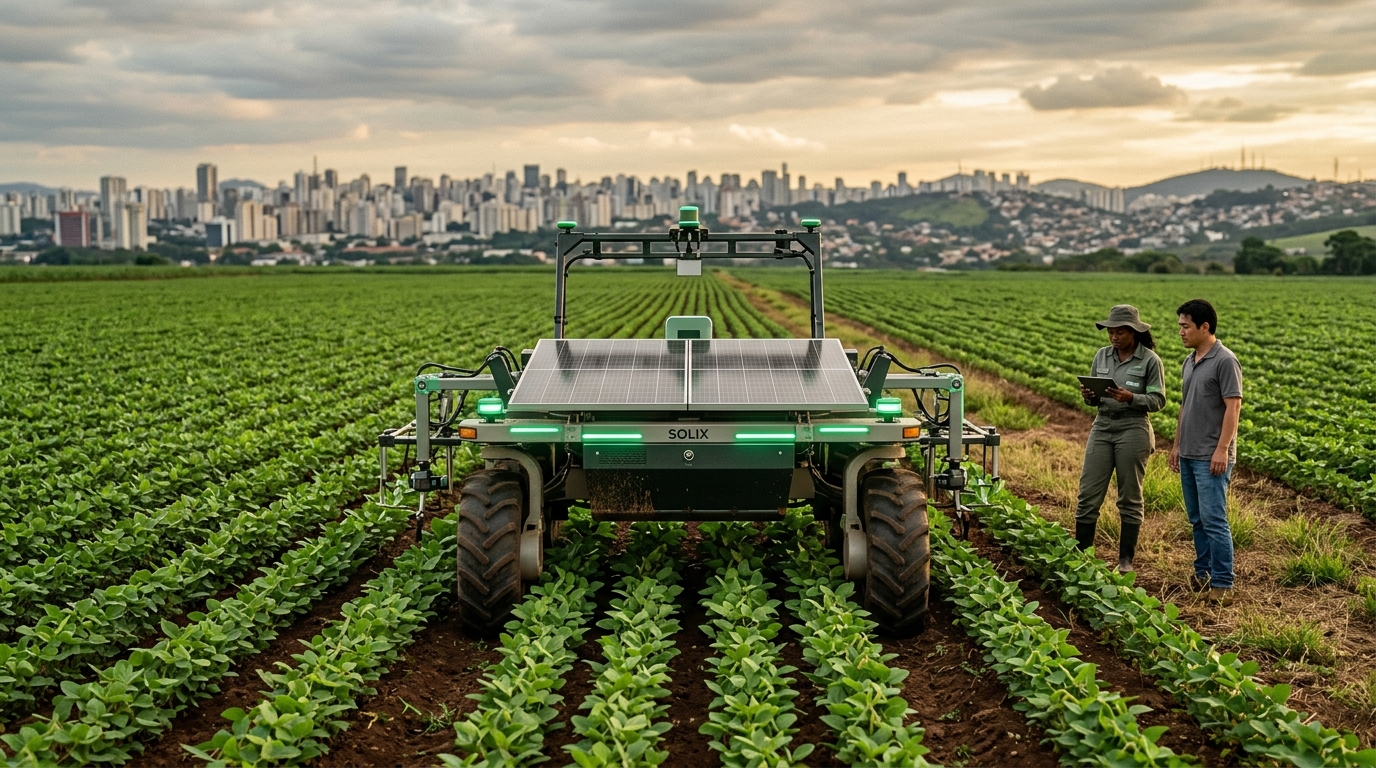
Solinftec's Solix is the first commercial autonomous robot platform built for large-scale tropical agriculture — AI-powered monitoring and intervention across millions of hectares
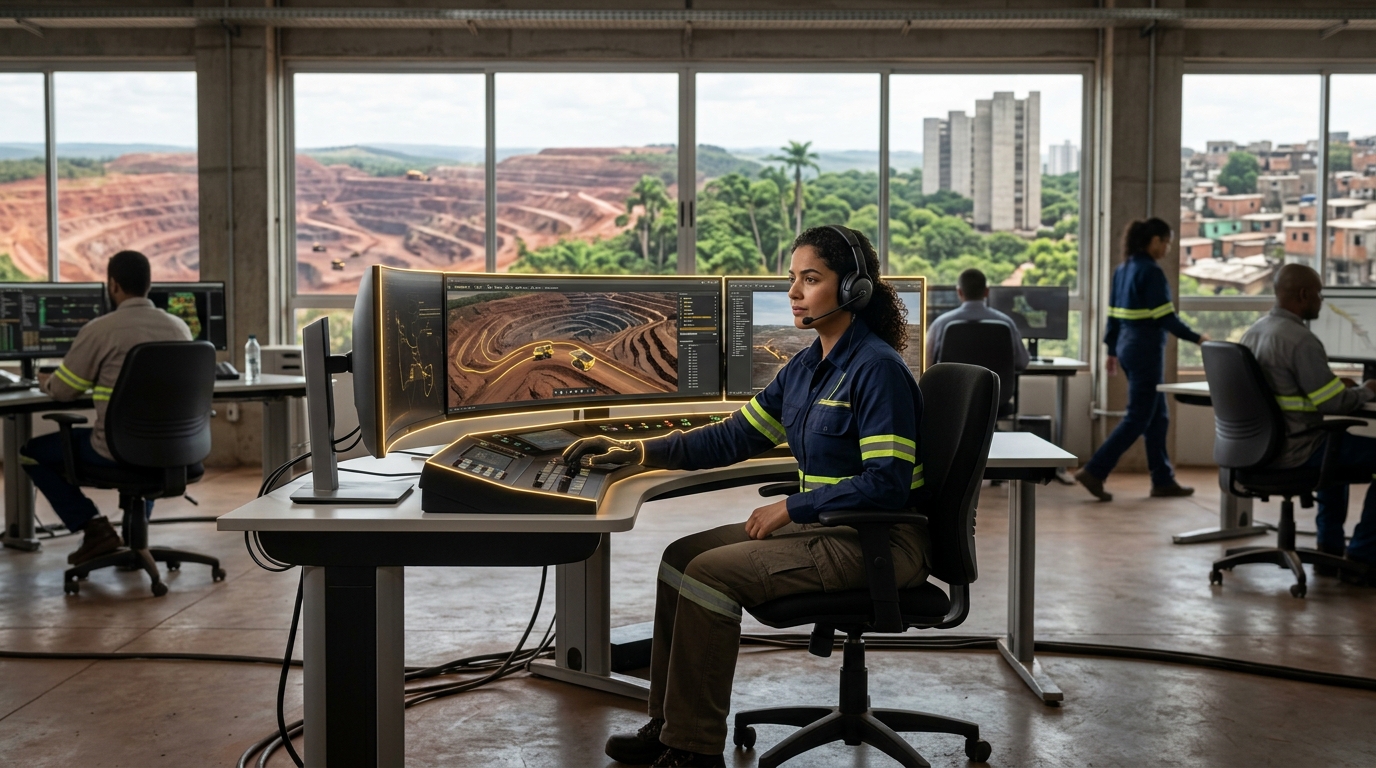
Vale uses AI-powered autonomous trucks and operations management at Carajás — the world's largest iron ore mine producing 65+ million tonnes annually
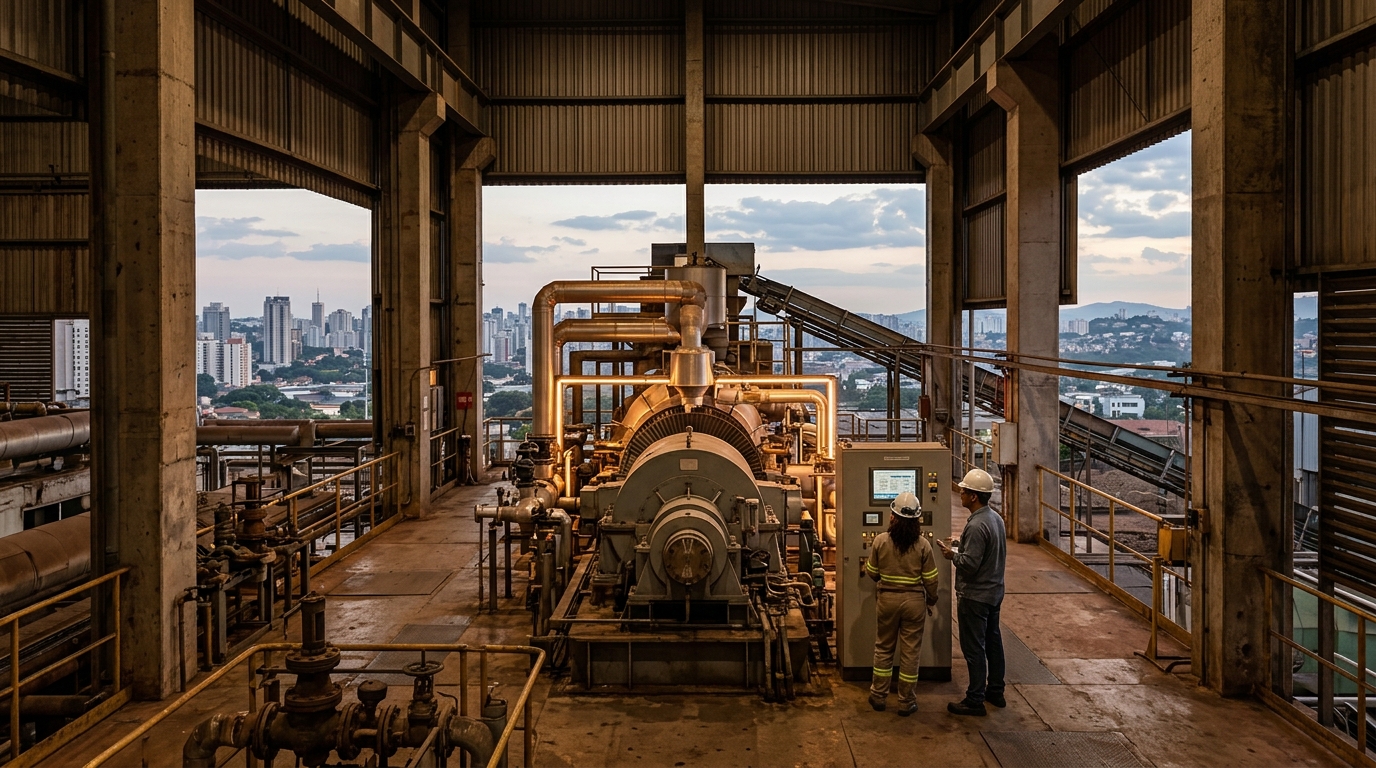
Sugar mills burn sugarcane bagasse to generate electricity — making them energy-positive and turning an agricultural waste product into grid-scale power
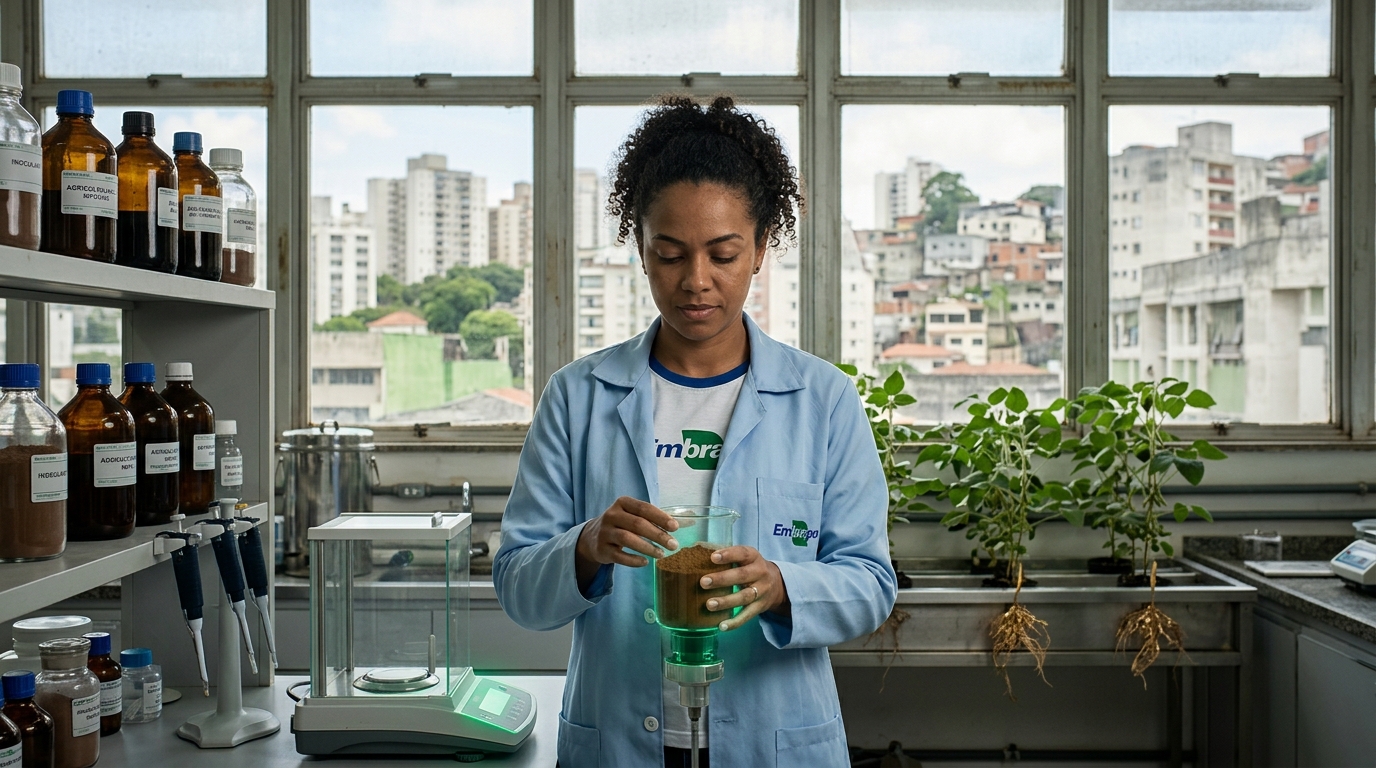
EMBRAPA-developed Bradyrhizobium inoculants replace synthetic nitrogen fertilizer on 27.7 million hectares of soybean, saving Brazil $10.3 billion per year in fertilizer imports
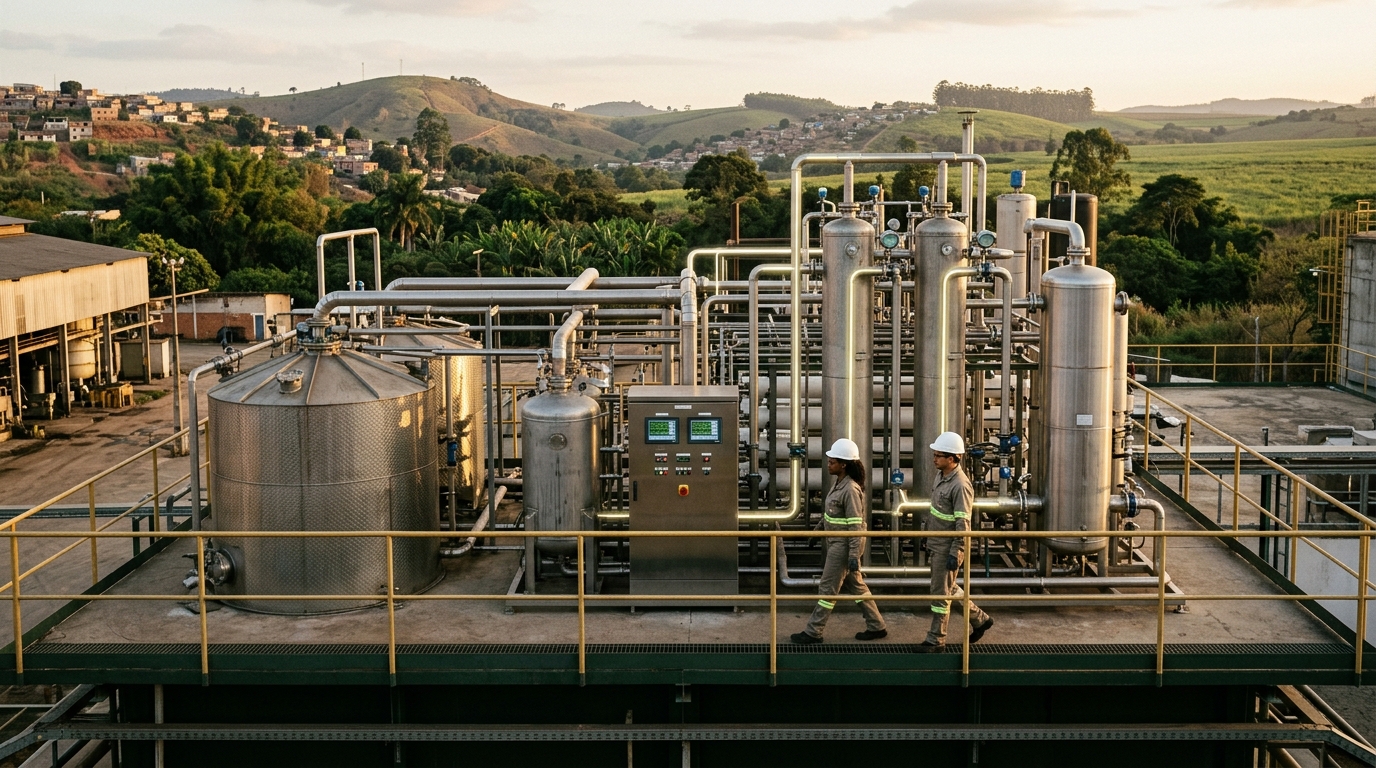
Converting ethanol's liquid waste (vinasse) into pipeline-grade renewable natural gas — Brazil's 'rural pre-salt' could replace 10-15% of fossil gas demand from existing sugarcane mills.
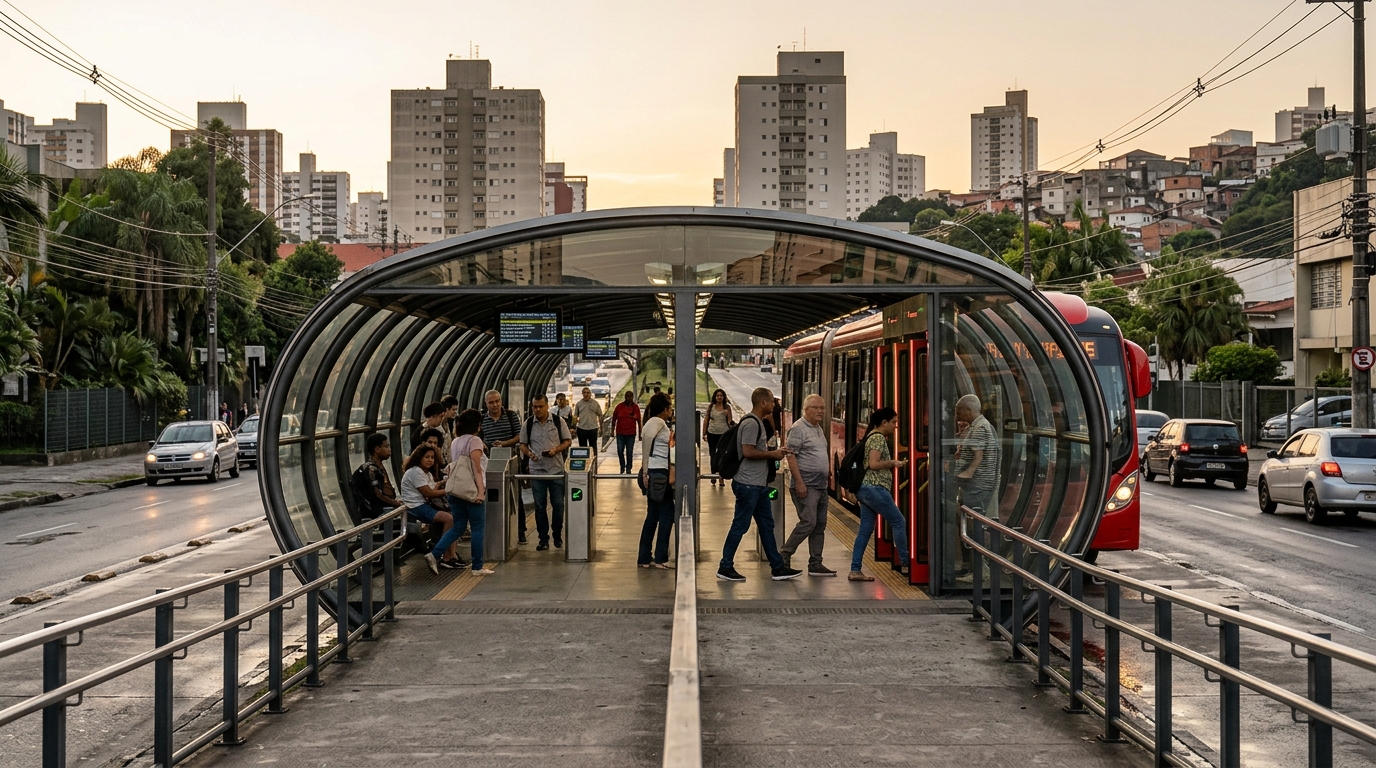
Curitiba invented Bus Rapid Transit in 1974 — the model has been adopted by roughly 200 cities worldwide, proving that bus systems can match metro performance at a fraction of the cost
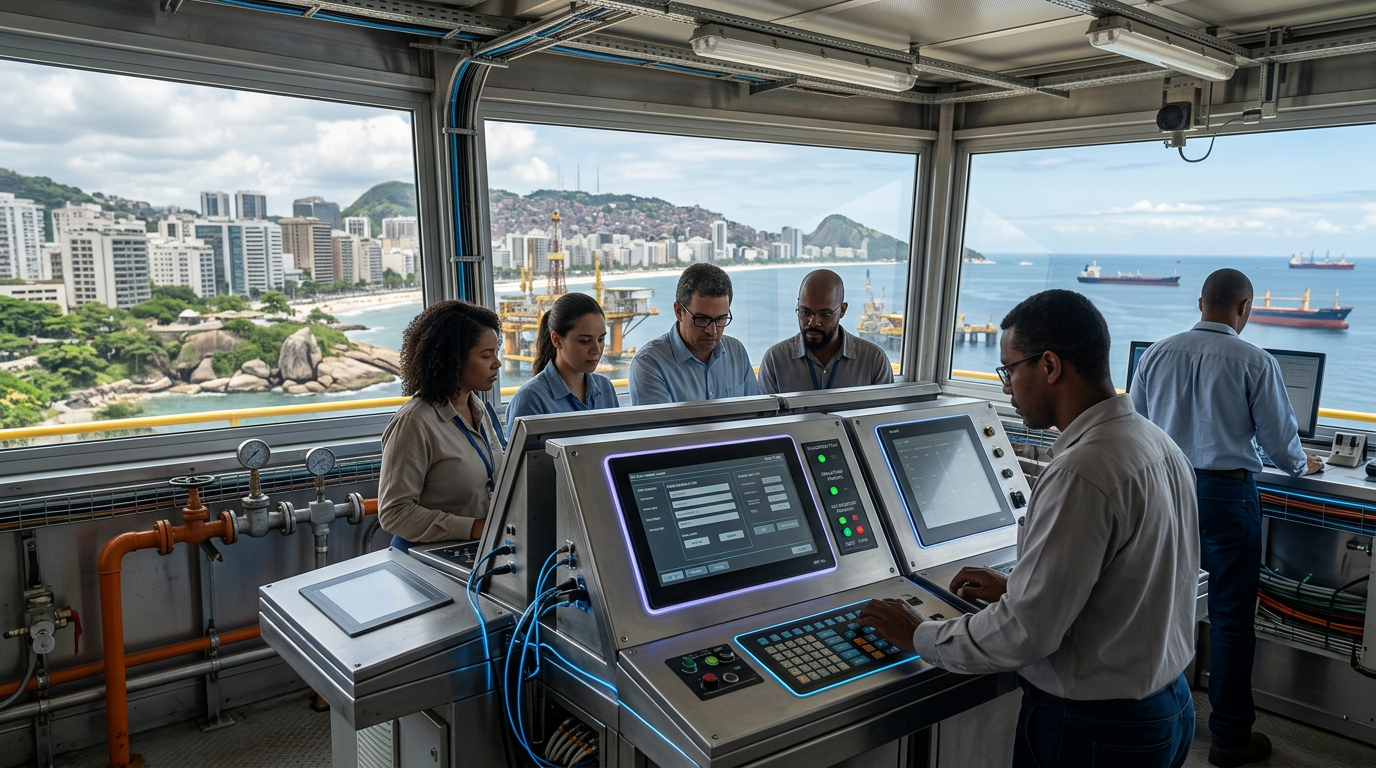
Petrobras reinjects CO2 separated from pre-salt oil back into reservoirs — one of the world's largest offshore carbon capture operations, storing millions of tons annually
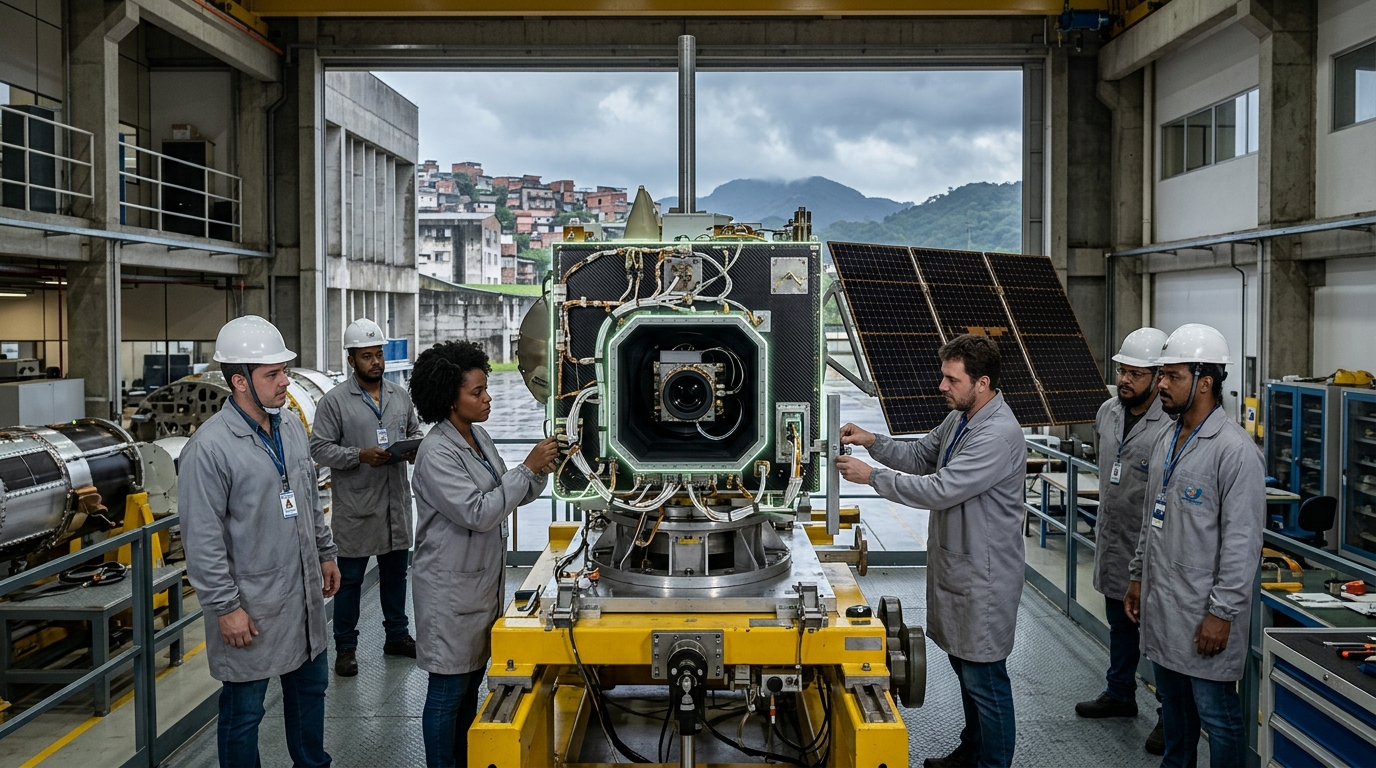
A 40-year China-Brazil space cooperation program that has launched 6 Earth observation satellites — CBERS-6 is under development for 2026+
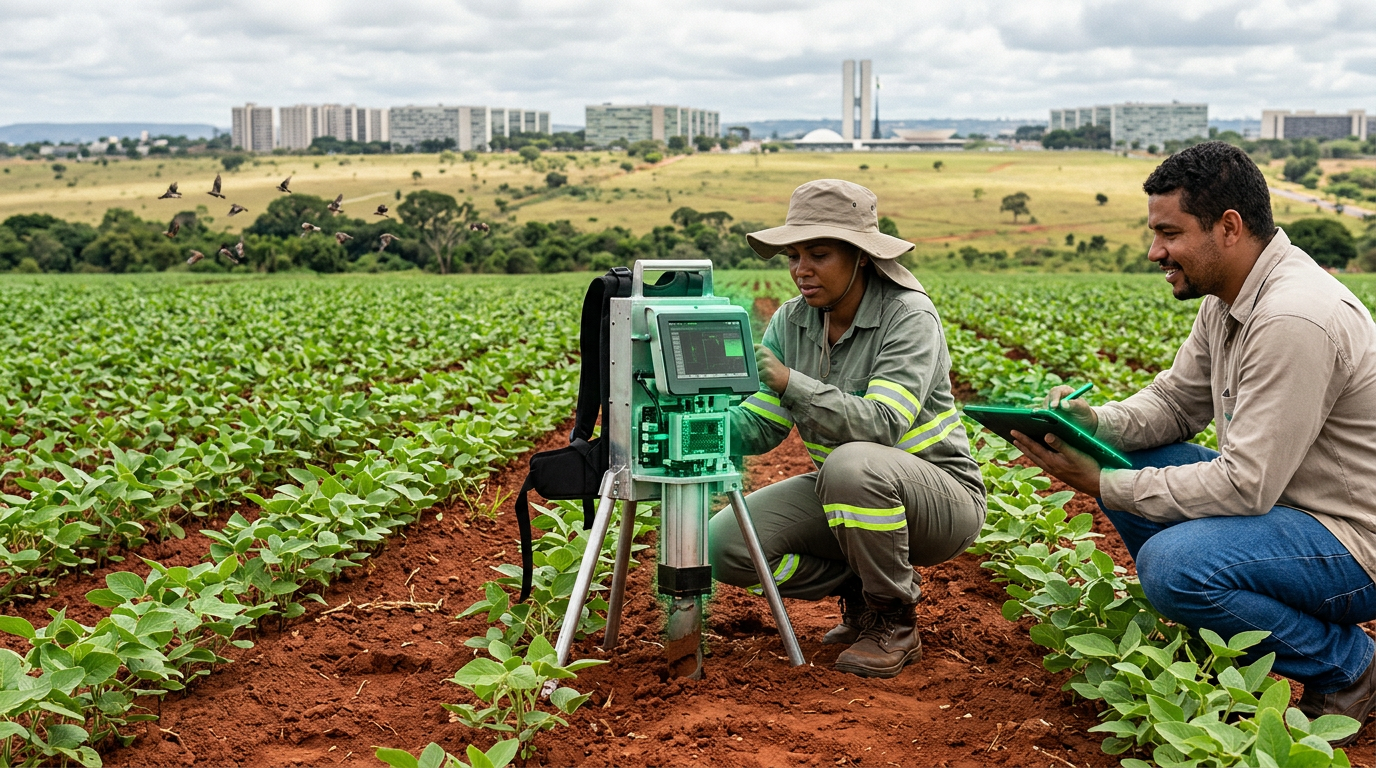
EMBRAPA transformed 200 million hectares of acid, infertile cerrado savanna into one of the world's most productive grain belts using lime correction and adapted crop varieties
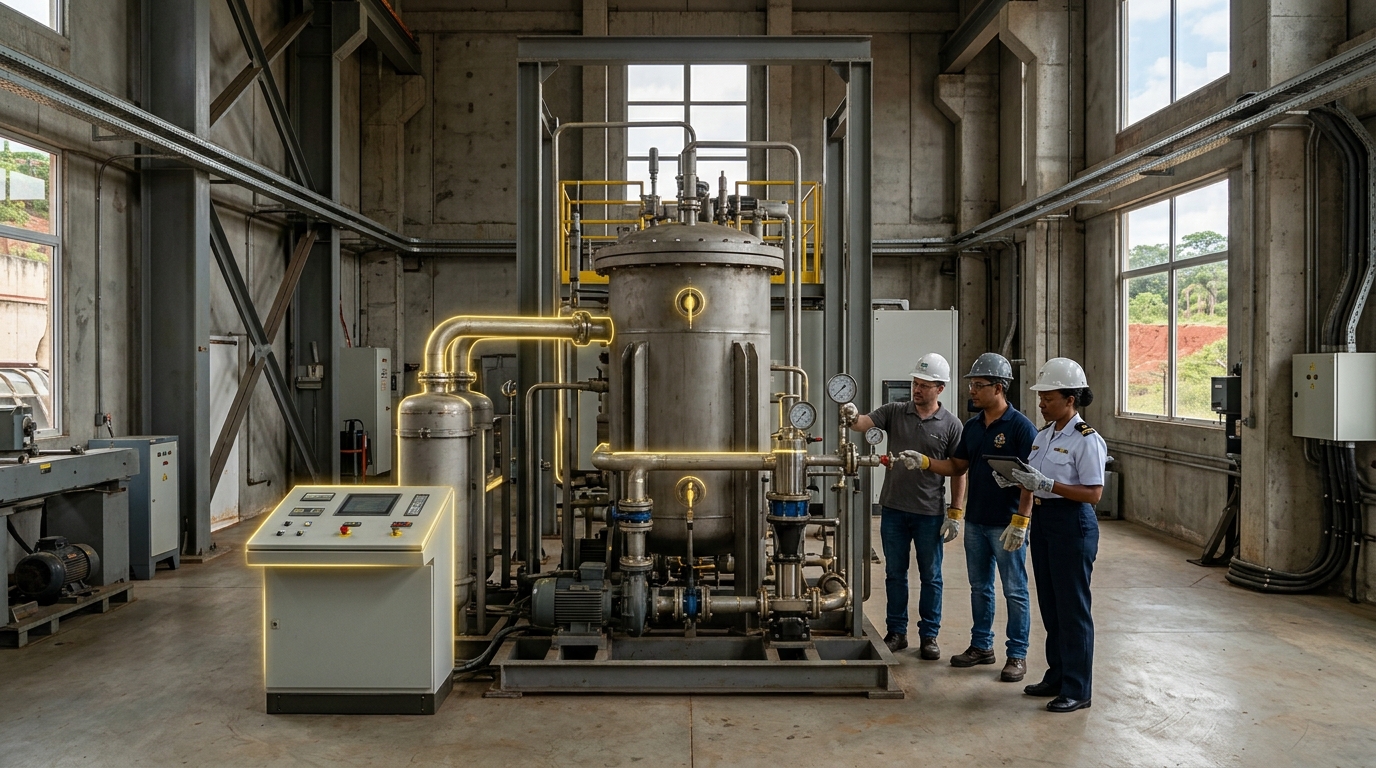
Brazil's Navy-designed compact PWR at LABGENE uses domestically enriched uranium — making Brazil only the 7th country to develop indigenous naval nuclear propulsion technology.
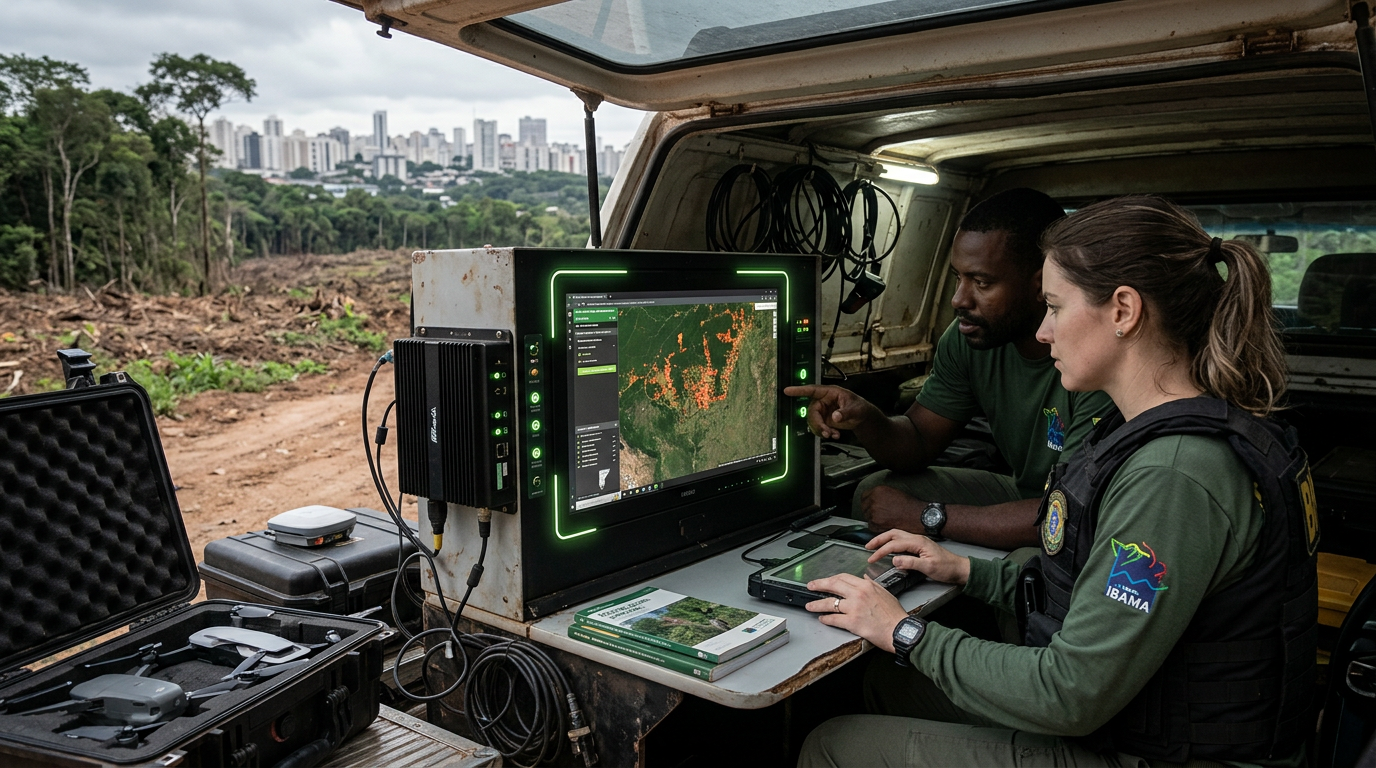
INPE's satellite-based system detects deforestation in near-real-time using AI-enhanced image analysis — directly guiding law enforcement and helping Amazon deforestation reach record lows in 2026
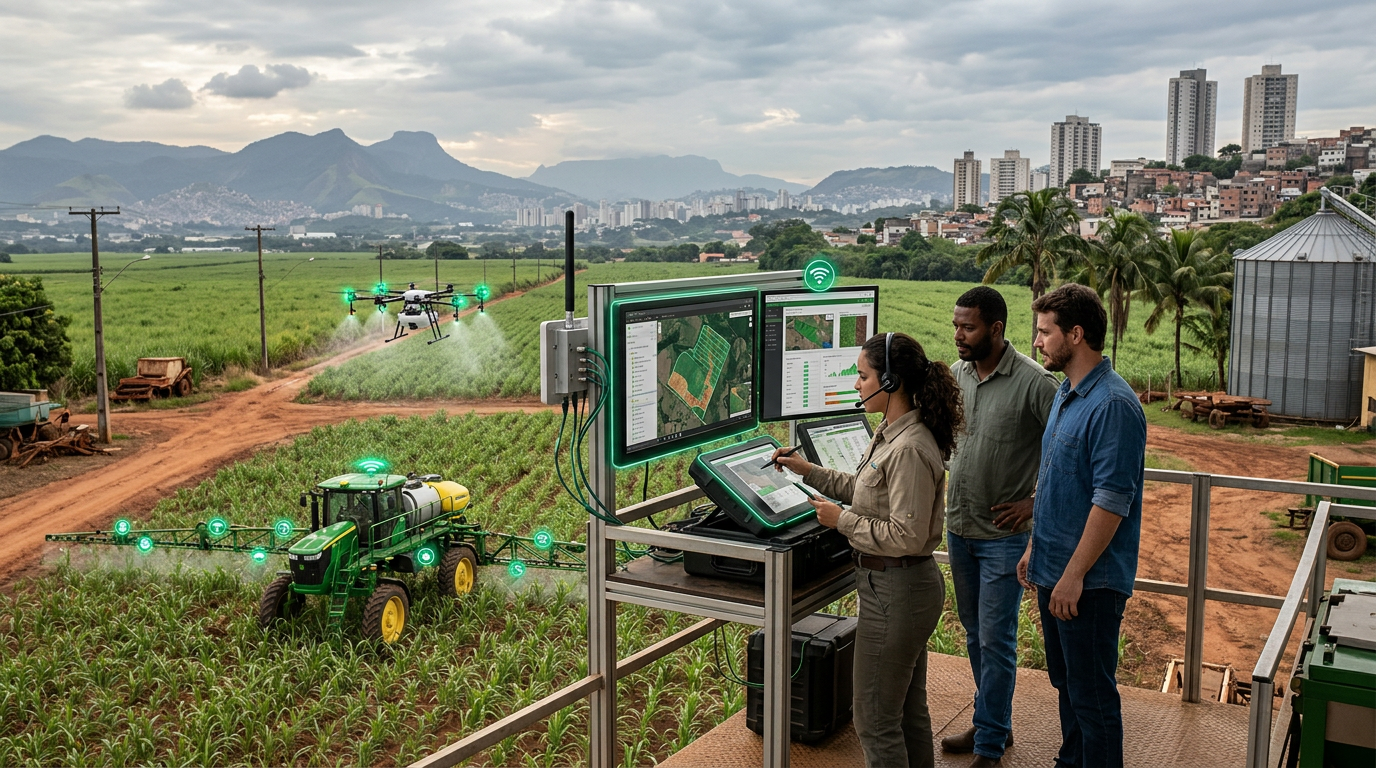
Brazil's agtech ecosystem — 1,700+ startups — is digitizing the world's largest tropical farming system with precision agriculture, satellite-guided machinery, drone spraying, and farm management...
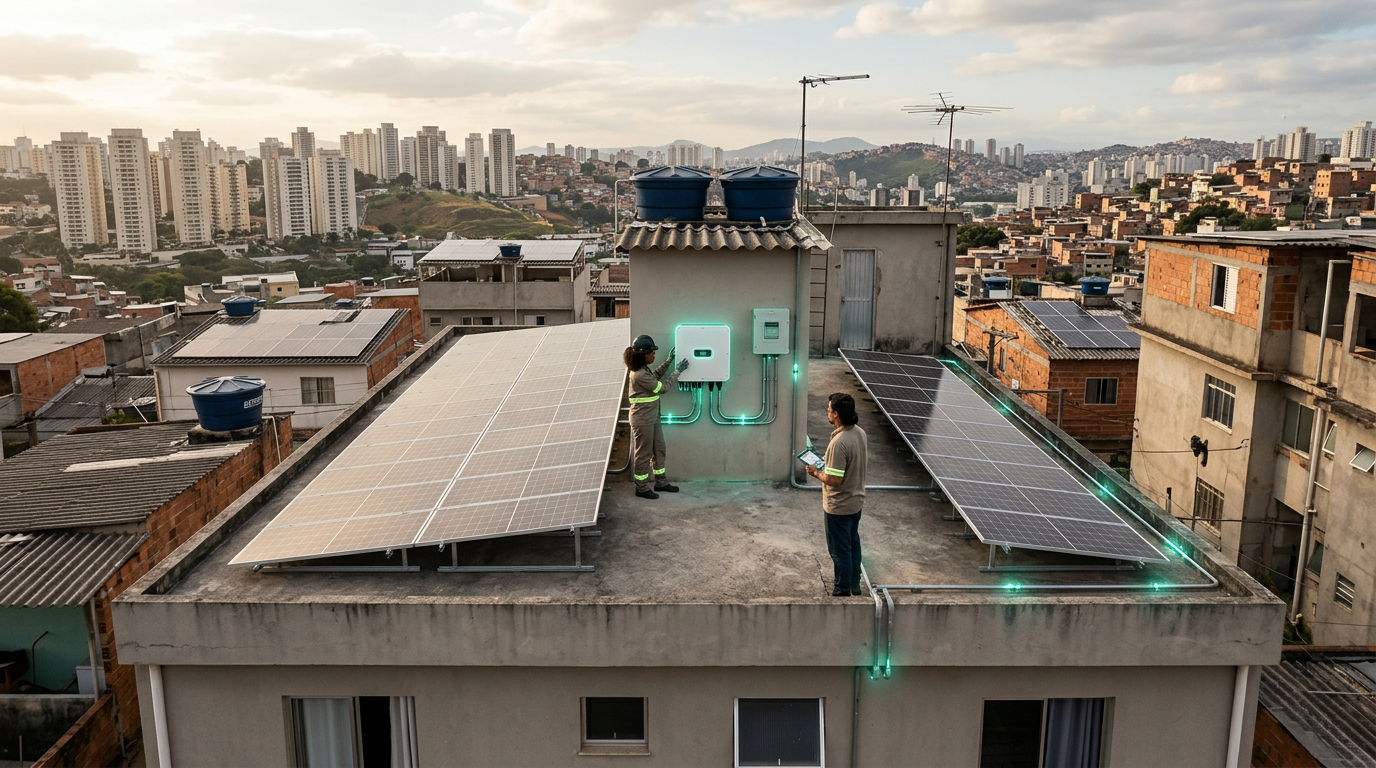
Brazil became the world's 4th-largest distributed solar market — over 3 million rooftop installations fueled by net metering rules and falling panel costs
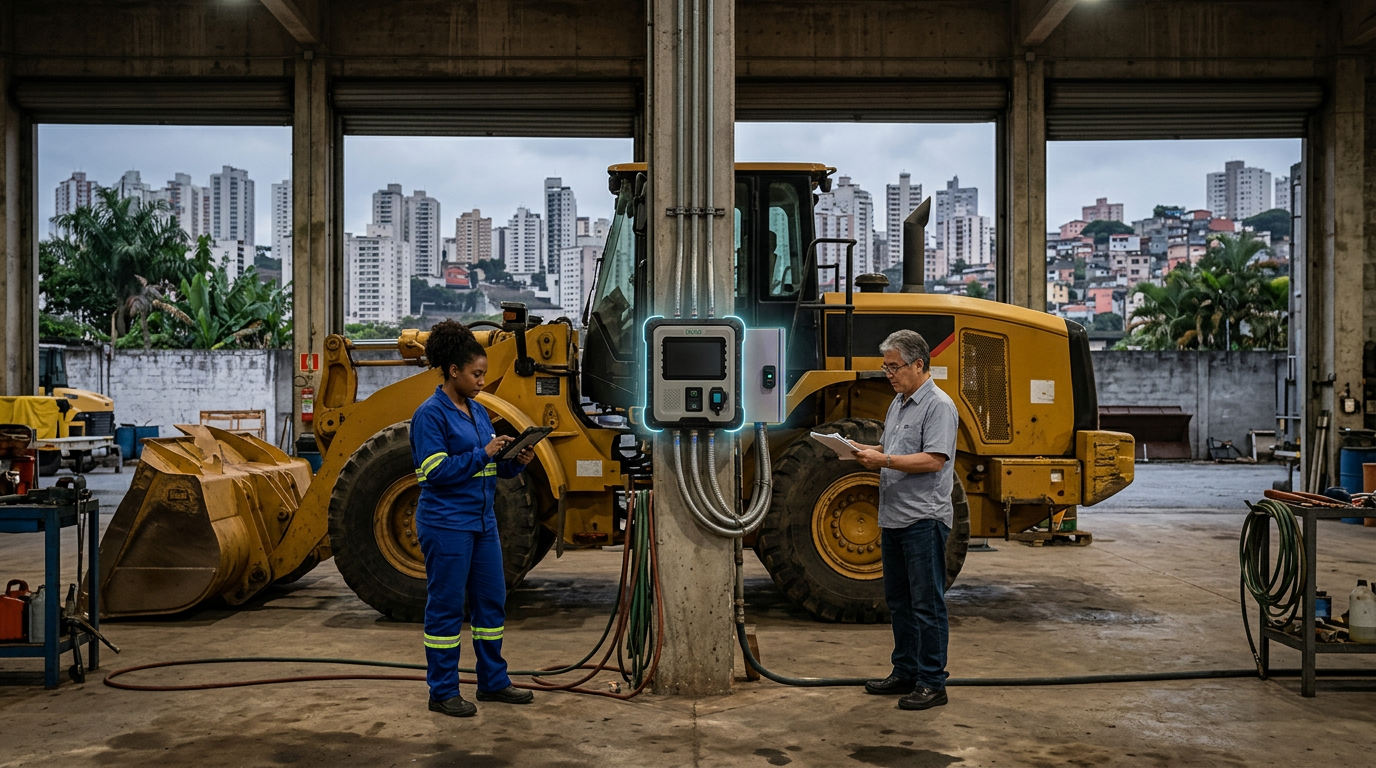
Brazil's programmable CBDC pivoted away from blockchain after four years, now targeting collateral management and credit guarantees for mid-2026 public launch
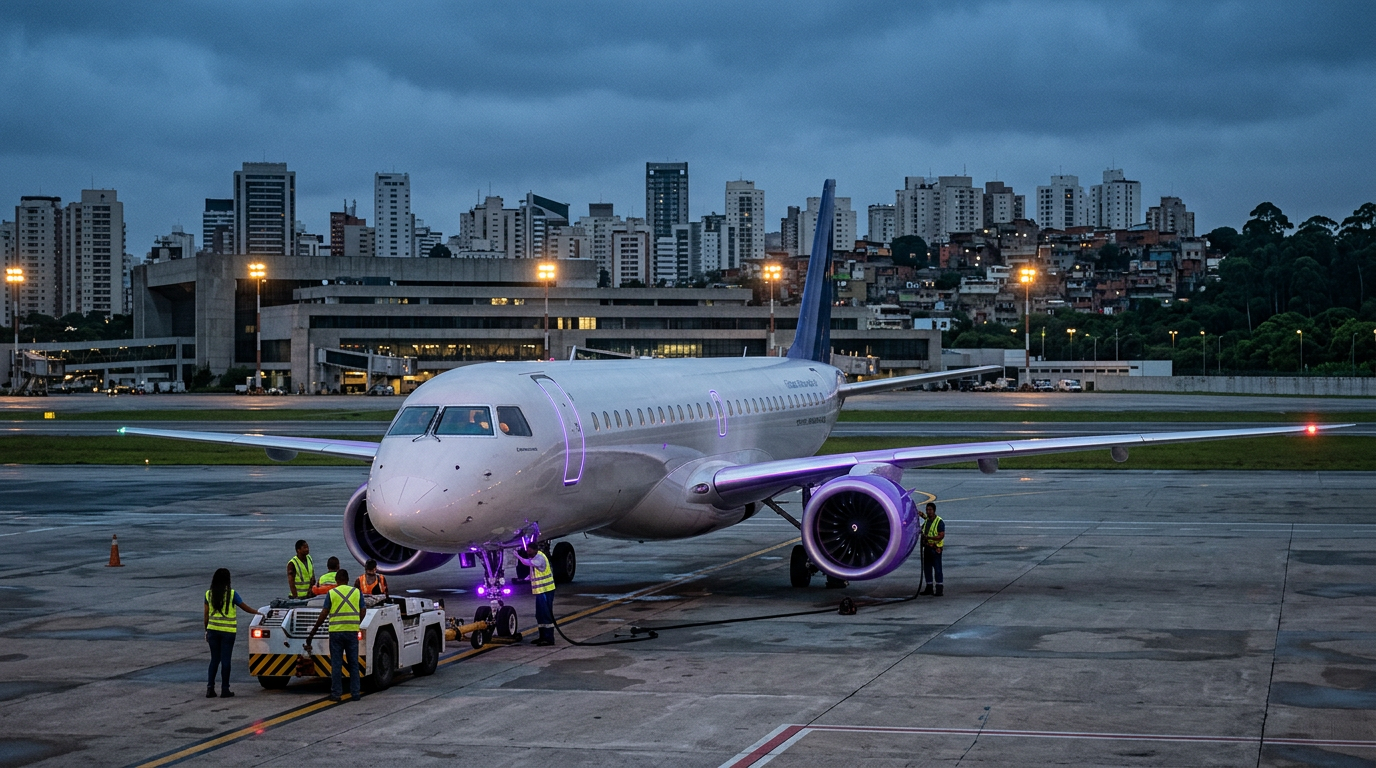
The world's most fuel-efficient single-aisle jet — 30% less fuel per seat than previous generation — with NATO countries and major airlines ordering in volume
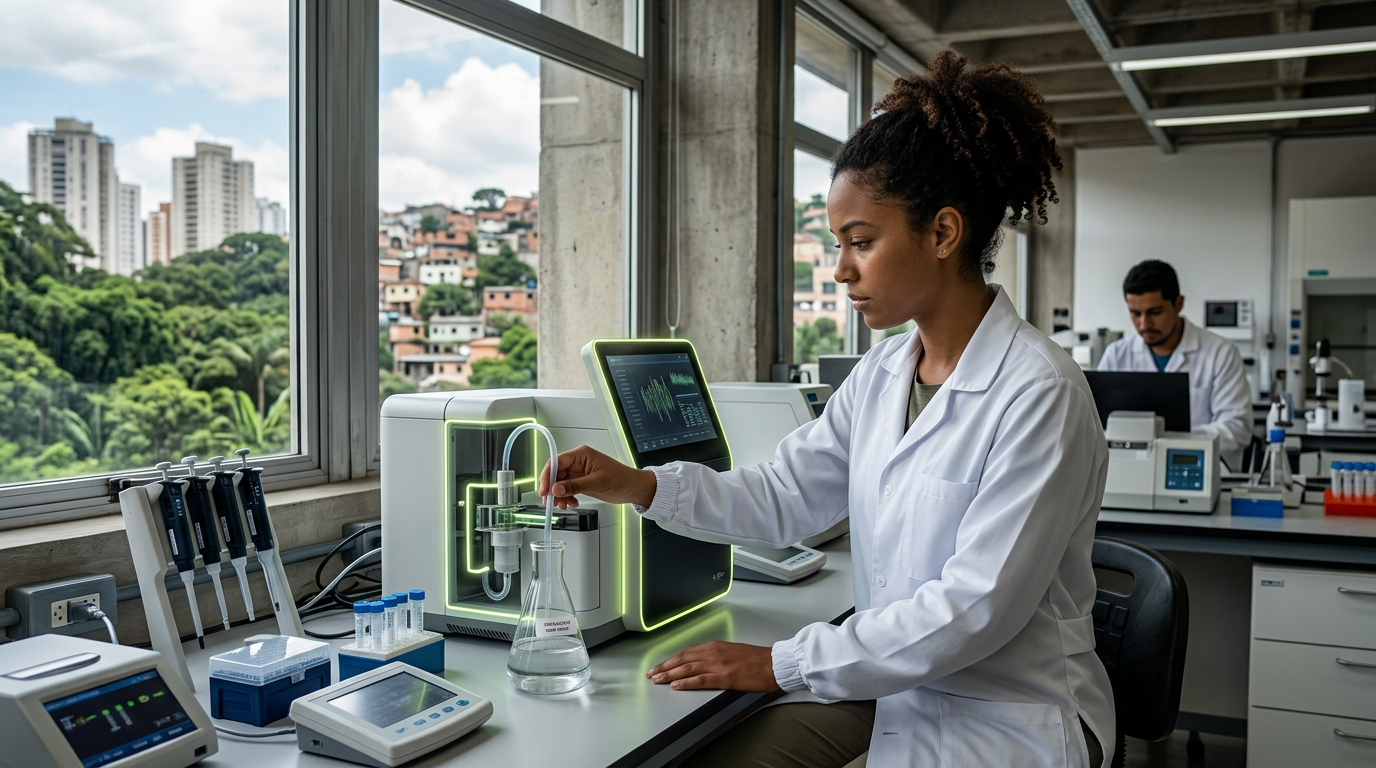
Environmental DNA sampling in Amazon rivers detects hundreds of species from a single water sample — a non-invasive census of the world's most biodiverse ecosystem
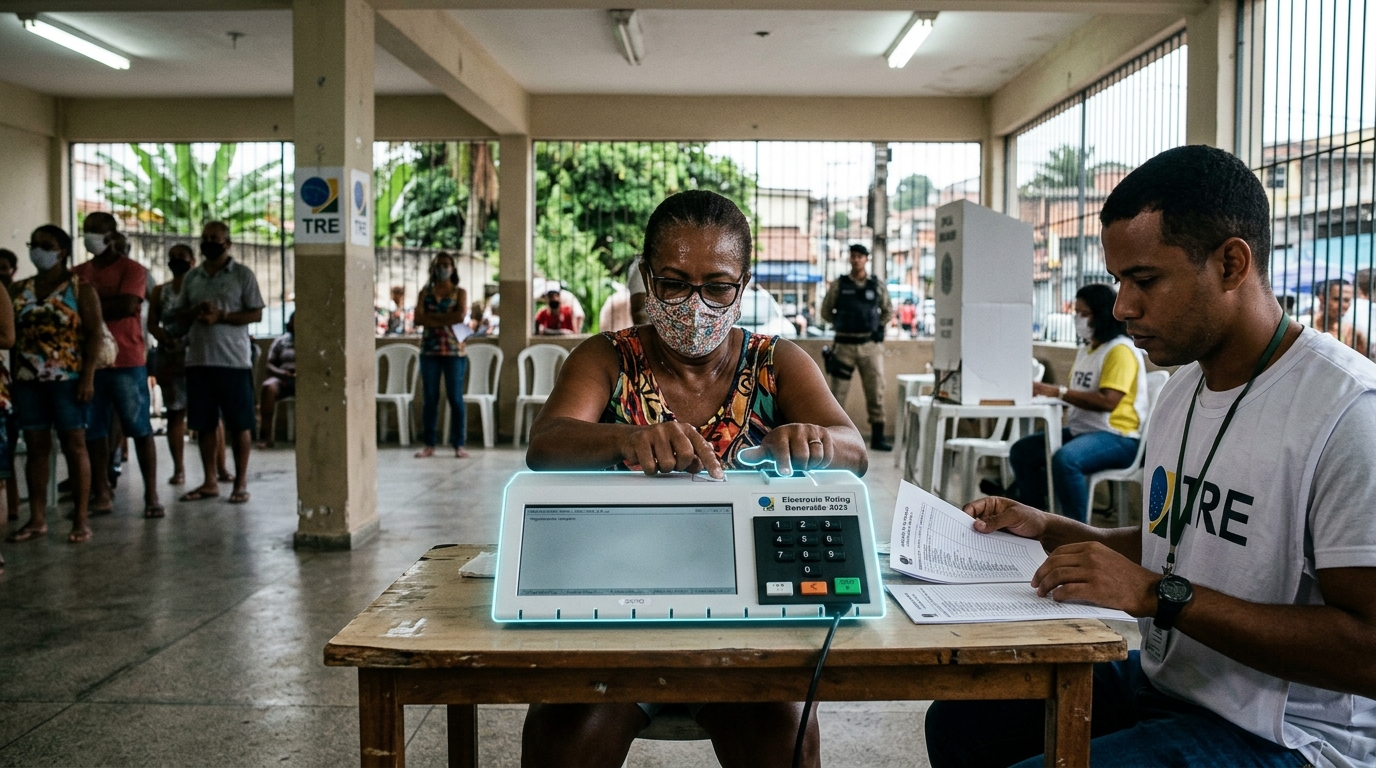
The world's largest fully electronic voting system — 150M+ voters, 25+ years in operation, results in hours, now in its 12th hardware generation with biometric verification
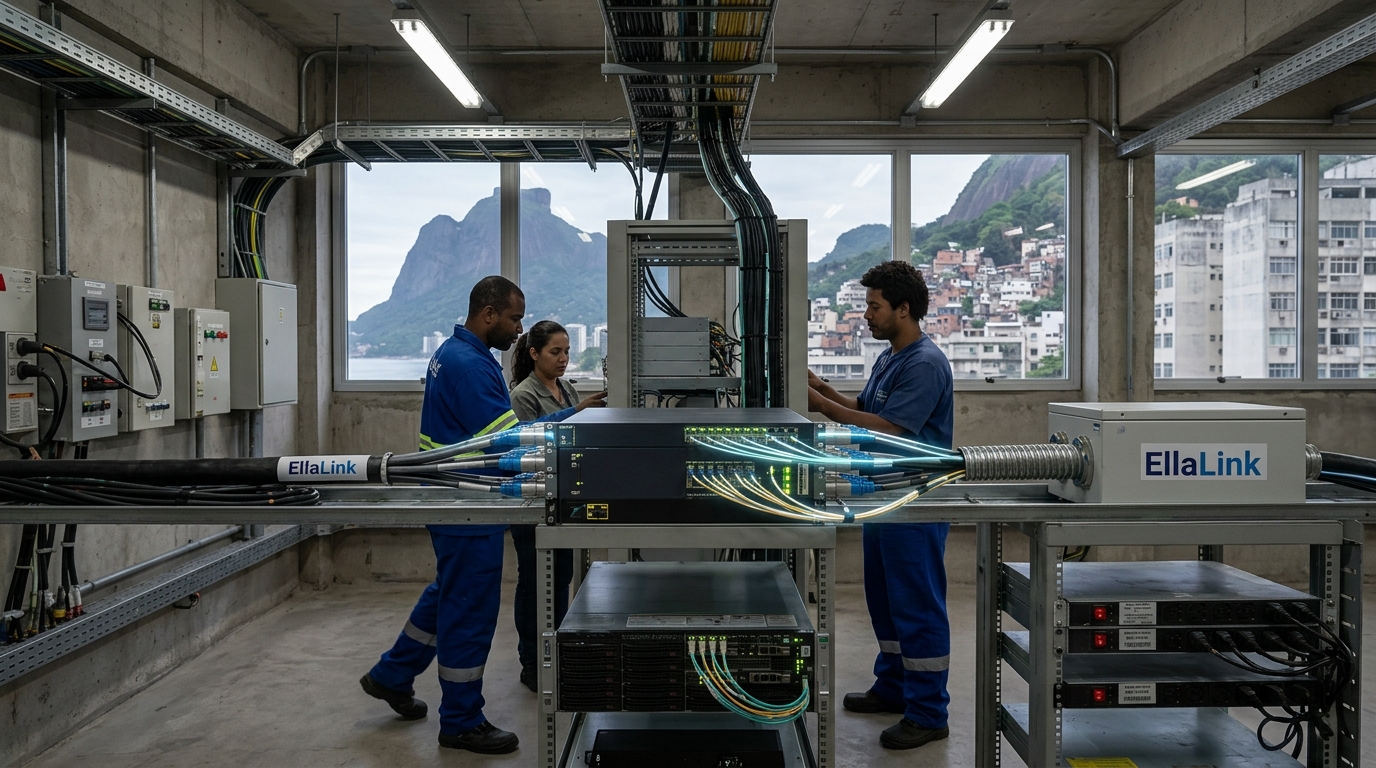
The first direct submarine fiber cable between South America and Europe — bypassing the traditional US-routed path — with the lowest latency (<60ms) on the market
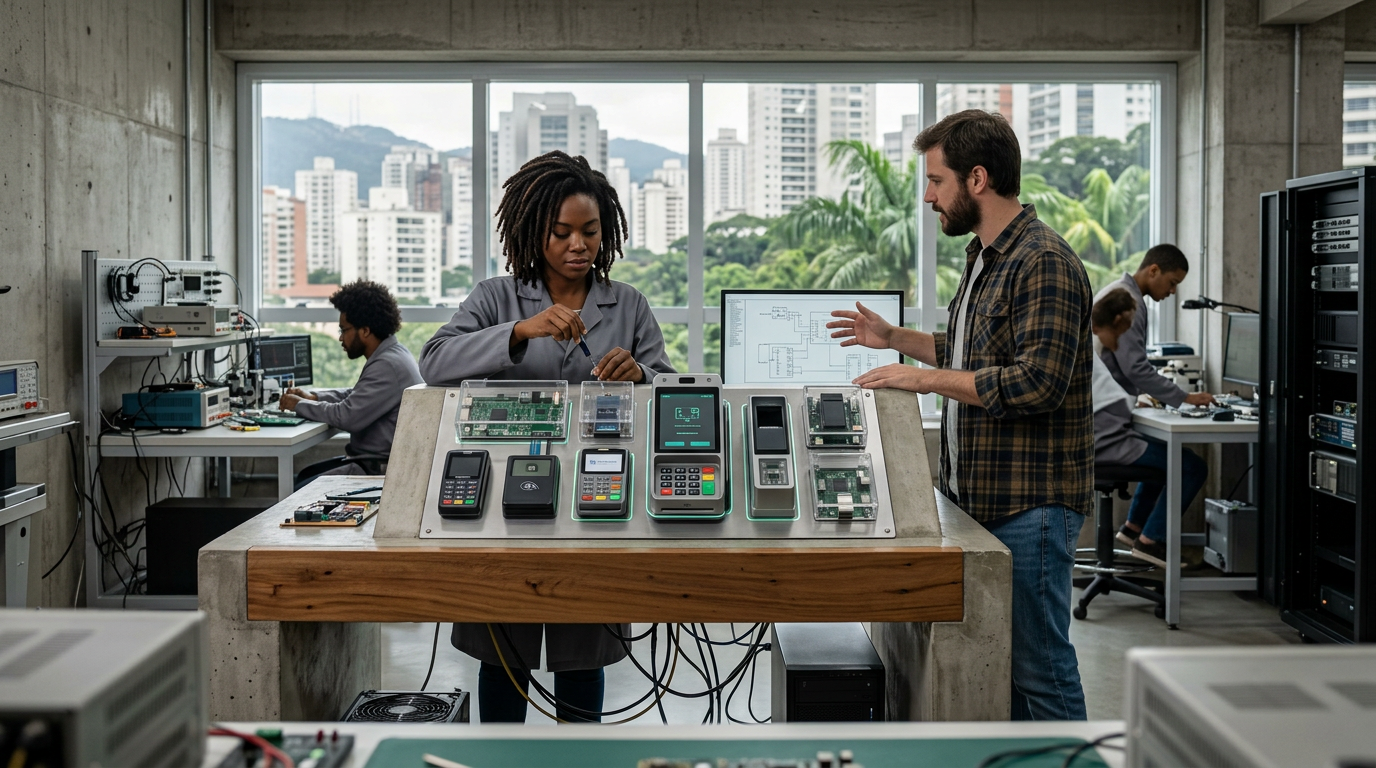
Brazil's $18B+ embedded finance market lets any platform offer banking services through APIs — the central bank is formalizing BaaS as permanent financial infrastructure

The world's first ethanol-powered production aircraft — certified in 2004, over 1,500 units delivered — spraying crops with zero fossil fuel dependency
Brazilian eucalyptus plantations reach harvestable size in 5-7 years (vs 25+ in temperate climates) — supplying pulp, charcoal for steel, and biomass energy from 8 million hectares

Eve Air Mobility completed its first full-scale eVTOL flight in December 2025, with 2,900+ pre-orders and hundreds of test flights planned for 2026 certification
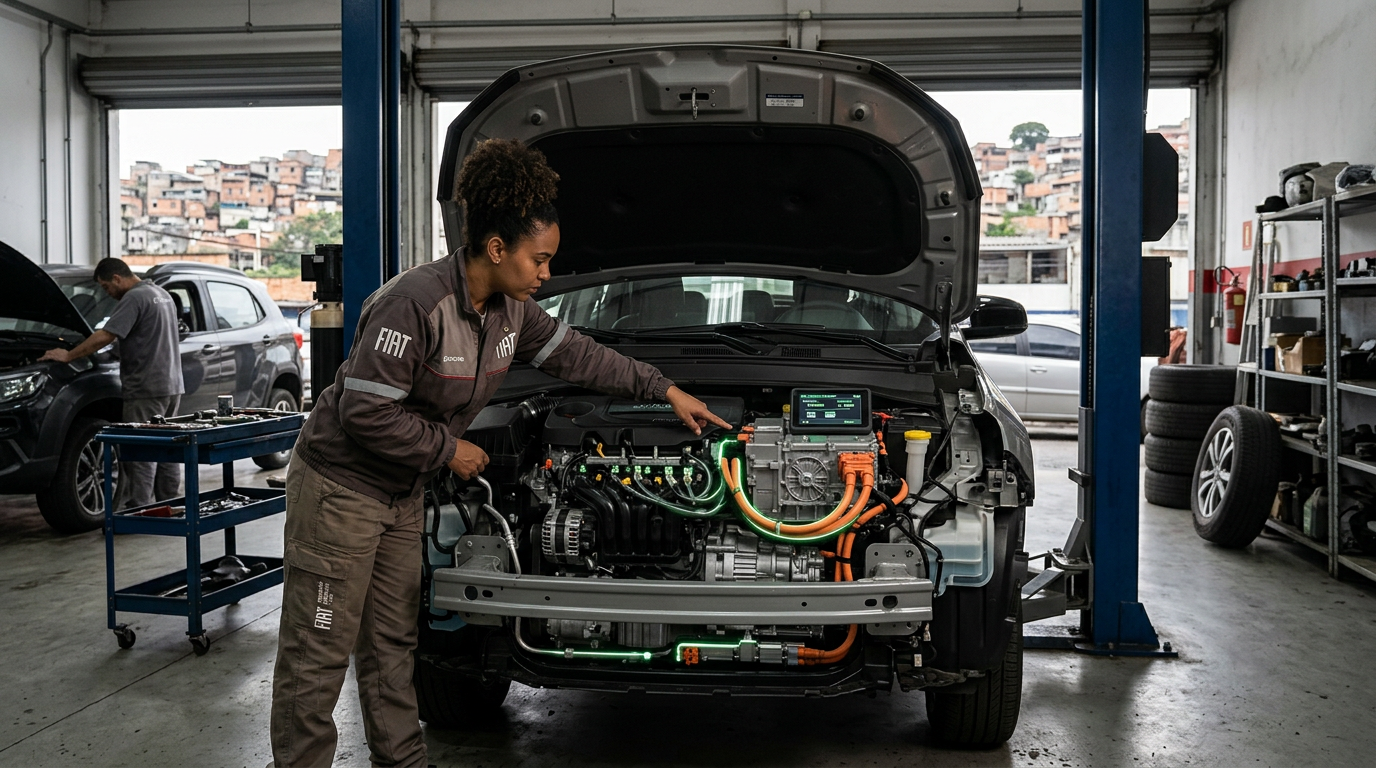
A tri-fuel powertrain combining ethanol, gasoline, and plug-in electric — BYD and Stellantis both launched models in Brazil in 2024-2025, creating a unique decarbonization pathway.
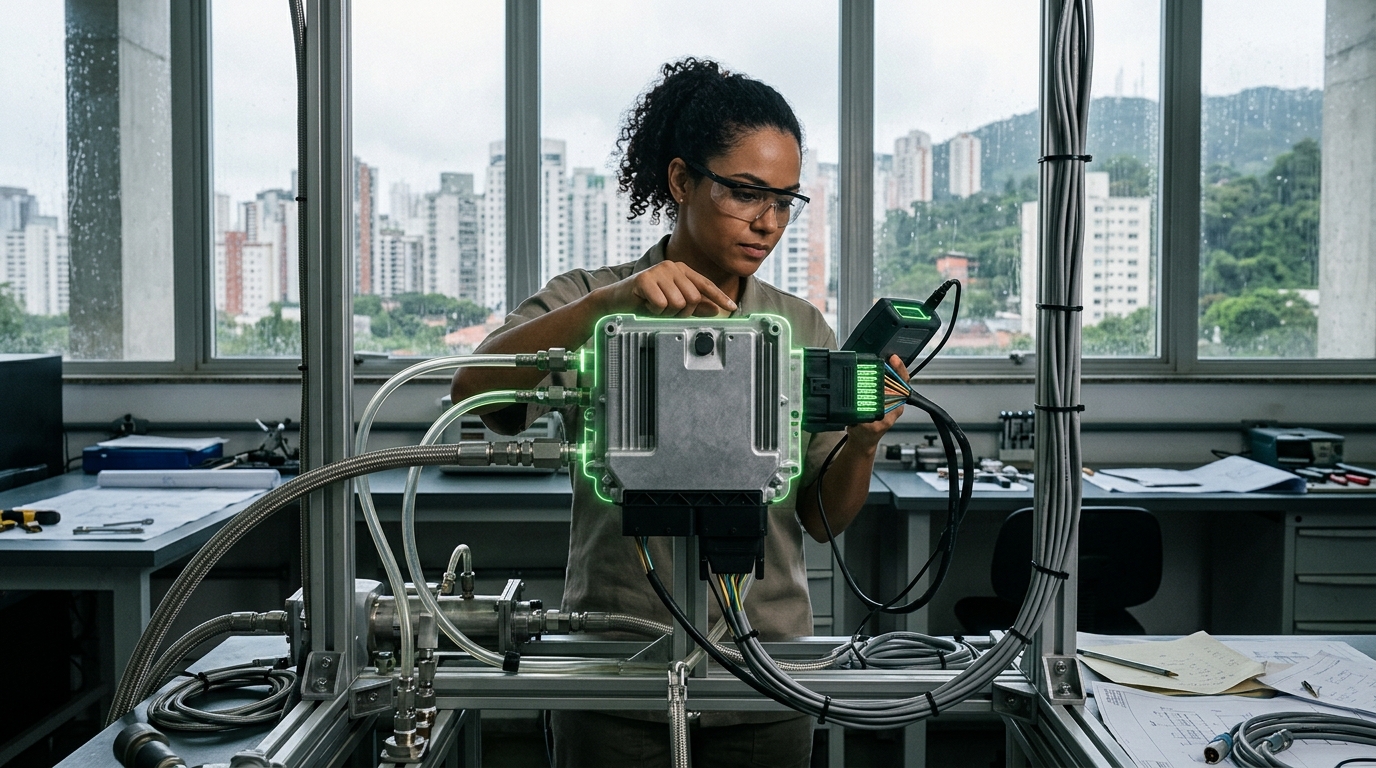
Engine control systems that seamlessly switch between any blend of gasoline and ethanol — invented in Brazil in 2003, now standard in 90%+ of new cars sold domestically
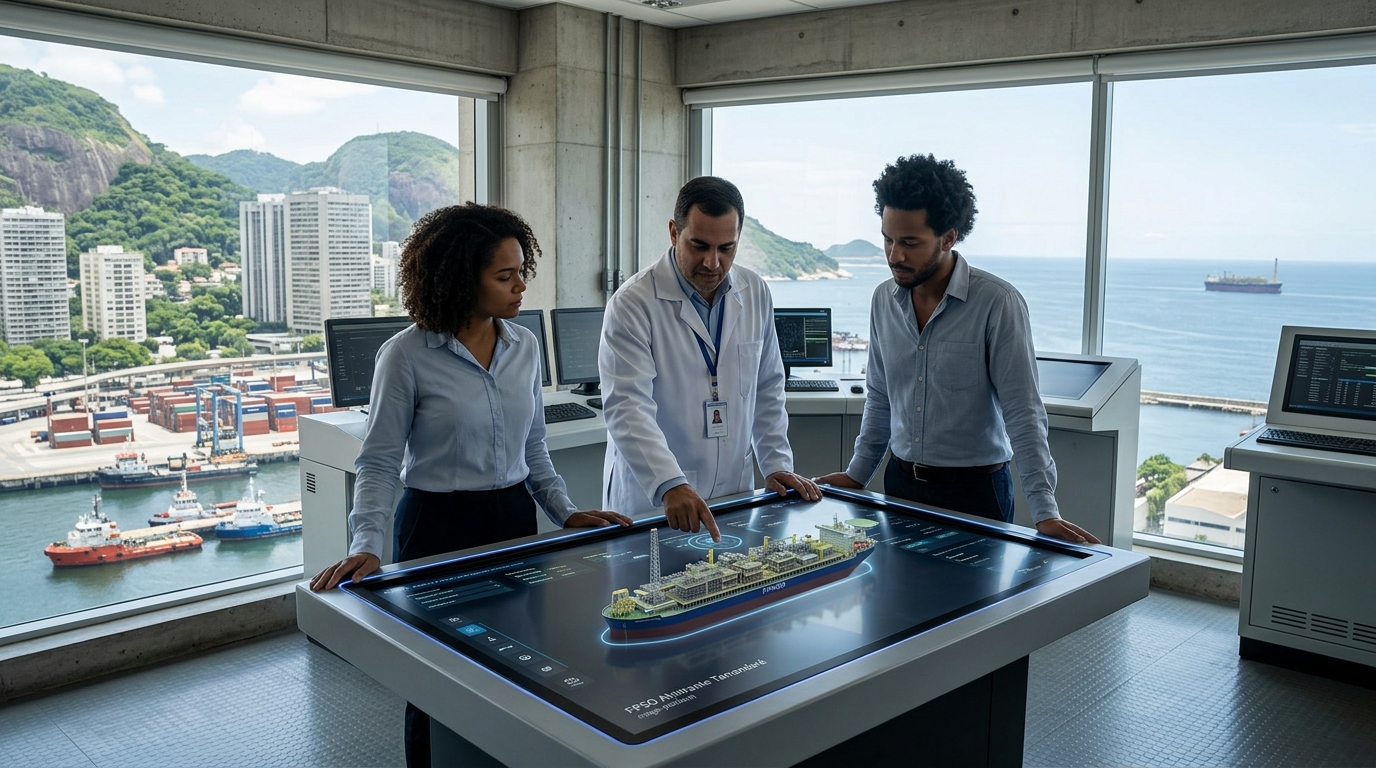
Floating Production Storage and Offloading vessels the size of aircraft carriers — the Almirante Tamandaré stands 182 meters tall, processing 270,000 barrels/day in open ocean
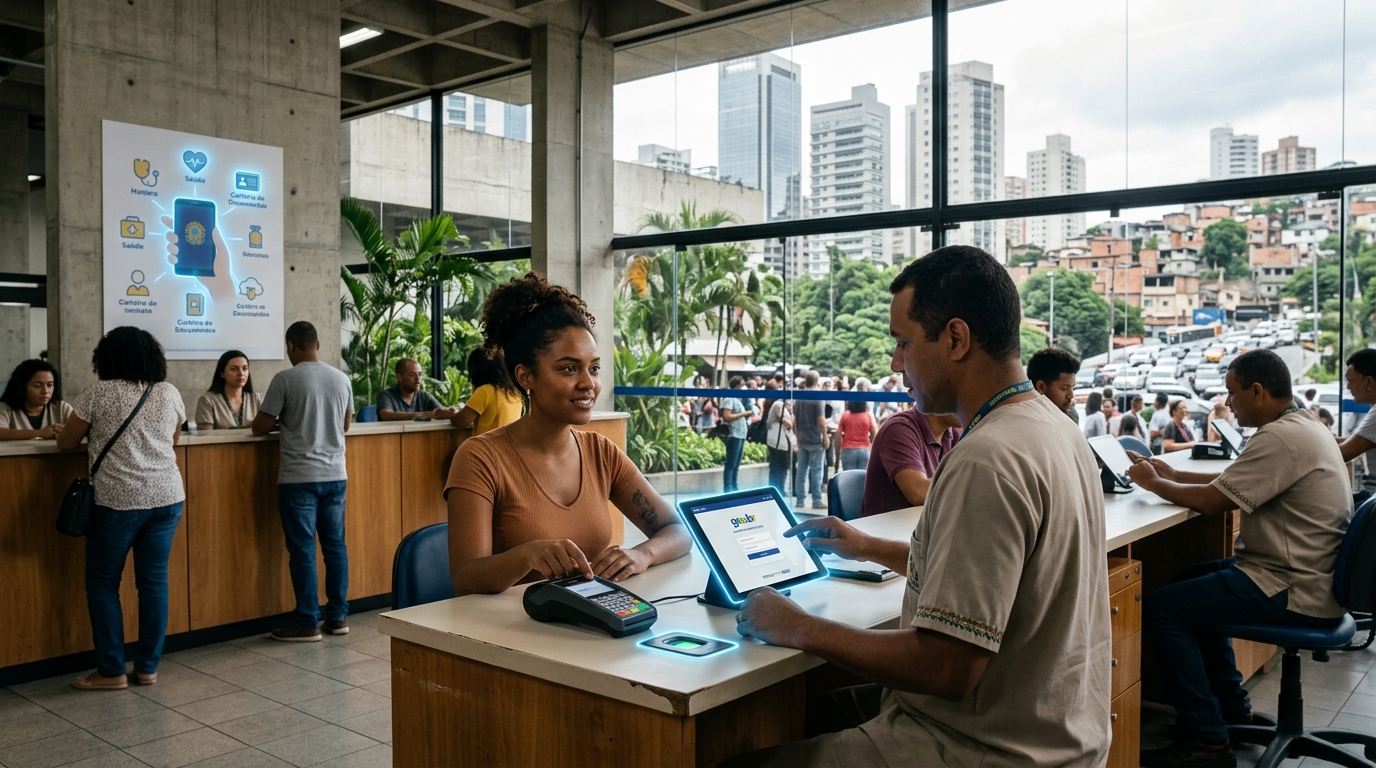
153 million registered users on a single digital ID platform that unifies documents, government services, and banking verification in a mobile app
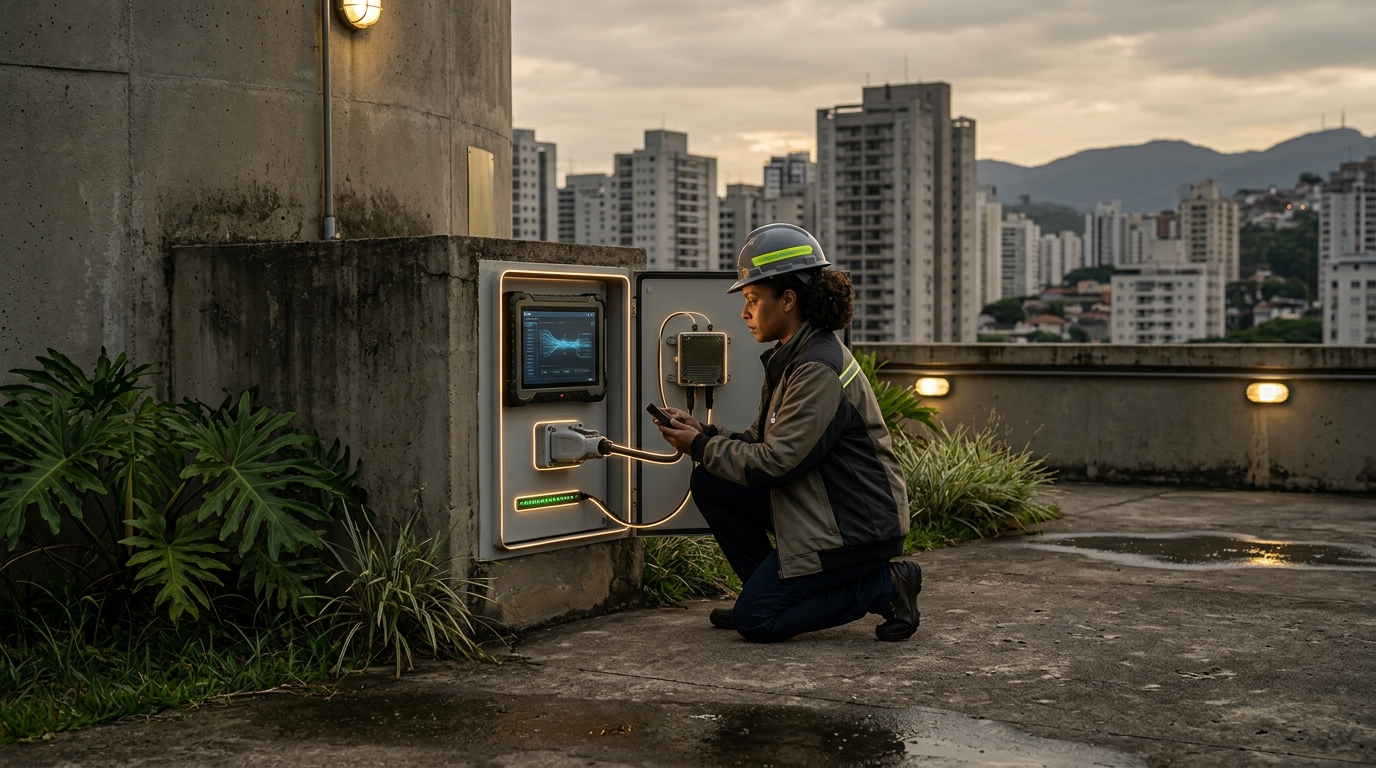
Latin America's largest government IT operation — processing 33 billion transactions annually across 750+ digital solutions, managing 30.4 petabytes of public sector data
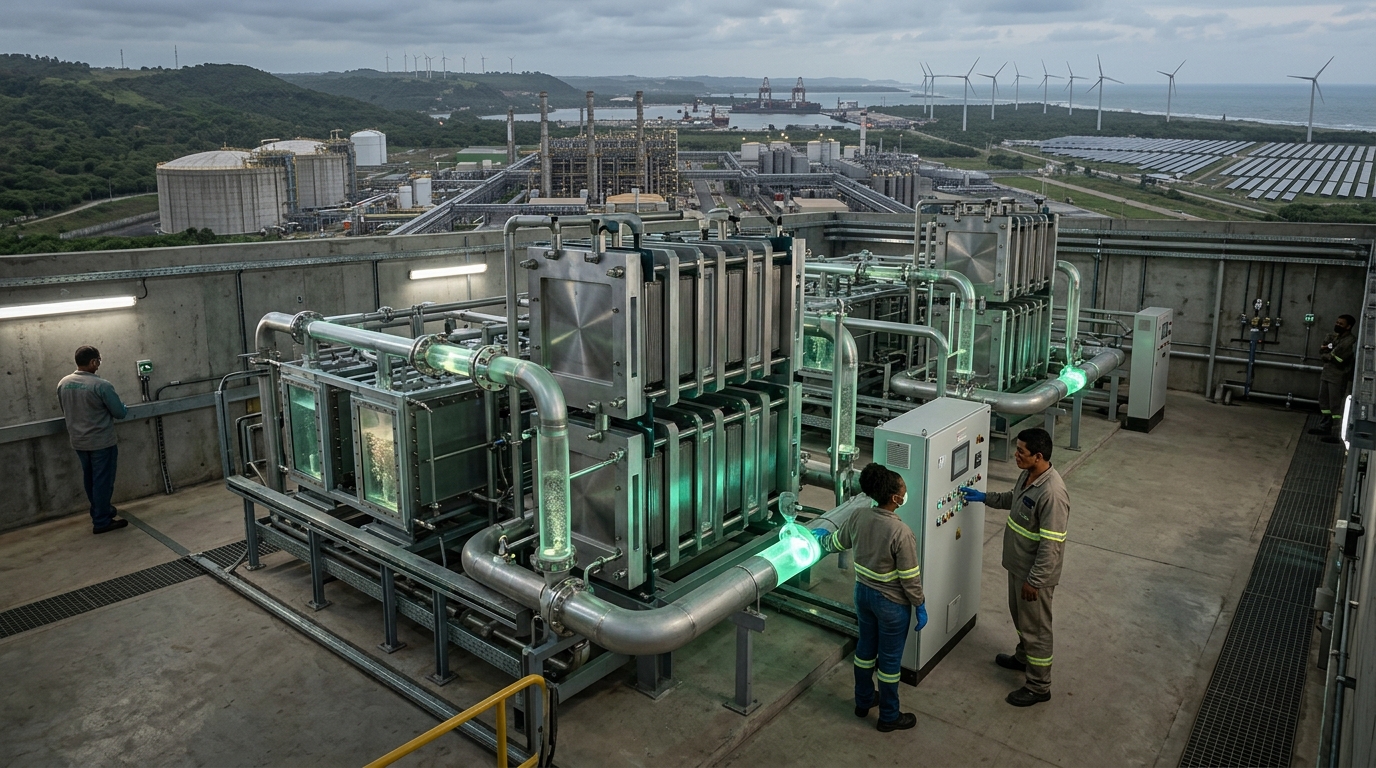
Brazil is building what would be the world's largest green hydrogen plants in the northeast — 600,000+ tons/year from 3.4GW of wind and solar — leveraging its cheap renewable electricity
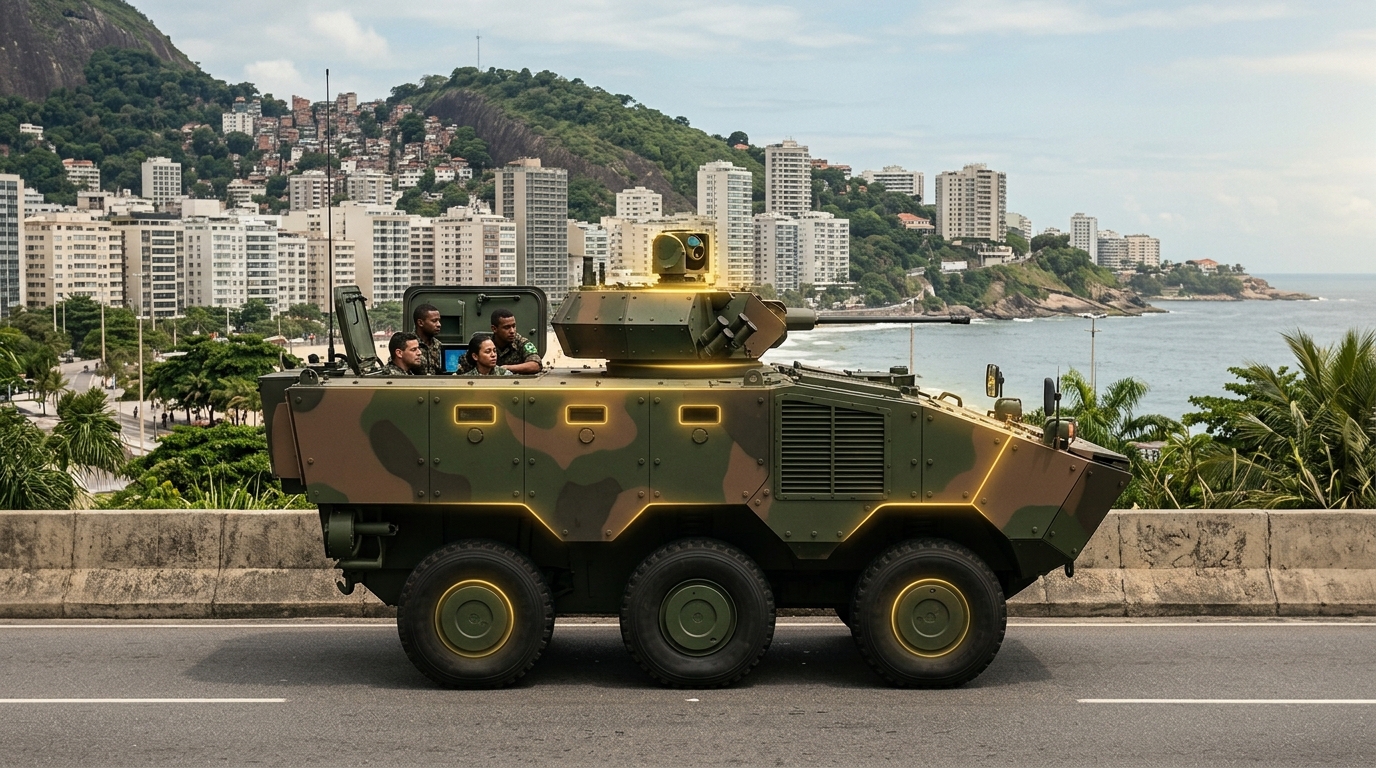
A domestically designed 6x6 armored vehicle now exporting to the Philippines and Lebanon — modular, amphibious, and built for diverse operational environments
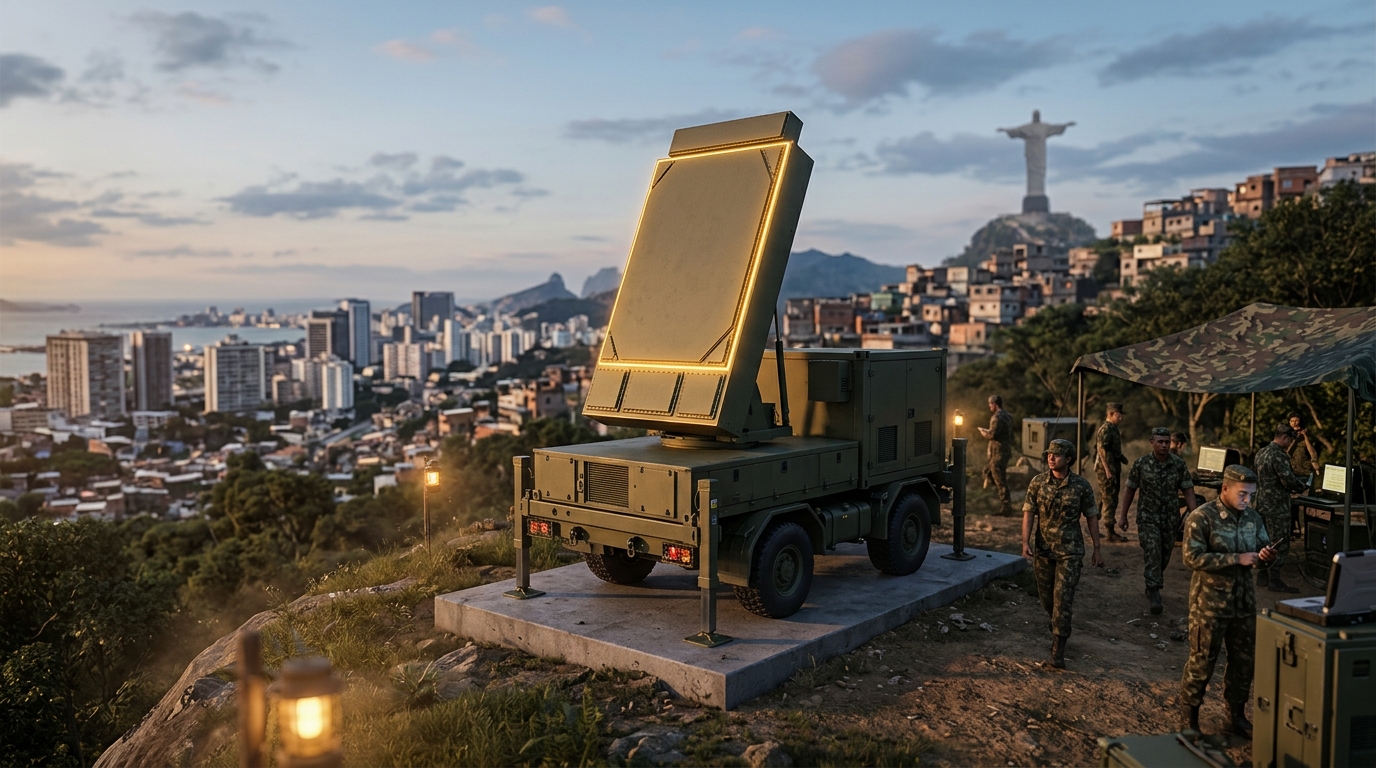
100% Brazilian-designed active electronically scanned array radars — SABER M200 for air defense and a new counter-battery AESA demonstrator — built by Embraer/BRADAR and the Army's CTEx.
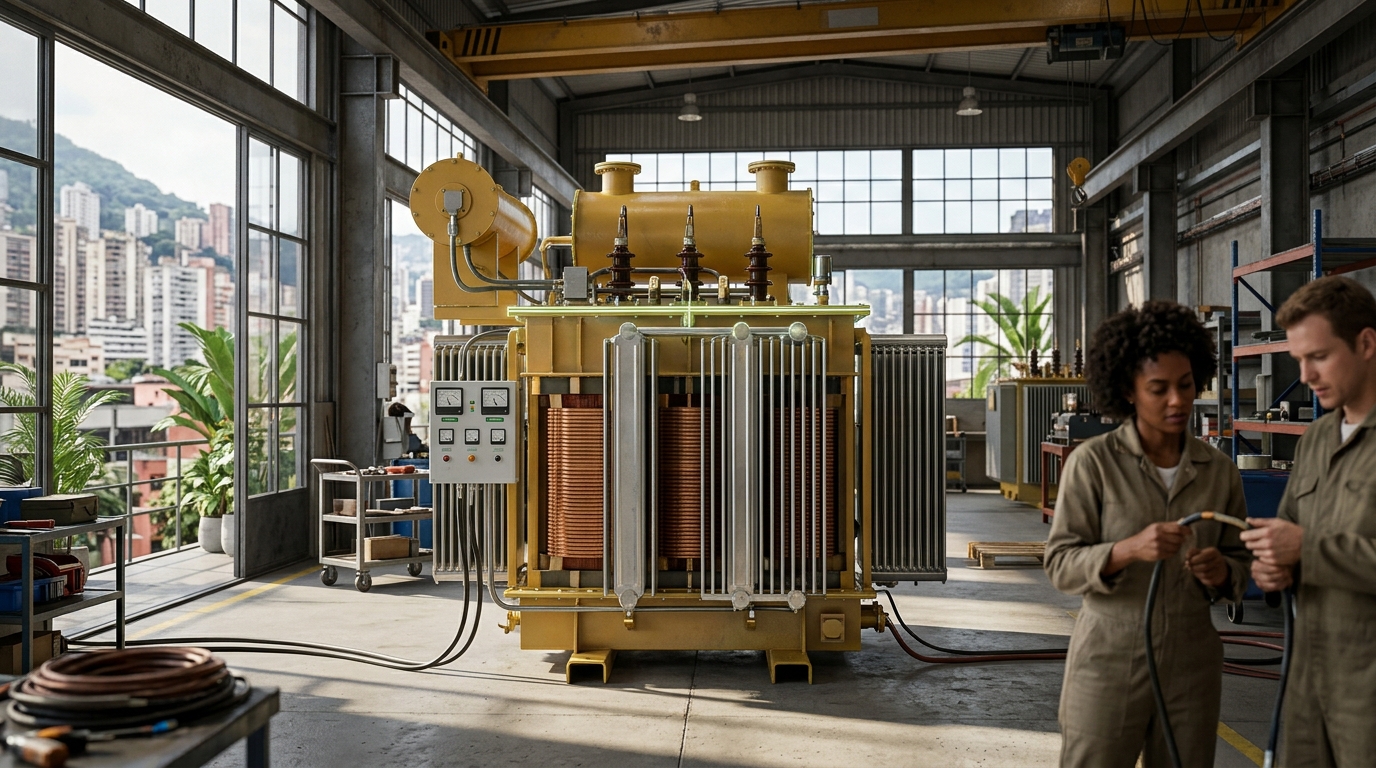
WEG is the largest electric motor manufacturer in the Americas and a global leader in transformers — investing R$1.2B to expand capacity across Brazil, Mexico, and Colombia
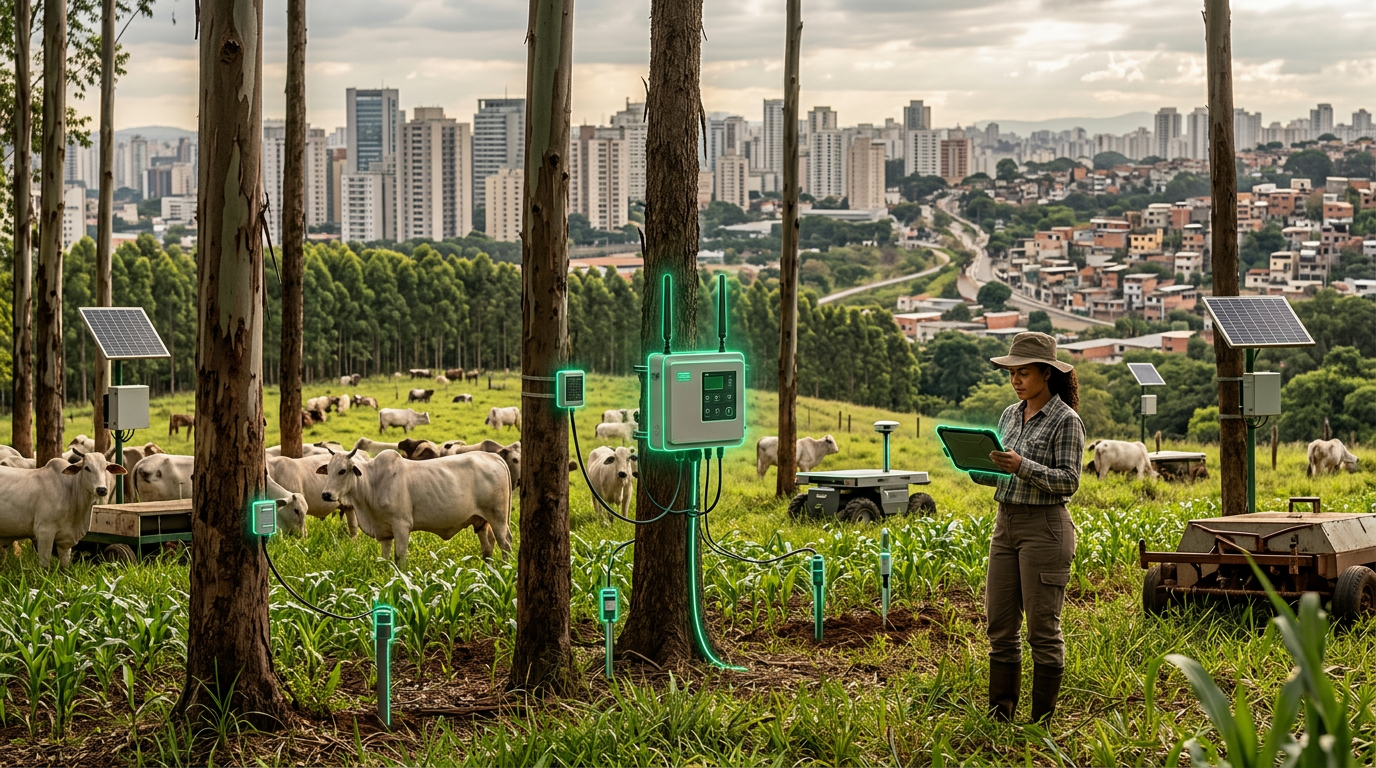
EMBRAPA's silvopasture system combines crops, cattle, and trees on the same land — recovering degraded pastures while increasing productivity and sequestering carbon
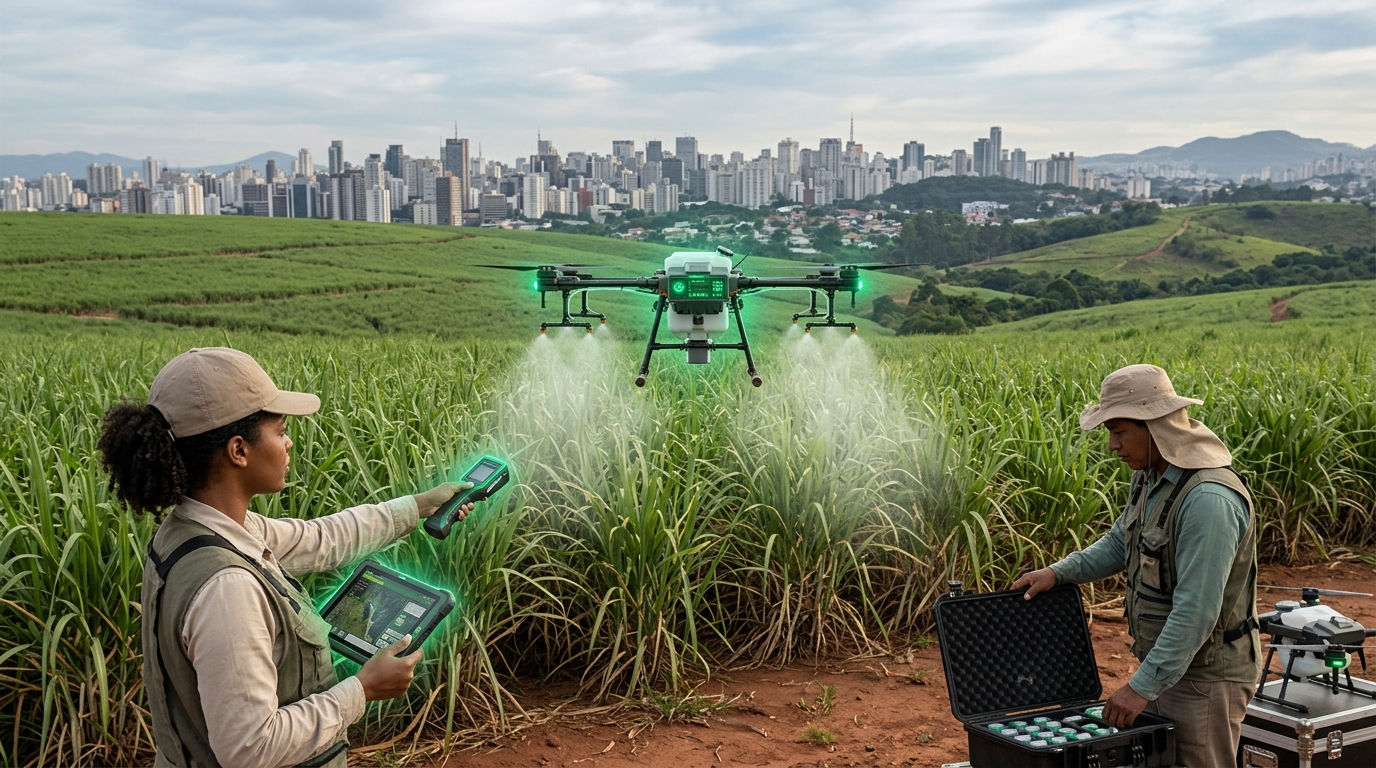
Brazil is the world's largest user of biological pest control — deploying parasitic wasps, fungi, and bacteria on millions of hectares to replace chemical pesticides
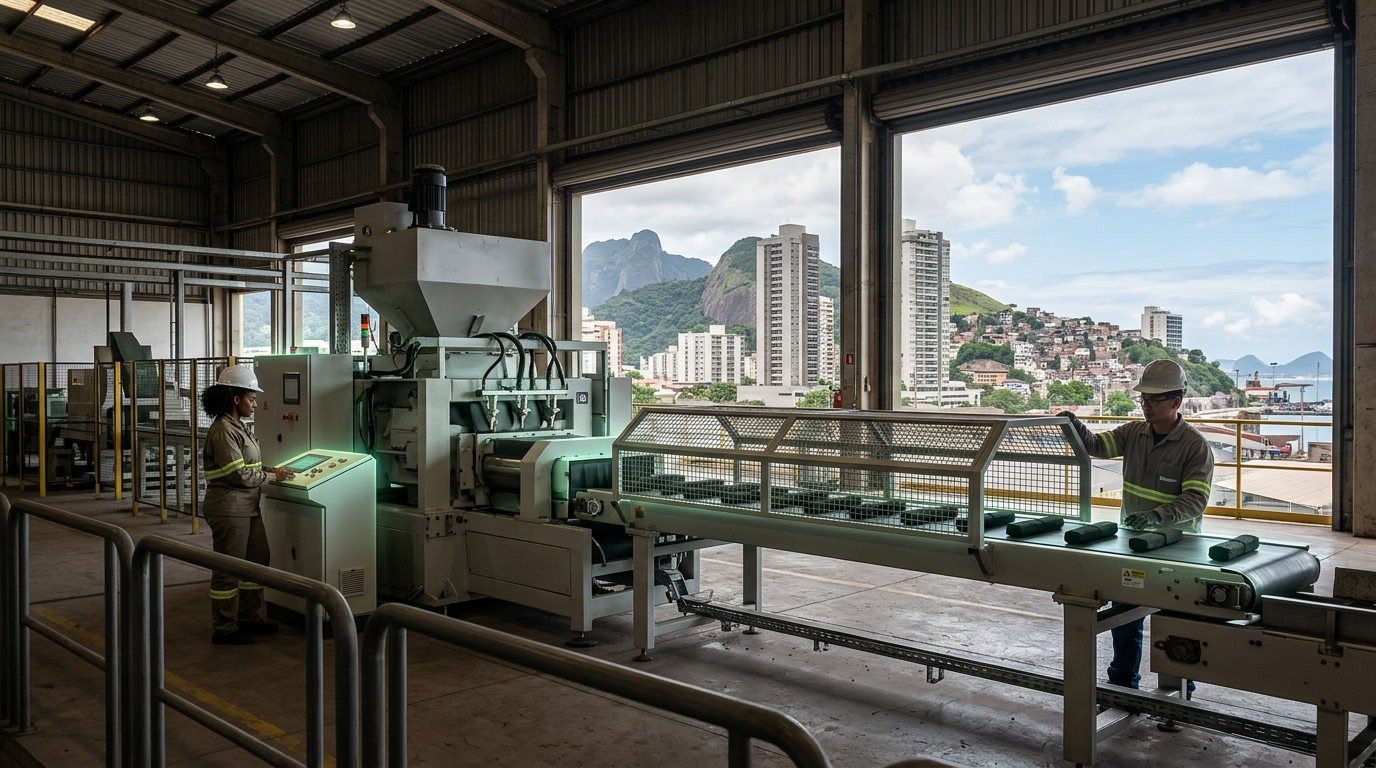
Vale invented a cold-bonded iron ore briquette that replaces sintered pellets in steelmaking — the world's first briquette plant opened in Vitória, reducing CO2 emissions in steel production
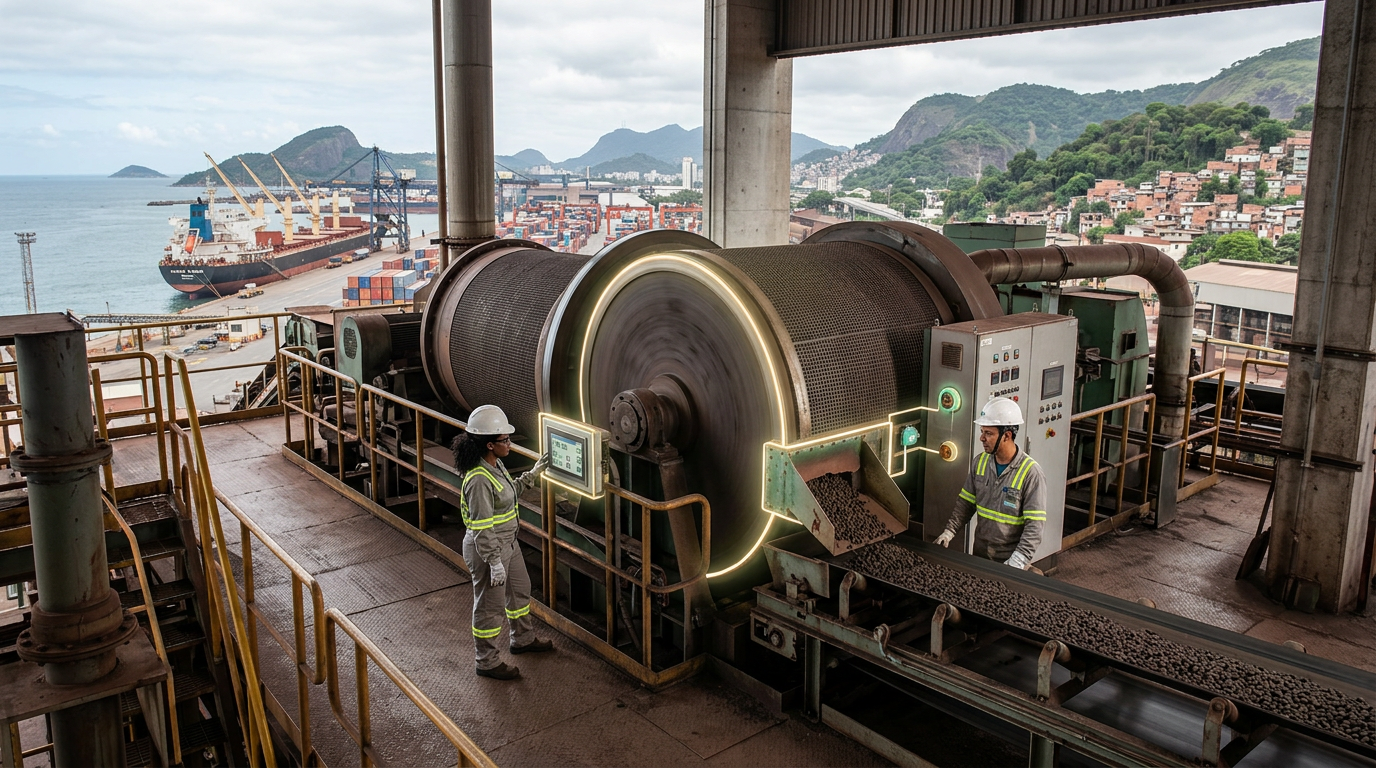
Brazil pioneered industrial-scale iron ore pelletization — compressing fine ore into marble-sized pellets for blast furnaces — now the world's largest pellet exporter
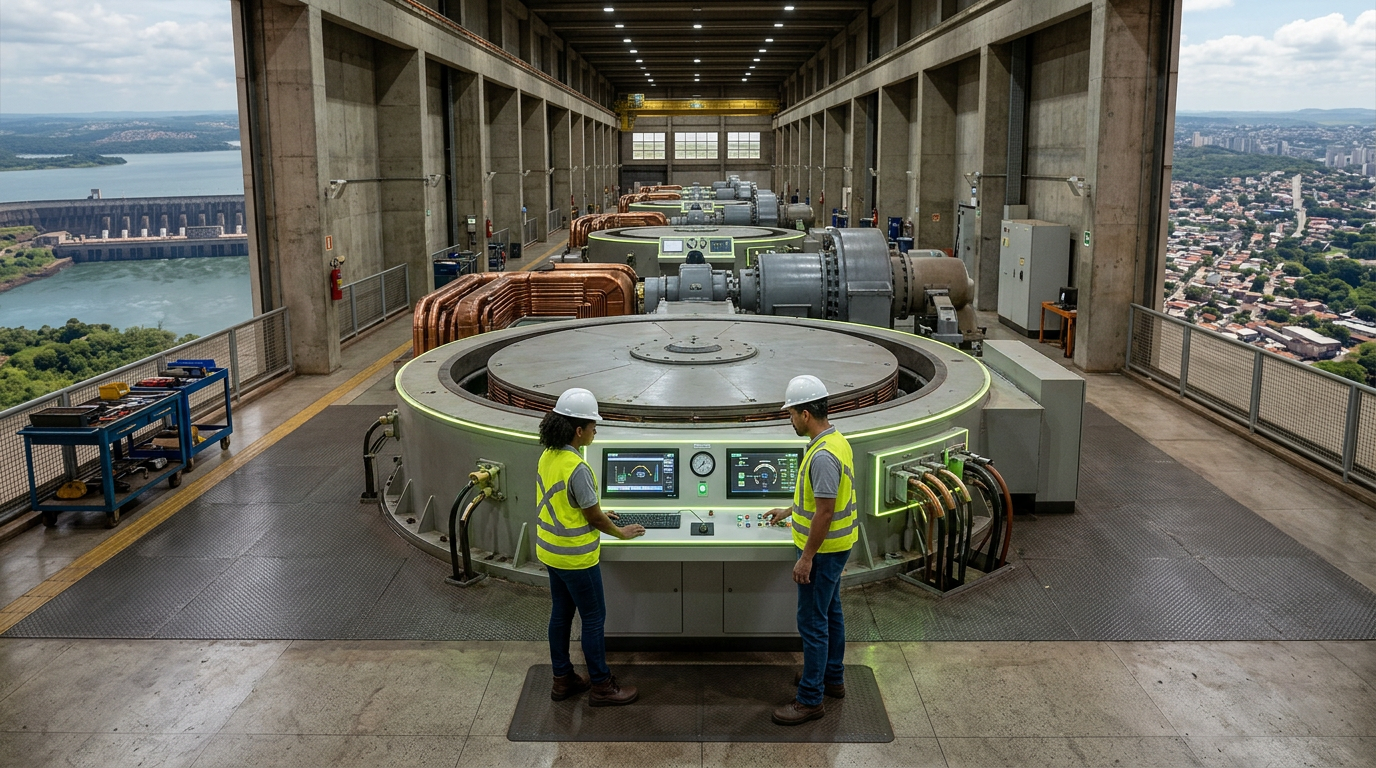
The single power plant that has produced more energy than any other in history — 3 million+ GWh since 1984, supplying 10% of Brazil's and 90% of Paraguay's electricity
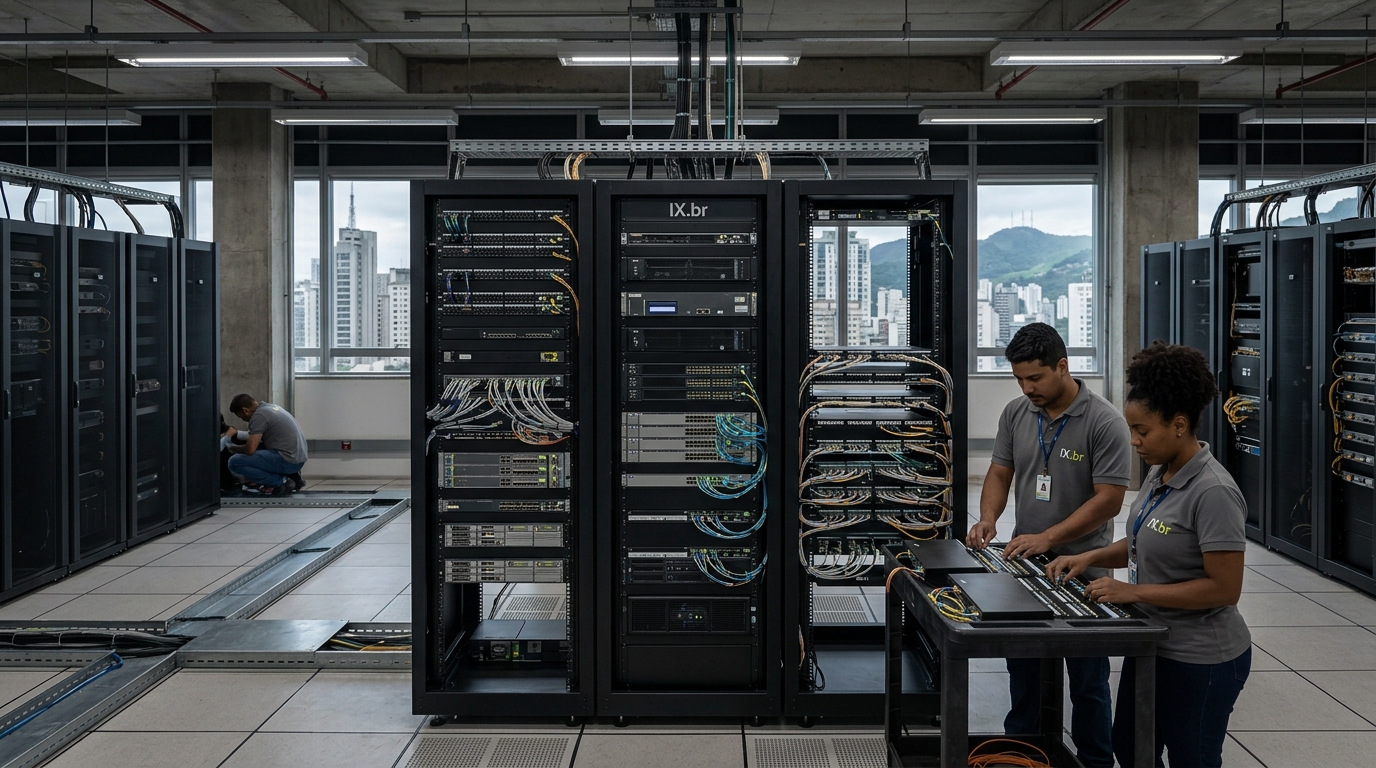
The world's largest internet exchange point network — 39 locations, 40+ Tbps peak aggregate traffic, with São Paulo alone handling 22+ Tbps — keeping Brazilian internet traffic domestic.

A Brazilian-designed military transport selling to NATO countries — Portugal, Hungary, Netherlands, Austria, Czech Republic — competing directly with European and US aircraft
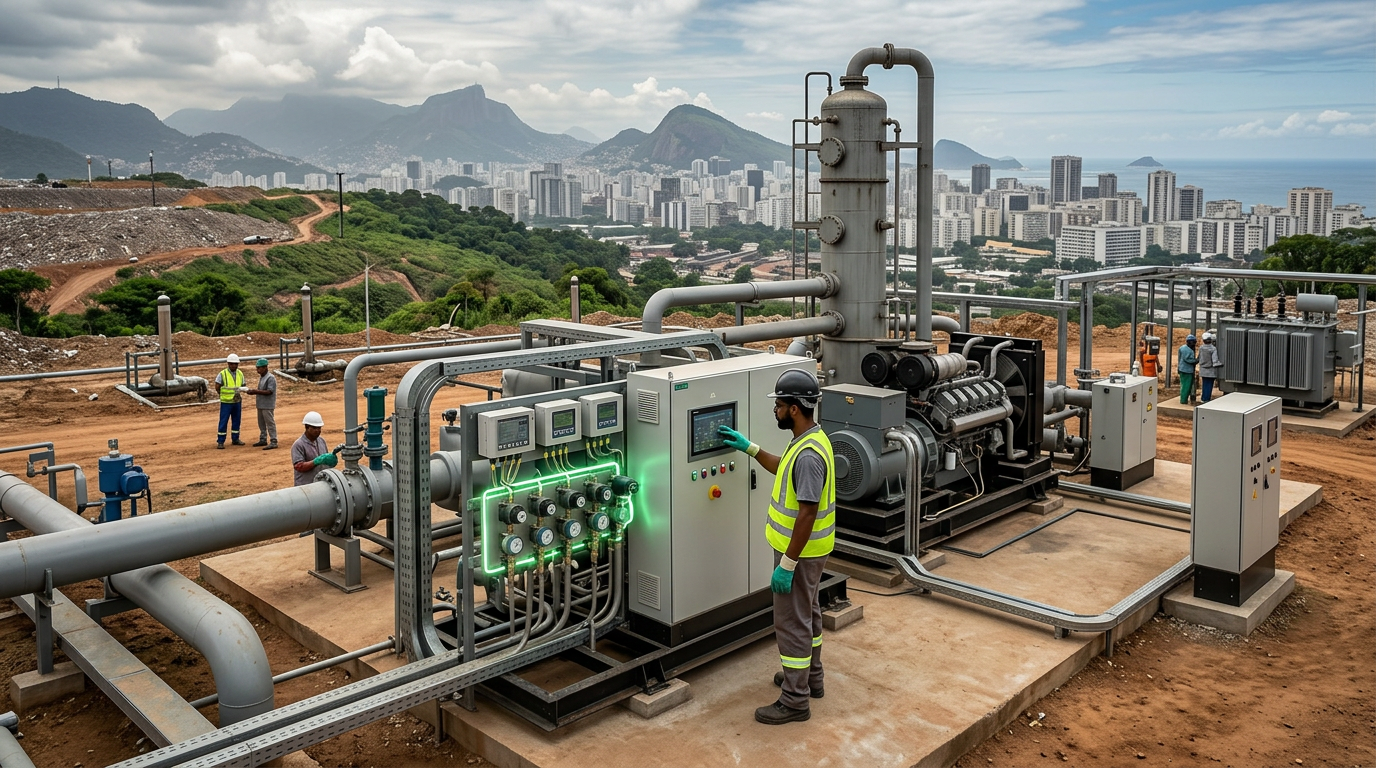
Brazil produces 81 million tons of municipal waste per year, 40% improperly disposed — new national targets aim for 1,300+ MW of waste-to-energy capacity by 2040, capturing methane and generating...
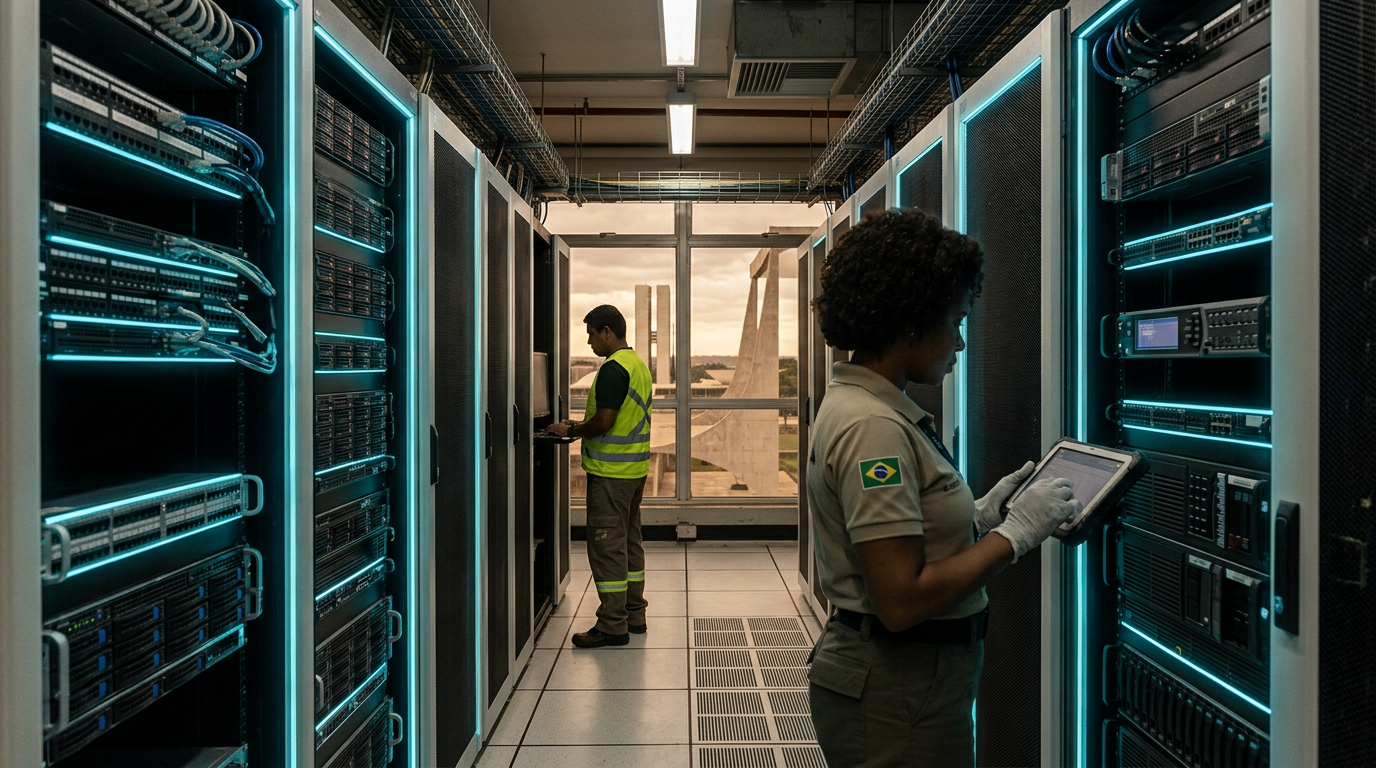
Brazil's GDPR-equivalent data protection law covers 220 million citizens — enforced by an independent authority (ANPD) with real penalties and cross-border data transfer rules
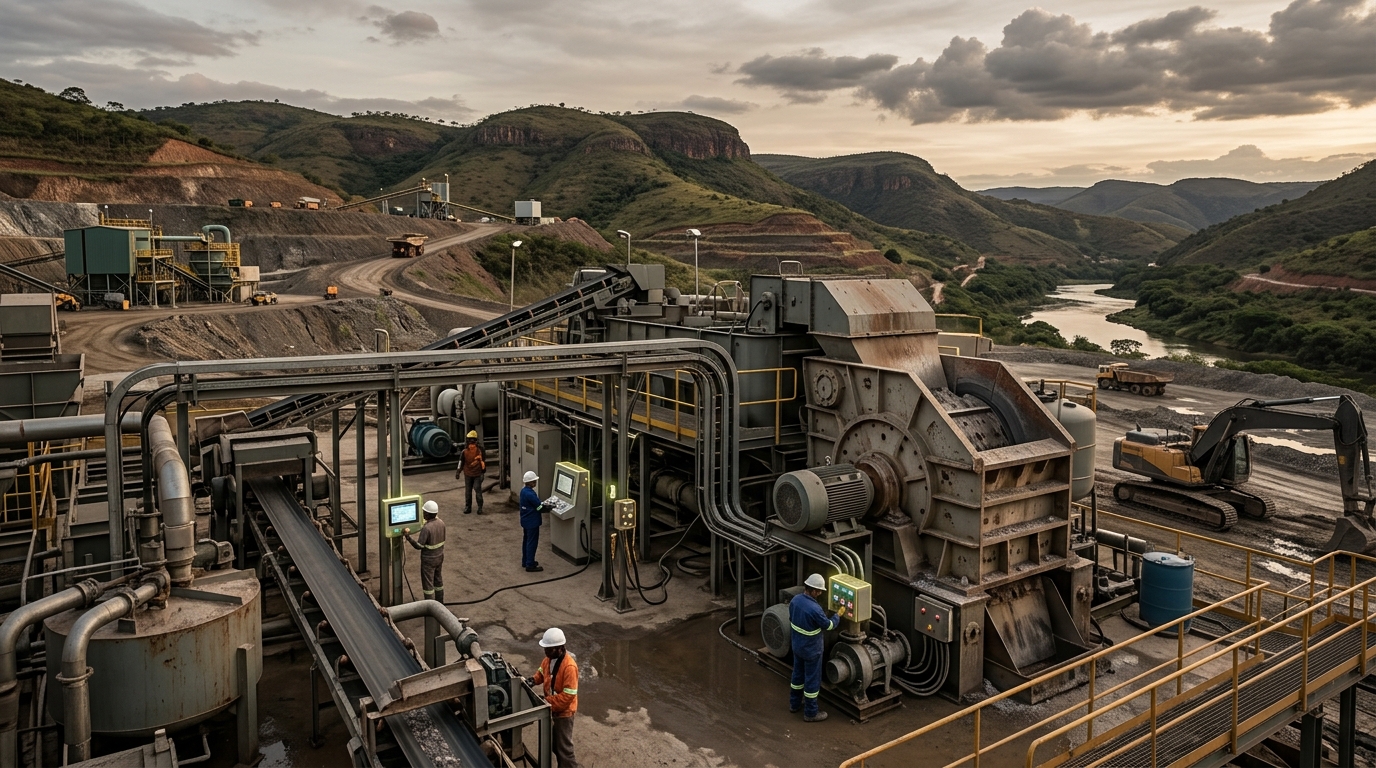
Brazil's "Lithium Valley" in Minas Gerais holds significant spodumene deposits — multiple mining projects and a BYD acquisition are positioning Brazil as a lithium supplier for the EV battery...
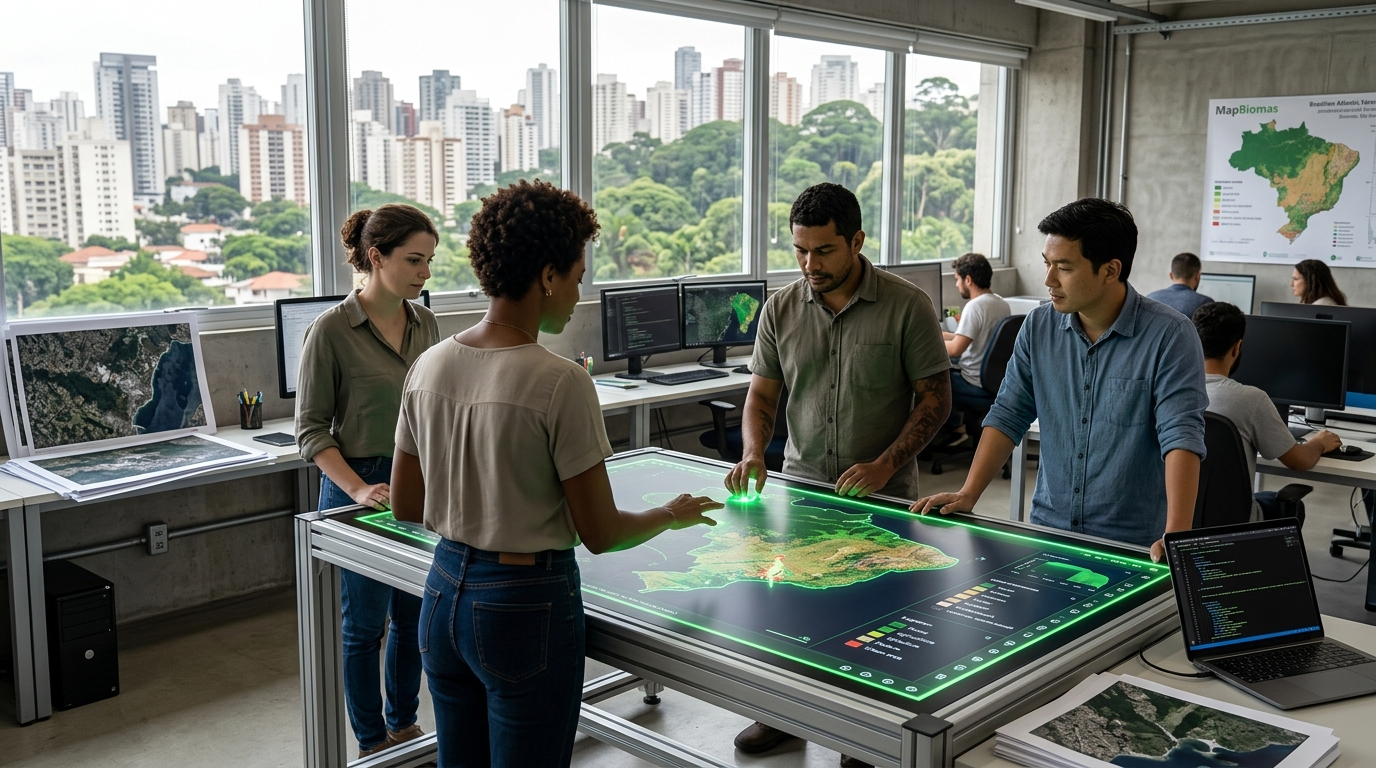
Open-source satellite-based land use mapping active in 14 countries — prompting 8,000+ enforcement actions against deforestation in Brazil alone
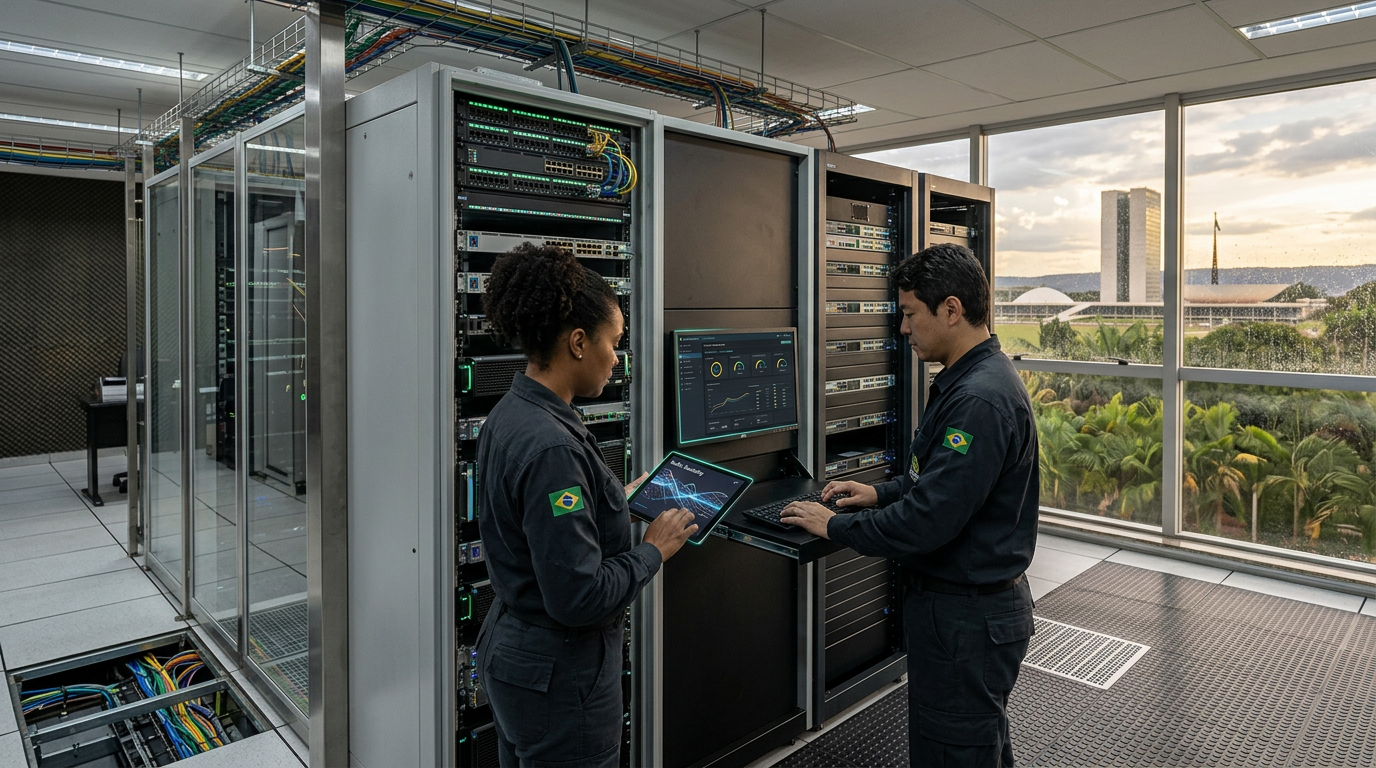
The world's first comprehensive internet governance law (2014) — codifying net neutrality, privacy, and freedom of expression — became a model for digital rights legislation globally
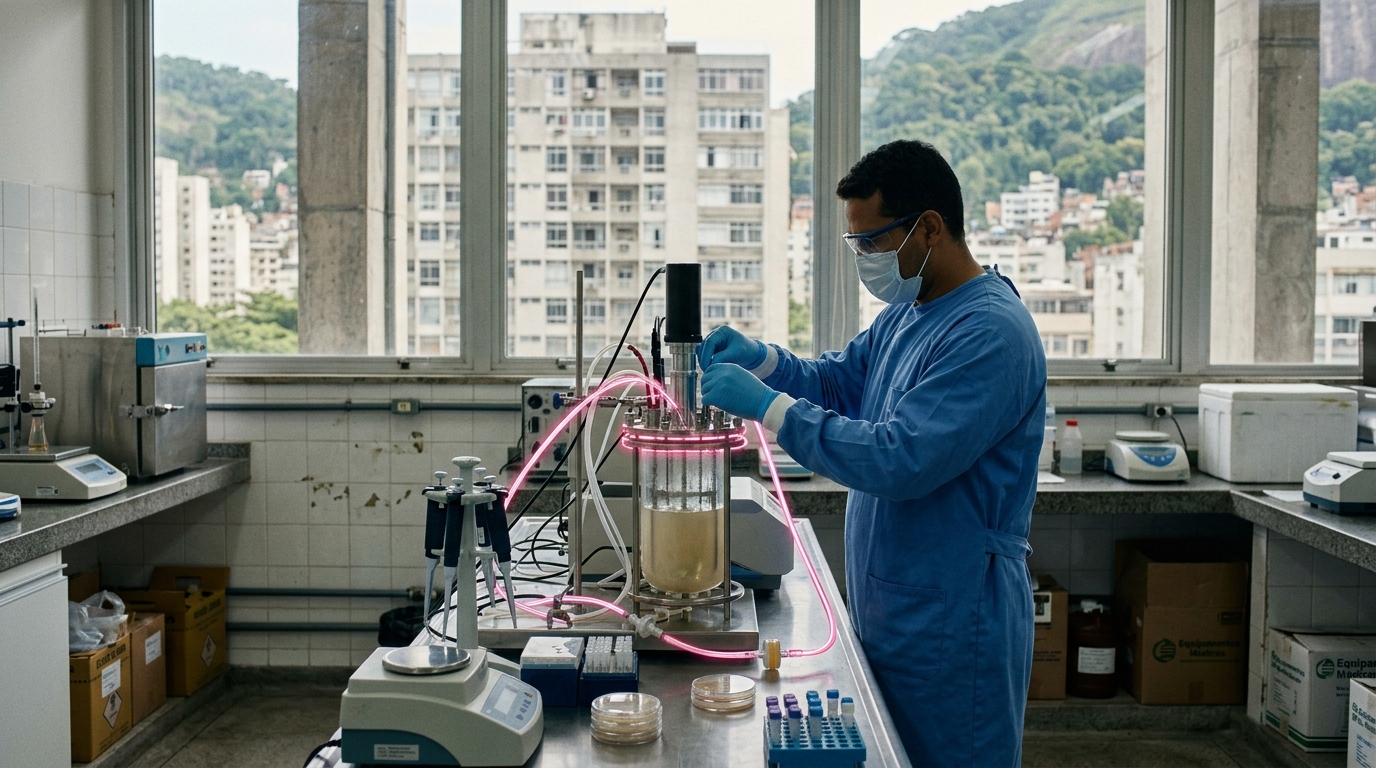
Fiocruz and Butantan are building domestic mRNA and self-replicating RNA vaccine manufacturing — aiming to end Latin America's dependence on imported pandemic vaccines
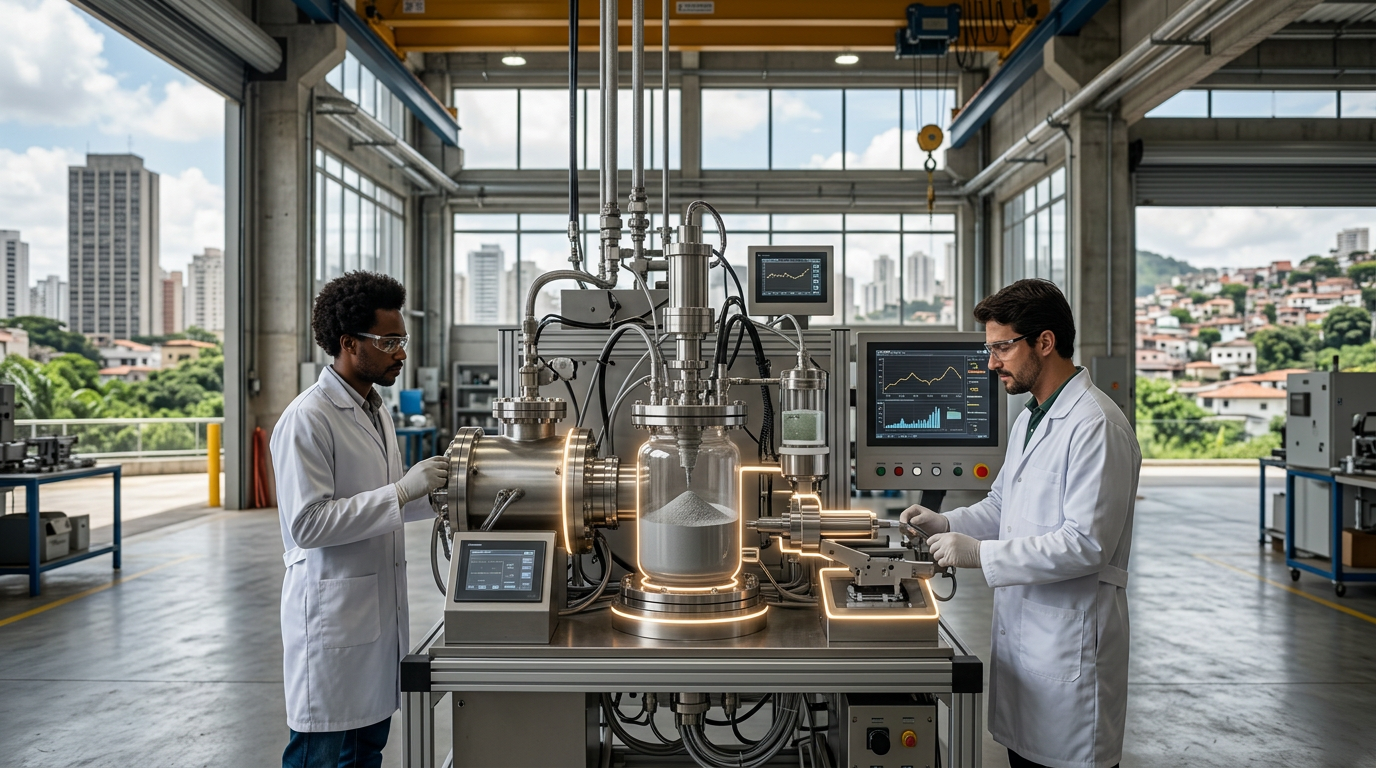
Brazil controls 77% of the world's niobium supply — now moving beyond steel alloys into EV battery anodes, superconductors, and advanced ceramics
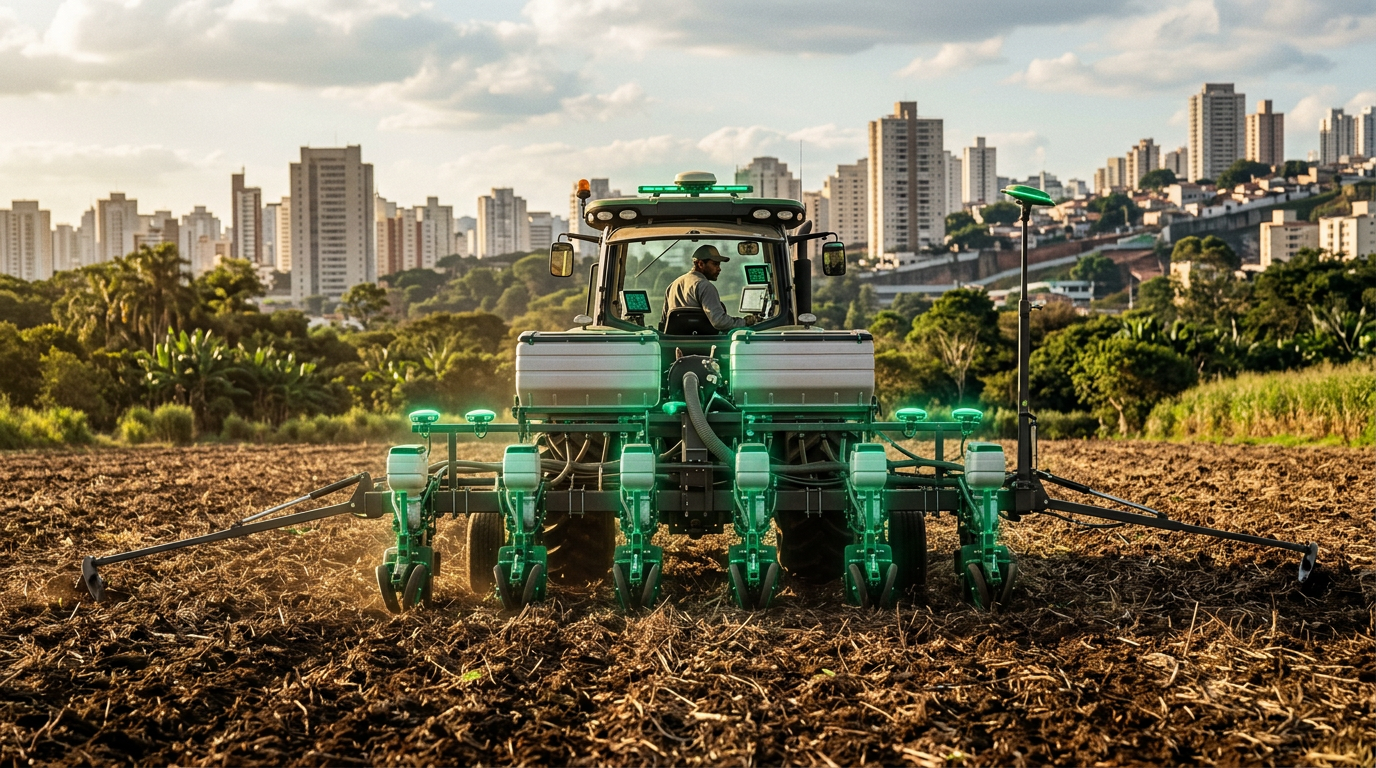
Brazil has 32+ million hectares under zero-tillage conservation agriculture — seeds planted directly into undisturbed soil, reducing erosion and building carbon
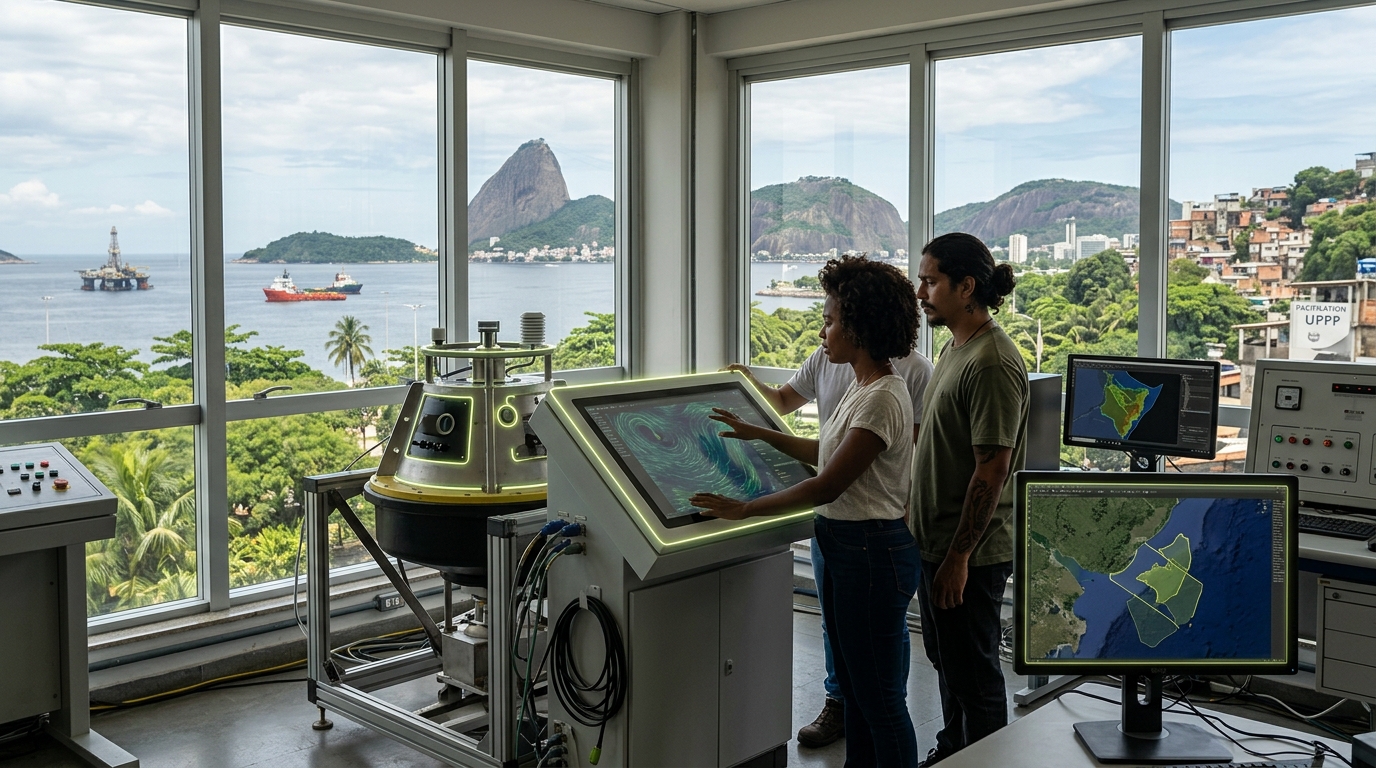
Brazil has 100+ GW of offshore wind potential along its northeast coast — first auctions planned for 2026, leveraging existing oil and gas offshore infrastructure
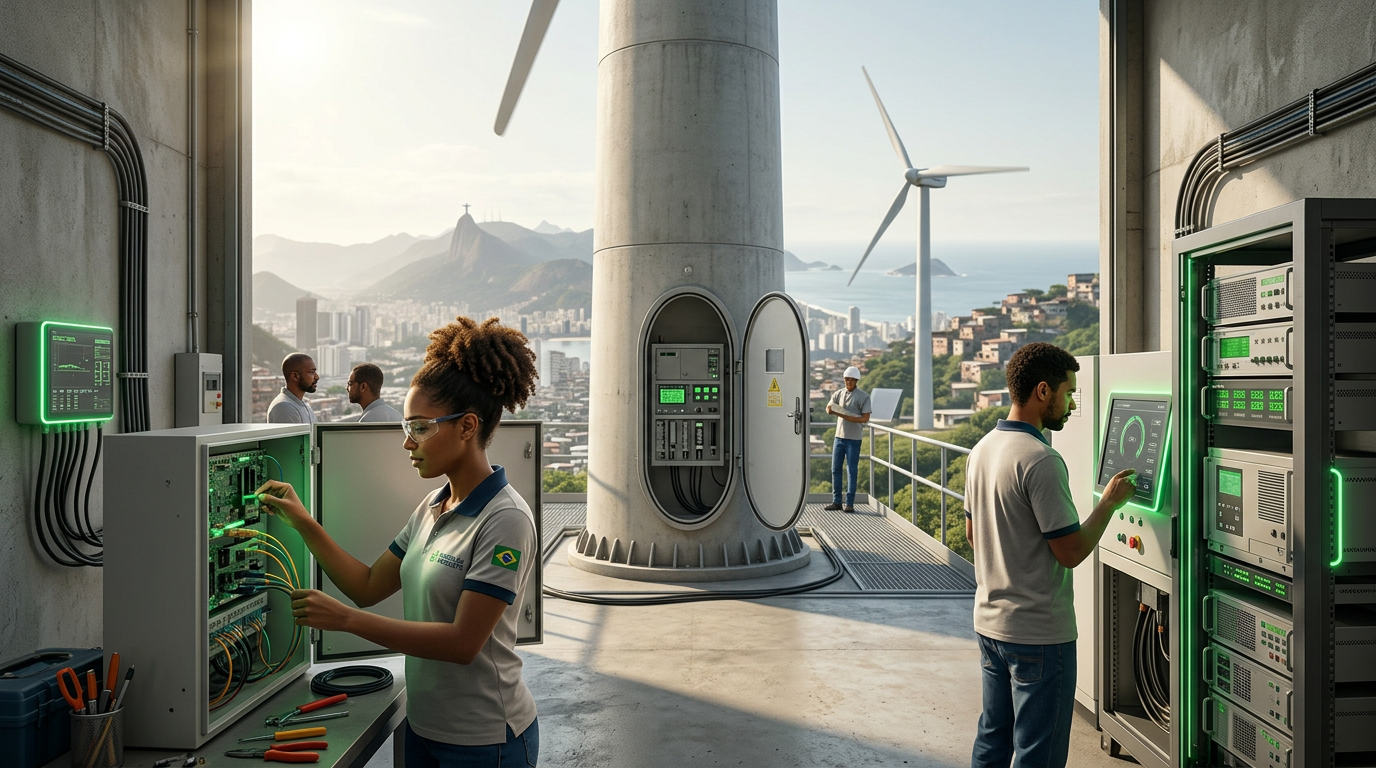
Brazil's northeast coast hosts one of the world's best onshore wind resources — 30+ GW installed capacity making wind the country's second-largest power source after hydro

Brazil operates one of the world's most advanced open finance frameworks — beyond open banking into investments, insurance, and pensions — with Pix integration enabling payment initiation
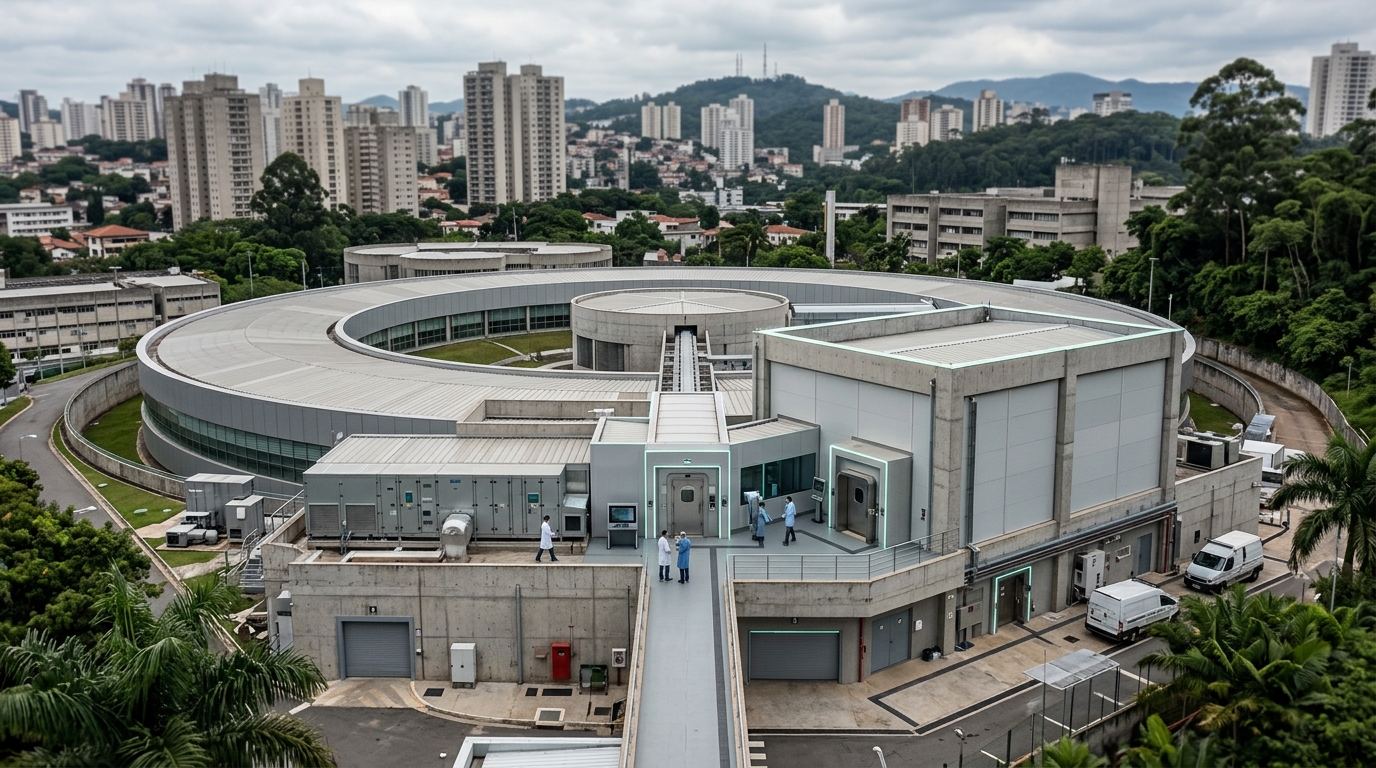
Latin America's first BSL-4 lab — and the world's first connected to a synchrotron light source — enabling research on the deadliest viruses (Ebola, Marburg, Nipah) at atomic resolution
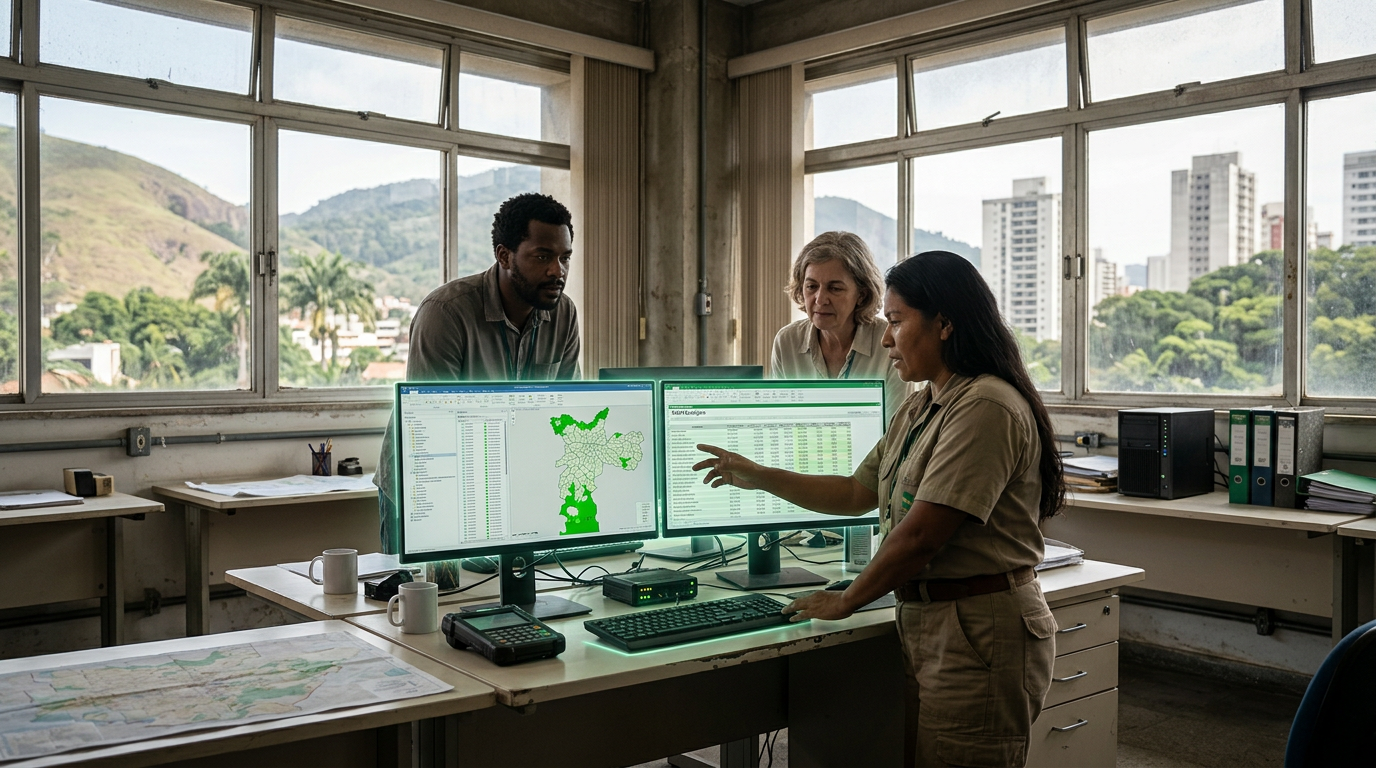
Brazil pioneered fiscal incentives for conservation — municipalities earn more tax revenue by maintaining protected areas, creating a direct financial incentive to preserve rather than deforest
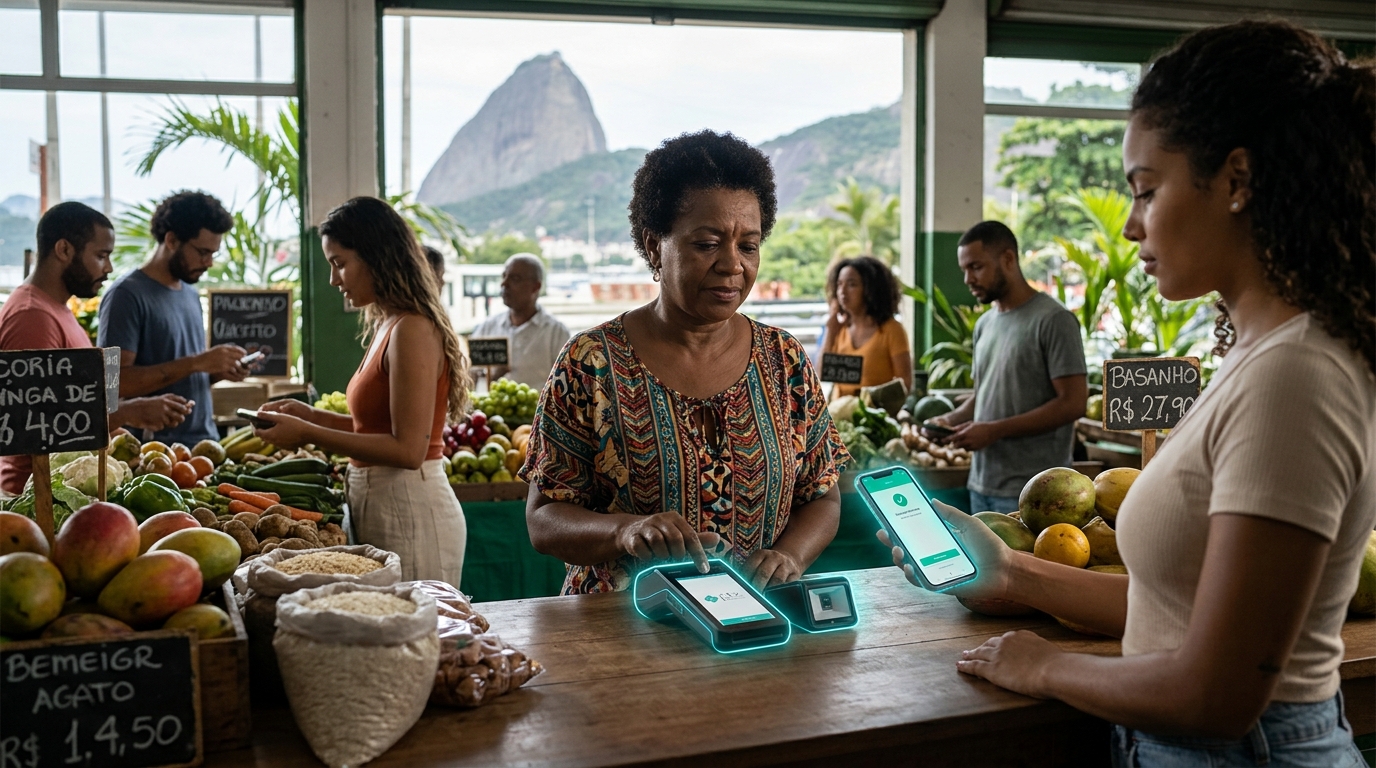
Central bank-built instant payment rail that reached 175M users and 7.3B monthly transactions in five years — dropping cash usage from 43% to 6%

Maritaca AI's Sabiá-3 LLM matches GPT-4o accuracy on 64 Brazilian professional exams at 3-4x lower cost per token — the first sovereign foundation model for Portuguese.

Petrobras pioneered ultra-deepwater drilling through 2km of water, 1km of rock, and 2km of salt to reach oil reservoirs — the Búzios field hit 1 million barrels/day in October 2025
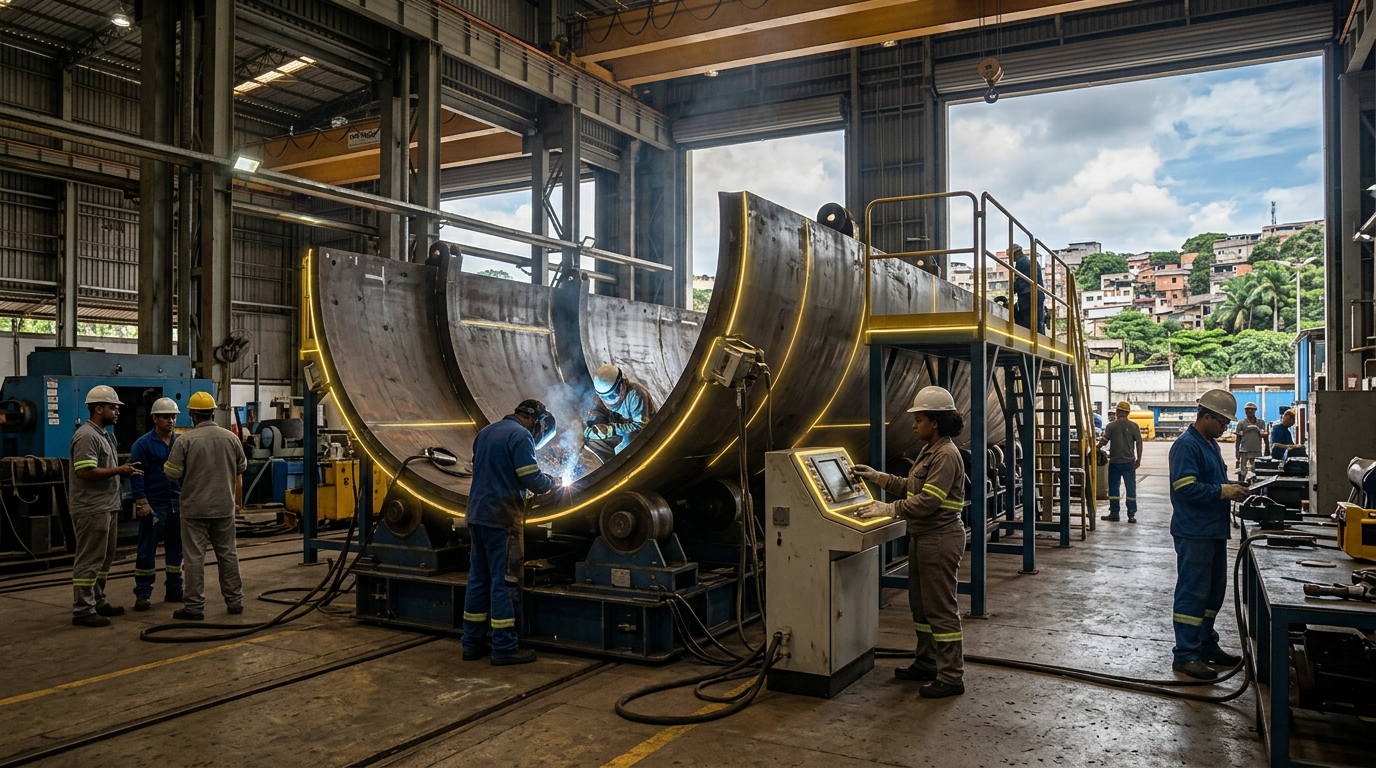
Brazil cut first steel for its nuclear-powered submarine in June 2025 — it will be only the 7th country with nuclear sub capability, using domestically enriched uranium
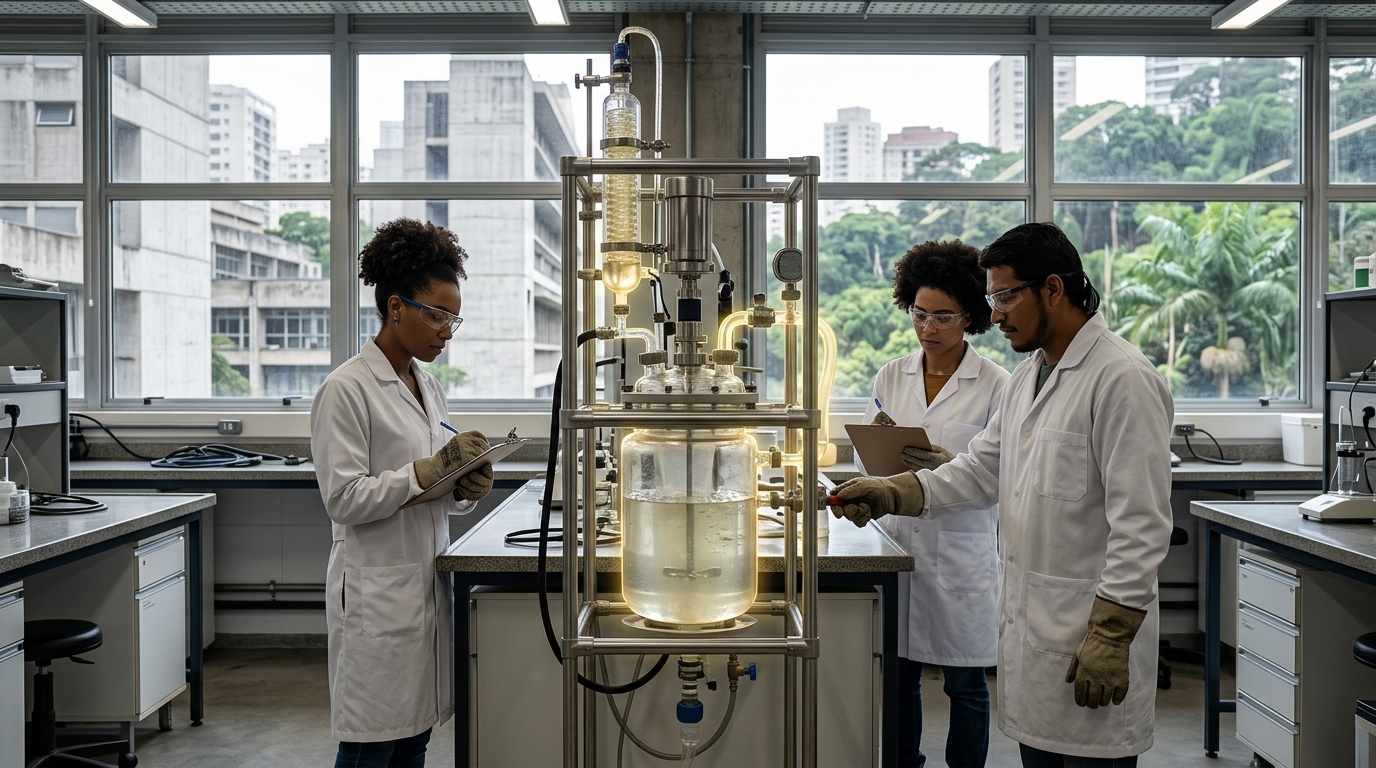
Brazil holds the world's 3rd-largest rare earth reserves but processes almost none domestically — new government policy aims to build processing capacity and break China's monopoly on REE refining
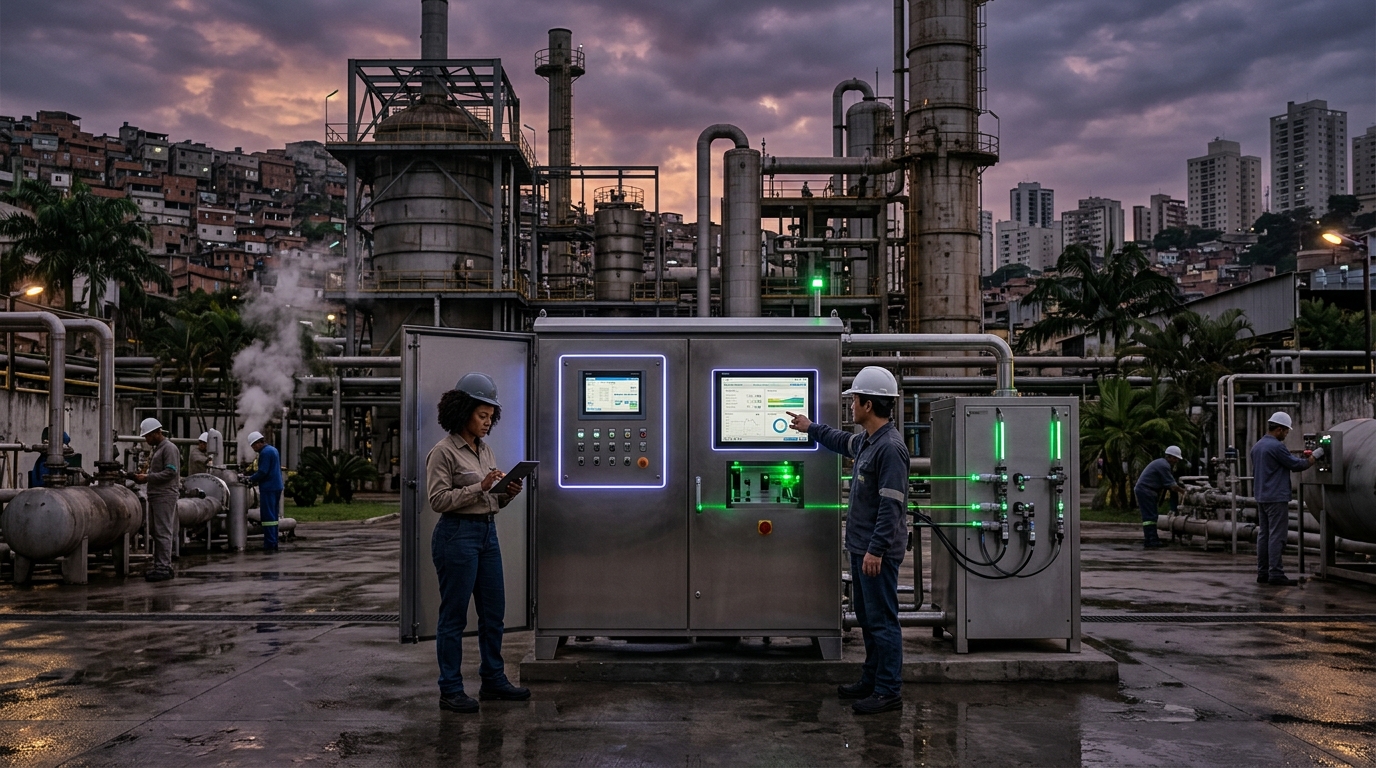
Stock-exchange-traded biofuel carbon credits (CBIOs) that mandate fuel distributors to buy decarbonization certificates — 88% compliance in 2025
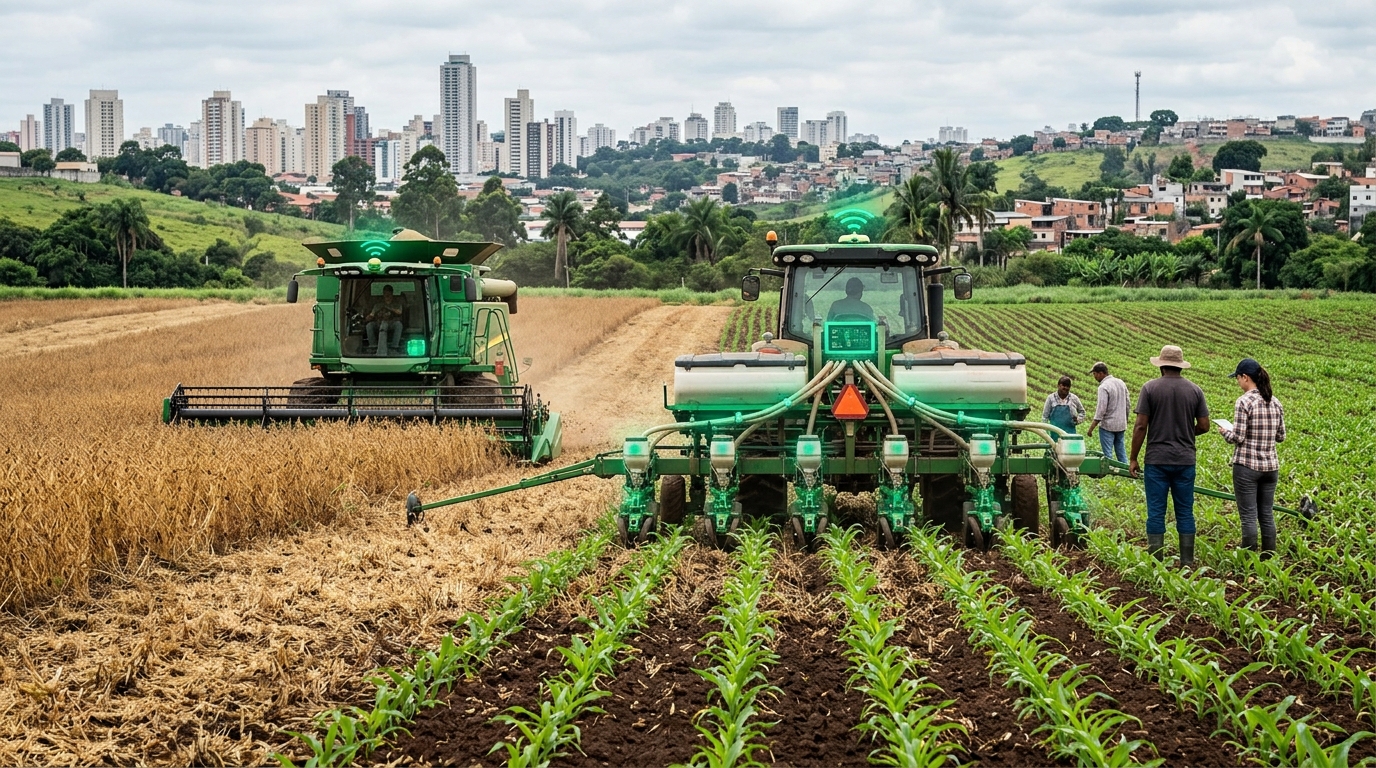
Tropical latitudes allow Brazilian farmers to harvest two crops per year on the same land — soy followed by corn — doubling productivity in a way temperate climates physically cannot replicate
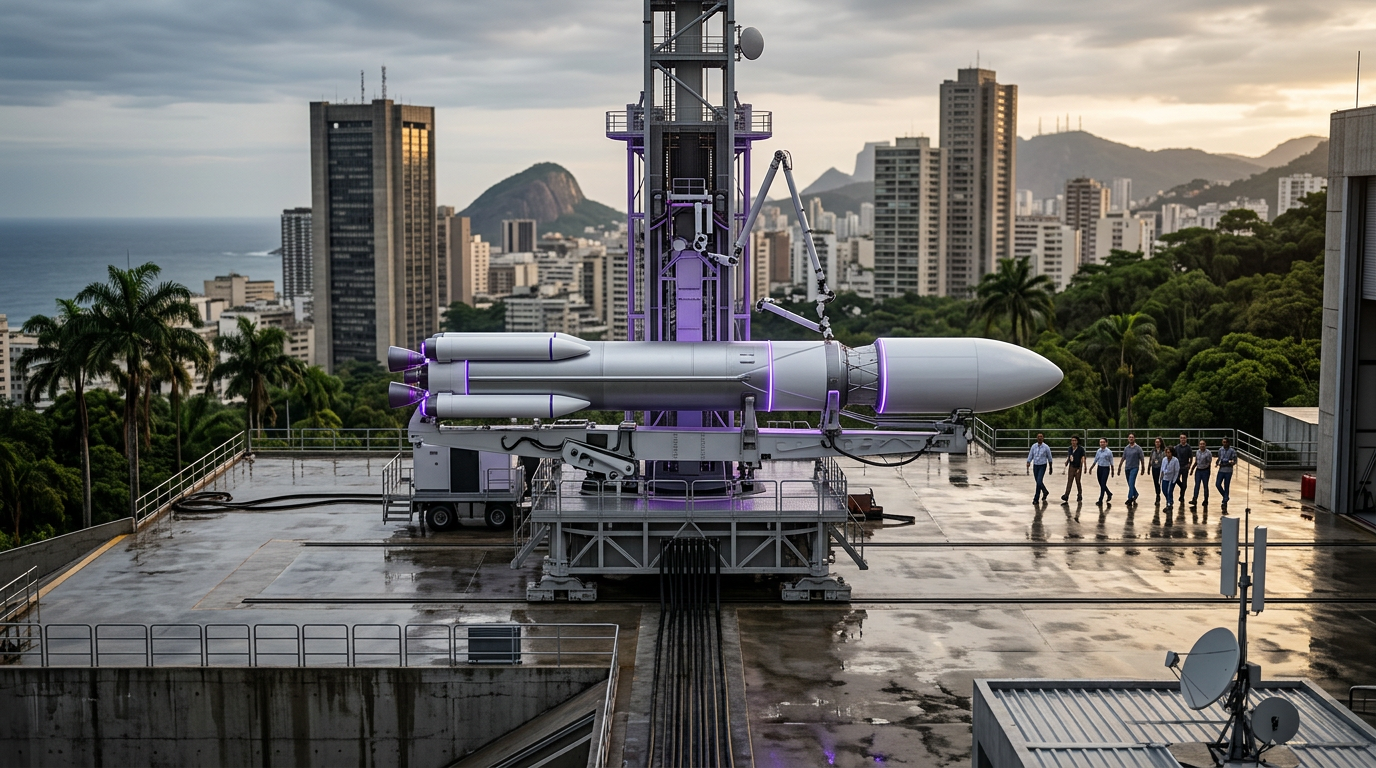
Brazil's VLM microsatellite launcher program at Alcântara aims to provide indigenous orbital access from the world's most equator-proximate launch site.
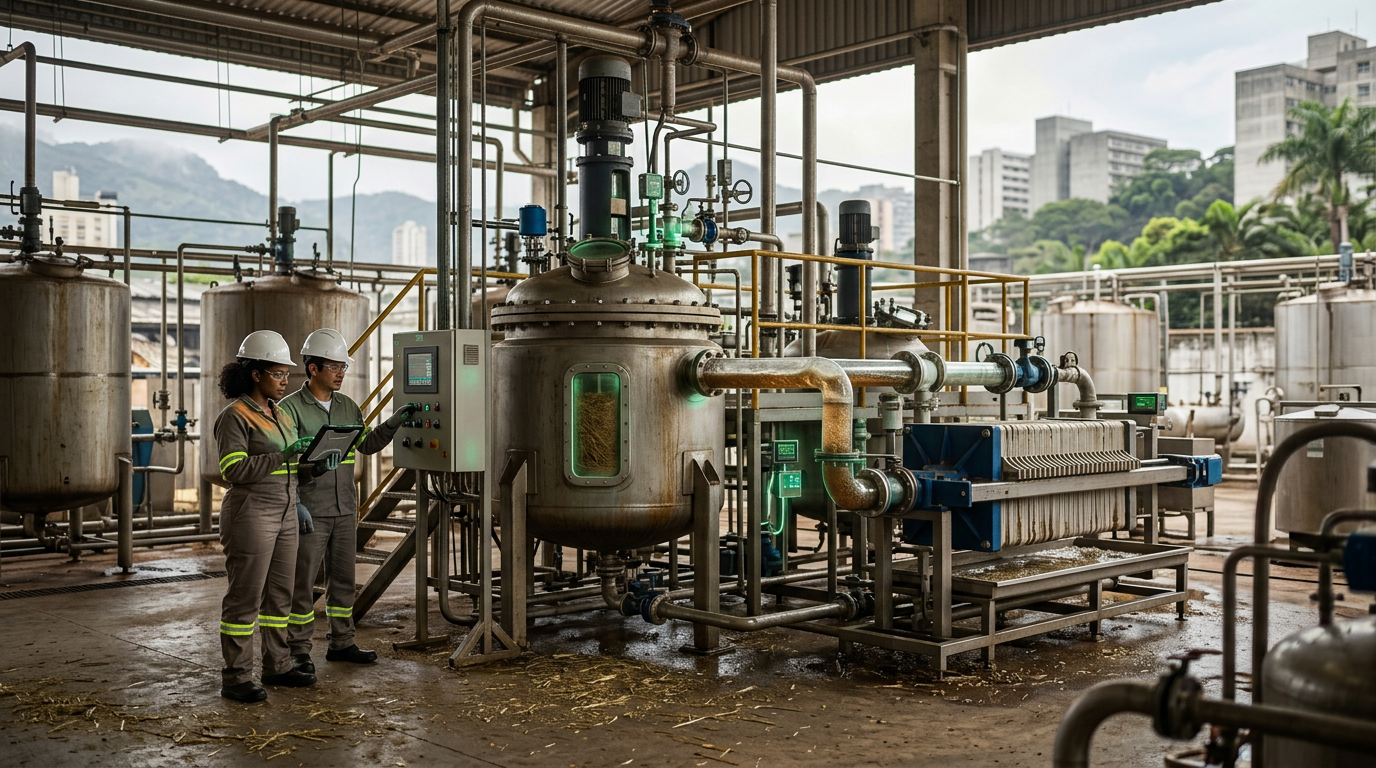
Converting sugarcane bagasse and straw into ethanol using enzymatic hydrolysis — extracting fuel from agricultural waste that was previously burned or discarded
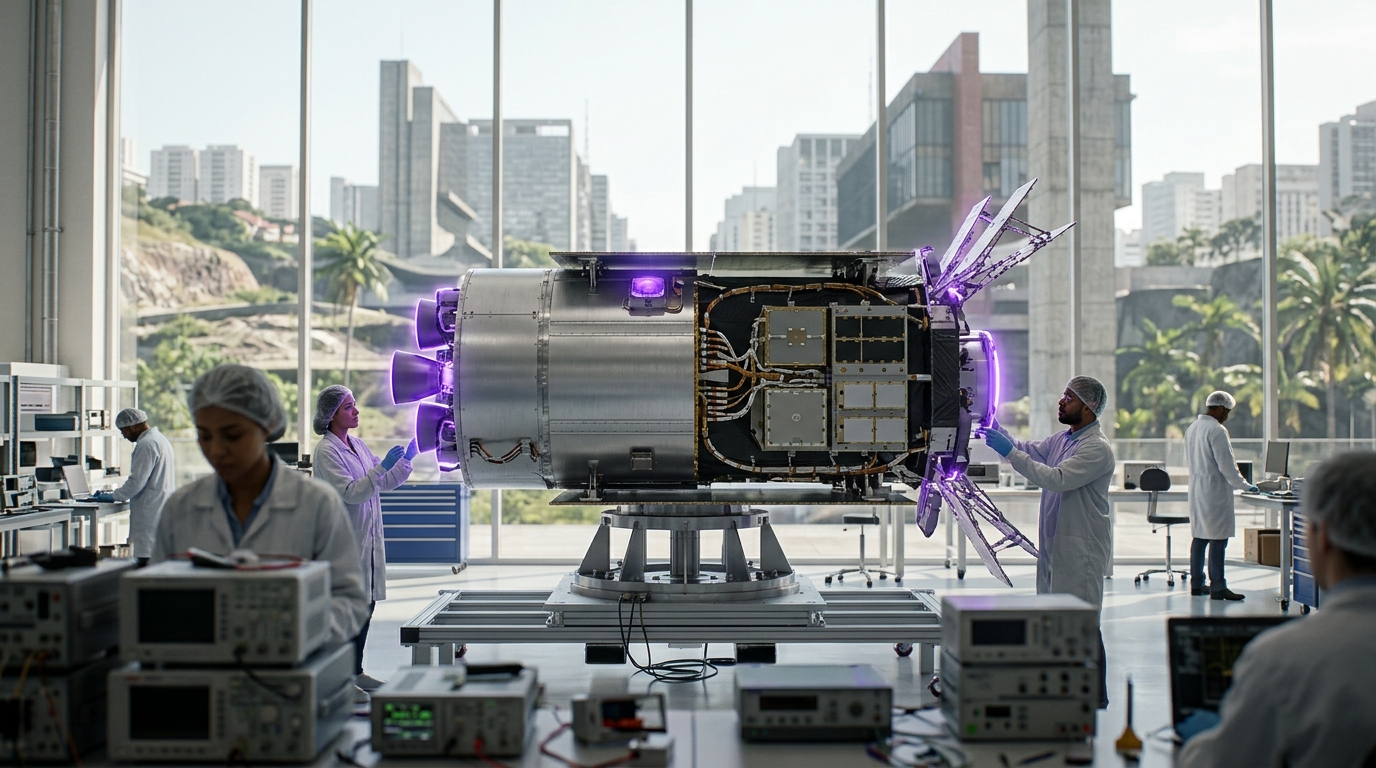
Brazil's geostationary defense satellite provides encrypted military X-band and Ka-band broadband to unconnected Amazon regions.
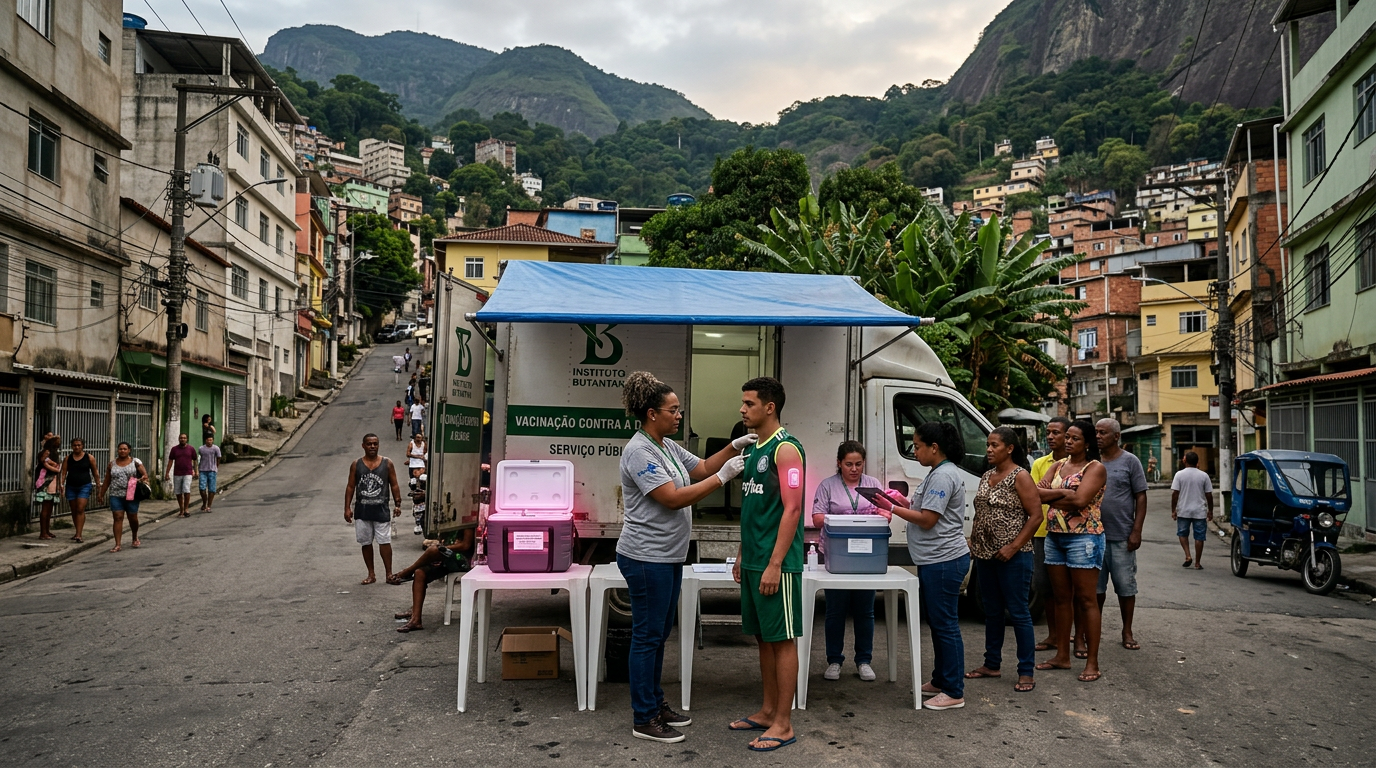
The world's first single-dose dengue vaccine — developed by Butantan, approved by ANVISA in Nov 2025, showing 80.5% efficacy against severe dengue over 5 years across all serotypes.
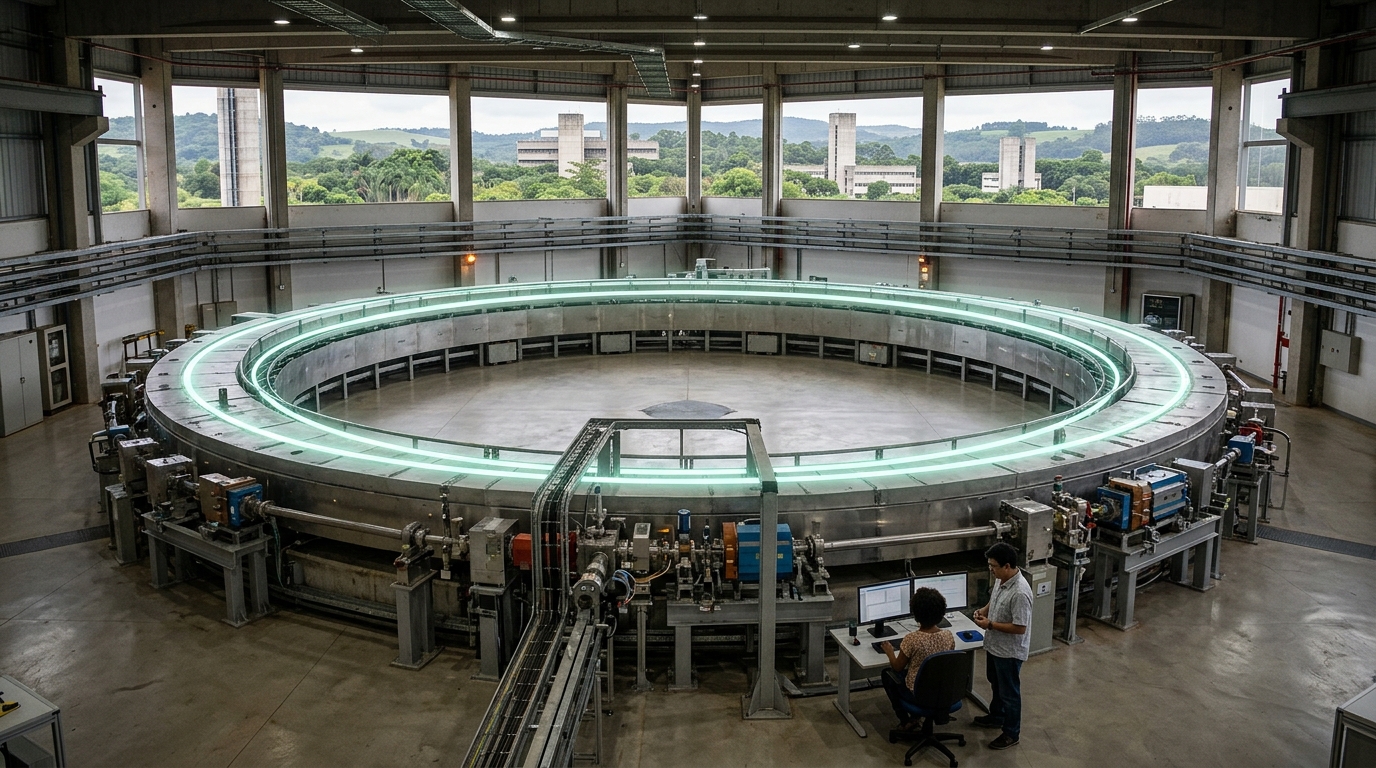
One of the world's first and brightest 4th-generation synchrotron light sources — the largest scientific infrastructure ever built in Brazil, open to researchers globally
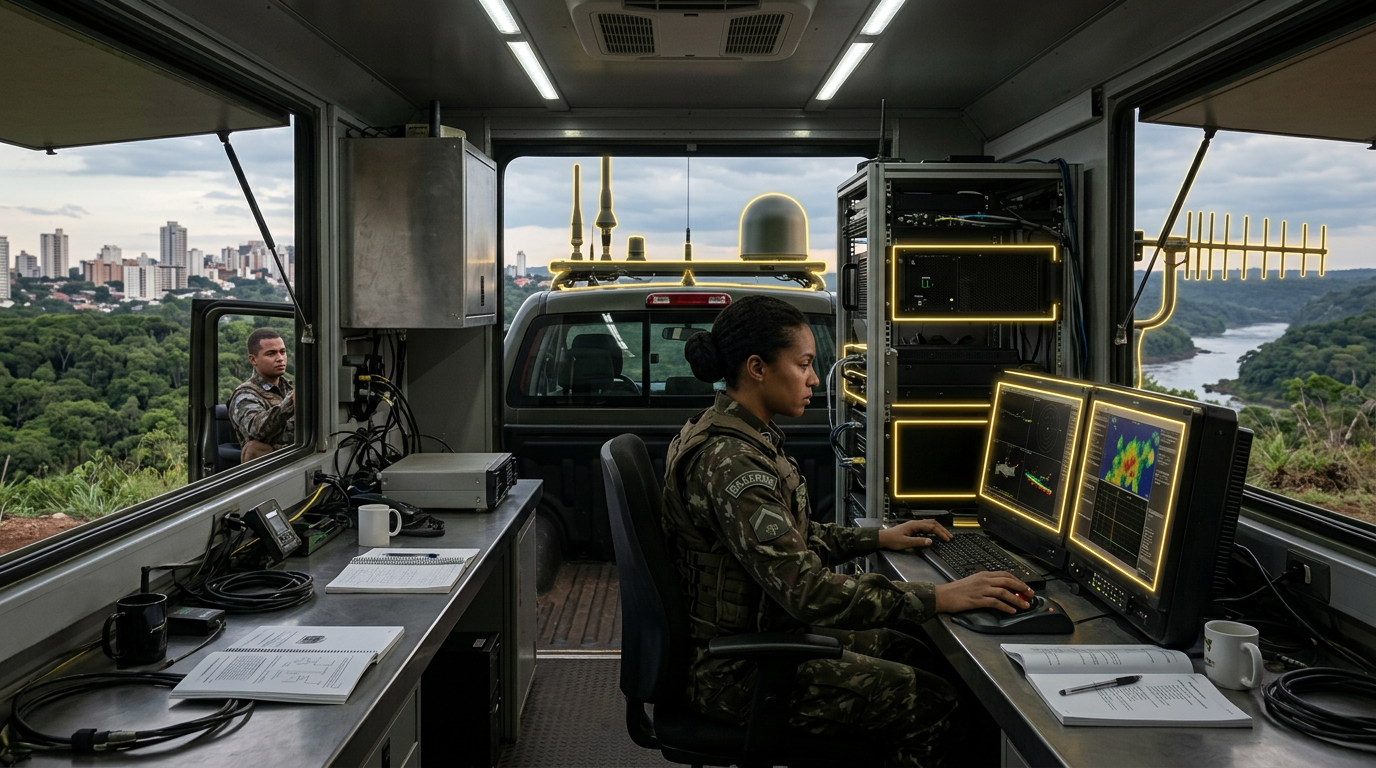
SISFRON deploys sensors, radars, and C4I networks across 16,886 km of land borders to provide sovereign surveillance over the world's 3rd-longest frontier.
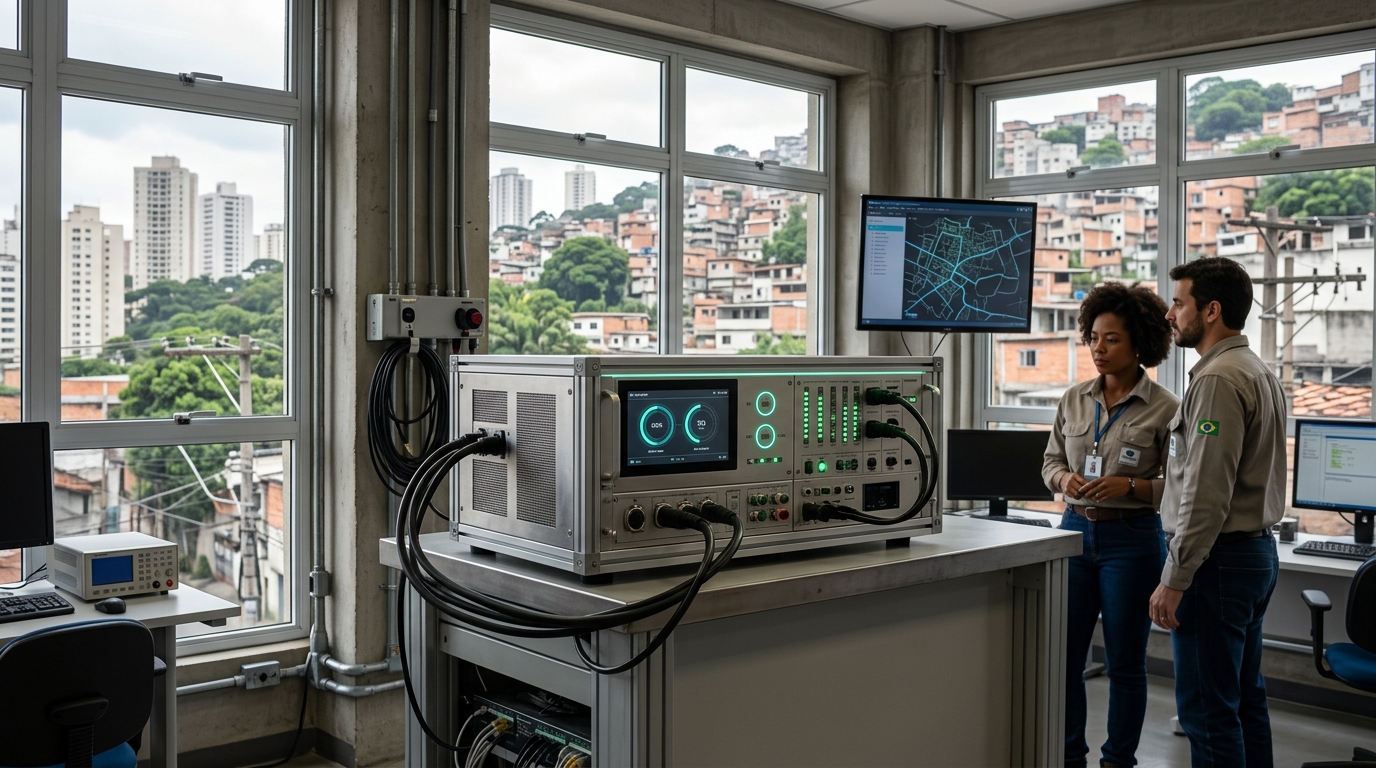
Brazil is digitizing its electricity distribution network — smart meters, automated fault detection, and grid-edge intelligence to manage the flood of distributed solar and reduce 15%+ technical...
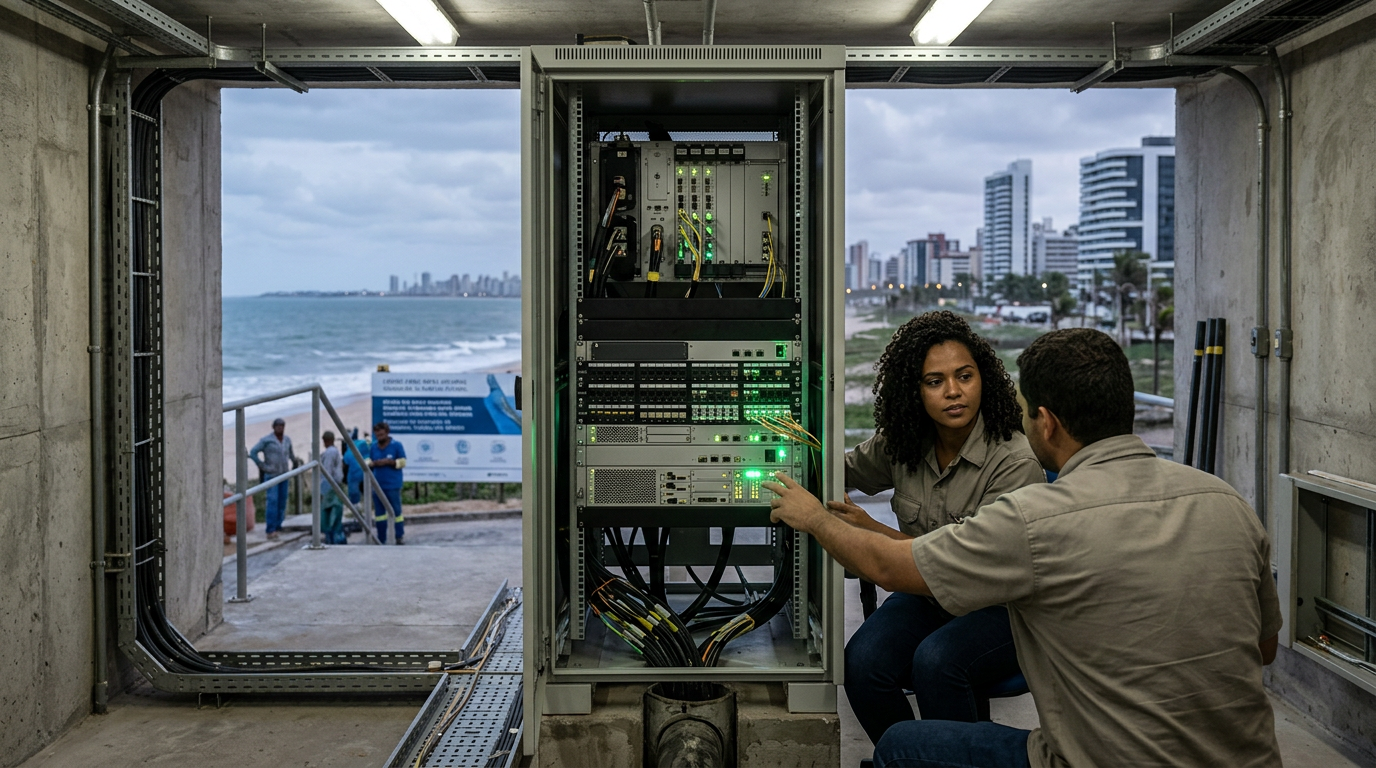
EllaLink provides the first direct fiber-optic link between Brazil and Europe (Fortaleza to Sines), bypassing US routing — 100 Tbps capacity with sub-60ms latency across the Atlantic
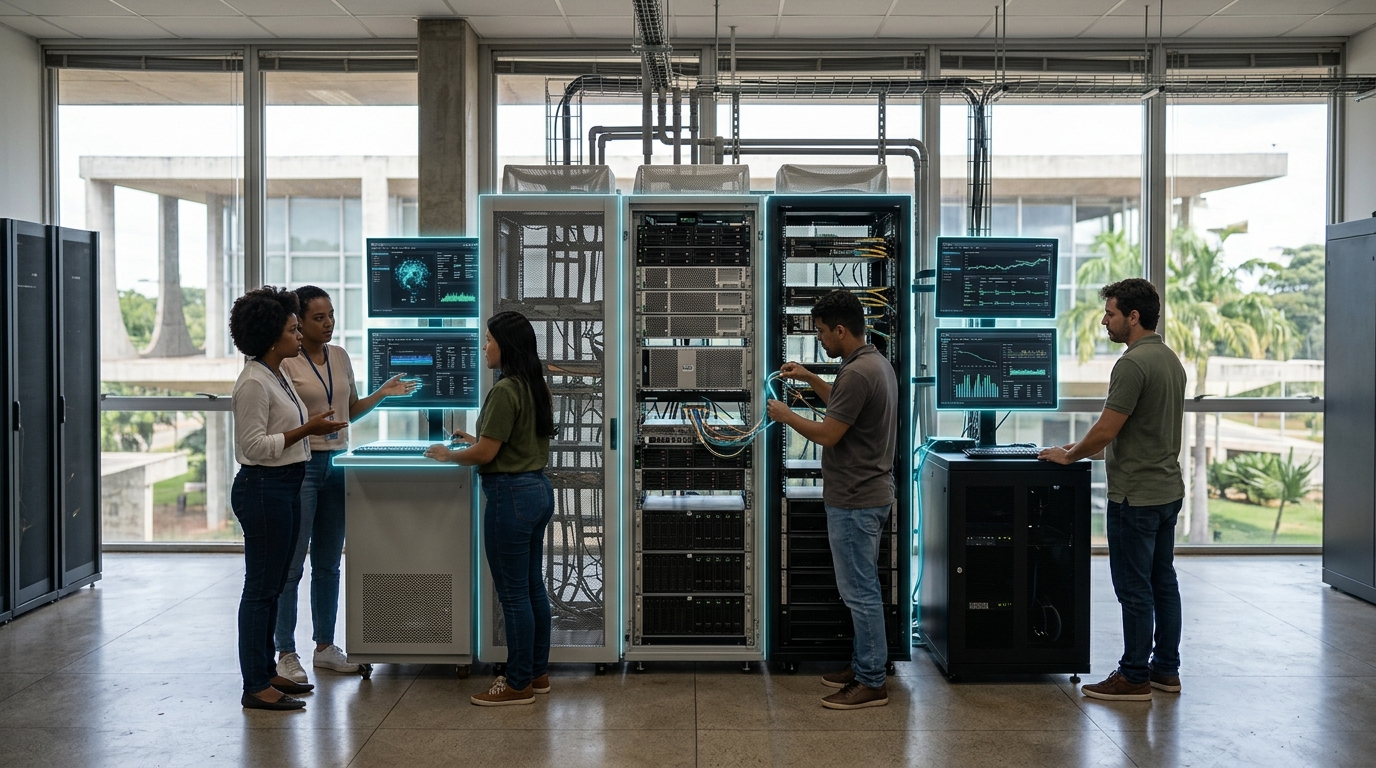
Brazil is building sovereign AI compute — $433M for SERPRO cloud modernization, Scala partnership for renewable-powered hyperscale data centers, and R$23B AI investment plan through 2028.
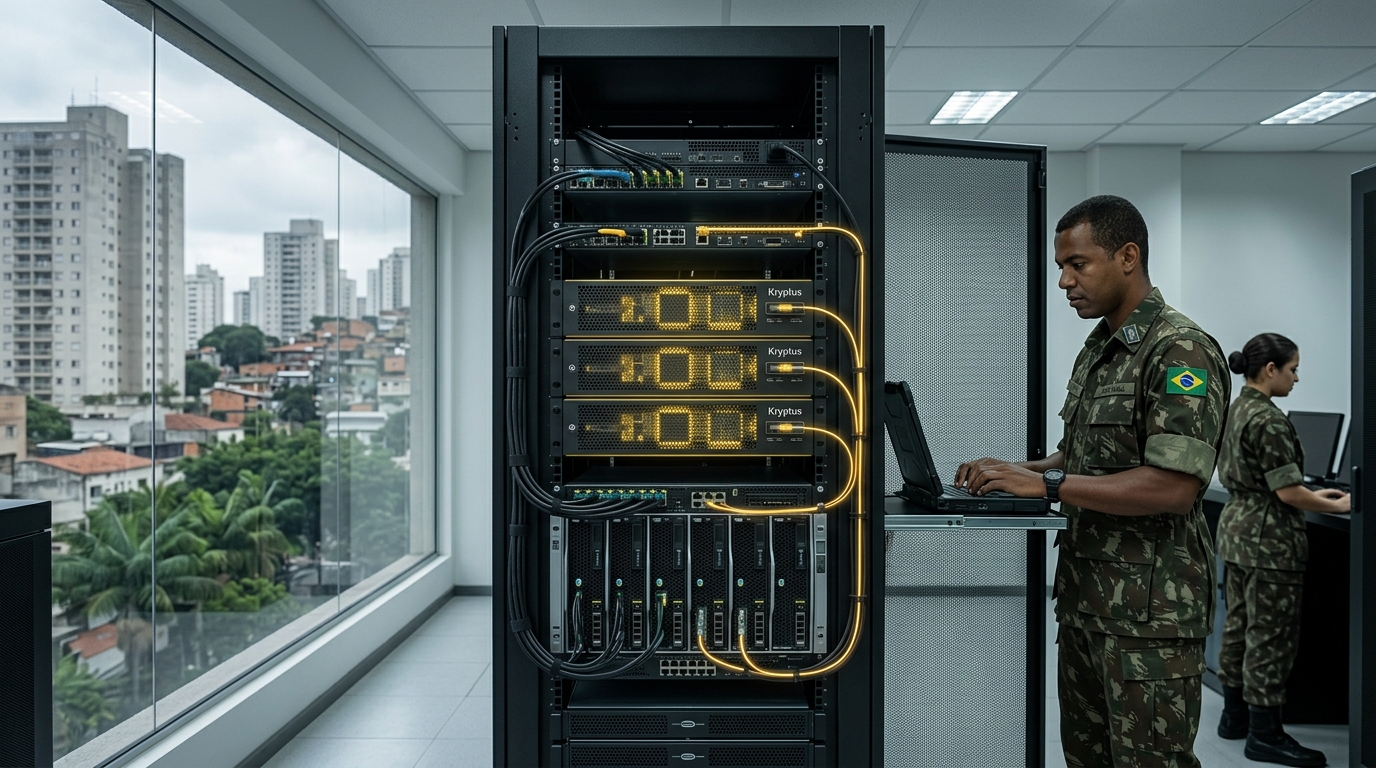
Kryptus produces Brazil's only nationally-certified hardware security modules (HSMs) for government and defense encryption, reducing dependence on foreign crypto.

Brazil's Tamandaré-class frigates combine German MEKO hull design with Embraer combat systems integration — 4+4 ships being built at the Oceana shipyard, first delivered in 2025.
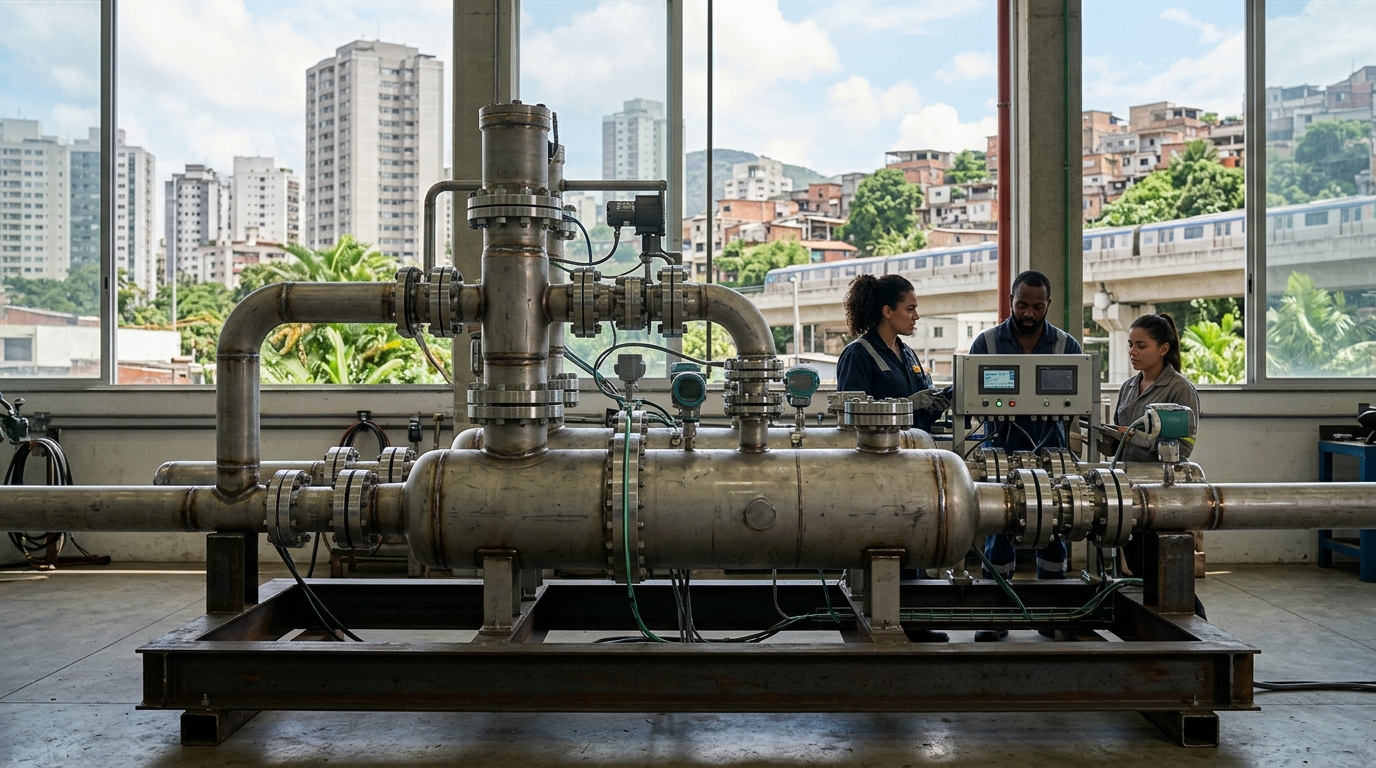
Petrobras pioneered subsea oil-water-gas separation on the ocean floor at 2,000m+ depth — reducing topside processing and enabling production from otherwise uneconomical fields.
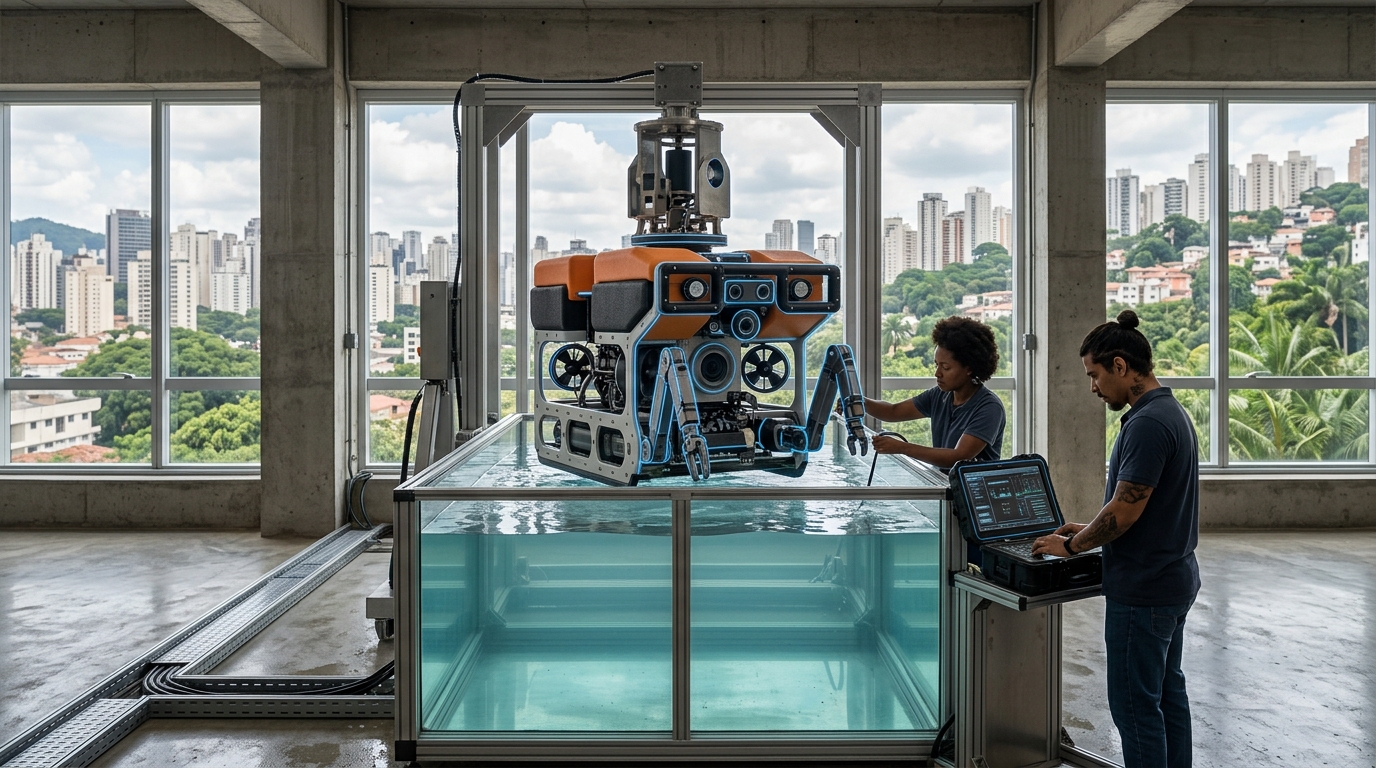
Remotely operated and autonomous underwater vehicles for pre-salt oil field inspection, maintenance, and intervention at depths exceeding 2,000 meters
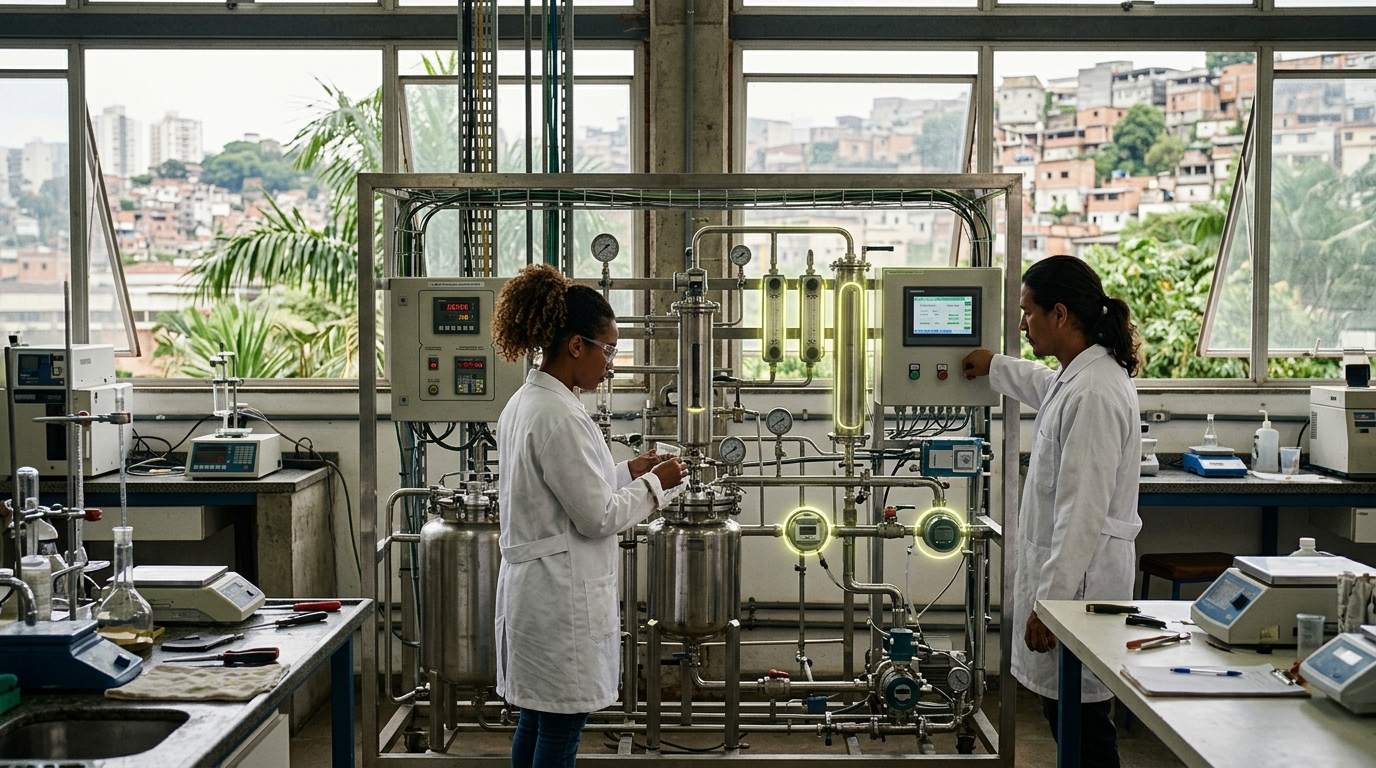
The world's most efficient biofuel system — 50 years of industrial-scale ethanol production from sugarcane, powering 70%+ of Brazil's light vehicle fleet via flex-fuel engines
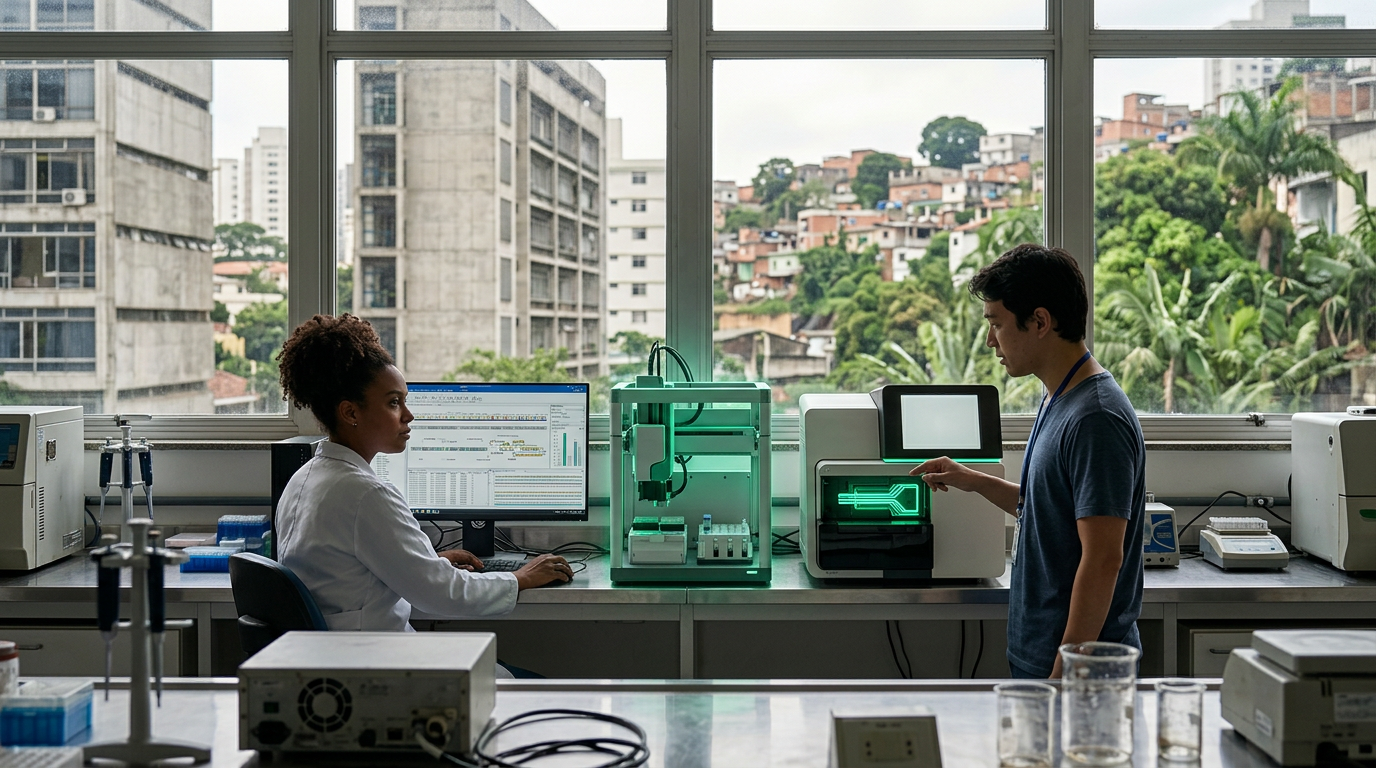
Brazilian researchers decoded the sugarcane genome — one of the most complex plant genomes ever sequenced — enabling precision breeding for yield, disease resistance, and drought tolerance
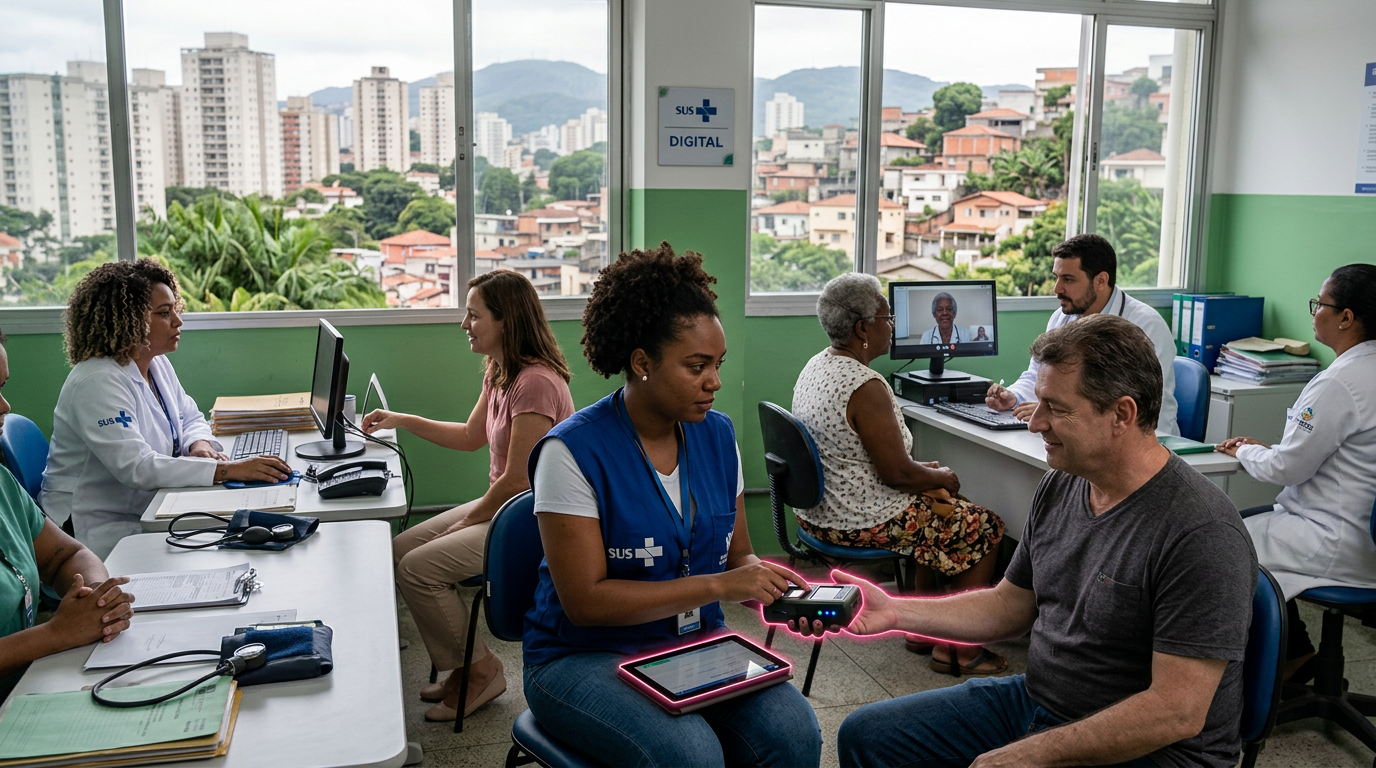
The world's largest unified public health system (serving 220M people) is going digital — telemedicine, AI diagnostics, and smart health networks to reach remote communities
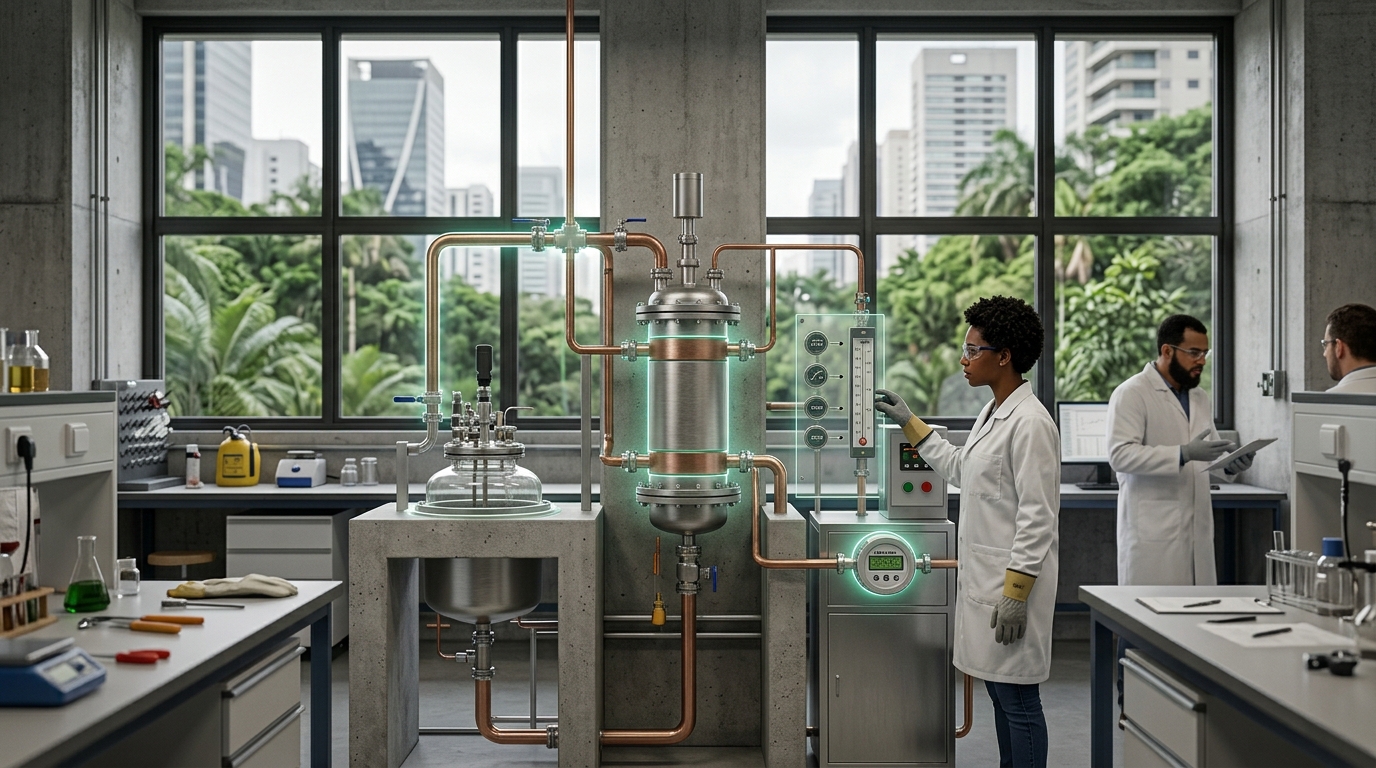
Alcohol-to-jet (ATJ) technology converts sugarcane ethanol into aviation fuel — Brazil's 'Fuel of the Future' law mandates SAF blending and BNDES invested R$1B in a production plant
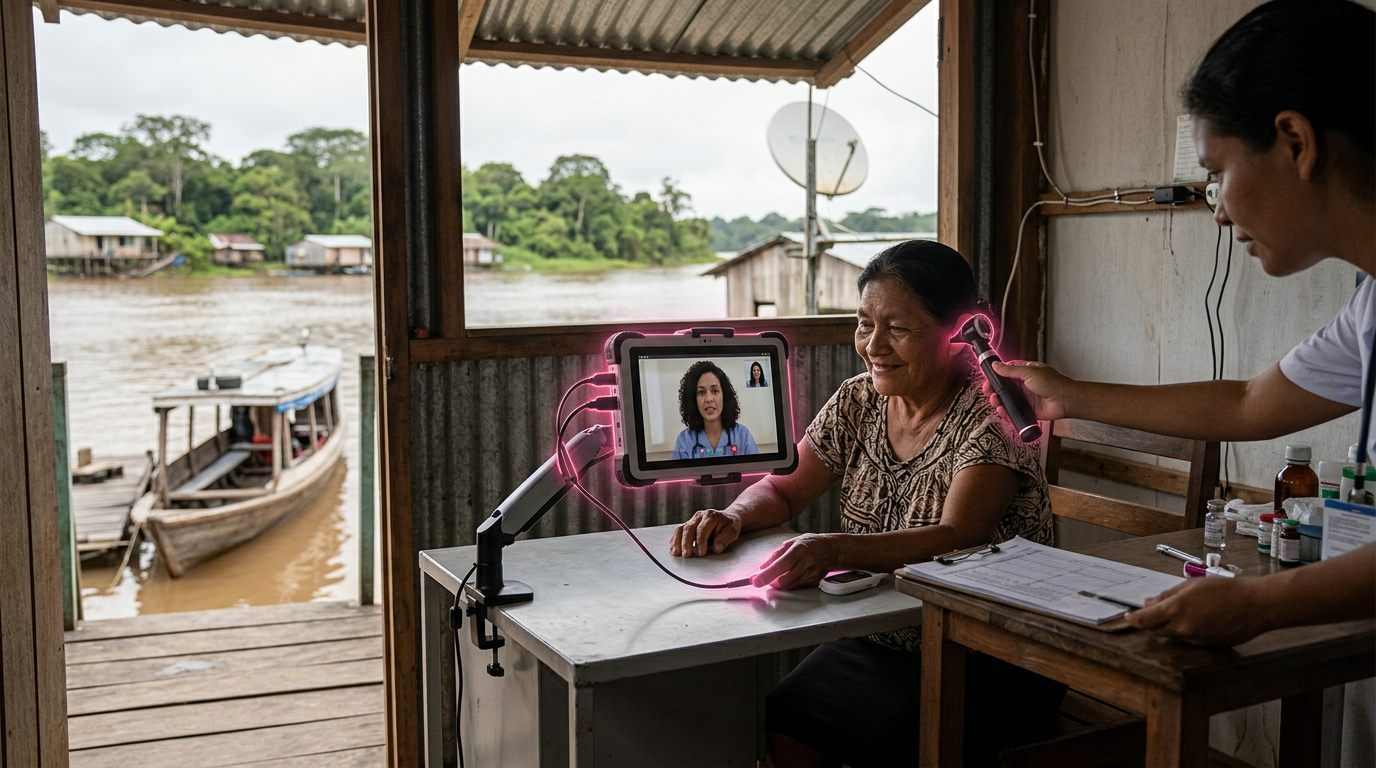
Telehealth networks extending specialist medical care to Amazon riverine communities and rural interior — where the nearest hospital may be days away by boat
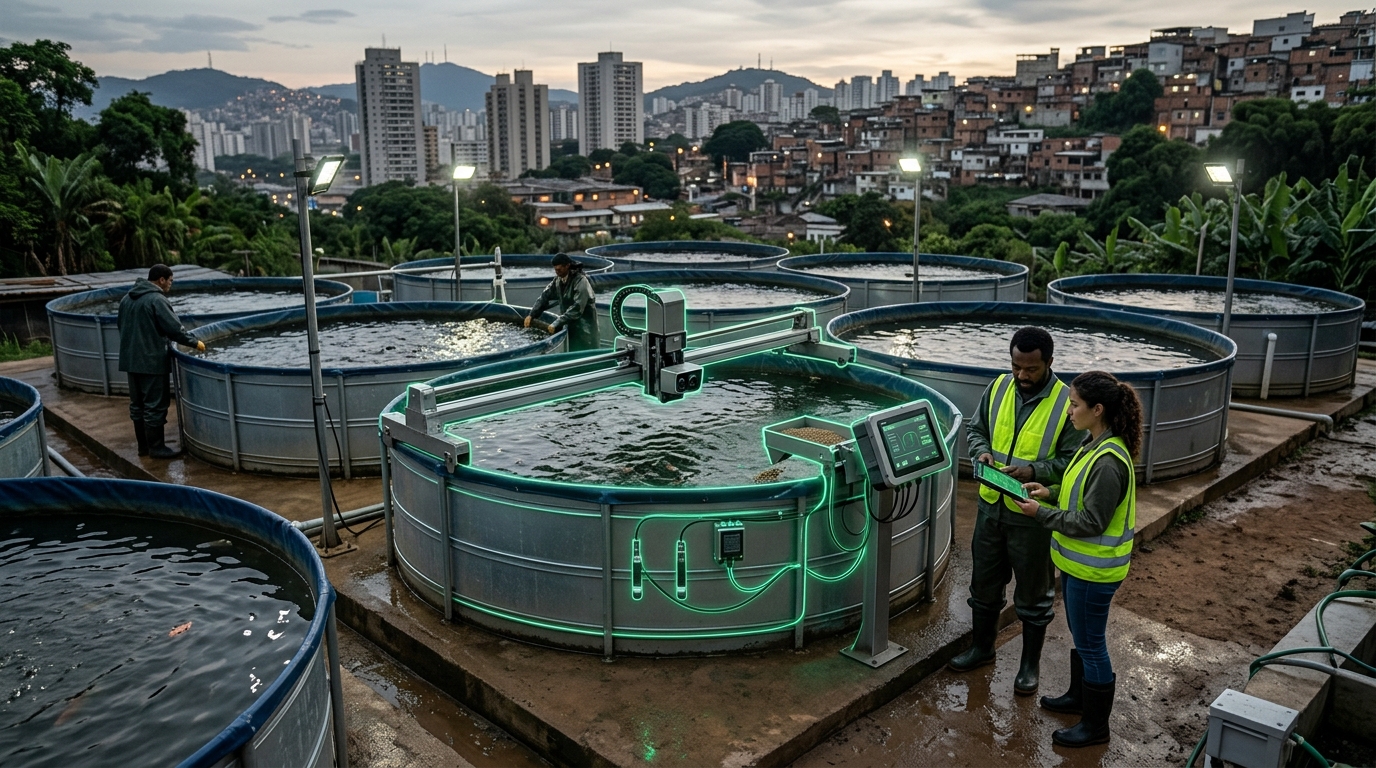
Brazil is the world's 4th-largest tilapia producer and the largest producer of tambaqui (native Amazonian fish) — aquaculture growing 10%+ annually as a protein source
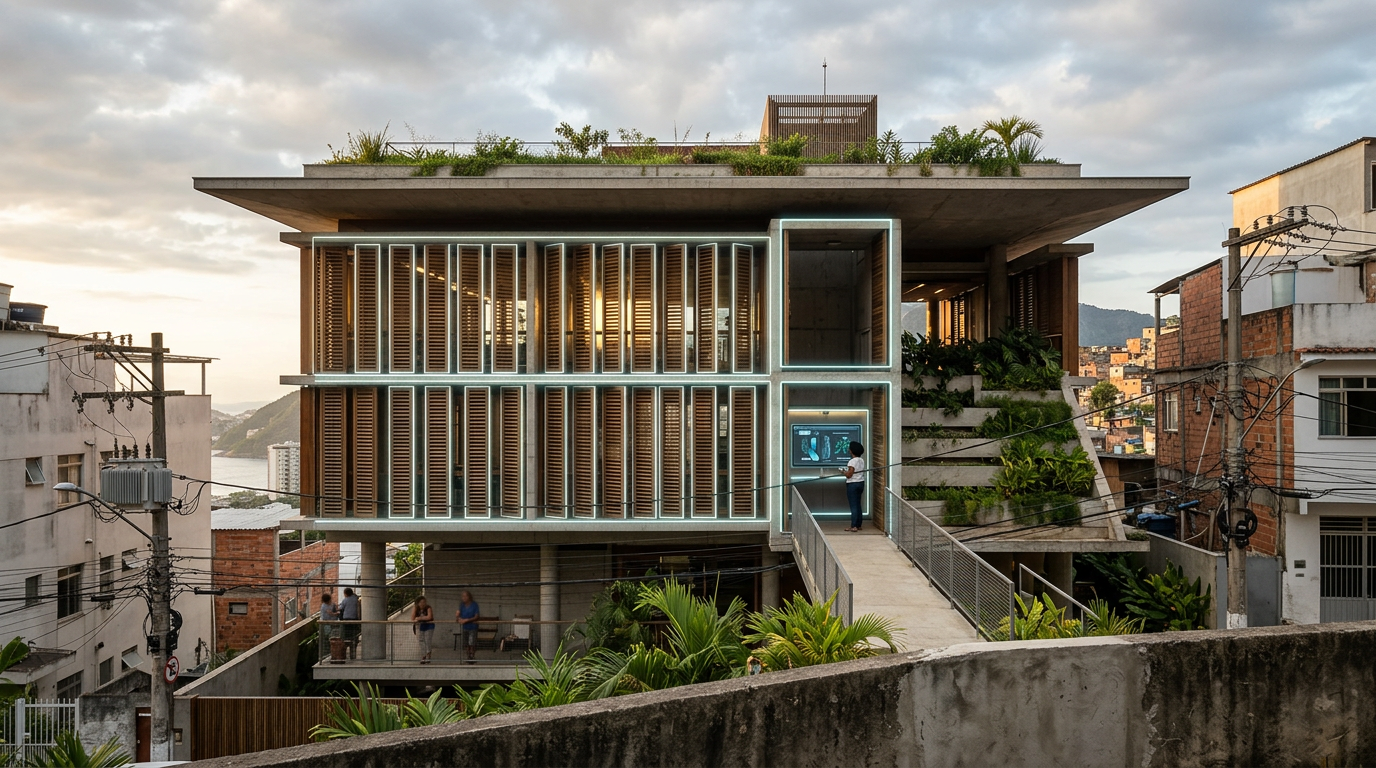
Brazilian architects and engineers developed passive cooling, natural ventilation, and bioclimatic design principles for tropical buildings — reducing energy demand in a country where air...
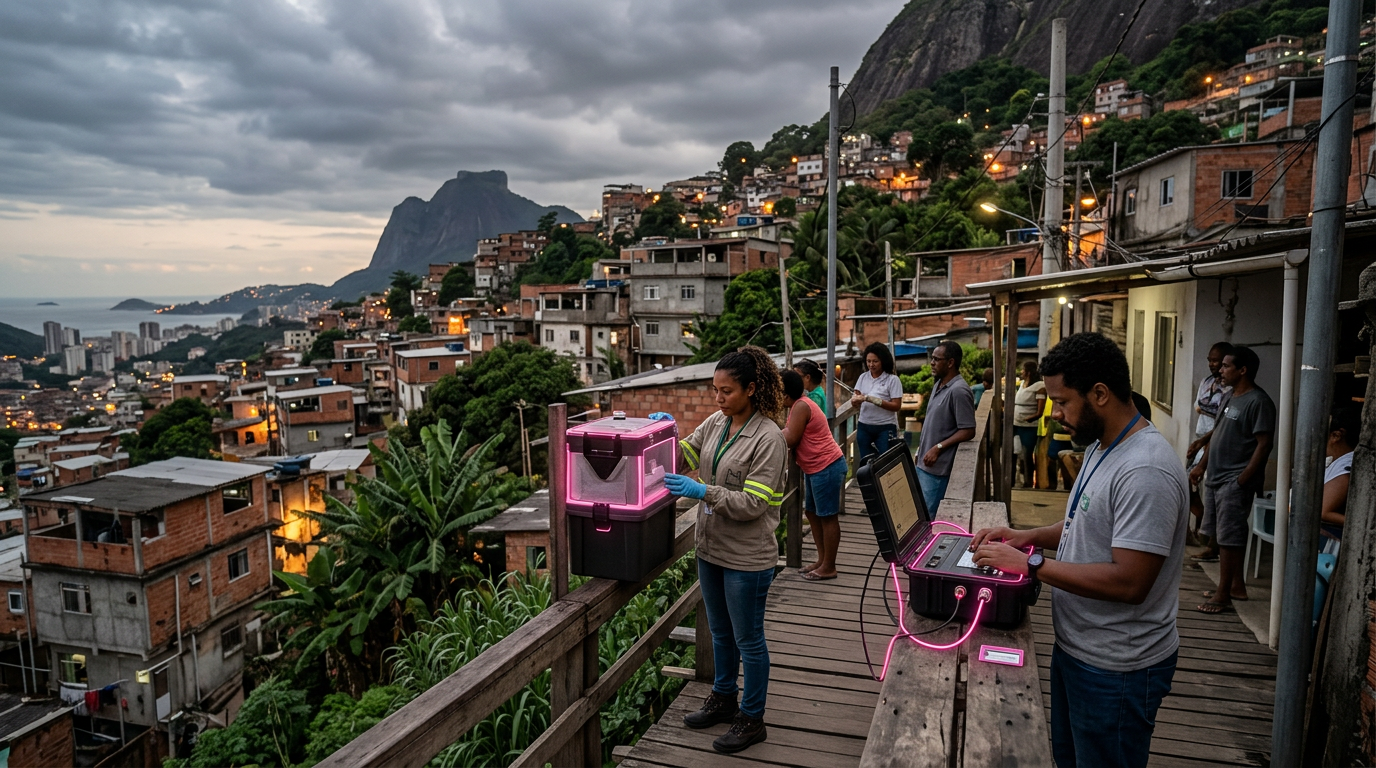
Fiocruz and partner institutions maintain one of the world's deepest research pipelines for dengue, Zika, Chagas, and other tropical diseases that affect 1+ billion people globally
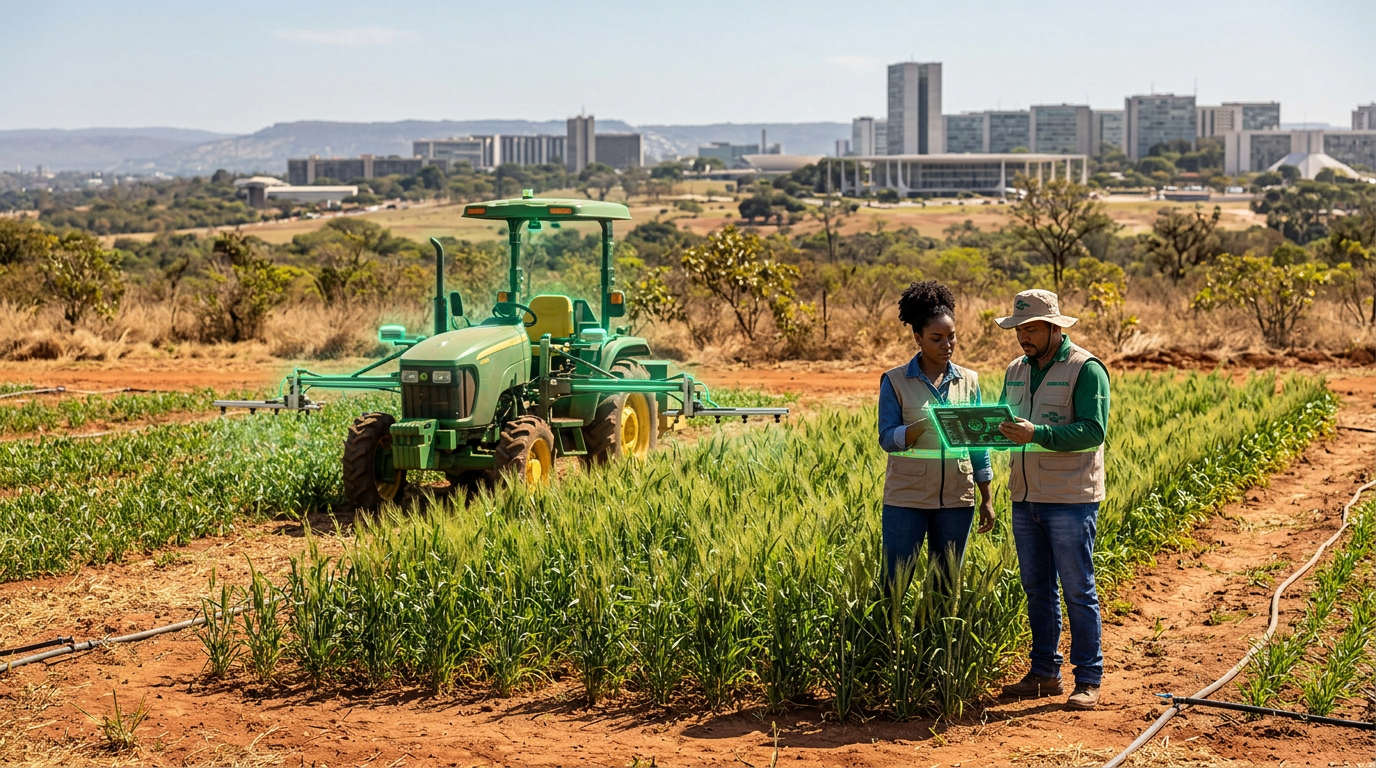
EMBRAPA is breeding heat-tolerant wheat for the cerrado's dry winter — enabling wheat as a second crop after soybeans, potentially eliminating Brazil's $2B+ annual wheat import bill
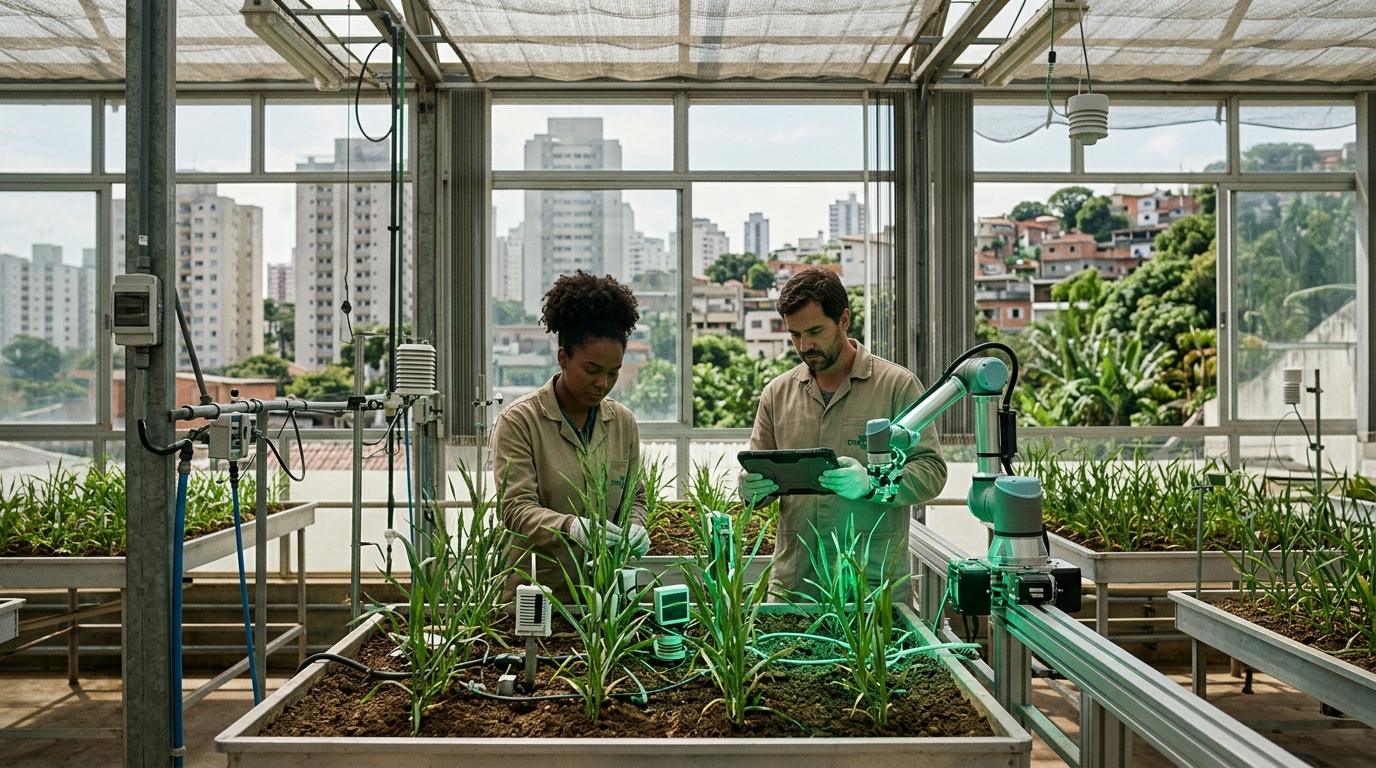
EMBRAPA is breeding wheat varieties adapted to tropical cerrado conditions — Brazil imports 50% of its wheat and aims for self-sufficiency within a decade
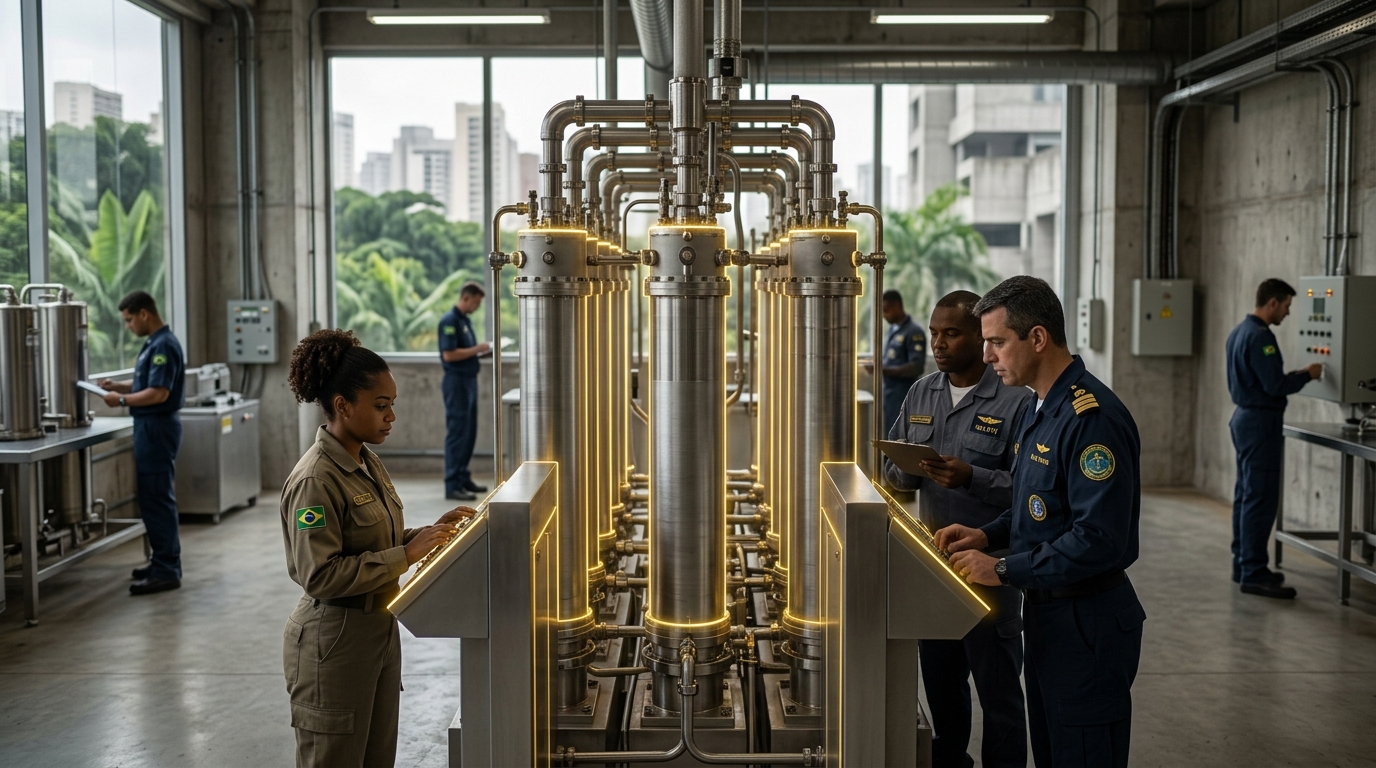
Brazil is one of fewer than 10 countries with indigenous uranium enrichment capability — centrifuge technology developed by the Navy for the nuclear submarine program